Militariarg.com
  • Home
  • Army
  • Aviation
  • Navy
  • Uniforms and Badges
  • Arms and Weapons
  • Equipment
  • Vehicles
  • Operational and Organizational Structure, Security Forces, Transportation, Books, Models and More.
  • Argentine Confederation Era. 1829 - 1852.
  • From 1852 to 1910 (French fashion)
  • Bunker 1982: South Atlantic War Militaria
  • International Militaria
  • Argentina WWII Era (Neutral) Reenactment Impression
  • Links ~ Enlaces
Picture

M15 Adrian Helmet

Picture
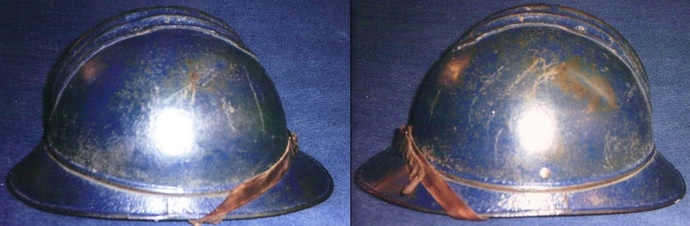
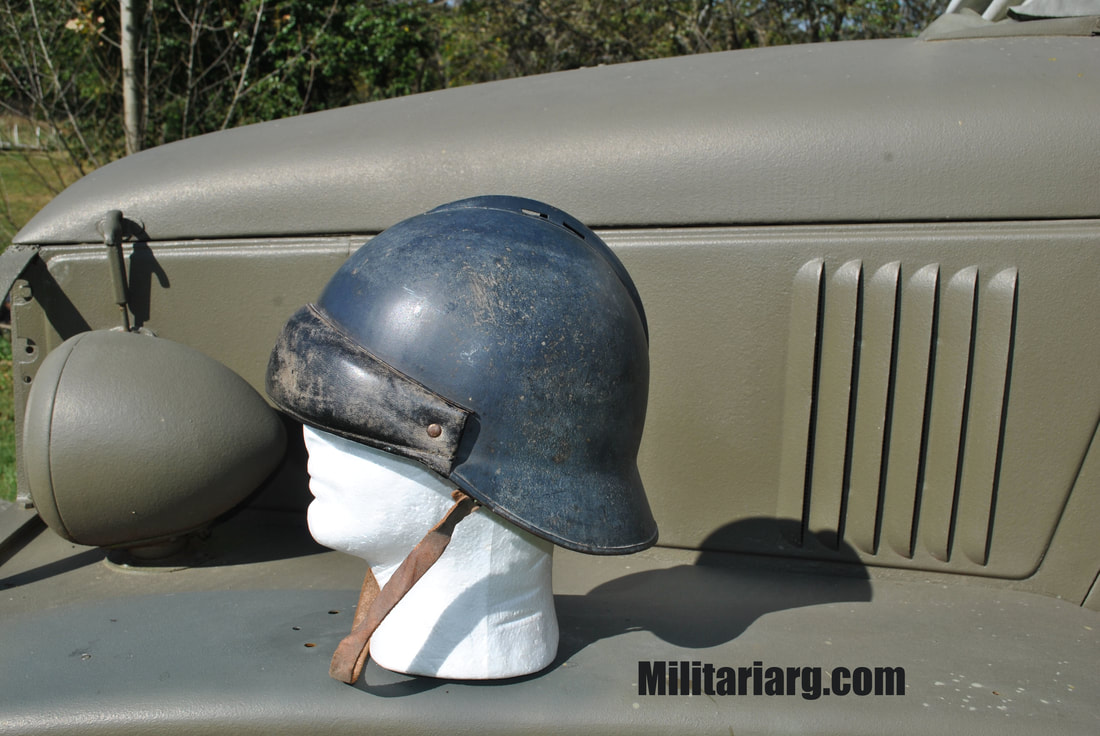
The M15 Adrian helmet (Casque Adrian) was the first modern steel helmet to be issued to a national army, standard for the French Army during World War I. Designed to protect against falling shrapnel in trench warfare, it features a distinctive bowl shape with a front and rear brim, and a crest running over the top. 

The original M15 was made in four separate steel parts (peak, neck, bowl, and comb) riveted or welded together. This multi-piece design differs from the later, single-piece M26 helmet.
The steel used was thin (0.7mm) but provided significantly improved protection compared to the cloth kepi it replaced.
Early M15s were painted the horizon blue color of the French uniform. Later war or post-war helmets often had a darker, matte gray-blue finish.

A metal badge was affixed to the front, indicating the wearer's branch of service. Common examples include:

Infantry: A flaming bomb with the initials "RF" (République Française).
Artillery: A flaming bomb with crossed cannons.
Cavalry: A flaming bomb with crossed sabers.


The interior featured a corrugated tin sheet for ventilation, upon which a leather liner with padding (often made from salvaged greatcoats) was mounted.
Picture
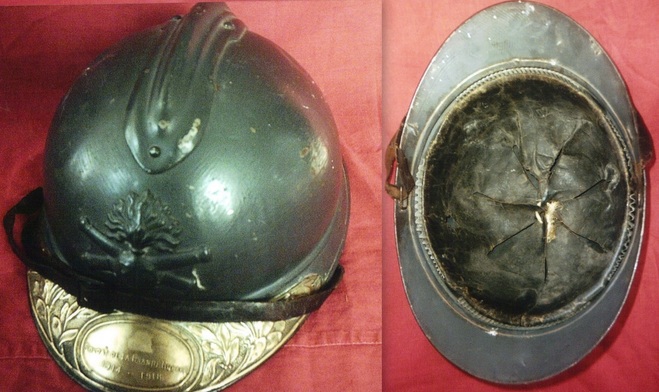
Adrian 1915 for commemorative with Artillery Shield and brass plate "Soldat de la Grande Guerre". 
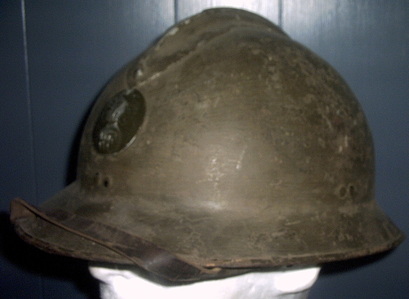
 French M15 Adrian "Memorial" or "Presentation" helmet. These were officially authorized by the French government in December 1918 to honor soldiers who served in the "Great War" (1914-1918). 
These are authentic M15 steel shells, typically finished in the standard Horizon Blue or the late-war matte Grey-Blue.
The Brass Visor Plate: The most defining feature is a polished brass plate (the Plaque Commémorative) curved to fit the front brim. It is embossed with the inscription:

    "Soldat de la Grande Guerre 1914-1918"

Artillery Insignia: Located just above the brass plate, the artillery badge features a flaming grenade (bomb) over two crossed cannons.
These were not worn in combat with the brass plate attached. They were awarded to veterans or given to the families of soldiers killed in action (Mort pour la France) as a permanent memorial.

M26 French Adrian Helmet

Picture
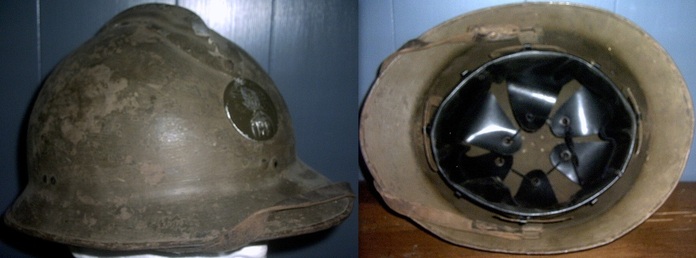
​The M26 Adrian helmet was an updated and strengthened version of the iconic M15, serving as the standard French combat helmet throughout World War II and beyond.

​The main differences were improved construction and a change in color from the WWI horizon blue to a more subdued khaki/olive brown. 

The M26 was a two-piece design (shell and comb), unlike the M15's four-piece construction. The dome and integrated visors were stamped from a single piece of thicker manganese steel (0.9mm vs. M15's 0.7mm), which improved its strength and simplified mass production.
It retains the distinctive Adrian silhouette with the comb on top, but the "beaded" line around the crown, where the M15 pieces joined, is absent on the M26.

Picture
The standard color was a matte khaki or olive brown, a departure from the earlier gray-blue.
Early M26 helmets used the M15-style badges, but by 1937, a new, simplified circular disc emblem system was introduced to indicate service branches like Infantry, Artillery, Engineers, and Colonial troops.
The liner system was improved, featuring a six-finger leather liner attached by clips to metal tabs which were secured by external rivets, creating better ventilation and a more stable fit.

M51 French OTAN Helmet

Picture
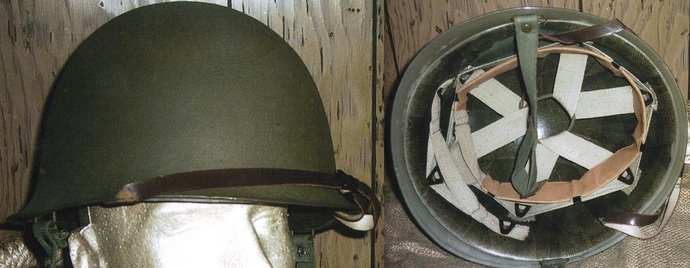
The French M51 OTAN helmet, officially the Modèle 1951 (Mle 51), was the standard French military helmet from the early 1950s to the 1980s. It was based heavily on the U.S. M1 helmet design as part of NATO standardization efforts but featured specific French modifications. 

Influenced by the U.S. M1. The M51 has a similar "steel pot" design but the shell shape differs, with a shorter front visor and wider flares on the sides and back.
Two-Piece Construction. Like the M1, it consists of a heavy steel outer shell and a separate inner liner made of plastic or fiber/resin material, allowing the shell to be used as a utility pot if necessary.

The liner features a suspension system heavily copied from the U.S. design, often with gray webbed canvas and a leather sweatband.
The canvas chinstrap attaches with a distinct steel hook, designed to release under blast pressure.

Indochina War (1946–1954) is a "melting pot" of headgear, and the M51 OTAN actually arrived quite late to that party.
Here is the breakdown of why you see so many US M1s instead of M51s in Indochina:
The Dominance of the US M1
For the vast majority of the war, French Union forces relied on US WWII surplus. Because of the Military Assistance Advisory Group (MAAG), the US shipped thousands of M1 Helmets to the French. If you see a "steel pot" in a photo of Dien Bien Phu (1954), it is almost certainly a US M1.

M51 National Police

Picture
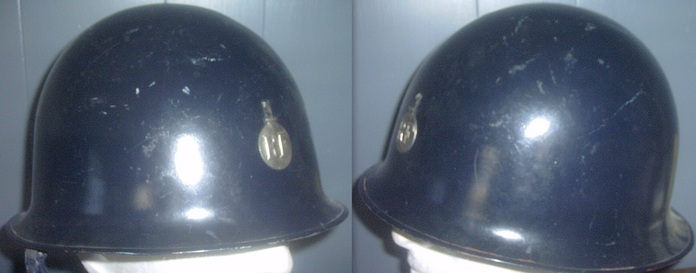
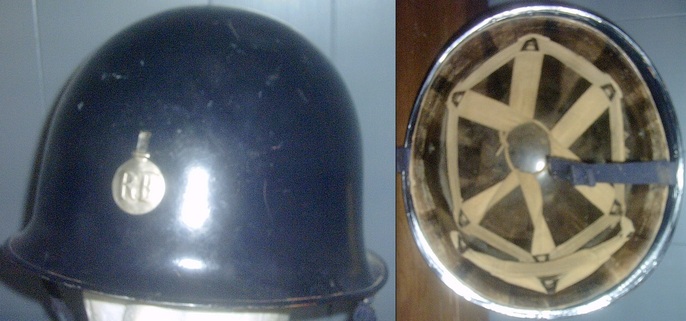
The French M51 "National Police" helmet typically refers to the Casque Modèle 1951 Gie, which was the specialized version of the M51 OTAN used by the Gendarmerie Nationale and the Gendarmerie Mobile for riot and crowd control during the 1960s and 1970s. 

Unlike the army's olive drab, the police version is painted a very dark navy blue. The official color is often designated as Bleu-Gendarmerie Valentine 1701.

Frontal Badge.
Many versions feature a brass "flaming bomb" insignia with the initials "RF" (République Française) attached via two tabs through slots in the steel shell.
Elite Variants: A rarer version exists for the Garde Républicaine de Paris, which features a 9-flame grenade without the "RF" initials.
The liner is often blue to match the shell. Because riot control requires more stability, these helmets sometimes featured padded liners or reinforced suspension systems to protect against thrown objects.
Picture

M51 Leather Tanker Helmet

Picture
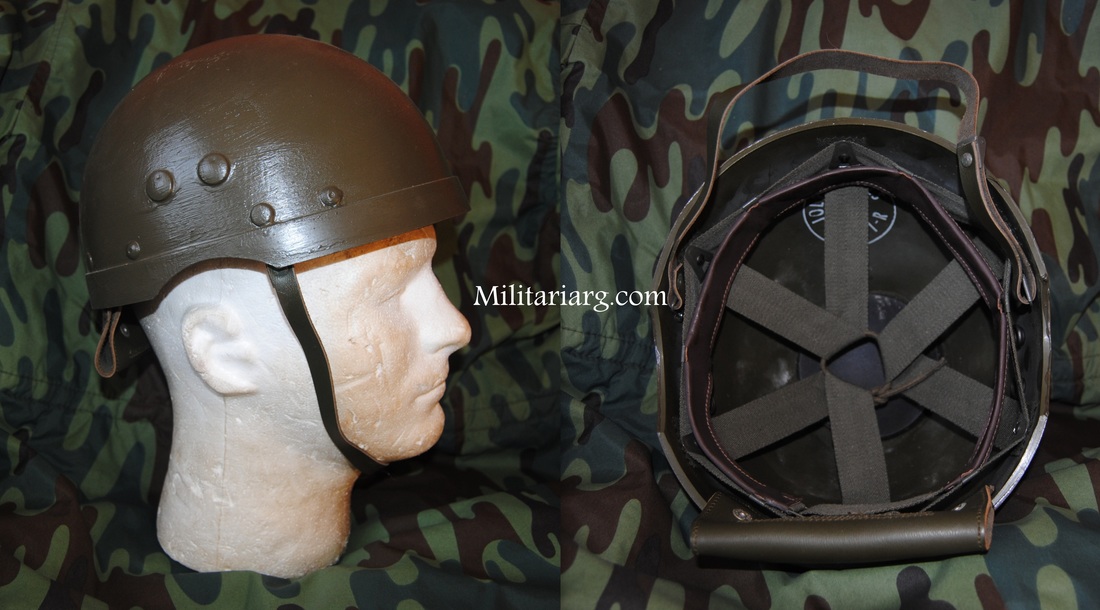
The French M51 tanker helmet is a specific inner helmet designed for armored vehicle crews that was often used in conjunction with the standard M51 steel shell. It is formally known as the Sous-casque radio char modèle 1951 ("Undershell radio tank model 1951"). 

Dual-Layer System. The M51 tanker was unique because it functioned as a "skull cap" that could be worn alone inside a tank, or the standard steel M51 outer shell could be worn over it for better protection when dismounting the vehicle.
Early models were made of leather, which was replaced in later variants (M51 2nd type) by materials like Céléron (a type of Bakelized cotton) or injected nylon, making it lighter than the steel shell.
Radio Integration. It lacked integrated radio equipment in the helmet itself, but the design was compatible with independent It featured a "Riddell-type" suspension system similar to the US M1 helmet liner, designed for comfort and the integration of communication equipment.
Typically painted a flat olive drab green, matching the standard M51 steel shell.

M65 Tanker Helmet

Picture
The French M65 tanker helmet, officially the Casque de chars radio Modèle 1965, was an evolution of the earlier M51 tanker helmet designed to integrate communication equipment directly into the headgear. It served as the standard protective helmet for French armored vehicle crews during the Cold War.

Integrated Communications. The M65's primary update was the factory integration of radio receivers (earphones) and a communication connector port attached to the shell. This made it a complete communication system rather than a simple protective cap.
The outer shell was typically made of materials like Céléron (a type of fabric-resin composite) or injected nylon, designed primarily for anti-bump protection and communication rather than ballistic resistance. It was meant to be worn inside the confines of armored vehicles.
It utilized a comfortable suspension system with leather pad retainers and waxed cotton cords for stability and shock absorption.
Unlike the M51 tanker undershell, the M65 was a standalone unit not typically designed to be worn under a heavy steel combat helmet.
Finished in a standard matte olive drab green. 

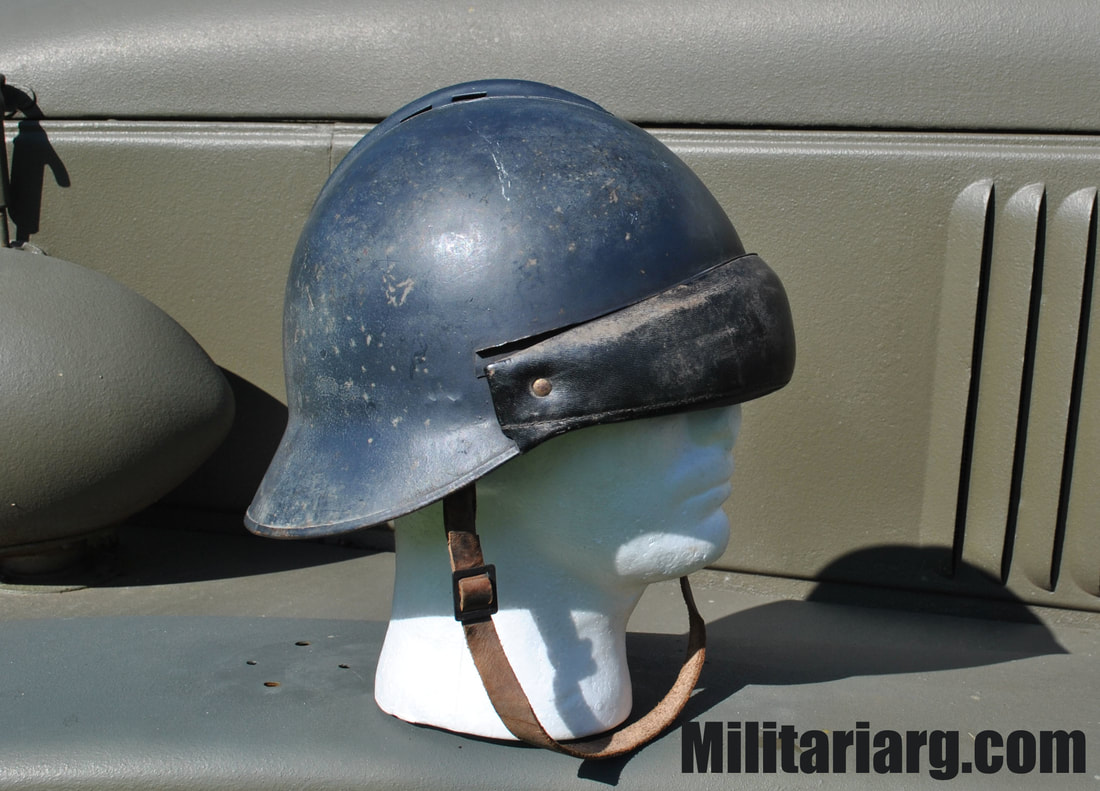
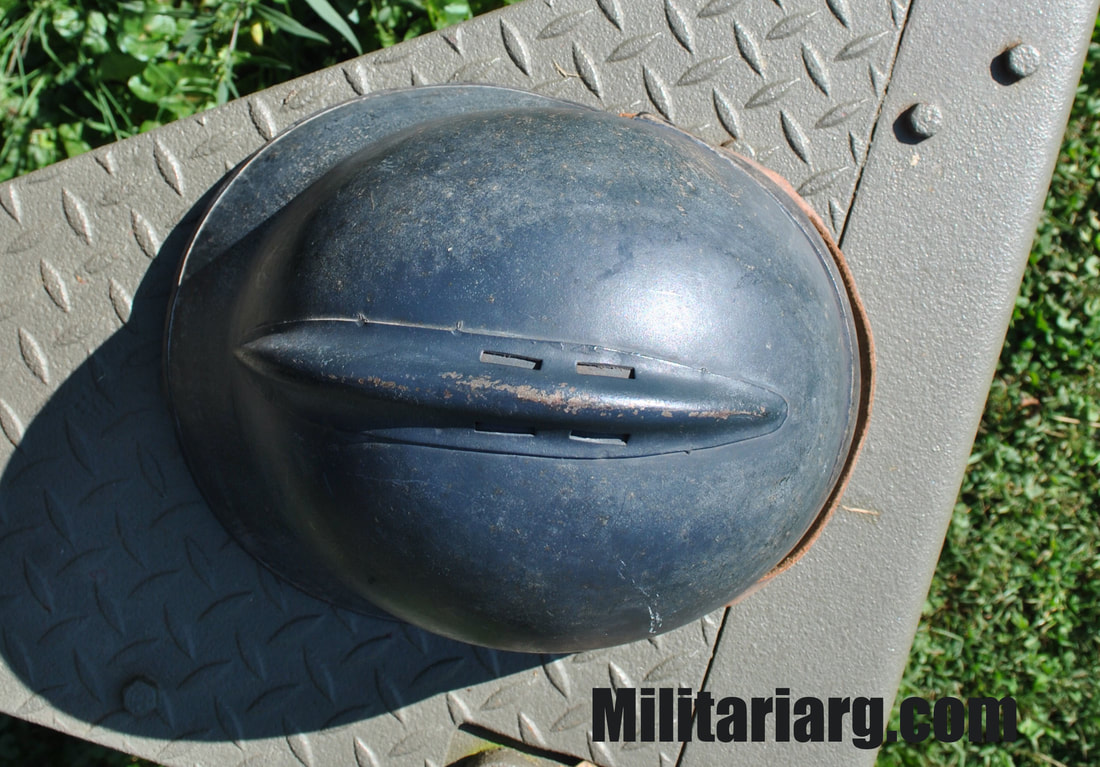
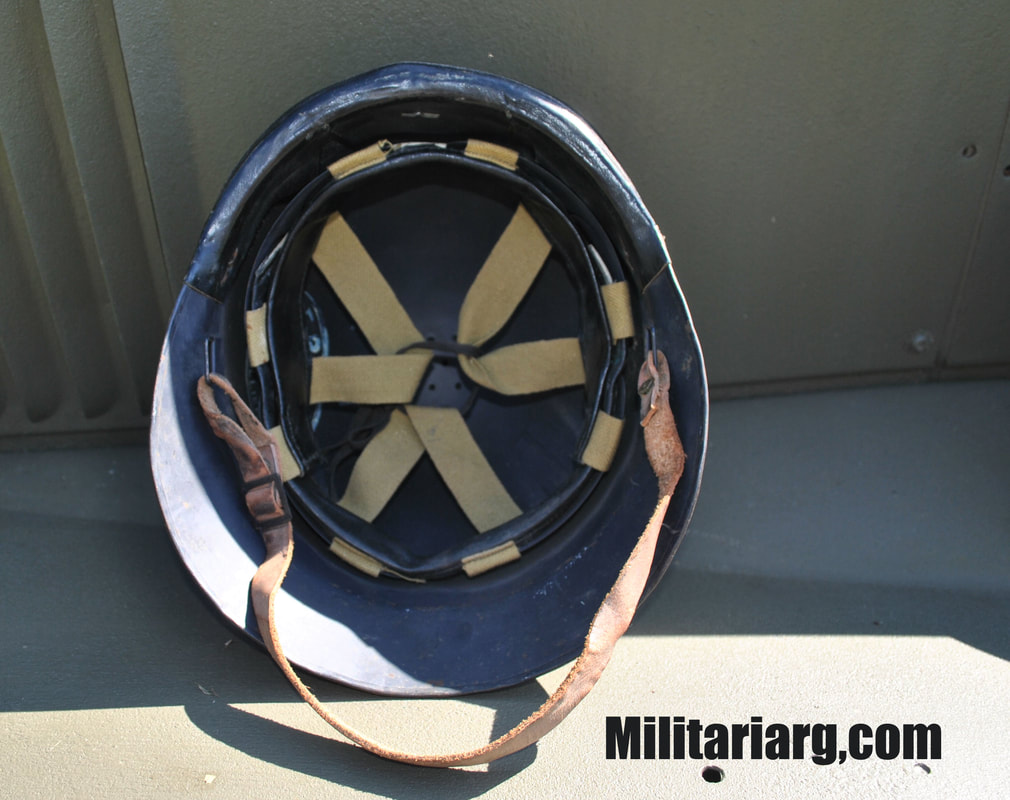
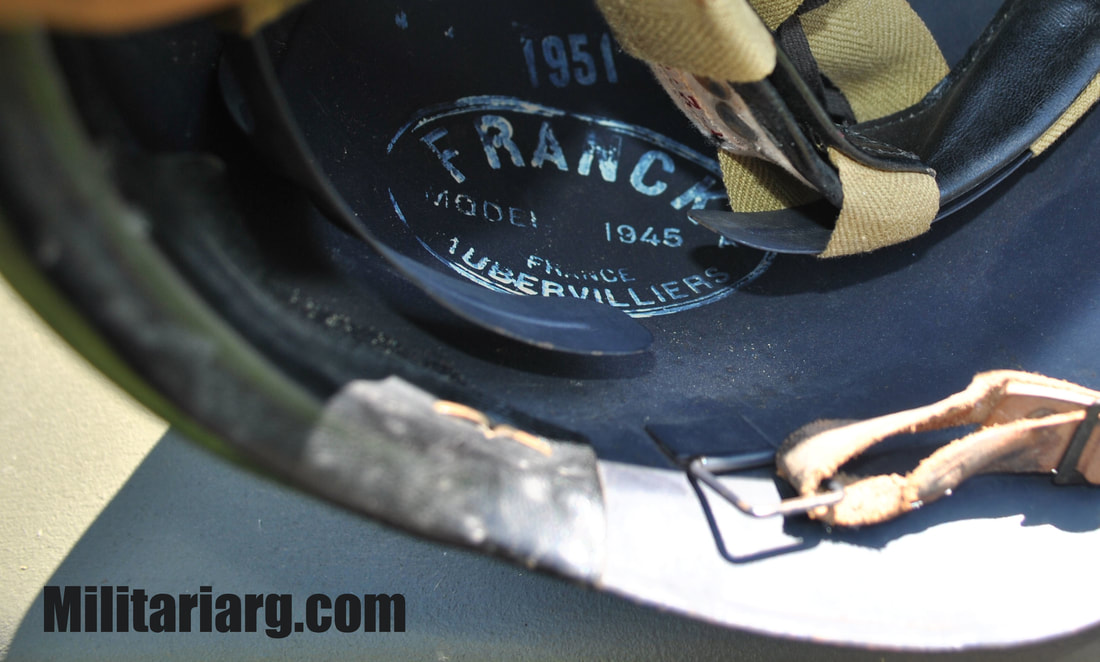
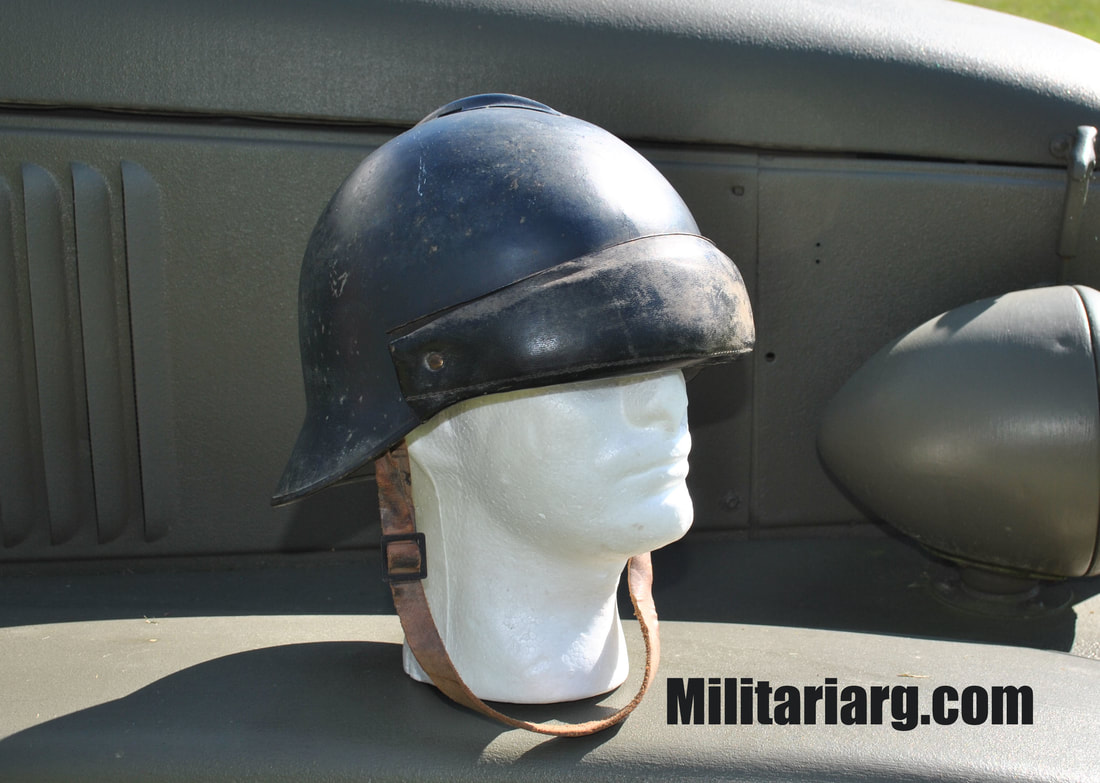
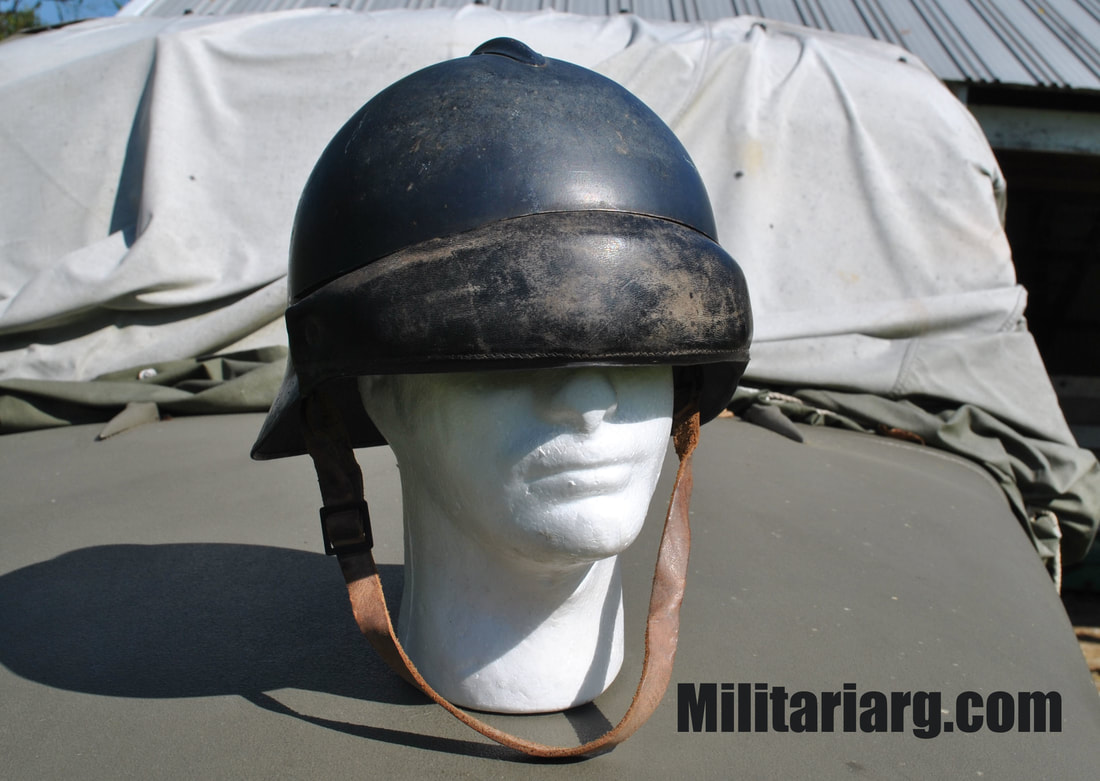
French M45 Tanker Helmet Model A 'Jeanne d'Arc' also called De Gaulle. Made by Franck Aubervilliers 1951 (Indochina War).
Picture
Picture
Picture
Picture
Picture
Picture
Picture
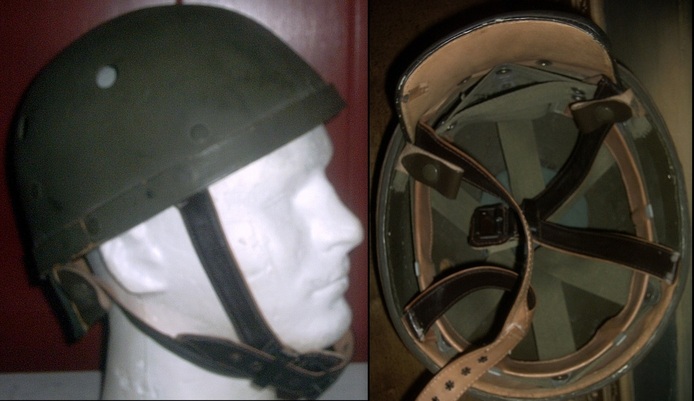
​The French M45 helmet, widely known by collectors' nicknames as the "Jeanne d'Arc" or "De Gaulle" helmet, was the first post-WWII domestically designed combat helmet intended to replace the outdated M26 Adrian. Production started in 1948 and continued until 1951 when it was replaced by the M51 OTAN. 

The helmet's shape, particularly the pronounced comb (crest) and high dome, is said to be inspired by the headpiece worn by Joan of Arc in historical sculptures, hence the nickname "Jeanne d'Arc".
The M45 featured a more robust design than previous French helmets. It included a distinctive leather "bump protection" exterior headband across the forehead and an external metal comb on top for added strength.
It was made of steel and had a unique French-designed liner system (patented by Abefra) with leather fastening rings.
It was manufactured in two main colors: khaki for the Army and dark blue for the Air Force, which used them for vehicle drivers and motorcyclists.
It was intended as a frontline infantry helmet, unlike previous "tanker" models, but its service life was brief, and it saw limited use, most notably in the Indochina War by the Air Force.

M78 F1 French Helmet. (last of Steel Helmets)

Picture
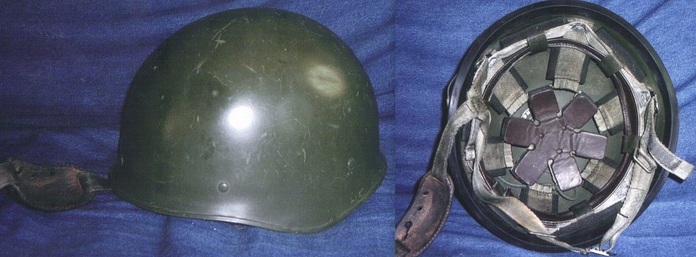
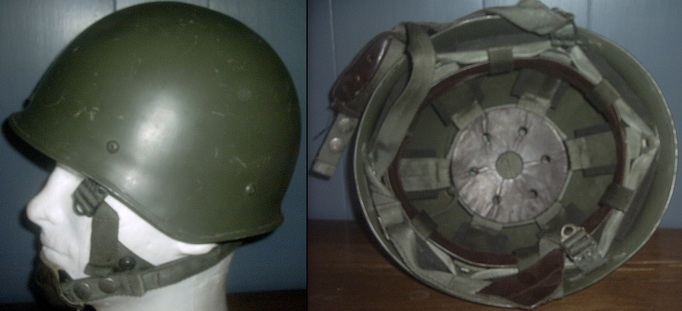
​The French M78 helmet, officially designated the Modèle 1978 and known as the F1 helmet, was the last steel combat helmet used by the French Army and Gendarmerie. It served from 1978 until 1992, when it was replaced by the SPECTRA ballistic helmet. 

Last of the Steel Helmets
The M78 holds a significant place in history as the final steel helmet model widely issued to the French military, marking the end of an era in military technology.

It is a one-piece helmet made of 1.2mm thick non-magnetic manganese steel, weighing approximately 1.2 to 1.4 kg. This was a shift from the earlier M51's two-piece (shell and liner) design.
 The helmet has a modern, deep-domed shape that provides excellent coverage. The design focus was on deflecting blast fragments and absorbing impact, though it had poor performance against direct bullet hits.
The helmet features an adjustable inner liner with thick padding and a three-point adjustable chinstrap harness, designed to be more secure, especially for paratroopers. An improved "F1 series 2" variant with a modified chinstrap entered service in 1982 to avoid accidents.
Picture
 Helmets were typically painted in a NATO olive drab color with IR-isolating properties to reduce their thermal signature. A blue version was also used by the Gendarmerie. In 1992 the SPECTRA helmet started to supersede the Modèle 1978. The SPECTRA helmet is made of Spectra fiber, which makes the Modèle 1978 the last French helmet made of steel
Picture
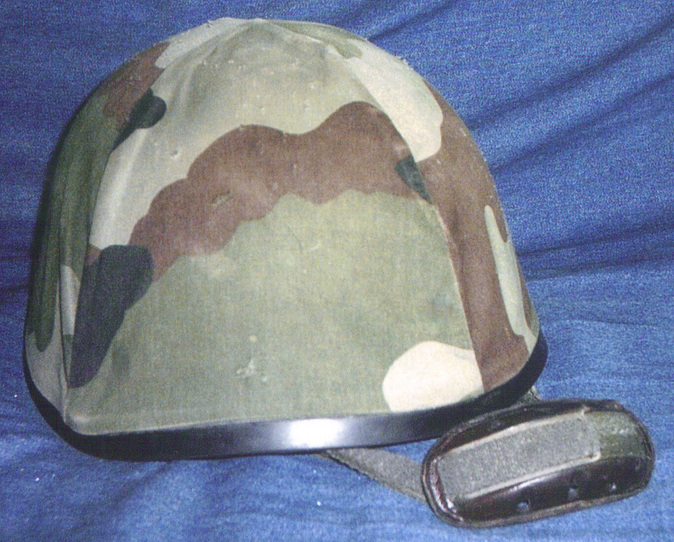
The French military did not use the specific US M81 "Woodland" pattern. Instead, they developed their own domestic version called Camouflage Centre Europe (CCE), which was inspired by the US M81 design but tailored for European temperate forests. 


​
French CCE (Camouflage Centre Europe)
The CCE pattern, introduced in 1991 and adopted widely by 1994, is the standard camouflage of the French Armed Forces. 
Design Influence. The French CCE pattern draws heavily on the color palette of the US M81 Woodland pattern (black, dark brown, olive green, and tan).
The CCE pattern features larger, thicker, and more horizontal striped shapes compared to the US M81, which was designed to provide a general camouflaging effect optimized for French woodlands.
The pattern is used on the French military's standard F2 and F3 uniforms, as well as helmet covers and field gear.

Picture
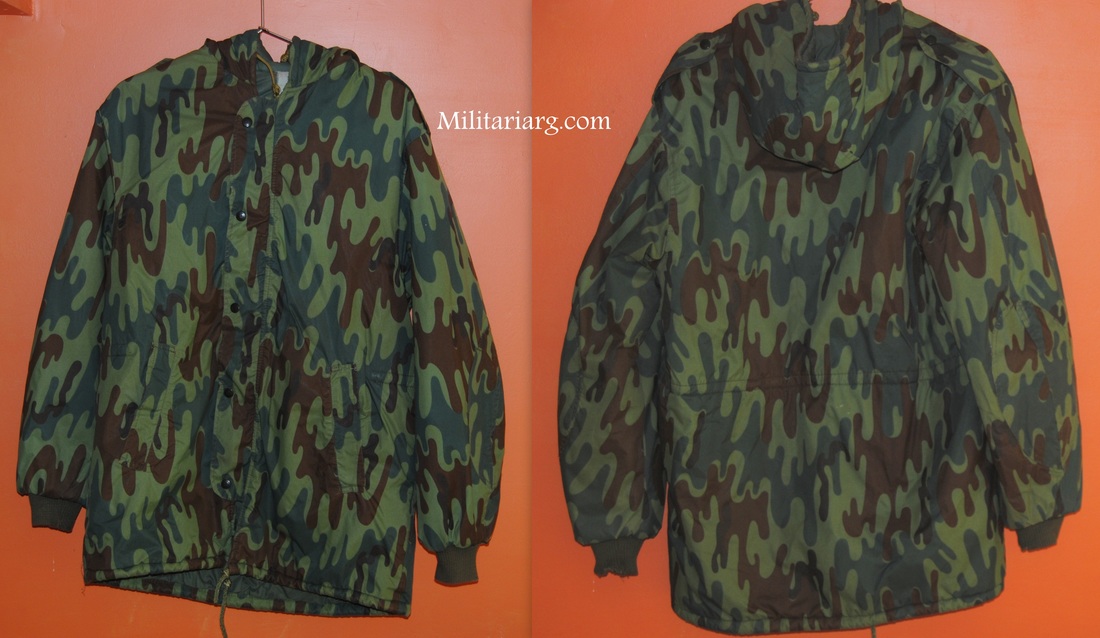
The Salik Jigsaw pattern is a commercial camouflage originally produced for civilian and private military use by the Belgian company Salik and the French company K-Way. While it resembles the official Belgian military jigsaw, it is technically a commercial pattern rather than a standard French military issue.
Picture
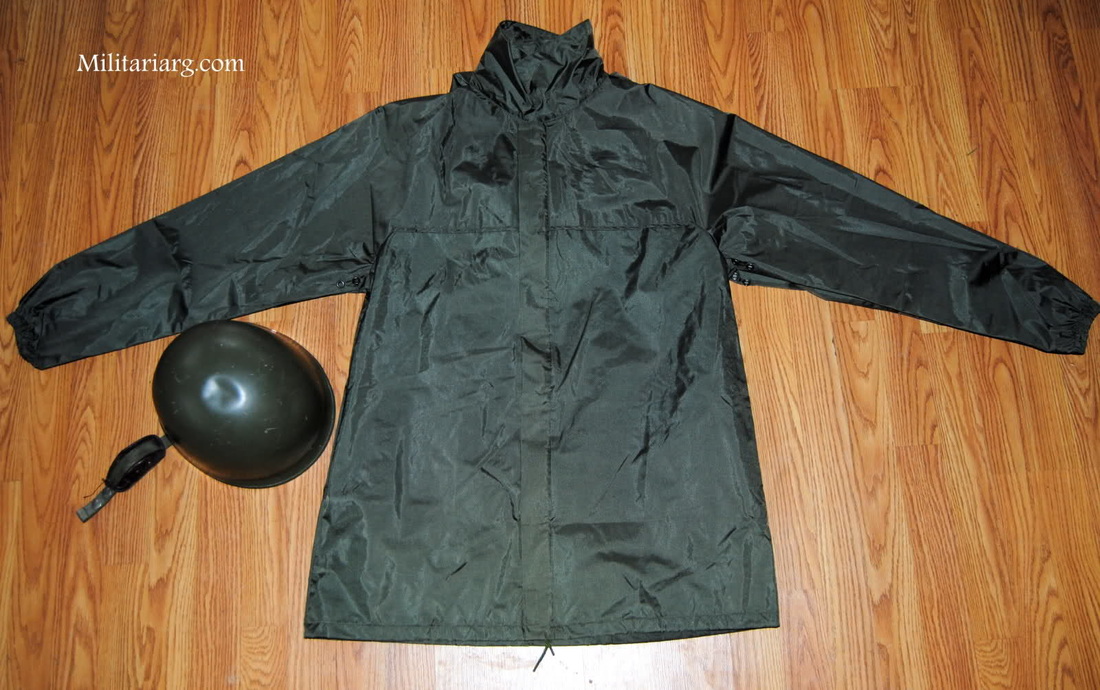
French Army. Olive Green Rain coat.

Picture
Picture
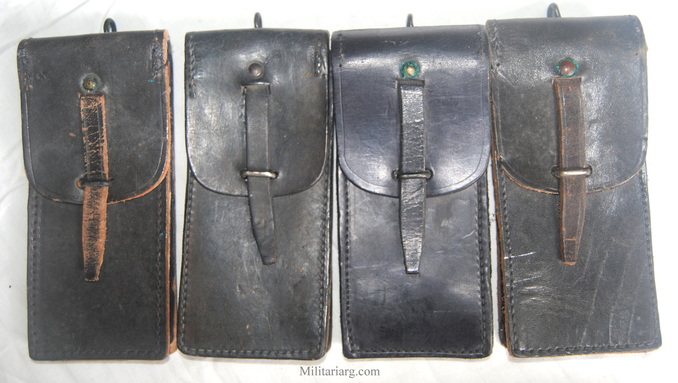
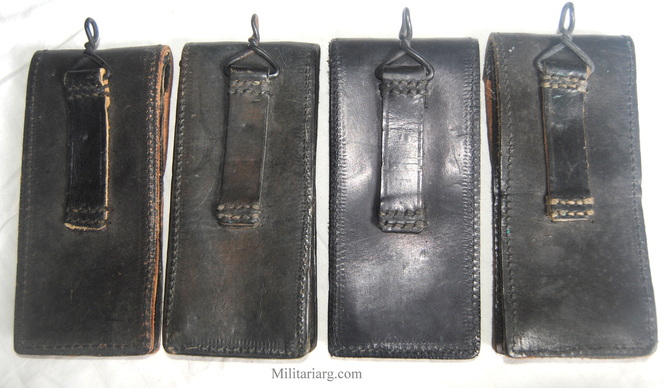
MAT-49 smg (Manufacture Nationale d'Armes de Tulle (MAT), French ammo pouches.
Picture
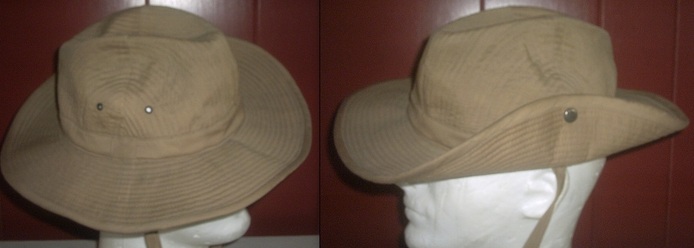
French Jungle Hat. (Indochina War Era).
Picture
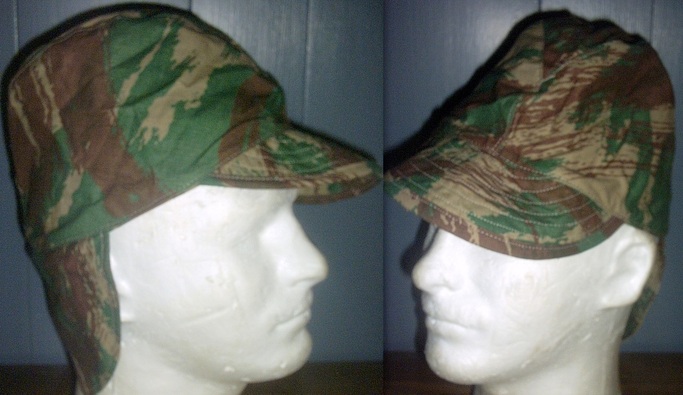
Algerian Campaign. French Airborne Cap M51. Lizard Camo. Replica.
Picture
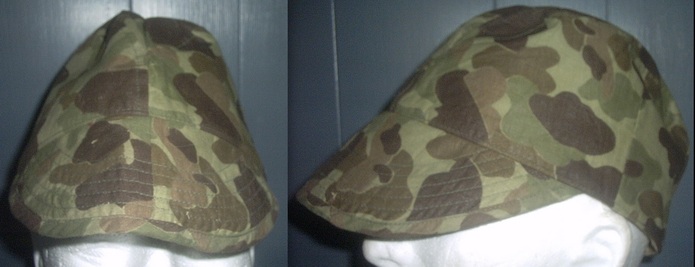
Argelia-Indochina Campaign. French Legion Parachute Capa. USMC Camo Style. Replica.
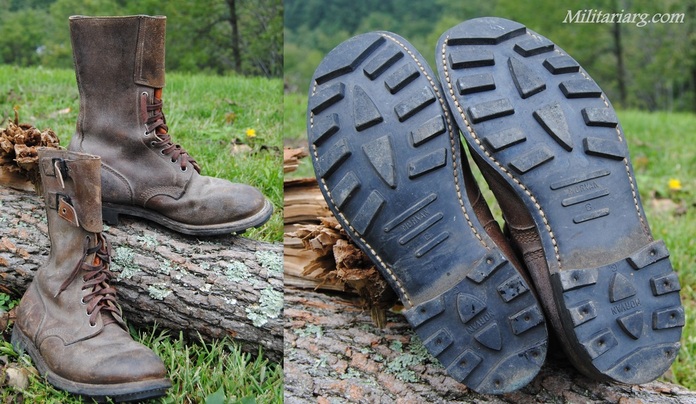
The Morvan "Mle 52" (Rangers) Boots

Picture
French "Two-Buckle" Combat Boots (officially the Rangers Modèle 1952 or Mle 52).
While several companies produced these boots (including Argueyrolles and Marbot), Morvan is considered one of the premium historical manufacturers. 

Design: These boots are famous for the integrated leather gaiter at the top, secured by two brass or steel buckles. This design eliminated the need for separate canvas gaiters used in WWII.
Color/Material: Original Morvan boots from the 1950s and 60s were made of thick, natural brown leather (flesh-side out). Soldiers were required to grease them heavily, which eventually turned them a dark mahogany or black over years of service.
Sole: Early Morvan production featured a stitched leather midsole with a heavy, Goodyear-welted rubber lug sole (often the "Vibram" style or the French "S.I.C." pattern).
The 1961 Update: In 1961, the color was officially changed to black chrome-tanned leather, though many brown Morvan boots remained in service through the Algerian War and beyond. 

Collector Value & Identification (2026)
As of 2026, authentic Morvan-stamped boots are increasingly rare in "Deadstock" (unworn) condition.

The Stamp: Look for a circular or rectangular heat-stamp on the interior of the shaft or the tongue that clearly reads "MORVAN" along with the year of manufacture (e.g., "1956" or "1962") and the size in centimeters (e.g., "43" or "44").

Picture
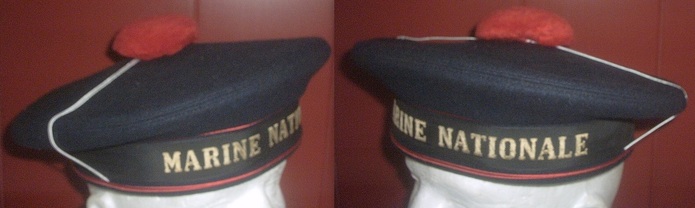
Marine Nationale. Sailor Hat.
Picture
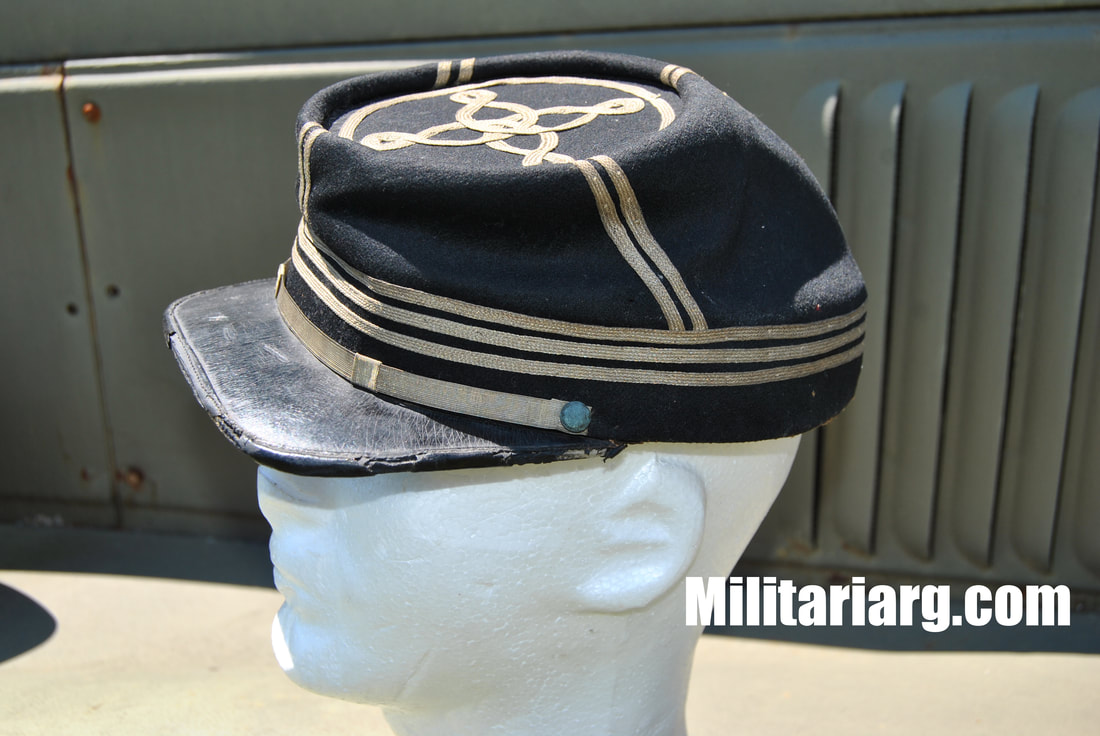
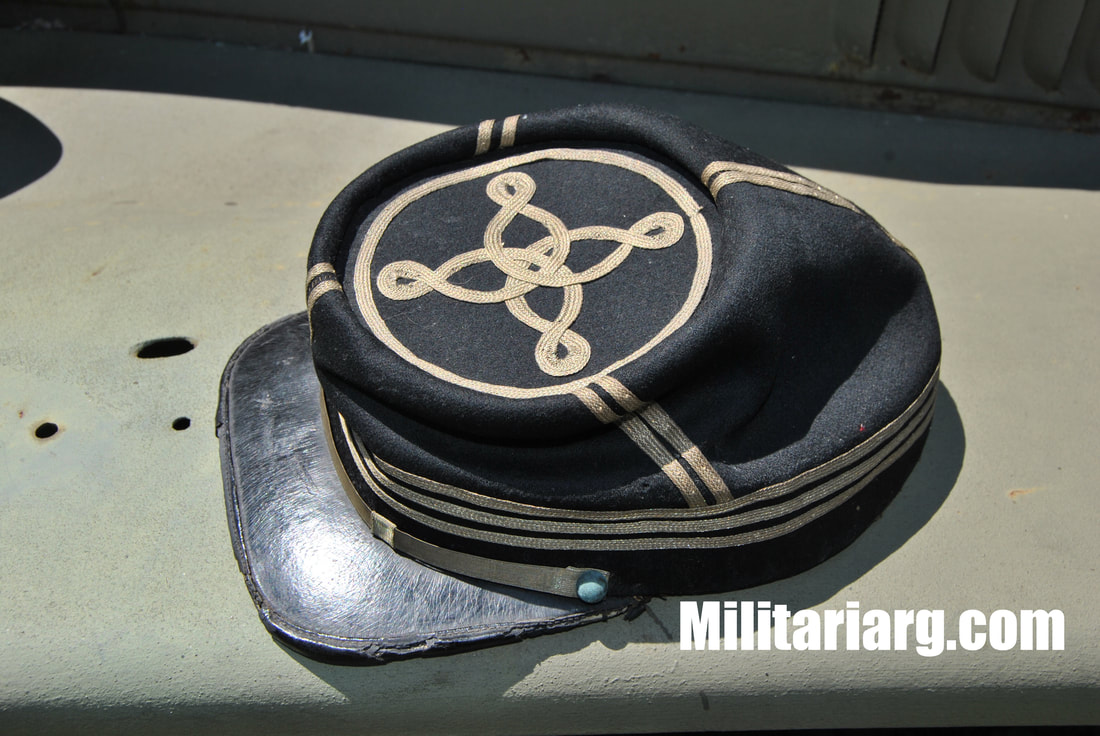
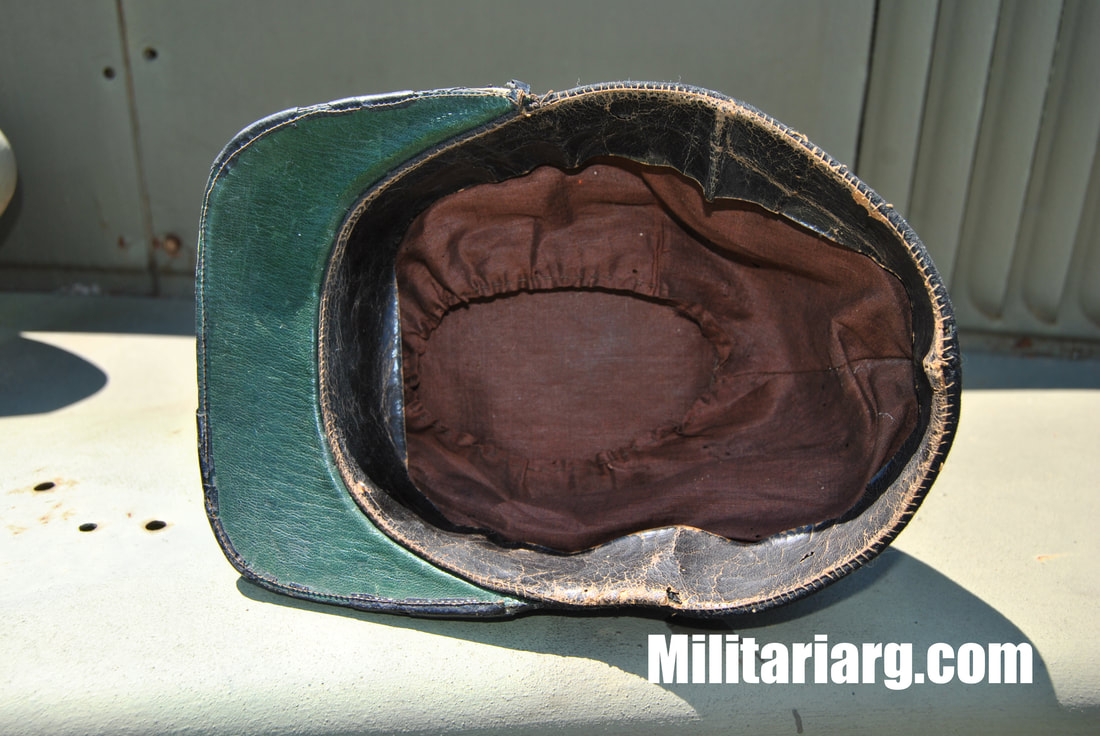
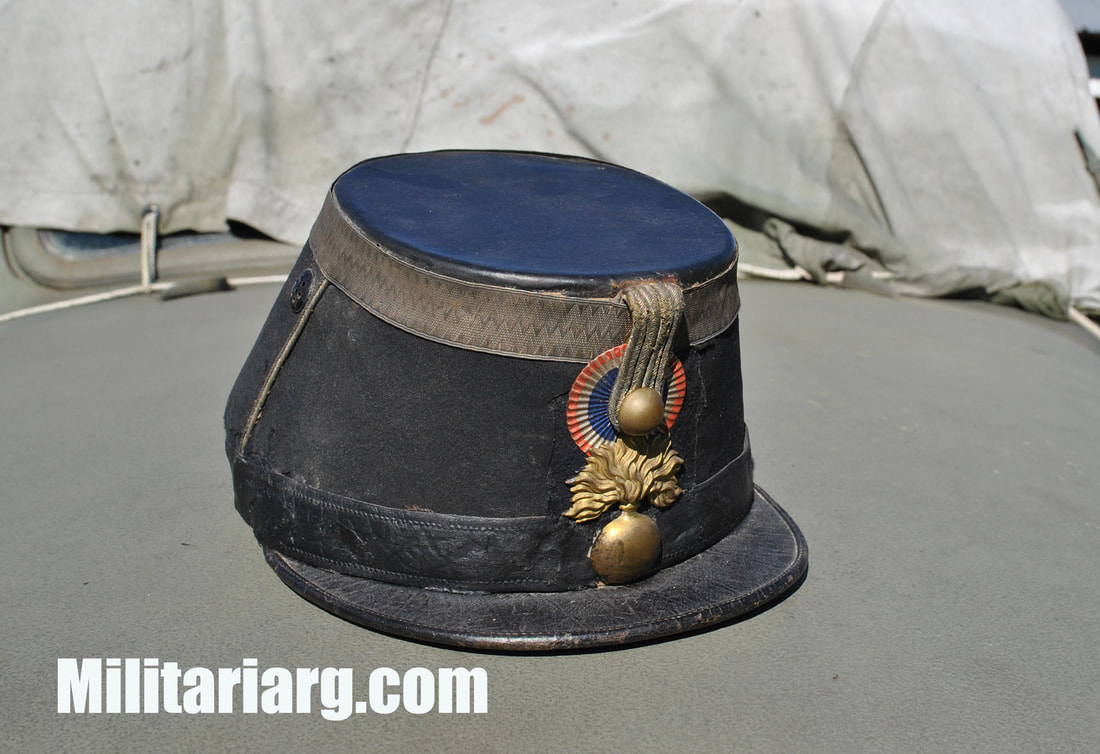
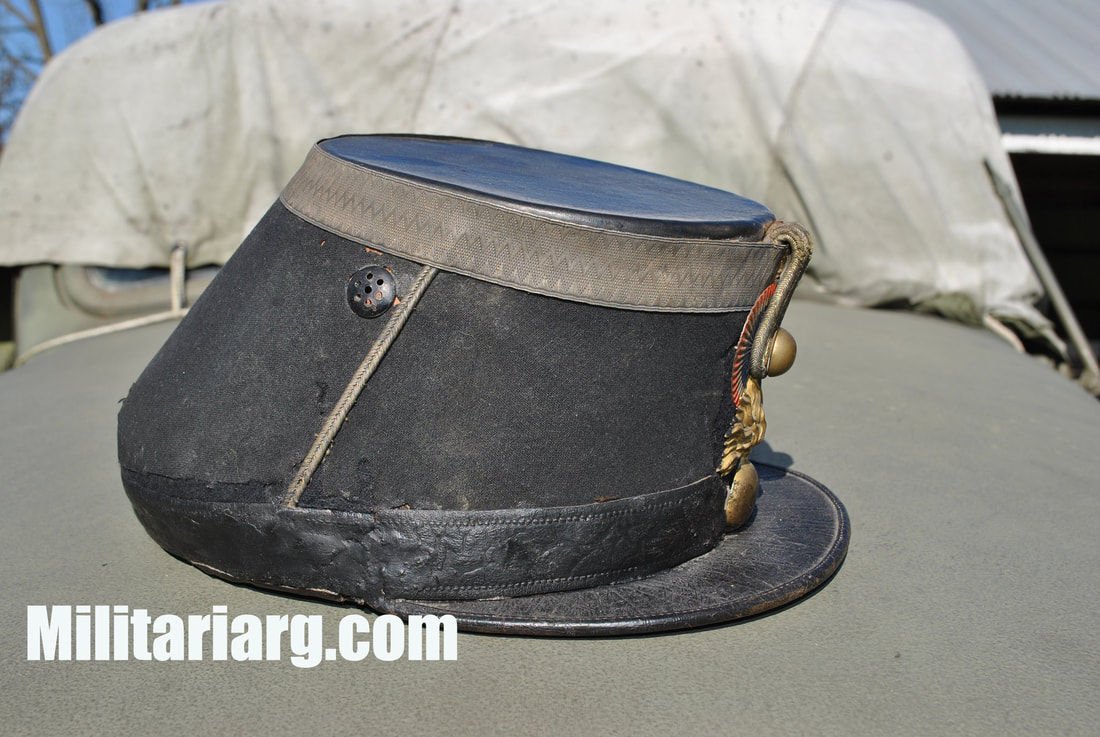
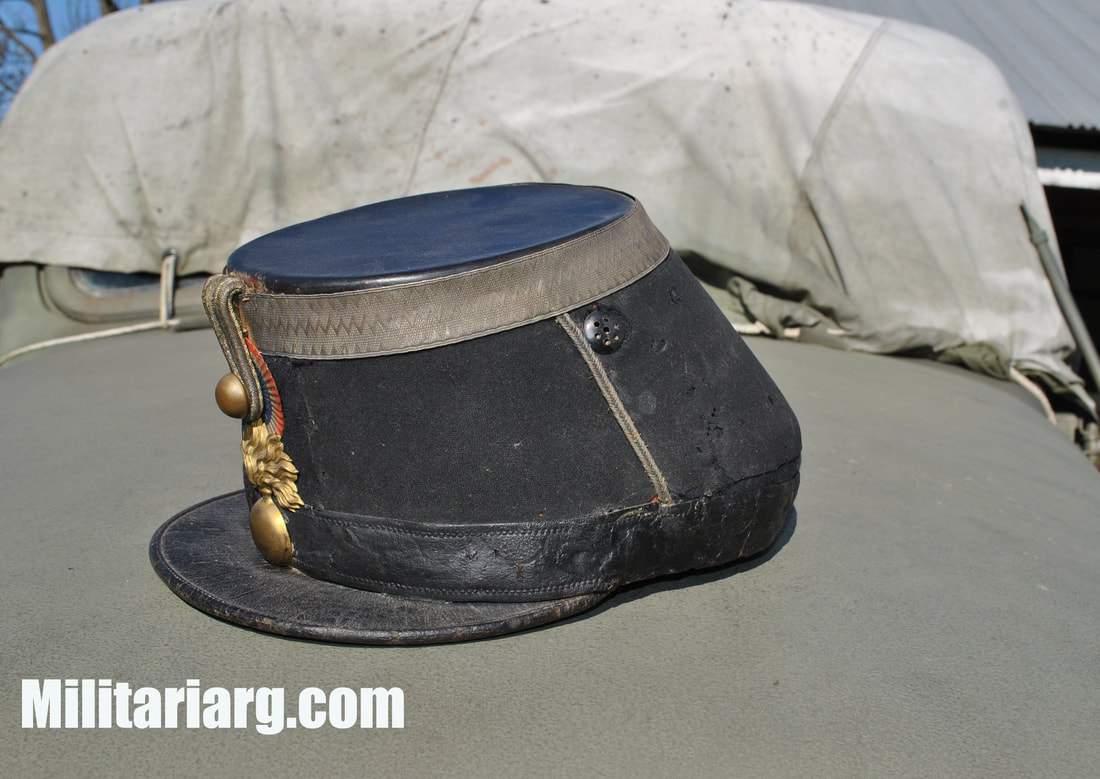
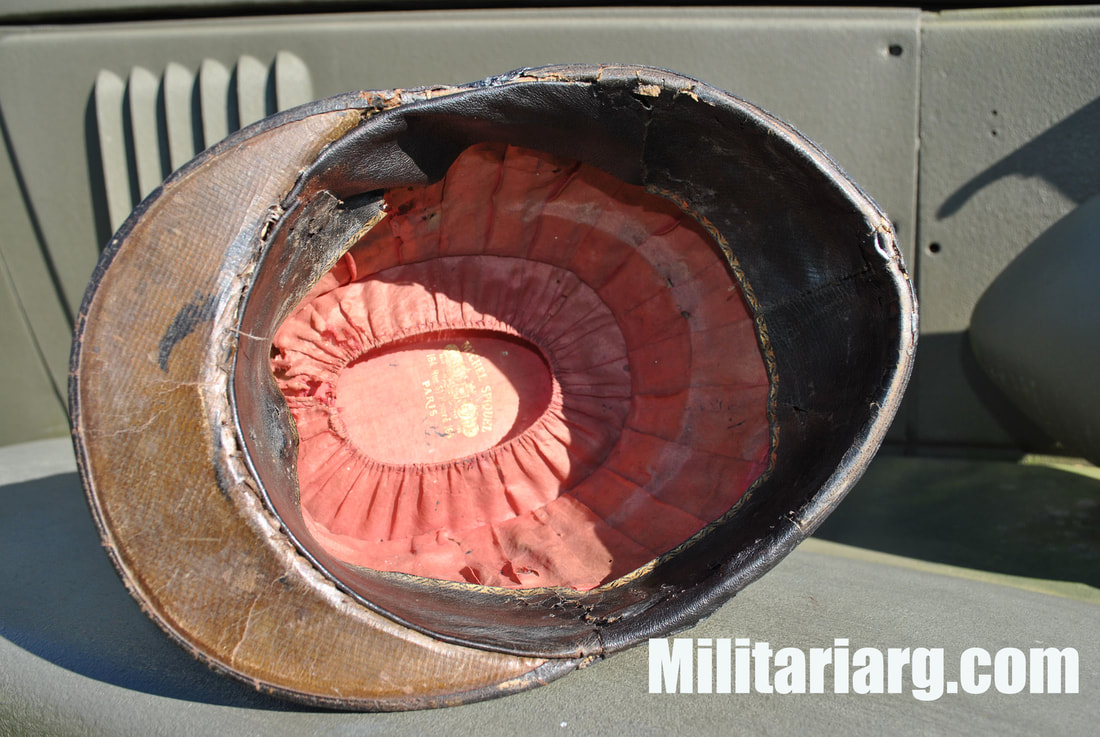
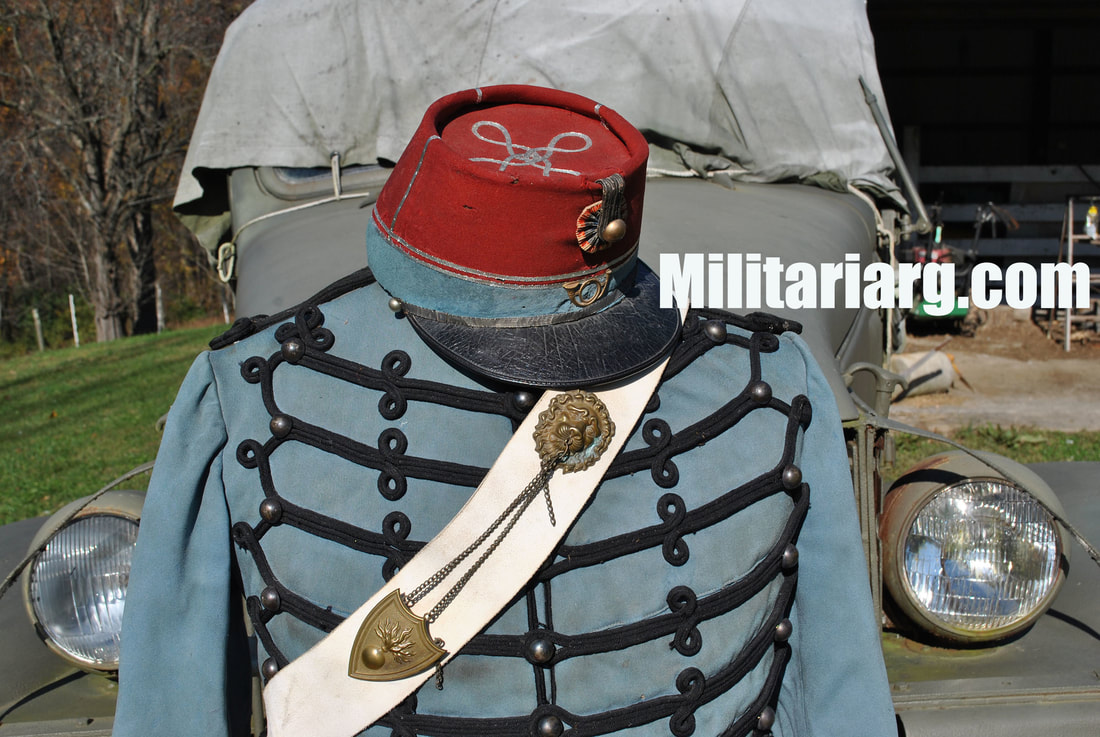
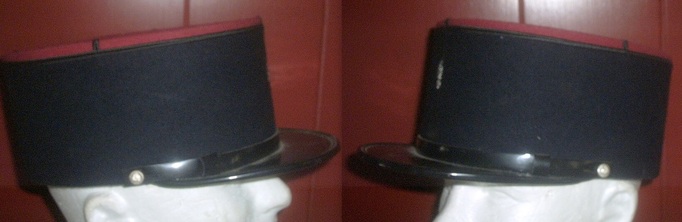
French Kepi.
Picture
Pompier Sapeur. Very early shoulder boards.
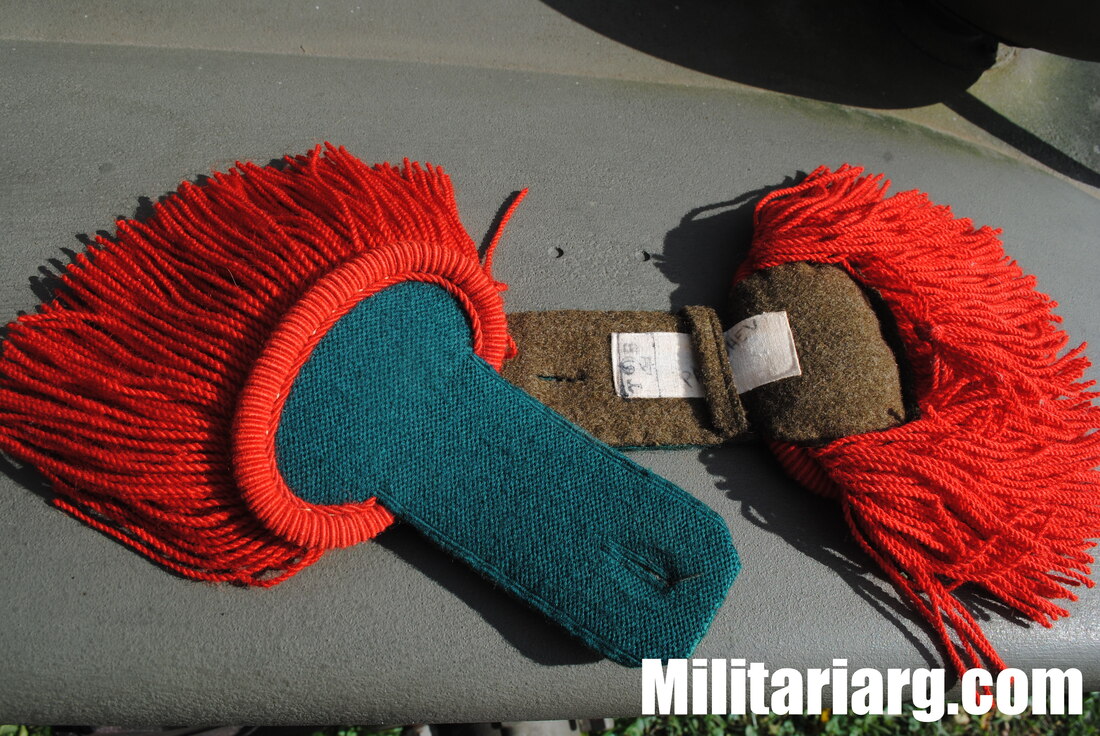
Picture
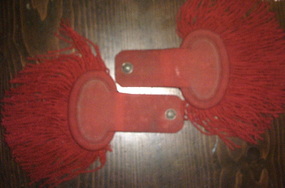
WW2 Era. French Legion Epaulettes.

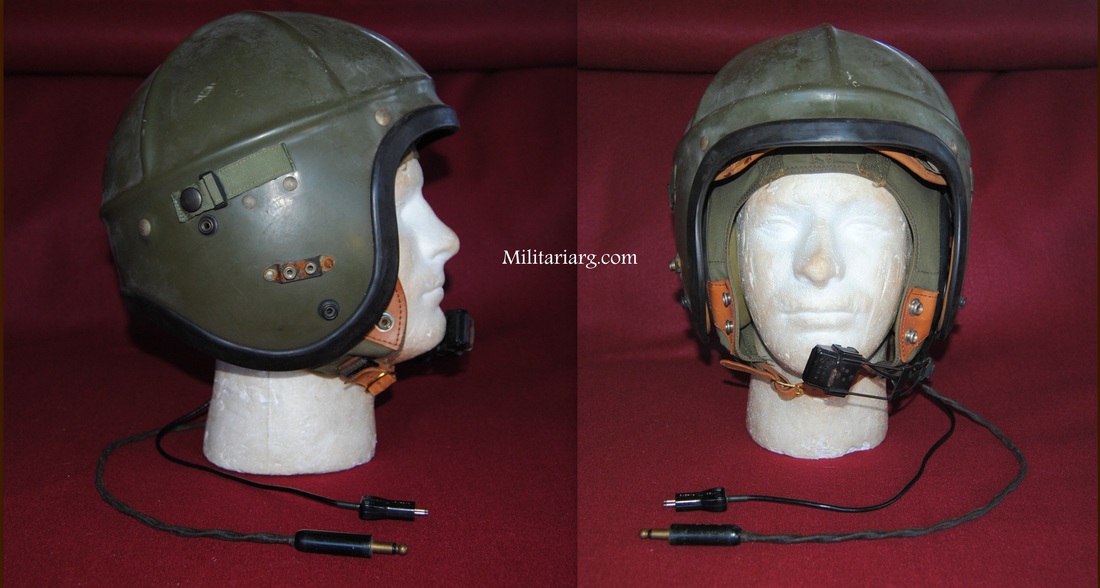
403 M3 French Flying Helmet by Socapex/Gentex.

Picture
The French 403-M3 flying helmet, manufactured by the Gentex subsidiary Socapex, is a post-WWII flight helmet primarily used by French aircrews in the 1950s and 1960s, notably in helicopters during the Algerian War and Lebanon. It is nearly identical in design to the U.S. Navy and Marine Corps H-4 flight helmet due to shared technology agreements. 

The 403-M3 was directly designed from the American H-4 flight helmet.
The rigid outer shell is made from hardened fiber (fiberglass cloth reinforced with epoxy resin).
It has an adjustable inner liner system, typically a nylon webbing harness with leather padding, designed to be worn over a separate cloth inner helmet that incorporated the earphones.
Commonly found in a dark green finish.
These helmets were often seen mounted with a boom microphone, though these are frequently missing from surplus examples. They were also designed to accommodate the B-8 goggles via snaps on the sides. 

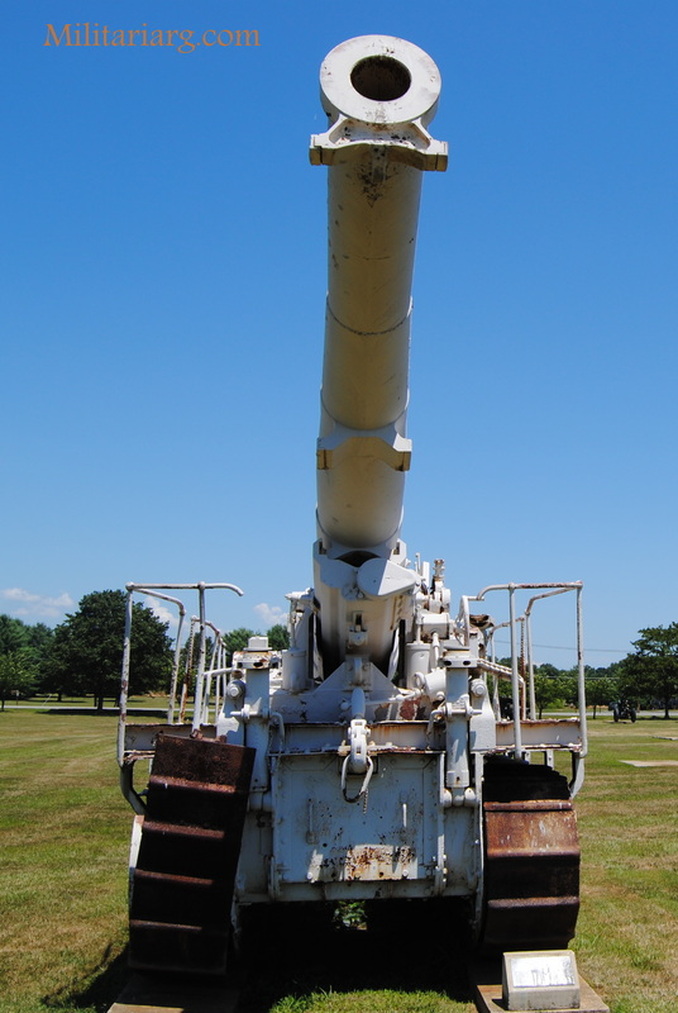
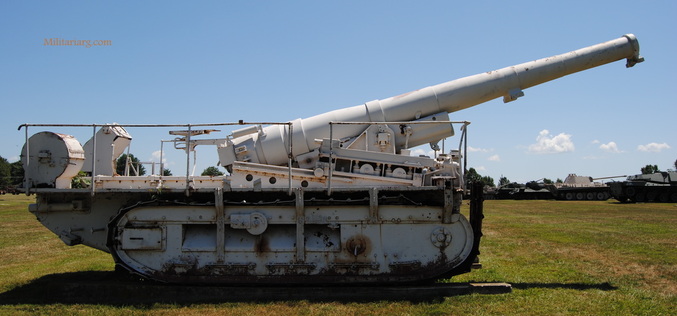
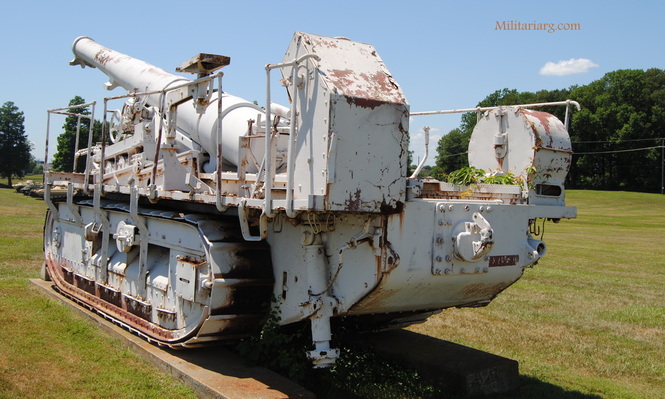
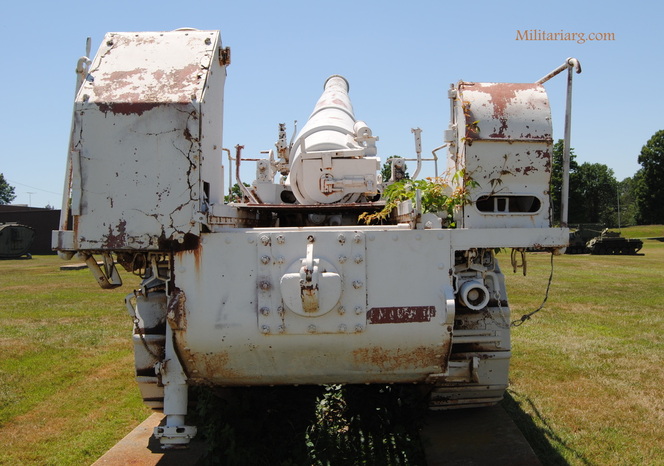
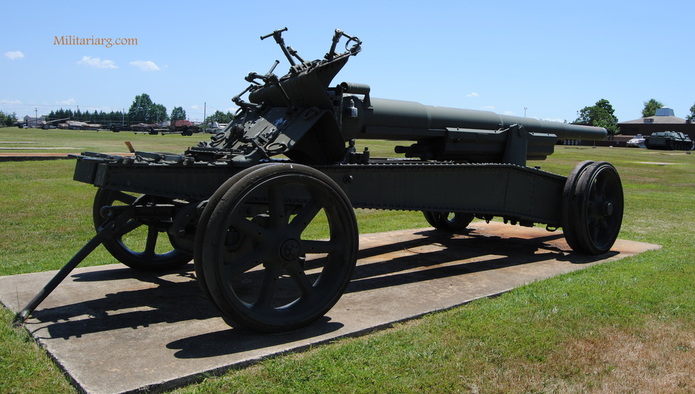
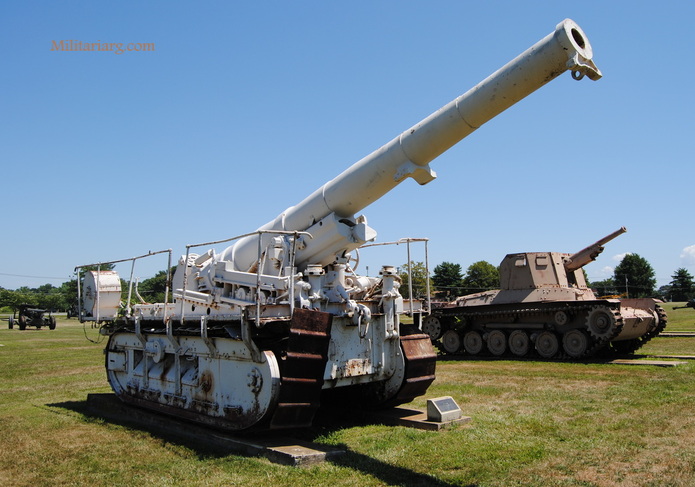
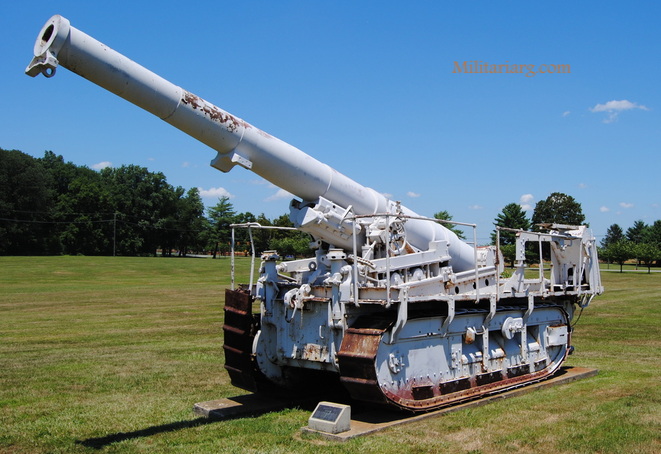
Schneider's Le Creusot. 194mm sur chenilles. Canon de 194 mle GPF on U.S Caterpillar Tractor Chassis.
Picture
Tracked 194mm Howitzer Carriage.
Weight: 32.6 tons
This WWI vintage 194mm heavy field howitzer could hurt a 174-pound projectile to a maximun range of 22,750 yards. In order to make this piece more mobile, the French mounted the howitzer on a tracked carriage. A heavy tractor towed the howitzer and its carriage 5 mph on roads and 1.9mph cross-country. An electric engine in the carriage powered the elevation and traversing of the gun. The engine was powered by a generator carried in an accompanying vehicle. It is uncertain whether the French ever used these howitzers in combat before they were captured by the Germans in 1940. A technical Intelligence team captured this howitzer in a German vehicle park near Paris, France 1944. Aberdeen Museum. 
Picture
Picture
Picture
Picture
Picture

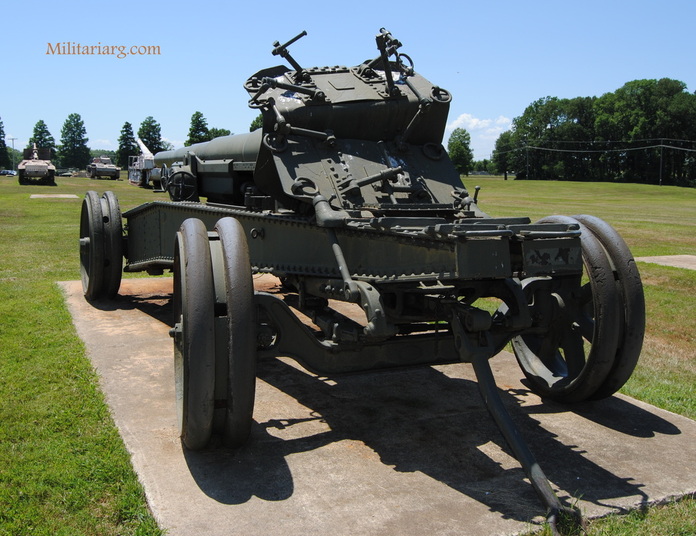
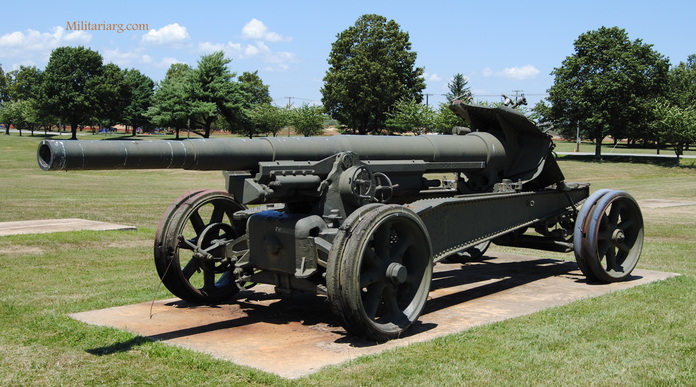
The Canon de 155 Grande Puissance Filloux (GPF) mle.1917
Picture
Picture
Picture

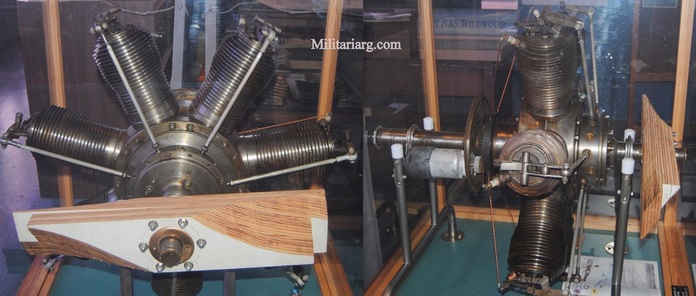
Gnome Monosoupape

Picture
The Monosoupape, French for sinfle-valve, was a particular engine design used by Gnome et Rhone's later rotary engines. It used a clever arrangement of internal ports and a single valve to replace a large number of parts normally found on a conventional arrangement, and make the Monosaupape engines some of the most reliable ofthe era. Cape May Airport Museum, donated by Cape May County Museum.
Picture

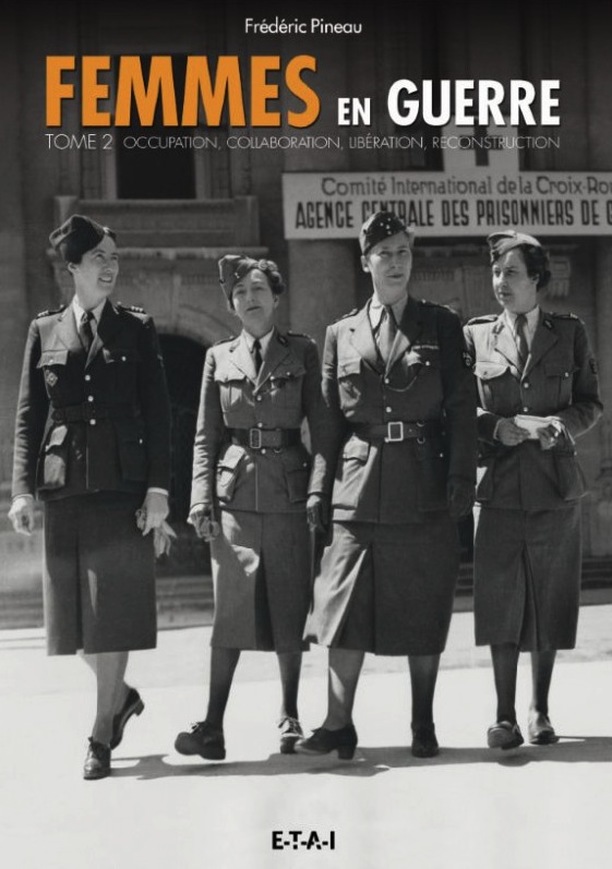
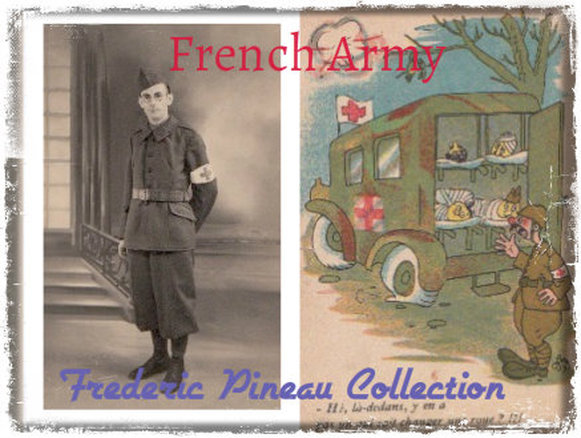
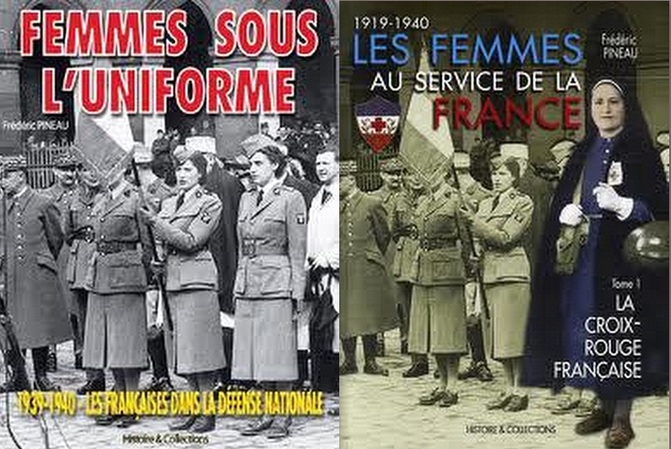
Recommended read: "Femmes Sous L'Uniforme" and "Les Femmes au Service de la France" by Frédéric Pineau.
Picture

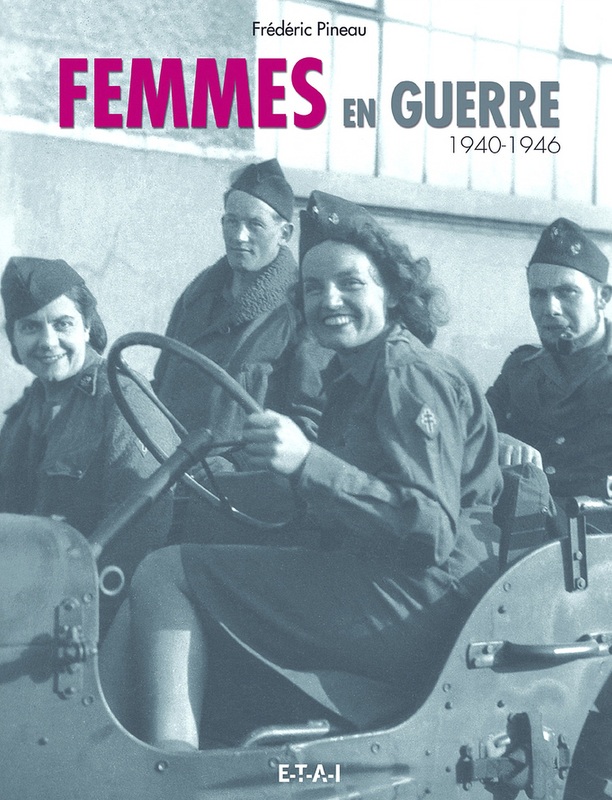
FEMMES EN GUERRE, 1940-1946; Women at War, 1940-1946 by Frédéric Pineau:
Picture
Picture

Powered by Create your own unique website with customizable templates.