Militariarg.com
  • Home
  • Army
  • Aviation
  • Navy
  • Uniforms and Badges
  • Arms and Weapons
  • Equipment
  • Vehicles
  • Operational and Organizational Structure, Security Forces, Transportation, Books, Models and More.
  • Argentine Confederation Era. 1829 - 1852.
  • From 1852 to 1910 (French fashion)
  • Bunker 1982: South Atlantic War Militaria
  • International Militaria
  • Argentina WWII Era (Neutral) Reenactment Impression
  • Links ~ Enlaces
Picture
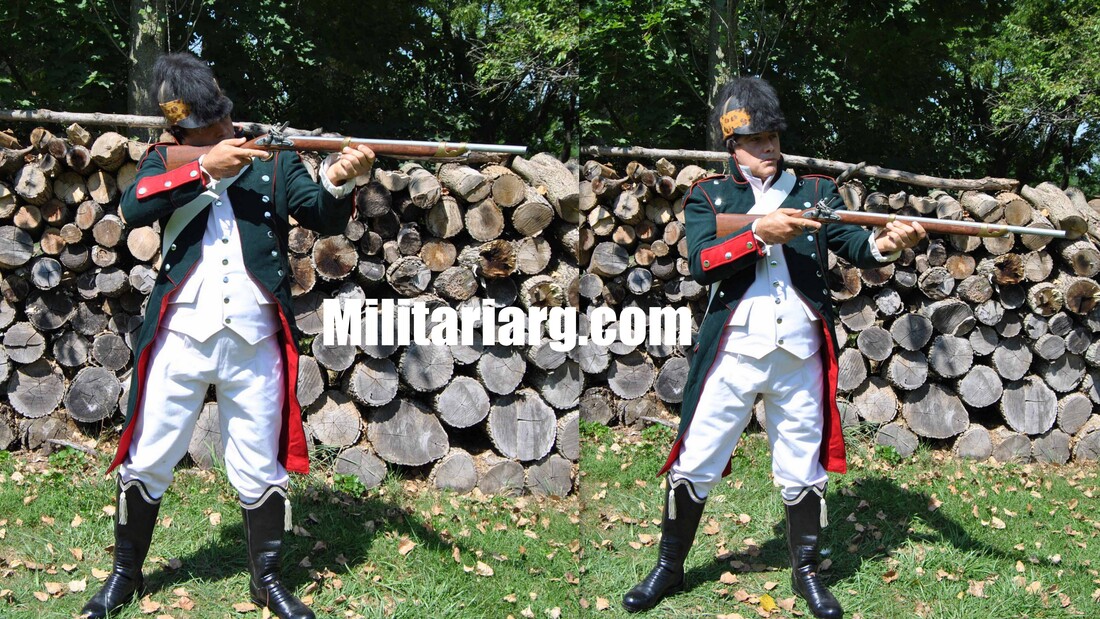
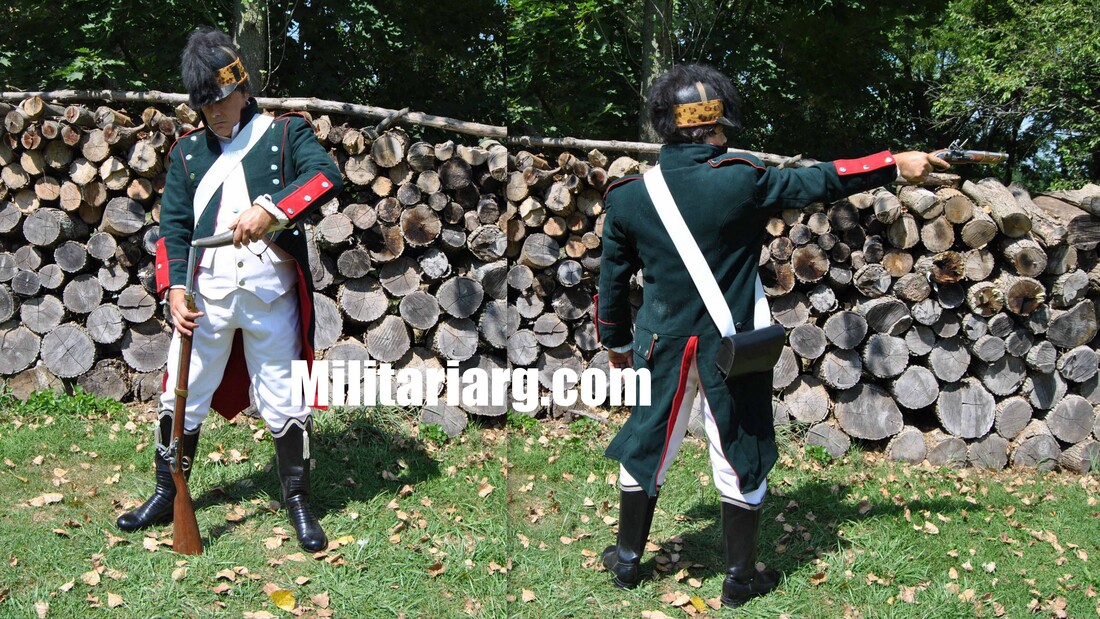
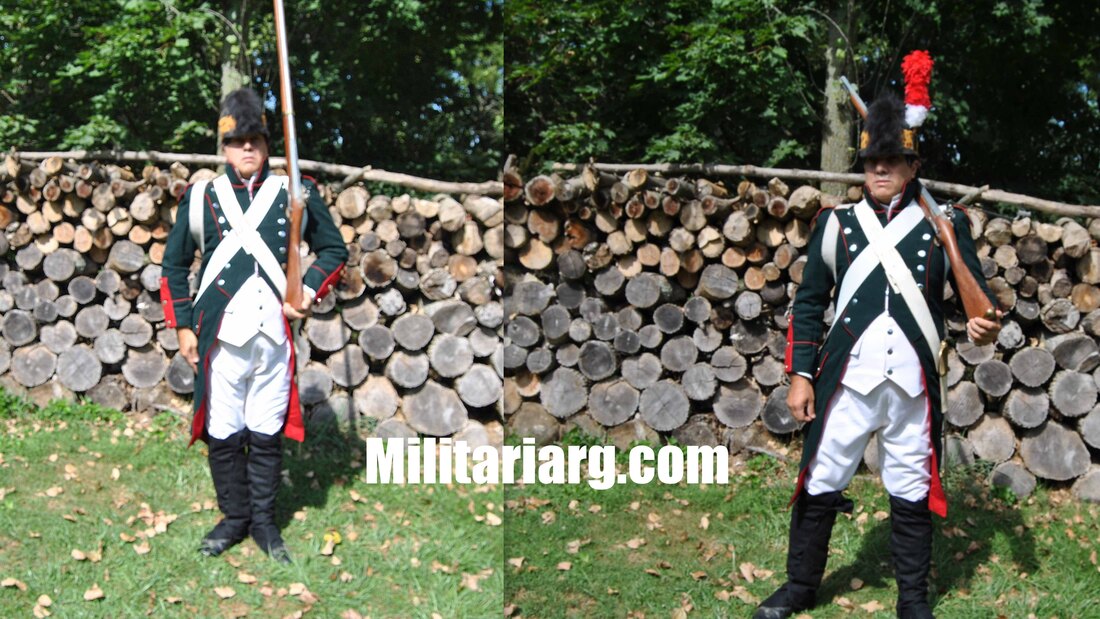
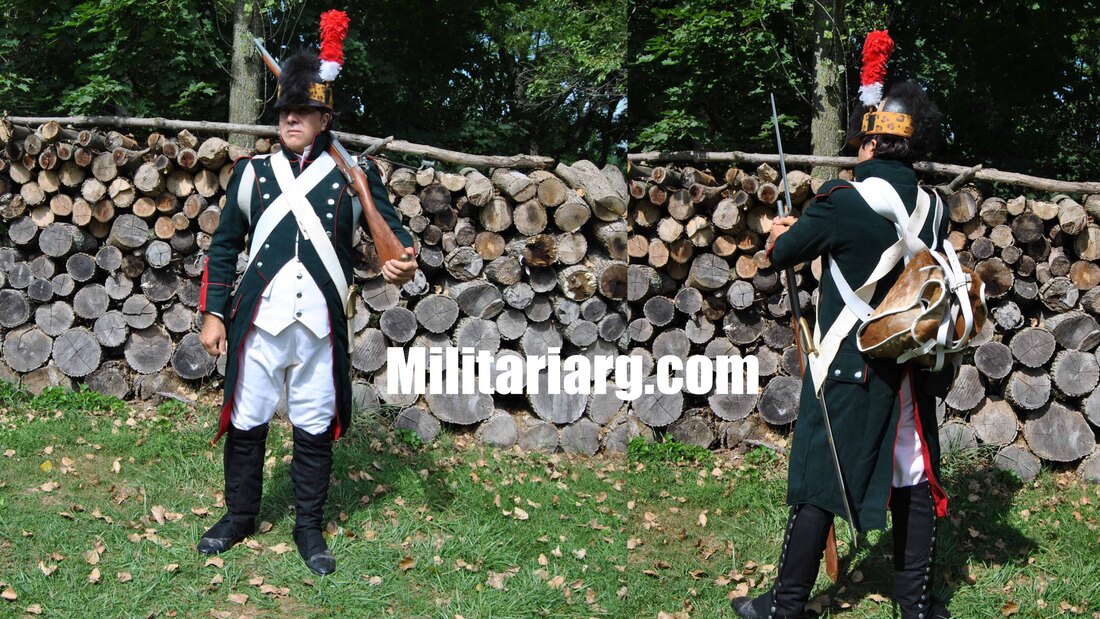
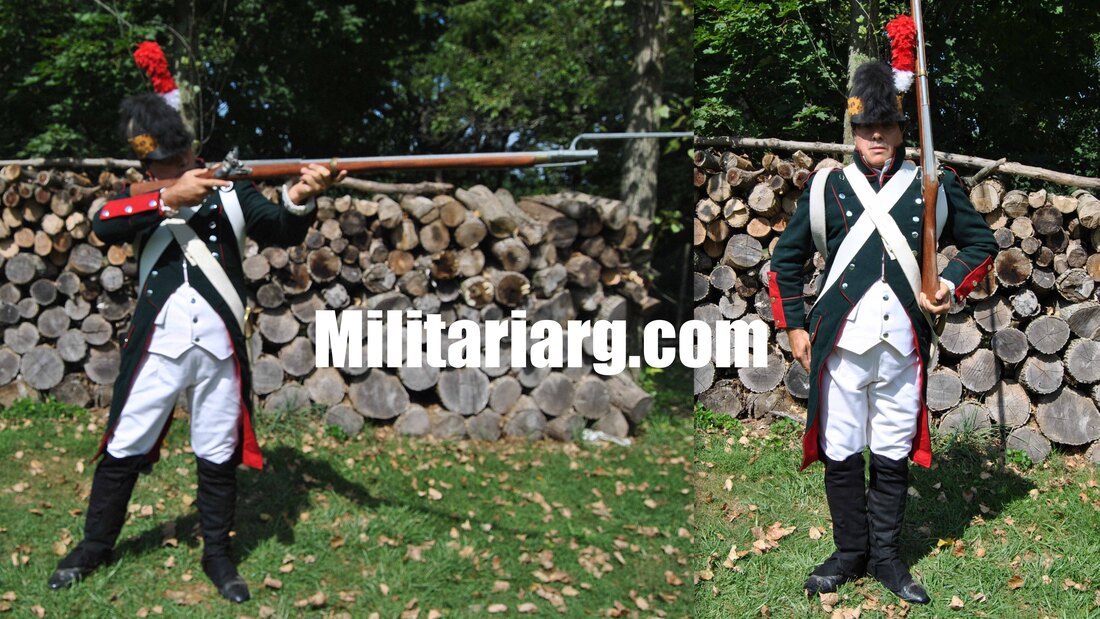
​M1791 French Light Infantry Tarleton Helmet. Replica.

2éme Bataillon de Chasseurs (Royaux Corses); 1791 - 1794 Early Napoleonic Wars. Army of the Alps.
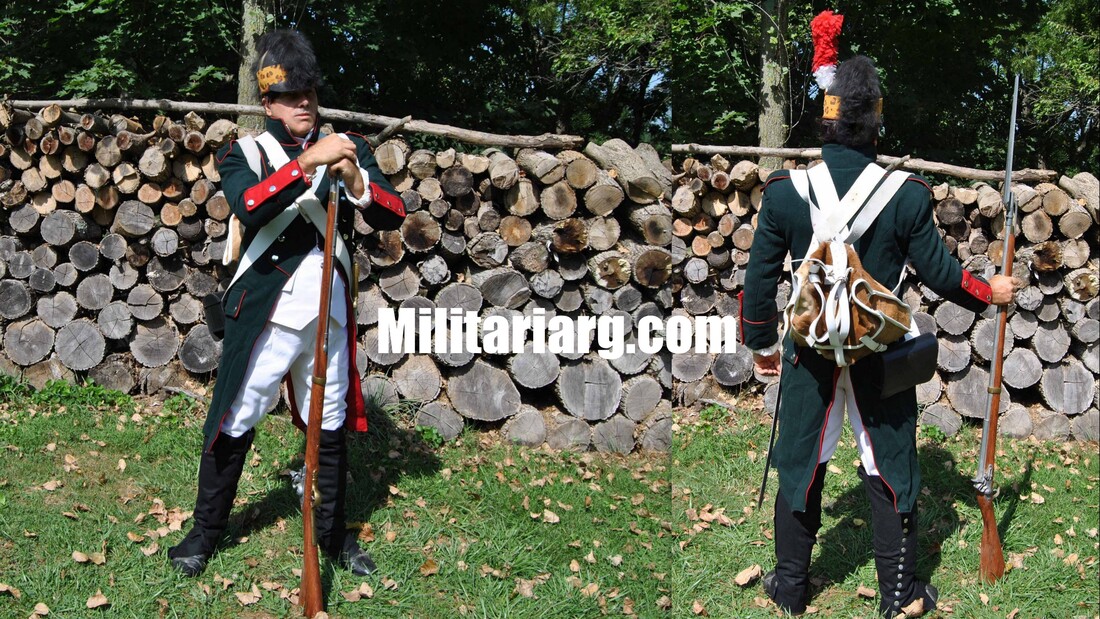
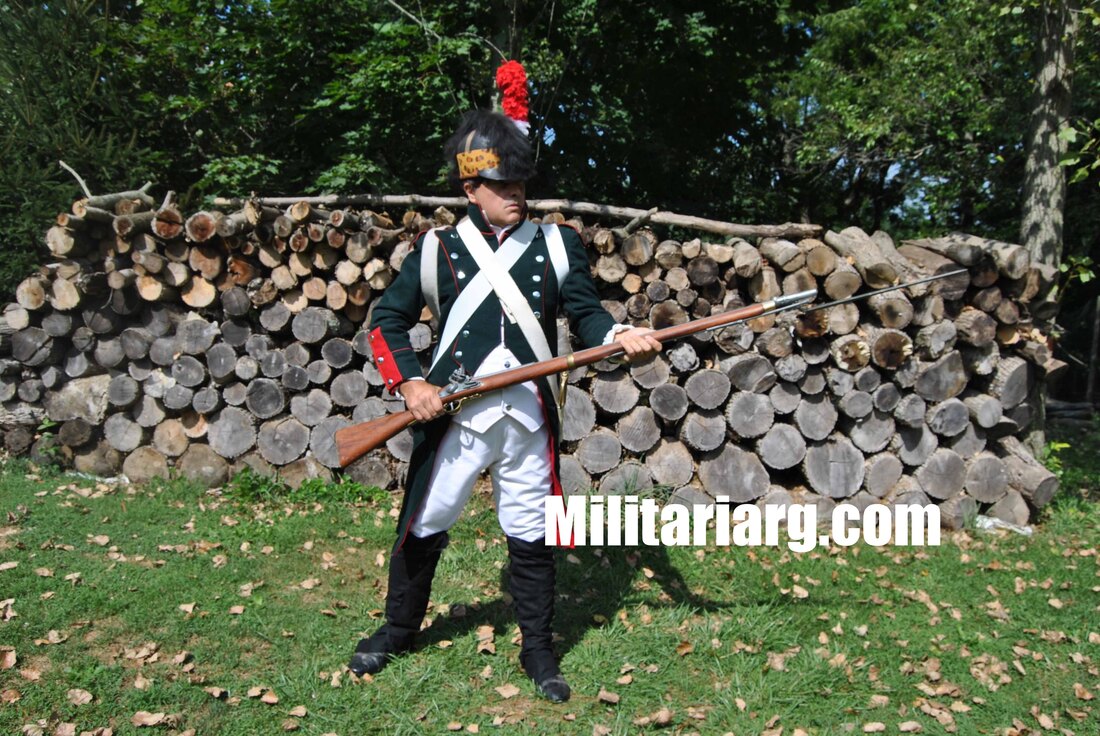
The 2e Bataillon de Chasseurs (Royaux Corses) was a light infantry battalion of the French Royal Army that continued to serve in the early French Revolutionary Wars until its disbandment in 1794. 

Service History
​

The battalion was formed in Corsica and was initially known by its royalist name, but was later formally renamed the 4e Bataillon de Chasseurs (Corses) in 1791. In 1792, it joined the garrison of Grenoble and Lyon and became part of the Army of the Alps, participating in the campaign in Savoy. A significant action for the battalion was the Battle of the Fourche Mountain in 1793. In 1793, the unit was transferred to the Army of the North, then the Army of the Rhine and Moselle, before being disbanded on August 6, 1794. 

Amalgamation

Following the Revolution, the French Army underwent reorganizations. In 1795, the 2e Bataillon de Chasseurs (Royaux Corses) was combined with two volunteer battalions to form the 4e Demi-Brigade Légère, ending its original lineage. Its successor unit eventually became the 78e Régiment d'Infanterie.
Picture
Picture
Picture
Picture
Picture
Picture

Grenadier Imperial Guard, Garde Imperiale. 1st Empire 1805 - 1815.

Picture
Picture
The Grenadiers of the Imperial Guard (Garde Impériale) were the elite veterans of Napoleon Bonaparte's First French Empire (1805–1815). Known as the "Old Guard" (Vieille Garde), these seasoned soldiers were often referred to as the "Immortals" because of their legendary status and their frequent role as a final tactical reserve.

Formed officially on May 4, 1804, from the previous Consular Guard, the foot grenadiers represented the most experienced soldiers in the French army. To join, a soldier typically needed 10 years of service, have participated in at least three campaigns, and meet a minimum height of roughly 5'11" (1.76m).
The 1st Regiment of Foot Grenadiers (1er Régiment de Grenadiers-à-Pied) was the most senior unit in the entire army. A second regiment existed between 1806 and 1808 before being merged into the 1st, then raised again for later campaigns.

Mounted Grenadiers
The Mounted Grenadiers (Grenadiers à Cheval) served as the senior heavy cavalry of the Guard, famously riding large black horses and earning the nickname "the Gods" or "the Giants". Their silhouette is one of the most iconic of the Napoleonic era. 
A tall bearskin cap (bonnet à poil) topped with a red plume, white cords, and a brass plate stamped with the Imperial eagle.
A dark blue habit coat with white lapels piped in red, red cuffs, and long red turnbacks featuring gold embroidered grenades. Many veterans wore gold earrings and thick mustaches (which were mandatory for the unit). Their nickname "The Grumblers" (Les Grognards) came from their habit of complaining openly even in front of Napoleon. 

Combat History (1805–1815)
The Guard was typically held in reserve and only committed at critical moments to decide a battle. 

Austerlitz (1805): They were kept in reserve but their presence provided the stability for Napoleon's decisive victory.

Russia (1812):
The Guard marched into Russia over 60,000 strong, but only a few thousand returned from the disastrous retreat.
Waterloo (1815): In their final action, the Old Guard stood firm to cover the retreat of the broken French army, famously refusing to surrender.

Cuirassier 1er Premier Empire (Borodino - Waterloo)

Picture
Picture
Picture
The Cuirassiers of Napoleon's First Empire (1805–1815) were the quintessential heavy shock cavalry of the Grande Armée. Known as the "Big Brothers" (Gros Frères), they were elite units composed of the largest men and horses, designed to break enemy lines through sheer physical momentum. 

The 1er Régiment de Cuirassiers 
The 1st Cuirassier Regiment held a prestigious position as the senior heavy cavalry regiment of the line. 

It frequently served as a tactical reserve or as part of the Emperor's escort.
The regiment fought in nearly every major Napoleonic campaign, including Austerlitz (1805), Eylau (1807), and Borodino (1812). After Napoleon's first abdication, it was briefly renamed the Cuirassiers du Roi (The King's Cuirassiers) before returning to Napoleon's side during the Hundred Days. 

Equipment and Uniform
The cuirassiers were the only cavalry in Europe to consistently wear full torso armor on the battlefield during this era. 

The Cuirass. A two-piece set of polished iron (breastplate and backplate) weighing approximately 7.5 kg (16.5 lbs). While it could sometimes stop musket fire at long range, its primary purpose was protection against sabers and bayonets during the melee.
The Helmet. A steel helmet with a brass comb, a black horsehair mane, and a red plume on the left side.
Weapons. Their primary weapon was a heavy, straight-bladed saber (Modèle An XI or An XII), designed for thrusting during a charge. They also carried two pistols and, later in the wars, a carbine. 

Role and Tactics
Napoleon utilized the Cuirassiers as a "Cavalry Reserve," often under the command of Marshal Joachim Murat. 
They charged in tight, knee-to-knee formations. The psychological impact of thousands of "men of iron" galloping toward an infantry line was often enough to break enemy morale before contact was even made.

Despite their armor, they were highly vulnerable to massed artillery and disciplined infantry squares. 
Powered by Create your own unique website with customizable templates.