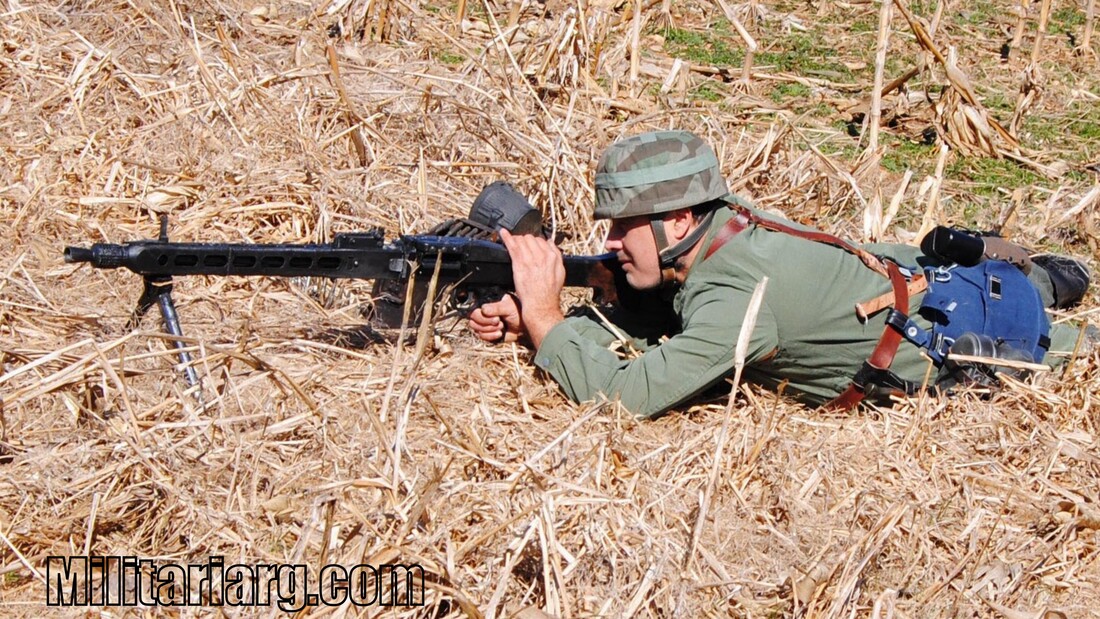
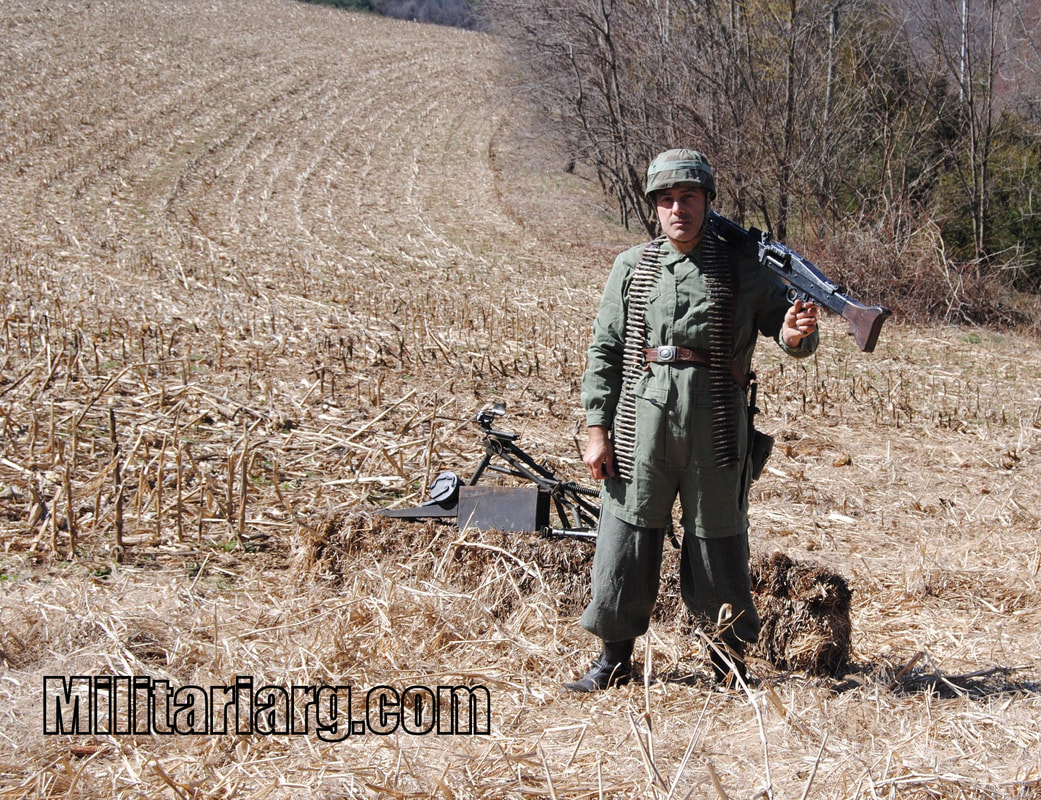
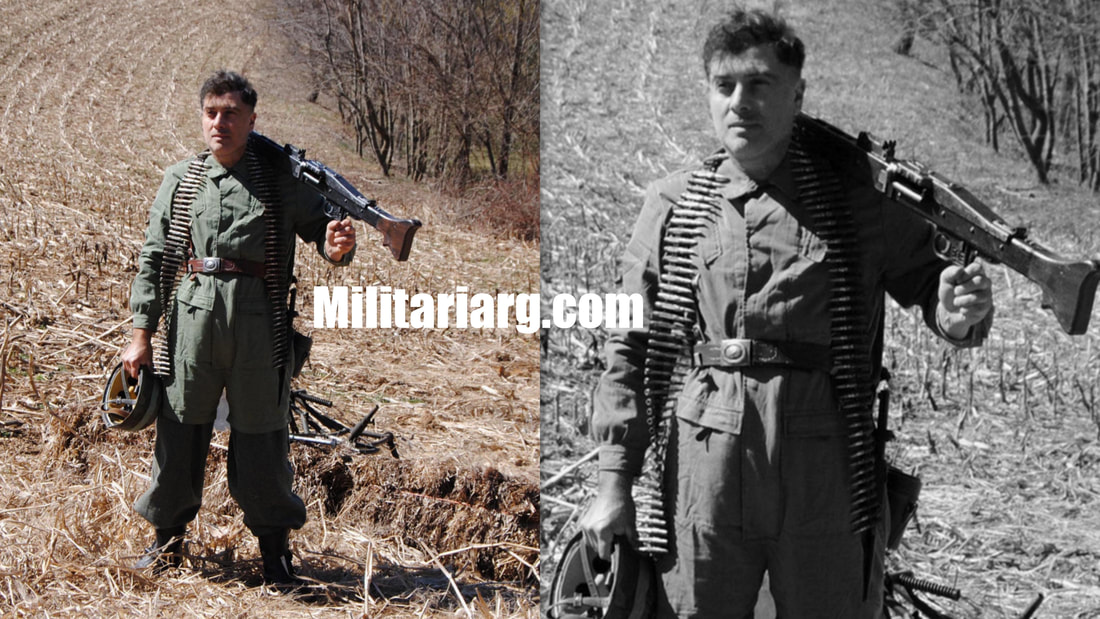
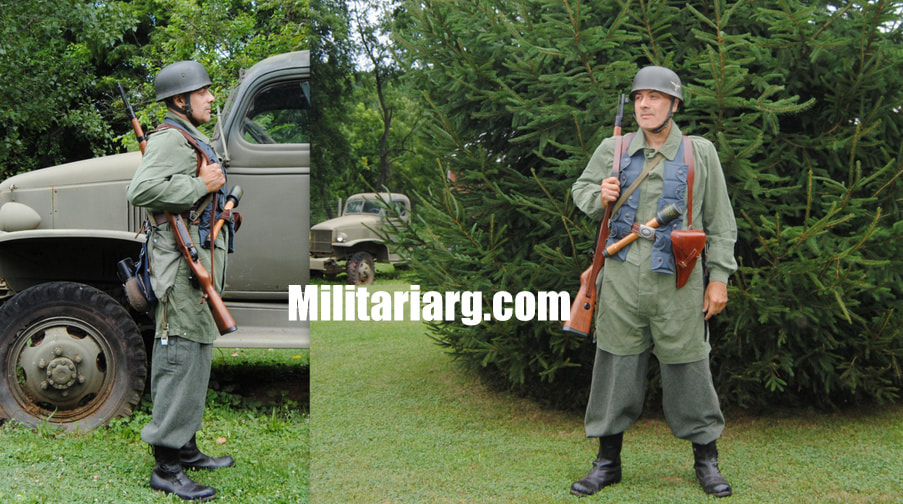
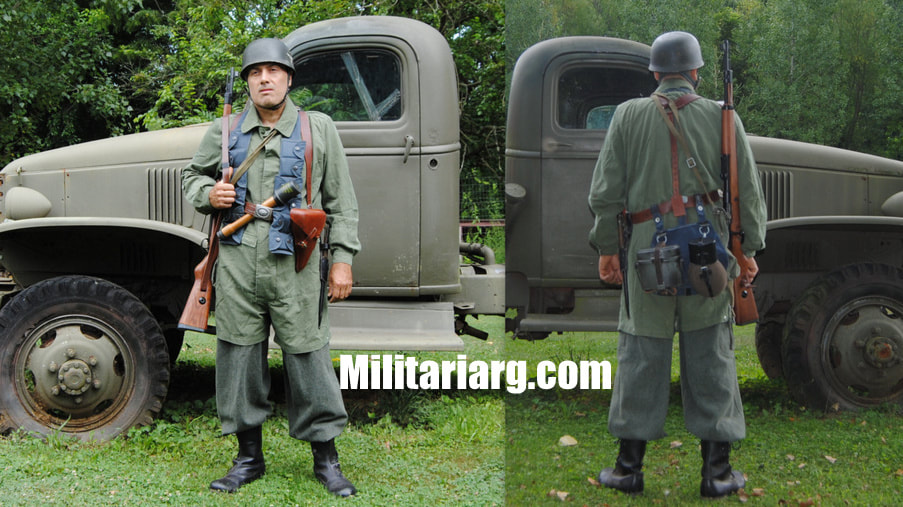
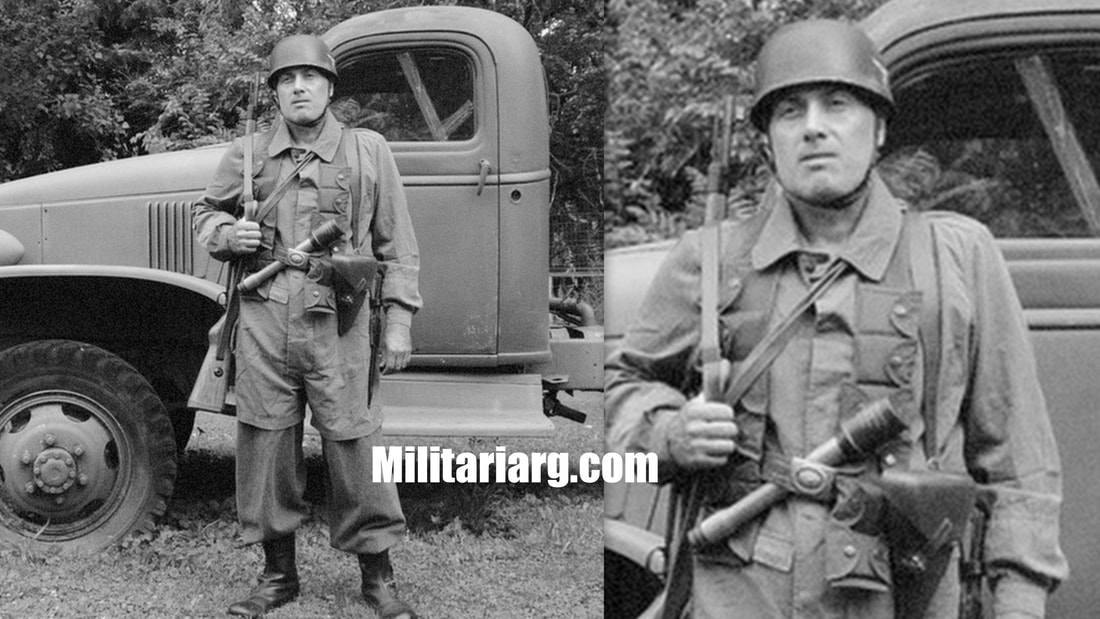
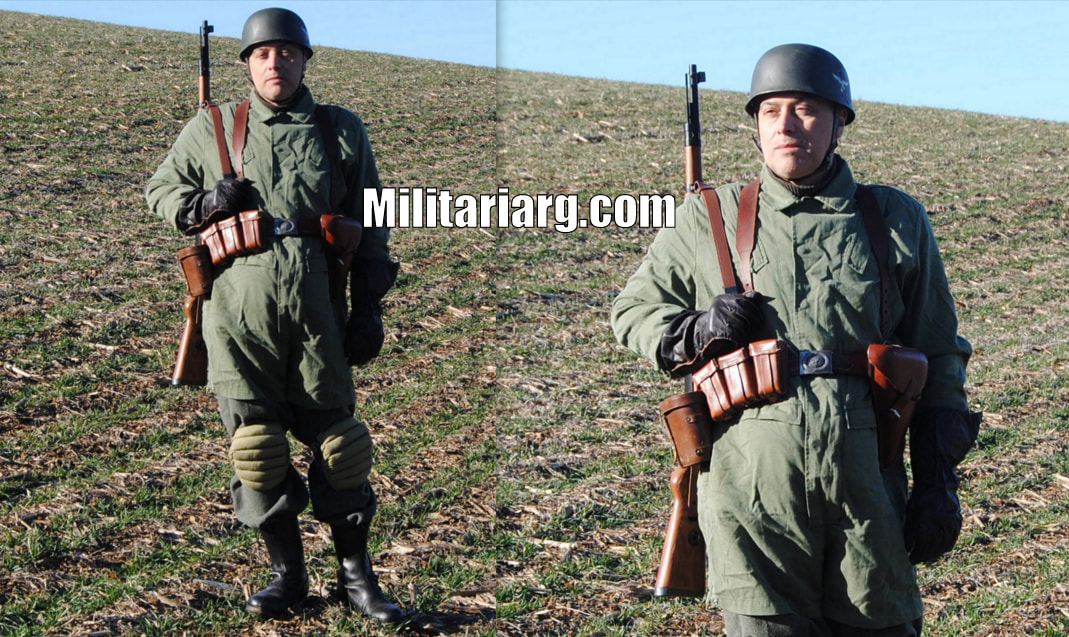
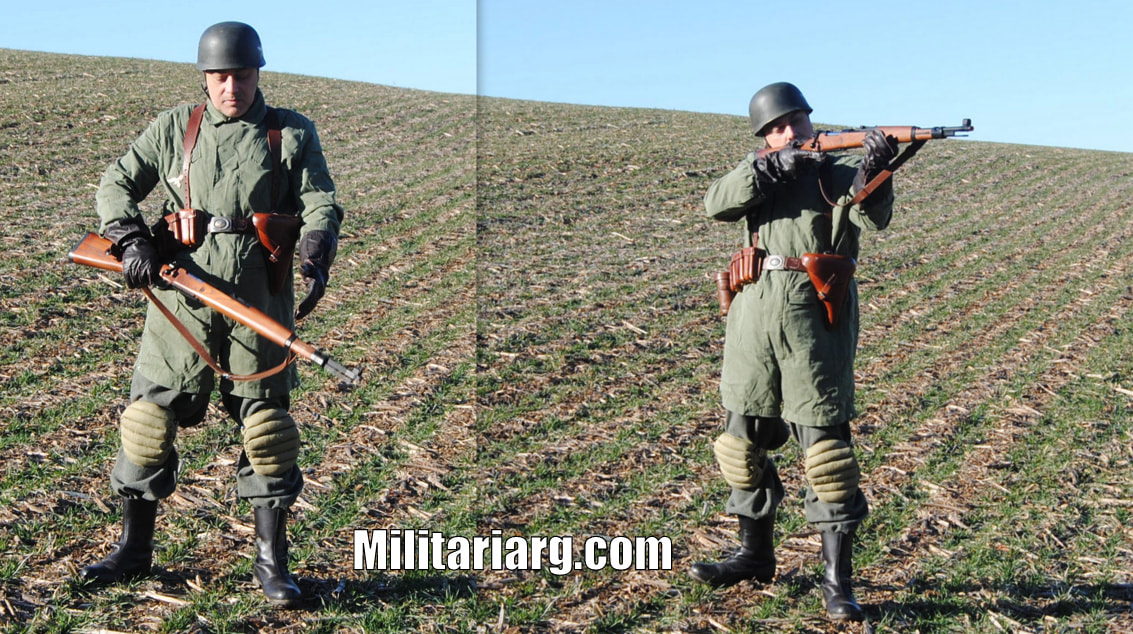
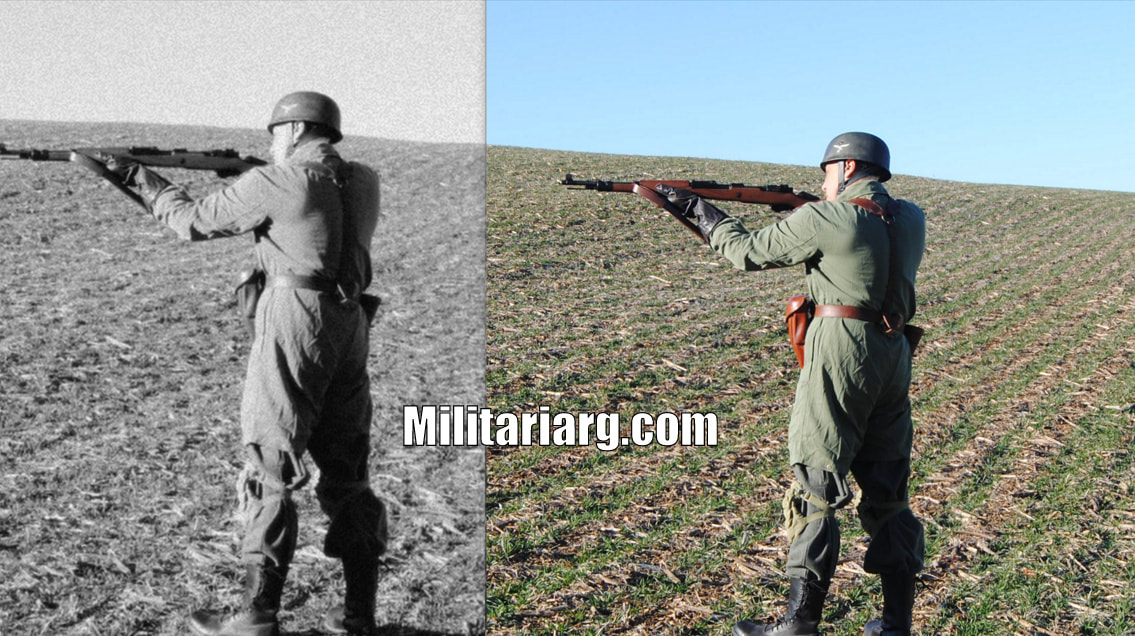
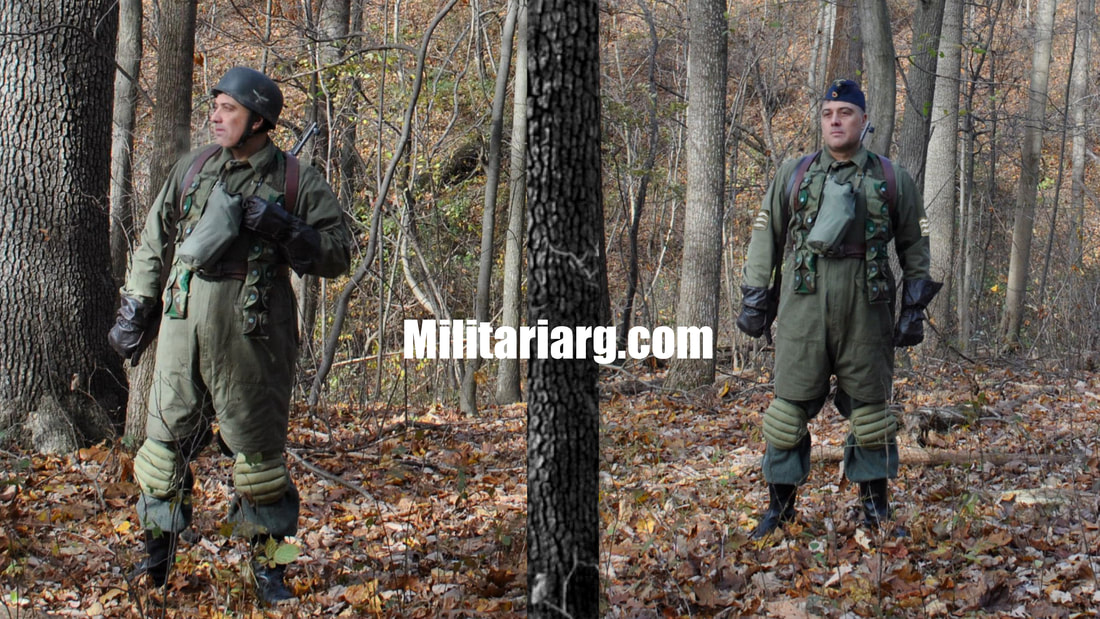
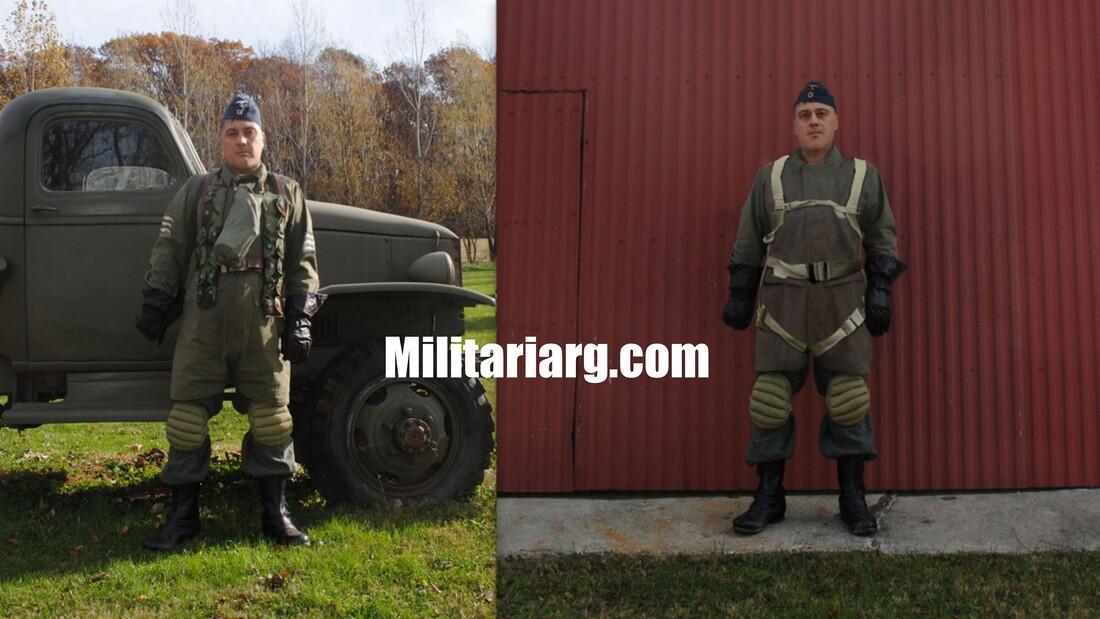
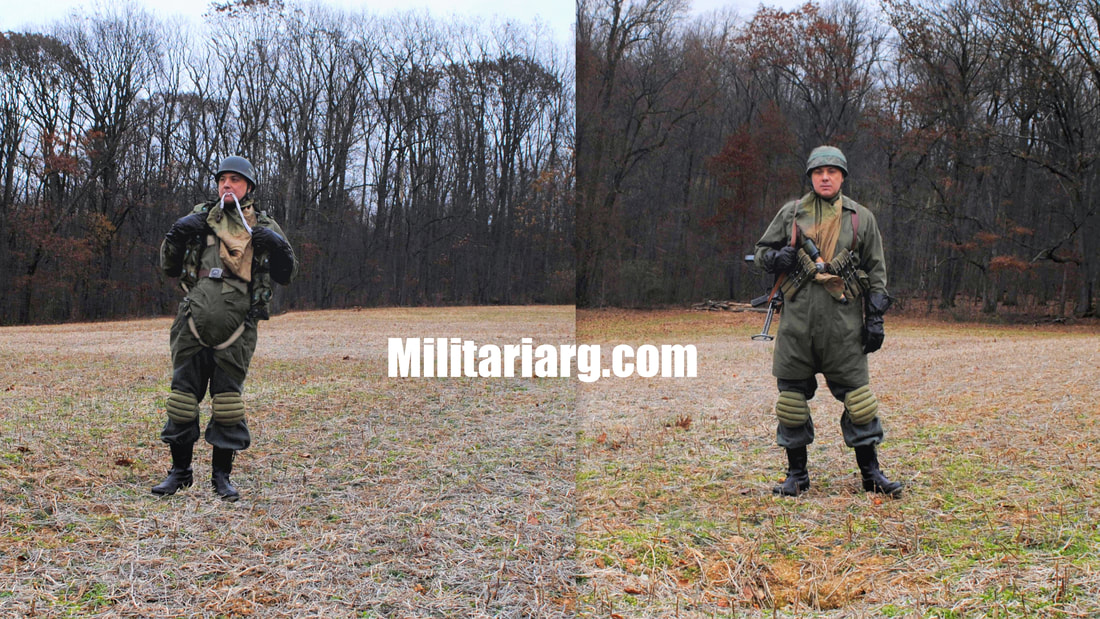
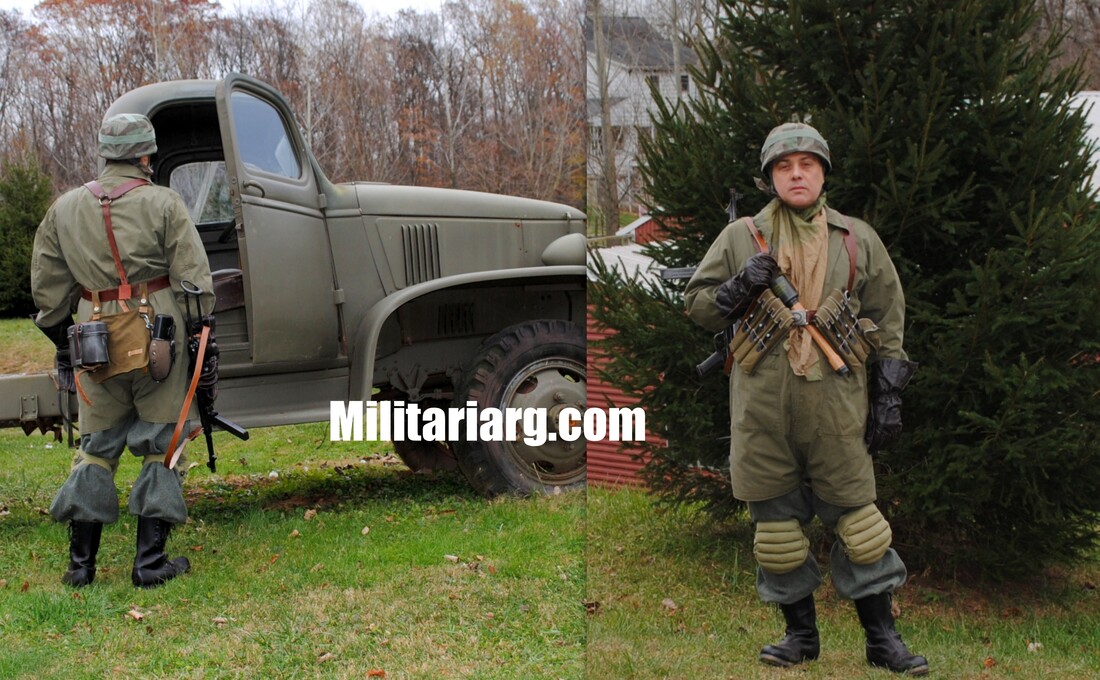
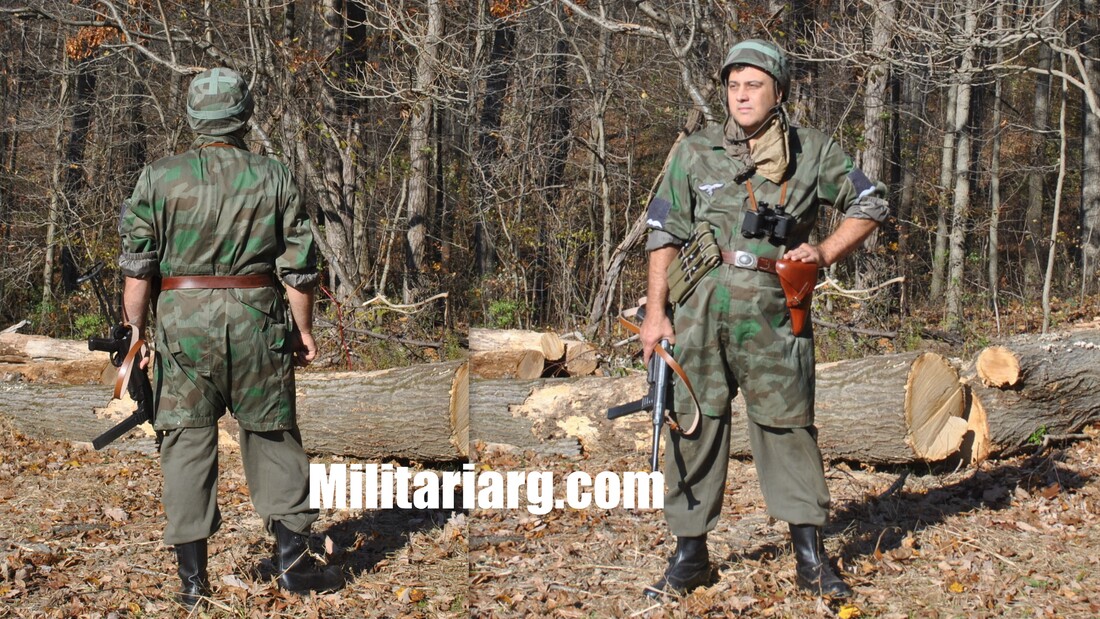
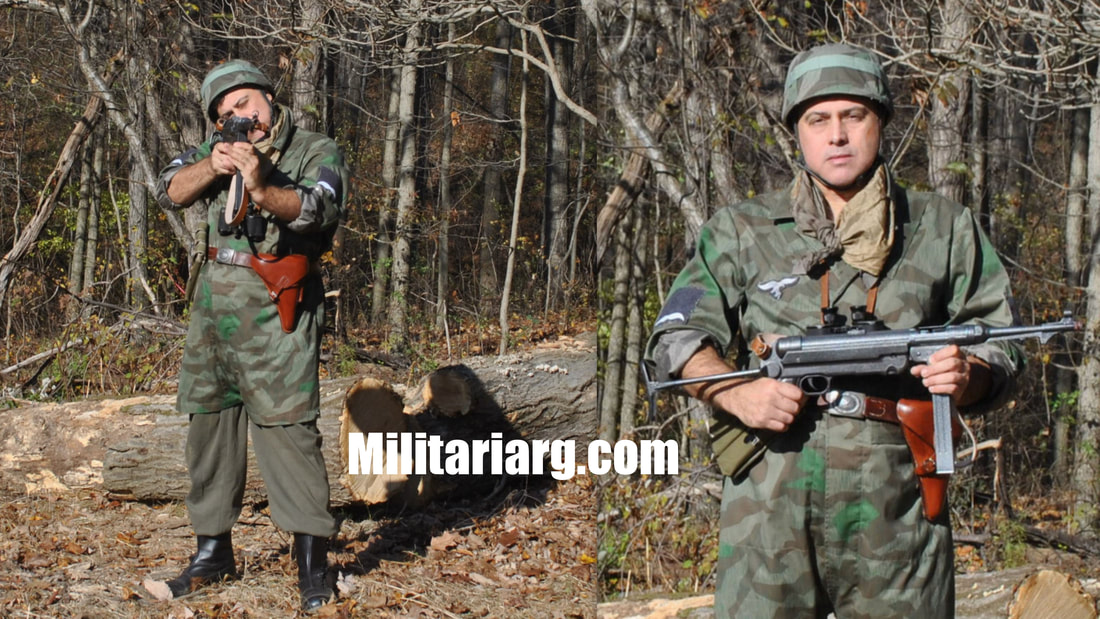
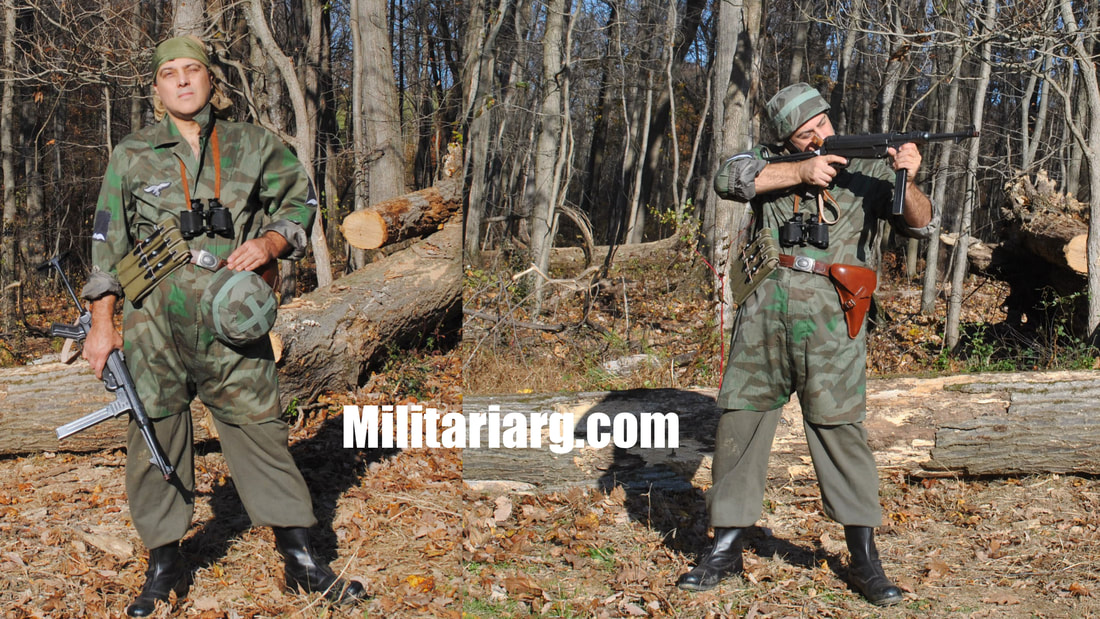
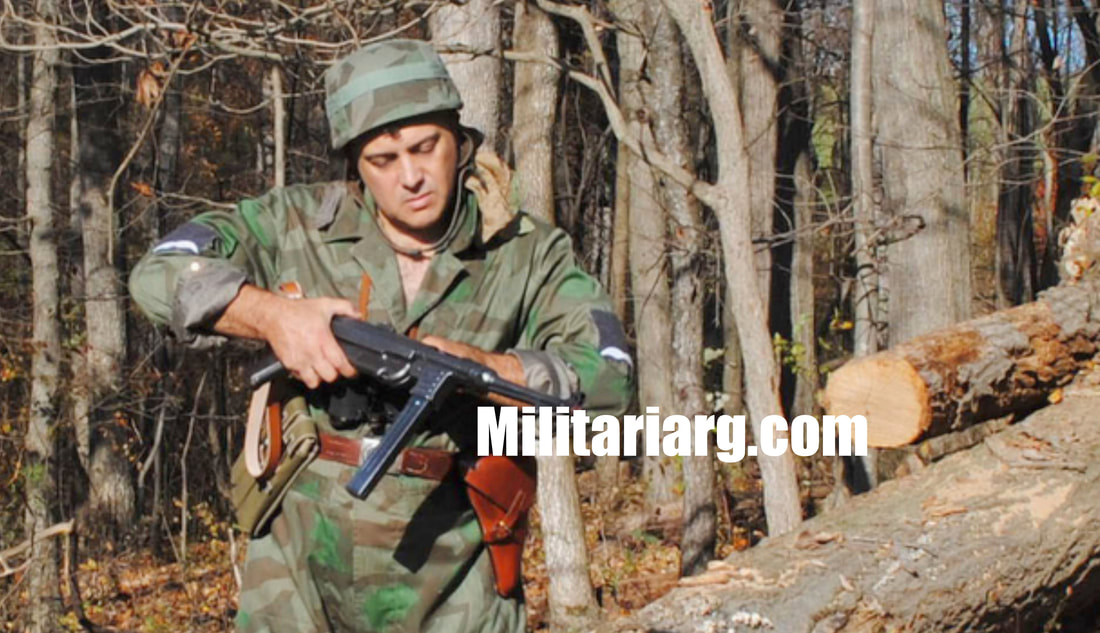
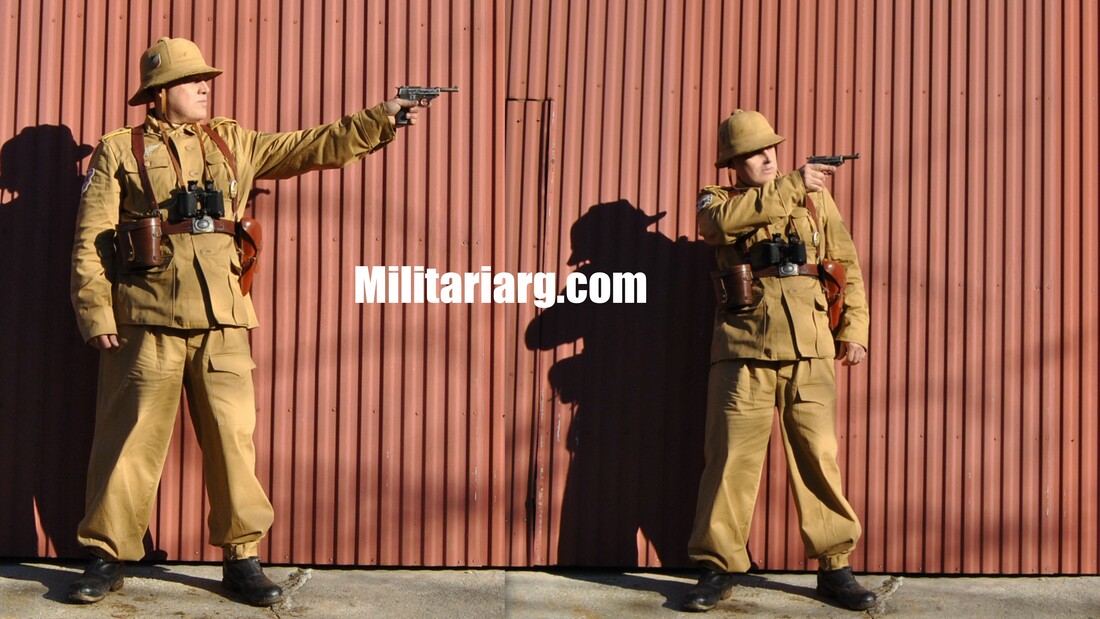
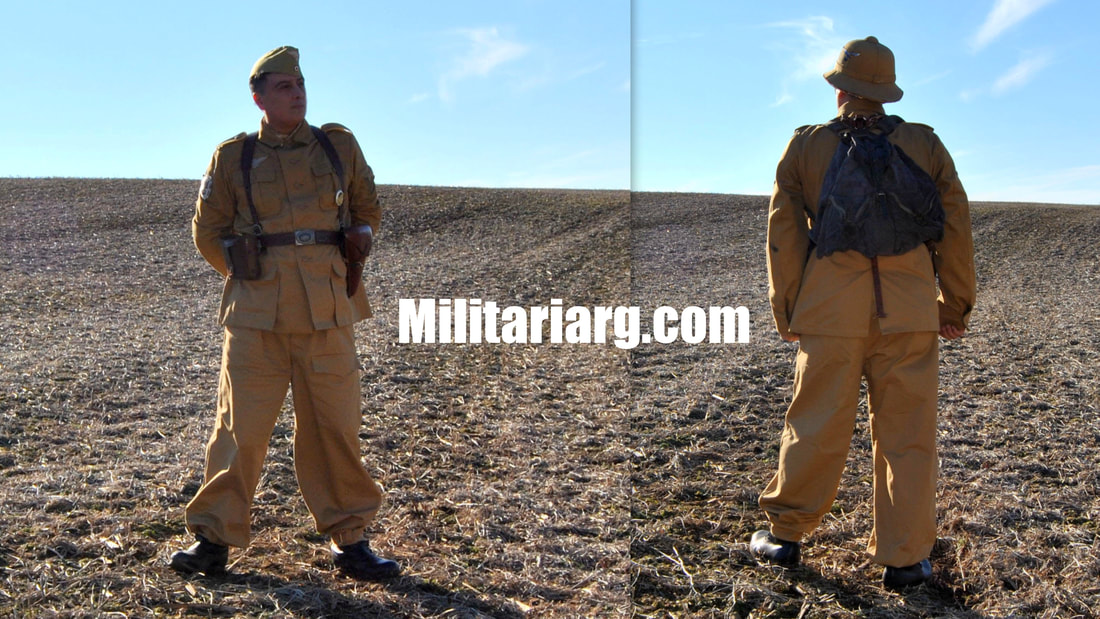
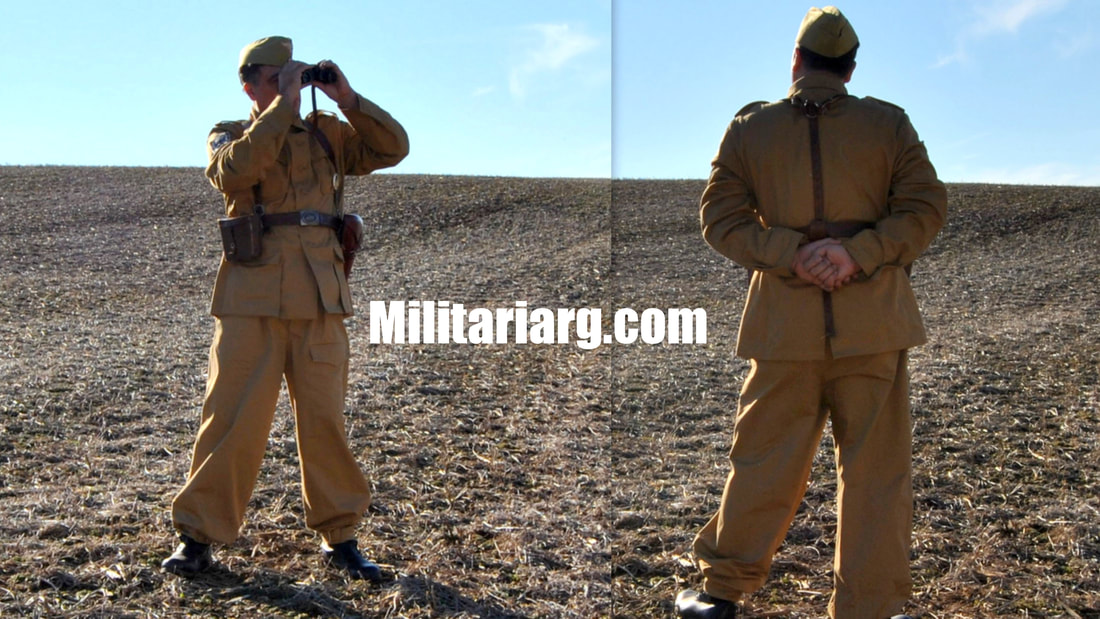
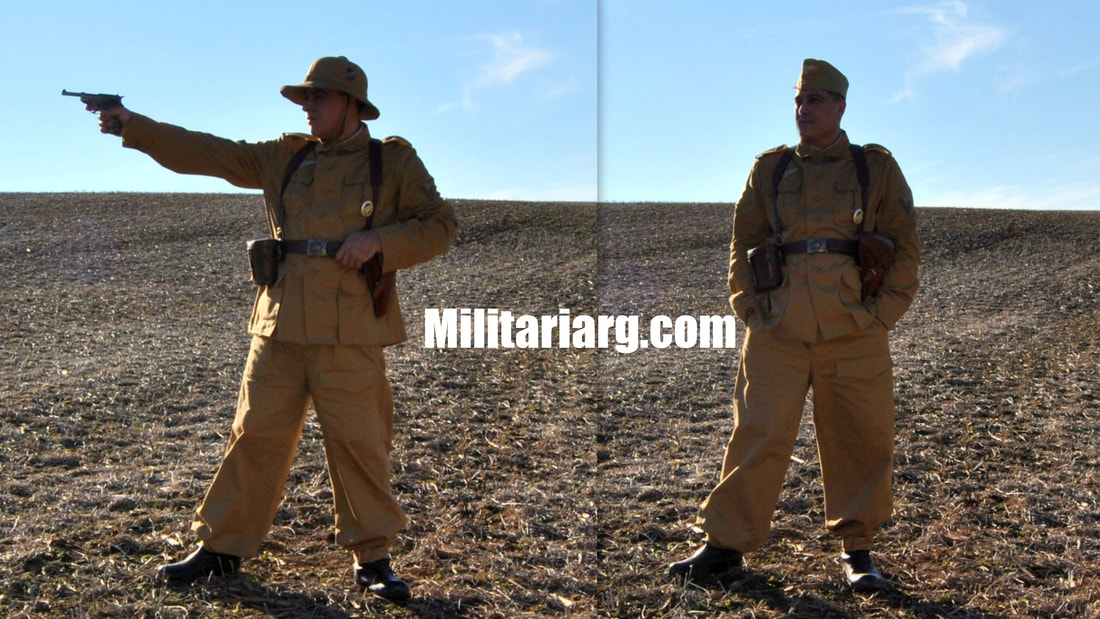
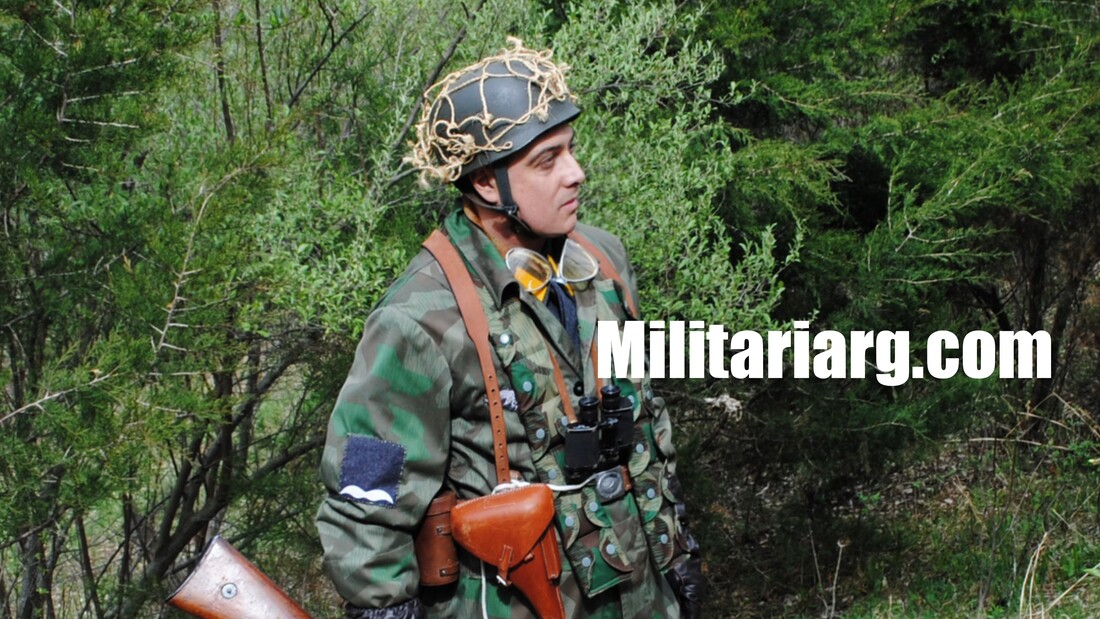
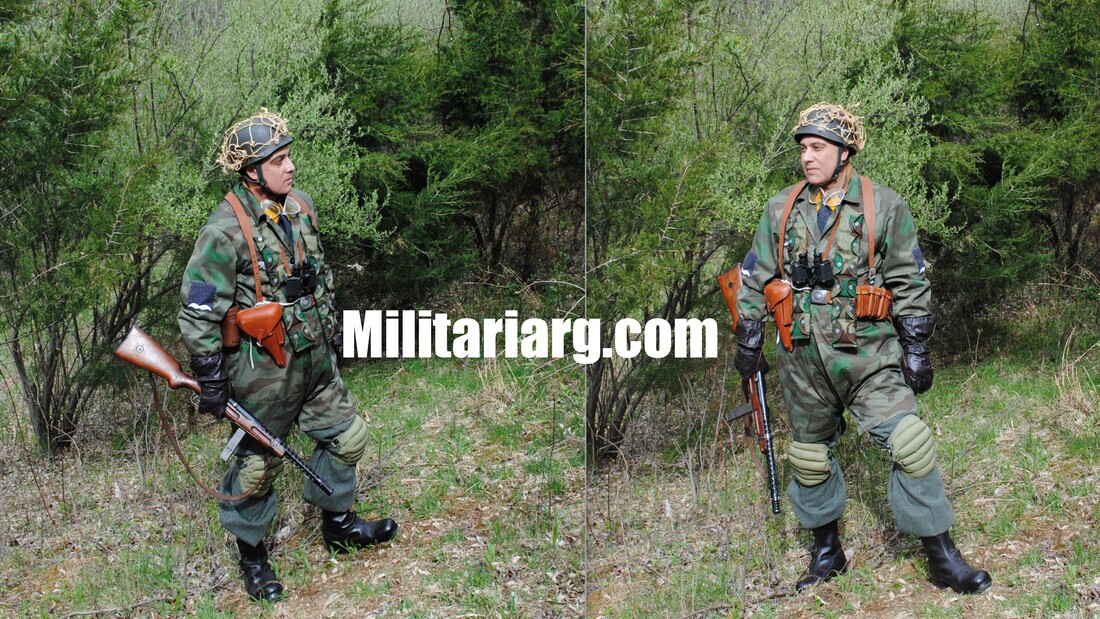
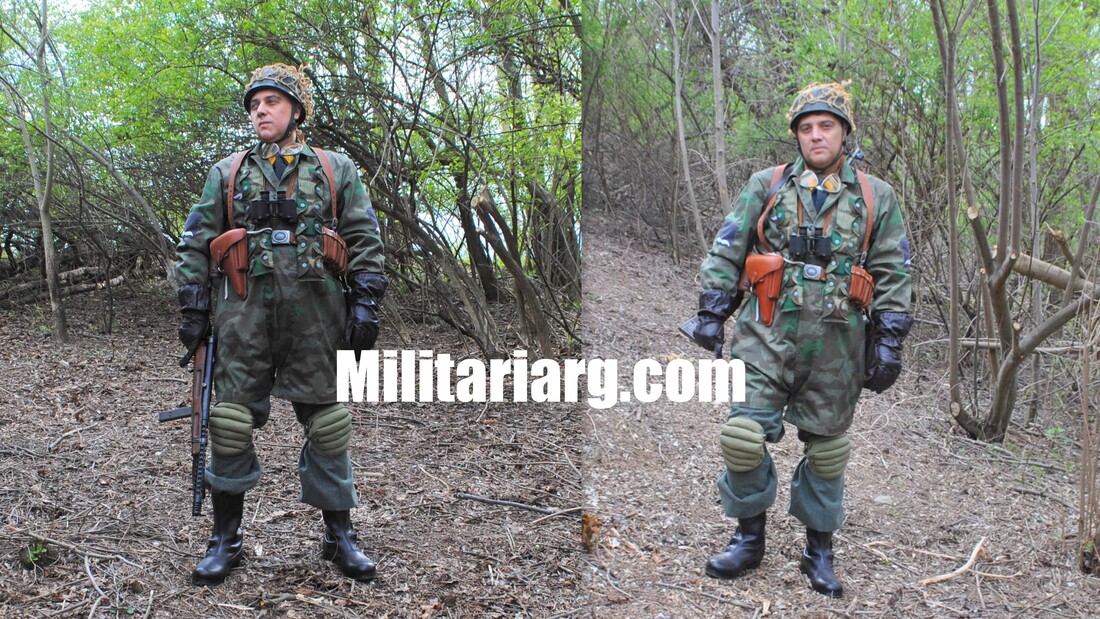
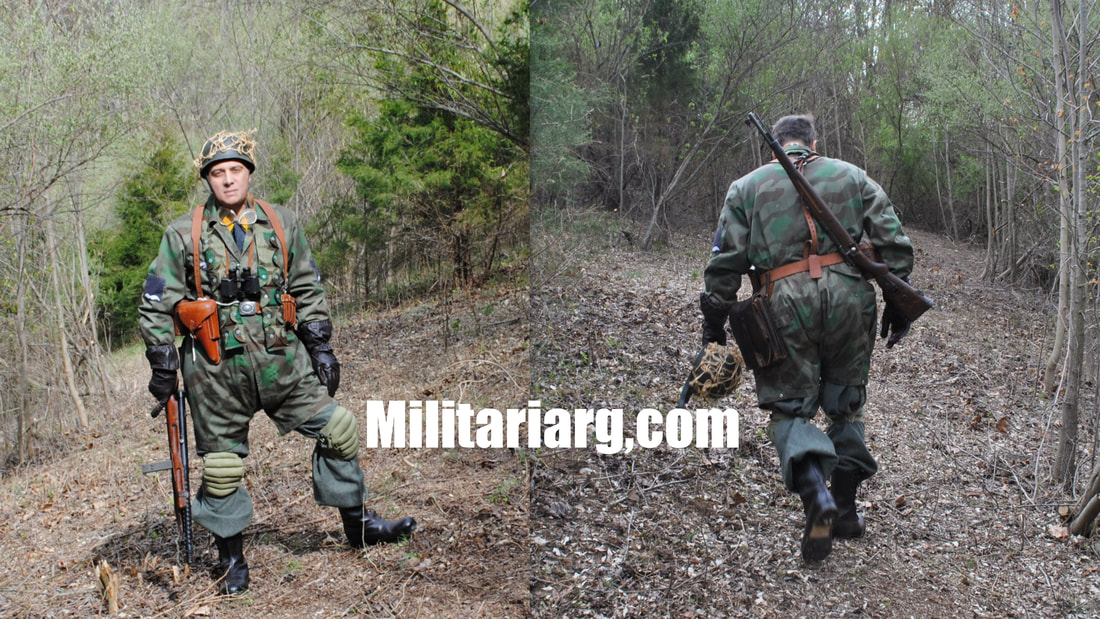
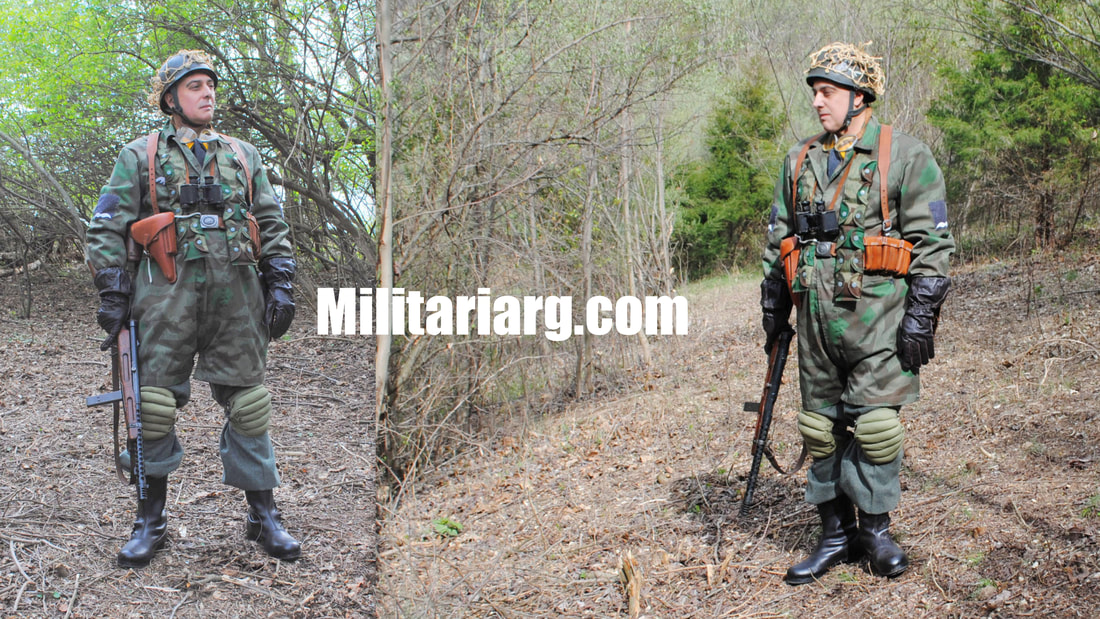
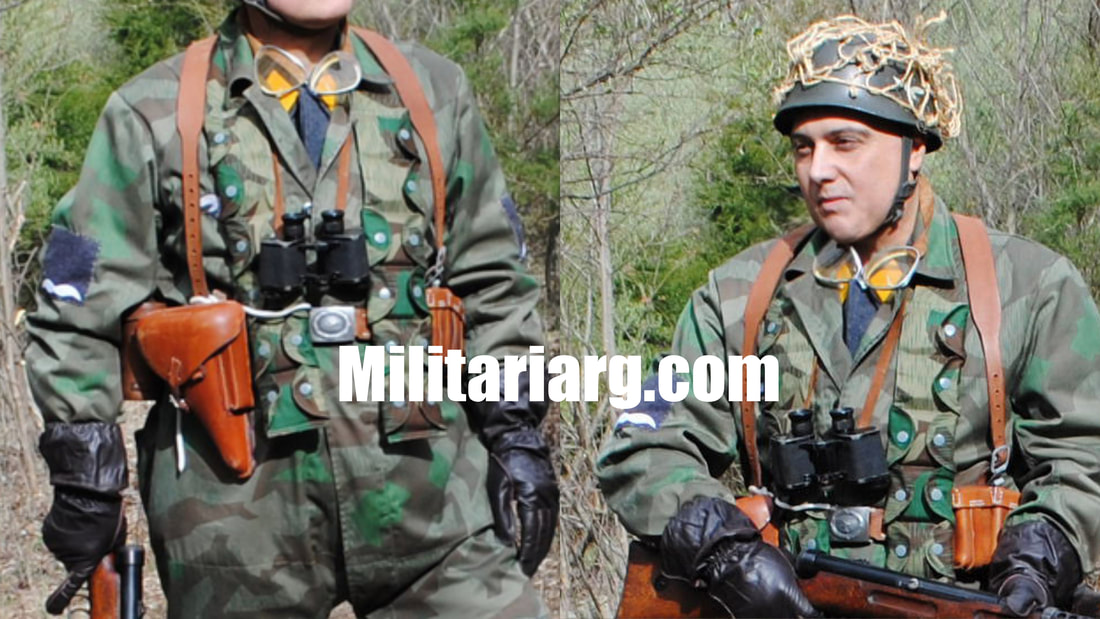
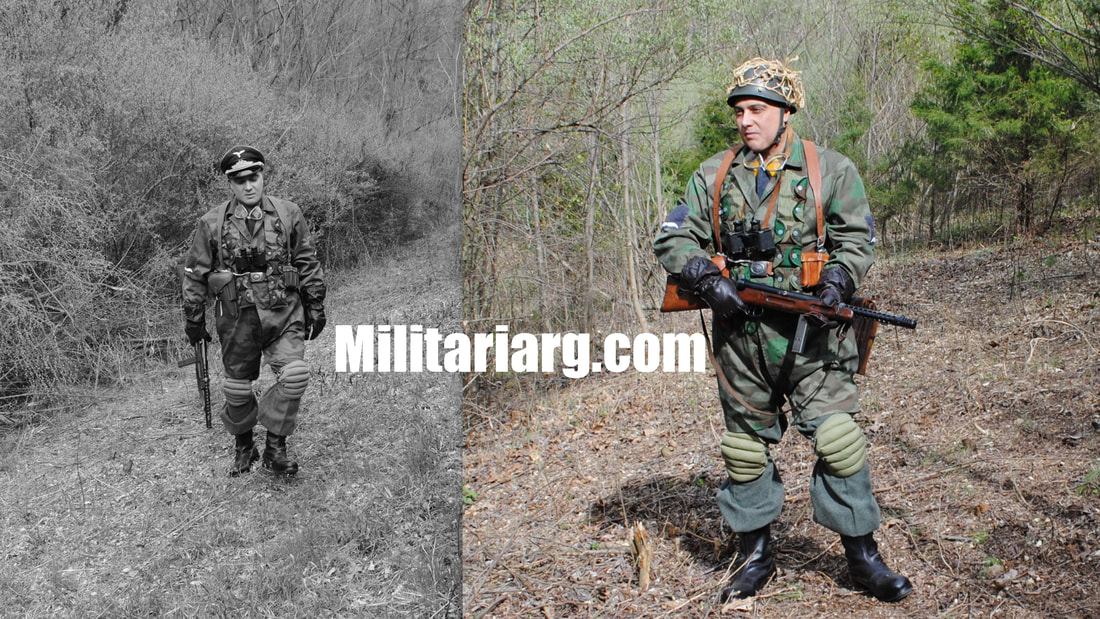
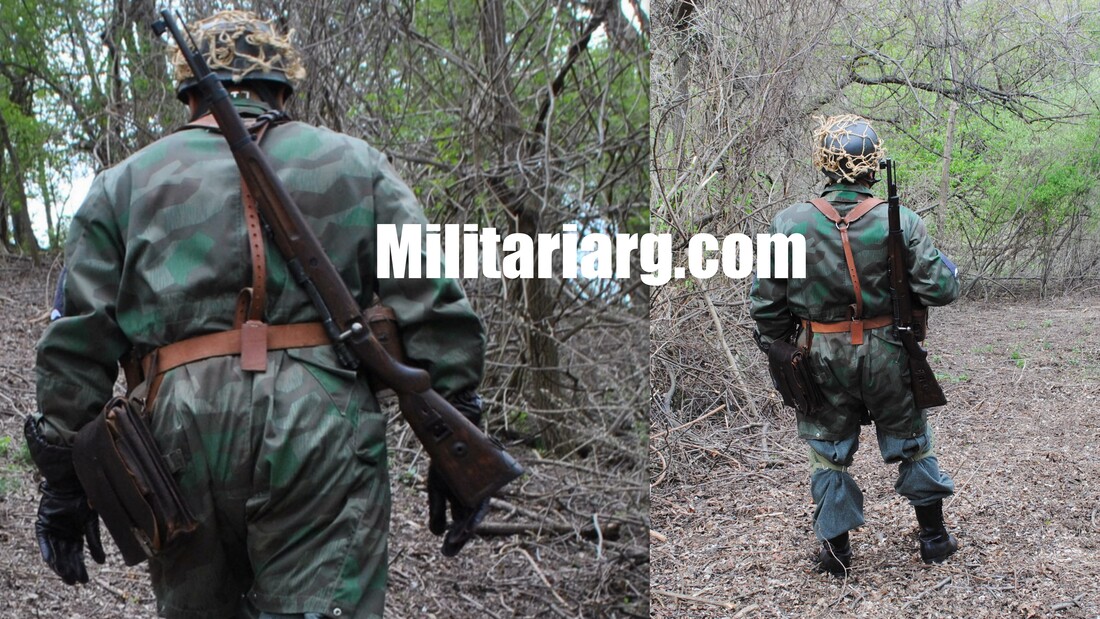
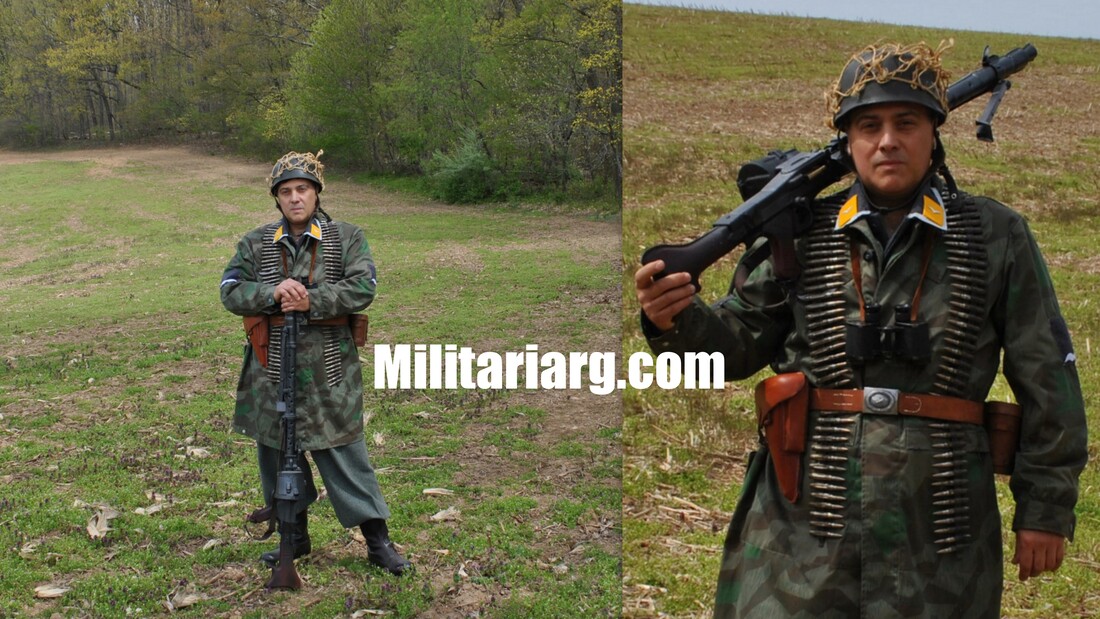
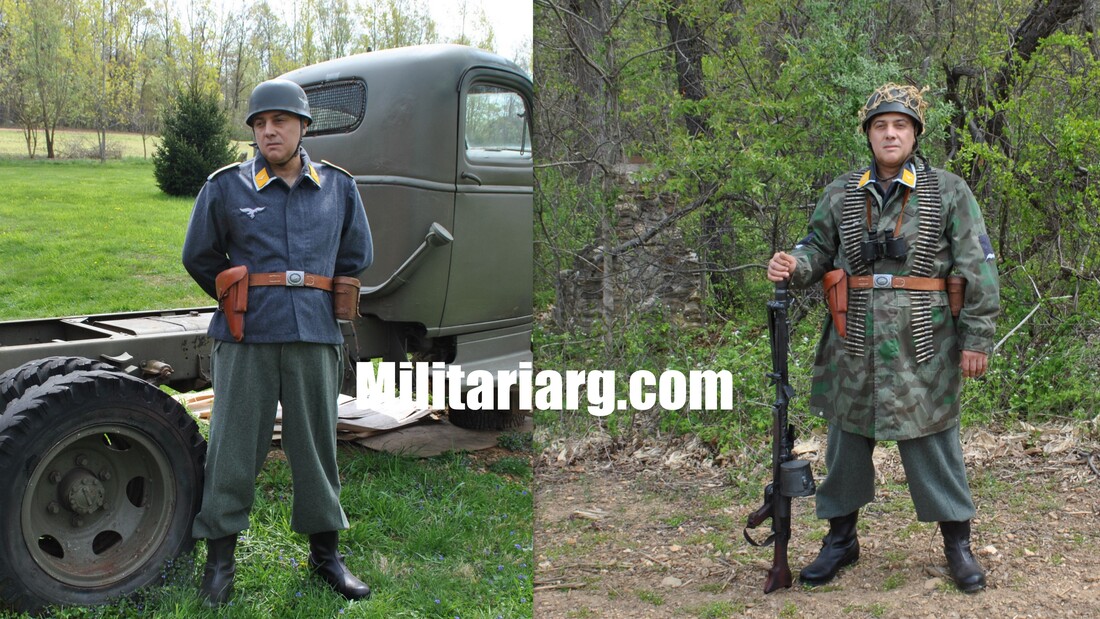
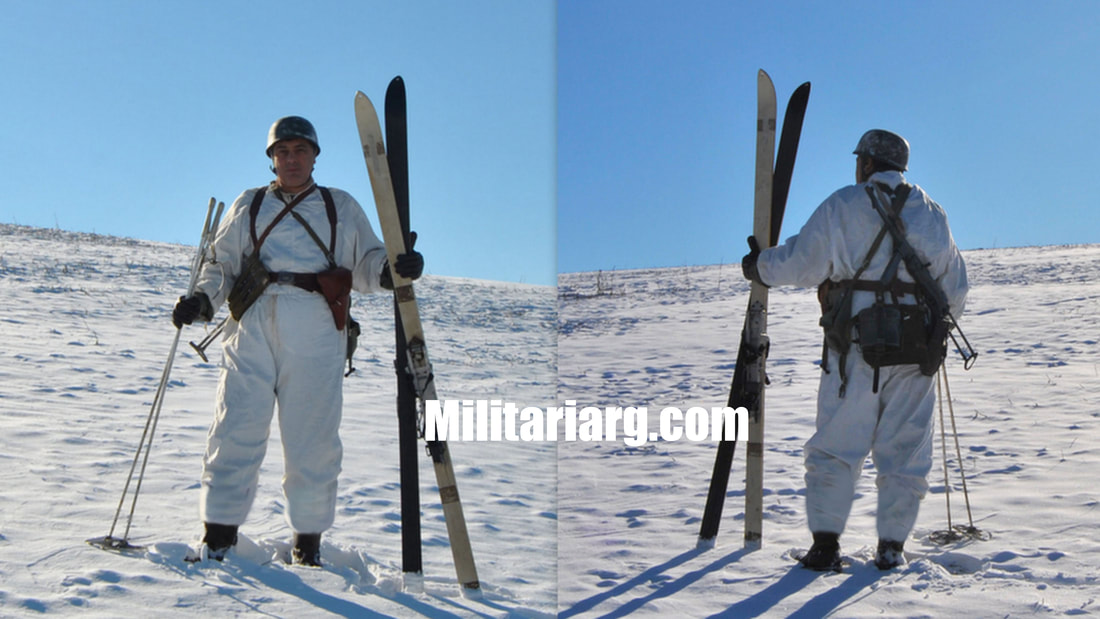
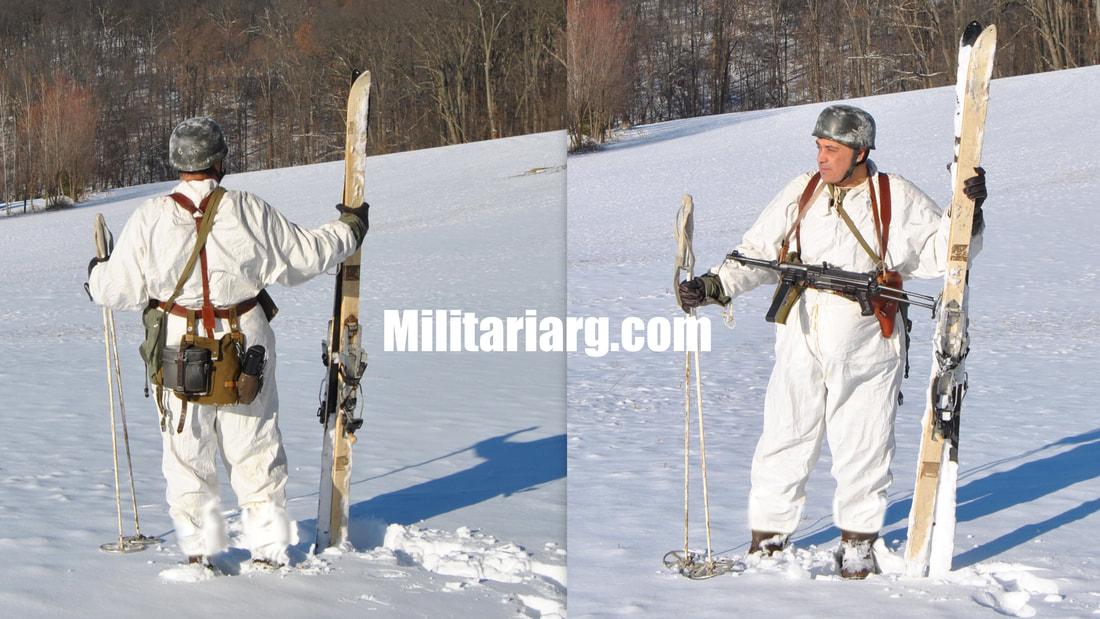
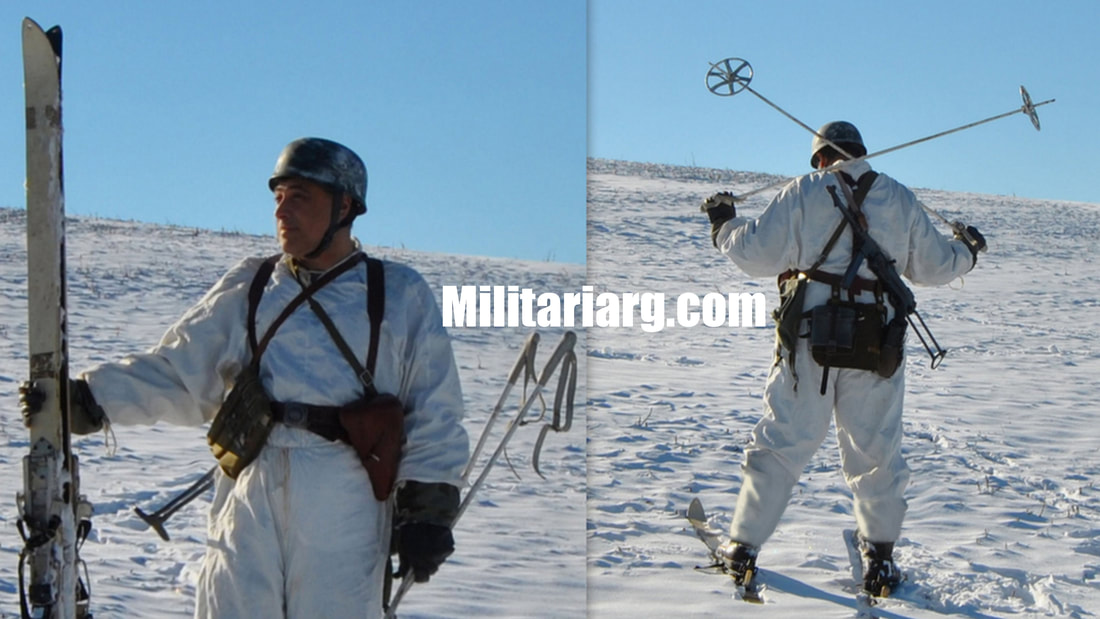
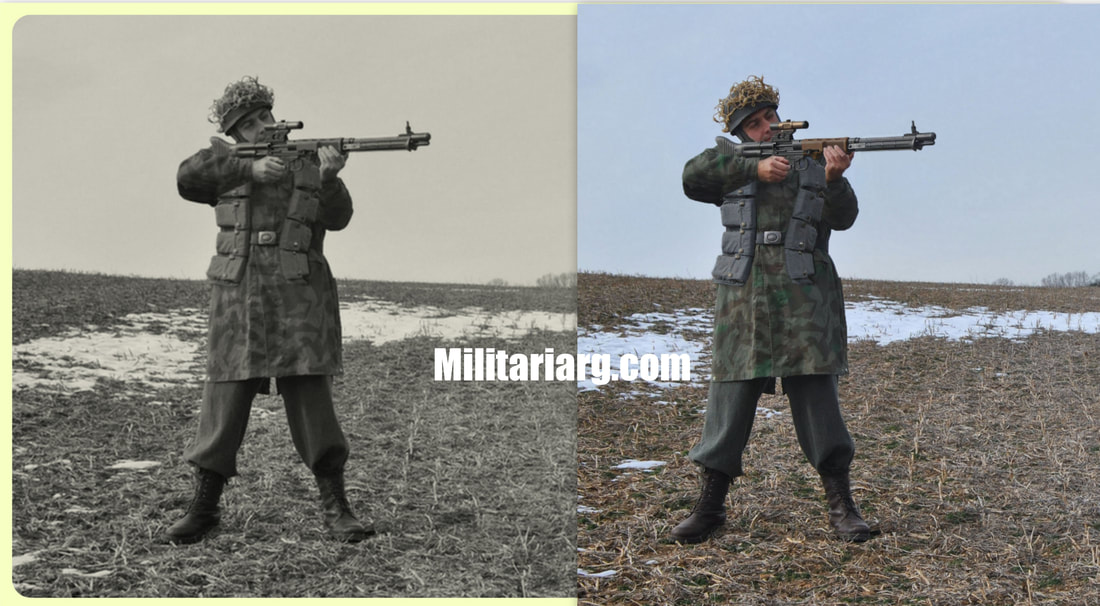
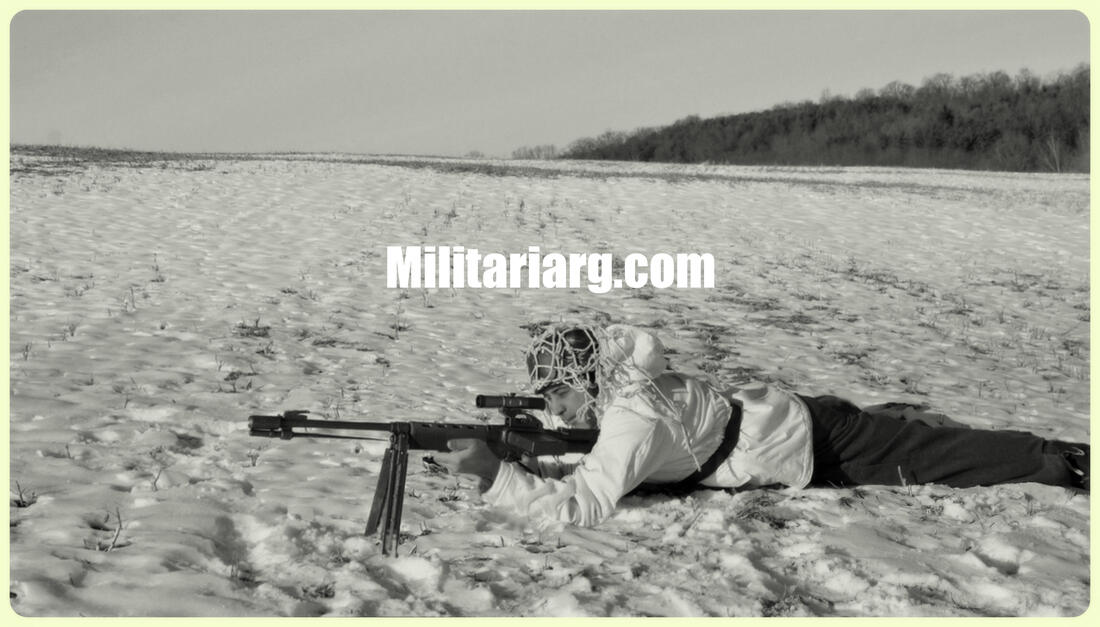
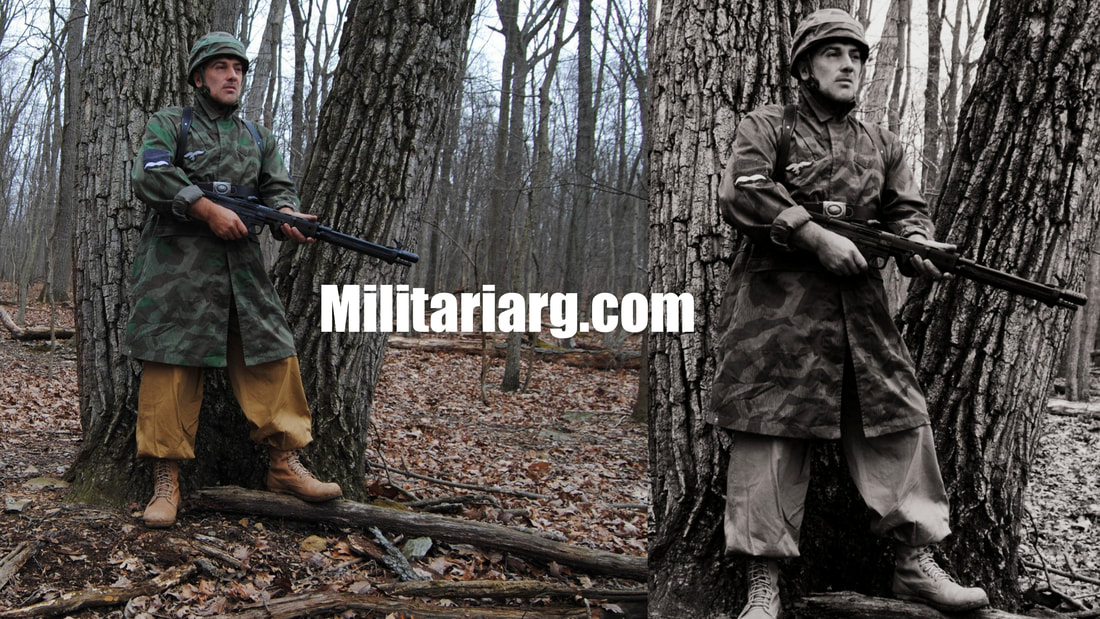
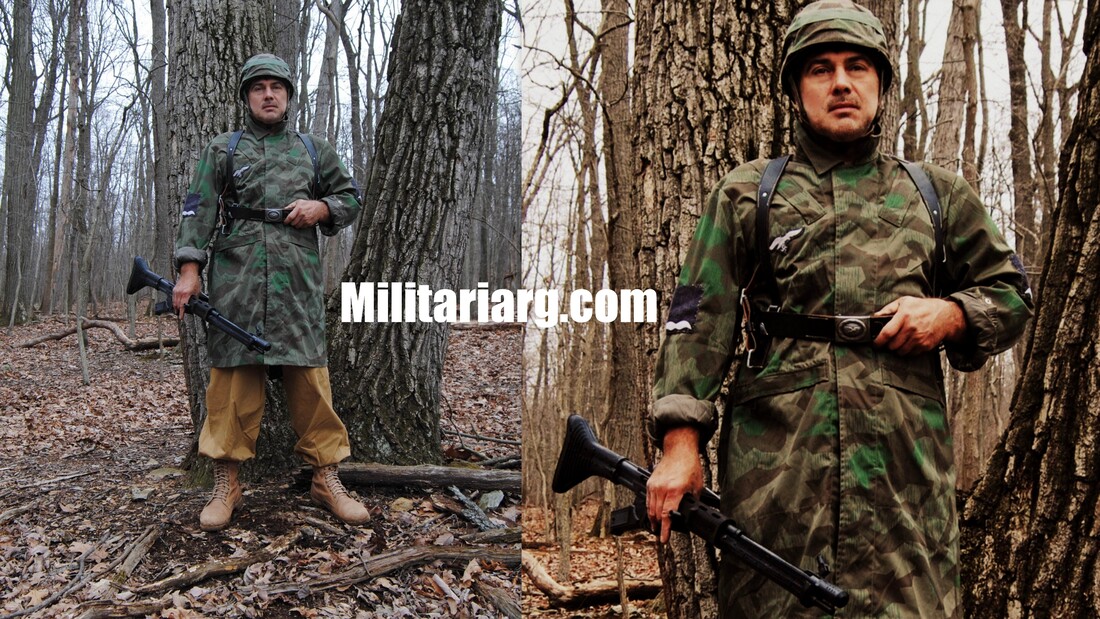
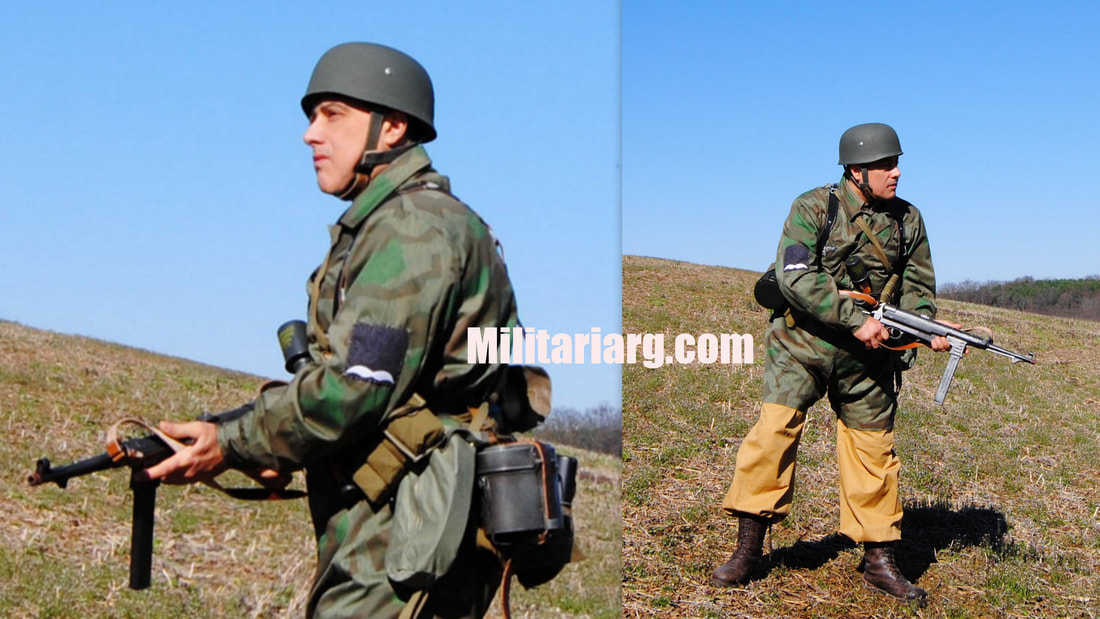
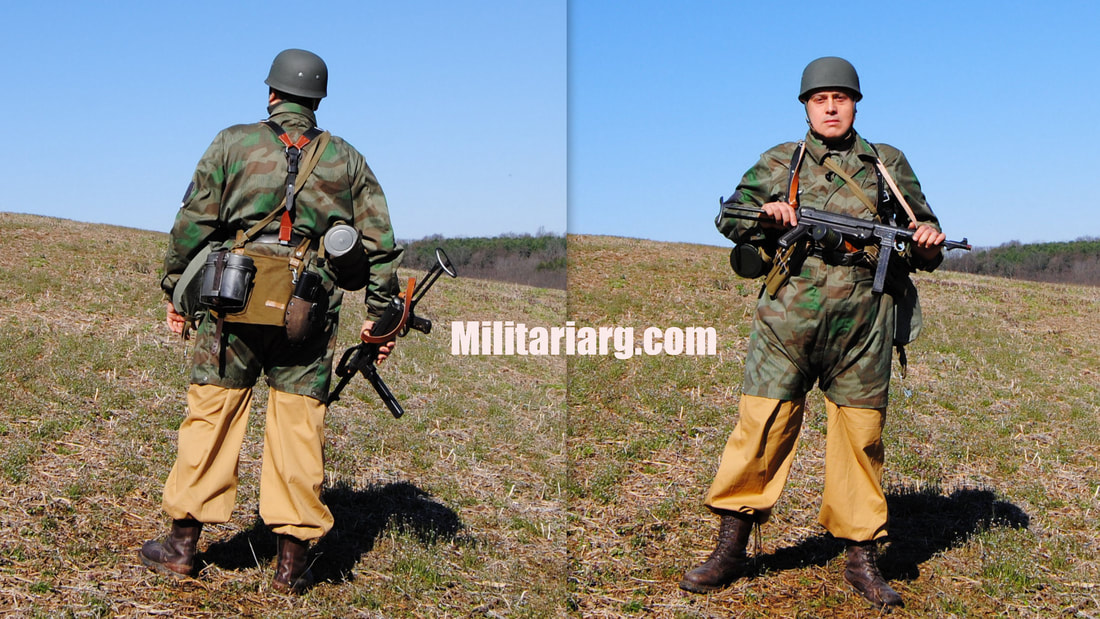
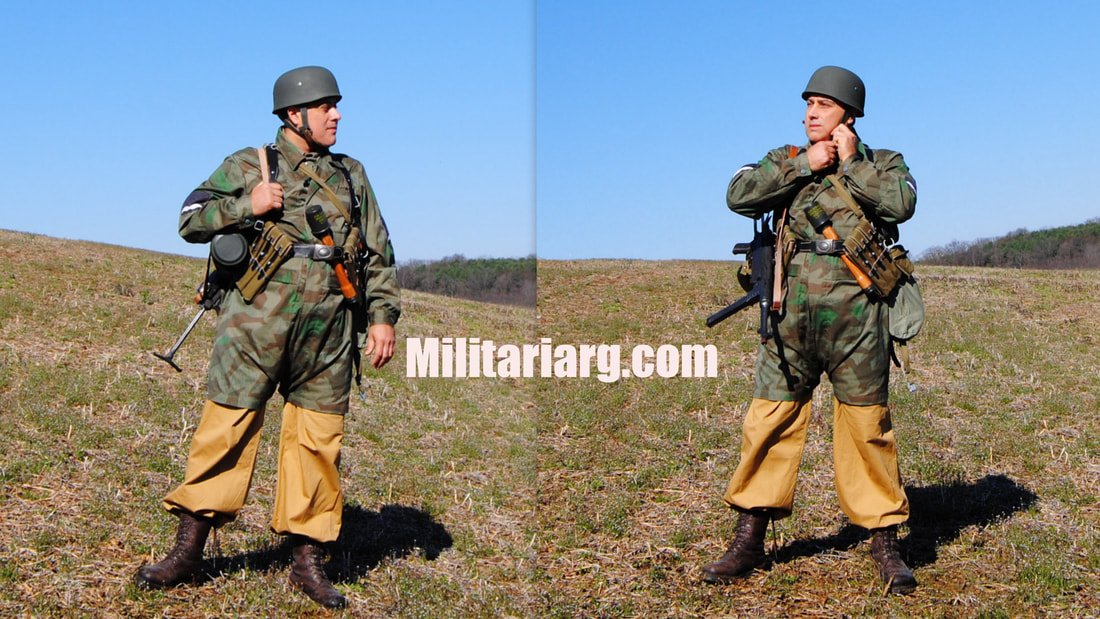
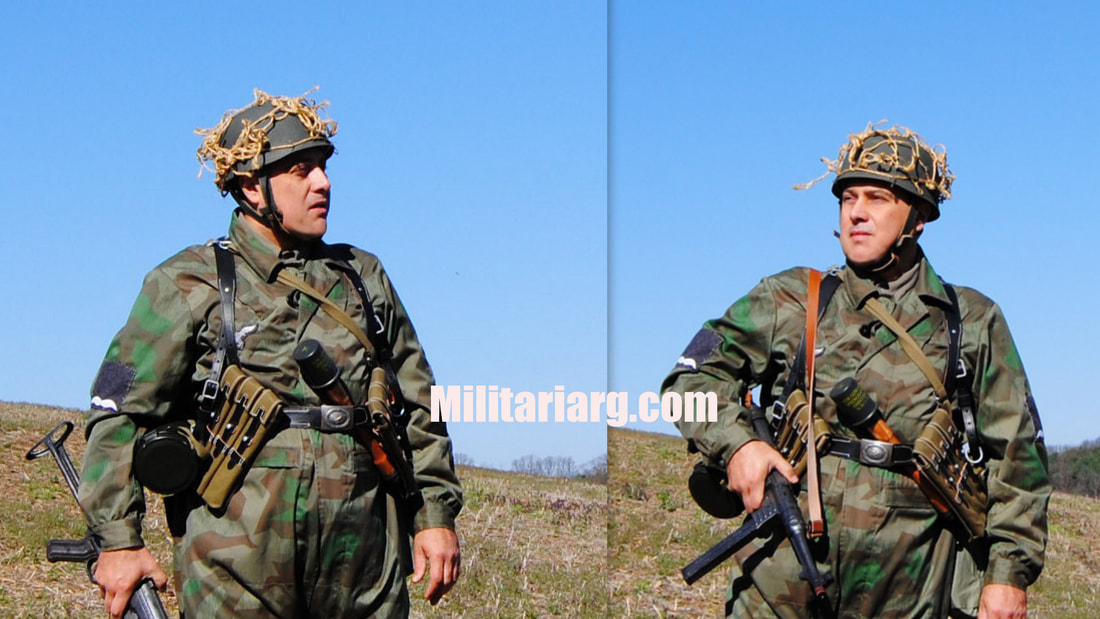
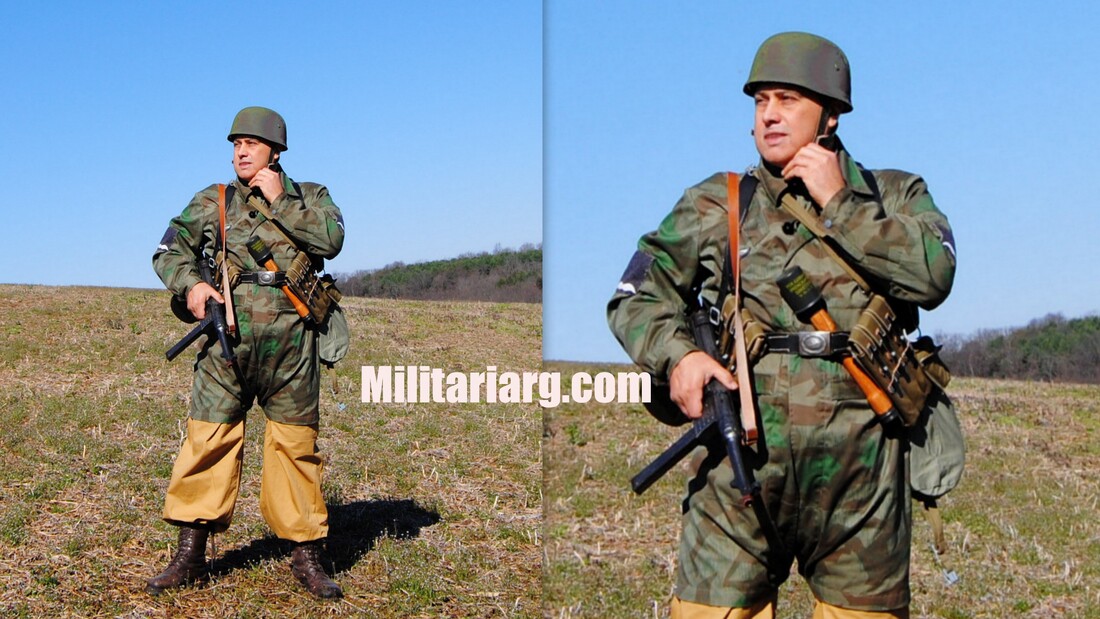
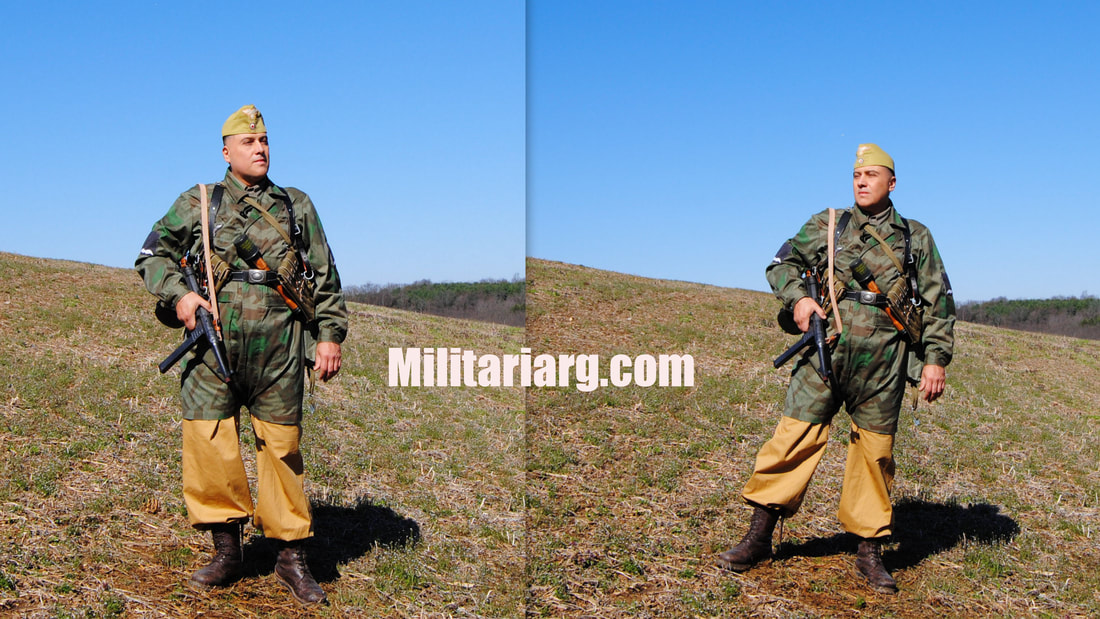
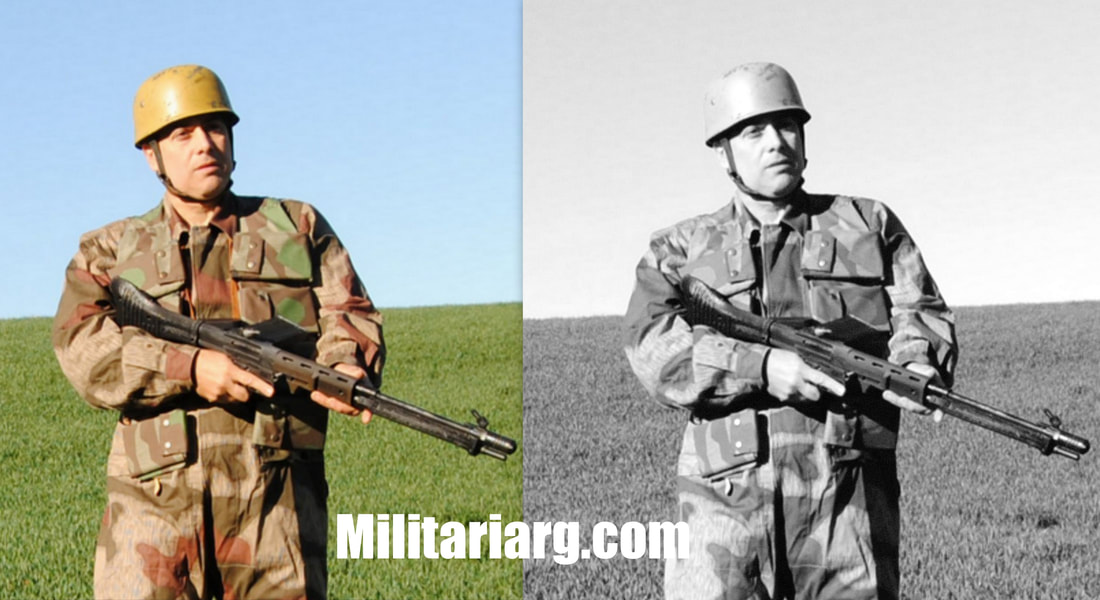
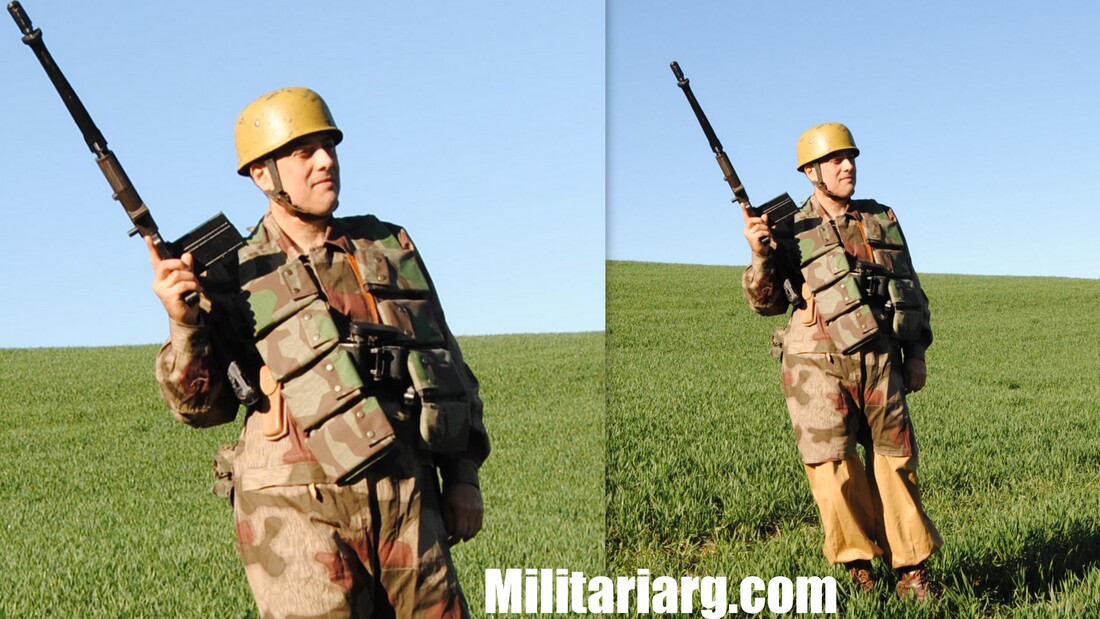
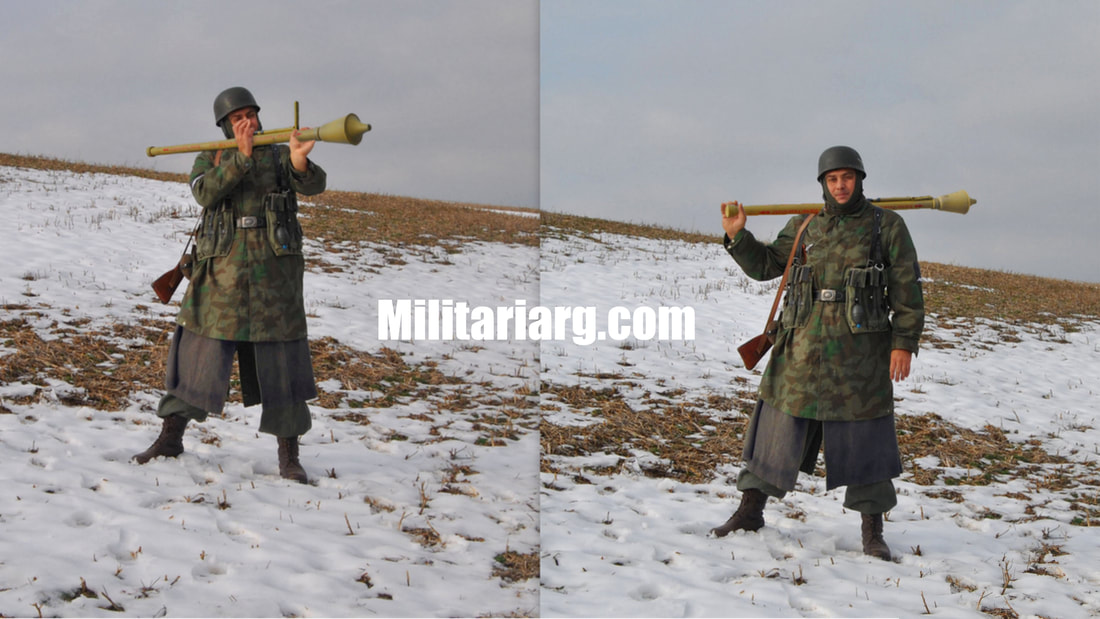
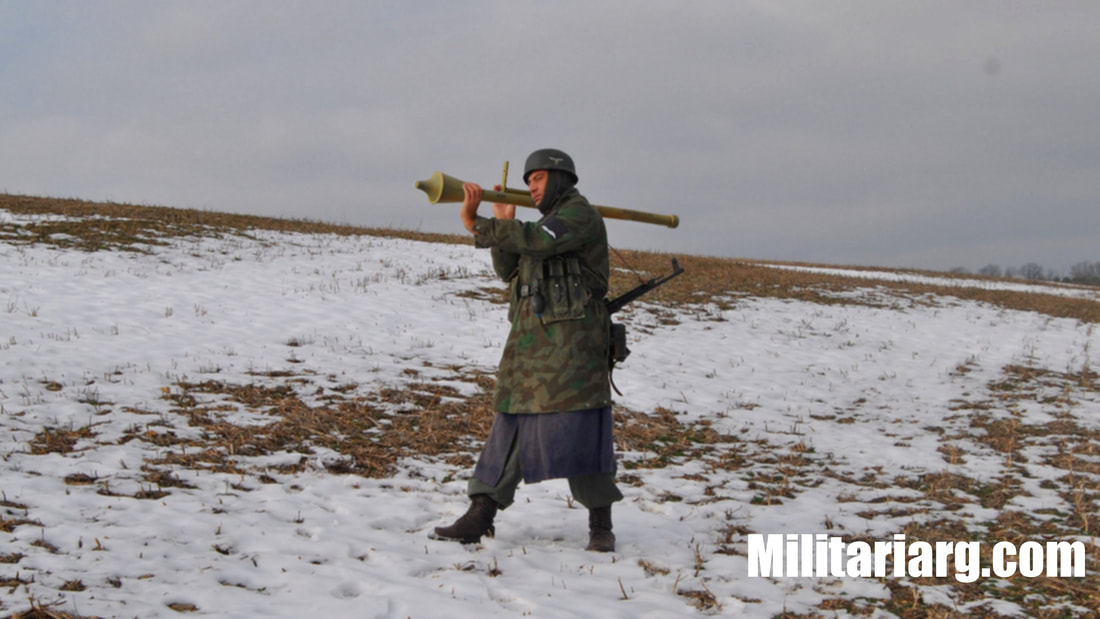
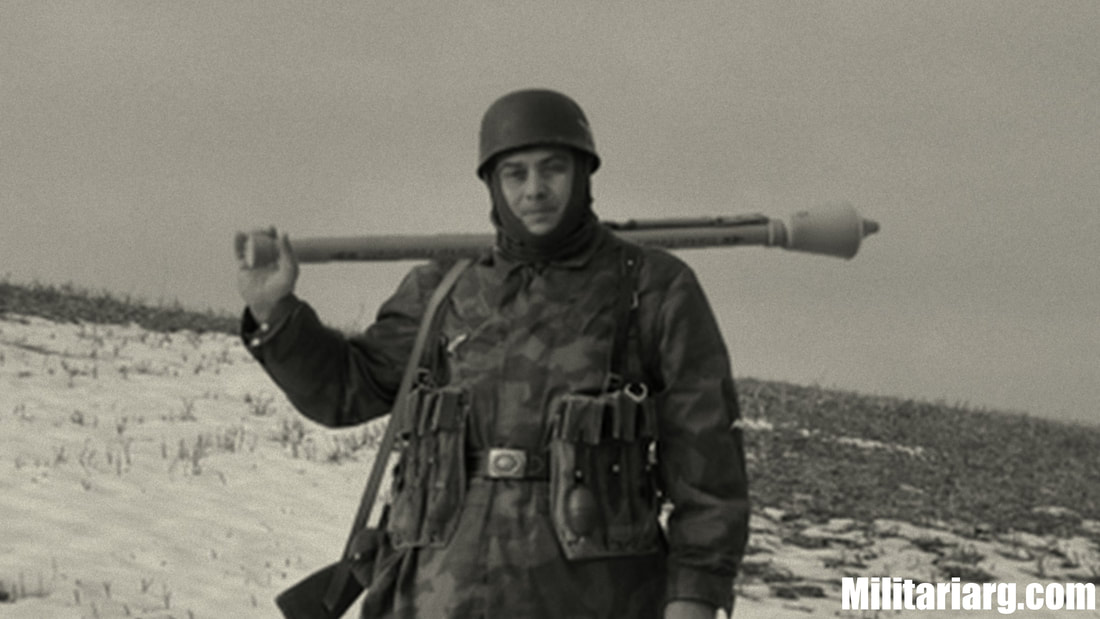
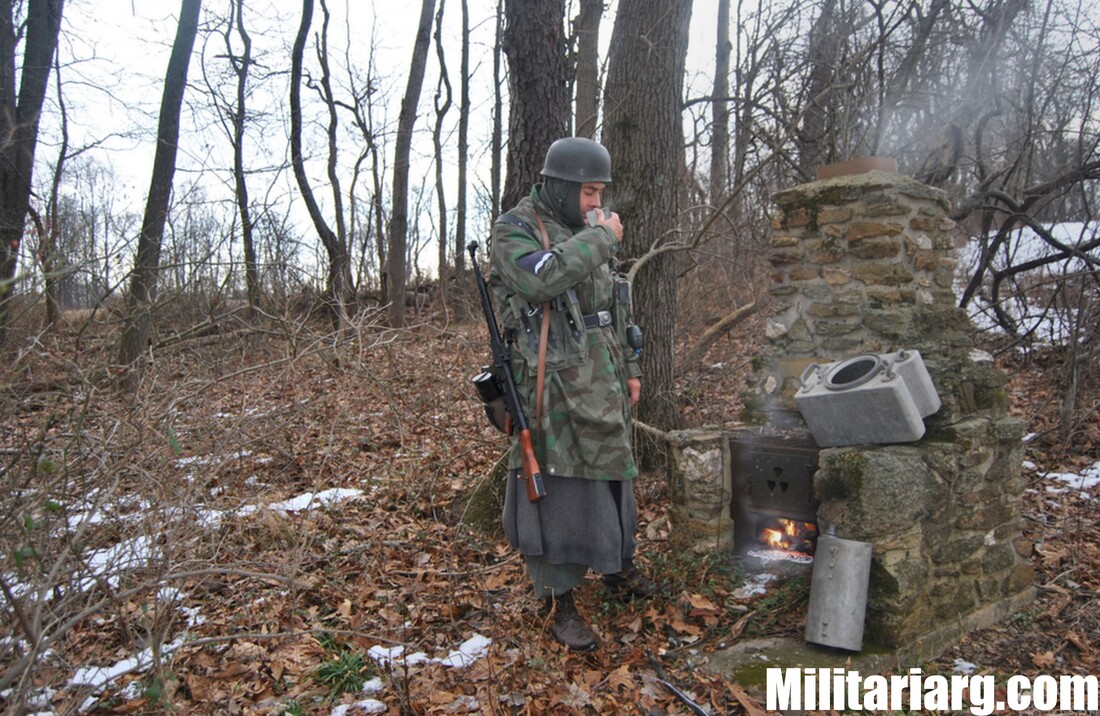
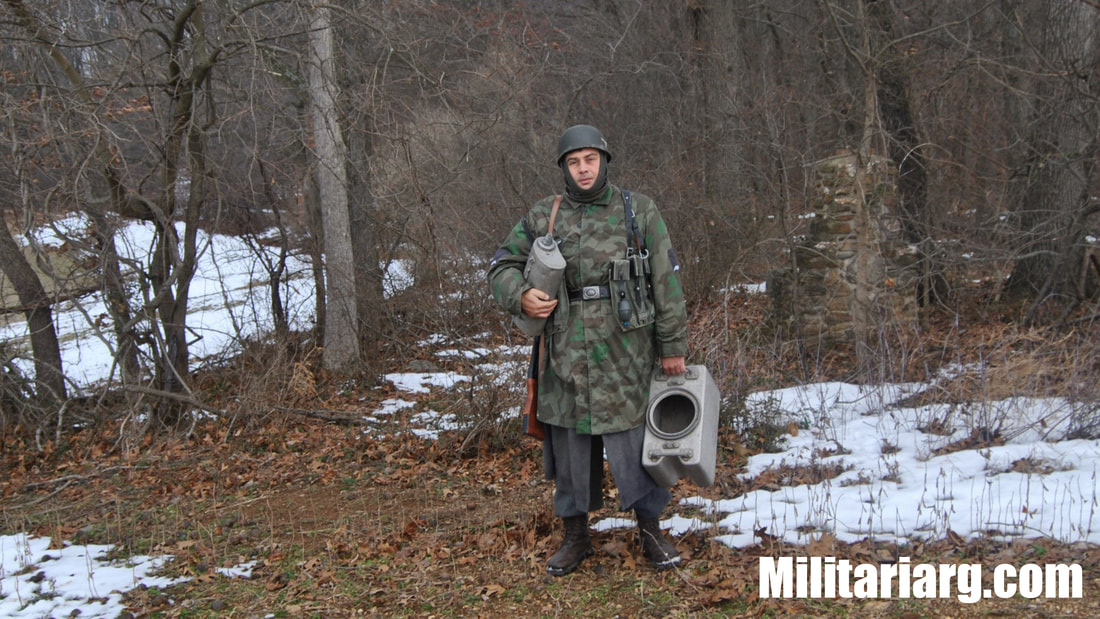
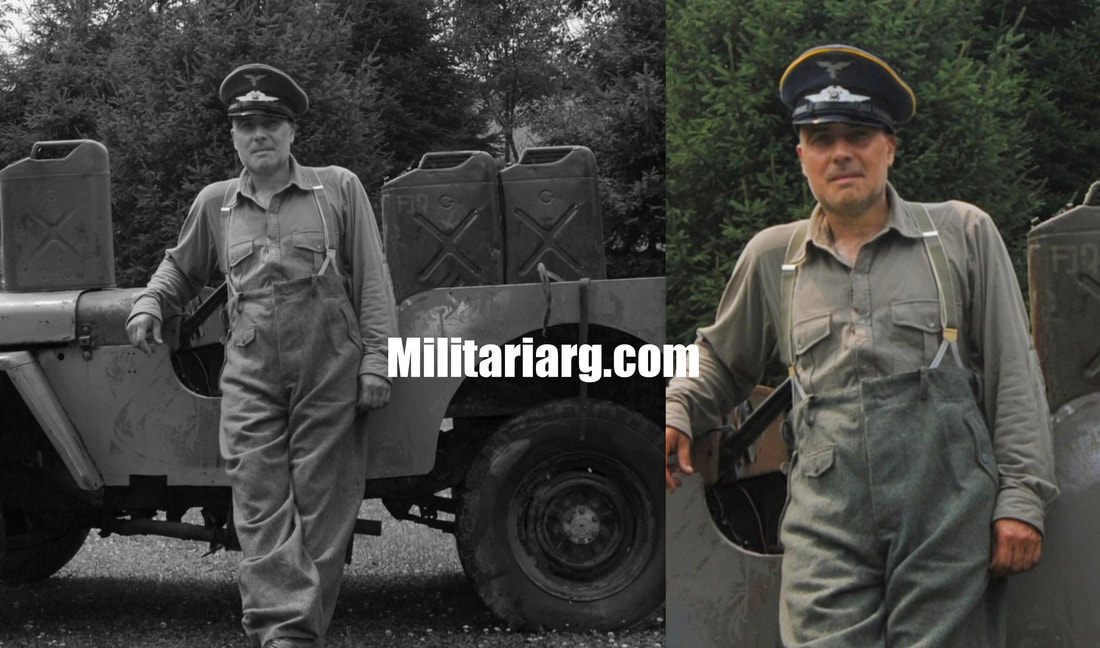
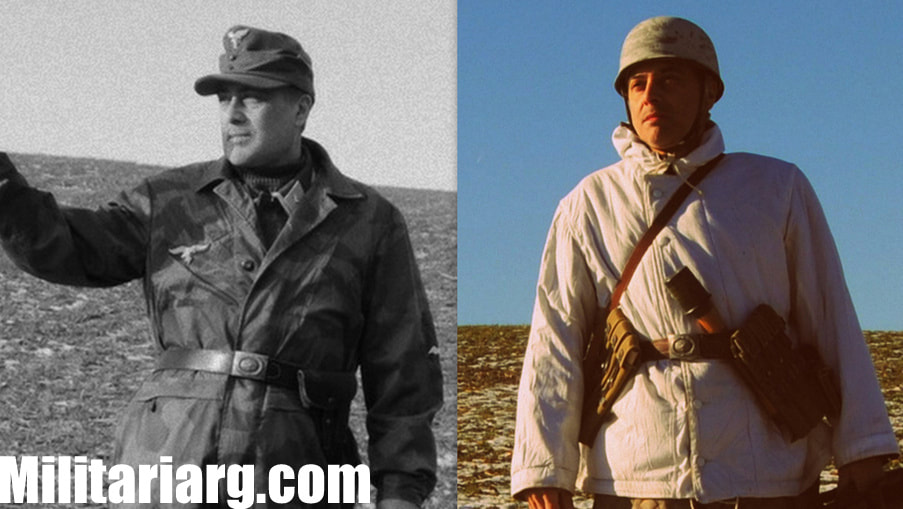
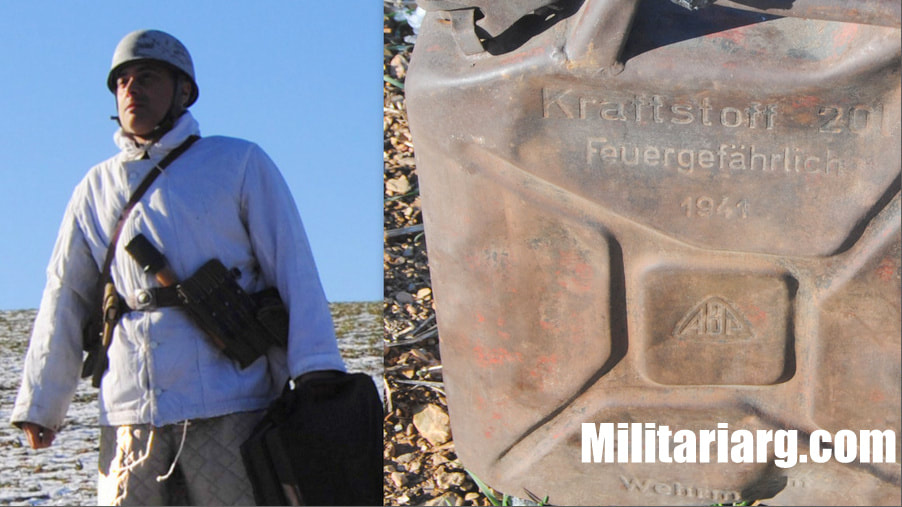
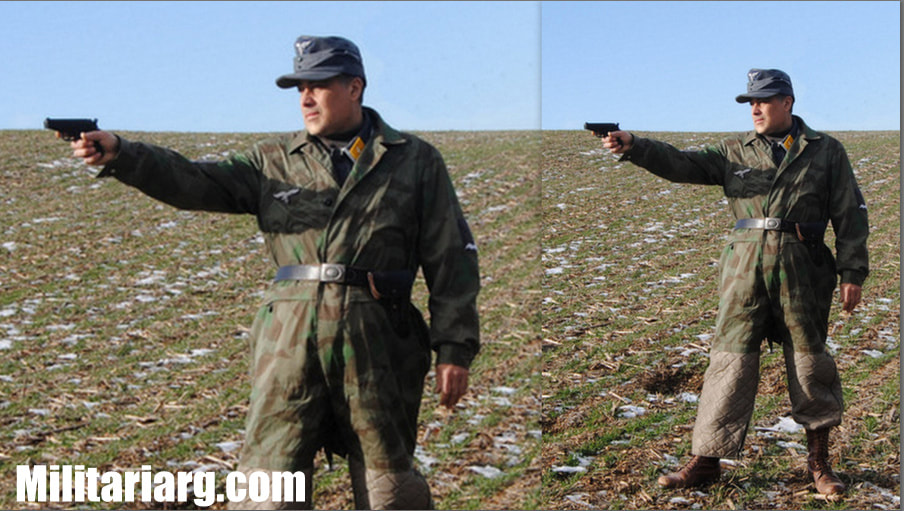
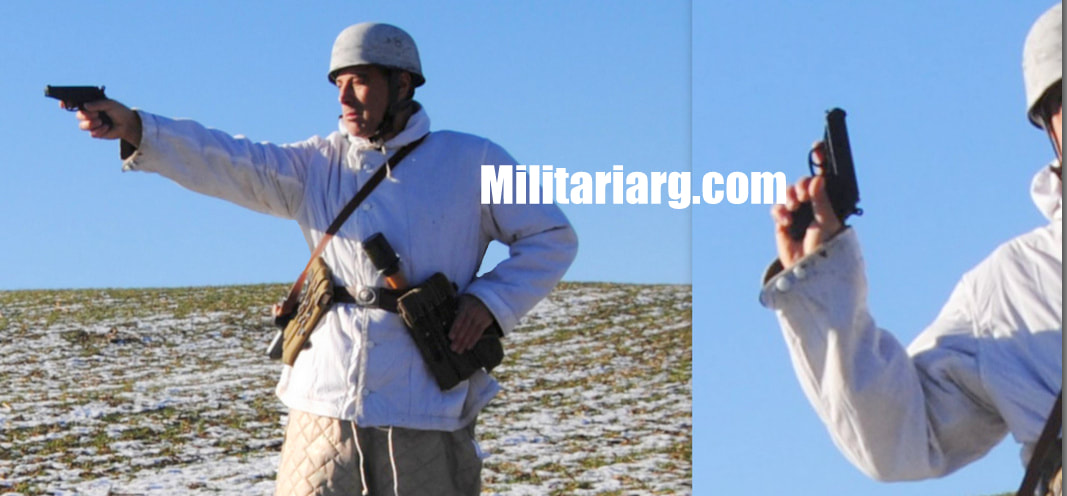
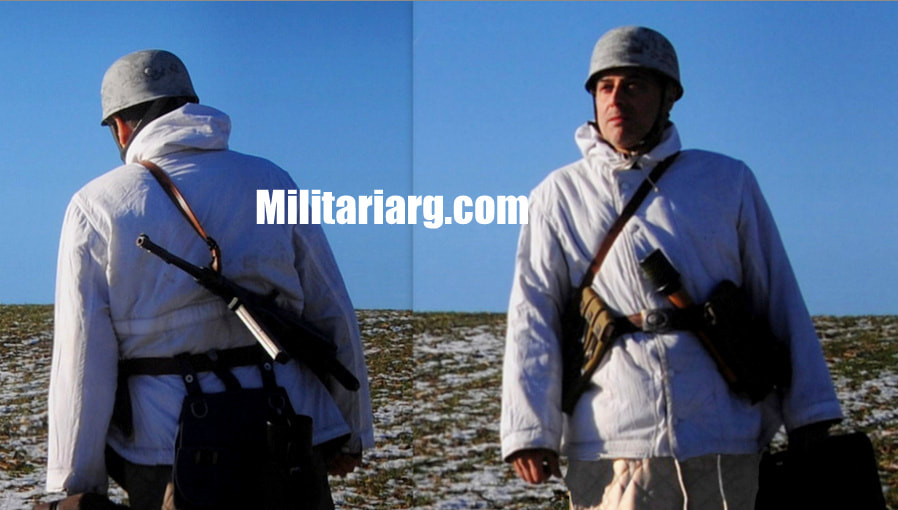
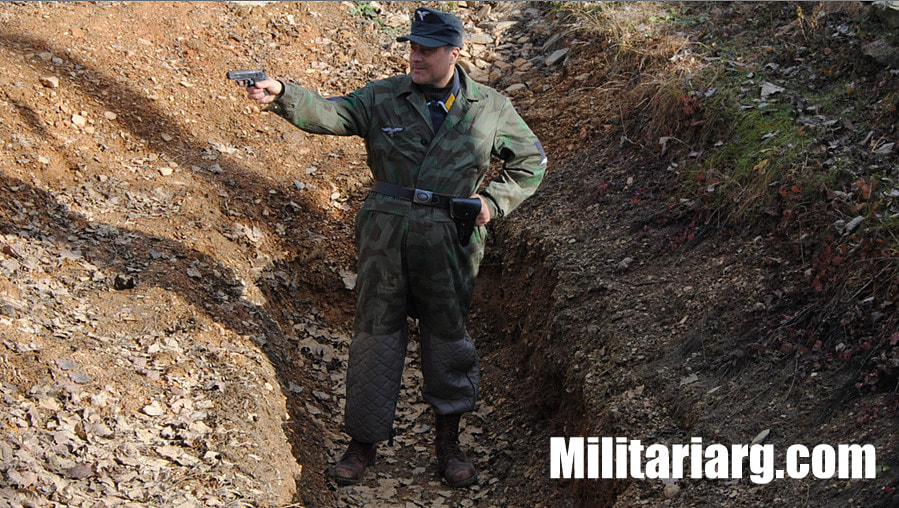
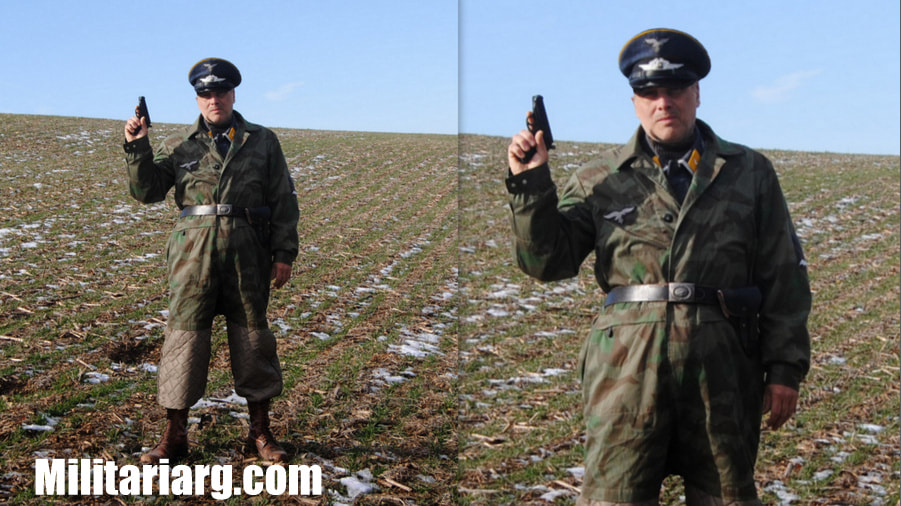
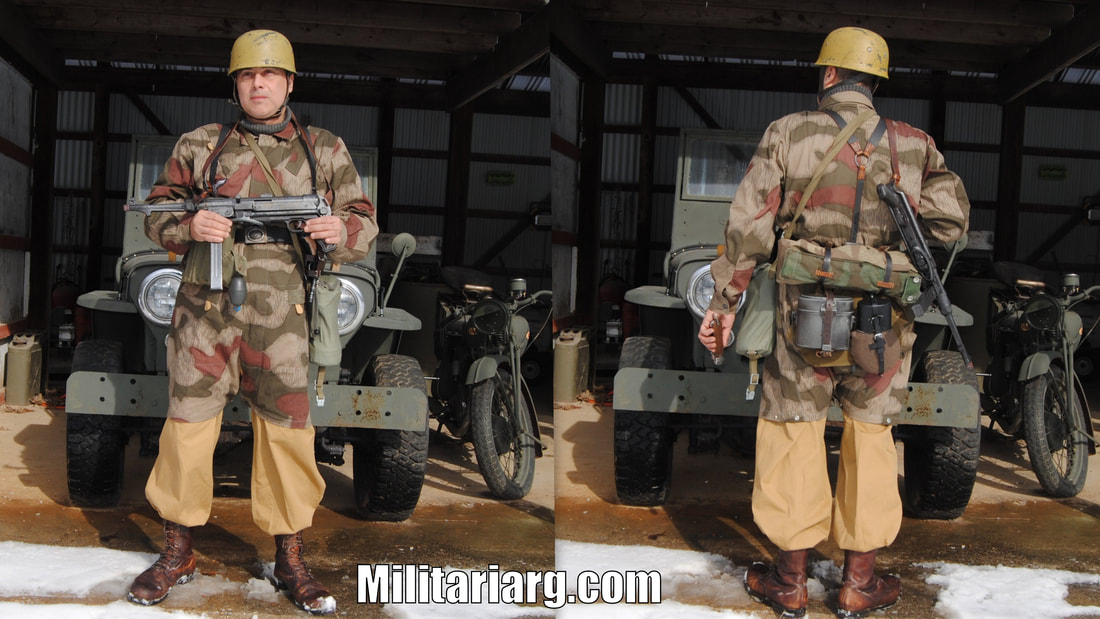
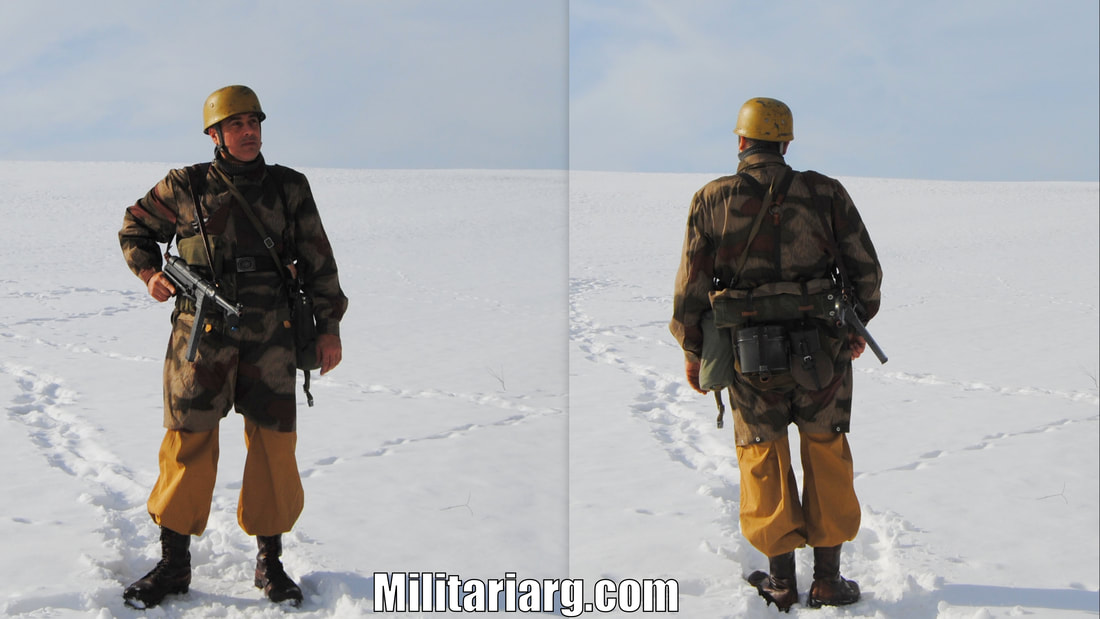
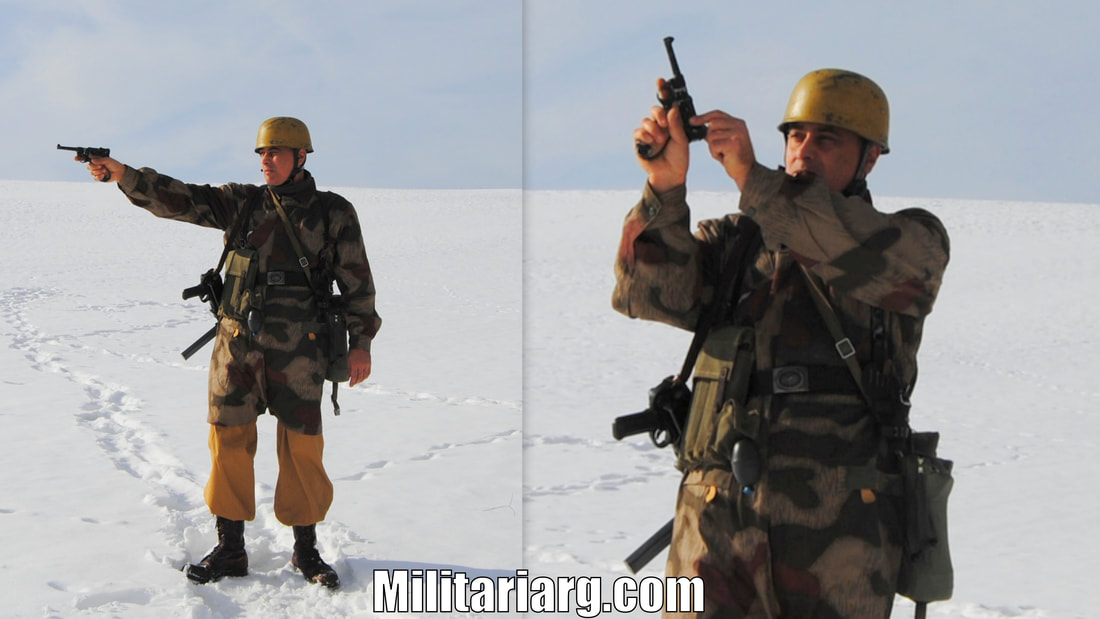
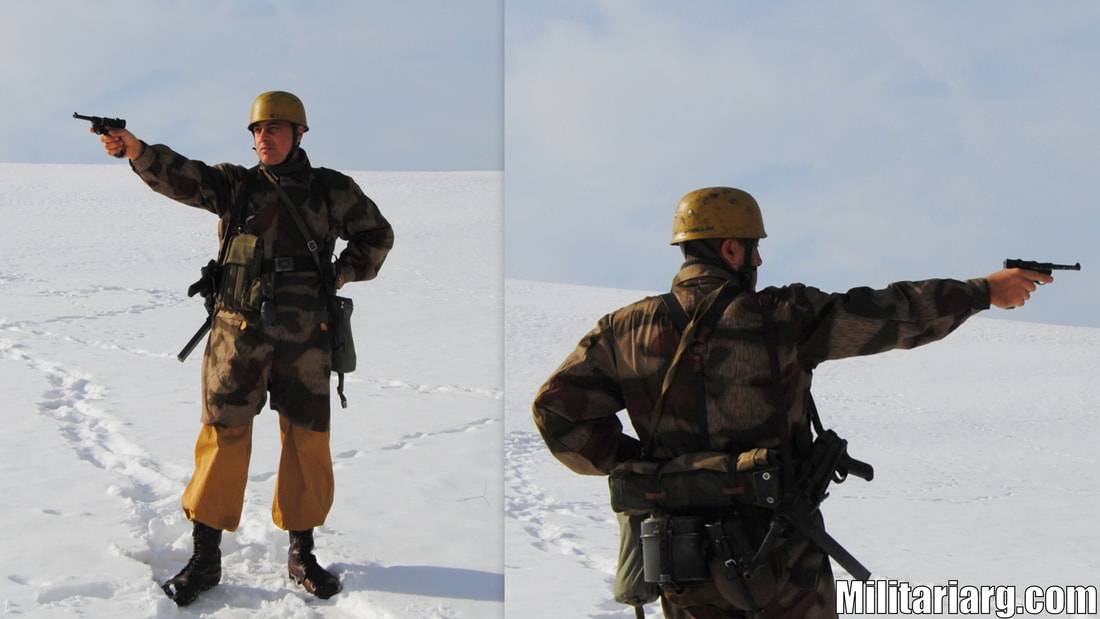
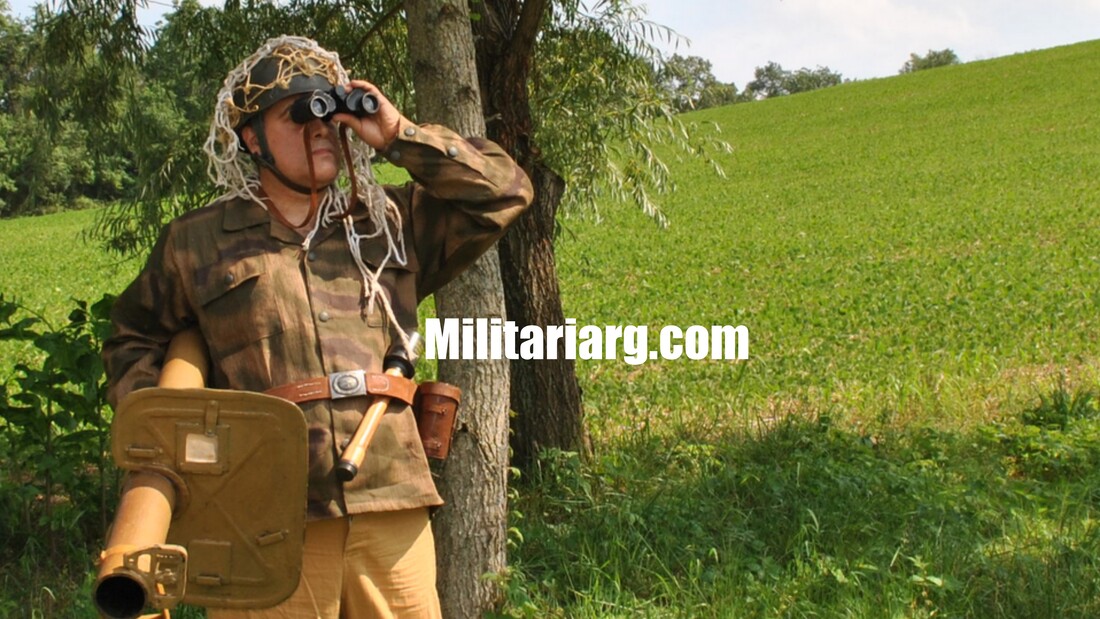
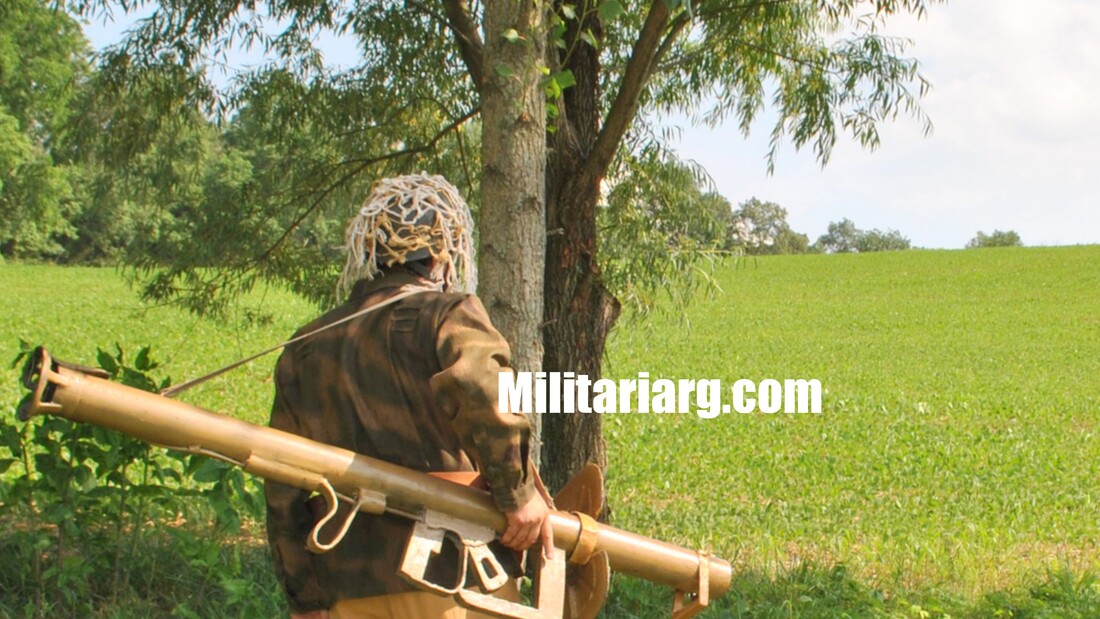
In this photo gallery we will find originals LW items, but the focus is on replicas and their manufacturers.
The Fallschirmjäger were the elite paratrooper forces of the German Luftwaffe during World War II, known as the "Green Devils" by Allied forces for their tenacious fighting spirit. They pioneered large-scale airborne operations early in the war but were primarily used as elite ground infantry after suffering heavy losses in the Battle of Crete.
Operations and History
Pioneers of Airborne Warfare: Under the command of General Kurt Student, they executed the first major airborne assaults in history.
Early Successes (1940): They secured vital airfields and bridges during the invasions of Denmark, Norway, Belgium, and the Netherlands. Most famously, glider-borne troops captured the formidable Belgian fortress of Eben Emael in a daring surprise attack.
Battle of Crete (1941): Their largest and last major strategic airborne operation was the invasion of Crete. While ultimately successful in capturing the island, the high number of casualties led Hitler to forbid further large-scale parachute drops, drastically altering their future role.
Elite Ground Infantry (1942-1945): For the remainder of the war, they served as highly trained, mobile ground forces on all fronts. Noteworthy actions include:
The rescue of Italian dictator Benito Mussolini in 1943.
The prolonged and bitter defense of the monastery at Monte Cassino in Italy, where they held out for months against overwhelming Allied odds.
Fighting in Normandy, the Ardennes Offensive, and on the Eastern Front.
Equipment and Training
Uniforms: They wore a distinctive blue-grey uniform and a unique, rimless steel helmet designed to prevent snagging on parachute lines. During jumps, they wore a camouflaged jump smock (often in the Splinter B pattern) over their basic gear.
Weapons: Due to the method of dropping weapons in separate canisters, paratroopers initially jumped with only a pistol, grenades, and a gravity knife. They were highly trained in the use of all standard German infantry weapons (K98 rifle, MG34/42 machine guns) and were later issued specialized weapons like the FG 42 automatic rifle, designed specifically for airborne troops.
Training: They received rigorous training in ground combat, demolitions, and various weaponry, emphasizing initiative and adaptability, earning the respect of their enemies.
Operations and History
Pioneers of Airborne Warfare: Under the command of General Kurt Student, they executed the first major airborne assaults in history.
Early Successes (1940): They secured vital airfields and bridges during the invasions of Denmark, Norway, Belgium, and the Netherlands. Most famously, glider-borne troops captured the formidable Belgian fortress of Eben Emael in a daring surprise attack.
Battle of Crete (1941): Their largest and last major strategic airborne operation was the invasion of Crete. While ultimately successful in capturing the island, the high number of casualties led Hitler to forbid further large-scale parachute drops, drastically altering their future role.
Elite Ground Infantry (1942-1945): For the remainder of the war, they served as highly trained, mobile ground forces on all fronts. Noteworthy actions include:
The rescue of Italian dictator Benito Mussolini in 1943.
The prolonged and bitter defense of the monastery at Monte Cassino in Italy, where they held out for months against overwhelming Allied odds.
Fighting in Normandy, the Ardennes Offensive, and on the Eastern Front.
Equipment and Training
Uniforms: They wore a distinctive blue-grey uniform and a unique, rimless steel helmet designed to prevent snagging on parachute lines. During jumps, they wore a camouflaged jump smock (often in the Splinter B pattern) over their basic gear.
Weapons: Due to the method of dropping weapons in separate canisters, paratroopers initially jumped with only a pistol, grenades, and a gravity knife. They were highly trained in the use of all standard German infantry weapons (K98 rifle, MG34/42 machine guns) and were later issued specialized weapons like the FG 42 automatic rifle, designed specifically for airborne troops.
Training: They received rigorous training in ground combat, demolitions, and various weaponry, emphasizing initiative and adaptability, earning the respect of their enemies.
Replicas P-38 Fallschirmjager holster, Model 39 Eihandgranate, M39, Eierhandgranate, (Egg Hand Grenade).
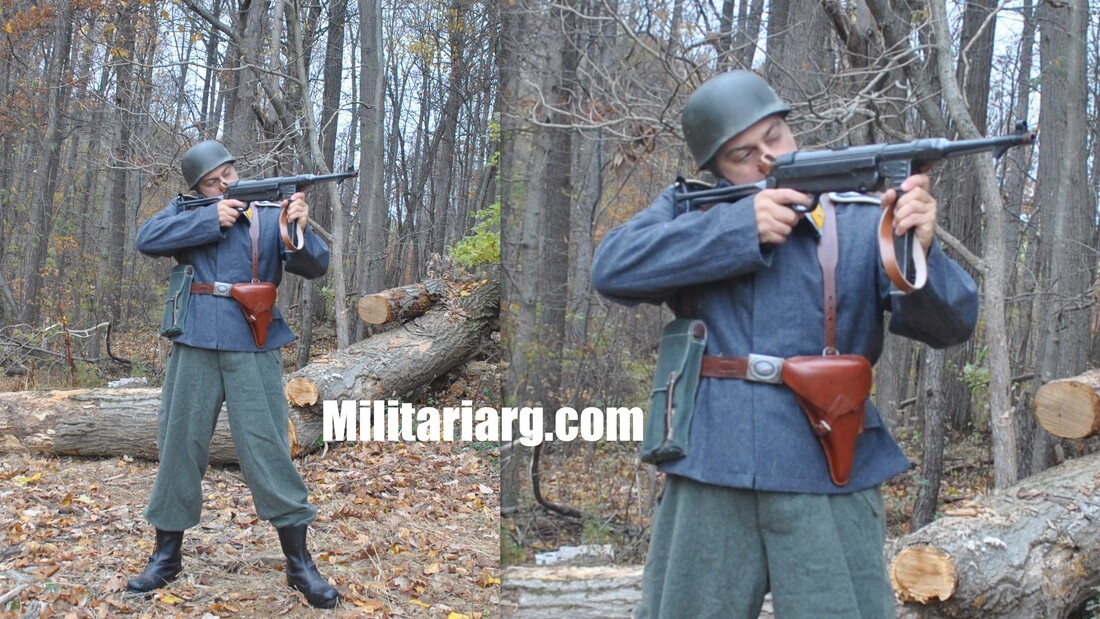
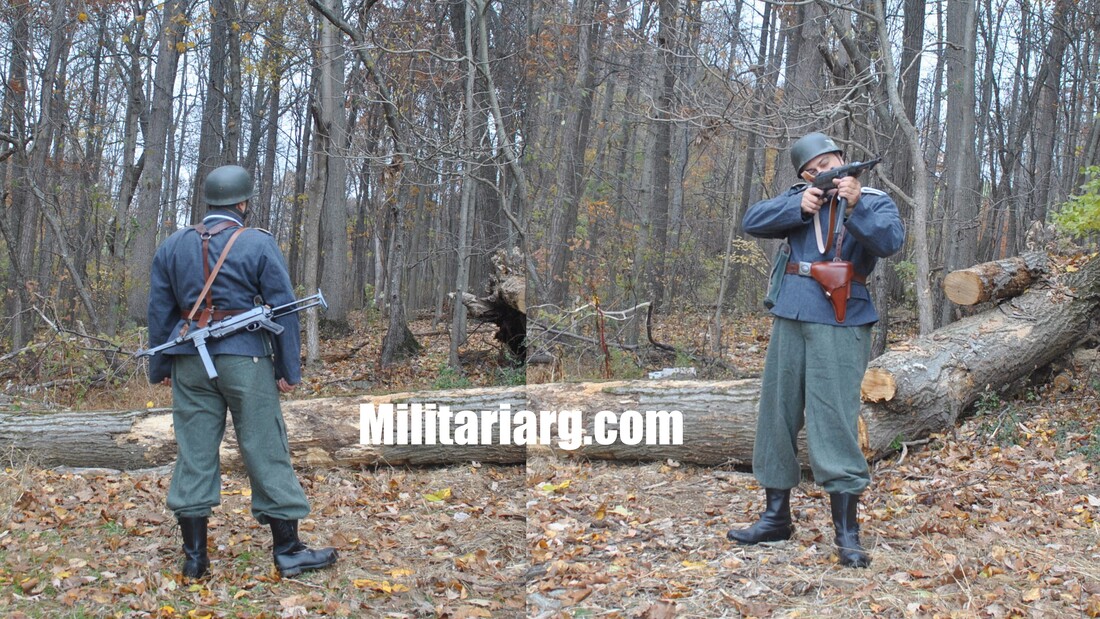
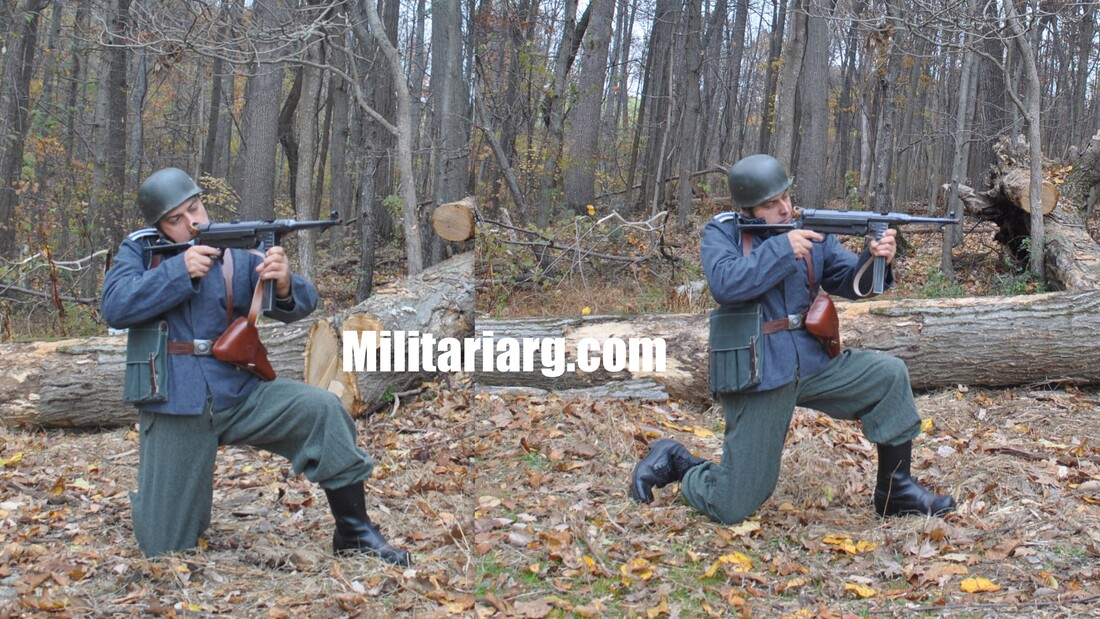
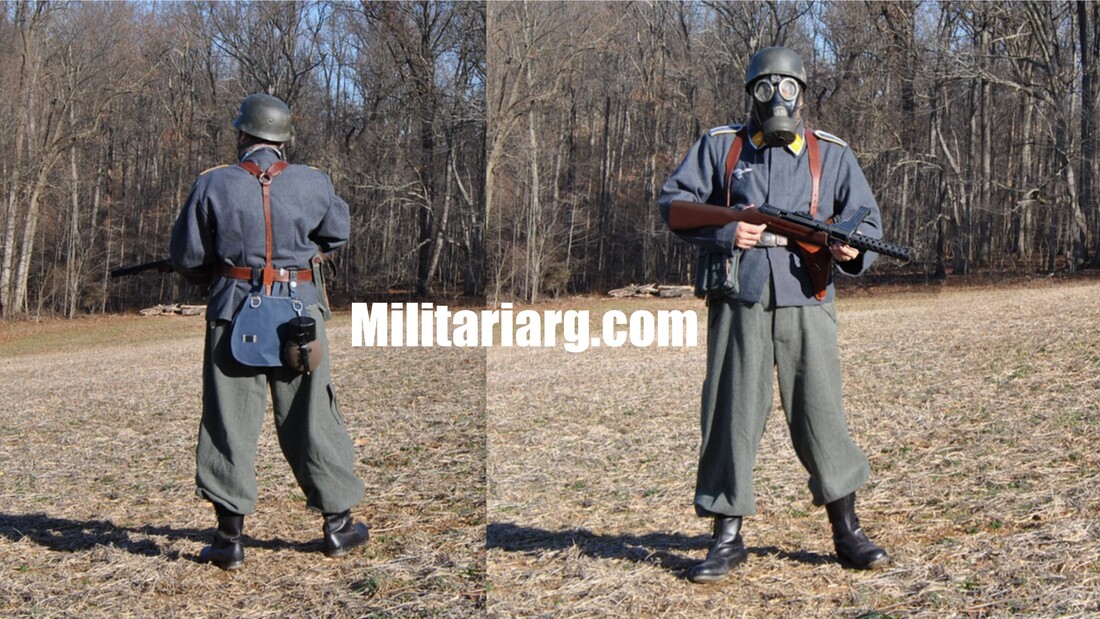
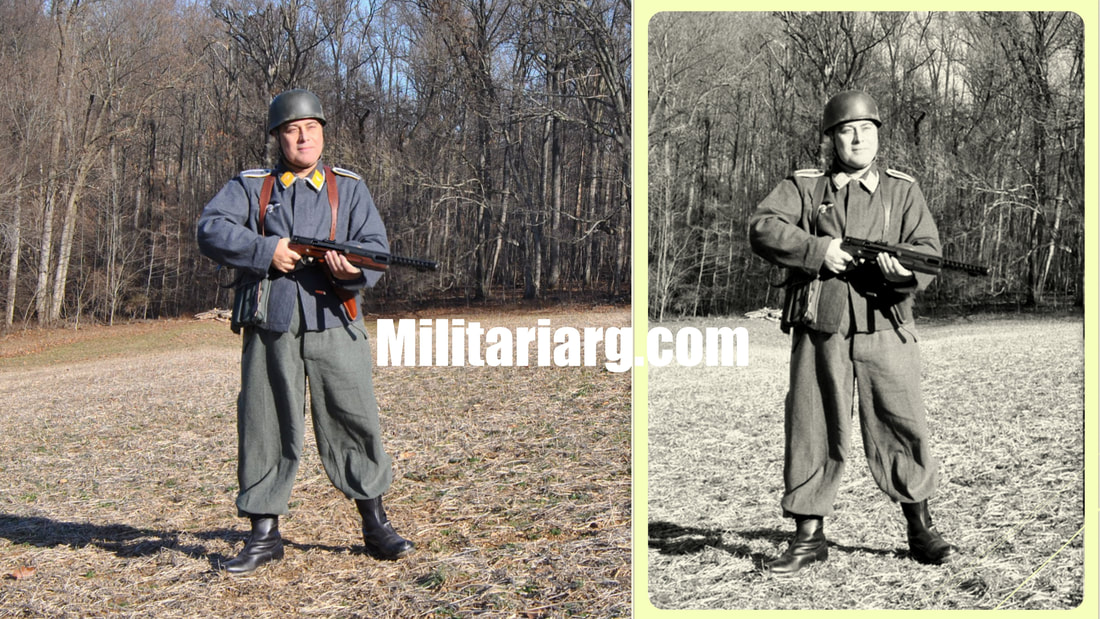
By 1943, Luftwaffe ground troops (including Field Divisions and Flak units) transitioned to a more economical field appearance that mirrored the Army's (Heer) evolution, while retaining distinct blue-gray coloring.
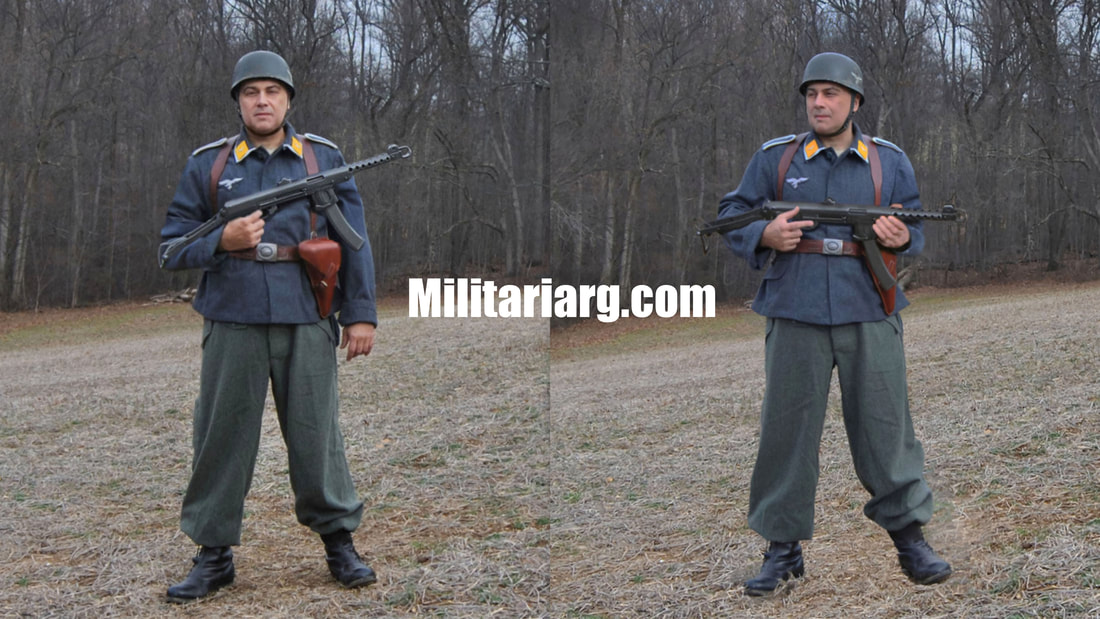
Fliegerbluse. The standard waist-length wool tunic continued as primary wear. It was designed without external hip pockets to be worn comfortably in aircraft or vehicles but was ubiquitous for ground personnel.
Ankle Boots (Schnürschuhe): Due to leather shortages, the tall "marching boots" were increasingly replaced by brown or black leather lace-up ankle boots.
Gaiters (Gamaschen). Canvas leggings (usually olive green or field blue) were worn with ankle boots to protect the lower legs and prevent debris from entering the boots.
Basic Field Equipment
Personnel typically carried standard infantry gear on a black leather belt:
Ammunition Pouches. Two sets of three-cell pouches for the Kar98k rifle.
Breadbag (Brotbeutel). Usually the M31 model in blue-gray or olive canvas.
Canteen (Feldflasche). Felt-covered bottle attached to the breadbag.
Gas Mask Canister. Cylindrical metal container worn on a shoulder strap.
Entrenching Tool: Often in a leather or "Prestoff" (artificial leather) carrier. (Not present in the photo).
By 1943, Luftwaffe ground troops (including Field Divisions and Flak units) transitioned to a more economical field appearance that mirrored the Army's (Heer) evolution, while retaining distinct blue-gray coloring.
Fliegerbluse. The standard waist-length wool tunic continued as primary wear. It was designed without external hip pockets to be worn comfortably in aircraft or vehicles but was ubiquitous for ground personnel.
Ankle Boots (Schnürschuhe): Due to leather shortages, the tall "marching boots" were increasingly replaced by brown or black leather lace-up ankle boots.
Gaiters (Gamaschen). Canvas leggings (usually olive green or field blue) were worn with ankle boots to protect the lower legs and prevent debris from entering the boots.
Basic Field Equipment
Personnel typically carried standard infantry gear on a black leather belt:
Ammunition Pouches. Two sets of three-cell pouches for the Kar98k rifle.
Breadbag (Brotbeutel). Usually the M31 model in blue-gray or olive canvas.
Canteen (Feldflasche). Felt-covered bottle attached to the breadbag.
Gas Mask Canister. Cylindrical metal container worn on a shoulder strap.
Entrenching Tool: Often in a leather or "Prestoff" (artificial leather) carrier. (Not present in the photo).
The coat was made of heavy, blue-gray wool to provide warmth in cold weather. It featured a double-breasted closure with two parallel rows of six buttons. For enlisted men and NCOs, these buttons were typically a dark blue-gray painted, pebble-finished metal (though some early war examples had silver-colored buttons).
The greatcoat was full length, generally reaching to about mid-calf. There were two slanted slash pockets at the hip level with rounded flaps.
The WW2 German Luftwaffe enlisted greatcoat (Mantel) was a standard issue, heavy, double-breasted coat in a distinctive blue-gray wool, which remained largely unchanged throughout the war.
The enlisted greatcoat shared many design characteristics with the Army version.
.
Shoulder Boards: Rank was displayed on slip-on shoulder boards, which were typically piped in the appropriate Luftwaffe branch color (e.g., yellow for flying personnel, red for anti-aircraft artillery/Flak, etc.).
Collar Tabs: Luftwaffe greatcoats were issued with collar tabs, but general regulations after September 1942 (except for certain guard units) restricted the sewing of rank braid (tresse) on the neck of the greatcoat.
The enlisted greatcoat shared many design characteristics with the Army version.
.
Shoulder Boards: Rank was displayed on slip-on shoulder boards, which were typically piped in the appropriate Luftwaffe branch color (e.g., yellow for flying personnel, red for anti-aircraft artillery/Flak, etc.).
Collar Tabs: Luftwaffe greatcoats were issued with collar tabs, but general regulations after September 1942 (except for certain guard units) restricted the sewing of rank braid (tresse) on the neck of the greatcoat.
The Luftwaffe M43 field cap (Einheitsfeldmütze M43) was introduced on September 27, 1943, as the final standardized service cap, replacing all previous field caps and flyer's caps. Its design was identical to the Army and SS versions with the primary exception of its color and insignia.
The insignia was machine-embroidered onto a single piece of blue-gray wool backing in a trapezoidal shape and machine-stitched (sometimes hand-stitched in the field) to the front of the cap.
M43 Field Cap (Einheitsfeldmütze *): Introduced in mid-1943 to replace the side "boat" cap (Schiffchen), it was made of blue-gray wool with a visor and fold-down ear flaps secured by two buttons. It featured a trapezoid-shaped insignia (eagle and cockade).
*(M43 Einheitsfeldmütze is the formal name, while M43 Feldmütze is the shorthand version).
Officers were permitted to purchase privately tailored versions that often included silver or aluminum piping along the crown of the cap. Tailor-made officer caps often included a partial leather sweatband, a feature generally absent from standard enlisted issue caps. Officer caps sometimes featured silver-colored buttons instead of the standard issue gray ones.
*(M43 Einheitsfeldmütze is the formal name, while M43 Feldmütze is the shorthand version).
Officers were permitted to purchase privately tailored versions that often included silver or aluminum piping along the crown of the cap. Tailor-made officer caps often included a partial leather sweatband, a feature generally absent from standard enlisted issue caps. Officer caps sometimes featured silver-colored buttons instead of the standard issue gray ones.
Left: The Luftwaffe enlisted visor hat (Schirmmütze) was a formal service cap worn as part of the dress and service uniform by all enlisted ranks during the Third Reich period. While officers' caps were generally privately purchased and of higher quality, enlisted men (EM) were issued their caps from government supplies.
Right:Luftwaffe issued a standard winter fur cap that commonly utilized rabbit fur as lining for warmth.
The cap was a general issue item across all branches of the German military (Heer, Luftwaffe, SS) introduced after the disastrous first winter on the Eastern Front (1941-42). It was designed to offer substantial protection against extreme cold.
Right:Luftwaffe issued a standard winter fur cap that commonly utilized rabbit fur as lining for warmth.
The cap was a general issue item across all branches of the German military (Heer, Luftwaffe, SS) introduced after the disastrous first winter on the Eastern Front (1941-42). It was designed to offer substantial protection against extreme cold.
LW fliegerbluse made by HessenAntique.
The Luftwaffe Fliegerbluse was the primary service and field uniform jacket for all ranks of the German Air Force (Luftwaffe) in World War II. It was characterized by its signature, hip-length design in blue-gray wool.
The jacket was made from a robust, blue-gray wool cloth, which was the official color of the Luftwaffe.The Fliegerbluse was cut to hip length, similar to a blouson jacket. It omitted the long skirts of traditional Army tunics, offering greater freedom of movement, which was especially important for aircrews.
A notable feature was the concealed button fly at the front, which gave the jacket a clean, streamlined appearance.
M35 (1st Model)
The earliest model from 1935 had no exterior pockets, only internal breast-height pockets.
M40 (2nd Model)
The most common model, introduced in 1940, added two slanted hip pockets with buttoned flaps on the outside, along with an internal pocket for the soldier's paybook.
The Luftwaffe Fliegerbluse was the primary service and field uniform jacket for all ranks of the German Air Force (Luftwaffe) in World War II. It was characterized by its signature, hip-length design in blue-gray wool.
The jacket was made from a robust, blue-gray wool cloth, which was the official color of the Luftwaffe.The Fliegerbluse was cut to hip length, similar to a blouson jacket. It omitted the long skirts of traditional Army tunics, offering greater freedom of movement, which was especially important for aircrews.
A notable feature was the concealed button fly at the front, which gave the jacket a clean, streamlined appearance.
M35 (1st Model)
The earliest model from 1935 had no exterior pockets, only internal breast-height pockets.
M40 (2nd Model)
The most common model, introduced in 1940, added two slanted hip pockets with buttoned flaps on the outside, along with an internal pocket for the soldier's paybook.
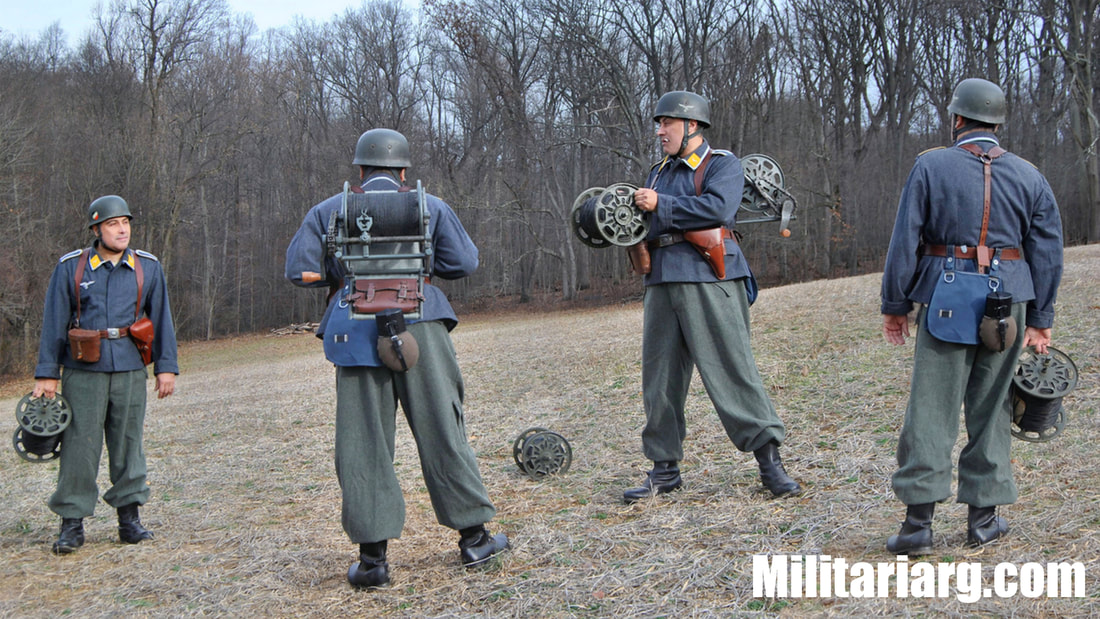
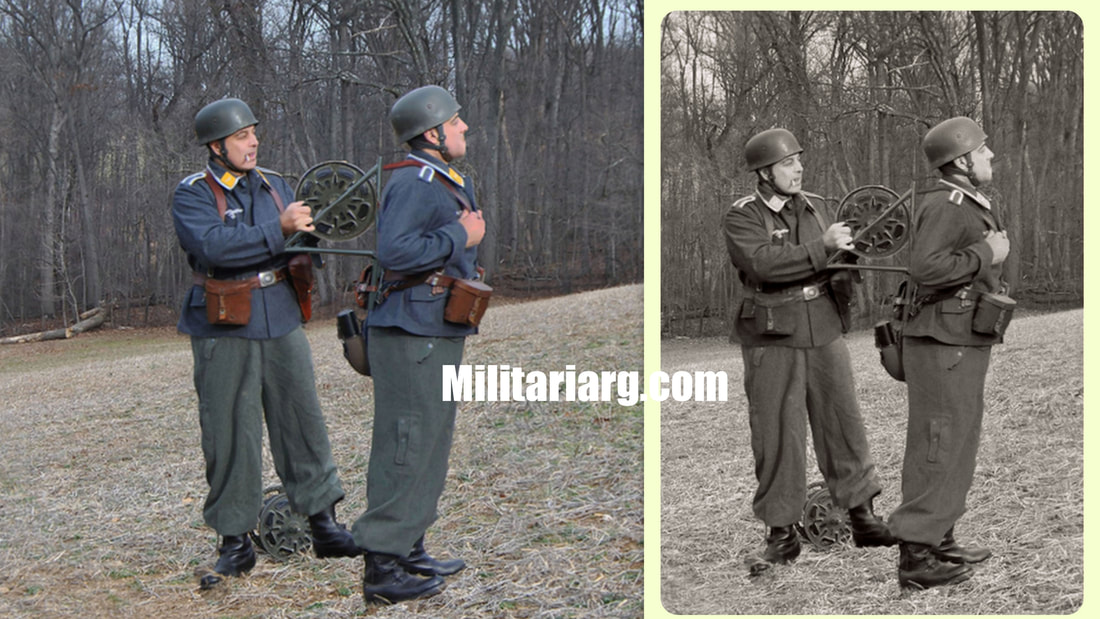
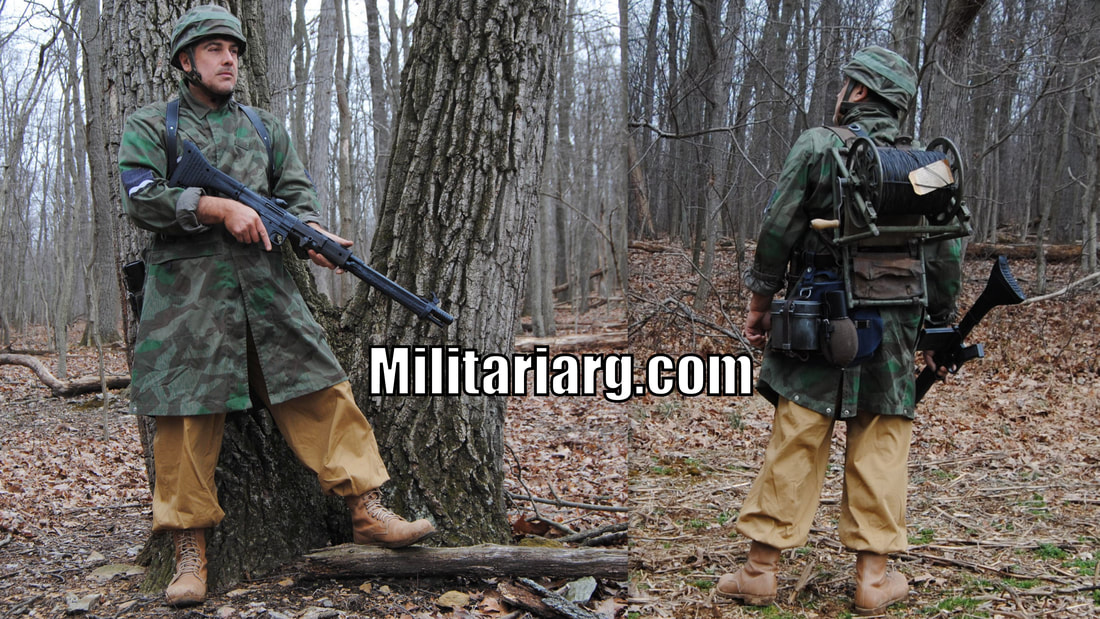
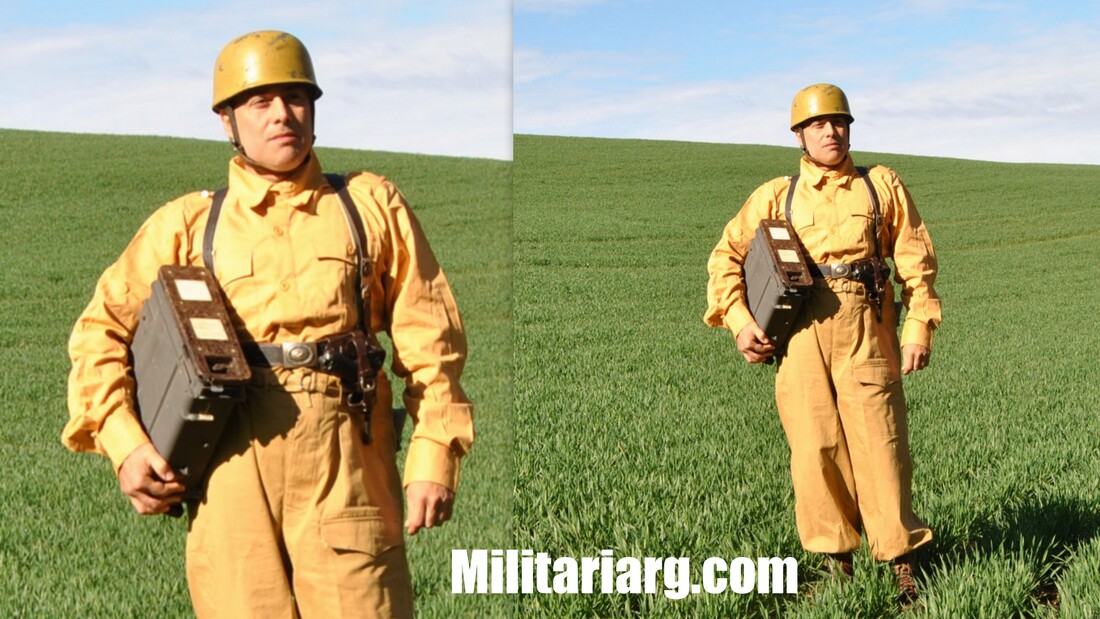
WW2 kabeltrommel funk radio cable drum dispenser. Fallschirmjager pioneer signal corp. Fliegerbluse and FJ trousers made by Hessen Antique.
The Fliegerbluse was typically worn with the collar open to create a "V-neck" appearance, over a white, collarless shirt.
Insignia:
Breast Eagle. The Luftwaffe eagle (Hoheitszeichen) was sewn to the right breast above the pocket, either by machine or by hand in the field. Collar tabs displaying rank insignia and Waffenfarbe (branch color, e.g., yellow for flying personnel, red for Flak artillery) were worn on the collar. Slip-on shoulder boards indicated rank and branch color.
The jacket had internal loops to support a belt hook and was worn with a leather waist belt passed through loops in the waistband.
The Fliegerbluse was the standard uniform worn by pilots, paratroopers, ground staff, and anti-aircraft crews alike, defining the look of the Luftwaffe uniform during World War II.
Insignia:
Breast Eagle. The Luftwaffe eagle (Hoheitszeichen) was sewn to the right breast above the pocket, either by machine or by hand in the field. Collar tabs displaying rank insignia and Waffenfarbe (branch color, e.g., yellow for flying personnel, red for Flak artillery) were worn on the collar. Slip-on shoulder boards indicated rank and branch color.
The jacket had internal loops to support a belt hook and was worn with a leather waist belt passed through loops in the waistband.
The Fliegerbluse was the standard uniform worn by pilots, paratroopers, ground staff, and anti-aircraft crews alike, defining the look of the Luftwaffe uniform during World War II.
Home made Knochensack jump smock first pattern smock (M38 Model) in olive green fabric.
First Pattern Smock (M38 Model):
Design: This was an early war (pre-1940) green-gray (grünmeliert) coverall designed to be worn over the standard uniform and equipment solely during a jump to prevent entanglement with parachute lines.
Features: It was a "step-in" design (sewn together at the bottom to form short legs) and was intended to be discarded after landing. Early versions had no external pockets, but later models added two vertical zippered chest pockets and two zippered hip pockets.
Design: This was an early war (pre-1940) green-gray (grünmeliert) coverall designed to be worn over the standard uniform and equipment solely during a jump to prevent entanglement with parachute lines.
Features: It was a "step-in" design (sewn together at the bottom to form short legs) and was intended to be discarded after landing. Early versions had no external pockets, but later models added two vertical zippered chest pockets and two zippered hip pockets.
Despite being officially replaced by the P38 in 1938, the Luger remained in widespread production until 1943 and saw extensive use throughout the war. Heinrich Krieghoff produced thousands specifically for the Luftwaffe, and these are often associated with paratrooper units.
The Luftwaffe was characterized by the use of brown leather for its primary field equipment, creating a sharp visual contrast with the Heer (Army), which standardly used black leather.
While brown was the standard for years, a major shift occurred later in the war. In late 1943 or early 1944, a general order was issued requiring all military leather gear to be dyed black. This was done to simplify a strained supply system as the Luftwaffe Field Divisions were increasingly integrated into or modeled after Heer units.
It was common for troops to manually "blacken" their brown gear with boot polish to comply with these new regulations.
Replica Luger P08 hardshell holster and the Mauser ammo pouches.
This is a very good replica of the pistol holsters and Mauser pouches. The manufacturer is from India or Pakistan, now I don't remember which one. They do very good work in leather, but unlike Western manufacturers, their companies are not known. I suppose they must be artisan workshops dedicated to all kinds of leather goods work.
The Luftwaffe was characterized by the use of brown leather for its primary field equipment, creating a sharp visual contrast with the Heer (Army), which standardly used black leather.
While brown was the standard for years, a major shift occurred later in the war. In late 1943 or early 1944, a general order was issued requiring all military leather gear to be dyed black. This was done to simplify a strained supply system as the Luftwaffe Field Divisions were increasingly integrated into or modeled after Heer units.
It was common for troops to manually "blacken" their brown gear with boot polish to comply with these new regulations.
Replica Luger P08 hardshell holster and the Mauser ammo pouches.
This is a very good replica of the pistol holsters and Mauser pouches. The manufacturer is from India or Pakistan, now I don't remember which one. They do very good work in leather, but unlike Western manufacturers, their companies are not known. I suppose they must be artisan workshops dedicated to all kinds of leather goods work.
Czech Replica FG-42 Fallschirmjager rifle. WW1 paratrooper grenade bag (At-the-Front?. Luftwaffe M31 bread bag blue with black leather. M38 helmet cover gray color. Unfortunately I don't remember which company made these bread bags.
Home made Luftwaffe Y-straps "Y-Riemen Koppeltragegestell" (Yes, I did it)
The German Y-shaped straps, essential for distributing the weight of a soldier's combat gear across their shoulders, are officially known as the "Koppeltragegestell".The common German term used by soldiers and collectors is:
Koppeltragegestell (Belt-carrying frame). A shorter, common nickname for the item is "Y-Riemen" (Y-Straps), which describes their distinct shape.
Home made Luftwaffe Y-straps "Y-Riemen Koppeltragegestell" (Yes, I did it)
The German Y-shaped straps, essential for distributing the weight of a soldier's combat gear across their shoulders, are officially known as the "Koppeltragegestell".The common German term used by soldiers and collectors is:
Koppeltragegestell (Belt-carrying frame). A shorter, common nickname for the item is "Y-Riemen" (Y-Straps), which describes their distinct shape.
Fallschirmjager Crete 1941
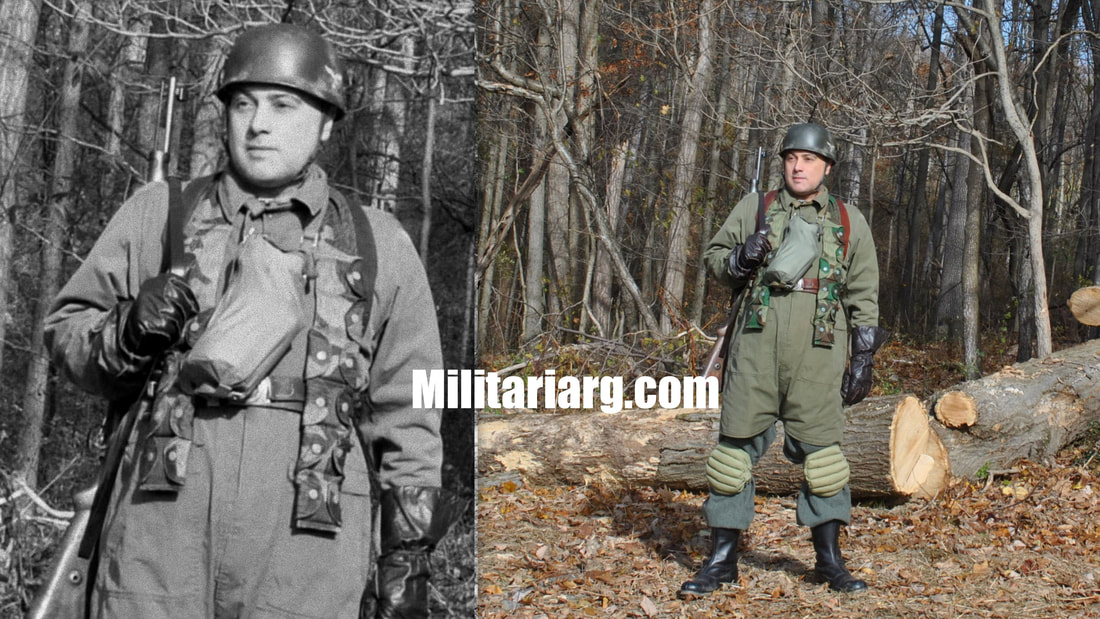
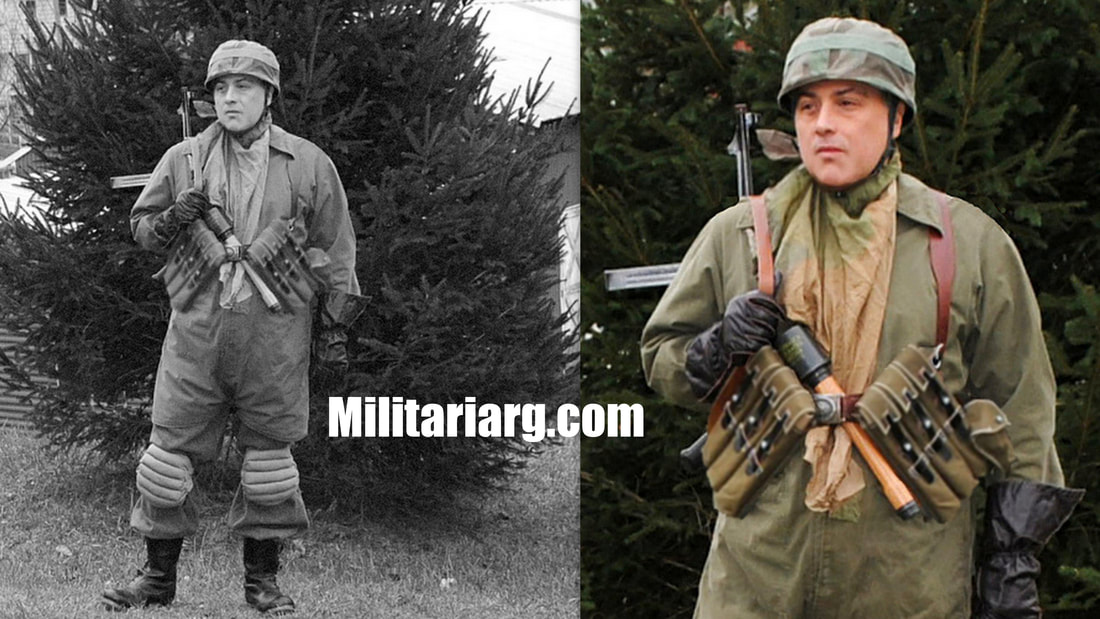
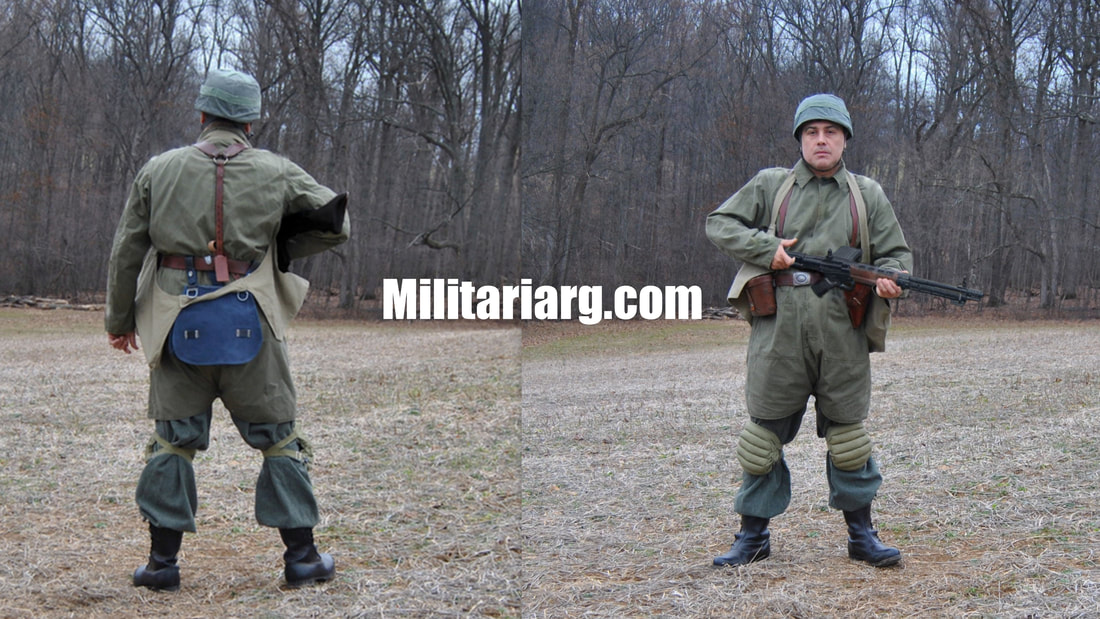
Vintage Jump Smock (Knochensack) replica made by Mil-Tec Sturm. Grünmeliert fabric, mixed green and orange threads .
Grünmeliert (German for "green flecked" or "green mottled") refers to a specific type of fabric used extensively in early World War II German military uniforms, most notably the first and second pattern Fallschirmjäger (paratrooper) jump smocks.
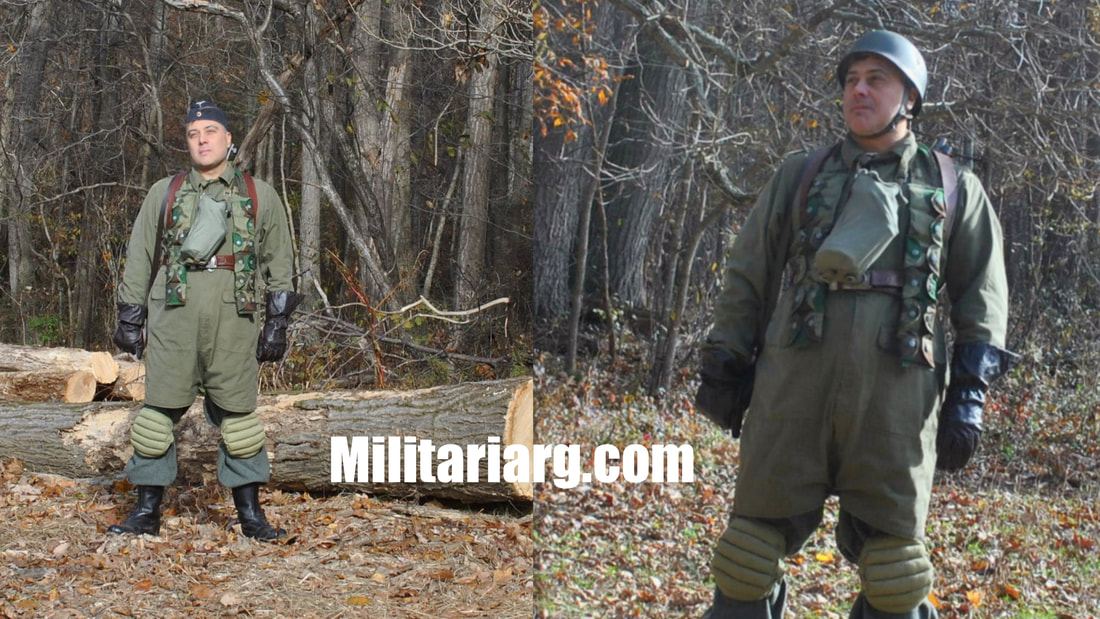
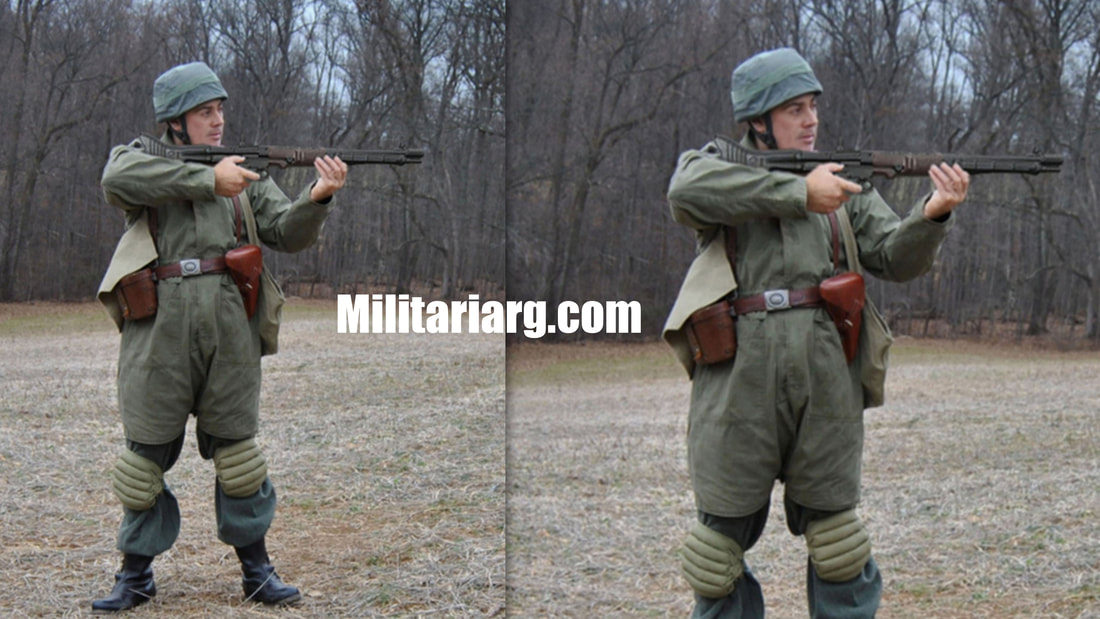
Fallschirmjager fieldgray Knee pads type 1, mad by "Luftwaffe Supply" from Malta.
Fallschirmjäger knee protection (Fallschirmjäger-Knieschützer), primarily involved separate, padded knee pads that were strapped over the trousers, rather than being permanently integrated or "quilted" onto the jump smock itself. These pads were crucial due to the hard, unsteerable nature of German parachutes, which required landing on hands and knees.
LW Supply (Malta) is recognized within the reenactment community as a producer of niche, often hard-to-find, and generally high-quality reproduction German military gear, specializing specifically in Luftwaffe equipment (as their name suggests).
Their products, including items like jump smocks, specialized field gear, and accessories such as the knee pads, are usually aimed at the "mid-tier" to "high-tier" end of the reenactment market, often providing better attention to detail, correct fabric types.
Fallschirmjager fieldgray Knee pads type 1, mad by "Luftwaffe Supply" from Malta.
Fallschirmjäger knee protection (Fallschirmjäger-Knieschützer), primarily involved separate, padded knee pads that were strapped over the trousers, rather than being permanently integrated or "quilted" onto the jump smock itself. These pads were crucial due to the hard, unsteerable nature of German parachutes, which required landing on hands and knees.
LW Supply (Malta) is recognized within the reenactment community as a producer of niche, often hard-to-find, and generally high-quality reproduction German military gear, specializing specifically in Luftwaffe equipment (as their name suggests).
Their products, including items like jump smocks, specialized field gear, and accessories such as the knee pads, are usually aimed at the "mid-tier" to "high-tier" end of the reenactment market, often providing better attention to detail, correct fabric types.
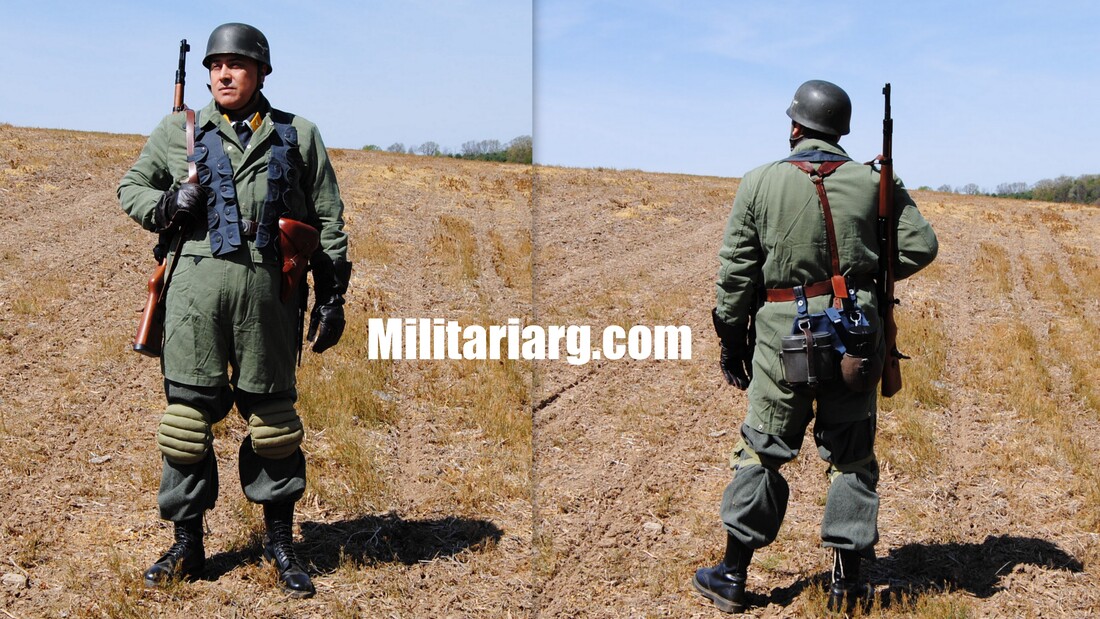
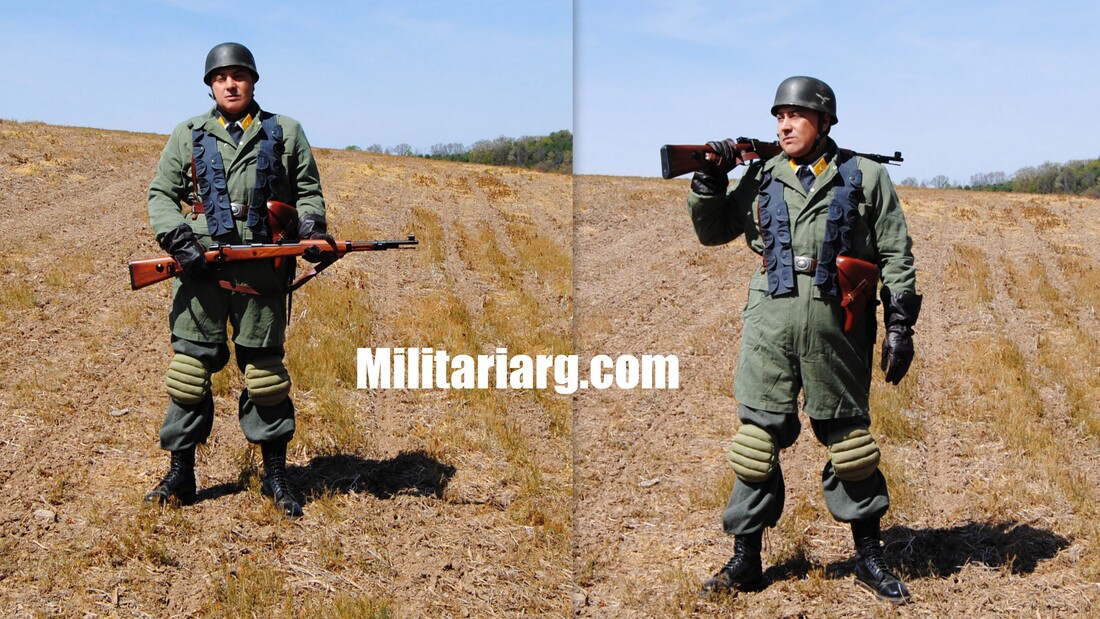
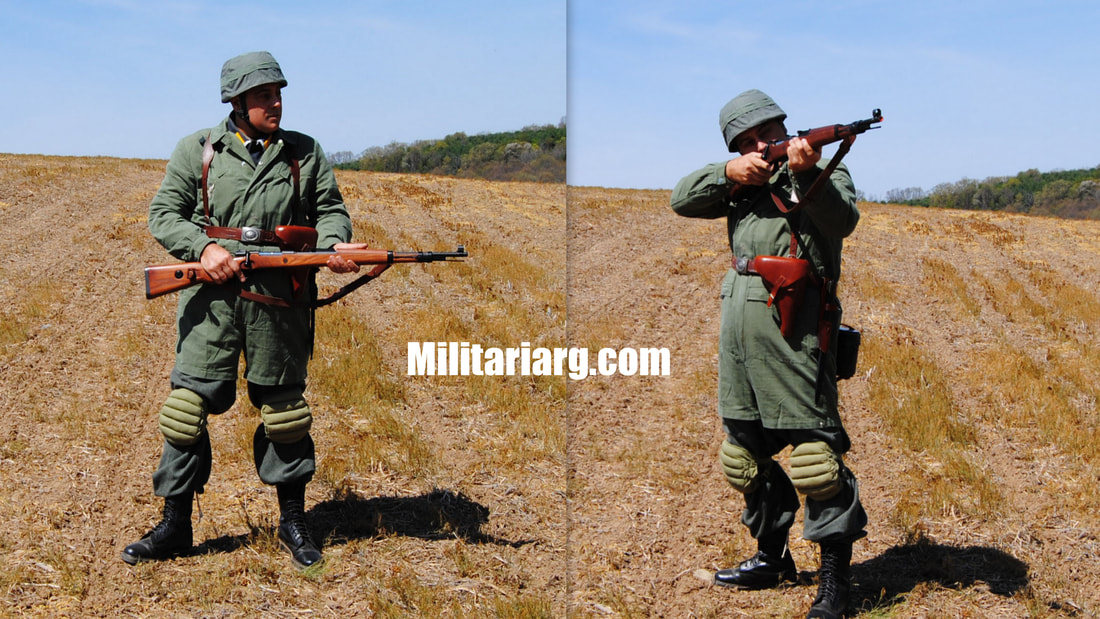
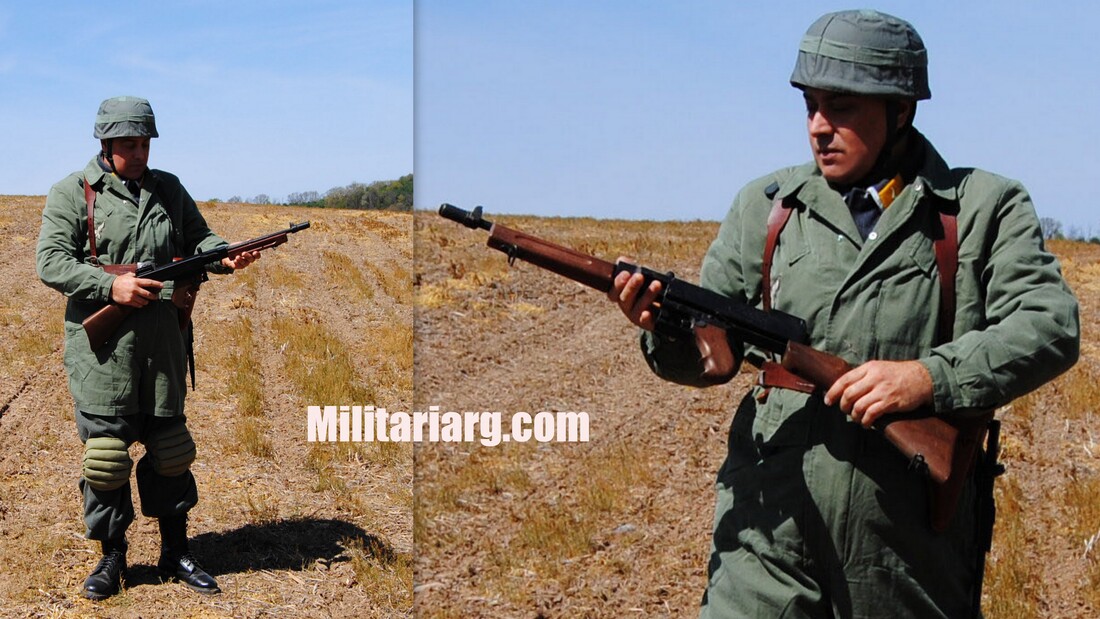
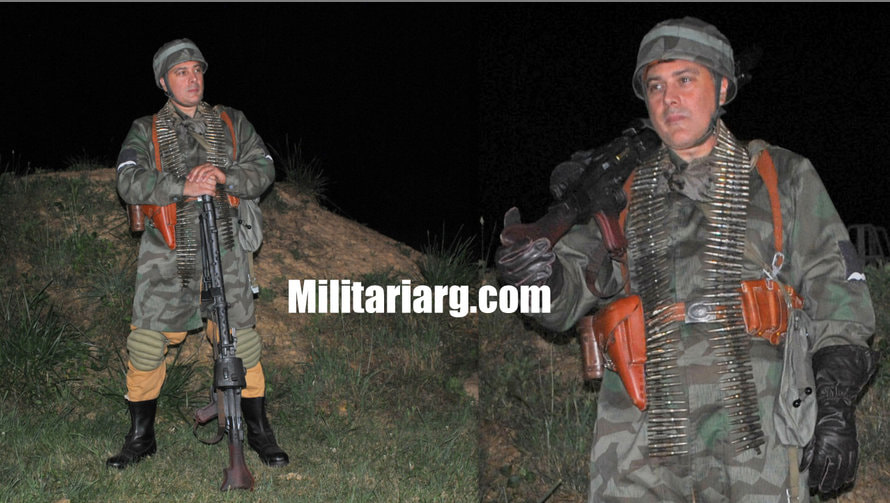
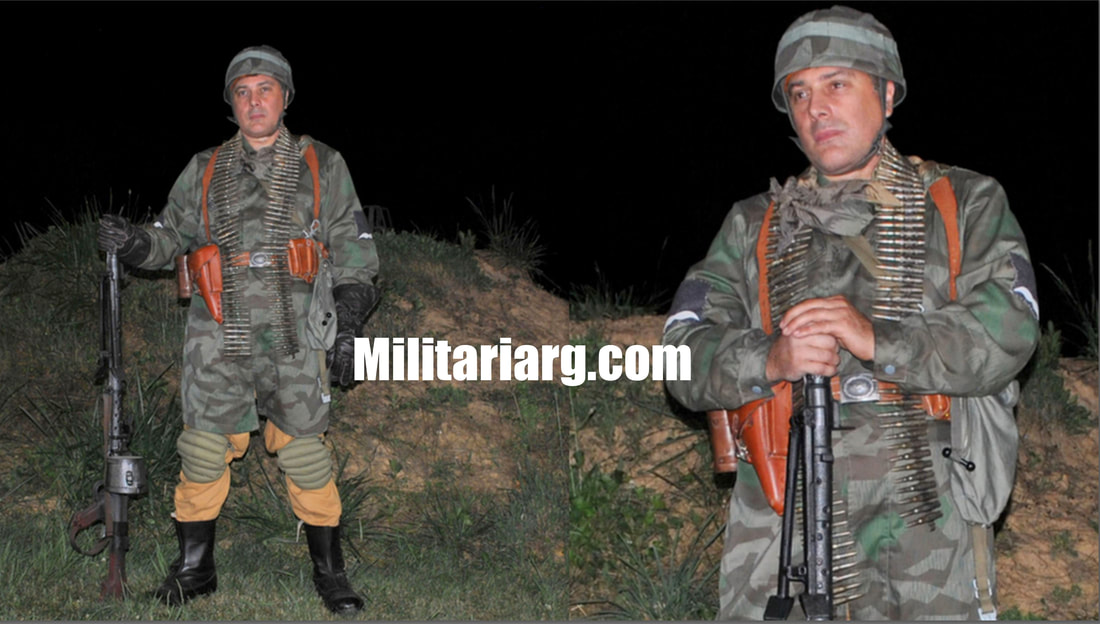
M38 jump smock (2 type). Mauser K98 Kar98 Replica and blue ammo bandolier. 2nd type Fallschirmjager boots.
Second Pattern Smock (M40/M41 Model):
Introduced around 1940/1941, this model was heavily influenced by field modifications of the first pattern. It zipped and buttoned all the way down the front, like a jacket, and was no longer strictly a "step-in" garment.
The bottom of the smock could still be fastened around the legs with snaps to form a coverall for the jump. It had internal cuffs, belt hook holes, and ventilation armpit vents.
This pattern began to appear in camouflage, most notably the Luftwaffe Splinter Pattern 41 (Splittertarn Muster 41). Plain green-gray versions were also still common.
Introduced around 1940/1941, this model was heavily influenced by field modifications of the first pattern. It zipped and buttoned all the way down the front, like a jacket, and was no longer strictly a "step-in" garment.
The bottom of the smock could still be fastened around the legs with snaps to form a coverall for the jump. It had internal cuffs, belt hook holes, and ventilation armpit vents.
This pattern began to appear in camouflage, most notably the Luftwaffe Splinter Pattern 41 (Splittertarn Muster 41). Plain green-gray versions were also still common.
Left:.M40 grunmeliert color, Fallschirmjager jump smock. Replica made by "MilitaryHarbor".
Right: Home made replica of an M40 jump smock converted M42. It was made by repainting in olive-green an old Mil-Tec Sturm M42 replica in the Splinter-A (Heer) camouflage .
The result is now an olive green very similar to the grunmeliert although it is not mixed colors.
Reenactors generally consider MilitaryHarbor products to be a good "mid-tier" option, offering decent quality and fieldability, though they may lack the extreme historical accuracy and refined details of high-end suppliers.
The result is now an olive green very similar to the grunmeliert although it is not mixed colors.
Reenactors generally consider MilitaryHarbor products to be a good "mid-tier" option, offering decent quality and fieldability, though they may lack the extreme historical accuracy and refined details of high-end suppliers.
Fallschirmjager gloves made by Mil-Tec Sturm. 1st Fallschirmjager boots made in Pakistan (chroniclemilitaria).
Fallschirmjager jump smock type 2.
Old Mil-Tec Sturm splinter-A camo jump smock replica.
Fallschirmjager - Anzio - Monte Cassino
Early replica Fallschirmjager jump smock in splinter-A camo (Heer pattern).
The "incorrectness" of the Mil-Tec smocks wasn't just the pattern, but the fabric type. They were often made of a heavy, stiff cotton duck or canvas, whereas original jump smocks (Knochensack) were usually made of a lighter, water-repellent cotton poplin or gabardine.Despite the inaccuracies, these smocks were the "uniform of the day" for many units in the 1990s and early 2000s.
Many of those early runs had a distinct yellowish or "mustard" base tan that didn't match the more muted, grey-green tan of original Luftwaffe Splinter B. They often used the M42 (Type III) large-pocket design, which was the most versatile for reenactors portraying the mid-to-late war periods (Italy, Normandy, and the Ardennes).
The "incorrectness" of the Mil-Tec smocks wasn't just the pattern, but the fabric type. They were often made of a heavy, stiff cotton duck or canvas, whereas original jump smocks (Knochensack) were usually made of a lighter, water-repellent cotton poplin or gabardine.Despite the inaccuracies, these smocks were the "uniform of the day" for many units in the 1990s and early 2000s.
Many of those early runs had a distinct yellowish or "mustard" base tan that didn't match the more muted, grey-green tan of original Luftwaffe Splinter B. They often used the M42 (Type III) large-pocket design, which was the most versatile for reenactors portraying the mid-to-late war periods (Italy, Normandy, and the Ardennes).
This is an old jump smock replica in Splinter Heer pattern or Splinter-A. The Luftwaffe had its own pattern of this camo, called the LW Splinter-B.
The "Splinter A" vs. "Splinter B" Issue
The primary issue with those early Mil-Tec smocks was the pattern scale and geometry.
Heer Splinter A (Splittermuster 31). Designed for the Army, the "splinters" (the geometric shapes) are larger and the "rain" overprint (the vertical green dashes) is longer and more frequent. This is what Mil-Tec used because the fabric was already being mass-produced for Army zeltbahns and field tunics.
Luftwaffe Splinter B (Splittermuster 41). Specifically designed for the Fallschirmjäger. The geometric shapes are significantly smaller and more jagged, and the "rain" overprint is shorter.
While the hobby generally classifies these early Mil-Tec smocks as "wrong," there is a nuanced historical reality.
Late in the war (1944–45), when Luftwaffe supply chains collapsed, some garments were produced using Army-contract Splittermuster 31 (Splinter A) fabric.
The "Splinter A" vs. "Splinter B" Issue
The primary issue with those early Mil-Tec smocks was the pattern scale and geometry.
Heer Splinter A (Splittermuster 31). Designed for the Army, the "splinters" (the geometric shapes) are larger and the "rain" overprint (the vertical green dashes) is longer and more frequent. This is what Mil-Tec used because the fabric was already being mass-produced for Army zeltbahns and field tunics.
Luftwaffe Splinter B (Splittermuster 41). Specifically designed for the Fallschirmjäger. The geometric shapes are significantly smaller and more jagged, and the "rain" overprint is shorter.
While the hobby generally classifies these early Mil-Tec smocks as "wrong," there is a nuanced historical reality.
Late in the war (1944–45), when Luftwaffe supply chains collapsed, some garments were produced using Army-contract Splittermuster 31 (Splinter A) fabric.
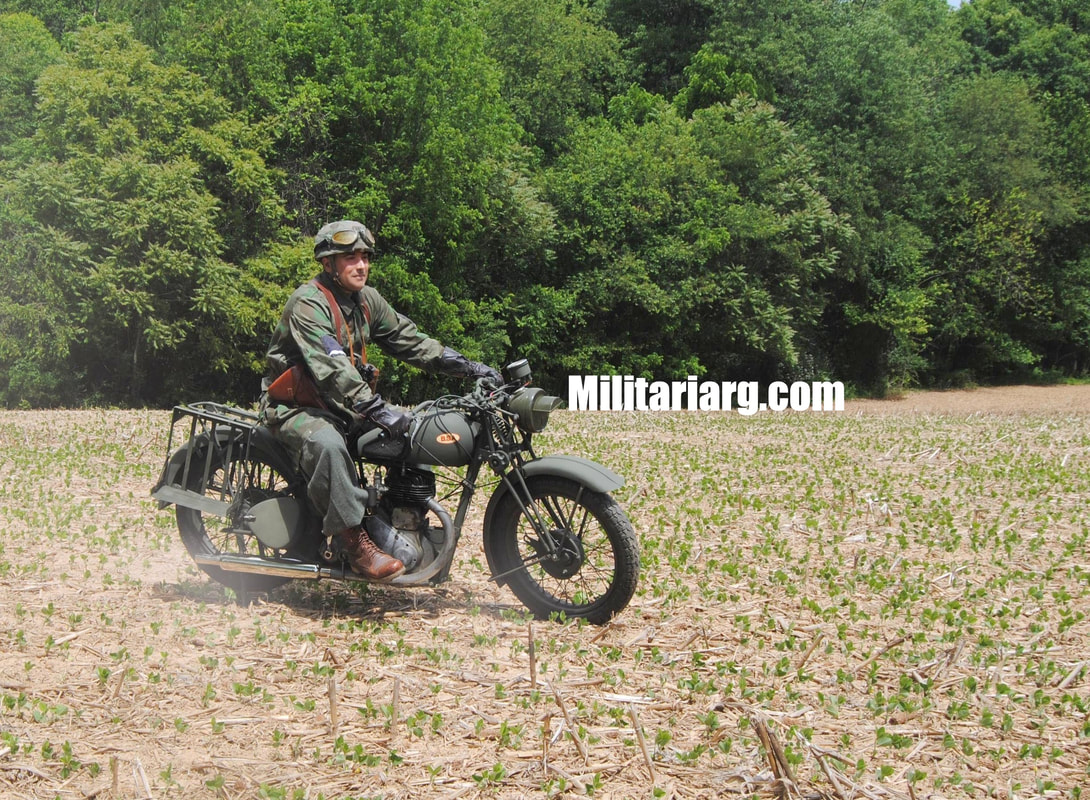
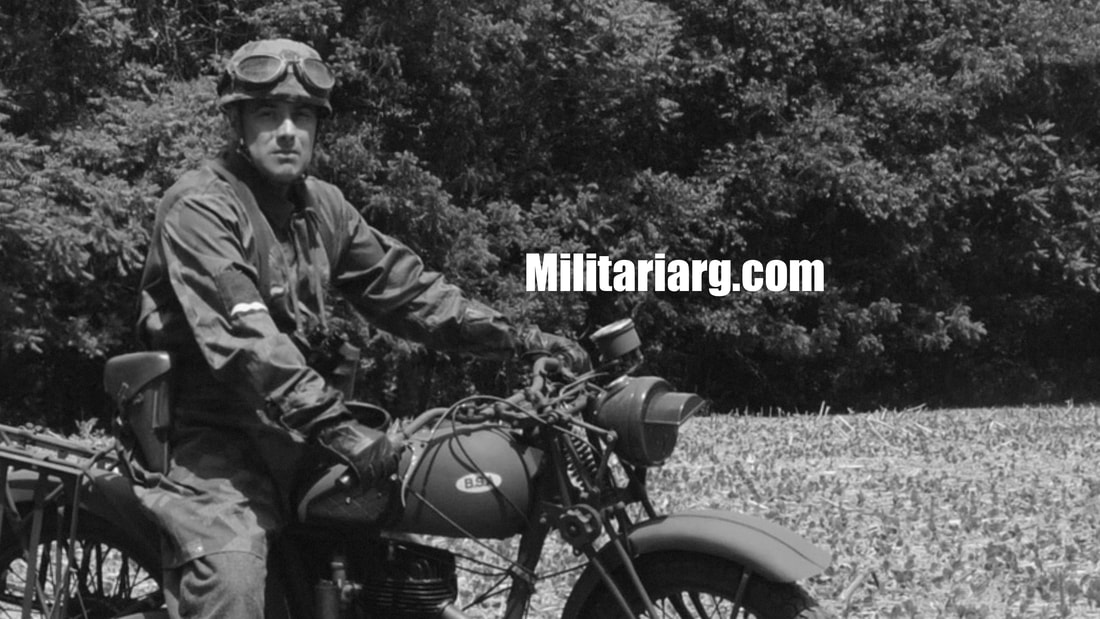
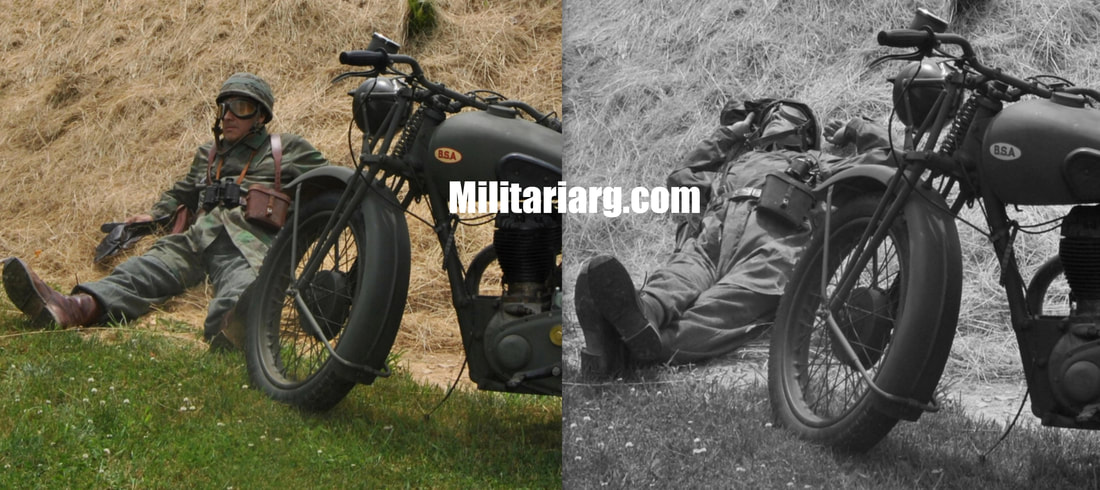
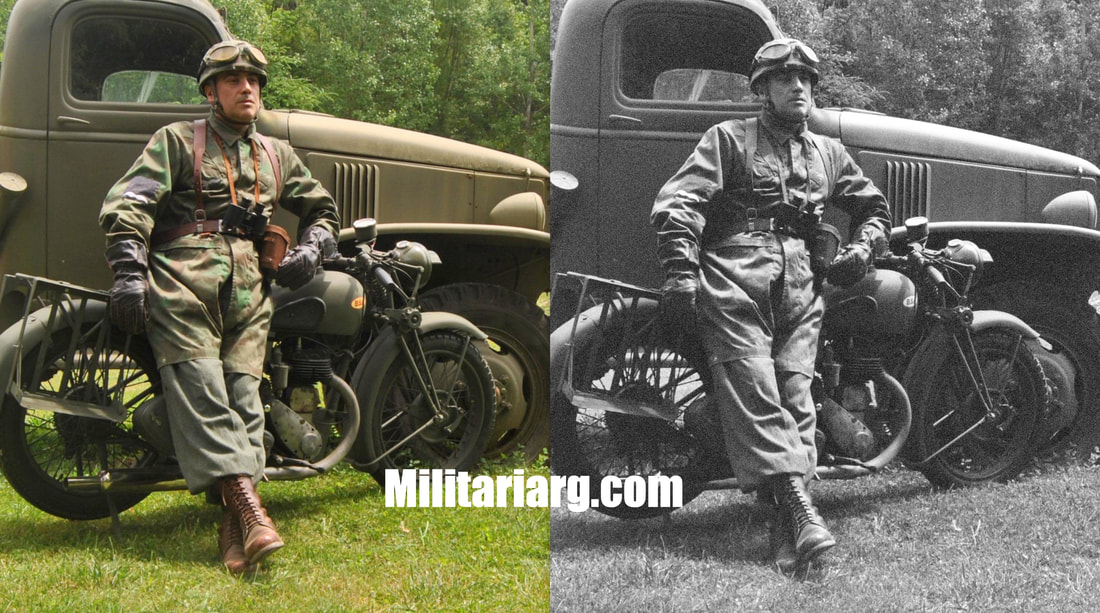
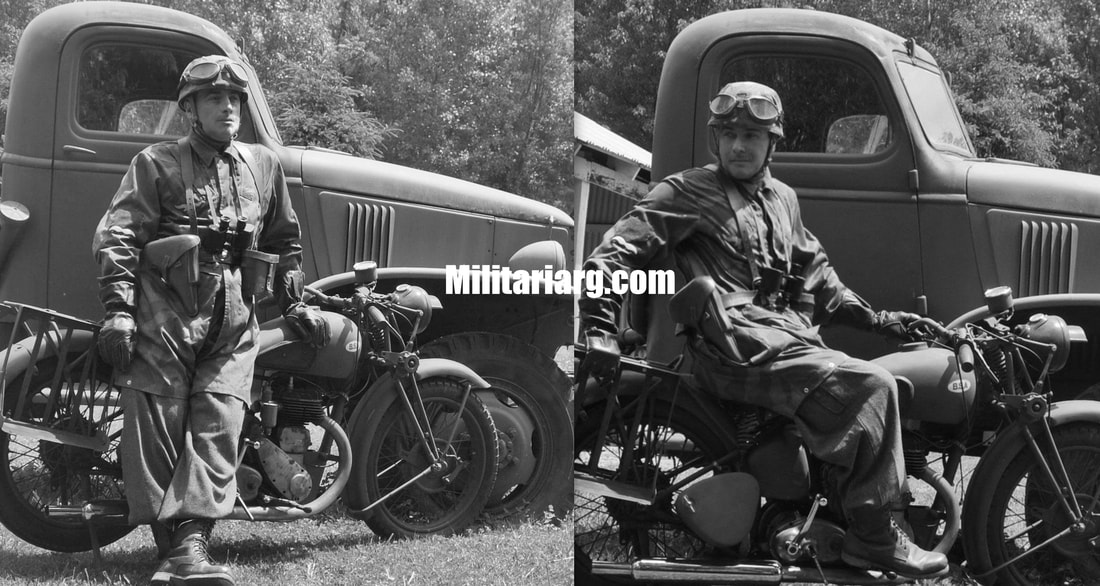
Fallschirmjäger used captured British BSA M20 motorcycles in Greece and Crete, as using captured enemy equipment was a common practice across the German military due to logistical shortages.
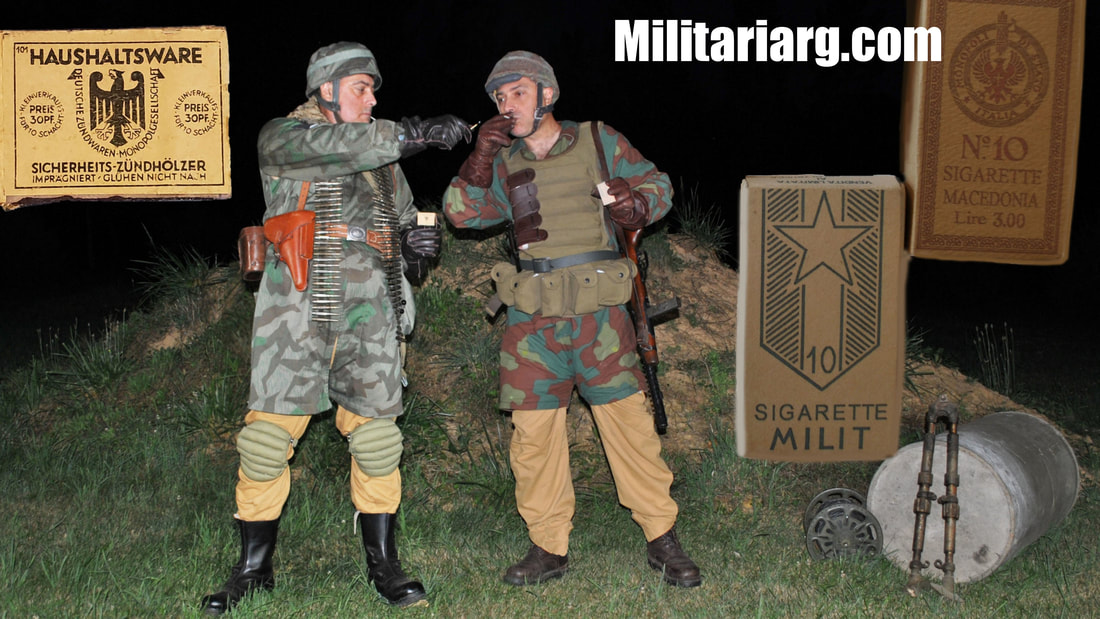
Fallschirmjager and Italian Paratrooper. German made Lucifer matches "Haushaltsware" and Italian Milit, Macedonia cigarette (Sigarette in Italian).
Fallschirmjäger and Italian paratroopers fought alongside each other against the Allied forces in the Anzio-Nettuno front (part of the wider Italian campaign, not Operation Neptune, which was the Normandy naval landings).
The main German unit was the 4th Fallschirmjäger Division, which was committed to combat against the Allied landings (Operation Shingle) in January 1944 as part of the I Fallschirm Corps. They were heavily involved in the fierce fighting that contained the Allied beachhead for several months.
Italian paratroopers from the fascist Italian Social Republic (RSI) also fought alongside the Germans.
"Nembo" Battalion: A battalion from the 184th Airborne Division "Nembo" was present from February 1944, actively participating in the German counterattacks against the beachhead.
"Folgore" Volunteers: Volunteers from the 185th Parachute Division "Folgore" also reinforced the German 4th Fallschirmjäger Division.
The Italian units were incorporated into the German military structure, and soldiers from the Italian Nembo and Folgore divisions were specifically used to reinforce the newly formed German 4th Fallschirmjäger Division, creating a combined Axis elite paratrooper force on the Anzio front.
Photos from the period sometimes show German and Italian paratroopers chatting in rear areas, reflecting their close operational alignment after the Italian armistice of September 1943.
The main German unit was the 4th Fallschirmjäger Division, which was committed to combat against the Allied landings (Operation Shingle) in January 1944 as part of the I Fallschirm Corps. They were heavily involved in the fierce fighting that contained the Allied beachhead for several months.
Italian paratroopers from the fascist Italian Social Republic (RSI) also fought alongside the Germans.
"Nembo" Battalion: A battalion from the 184th Airborne Division "Nembo" was present from February 1944, actively participating in the German counterattacks against the beachhead.
"Folgore" Volunteers: Volunteers from the 185th Parachute Division "Folgore" also reinforced the German 4th Fallschirmjäger Division.
The Italian units were incorporated into the German military structure, and soldiers from the Italian Nembo and Folgore divisions were specifically used to reinforce the newly formed German 4th Fallschirmjäger Division, creating a combined Axis elite paratrooper force on the Anzio front.
Photos from the period sometimes show German and Italian paratroopers chatting in rear areas, reflecting their close operational alignment after the Italian armistice of September 1943.
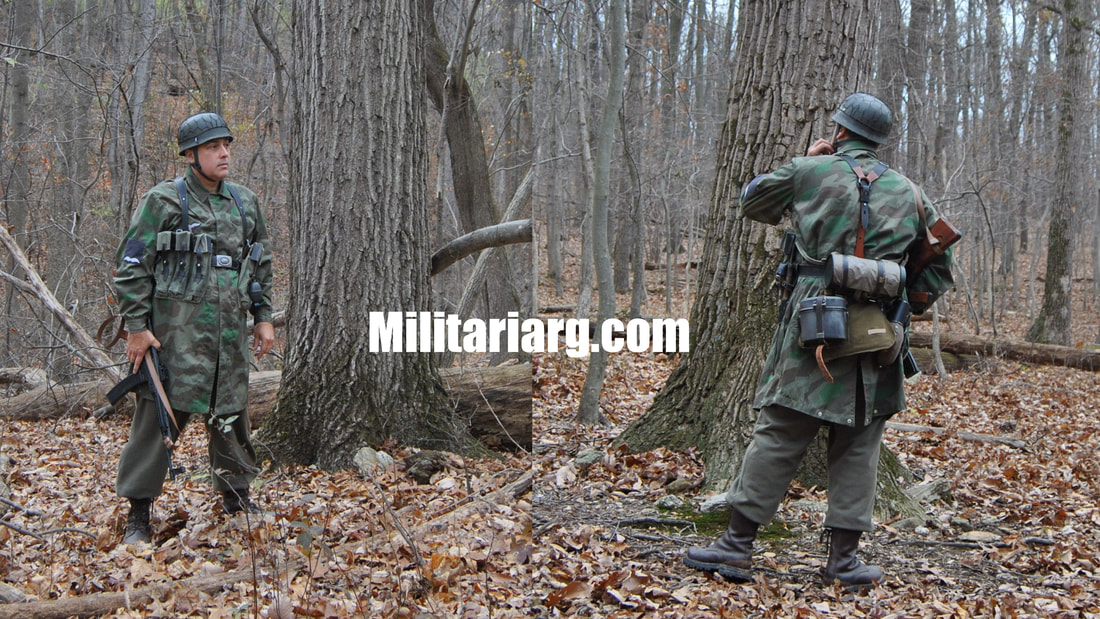
M40 Splinter-B camo, Fallschirmjager jump smock. Replica mad by "MilitaryHarbor"..
Replica M42 splinter B. Fallschirmjager jump smock.Probably made by R.U.M (Gavin)..
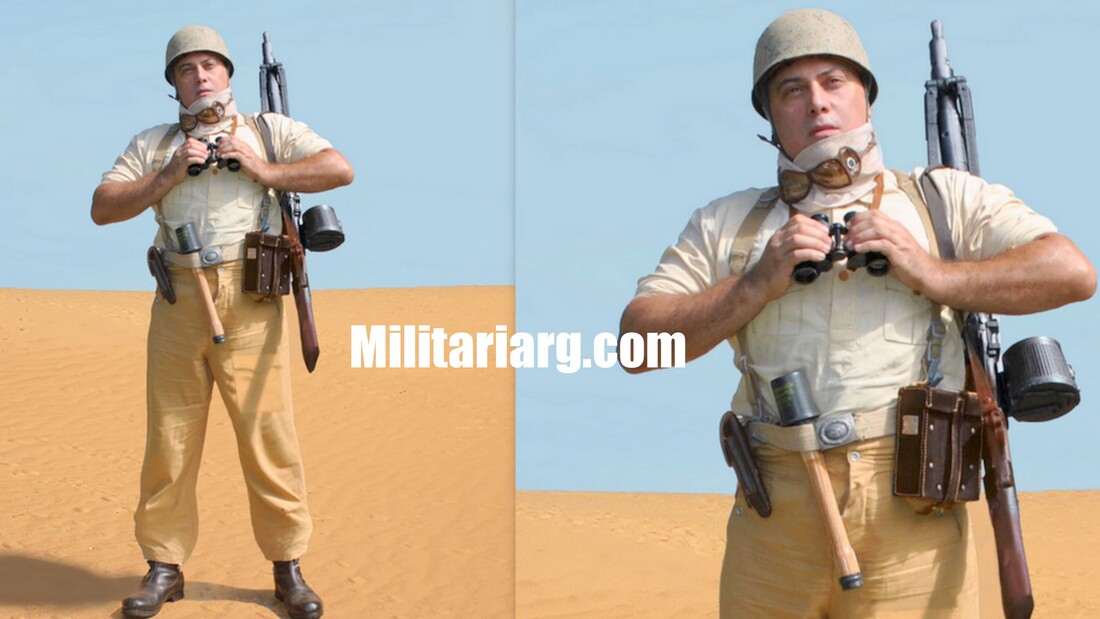
Panzer Armee Afrika Korps - Fallschirmjager Brigade Ramcke - Mediterranean - El Alamein - Tunisia
The Fallschirmjäger-Brigade Ramcke was an elite ad-hoc unit of the German Luftwaffe paratroopers that fought with distinction as part of the Afrika Korps (DAK) in the North African Campaign.
The brigade was formed in early 1942 under the command of Generalmajor Bernhard Ramcke. It brought together various Fallschirmjäger (paratrooper) and other Luftwaffe ground units that were available in the Mediterranean theater but not assigned to other operations.
The brigade was attached to the Afrika Korps under General Rommel and operated as highly mobile, elite infantry due to a lack of transport aircraft needed for an actual airborne jump. They were often used as the "fire brigade" to reinforce critical points in the German lines.
The Battle of Gazala (May-June 1942): They distinguished themselves in this battle, capturing key objectives and securing flanks.
El Alamein (July-November 1942): During the First and Second Battles of El Alamein, the brigade formed a crucial part of Rommel's defenses.
The "Ramcke Incident": Perhaps their most famous moment occurred during the German retreat from El Alamein. The brigade found itself isolated and low on fuel and supplies. In a bold move, Ramcke ordered his men to capture a British supply convoy, acquiring needed food, fuel, and transport. They then successfully fought their way 200 miles through British lines to rejoin friendly forces.
The Battle of Gazala (May-June 1942): They distinguished themselves in this battle, capturing key objectives and securing flanks.
El Alamein (July-November 1942): During the First and Second Battles of El Alamein, the brigade formed a crucial part of Rommel's defenses.
The "Ramcke Incident": Perhaps their most famous moment occurred during the German retreat from El Alamein. The brigade found itself isolated and low on fuel and supplies. In a bold move, Ramcke ordered his men to capture a British supply convoy, acquiring needed food, fuel, and transport. They then successfully fought their way 200 miles through British lines to rejoin friendly forces.
Headwear:
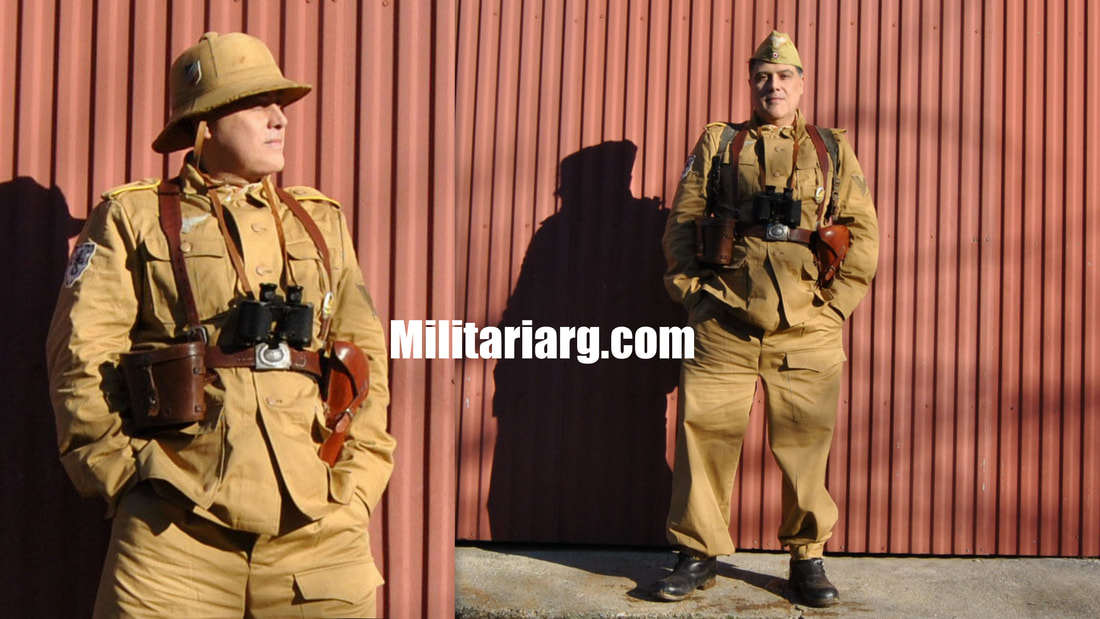
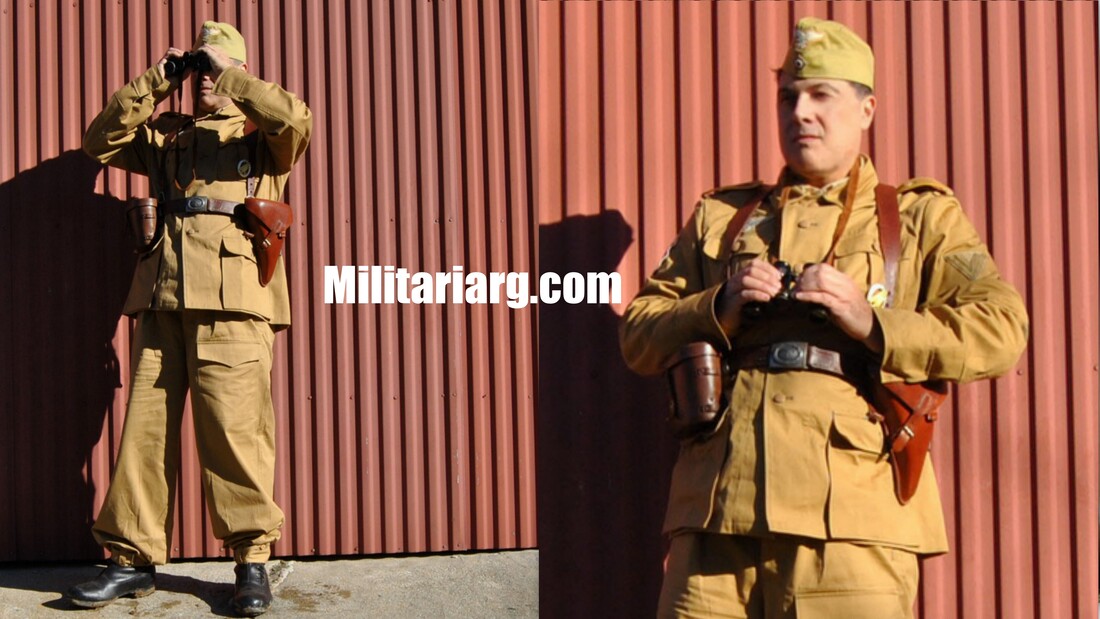
Tropical Side Cap (Schiffchen): The most common daily headwear was the blue-gray Luftwaffe tropical side cap, sometimes with an added neck flap for sun protection.
Steel Helmet (M35/M40): Standard steel helmets were worn in combat, typically painted a field gray or sand color, sometimes with a camouflage net applied.
Tunic:
Luftwaffe Tropical Tunic: A single-breasted, four-pocket tunic made of lightweight tan/sand-colored cotton twill. This was the base uniform layer.
Trousers:
Luftwaffe Tropical Trousers: Matching tan trousers with belt loops and sometimes ankle adjustments. They were often worn with tropical gaiters to keep sand out of the boots.
Outerwear (The "Ramke Tunic"):
Fallschirmjäger Jump Smock (Knochensack): Paratroopers often wore their specialized jump smocks over the tropical tunic in the field. These were typically in plain green-gray (grünmeliert) or the Luftwaffe Splinter Camouflage (Splittertarn) pattern. These smocks were favored for their numerous pockets and durability. Some were field-modified with extra ammunition pockets.
Footwear:
Standard Army Ankle Boots: While some specialized jump boots were used, the standard German Army DAK ankle boots (leather and canvas) were common issue in North Africa.
Equipment:
Standard issue webbing, often in a tan or olive-drab canvas to match the tropical climate.
Tropical Side Cap (Schiffchen): The most common daily headwear was the blue-gray Luftwaffe tropical side cap, sometimes with an added neck flap for sun protection.
Steel Helmet (M35/M40): Standard steel helmets were worn in combat, typically painted a field gray or sand color, sometimes with a camouflage net applied.
Tunic:
Luftwaffe Tropical Tunic: A single-breasted, four-pocket tunic made of lightweight tan/sand-colored cotton twill. This was the base uniform layer.
Trousers:
Luftwaffe Tropical Trousers: Matching tan trousers with belt loops and sometimes ankle adjustments. They were often worn with tropical gaiters to keep sand out of the boots.
Outerwear (The "Ramke Tunic"):
Fallschirmjäger Jump Smock (Knochensack): Paratroopers often wore their specialized jump smocks over the tropical tunic in the field. These were typically in plain green-gray (grünmeliert) or the Luftwaffe Splinter Camouflage (Splittertarn) pattern. These smocks were favored for their numerous pockets and durability. Some were field-modified with extra ammunition pockets.
Footwear:
Standard Army Ankle Boots: While some specialized jump boots were used, the standard German Army DAK ankle boots (leather and canvas) were common issue in North Africa.
Equipment:
Standard issue webbing, often in a tan or olive-drab canvas to match the tropical climate.
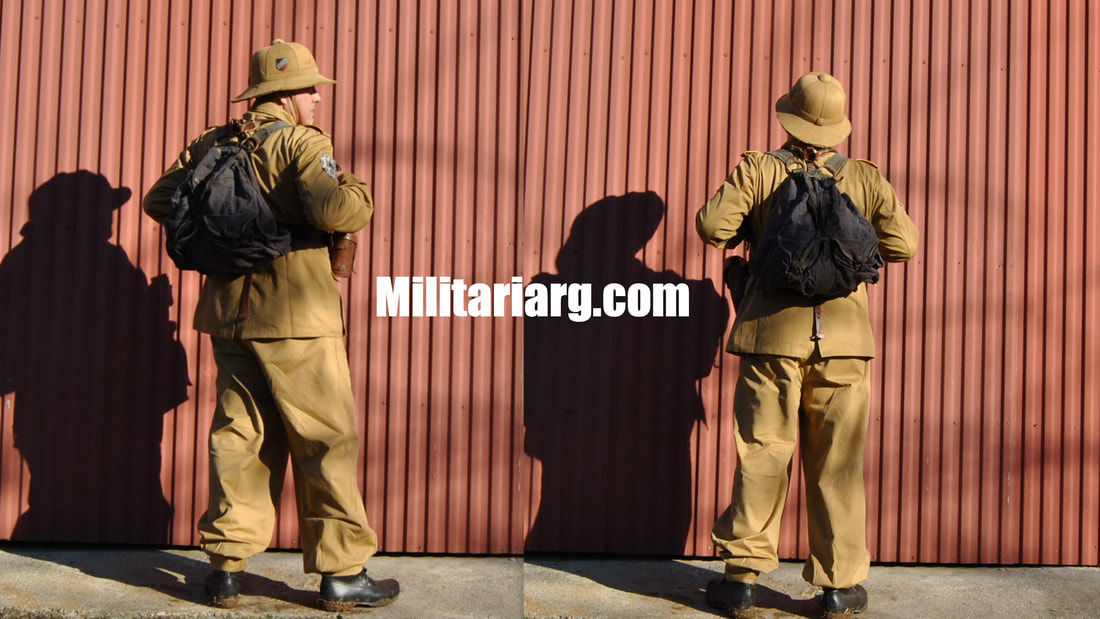
The Luftwaffe DAK pith helmet (Tropenhelm).
The Ramcke Brigade (Fallschirmjäger-Brigade Ramcke) had access to the folding shovel, though it was not yet the universal standard for all troops during the North African campaign. By 1942, the folding shovel was no longer "experimental," but it was considered a "premium" piece of gear.
The German folding shovel, or Klappspaten, was officially introduced in 1938. By the time the Ramcke Brigade was deployed to North Africa in the summer of 1942 to support Rommel, the tool had been in production for nearly four years.
However, the transition from the old fixed-handle shovel (Spaten) to the folding version was a gradual process:
Elite formations like the Fallschirmjäger were among the first to receive "modern" equipment. Because the folding shovel was more compact, it was ideal for paratroopers.
Photos of the Ramcke Brigade in the Western Desert show a mix of equipment. You will see some soldiers with the M1938 folding shovel and others still carrying the shorter, traditional fixed-blade shovel in a leather carrier.
In the desert, you often see the folding shovel in Prestoff (artificial leather) or tan canvas/webbing carriers rather than the standard black leather used in Europe, though black leather was still present.
The Ramcke Brigade (Fallschirmjäger-Brigade Ramcke) had access to the folding shovel, though it was not yet the universal standard for all troops during the North African campaign. By 1942, the folding shovel was no longer "experimental," but it was considered a "premium" piece of gear.
The German folding shovel, or Klappspaten, was officially introduced in 1938. By the time the Ramcke Brigade was deployed to North Africa in the summer of 1942 to support Rommel, the tool had been in production for nearly four years.
However, the transition from the old fixed-handle shovel (Spaten) to the folding version was a gradual process:
Elite formations like the Fallschirmjäger were among the first to receive "modern" equipment. Because the folding shovel was more compact, it was ideal for paratroopers.
Photos of the Ramcke Brigade in the Western Desert show a mix of equipment. You will see some soldiers with the M1938 folding shovel and others still carrying the shorter, traditional fixed-blade shovel in a leather carrier.
In the desert, you often see the folding shovel in Prestoff (artificial leather) or tan canvas/webbing carriers rather than the standard black leather used in Europe, though black leather was still present.
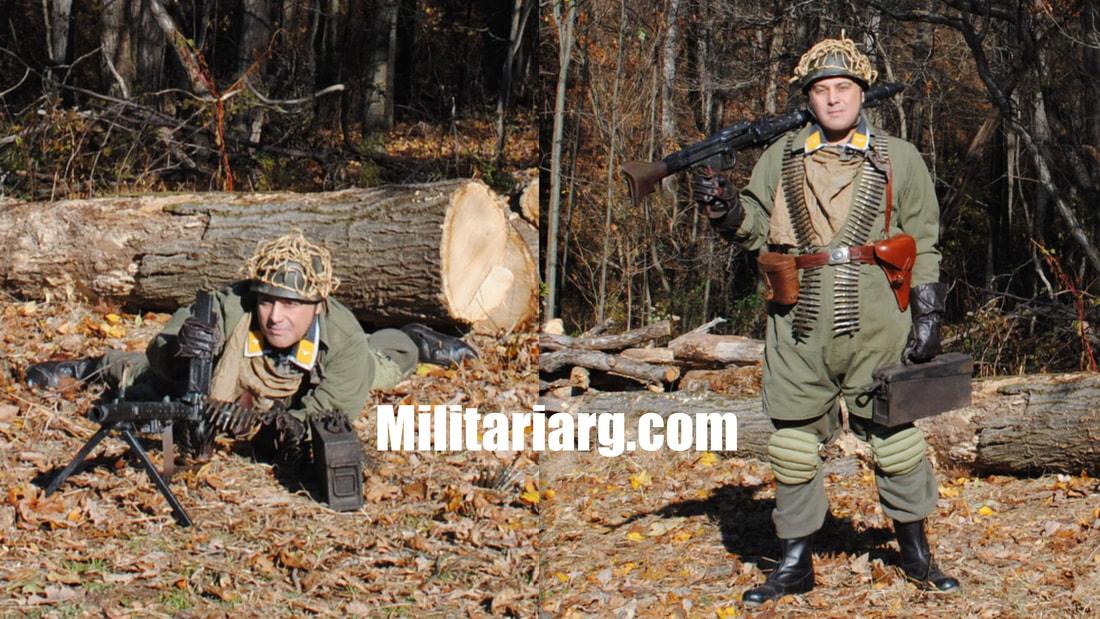
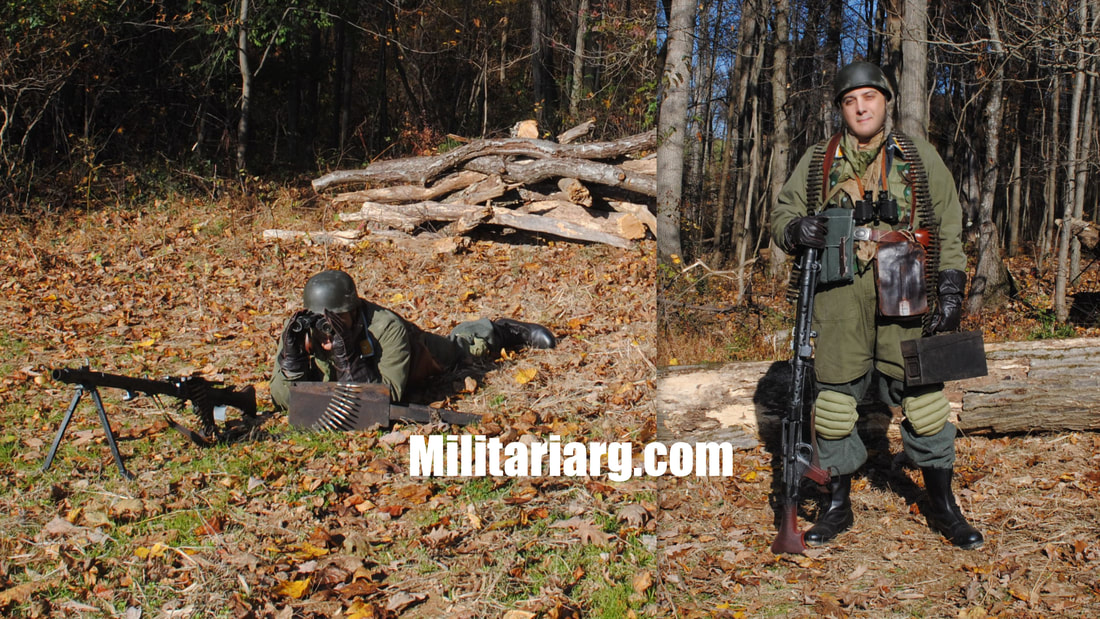
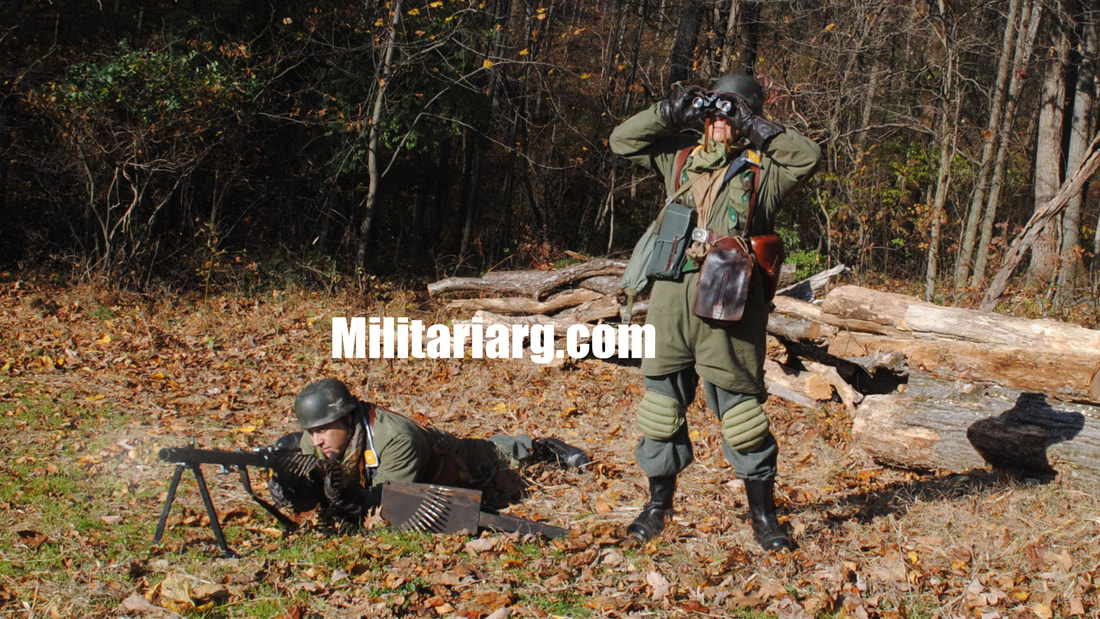
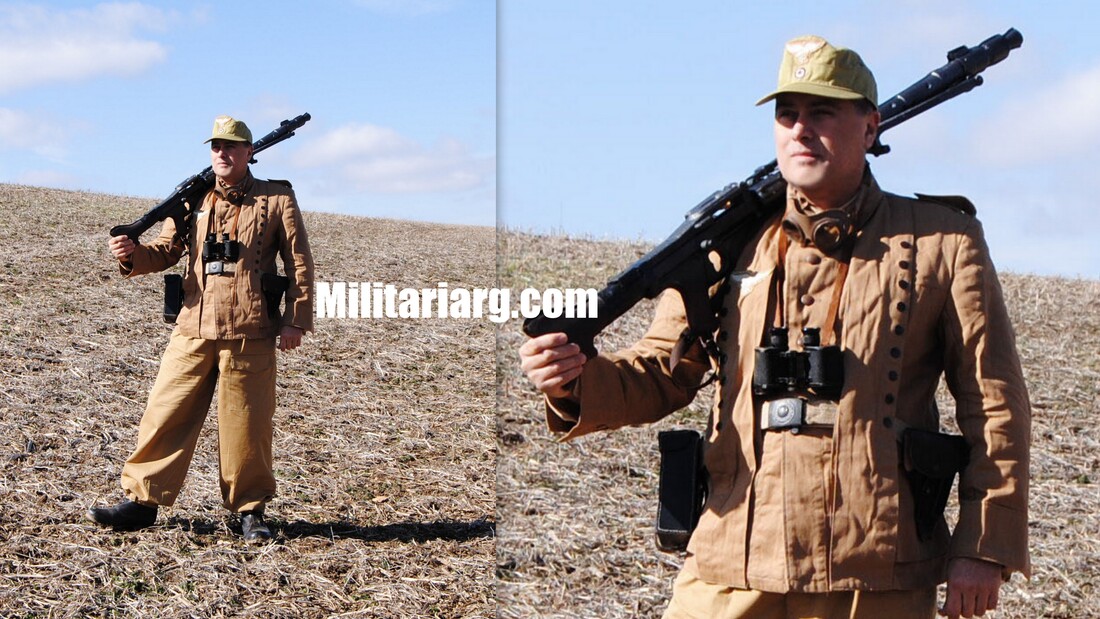
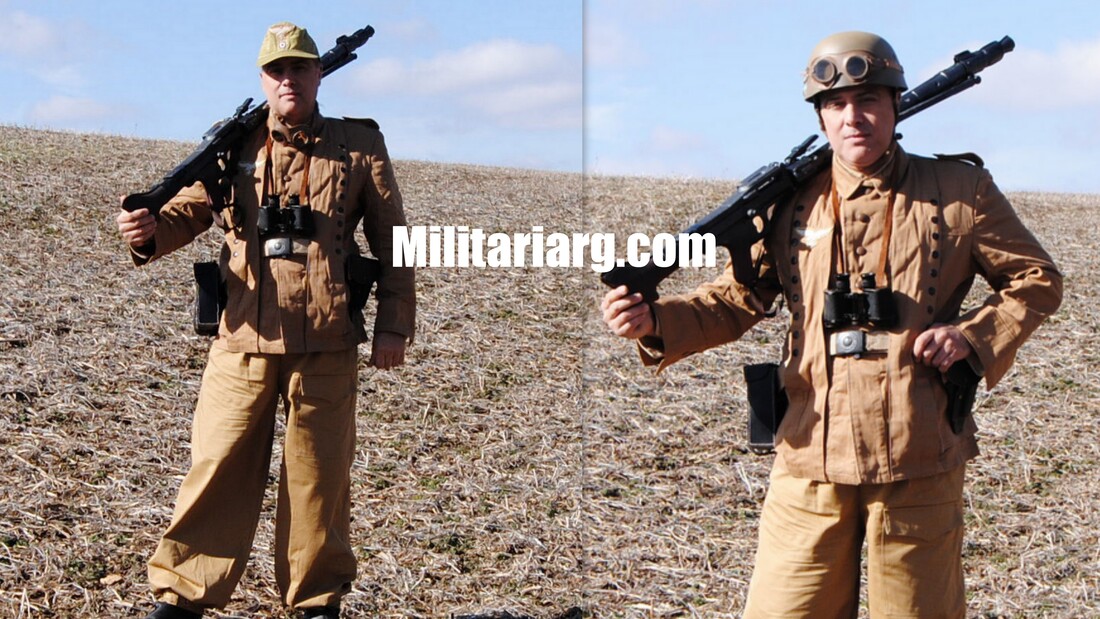
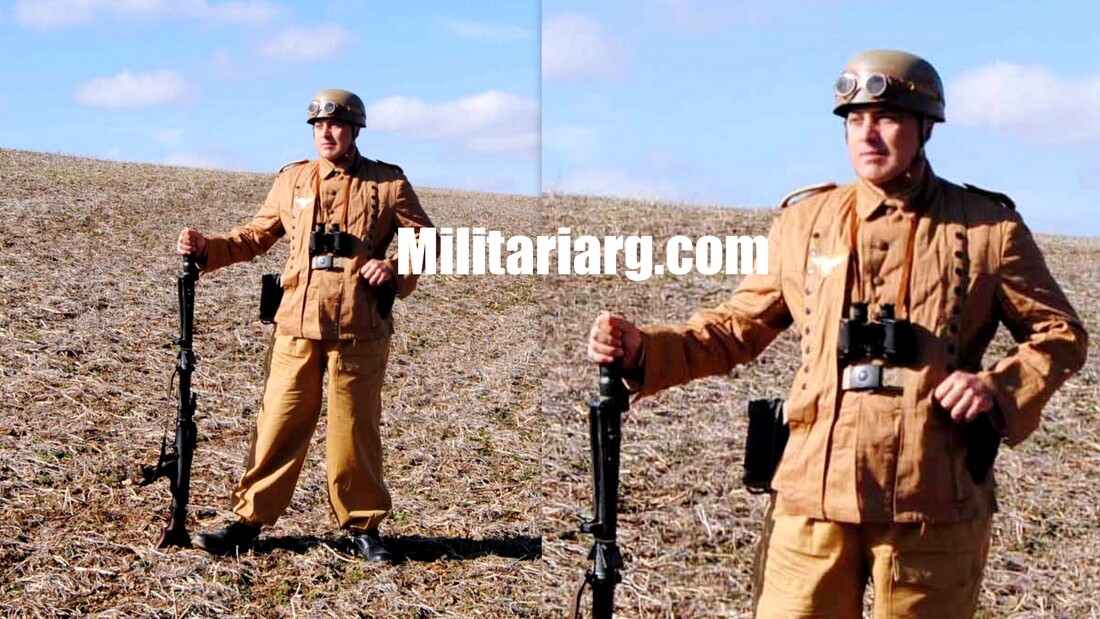
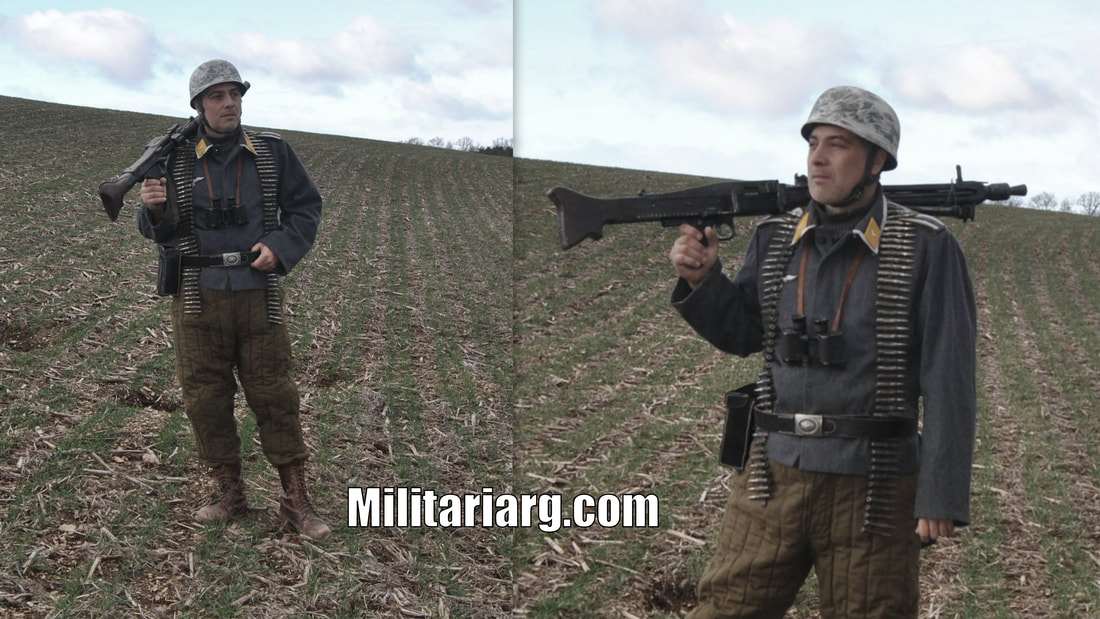
Ramke Brigade MG-gunner Tunic
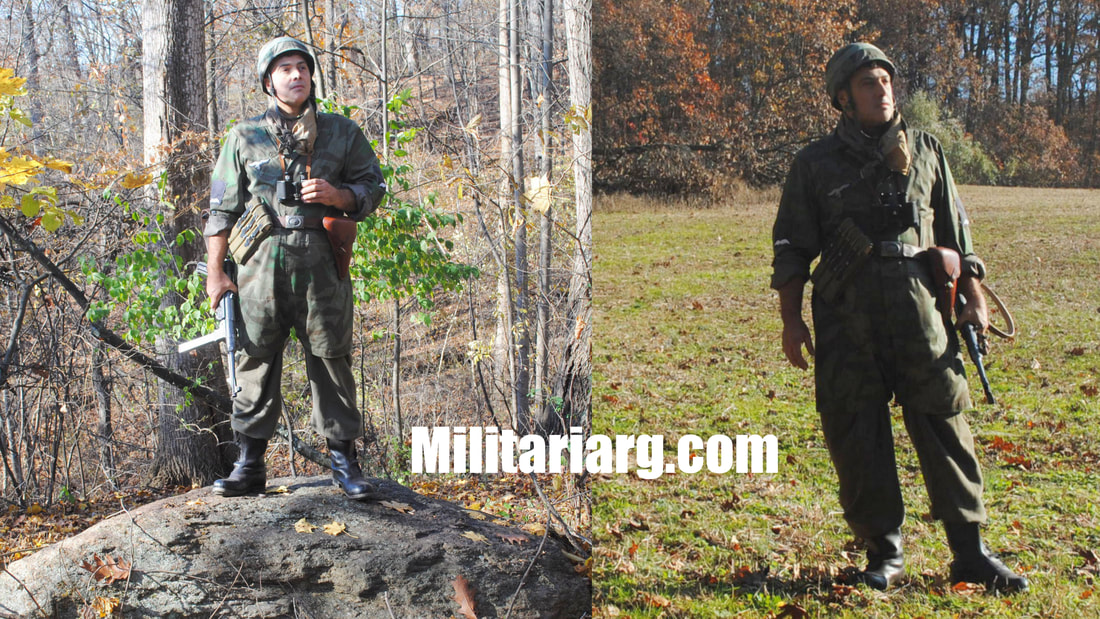
This rare ammo jacket is known as the "Ramke Model". However, the only photographs of its use were on the Italian Front, one of them in the rescue of Mussolini in the Gran Sasso in 1943. "Operation Oak".
Ramke Brigade mg gunner ammo tunic made by "HikiShop" and also an replica M38 helmet..
Hikishop made Luftwaffe DAk tan color uniform.
The Ramke Fallschirmjäger Brigade (formally Fallschirmjäger-Brigade Ramcke) uniform for the Deutsches Afrika Korps (DAK) combined standard Luftwaffe tropical issue clothing with specialized paratrooper equipment, primarily their distinctive jump smocks.
Eastern Front
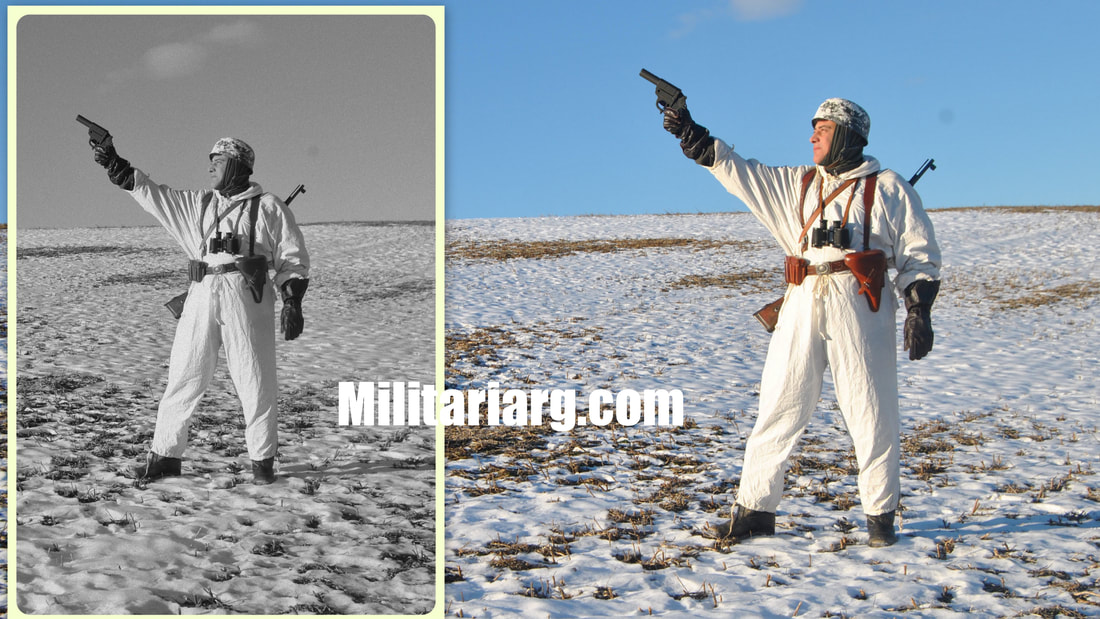
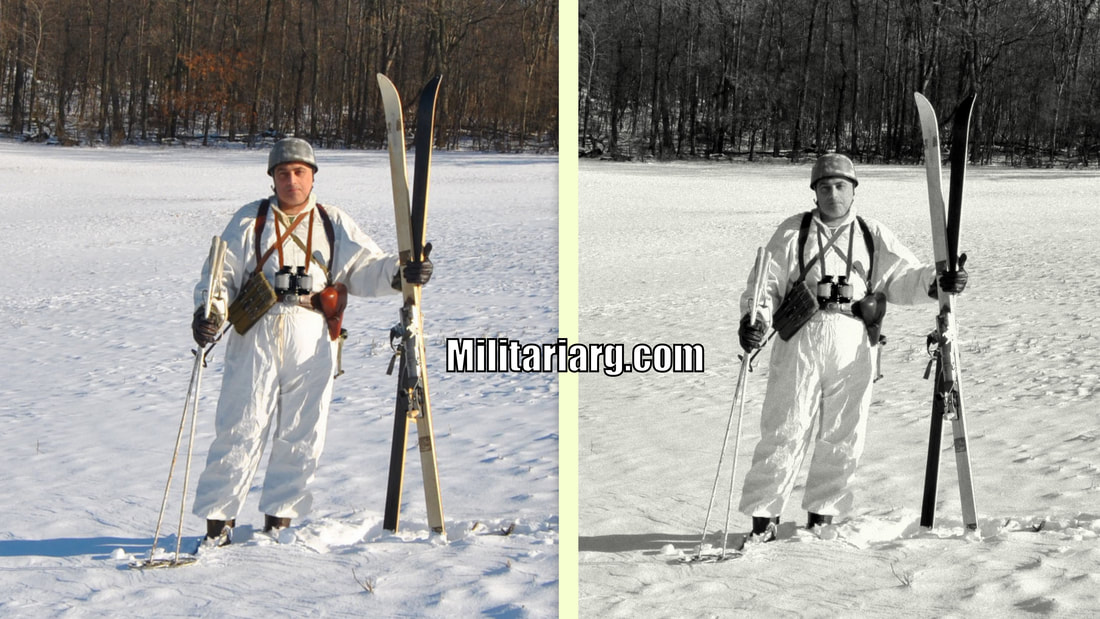
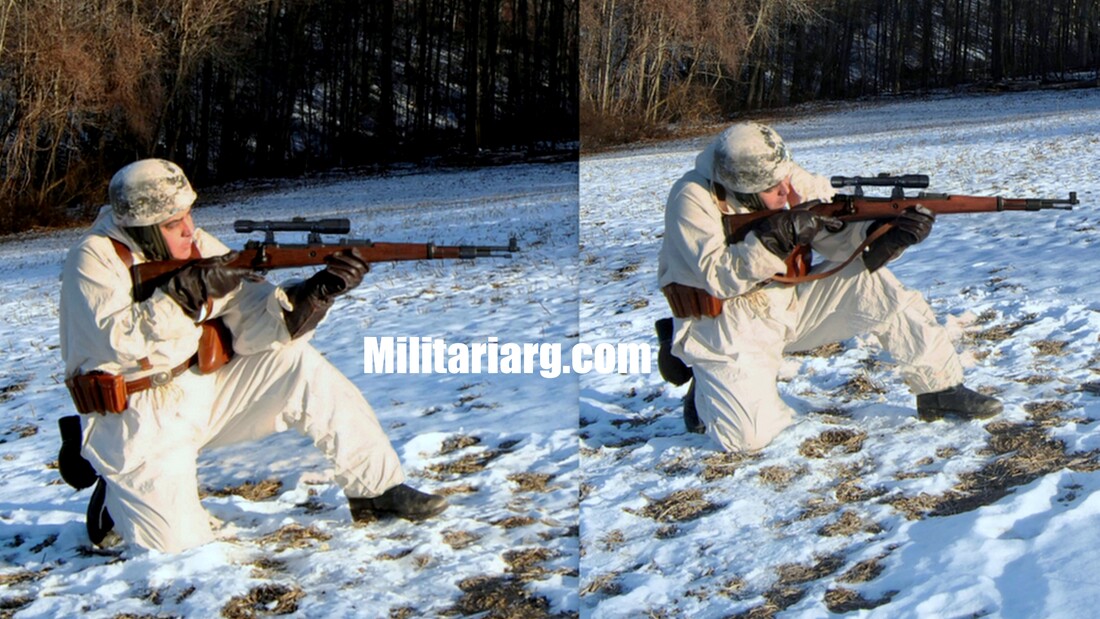
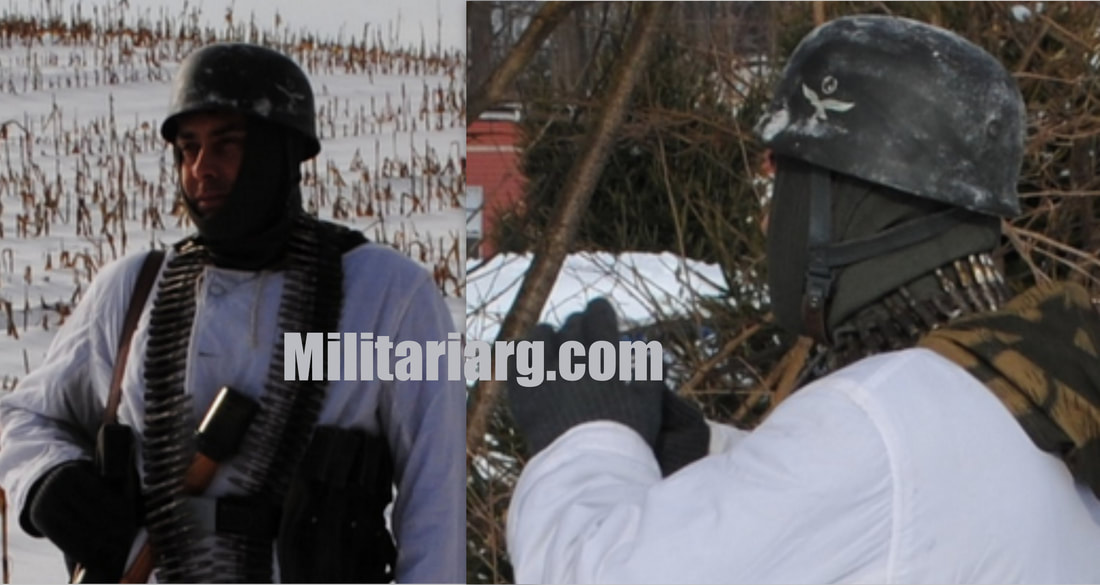
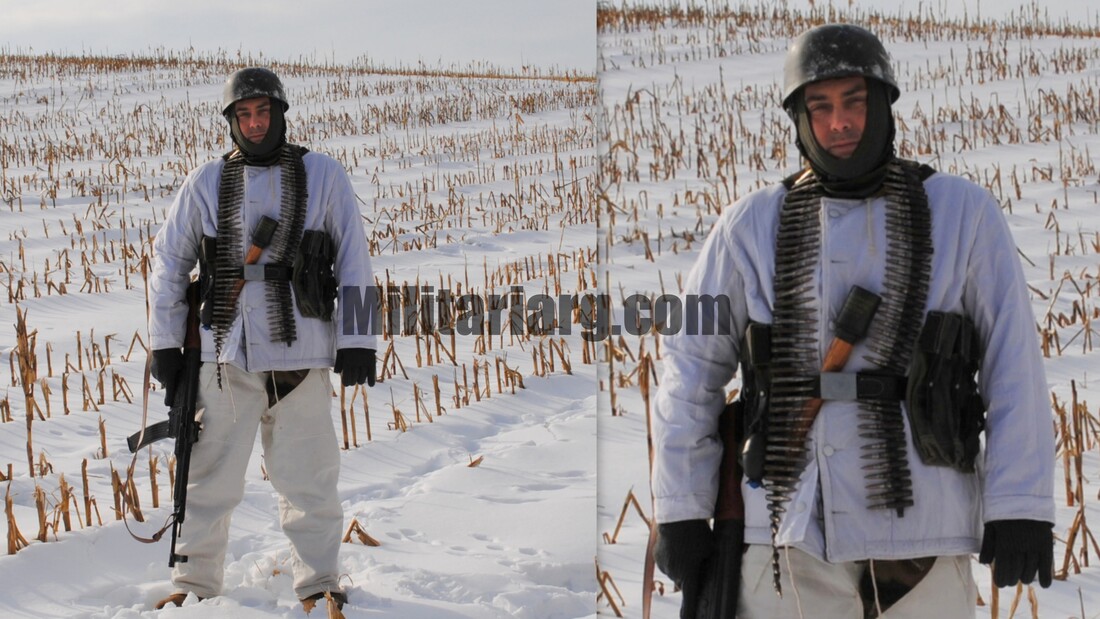
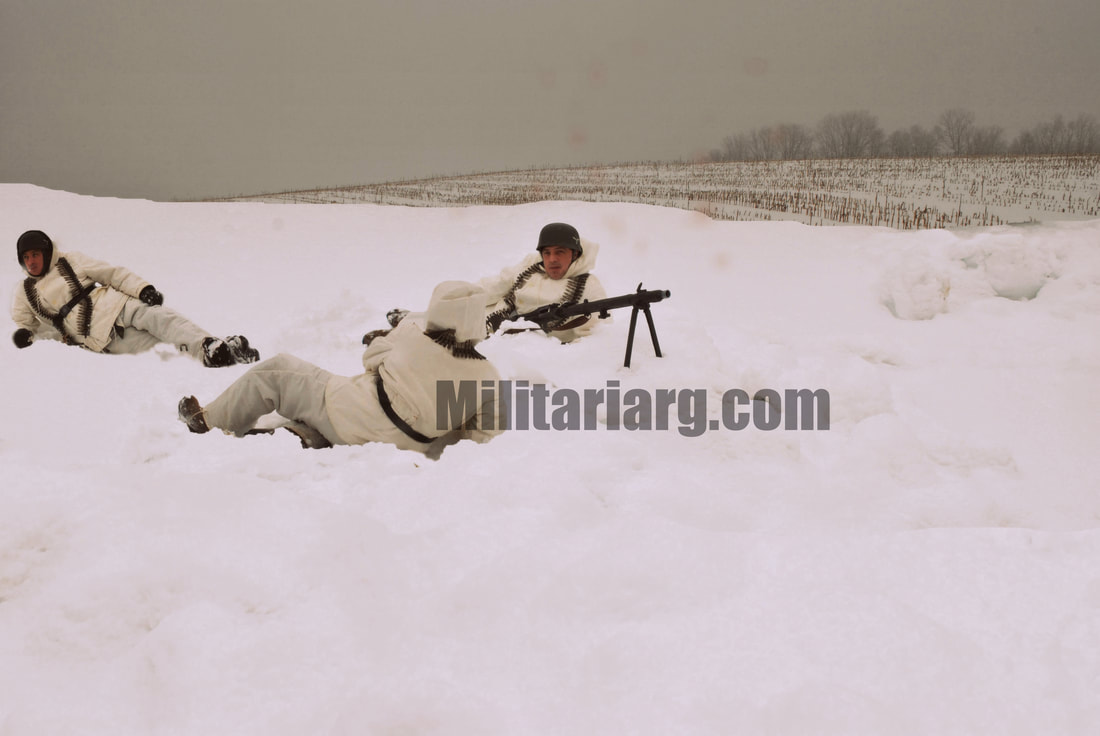
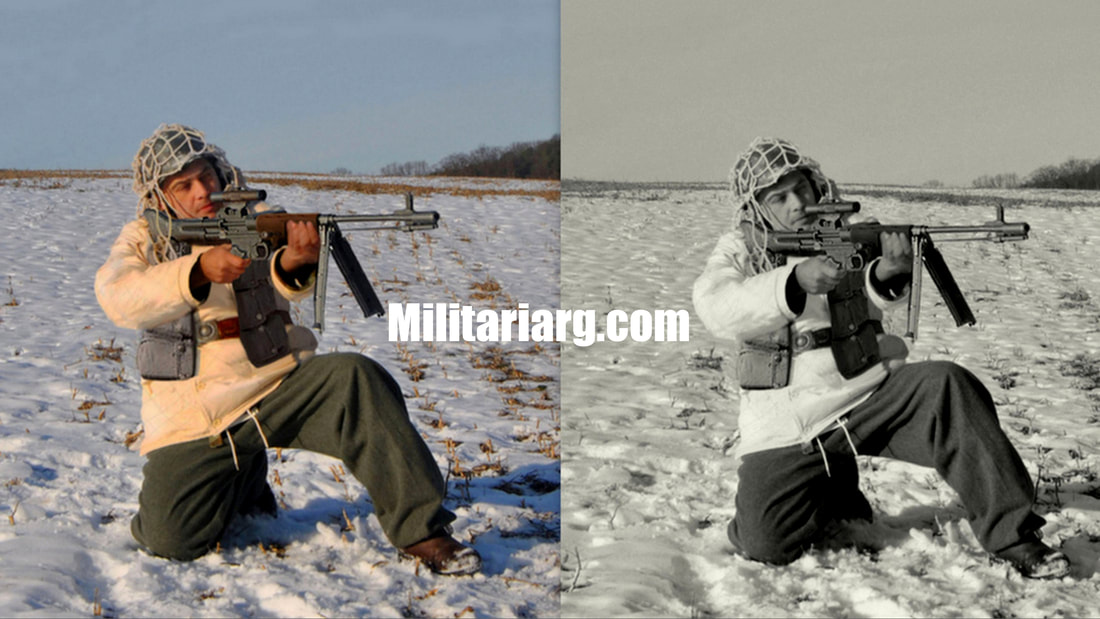
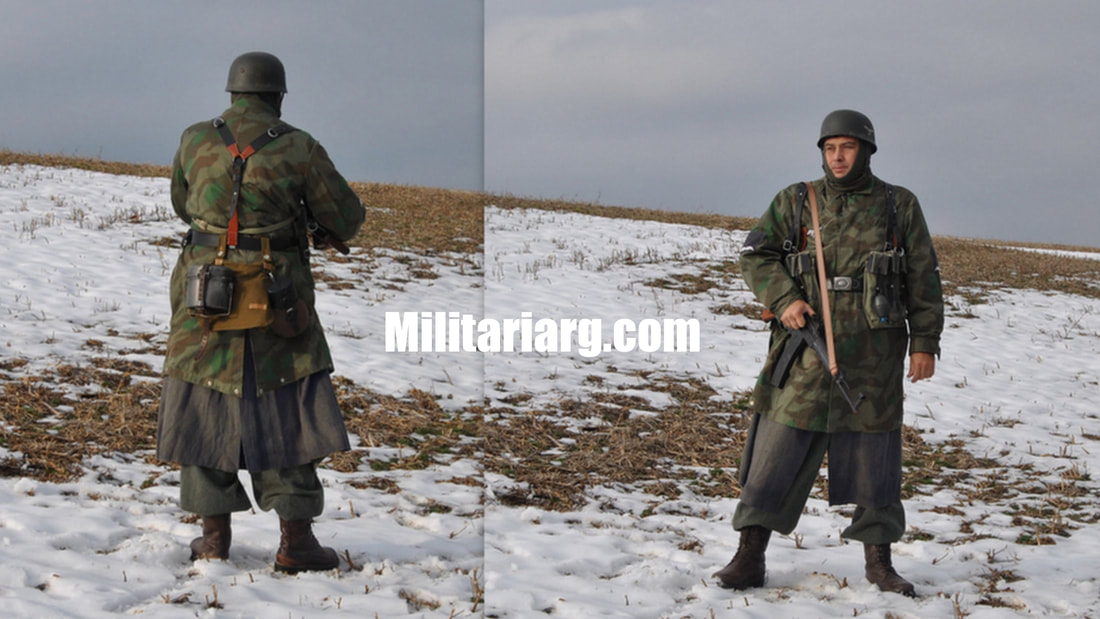
WWII german reversible snow camo set.
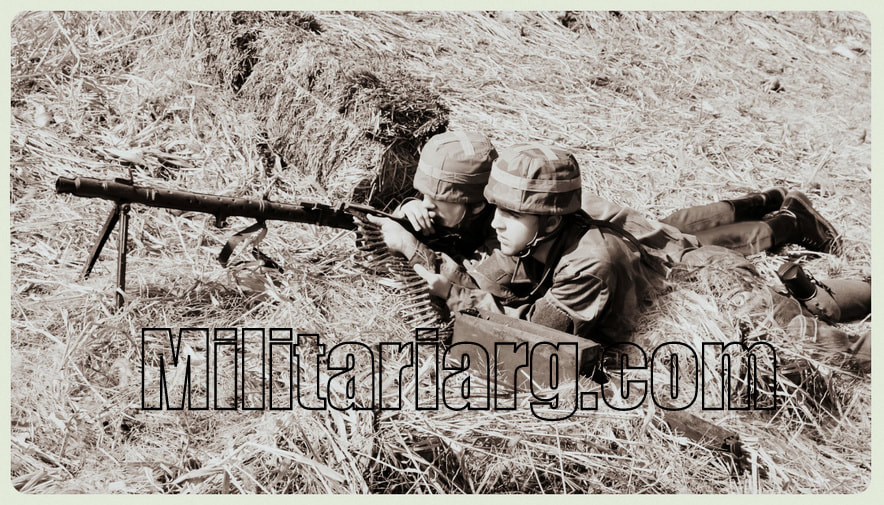
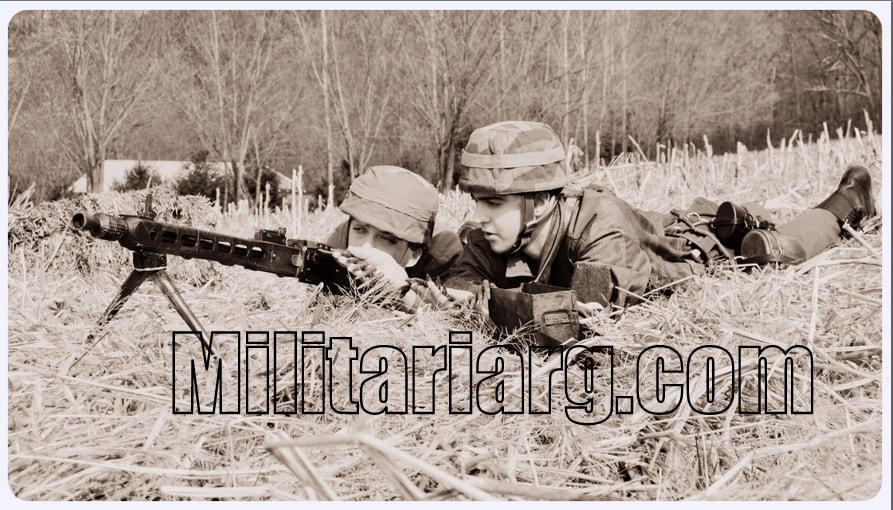
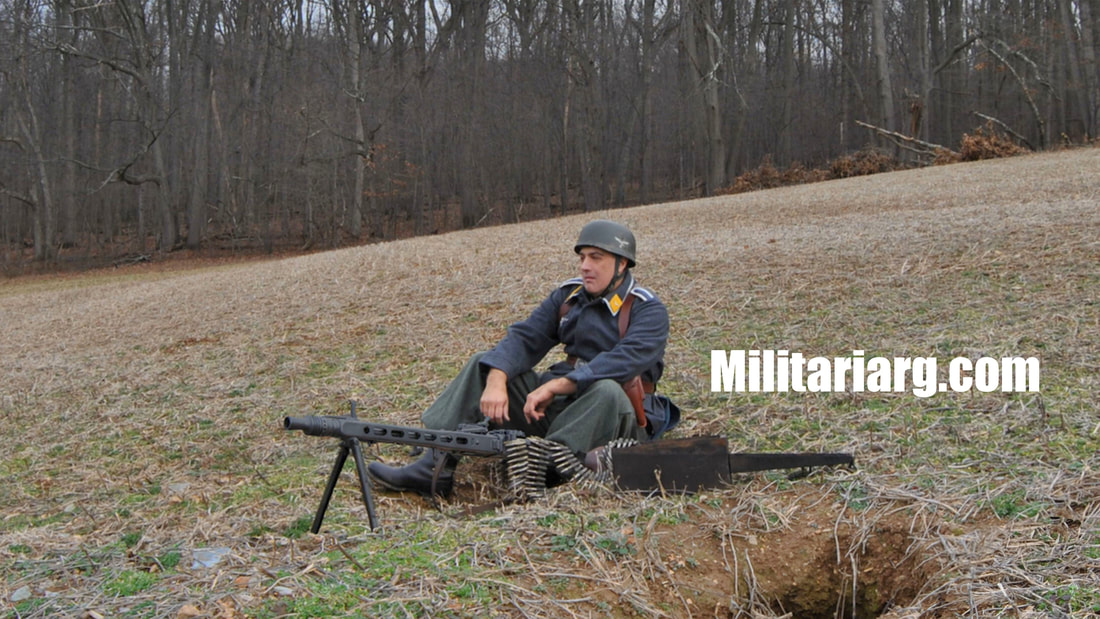
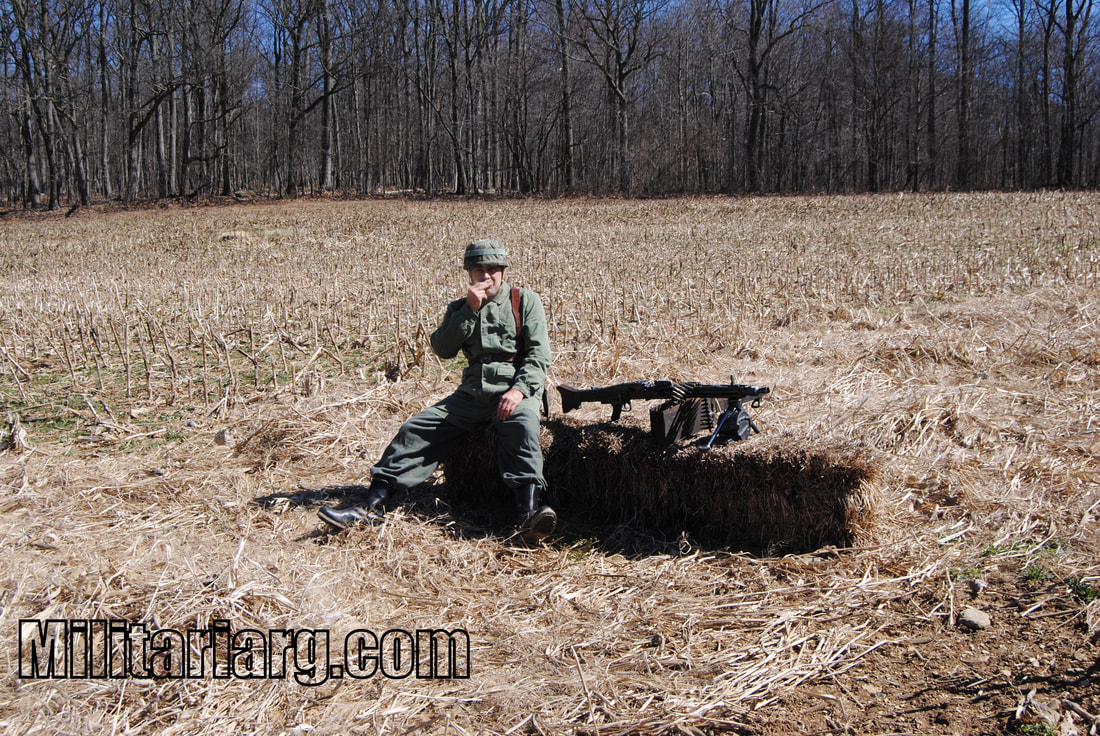
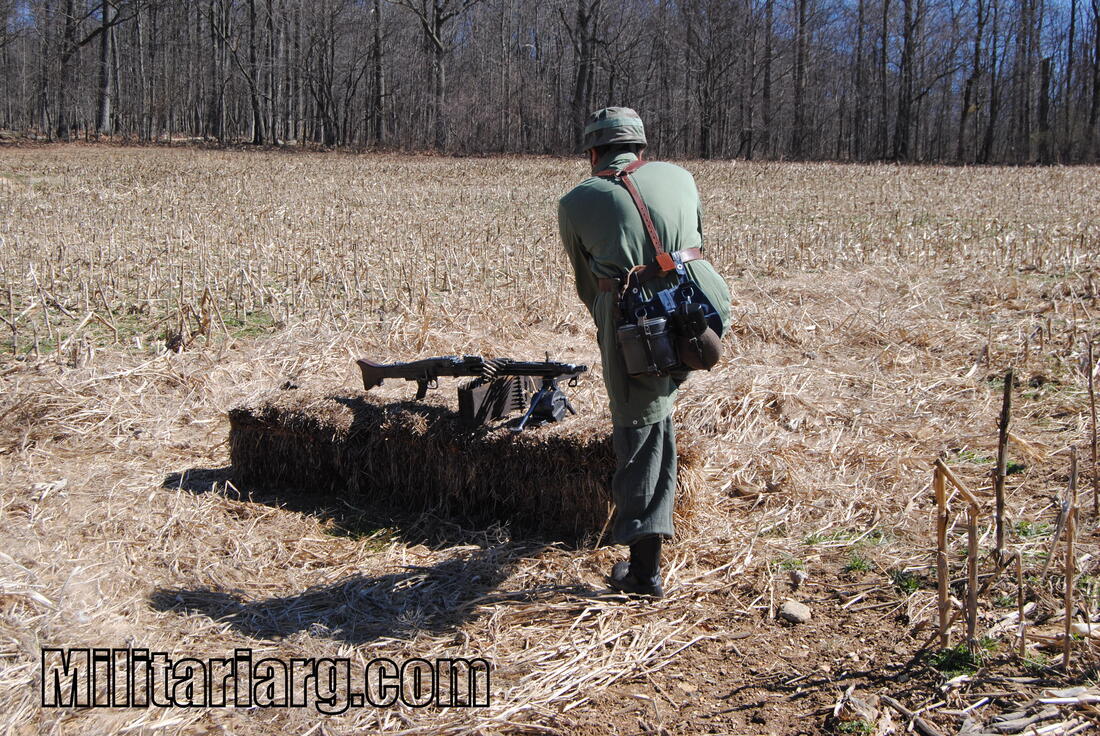
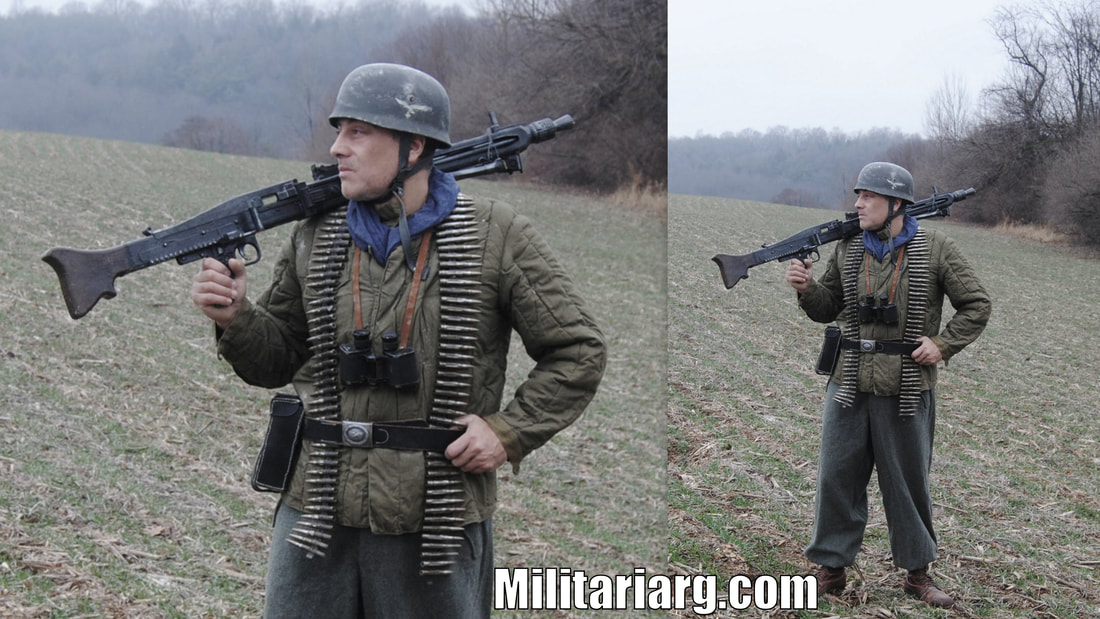
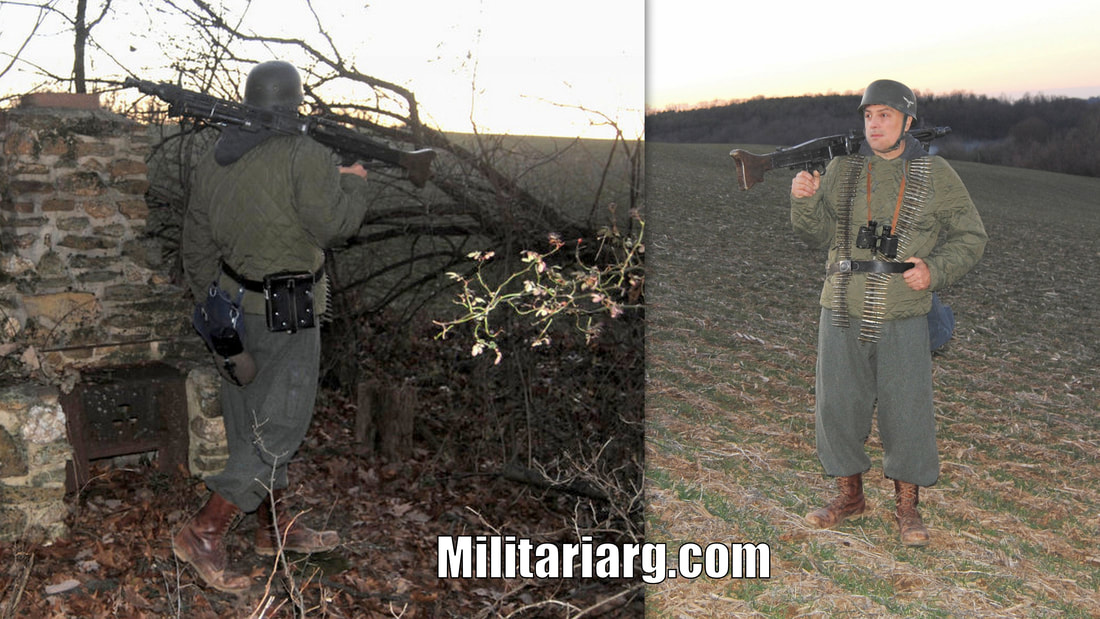
The MG42 (Maschinengewehr 42) was a legendary German general-purpose machine gun of World War II, best known for its extremely high rate of fire that earned it the nickname "Hitler's buzzsaw" among Allied troops.
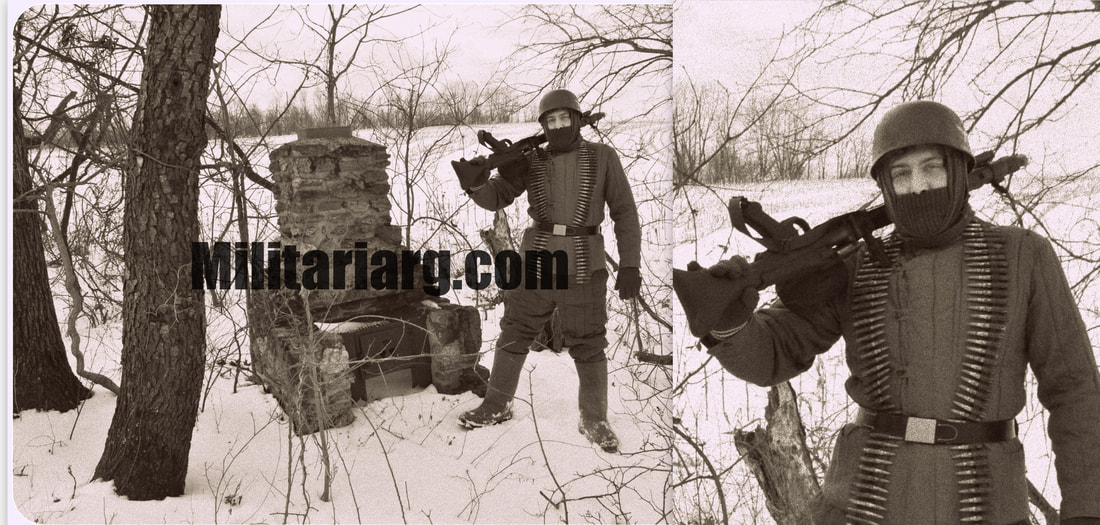
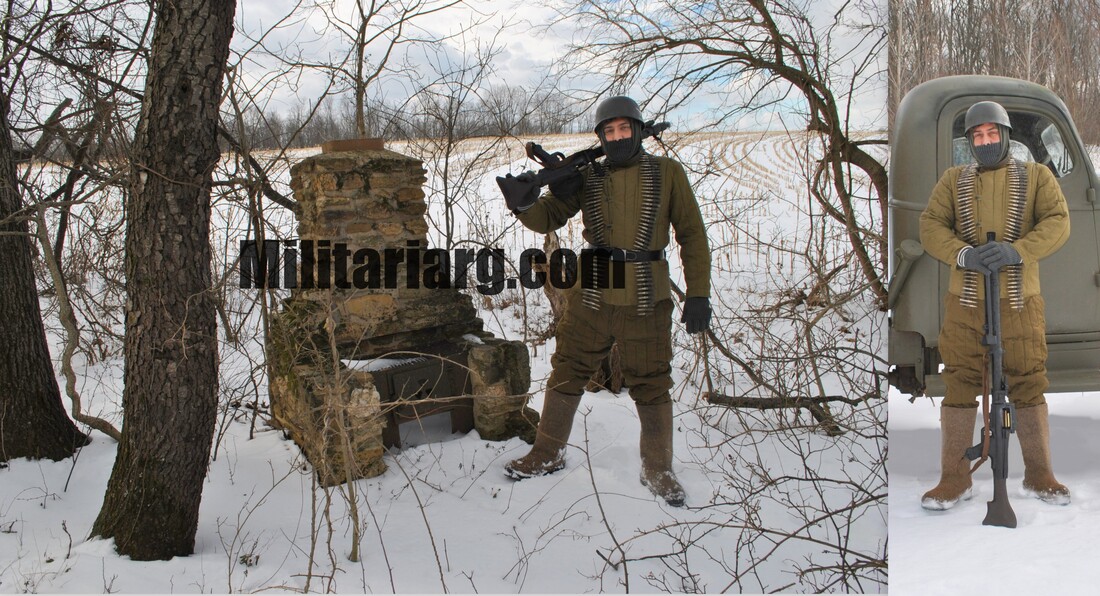
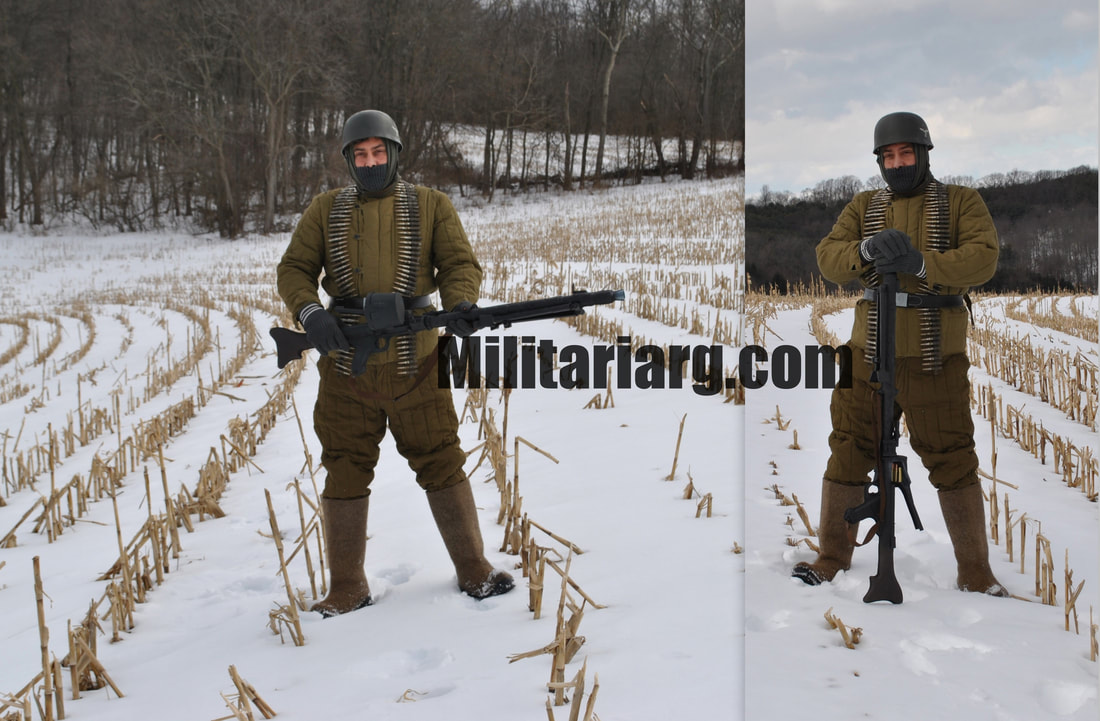
German Army widely made use of captured Soviet quilted clothing, known as the Telogreika (or Vatnik). This use was both unofficial and, later, a semi-official policy due to severe winter uniform shortages.
While the Fallschirmjäger were elite units with specialized equipment, the extreme cold and the initial failure of the German supply system to provide adequate winter gear forced them to scavenge.
I have not yet seen photos of its use with the Fallschirmjager but it could have been likely to be used for paratroopers as well
While the Fallschirmjäger were elite units with specialized equipment, the extreme cold and the initial failure of the German supply system to provide adequate winter gear forced them to scavenge.
I have not yet seen photos of its use with the Fallschirmjager but it could have been likely to be used for paratroopers as well
In the photo an original M38 shell refurbished with repro liner and chinstrap. The liner I had originally ordered from FJ Werke (one of the best that makes liners and chinstrap). But my order was delayed for six months. They were very busy at the time with more orders and jobs, but they kindly returned my money. With only a little percentage of what the FJ Werke liner cost, I was able to buy a liner from a Russian manufacturer. The Russian liner is comfortable and very solid, only the color is a little different from the originals.
For an original shell nothing better than an original liner, but for reenactment the closest thing to an original chinstrap liner are FJ Werke products. I had in my collection a complete helmet of them that I sold to a reenactor in Ukraine a few years ago. That FJ Werke replica could have fooled experts, since it was very close to an original. FJ Werke M38 helmets are widely regarded by reenactors and collectors as being among the finest museum-quality reproductions available on the market. They are known for their extremely accurate shape, correct materials, and attention to detail,
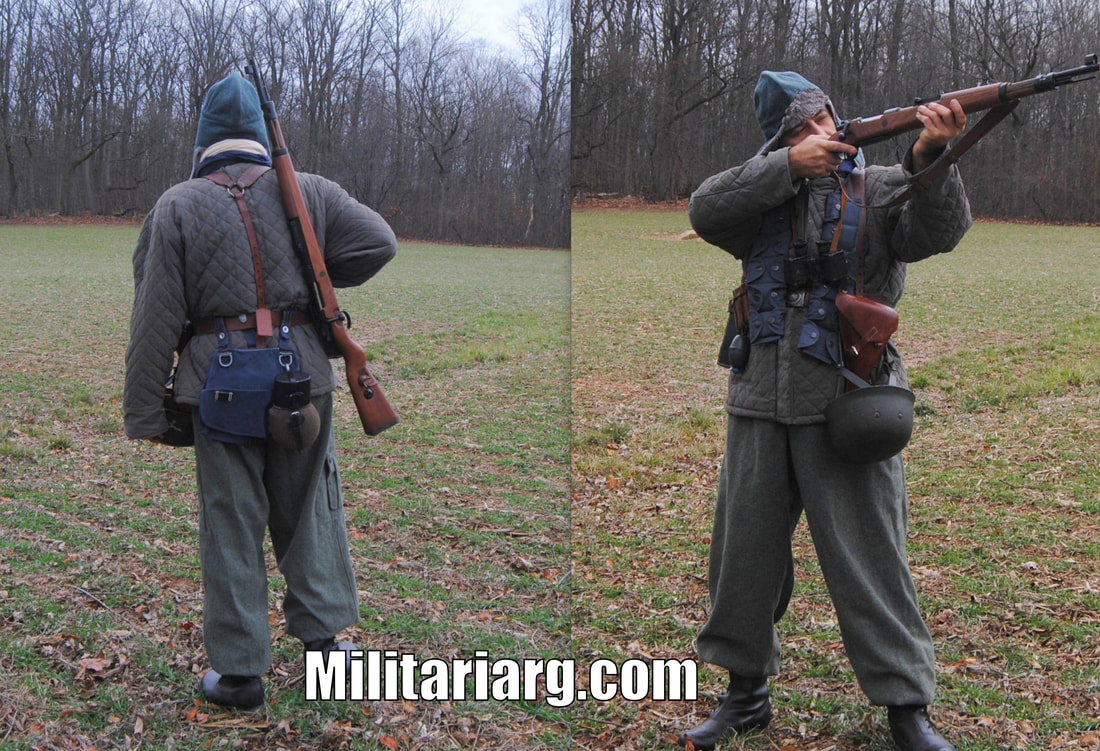
Eastern Front. Luftwaffe Padded Quilted Parka. Made by "Hikishop.biz"
While the Heer (Army) and Luftwaffe generally shared the same standardized design for the main body of the parka, there was a specific, less common Luftwaffe pattern sometimes called the "Diagonal Seam" or "Diagonal Stitch" parka.
The Luftwaffe's unique "diagonal reinforcement stitching" variation was likely a specific manufacturer's choice or an internal design modification within the Luftwaffe procurement system, rather than an imitation of a Soviet pattern.
This quilting pattern was a standard feature of the German reversible winter garments (Winteranzug) across all branches, including the Luftwaffe. The stitching served a functional purpose: it ensured that the thick wool or cotton padding insulation remained evenly distributed within the parka's layers, preventing it from bunching up and maintaining consistent warmth.
Home made LW winter parka.
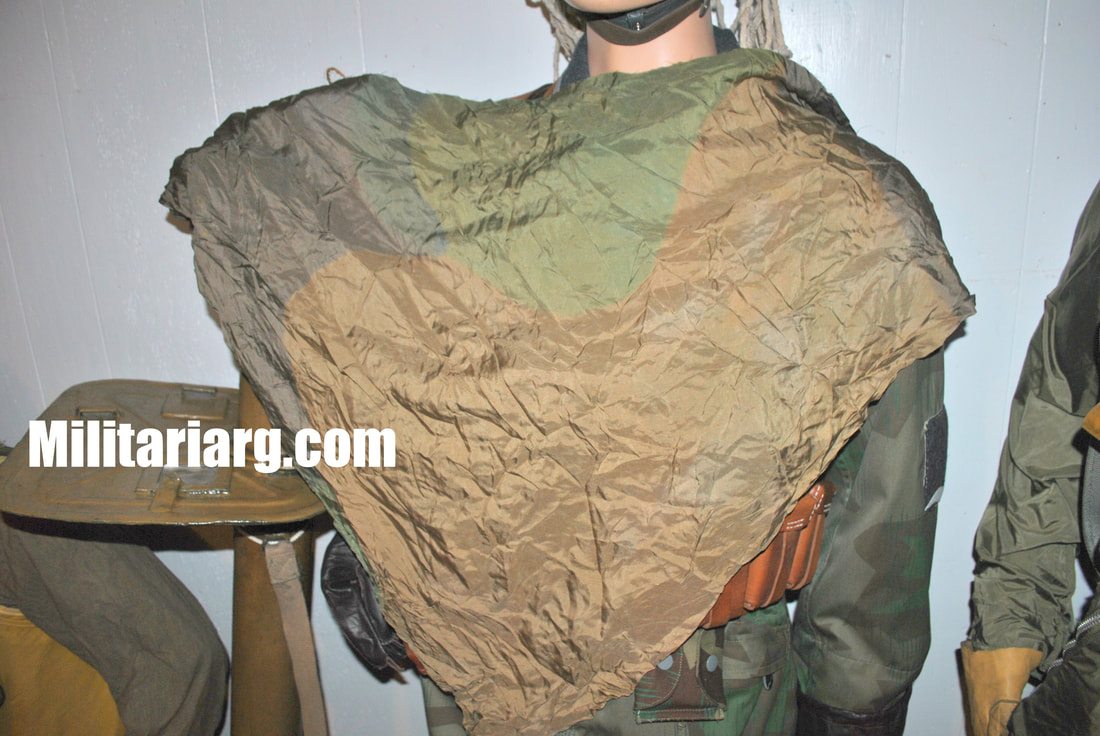
RZ20 Parachute Camo Canopy (Scarf)
The German RZ20 parachute was produced with a camouflage canopy, as well as in a plain white silk. The camouflage pattern was introduced around the time of the invasion of Crete in May 1941 to reduce visibility from enemy forces on the ground and in the air.
RZ20 Camouflage Pattern
Coloration: The camouflage pattern consisted of large, irregular blotches of mid-green/olive green and dark brown on a khaki or tan background.
Material: The canopy itself was made of silk.
Variation: Print samples varied widely, meaning no two parachutes were exactly the same, and the colors could blend to create new shades or appear nearly solid from a distance.
Post-War Use: Swatches of this unique camouflage silk were often cut by German and Allied soldiers alike for use as scarves, testament to its popularity and effectiveness. The material was also often re-used as improvised helmet covers.
These camouflaged canopies had 28 panels and were an important tactical innovation, departing from the easily visible white canopies used previously.
RZ20 Camouflage Pattern
Coloration: The camouflage pattern consisted of large, irregular blotches of mid-green/olive green and dark brown on a khaki or tan background.
Material: The canopy itself was made of silk.
Variation: Print samples varied widely, meaning no two parachutes were exactly the same, and the colors could blend to create new shades or appear nearly solid from a distance.
Post-War Use: Swatches of this unique camouflage silk were often cut by German and Allied soldiers alike for use as scarves, testament to its popularity and effectiveness. The material was also often re-used as improvised helmet covers.
These camouflaged canopies had 28 panels and were an important tactical innovation, departing from the easily visible white canopies used previously.
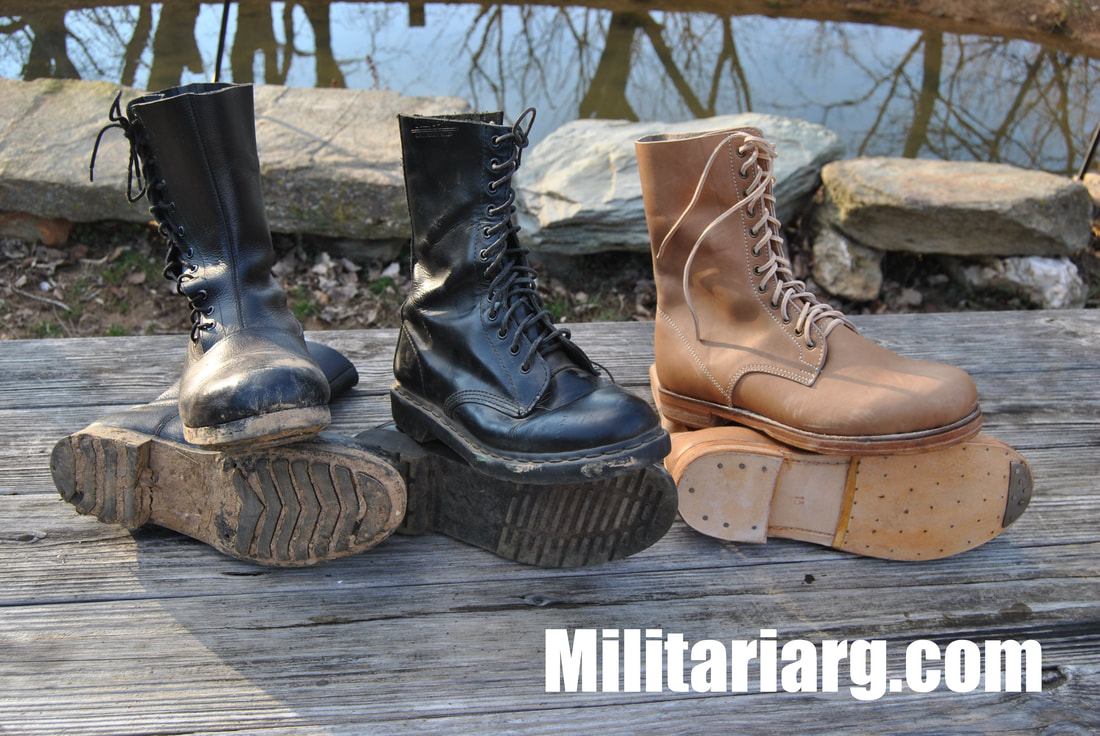
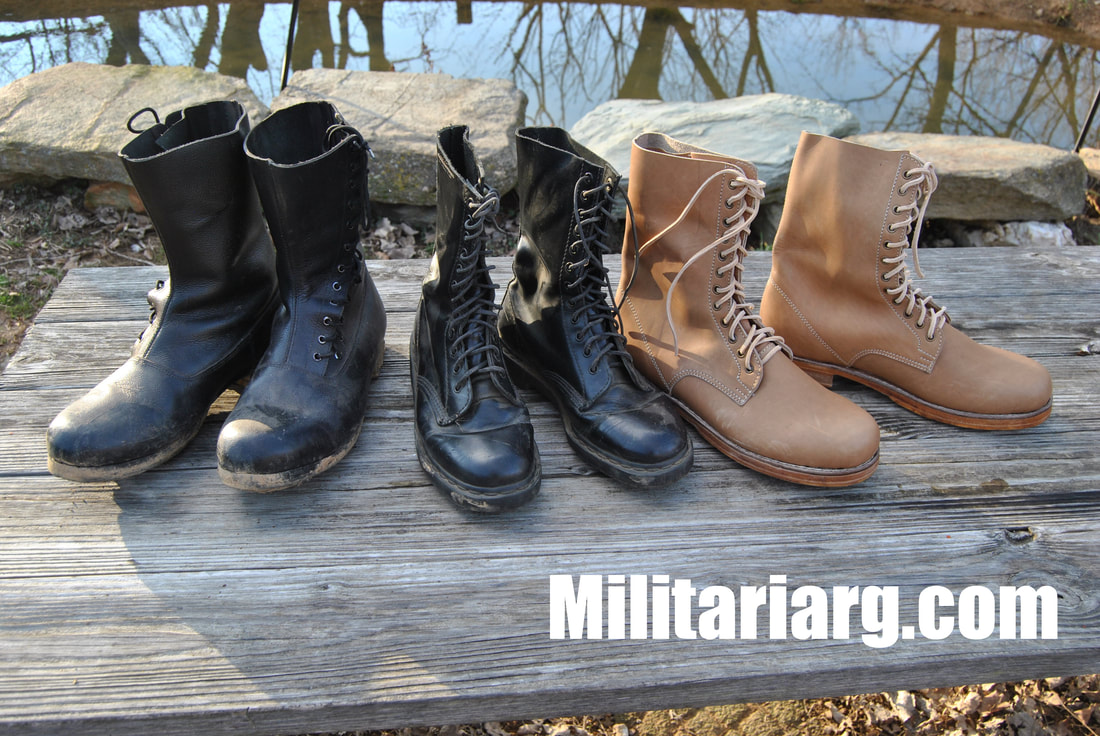
Fallschirmjager Boots, 1st 2nd Type. From Pakistan makers.
Photo: 1st Pattern On the left. On the middle and right the 2nd Pattern.
The German Fallschirmjäger used two primary patterns of specialized boots during World War II, both of which were distinct from standard Army infantry footwear due to the need for ankle support during parachute landings.
1. First Pattern (Early War: pre-1941)
This model is famous for its distinctive side-lacing system. The laces ran up the inner ankle side of the boot shaft.
Color: Typically made of brown, rough-out leather (though some later versions or field-dyed ones appeared black).
Sole: Featured tough leather soles, typically with hobnails and heel plates for traction and durability.
Function: They offered superior ankle support compared to Army jackboots and were designed to integrate with the early "step-in" jump smock.
2. Second Pattern (Mid- to Late War: post-1941)
This model transitioned to a more conventional front-lacing system, with 12 eyelets running up the front of the ankle. This change was an improvement in design that prevented ankle injuries.
Color: Generally made in brown leather, but black leather became more common, and many were field-dyed black.
Sole: Often utilized a durable rubber sole, but hobnail leather soles were also common, featuring nails and wooden pegs for attachment and tread.
This became the most common pattern of Fallschirmjäger boot and saw extensive use on all fronts.
Unlike American paratrooper boots, which had thick rubber soles, German boots retained more traditional construction methods, often incorporating hobnails or thick rubber soles depending on the manufacturing period.
The German Fallschirmjäger used two primary patterns of specialized boots during World War II, both of which were distinct from standard Army infantry footwear due to the need for ankle support during parachute landings.
1. First Pattern (Early War: pre-1941)
This model is famous for its distinctive side-lacing system. The laces ran up the inner ankle side of the boot shaft.
Color: Typically made of brown, rough-out leather (though some later versions or field-dyed ones appeared black).
Sole: Featured tough leather soles, typically with hobnails and heel plates for traction and durability.
Function: They offered superior ankle support compared to Army jackboots and were designed to integrate with the early "step-in" jump smock.
2. Second Pattern (Mid- to Late War: post-1941)
This model transitioned to a more conventional front-lacing system, with 12 eyelets running up the front of the ankle. This change was an improvement in design that prevented ankle injuries.
Color: Generally made in brown leather, but black leather became more common, and many were field-dyed black.
Sole: Often utilized a durable rubber sole, but hobnail leather soles were also common, featuring nails and wooden pegs for attachment and tread.
This became the most common pattern of Fallschirmjäger boot and saw extensive use on all fronts.
Unlike American paratrooper boots, which had thick rubber soles, German boots retained more traditional construction methods, often incorporating hobnails or thick rubber soles depending on the manufacturing period.
For me the best replica prices on the market are from Pakistan, especially from "chroniclemilitaria", although I recommend a good pair of strong stockings to wear this to avoid blisters.
Today there are very few original Fallschirmjager first pattern boots. To give you an idea of the value of the collector's market, a couple of them are worth € 44.975,00 - Us $52,415.69. Almost a new car for a pair of boots. The price is crazy, but they are only half a dozen real pairs known to exist. Obviously not for use in reenactments.
Italian Front. 1943 Gran Sasso Raid. 2nd Fallschirmjager Parachute Division.
Old Mil-Tec Sturm jump smock, nickname, "knochensack" or bone sack..
The color and material of the fabric is actually very close to an original M40 . However, there was an error in the design since the cut is of an M42.
The M40 Smock (Early War): This was the "step-in" style (no front zipper), often in the Grünmeliert color. It only had a few small internal pockets.
The M42/M43 Smock (Mid/Late War): This was the "step-out" style (full front zip or buttons), always made of Splinter B camouflage (or late-war solid green/tan). It featured the four large, slanted external pockets designed to be accessible while wearing equipment.
Mil-Tec likely hybrid design:
The "Mistake": The Mil-Tec smock combined the early-war color (Grünmeliert) with the late-war cut (M42 pockets), creating a configuration that never existed in the German Fallschirmjäger supply chain.
The color and material of the fabric is actually very close to an original M40 . However, there was an error in the design since the cut is of an M42.
The M40 Smock (Early War): This was the "step-in" style (no front zipper), often in the Grünmeliert color. It only had a few small internal pockets.
The M42/M43 Smock (Mid/Late War): This was the "step-out" style (full front zip or buttons), always made of Splinter B camouflage (or late-war solid green/tan). It featured the four large, slanted external pockets designed to be accessible while wearing equipment.
Mil-Tec likely hybrid design:
The "Mistake": The Mil-Tec smock combined the early-war color (Grünmeliert) with the late-war cut (M42 pockets), creating a configuration that never existed in the German Fallschirmjäger supply chain.
The official German name for the ammunition bandolier is the Patronenbandolier (or Patronenbandulier).
When specifically referring to the variant designed for the FG42, it is often called the FG42-Bandolier or Magazinbandolier, as it was uniquely constructed with larger pockets to hold the 20-round box magazines rather than the standard 5-round stripper clips.
Unlike the standard infantry bandolier which held 100 rounds in stripper clips across 12 pockets, the FG42 version typically featured 8 large pockets specifically sized for the rifle's side-mounted magazines.
Replicas of the unique FG42 ammunition bandolier are available on the market from various militaria reproduction suppliers, generally in three main color/camouflage patterns: Splinter B camo, Tan/Water camo, and solid Blue-Gray.
Home made replica. It was made in house with Splinter-A fabric purchased from China. The quality is acceptable as for reenactment, not for decorating a mannequin with original stuff.
When specifically referring to the variant designed for the FG42, it is often called the FG42-Bandolier or Magazinbandolier, as it was uniquely constructed with larger pockets to hold the 20-round box magazines rather than the standard 5-round stripper clips.
Unlike the standard infantry bandolier which held 100 rounds in stripper clips across 12 pockets, the FG42 version typically featured 8 large pockets specifically sized for the rifle's side-mounted magazines.
Replicas of the unique FG42 ammunition bandolier are available on the market from various militaria reproduction suppliers, generally in three main color/camouflage patterns: Splinter B camo, Tan/Water camo, and solid Blue-Gray.
Home made replica. It was made in house with Splinter-A fabric purchased from China. The quality is acceptable as for reenactment, not for decorating a mannequin with original stuff.
Home made FG-42 Patronenbandolier (Bandolier ammo) in blue color.
The skepticism from some collectors is based on the extreme rarity of original FG42 bandoliers and a historical transition in Luftwaffe equipment. However, authoritative sources and museum records confirm that blue-gray bandoliers did exist, though they were quickly superseded by camouflage versions. However, it is not advisable to use these FG42 bandoliers in blue, but in camo, Splinter-B LW or Sumpftarn.
Fallschirmjager Late War
The standard reversible "mause gra" reversible snow parka.
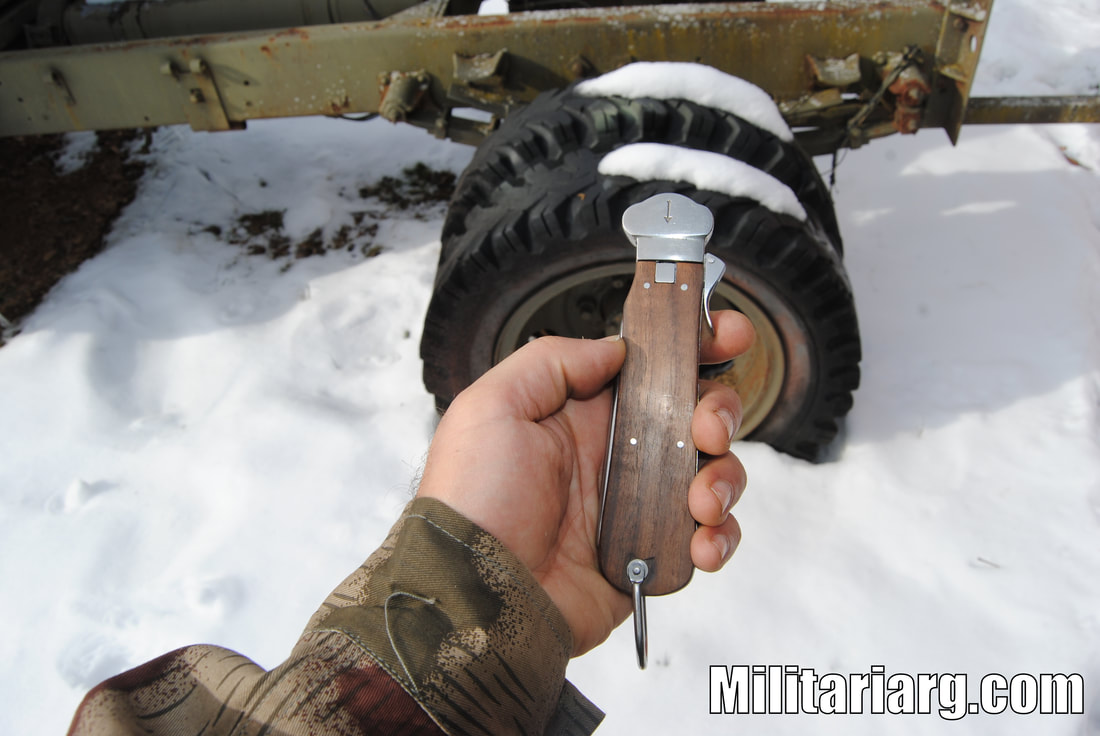
Fallchirmjager Gravity Knife
The Fallschirmjäger gravity knife (officially Fliegerkappmesser or "fliers folding knife") was a specialized survival tool issued to all Luftwaffe aircrews, including paratroopers, designed for one-handed operation in emergencies.
Design and Functionality
Gravity Mechanism: The blade slides out of the handle using the force of gravity (or a flick of the wrist) after a side lever or button is released. This allowed a paratrooper with a potentially broken arm or tangled lines to quickly deploy the blade using only one hand.
Primary Purpose: The main purpose was to cut through tangled parachute shroud lines or harnesses, which could happen during a landing in trees or water.
Marlin Spike: The knife also featured a separate, large marlin spike tool housed in the side, used for untangling stubborn knots in parachute cords during packing or field use.
Lanyard Loop: A swiveling U-shaped loop at the butt end allowed for a lanyard to be attached, preventing the loss of the knife if dropped during a jump or in the field.
Models and Variations
Two main variants are recognized by collectors:
Type 1 (Early War): Introduced around 1937, this version had a single, fixed internal mechanism and could not be easily disassembled for cleaning.
Type 2 (Mid- to Late War): Introduced in 1943, this model featured a "take-down" design that could be easily disassembled into its main components for cleaning and maintenance in the field.
Materials: Both types typically featured walnut wood handles and a stainless steel blade (Rostfrei stamped on the blade) and were marked with the Luftwaffe acceptance mark (Luftamt or "droop winged eagle" stamp)
Design and Functionality
Gravity Mechanism: The blade slides out of the handle using the force of gravity (or a flick of the wrist) after a side lever or button is released. This allowed a paratrooper with a potentially broken arm or tangled lines to quickly deploy the blade using only one hand.
Primary Purpose: The main purpose was to cut through tangled parachute shroud lines or harnesses, which could happen during a landing in trees or water.
Marlin Spike: The knife also featured a separate, large marlin spike tool housed in the side, used for untangling stubborn knots in parachute cords during packing or field use.
Lanyard Loop: A swiveling U-shaped loop at the butt end allowed for a lanyard to be attached, preventing the loss of the knife if dropped during a jump or in the field.
Models and Variations
Two main variants are recognized by collectors:
Type 1 (Early War): Introduced around 1937, this version had a single, fixed internal mechanism and could not be easily disassembled for cleaning.
Type 2 (Mid- to Late War): Introduced in 1943, this model featured a "take-down" design that could be easily disassembled into its main components for cleaning and maintenance in the field.
Materials: Both types typically featured walnut wood handles and a stainless steel blade (Rostfrei stamped on the blade) and were marked with the Luftwaffe acceptance mark (Luftamt or "droop winged eagle" stamp)
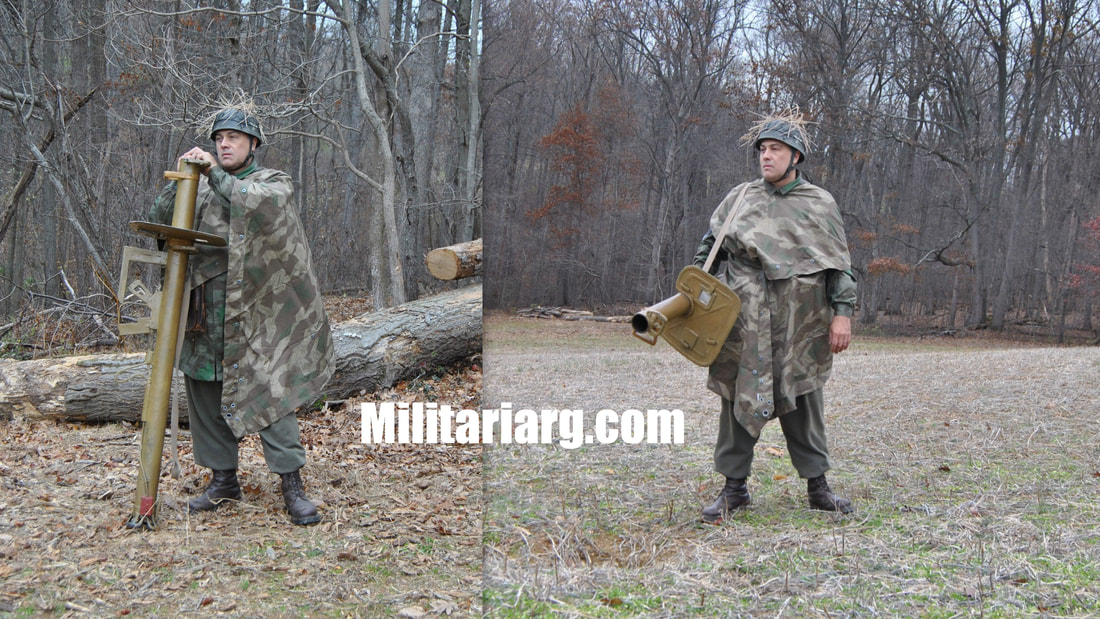
M42 Fallschirmjager jump smock. Sumpftarn samp, marsh 43 pattern camo. Replica made by "MilitaryHarbor".
M42 Jump smock. M44 marsh pattern. Made in China.
Replica M42 Fallschirmjager jump smock. Sumpftarn marsh or swamp 44 pattern camo. From unknown Chinese manufacturer.
M45 Linen Supmftarn Camo Jacket Replica by IMA USA.
The M45 Sumpftarn (Marsh Camouflage) jacket was a late-war German military garment, and some surviving originals and high-quality reproductions are made of linen, which was used due to wartime material shortages and provided a lightweight, durable fabric.
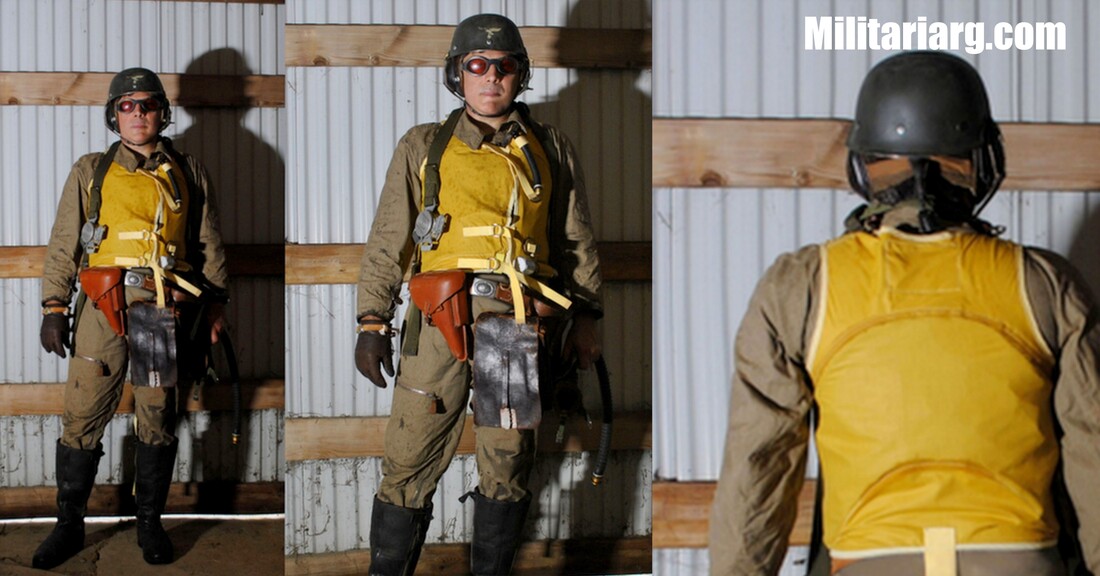
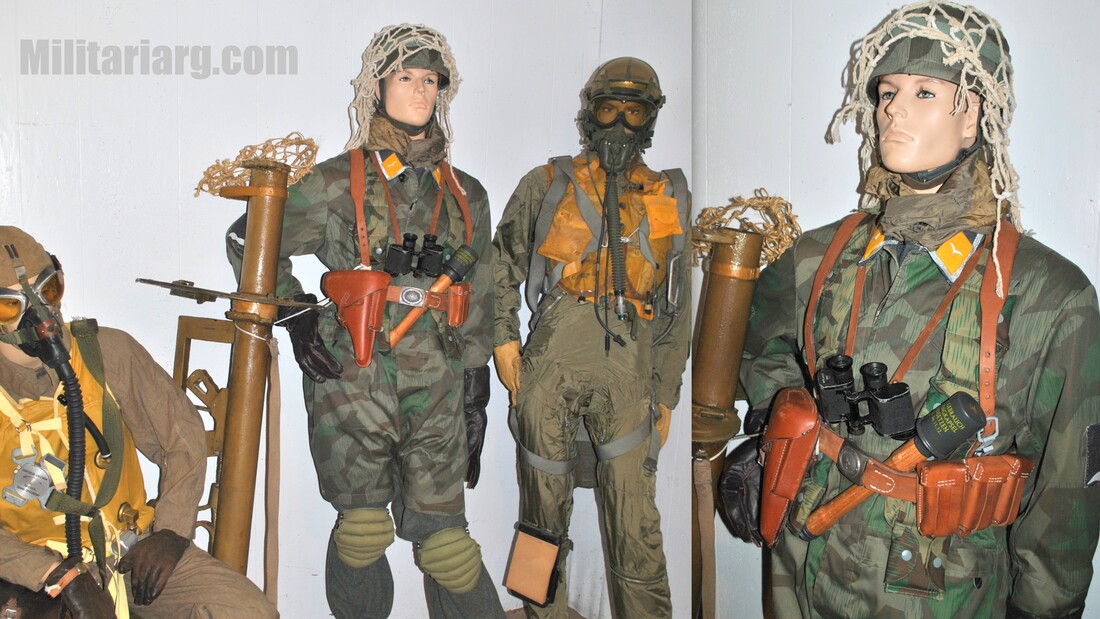
WW2 Luftwaffe Pilot Aircrew Uniform Reenactment
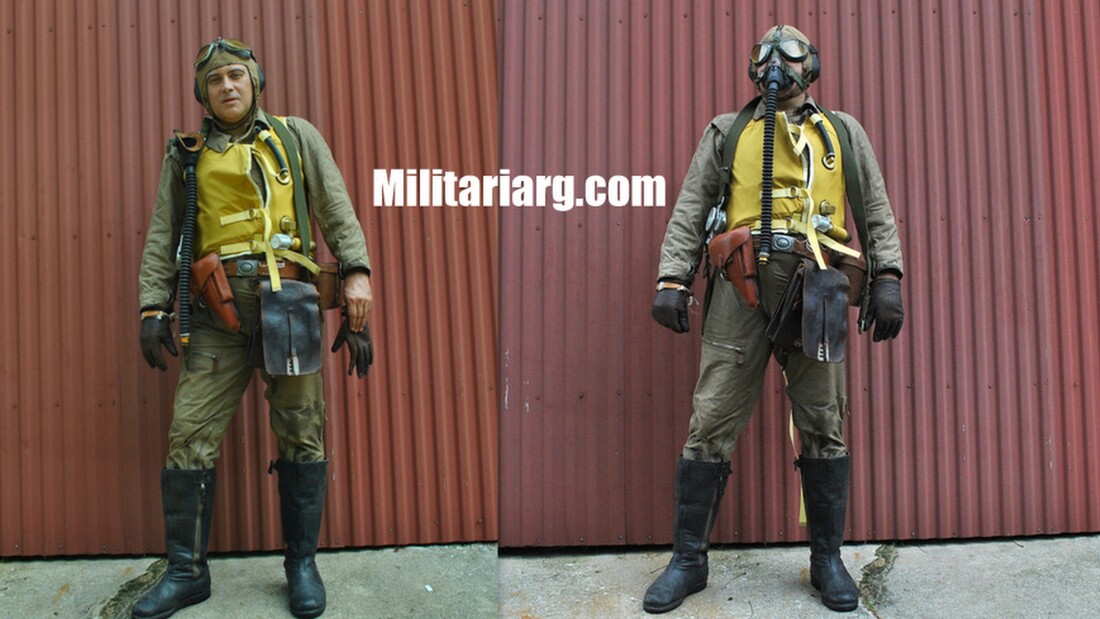
Luftwaffe schwimmwest life ves replica. Probably made by "Wartime-Remade. UK".
1940. Battle of Britain
The Luftwaffe's campaign during the Battle of Britain was an attempt to gain air superiority over the UK in 1940 as a prerequisite for a planned sea invasion (Operation Sea Lion). It failed to defeat the Royal Air Force (RAF) Fighter Command, marking Nazi Germany's first major military defeat in World War II.
Luftwaffe Organization and Strategy
The Luftwaffe, commanded by Hermann Göring, was organized into three "Air Fleets" (Luftflotten) positioned around Britain's coast:
Luftflotte 2 (Field Marshal Albert Kesselring): Targeted southeast England and the London area.
Luftflotte 3 (Field Marshal Hugo Sperrle): Focused on the West Country, Midlands, and northwest England.
Luftflotte 5 (General Hans-Jürgen Stumpff): Launched diversionary attacks from Norway and Denmark against northern England and Scotland.
The core objective was to eliminate the RAF, initially by targeting coastal shipping and ports (Kanalkampf), then shifting to RAF airfields, infrastructure, and radar stations (Adlerangriff, or "Eagle Attack"), and finally resorting to mass bombing of cities, known as the "Blitz".
Key Aircraft
The Luftwaffe primarily utilized the following aircraft:
Messerschmitt Bf 109E: The primary single-engine fighter, considered arguably the best in the world at the time. It was a match for the Spitfire in some respects but was limited by a short operational range over Britain, providing only brief cover for bombers.
Heinkel He 111, Dornier Do 17, and Junkers Ju 88: These were the main twin-engine medium bombers. They proved vulnerable to RAF fighters in daylight due to weak defensive armament and insufficient speed.
Junkers Ju 87 "Stuka": This dive-bomber, highly successful in earlier campaigns, suffered heavy losses when faced with organized fighter opposition and was largely withdrawn from the battle after August 1940.
Messerschmitt Bf 110: Designed as a heavy, long-range escort fighter, it lacked the maneuverability to defend against nimble RAF single-engine fighters and also suffered heavy losses.
The Luftwaffe suffered from crucial intelligence failures (underestimating RAF strength and the effectiveness of the Dowding System network of radar and ground control) and inconsistent strategy. The shift from attacking RAF airfields to bombing London in September 1940 gave Fighter Command a much-needed respite. By mid-September, the RAF had demonstrated it could not be defeated, leading Hitler to postpone and eventually cancel Operation Sea Lion indefinitely.
The Luftwaffe's campaign during the Battle of Britain was an attempt to gain air superiority over the UK in 1940 as a prerequisite for a planned sea invasion (Operation Sea Lion). It failed to defeat the Royal Air Force (RAF) Fighter Command, marking Nazi Germany's first major military defeat in World War II.
Luftwaffe Organization and Strategy
The Luftwaffe, commanded by Hermann Göring, was organized into three "Air Fleets" (Luftflotten) positioned around Britain's coast:
Luftflotte 2 (Field Marshal Albert Kesselring): Targeted southeast England and the London area.
Luftflotte 3 (Field Marshal Hugo Sperrle): Focused on the West Country, Midlands, and northwest England.
Luftflotte 5 (General Hans-Jürgen Stumpff): Launched diversionary attacks from Norway and Denmark against northern England and Scotland.
The core objective was to eliminate the RAF, initially by targeting coastal shipping and ports (Kanalkampf), then shifting to RAF airfields, infrastructure, and radar stations (Adlerangriff, or "Eagle Attack"), and finally resorting to mass bombing of cities, known as the "Blitz".
Key Aircraft
The Luftwaffe primarily utilized the following aircraft:
Messerschmitt Bf 109E: The primary single-engine fighter, considered arguably the best in the world at the time. It was a match for the Spitfire in some respects but was limited by a short operational range over Britain, providing only brief cover for bombers.
Heinkel He 111, Dornier Do 17, and Junkers Ju 88: These were the main twin-engine medium bombers. They proved vulnerable to RAF fighters in daylight due to weak defensive armament and insufficient speed.
Junkers Ju 87 "Stuka": This dive-bomber, highly successful in earlier campaigns, suffered heavy losses when faced with organized fighter opposition and was largely withdrawn from the battle after August 1940.
Messerschmitt Bf 110: Designed as a heavy, long-range escort fighter, it lacked the maneuverability to defend against nimble RAF single-engine fighters and also suffered heavy losses.
The Luftwaffe suffered from crucial intelligence failures (underestimating RAF strength and the effectiveness of the Dowding System network of radar and ground control) and inconsistent strategy. The shift from attacking RAF airfields to bombing London in September 1940 gave Fighter Command a much-needed respite. By mid-September, the RAF had demonstrated it could not be defeated, leading Hitler to postpone and eventually cancel Operation Sea Lion indefinitely.