Standard Elektrik Lorenz (S.E.L.) SEM-35
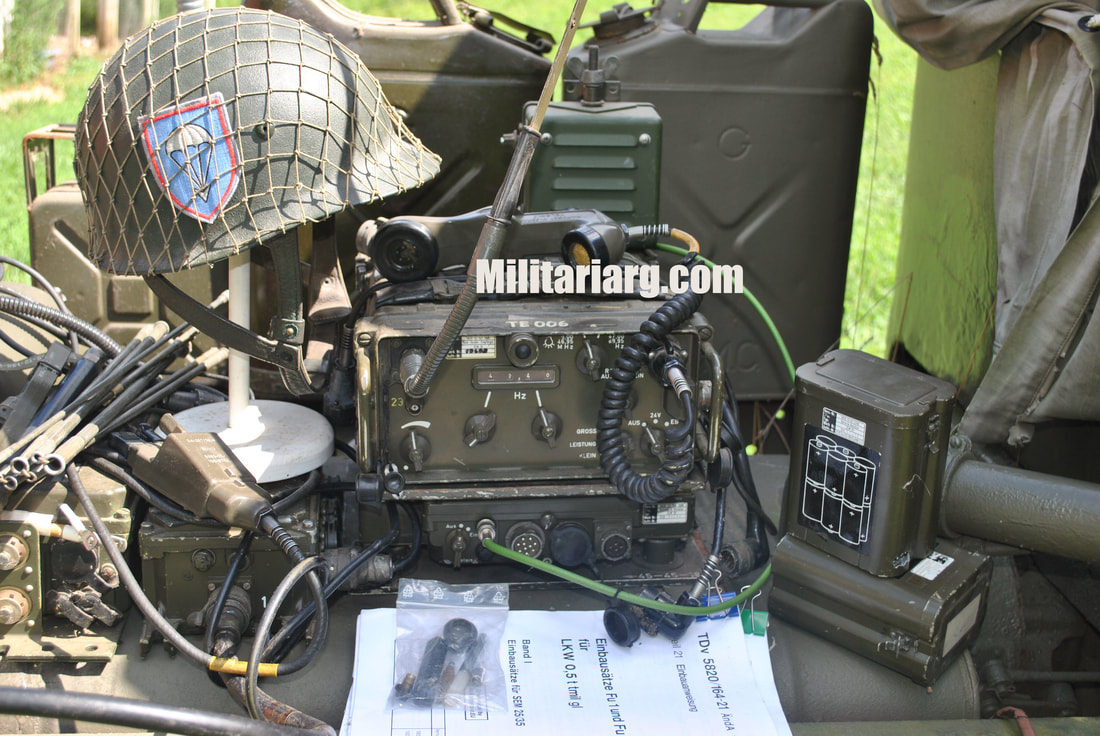
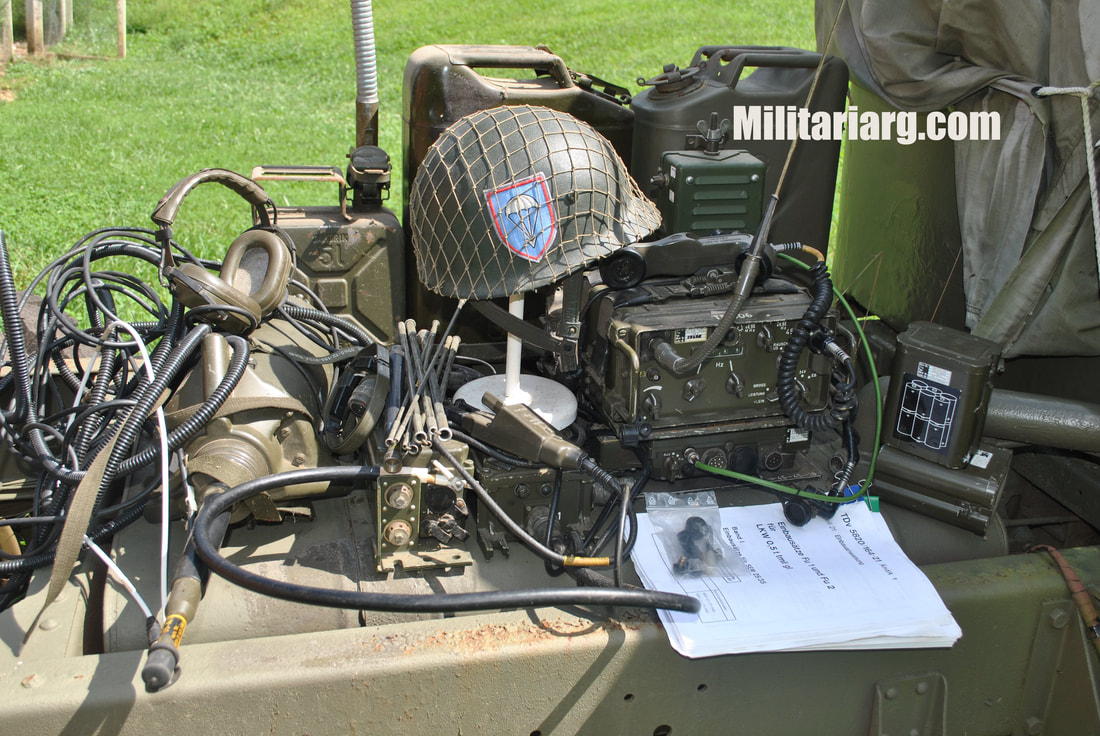
The SEM 35 was developed in the late 1950s/early 1960s and was one of the first major military radio systems the German industry was allowed to develop itself after World War II. It replaced the older, U.S.-designed PRC-8, PRC-9, and PRC-10 radios within the Bundeswehr. It saw widespread service throughout the Cold War and was used by other European military forces as well.
It is a fully transistorized backpack radio, also adaptable for vehicle or bunker use with a specialized mounting plate.
Frequency Range: Covers the frequency range of 26.00 to 69.95 MHz, with 880 channels spaced by 50 kHz steps.
Power Output: Selectable between 1 Watt or 150 mW, which was sufficient for short-range communication in rough conditions.
Power Supply: Designed to run on internal standard D-cell batteries or external 24V DC sources, which was considered an advantage over US radios that required special batteries.
Robustness: The SEM 35 is known for being extremely well-built, rugged, and durable, often described as mechanically stronger than its US counterparts like the PRC-25 and PRC-77.
Antennas: Used both a 1-meter "short" tape whip and a 2.5-meter "long" self-erecting whip antenna.
Frequency Range: Covers the frequency range of 26.00 to 69.95 MHz, with 880 channels spaced by 50 kHz steps.
Power Output: Selectable between 1 Watt or 150 mW, which was sufficient for short-range communication in rough conditions.
Power Supply: Designed to run on internal standard D-cell batteries or external 24V DC sources, which was considered an advantage over US radios that required special batteries.
Robustness: The SEM 35 is known for being extremely well-built, rugged, and durable, often described as mechanically stronger than its US counterparts like the PRC-25 and PRC-77.
Antennas: Used both a 1-meter "short" tape whip and a 2.5-meter "long" self-erecting whip antenna.
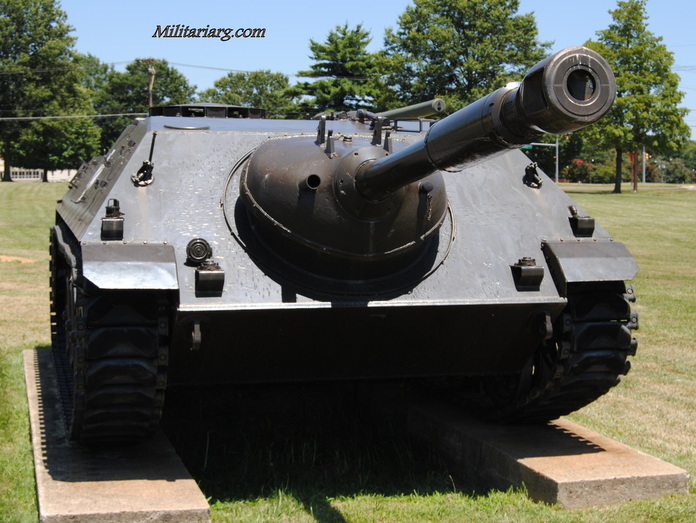
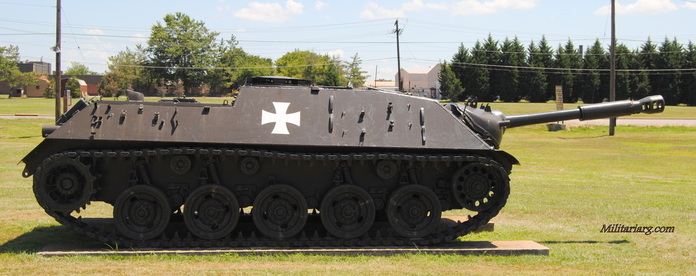
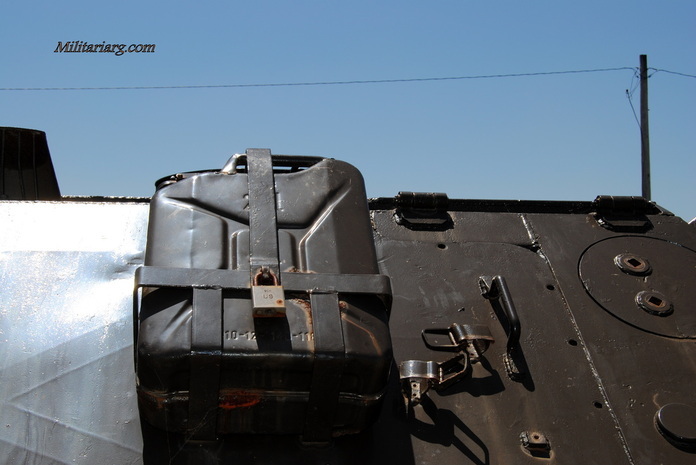
Kanonenjagdpanzer
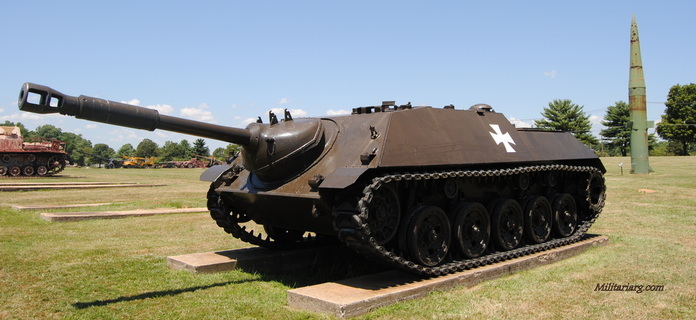
Armament 1 x Rheinmetall BK 90/L40 90mm anti-tank gun. 2 x 7.62mm Machineguns. 8 x smoke dischargers
Maximun Speed : 44 mph
Armament 1 x Rheinmetall BK 90/L40 90mm anti-tank gun. 2 x 7.62mm Machineguns. 8 x smoke dischargers
Maximun Speed : 44 mph
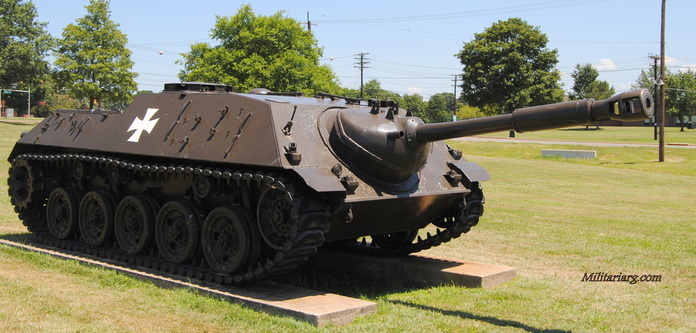
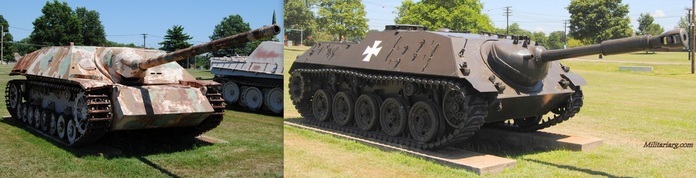
Left: WWII Jadgpanzer IV. Right: Post-War Jagdpanzer Kanone 90mm
The Kanonenjagdpanzer 4 - 5 (also known as Jagdpanzer Kanone 90mm, or tank destroyer, gun) was a German Cold War tank destroyer equipped with a 90mm anti-tank gun, which remained from the outphased M47 Patton tanks. Its design was very similar to that of the World War II Jagdpanzer IV.
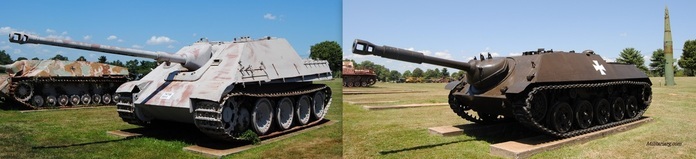
Left: Jadgpanther. Right: Kanonenjagdpanzer
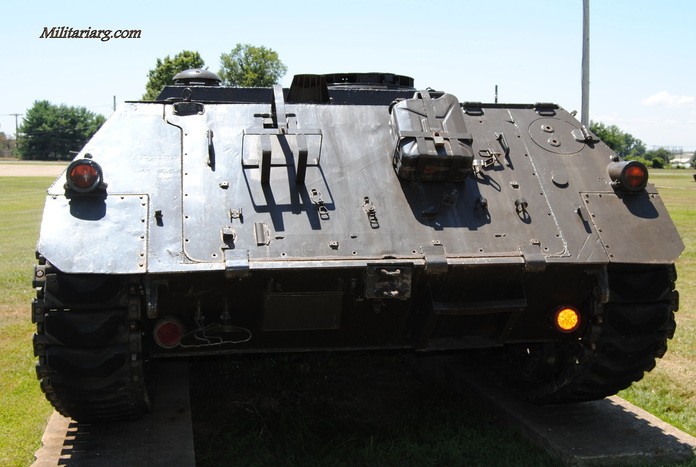
The first prototypes of the Kanonenjagdpanzer were built in 1960 by Hanomag and Henschel for West Germany and by MOWAG for Switzerland. Hanomag and Henschel continued to produce prototypes, until between 1966 and 1967, 770 were built for the Bundeswehr, 375 by Hanomag and 375 by Henschel. Eighty of them were delivered to Belgium from April 1975 onward.
When the Soviets began to deploy their T-64 and T-72 main battle tanks, the 90 mm gun wasn't capable of ensuring long-range combat, the Kanonenjagdpanzer became obsolete. Although the producers claimed it could be rearmed with a 105 mm gun,between 1983 and 1985, 163 of these tank destroyers were converted into anti-tank guided missile carrying Raketenjagdpanzer Jaguar 2 by removing the gun, adding a roof-mounted TOW missile launcher and fastening further spaced and perforated armour on the hull. Some others were refitted by removing the main gun into artillery observation vehicles, so called Beobachtungspanzer, which served most particularly in the mortar units.
Some Kanonenjagdpanzer remained into service with the Heimatschutztruppe until 1990.
Tex take from Wikipedia.
When the Soviets began to deploy their T-64 and T-72 main battle tanks, the 90 mm gun wasn't capable of ensuring long-range combat, the Kanonenjagdpanzer became obsolete. Although the producers claimed it could be rearmed with a 105 mm gun,between 1983 and 1985, 163 of these tank destroyers were converted into anti-tank guided missile carrying Raketenjagdpanzer Jaguar 2 by removing the gun, adding a roof-mounted TOW missile launcher and fastening further spaced and perforated armour on the hull. Some others were refitted by removing the main gun into artillery observation vehicles, so called Beobachtungspanzer, which served most particularly in the mortar units.
Some Kanonenjagdpanzer remained into service with the Heimatschutztruppe until 1990.
Tex take from Wikipedia.
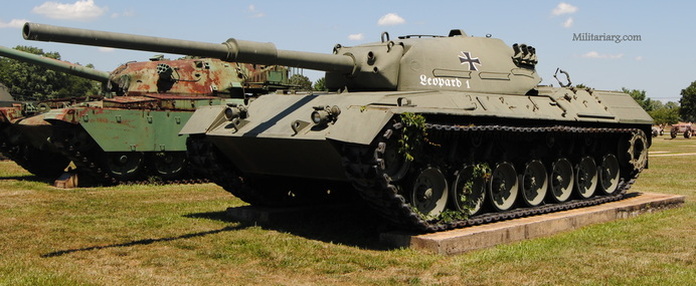
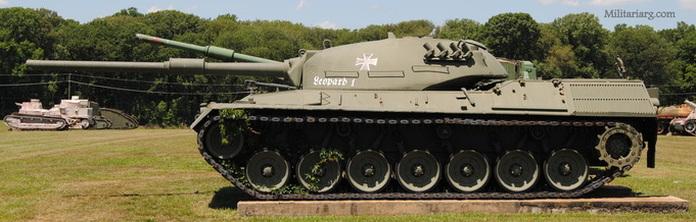
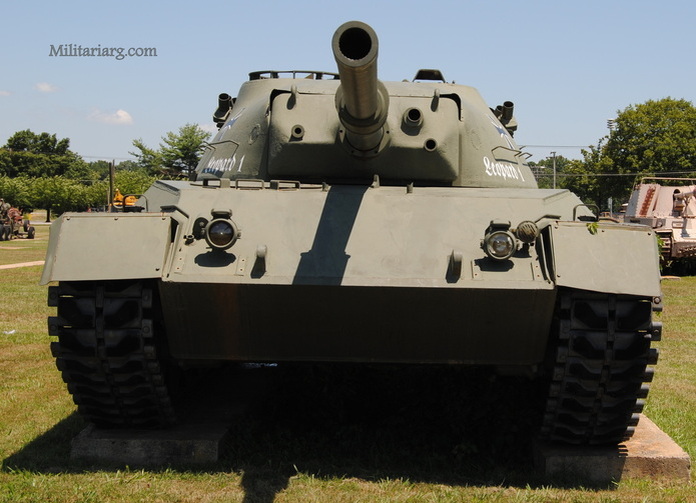
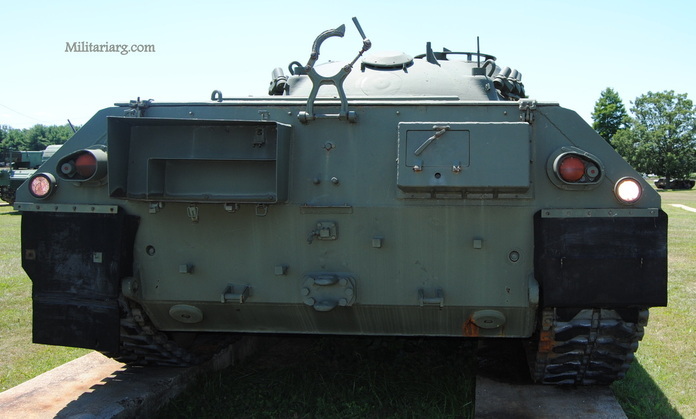
Leopard 1 Aberdeen Proving Ground
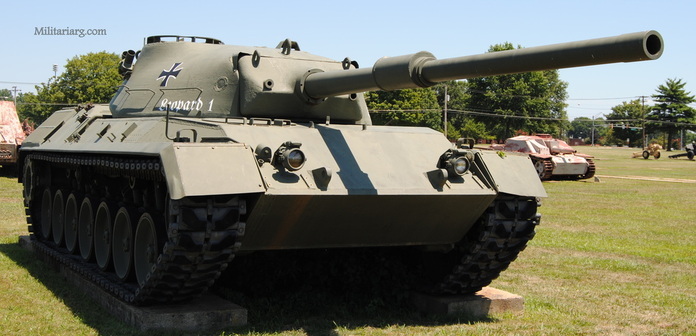
In the late 1960s, the Argentine Army considered and studied several options for a future, more capable main battle tank, including the French AMX-30 and the German Leopard 1. However, negotiations for their purchase were not continued for various reasons, including the cost or the unsuitability of existing infrastructure for heavy tanks. Argentina acquired the AMX-13 light tanks first and then proceeded with the development of the TAM as its primary medium tank, having previously decided against purchasing the Leopard 1.
In 1998, Chile purchased 202 surplus Leopard 1V tanks from the Royal Netherlands Army to replace its older AMX-30 and M-41 tanks.Before delivery, the tanks were equipped with the PZB 200 night vision system.Many have been retired, but some remain in service, particularly in the southern regions of the country where their lighter weight (around 40 tons) is more suitable for the local terrain than the heavier Leopard 2. A potential modernization package that could involve fitting a 120mm gun is being considered.
2026. Leopard 1 tanks in Ukrainian service (primarily the 1A5 variant) have performed a useful role as mobile, long-range fire support platforms, leveraging their excellent optics and mobility, but their performance is limited by their most significant vulnerability: extremely thin armor.
The original design prioritized mobility over heavy armor, which meant its armor was designed only to withstand 20mm autocannon fire. In the current war, this leaves them highly vulnerable to modern anti-tank guided missiles (ATGMs), artillery, and the ubiquitous FPV (first-person view) drones.
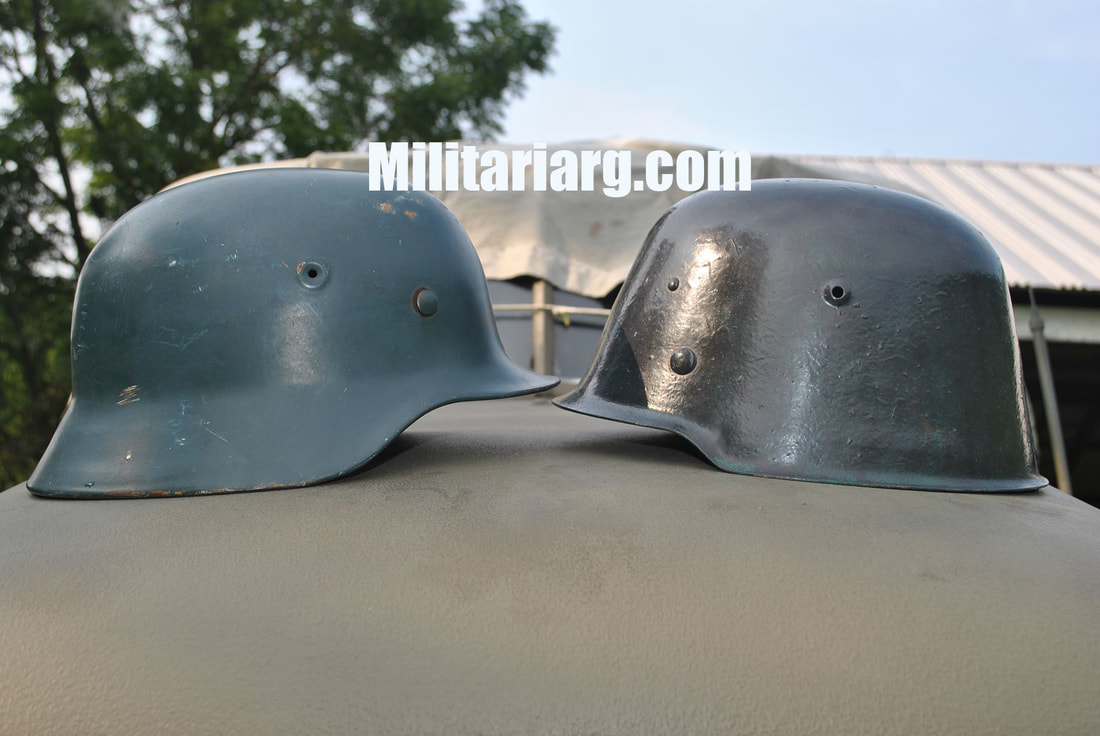
M40/52 BGS Bundesgreenzschutz Helmet
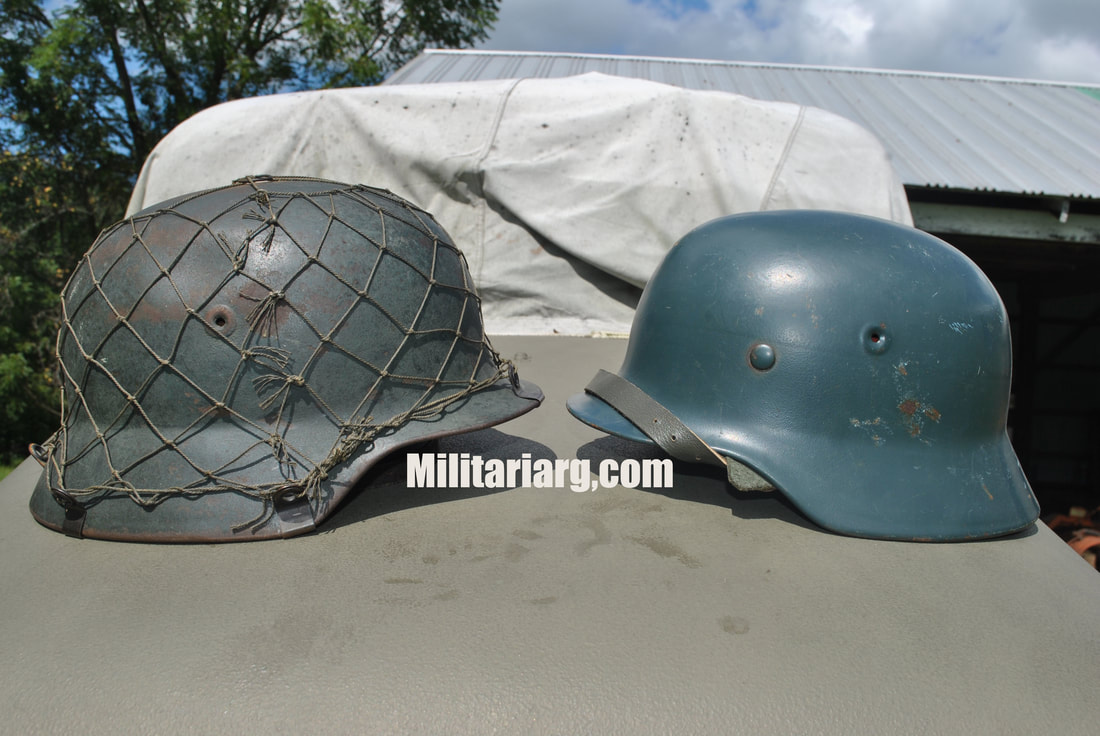
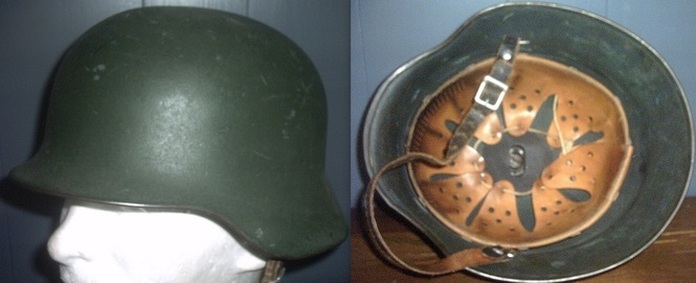
Left: Post war - BRD/FRG West German helmet M40/52, BGS Bundesgrenzschutz (Border Police). Righ: DDR Post war - East German Helmet M54, KVP Kasernierte Volkspolizei (Barraks - Riot - Police).
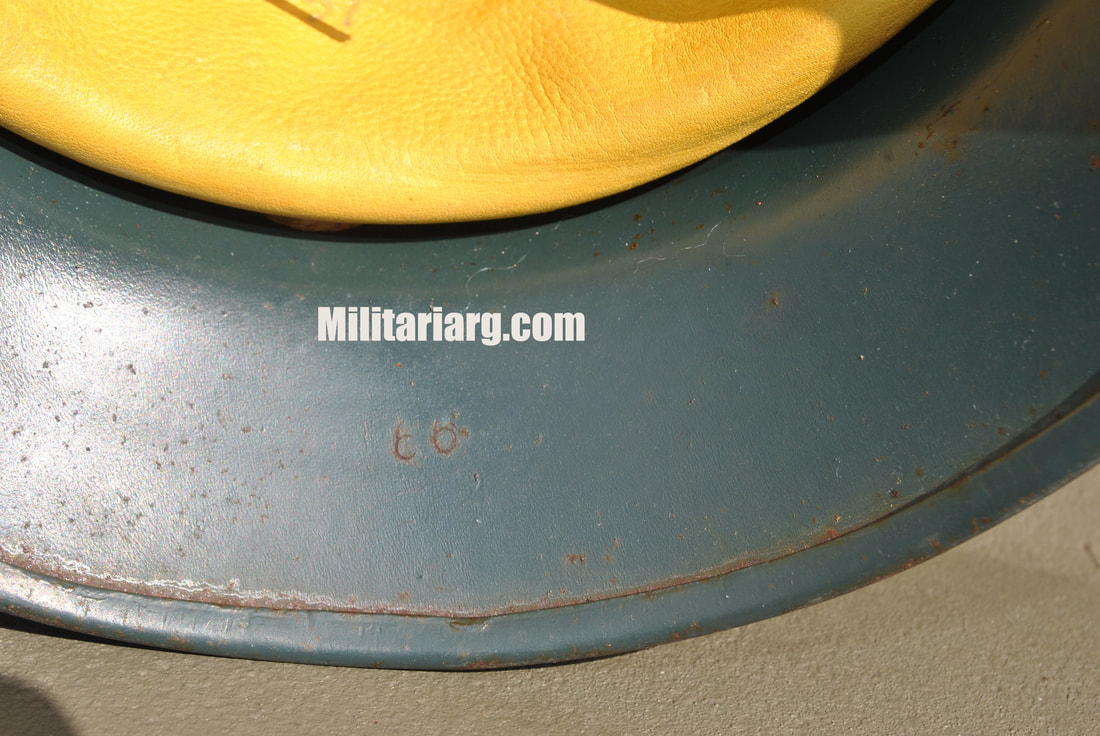
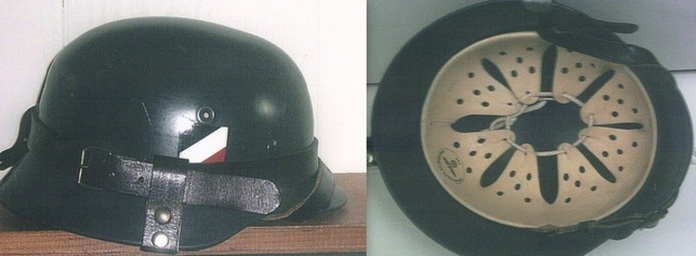
/Early Bundesgrenzshutzes BGS M40/52 Helmet, repainted WWII Reenactment or Movie Prop.
M40/53 Bundesgrenschutz (and others) Helmet. Ventless Shell Variant.
The West German M40/53 Ventless (often simply called the BGS M53) is a specific post-war production helmet used primarily by the Bundesgrenzschutz (BGS) (Federal Border Guard) and the Bereitschaftspolizei (Riot Police).
While it looks almost identical to the WWII German M40, it was manufactured in the 1950s and 60s as a new-build shell designed specifically without ventilation holes.
West Germany's borders during the Cold War were primarily secured by a combination of three different state organizations: the Bundesgrenzschutz (BGS, Federal Border Protection), the Bundeszollverwaltung (Federal Customs Administration), and the Bayerische Grenzpolizei (BGP, Bavarian Border Police). Allied forces (U.S., British, and French) also maintained a presence and conducted patrols.
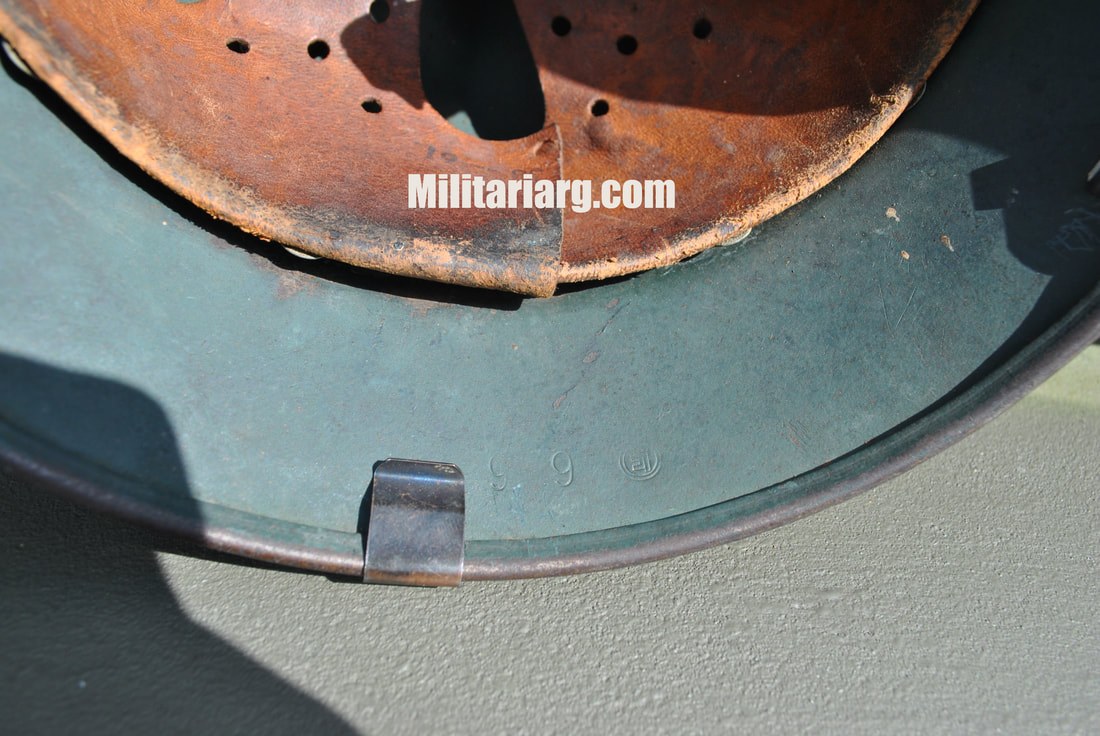
Unlike wartime M35s or M40s, this shell was stamped without the two side ventilation lugs. This makes the sides of the helmet completely smooth. Like the WWII M40, it features a rolled edge, giving it a finished look compared to the raw-edge M42.
Almost all ventless M53s were produced by Linnemann-Schnetzer (LS) in Ahlen. You will typically find the "LS" stamp and a size/year code on the interior rim.
It utilizes a post-war I-60 liner (or similar "I-pattern" suspension). Instead of the WWII-style aluminum or steel band, it uses a simplified leather and plastic frame system often featuring a "V" or "Y" shaped chinstrap for better stability during riot duty.
Factory paint is usually a thick, matte BGS Green (a dark, slightly greyish forest green).
While it looks almost identical to the WWII German M40, it was manufactured in the 1950s and 60s as a new-build shell designed specifically without ventilation holes.
West Germany's borders during the Cold War were primarily secured by a combination of three different state organizations: the Bundesgrenzschutz (BGS, Federal Border Protection), the Bundeszollverwaltung (Federal Customs Administration), and the Bayerische Grenzpolizei (BGP, Bavarian Border Police). Allied forces (U.S., British, and French) also maintained a presence and conducted patrols.
Unlike wartime M35s or M40s, this shell was stamped without the two side ventilation lugs. This makes the sides of the helmet completely smooth. Like the WWII M40, it features a rolled edge, giving it a finished look compared to the raw-edge M42.
Almost all ventless M53s were produced by Linnemann-Schnetzer (LS) in Ahlen. You will typically find the "LS" stamp and a size/year code on the interior rim.
It utilizes a post-war I-60 liner (or similar "I-pattern" suspension). Instead of the WWII-style aluminum or steel band, it uses a simplified leather and plastic frame system often featuring a "V" or "Y" shaped chinstrap for better stability during riot duty.
Factory paint is usually a thick, matte BGS Green (a dark, slightly greyish forest green).
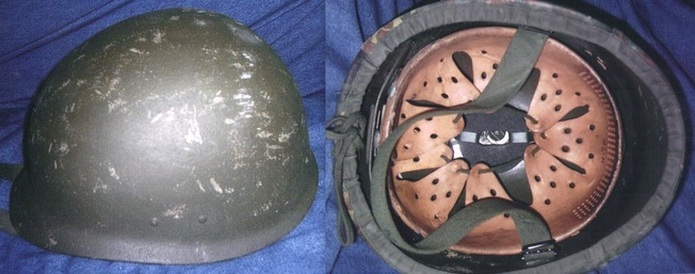
M62 Bundeswehr Helmet
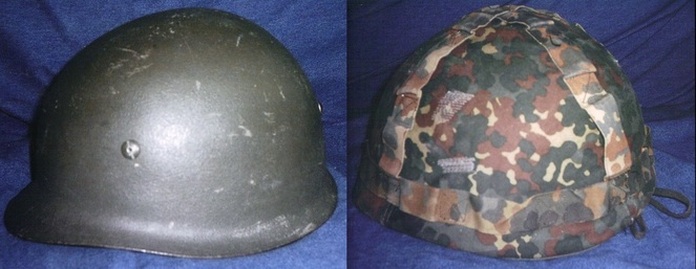
The M62 helmet was the standard steel helmet of the West German Bundeswehr during the Cold War, effectively replacing earlier attempts to distance themselves from WWII aesthetics. It is a one-piece design based on the U.S. M1 shape, featuring a single bolt liner attachment.
The M62 looks very similar to a U.S. M1 helmet from the front but differs significantly in construction. It is a single-piece shell (not two pieces with a removable liner) with a rolled edge.
Following WWII, the Bundeswehr wanted to move away from the Nazi-associated Stahlhelm design. They initially used U.S. M1 clones (the M60, which was based on a Swedish design), and in 1962, they introduced a new liner system which became known to collectors as the M62.
The M62 introduced an improved liner design featuring a plastic cradle secured by a single bolt through the crown of the helmet. This was a distinctly non-U.S. design.
The chinstrap was often a three-point system, providing more support than the simple U.S. M1 style.
The standard color was olive green with a rough texture (using sand for waterproofing and rust prevention).
The M62 remained in service for a very long time, until the late 1990s, when it was finally replaced by the M92 Aramid (Kevlar) helmet.
Iran purchased thousands of M62s in the 1970s, which were modified with Iranian-made liners and hardware.
The M62 looks very similar to a U.S. M1 helmet from the front but differs significantly in construction. It is a single-piece shell (not two pieces with a removable liner) with a rolled edge.
Following WWII, the Bundeswehr wanted to move away from the Nazi-associated Stahlhelm design. They initially used U.S. M1 clones (the M60, which was based on a Swedish design), and in 1962, they introduced a new liner system which became known to collectors as the M62.
The M62 introduced an improved liner design featuring a plastic cradle secured by a single bolt through the crown of the helmet. This was a distinctly non-U.S. design.
The chinstrap was often a three-point system, providing more support than the simple U.S. M1 style.
The standard color was olive green with a rough texture (using sand for waterproofing and rust prevention).
The M62 remained in service for a very long time, until the late 1990s, when it was finally replaced by the M92 Aramid (Kevlar) helmet.
Iran purchased thousands of M62s in the 1970s, which were modified with Iranian-made liners and hardware.
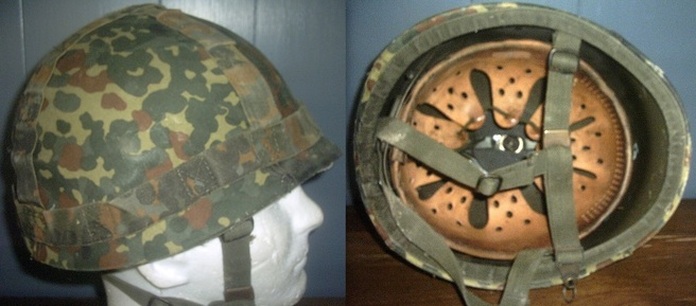
M71 Paratrooper Helmet
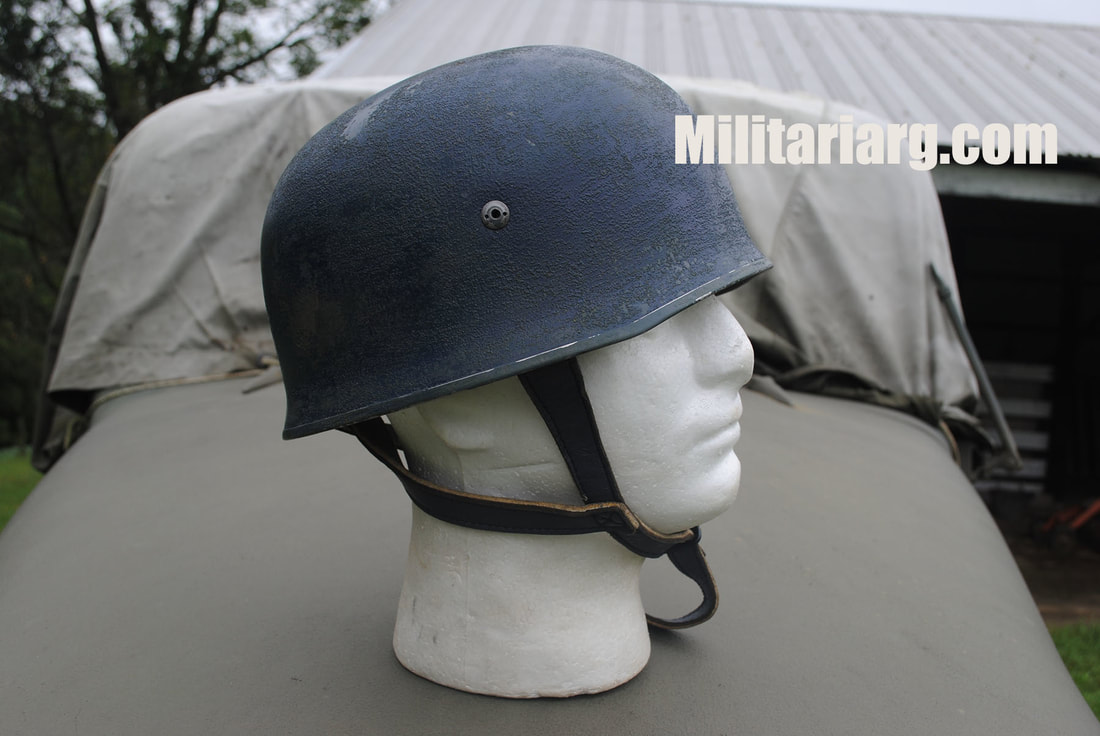
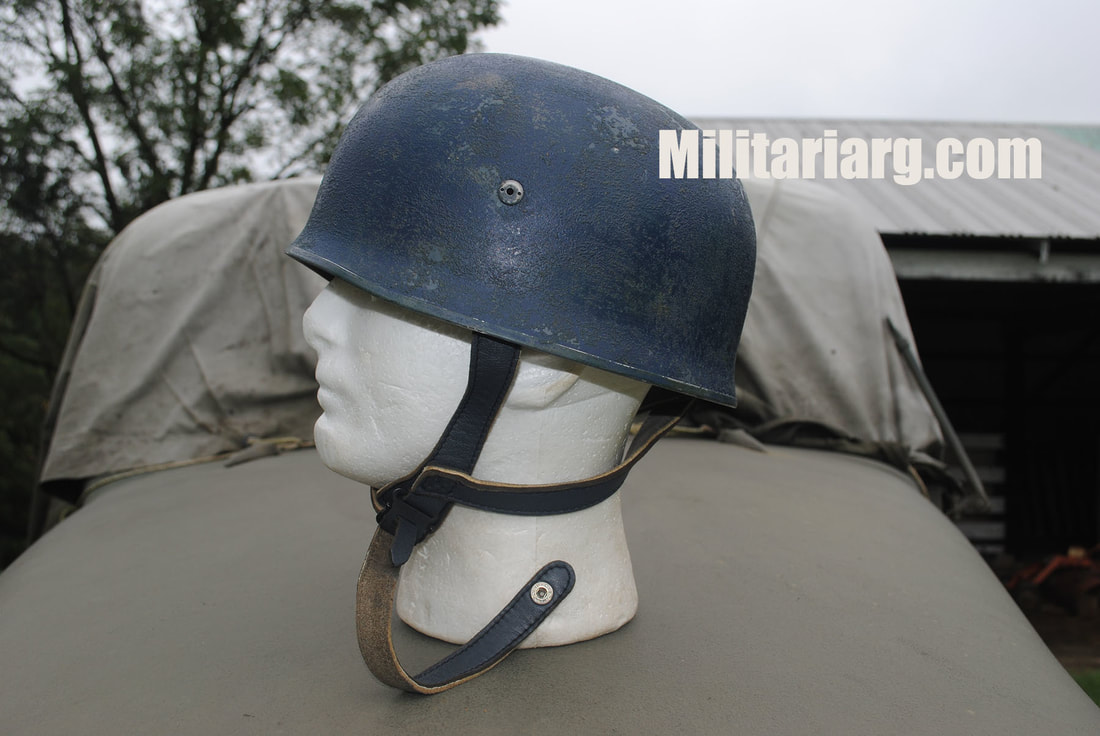
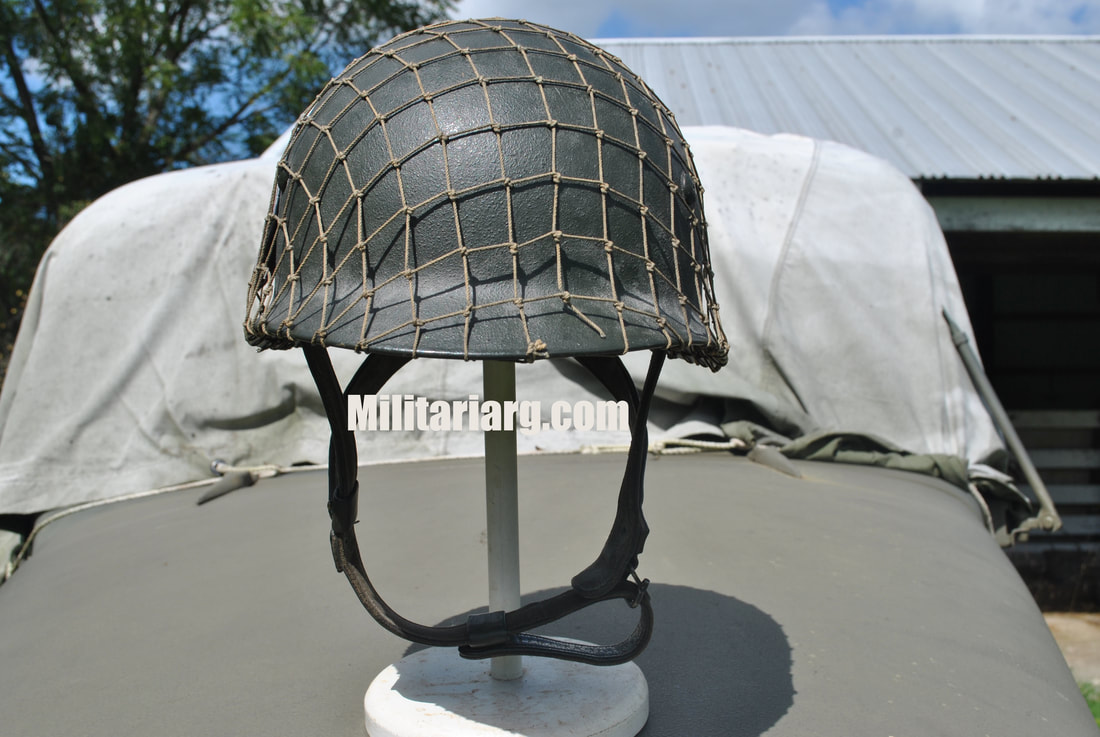
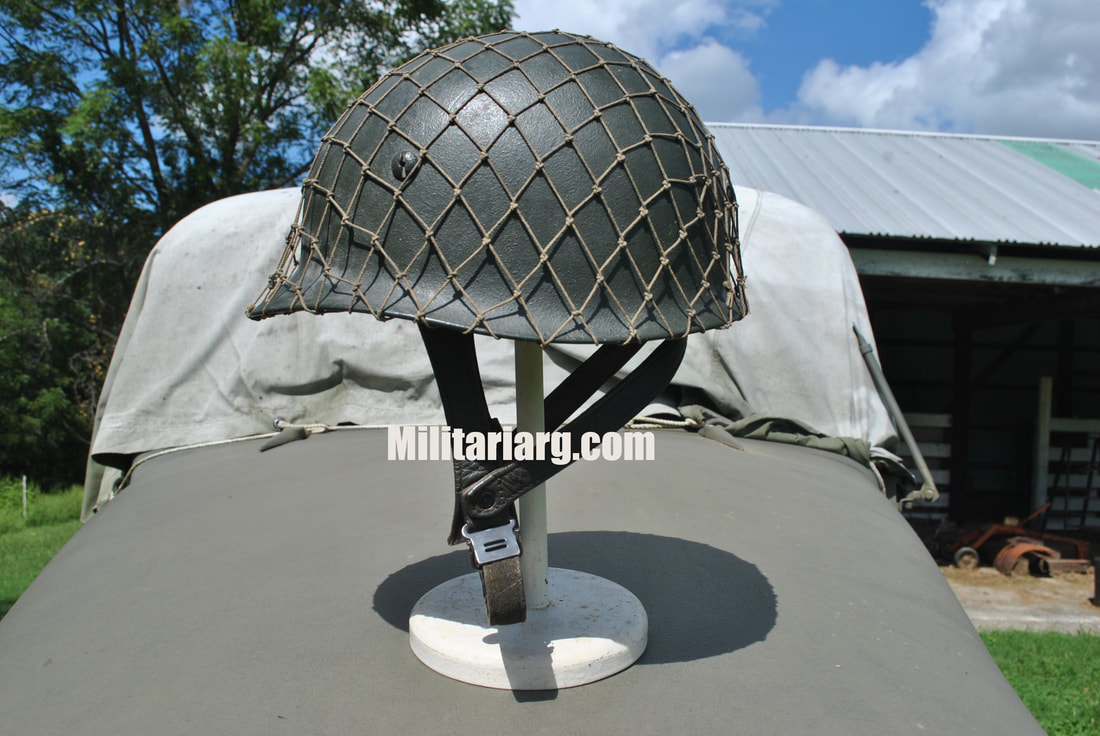
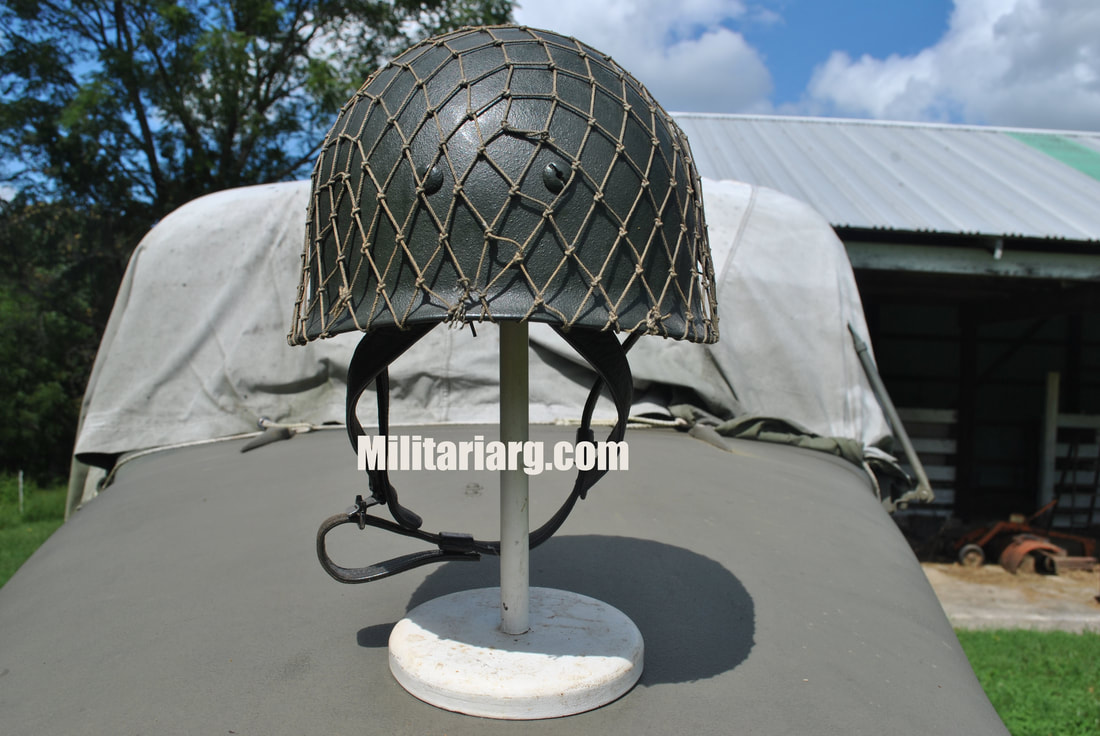
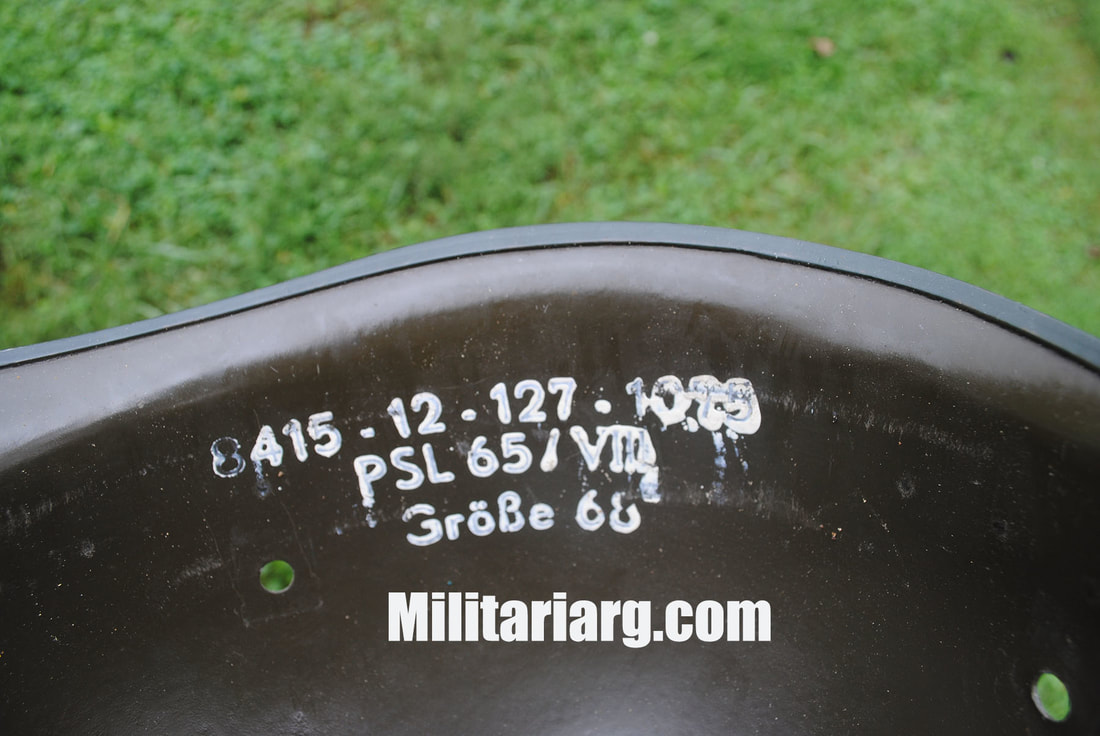
The M71 Paratrooper helmet was the final steel helmet used by the West German Bundeswehr airborne forces, combining a shell shape influenced by the U.S. M1 with an extensive liner system inspired by WWII German Fallschirmjäger helmets.
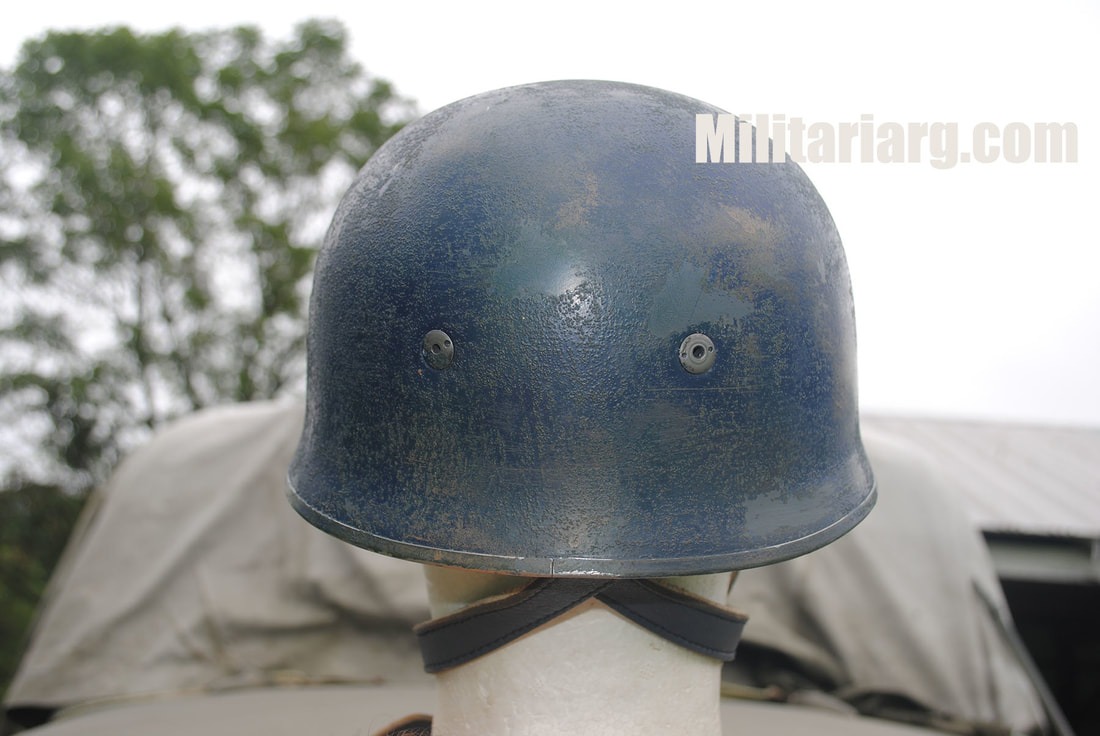
The helmet's shell shape is similar to the U.S. M1 steel pot but was specifically designed for German paratrooper requirements, including four screw holes to secure a unique liner.
The shell is made of steel, offering standard ballistic protection for the era.
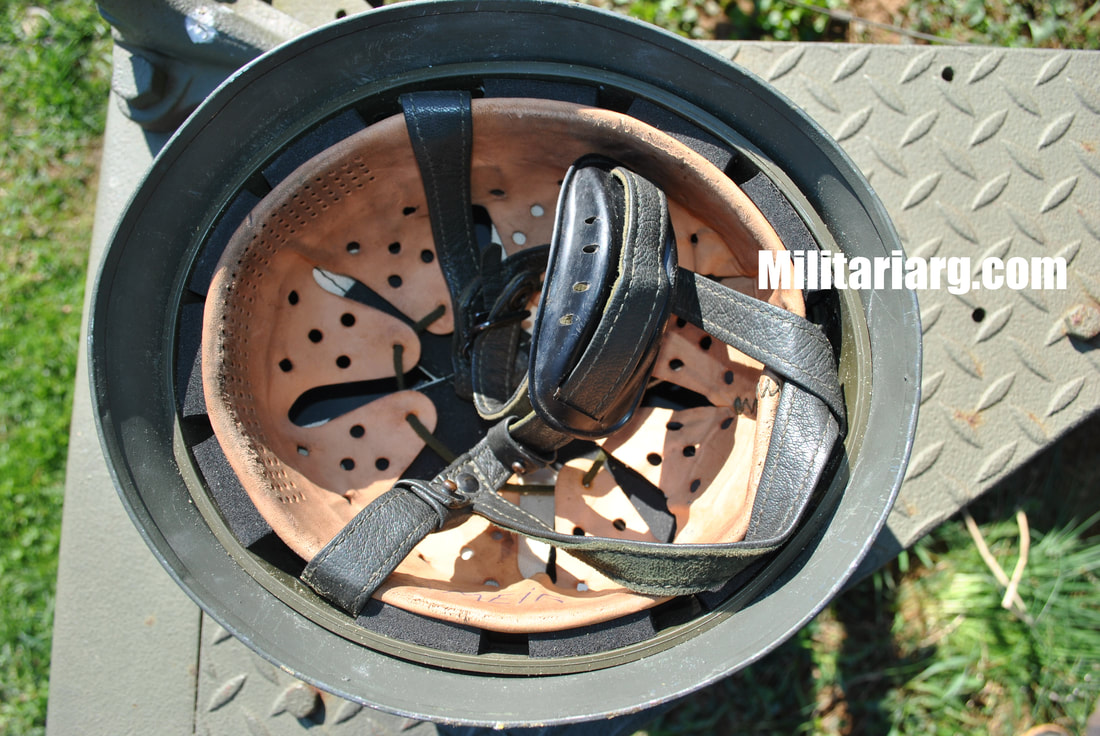
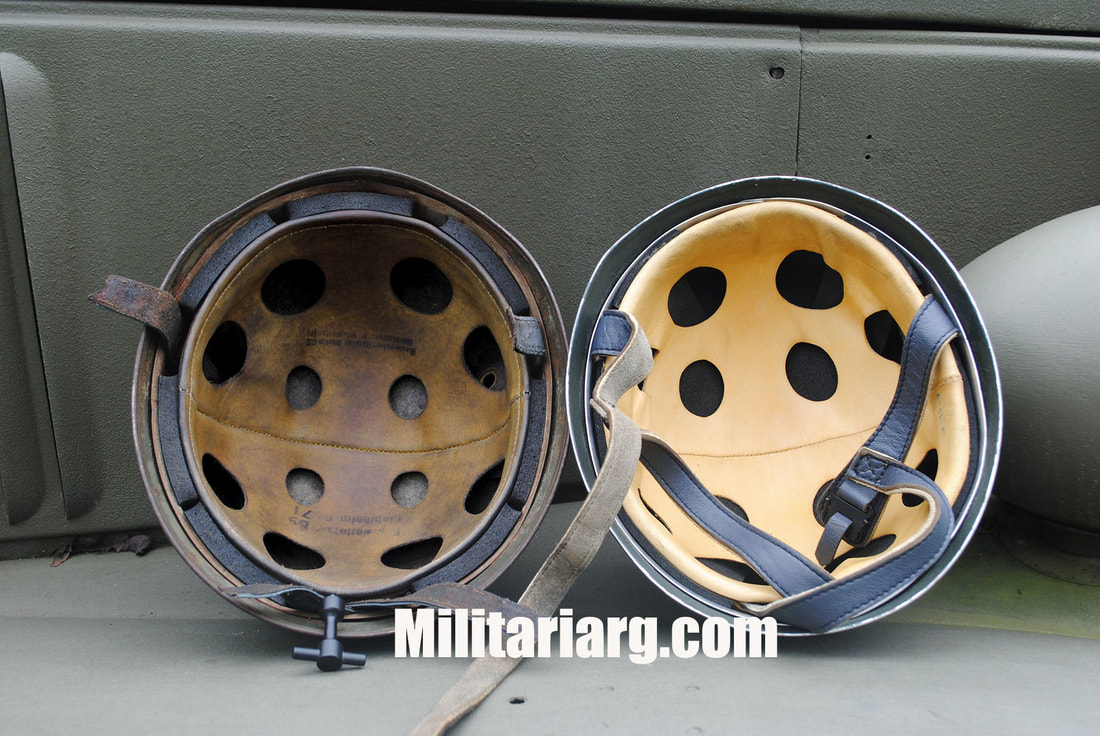
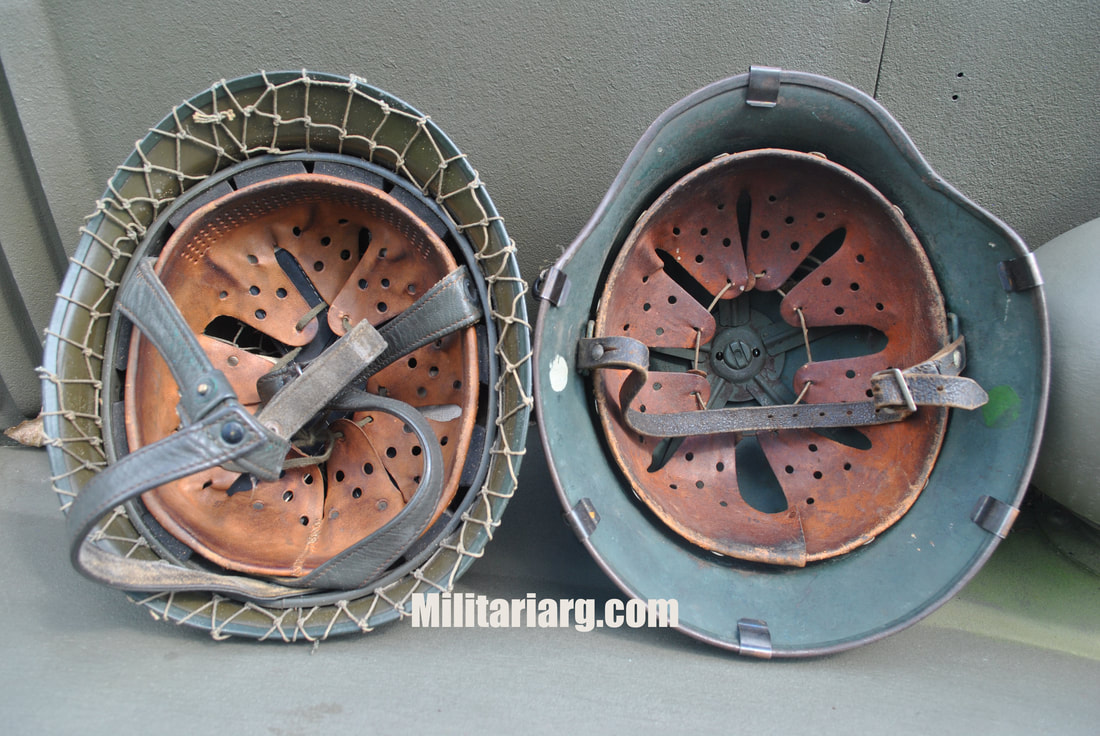
The interior is the key feature. It uses an extensive nine-finger leather liner mounted on a plastic cradle, designed for impact absorption during jumps. This liner design harks back to the effective WWII German M38 paratrooper helmet liners.
It features a robust 4-point, double Y-style green leather chinstrap harness. This system provides maximum stability during parachute deployment and is nearly identical to the original WWII M37 German Fallschirmjäger chinstraps.
The M71 served from its introduction in 1971 until the Bundeswehr adopted the M92 Kevlar helmet in the late 1990s.
Swiss M71 Variation
It is important to note that Switzerland also had an M71 helmet (M1971) at the same time, which is a different design entirely, resembling a high-cut German M18. The West German M71 Paratrooper helmet is specific to German airborne units
The helmet's shell shape is similar to the U.S. M1 steel pot but was specifically designed for German paratrooper requirements, including four screw holes to secure a unique liner.
The shell is made of steel, offering standard ballistic protection for the era.
The interior is the key feature. It uses an extensive nine-finger leather liner mounted on a plastic cradle, designed for impact absorption during jumps. This liner design harks back to the effective WWII German M38 paratrooper helmet liners.
It features a robust 4-point, double Y-style green leather chinstrap harness. This system provides maximum stability during parachute deployment and is nearly identical to the original WWII M37 German Fallschirmjäger chinstraps.
The M71 served from its introduction in 1971 until the Bundeswehr adopted the M92 Kevlar helmet in the late 1990s.
Swiss M71 Variation
It is important to note that Switzerland also had an M71 helmet (M1971) at the same time, which is a different design entirely, resembling a high-cut German M18. The West German M71 Paratrooper helmet is specific to German airborne units
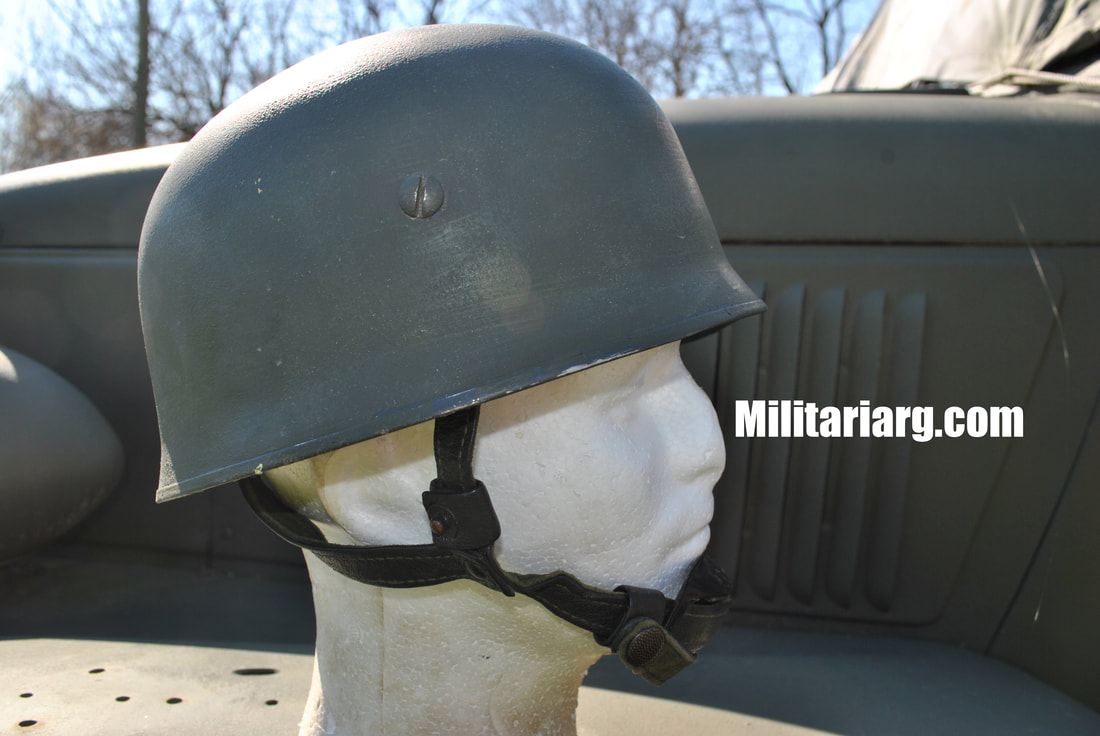
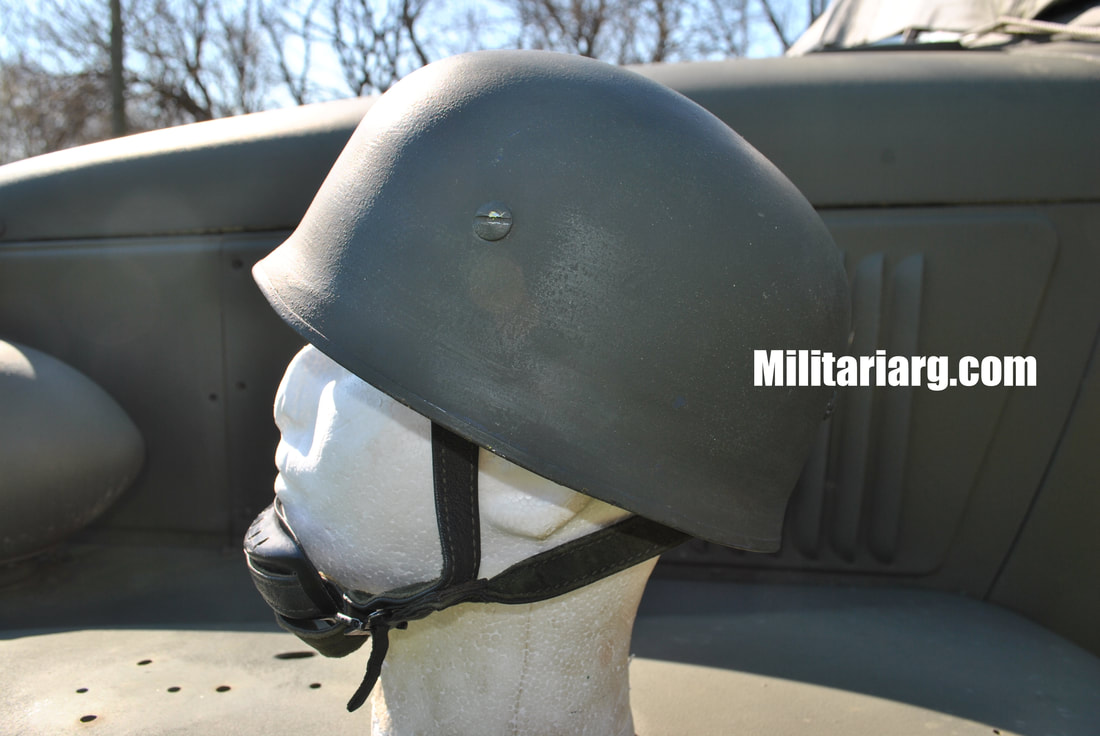
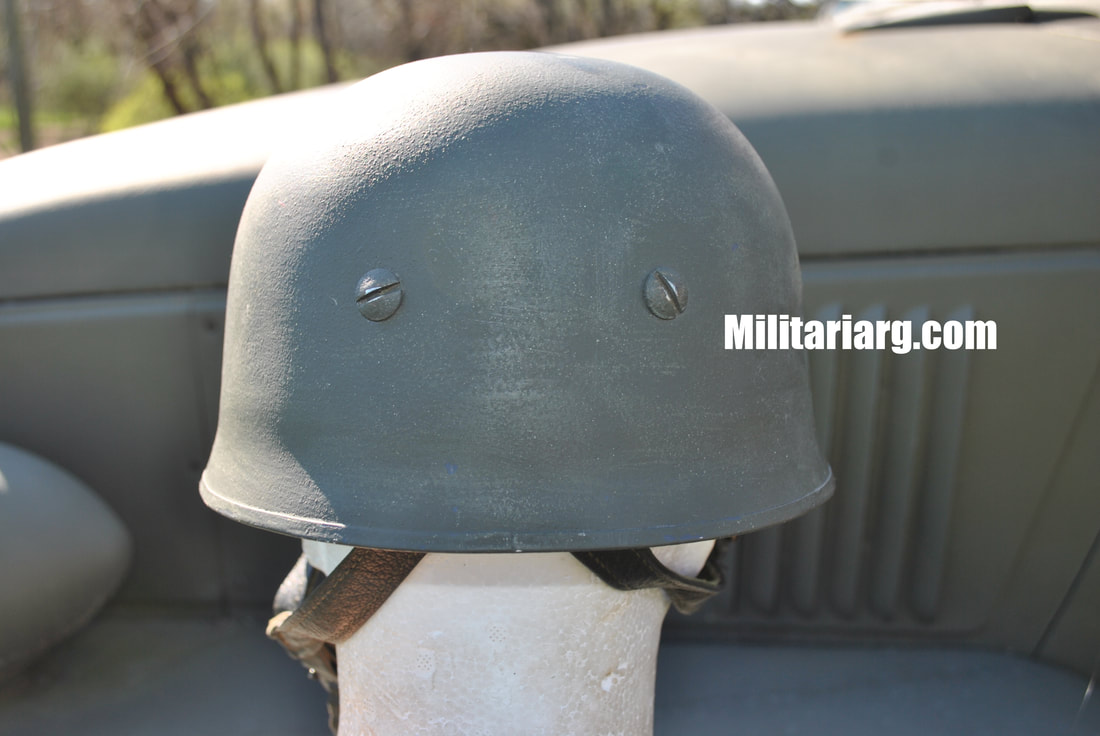
Fallschirmjäger Versuchshelm - Early Bundeswehr German Paratrooper Helmet.
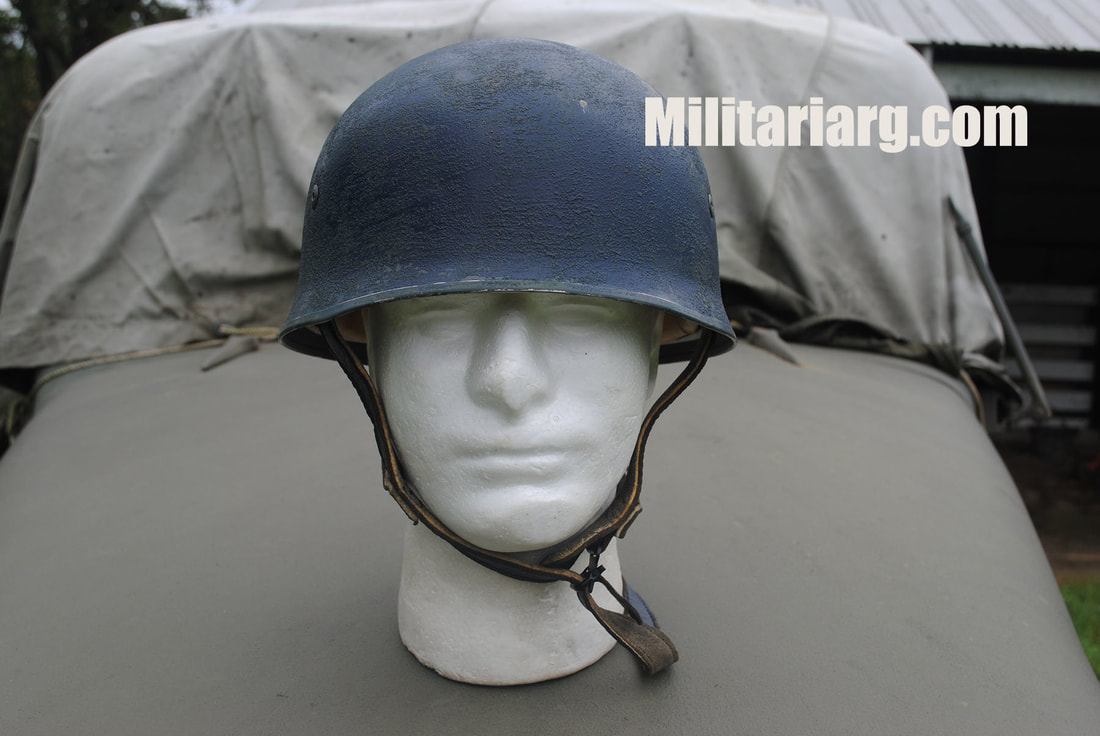
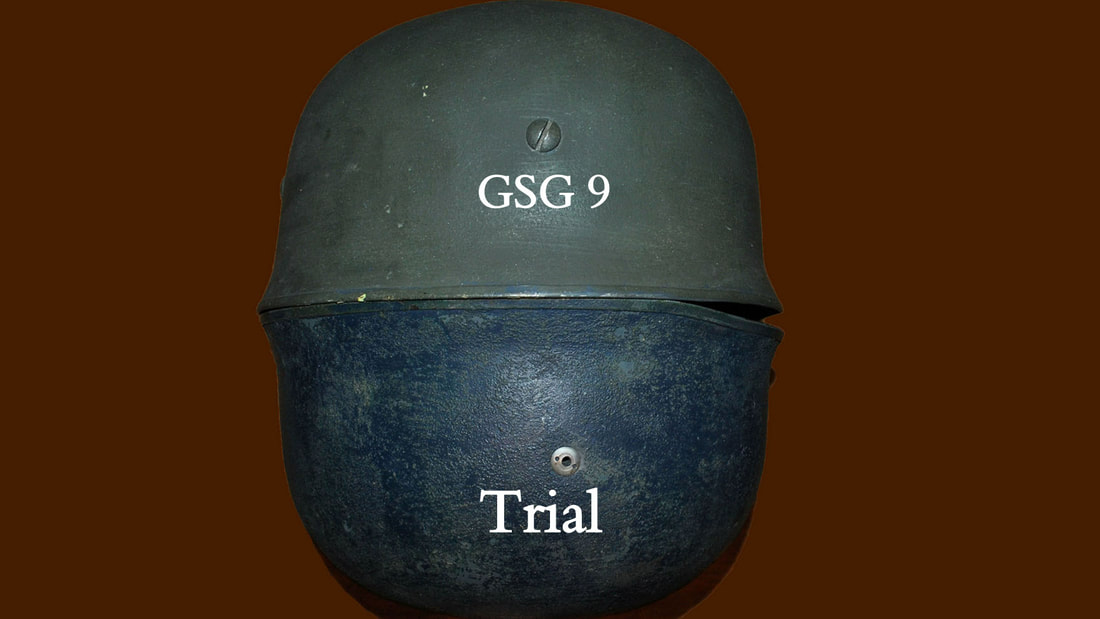
GSG 9 helmet and postwar FJ "Trial" helmet.
GSG-9 FJ Helmet
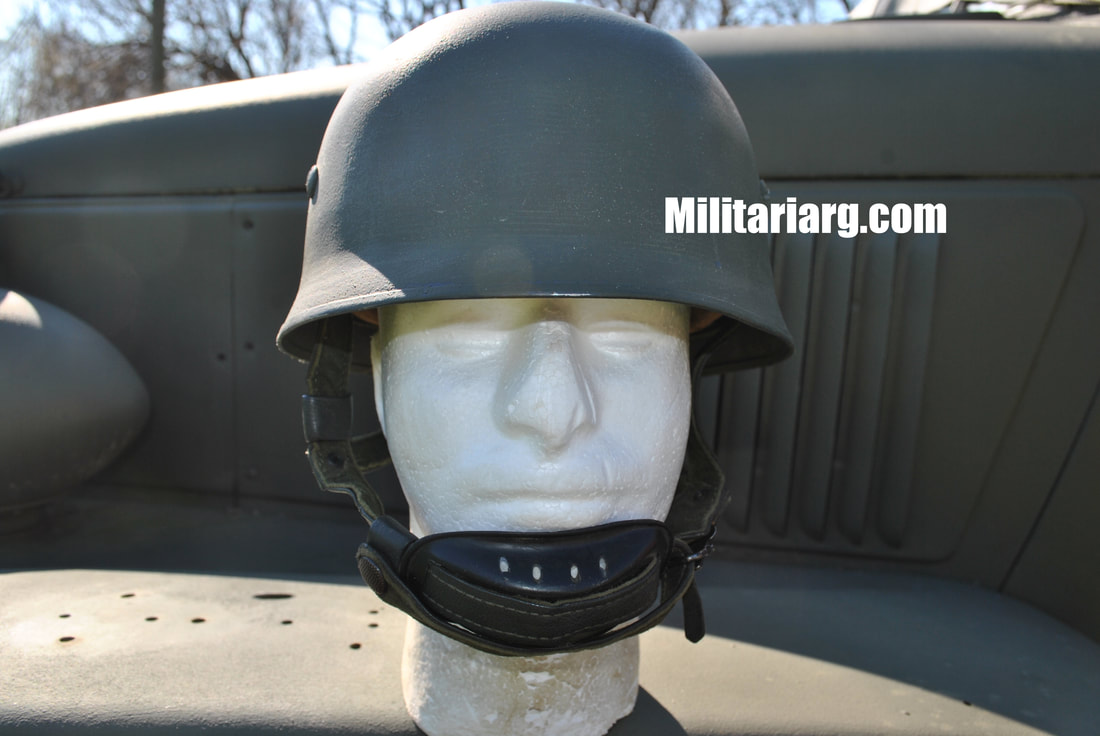
The GSG-9 helmet was a specific steel helmet designed for the elite West German counter-terrorism unit GSG-9 (Grenzschutzgruppe 9), established after the 1972 Munich Olympics crisis. Its design was heavily inspired by the iconic WWII German M38 Fallschirmjäger (paratrooper) helmet.
The helmet was explicitly copied after the M38 Fallschirmjäger helmet shape, known for its deep shell and cutaway sides that offered excellent visibility while maintaining protection.
It was a steel helmet, similar in material to the US M1, providing robust protection.
In terms of shape, the GSG-9 helmet is slightly higher-domed than the original M38, and its edges featured a crimped metal rim running around the circumference.
The interior used a derivative of the M31 liner, but with padding and chinstraps nearly identical to those found in the WWII M38 Fallschirmjäger helmet, crucial for stability and impact absorption.
The helmet was designed specifically by firms like Schuberth-Werke and VDN for the GSG-9 unit, a police special operations unit, not the regular Bundeswehr military.
This helmet, often paired with early Auer goggles, became an iconic symbol of the unit during the 1970s, particularly after the successful Mogadishu hijacking rescue in 1977.
The helmet was explicitly copied after the M38 Fallschirmjäger helmet shape, known for its deep shell and cutaway sides that offered excellent visibility while maintaining protection.
It was a steel helmet, similar in material to the US M1, providing robust protection.
In terms of shape, the GSG-9 helmet is slightly higher-domed than the original M38, and its edges featured a crimped metal rim running around the circumference.
The interior used a derivative of the M31 liner, but with padding and chinstraps nearly identical to those found in the WWII M38 Fallschirmjäger helmet, crucial for stability and impact absorption.
The helmet was designed specifically by firms like Schuberth-Werke and VDN for the GSG-9 unit, a police special operations unit, not the regular Bundeswehr military.
This helmet, often paired with early Auer goggles, became an iconic symbol of the unit during the 1970s, particularly after the successful Mogadishu hijacking rescue in 1977.
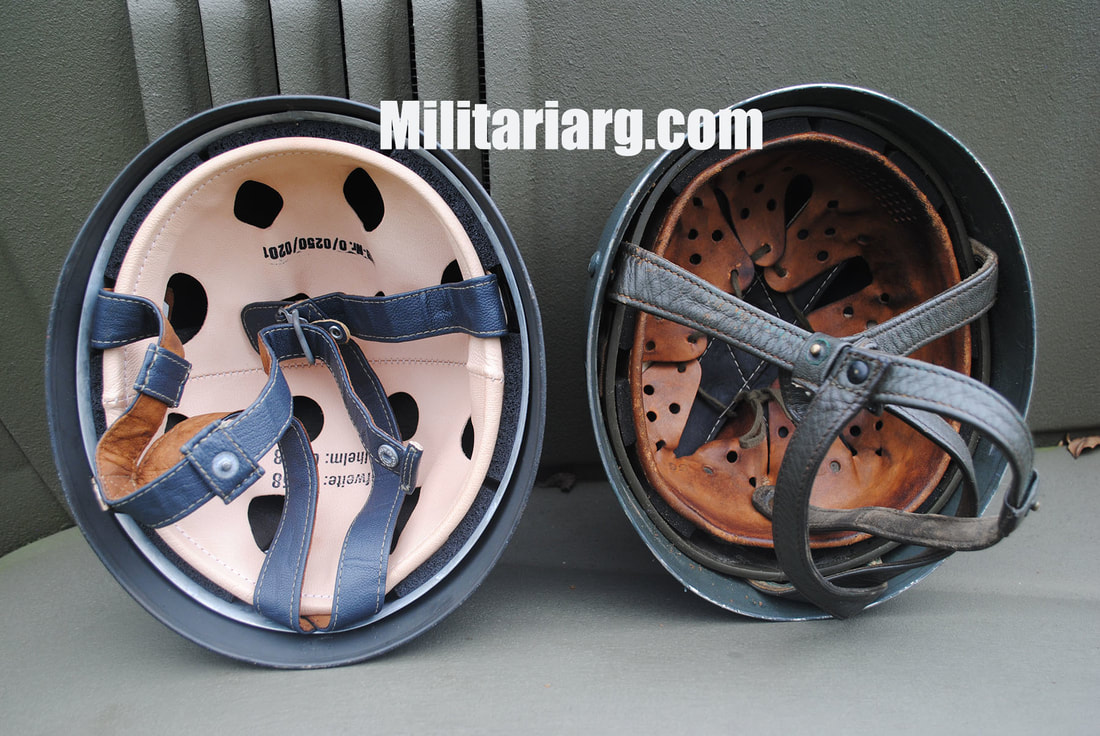
The helmet has a derivative of the 31 liner leather and the chinstrap is thus identical to that of the M38.
Obviously it is a design inspired by the M38 Fallschirmjager helmet, although a liner from the M38 would not fit into this shell due to the distance of holes for the screws that hold the liner in place. In terms of shape, this design is higher and has more dome than the M38. The helmet edges has a crimped metal rim running around its entire circumference like the US M1 and MKIII British turtles helmets. The metallic material, without going into deep detail and at the touch seems to be the same type as the M1.
WW2 FJ Helmet and Post War BGS FJ Trial Helmet.
BGS - GSG9 German Helmet:
Left: Post war GSG-9. Right: WW2 repro FJ Werke paratrooper helmet,
FJ Fallschirmjäger M71 paratrooper Helmet.
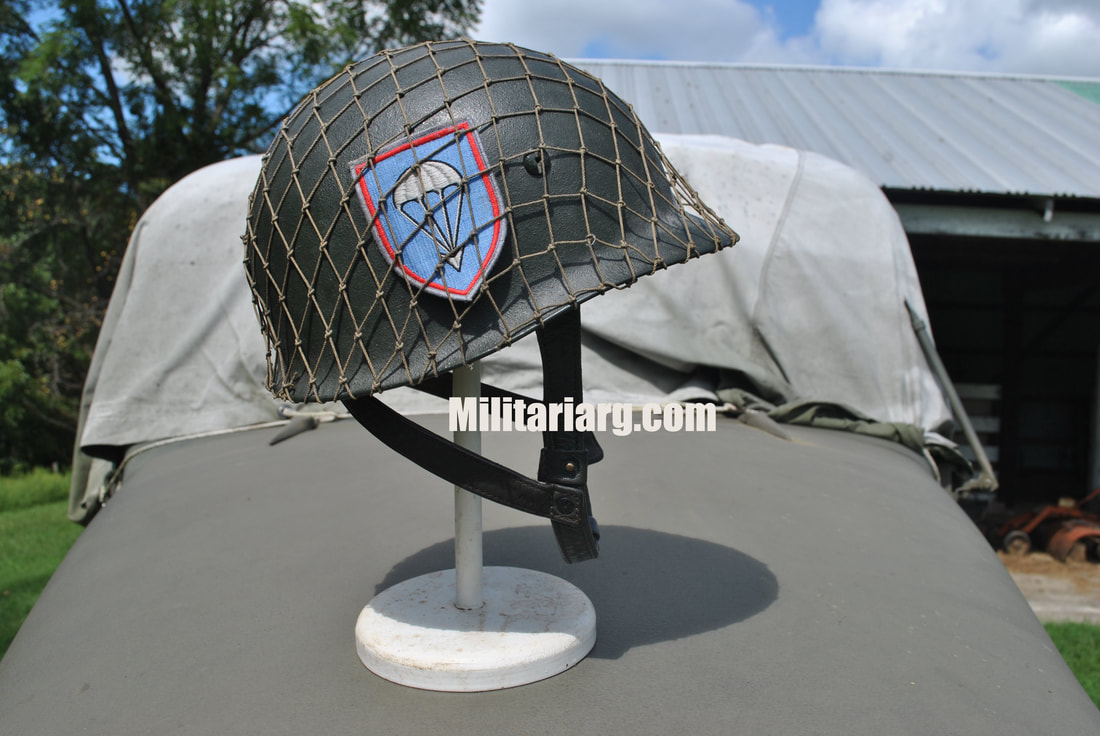
Left: FJ M71 fallschirmjäger paratrooper helmet liner. Right: M53 West German BGS helmet Liner.
West Germany M40/53 Helmet.
Left: M53 West German BGS Helmet. Right: M52 West German Polizei Police Helmet.
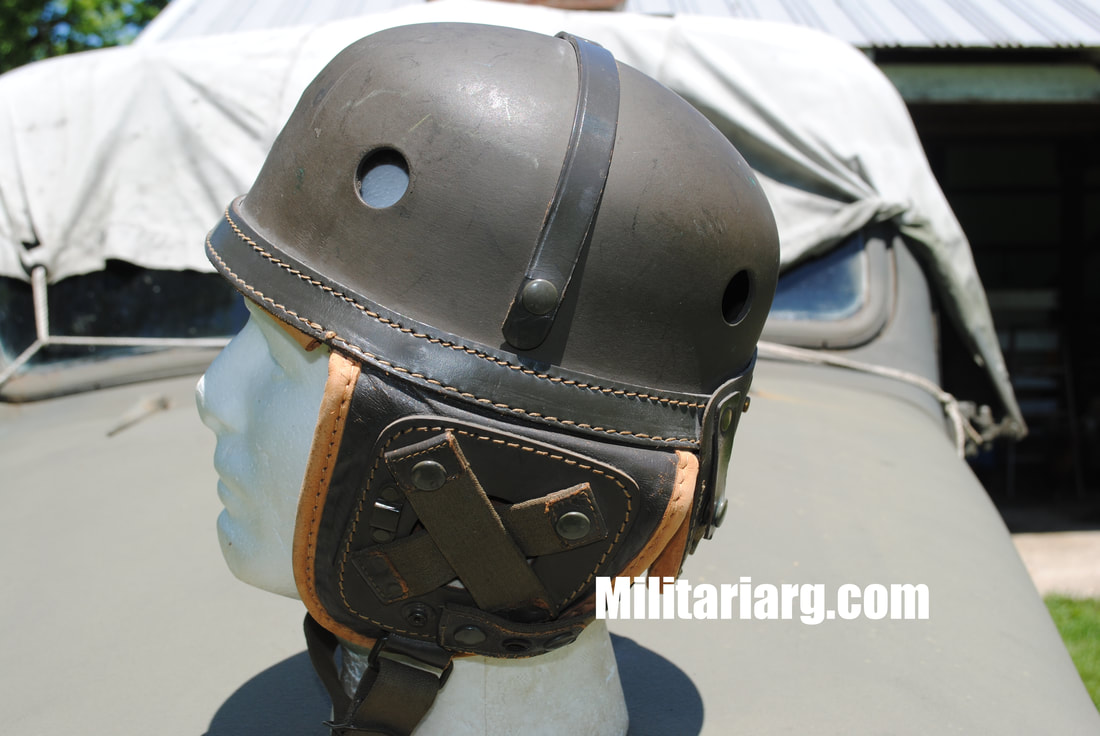
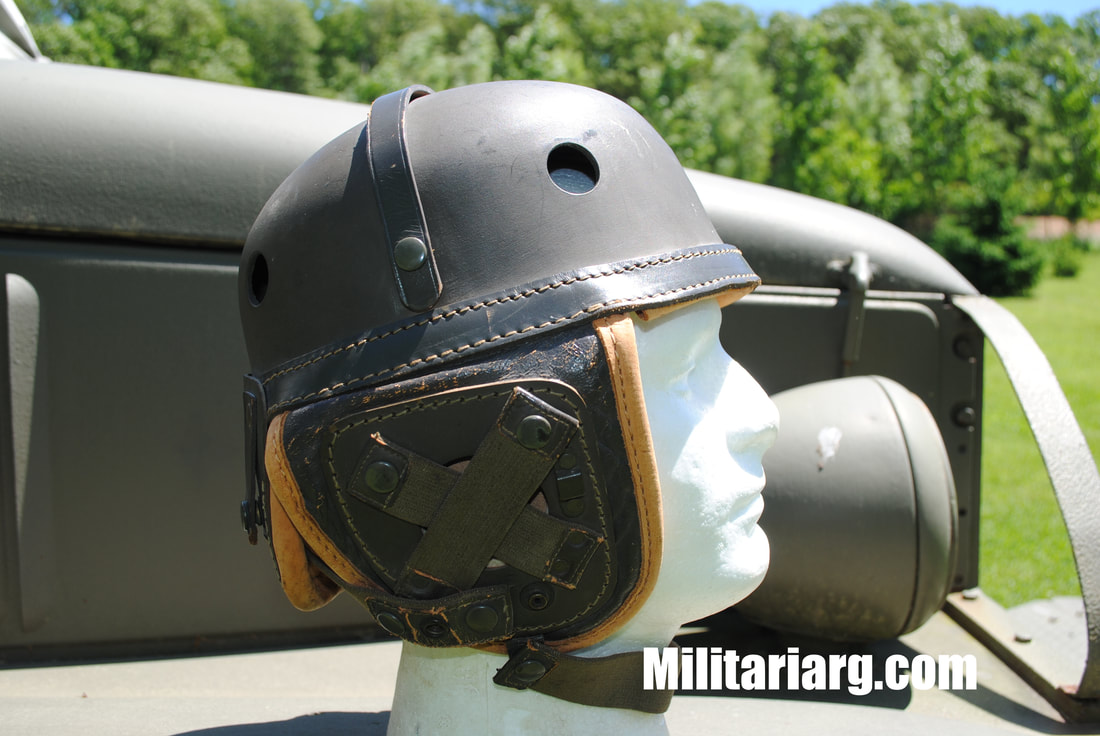
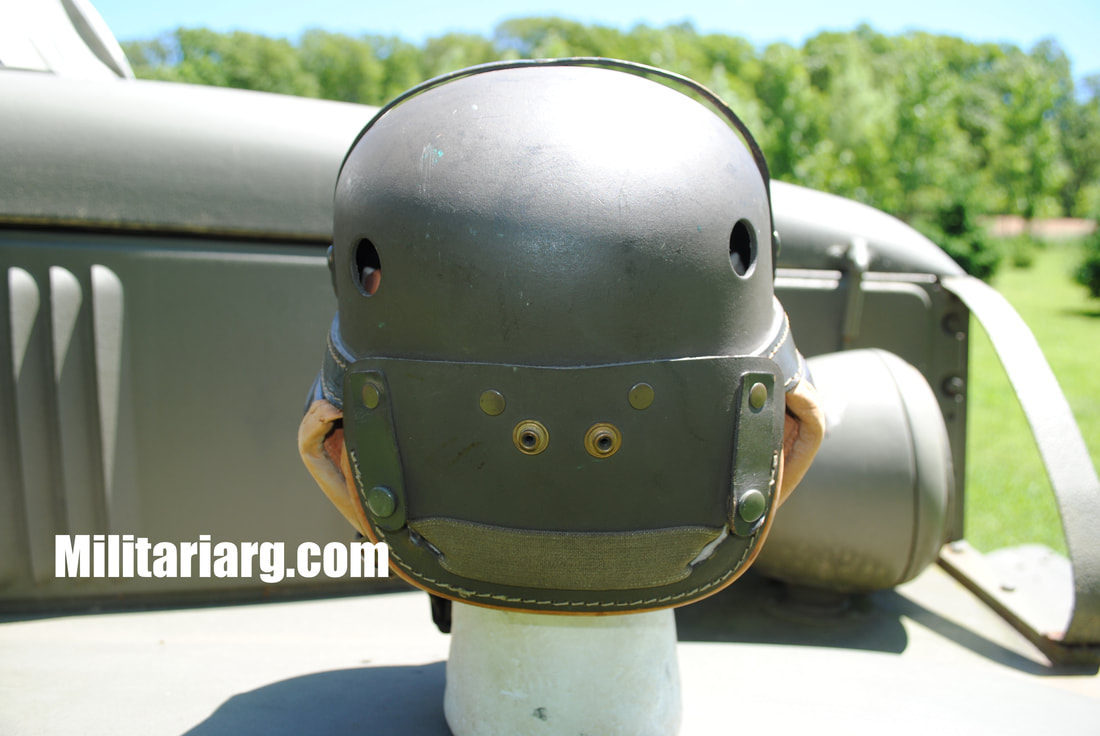
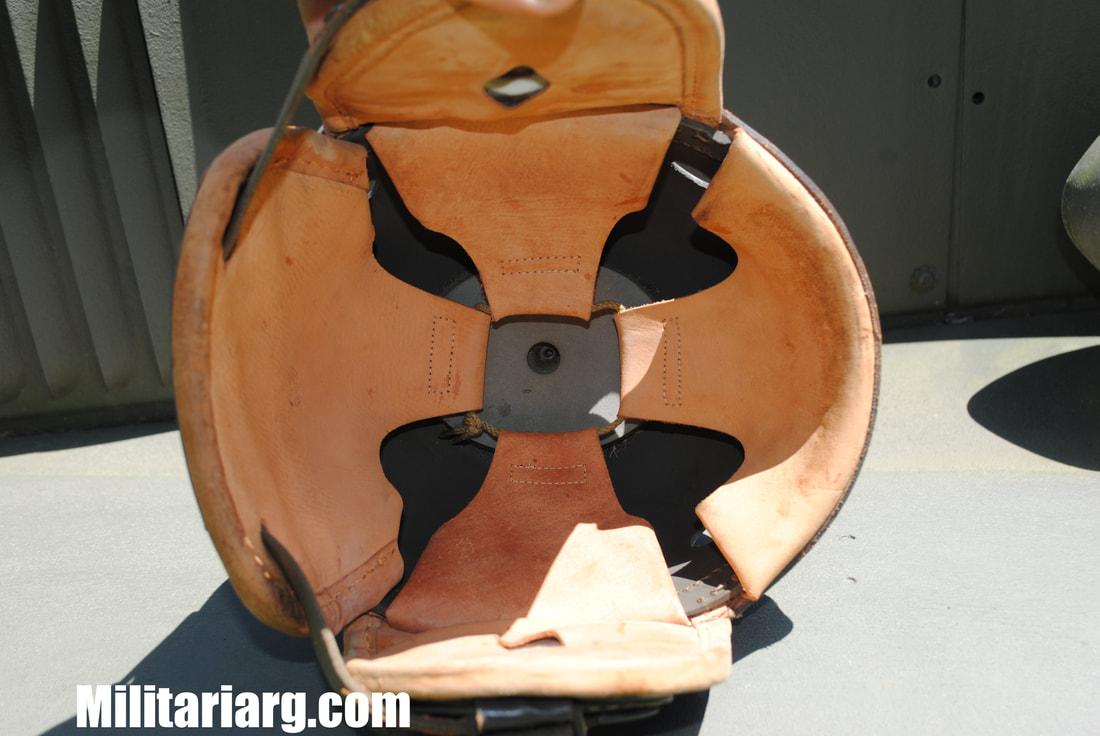
Post War. German made US Army EURO Tanker Helmet.
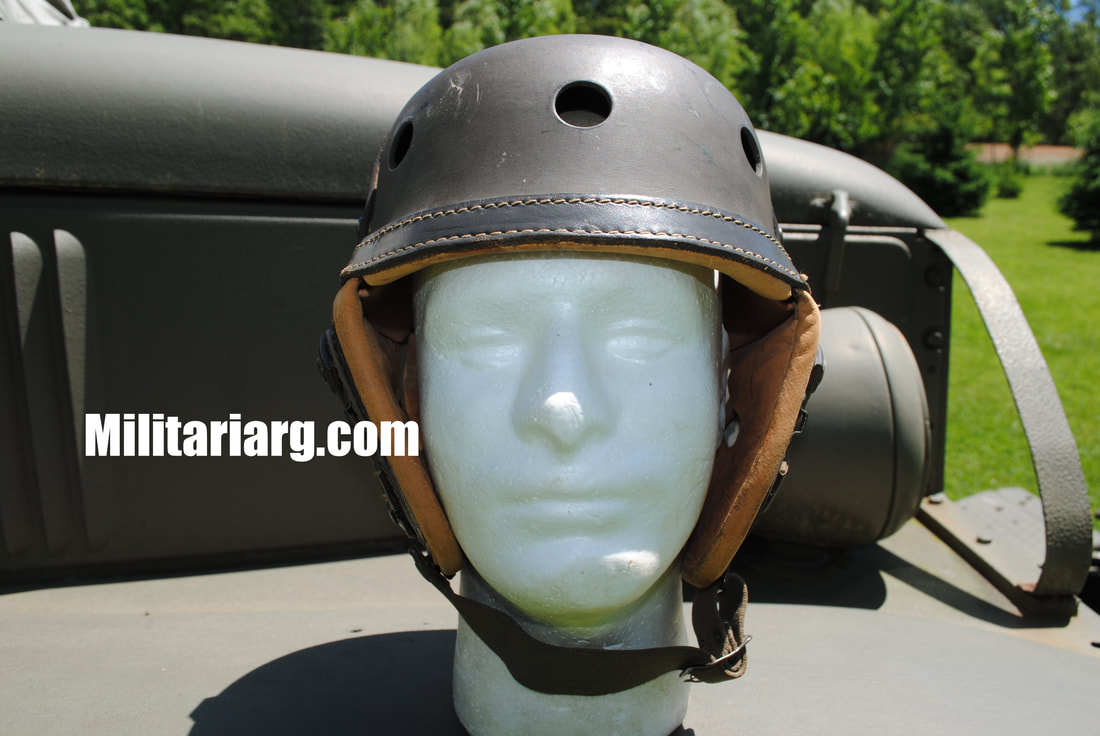
In the immediate post-war period, when Germany did not yet have an army, industrialists manufactured equipment for the occupying forces while civilians offered themselves for all kinds of maintenance and comfort services at the bases.
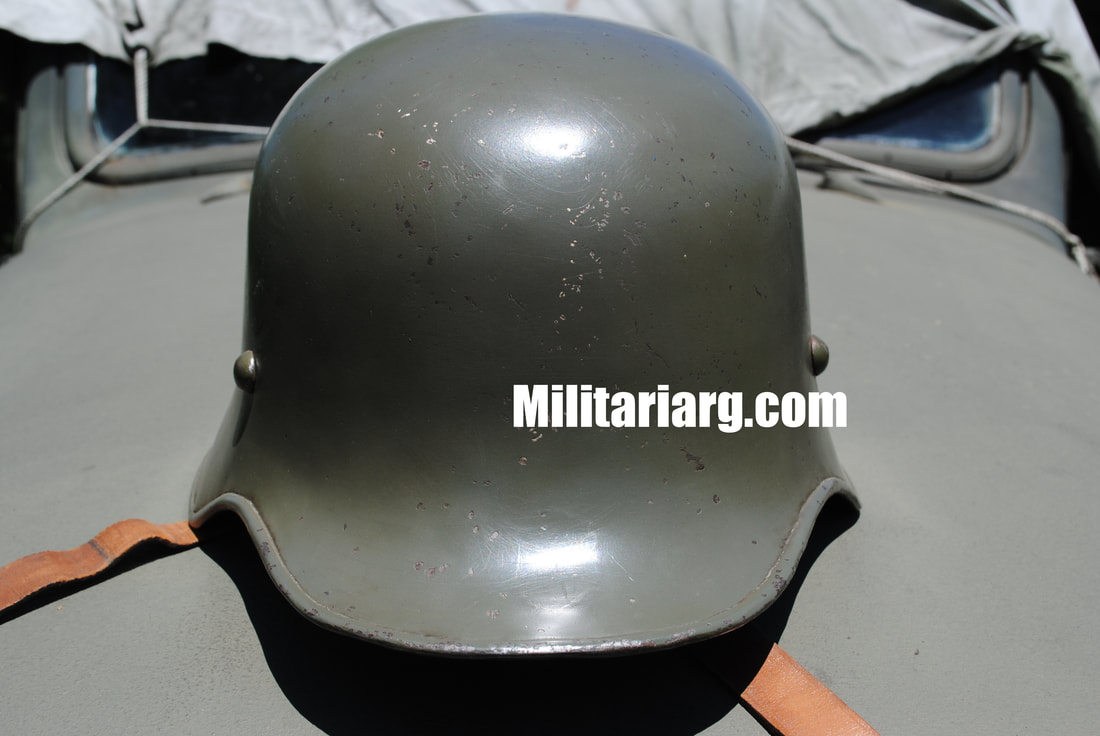
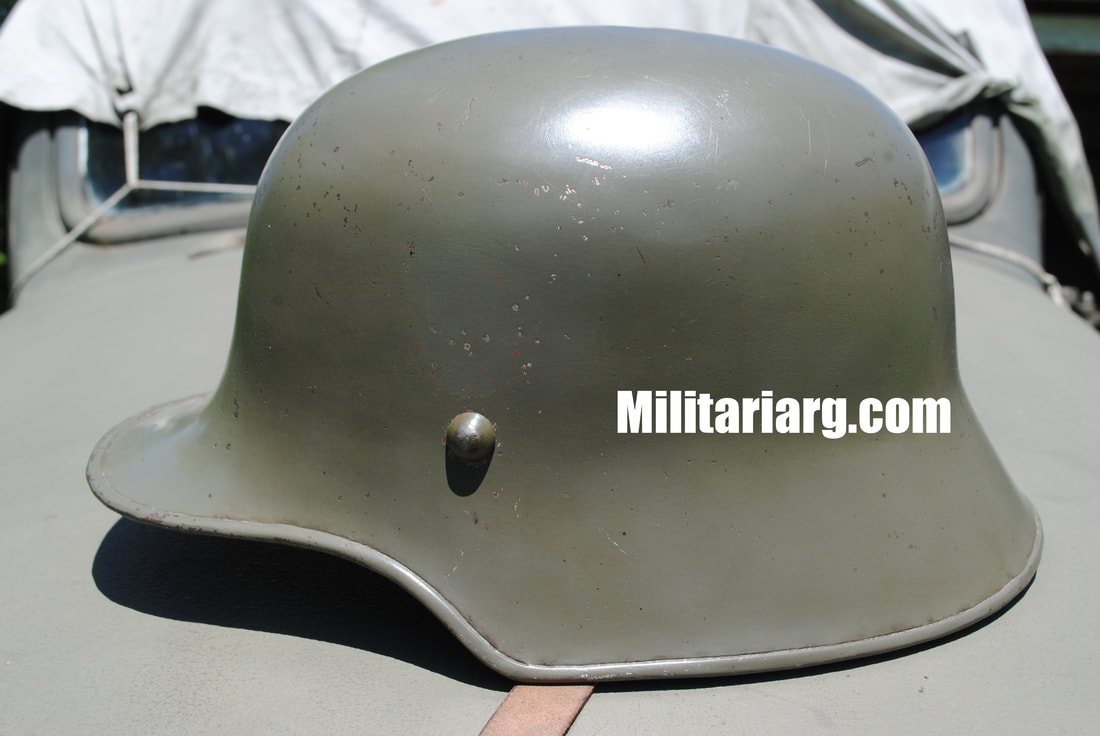
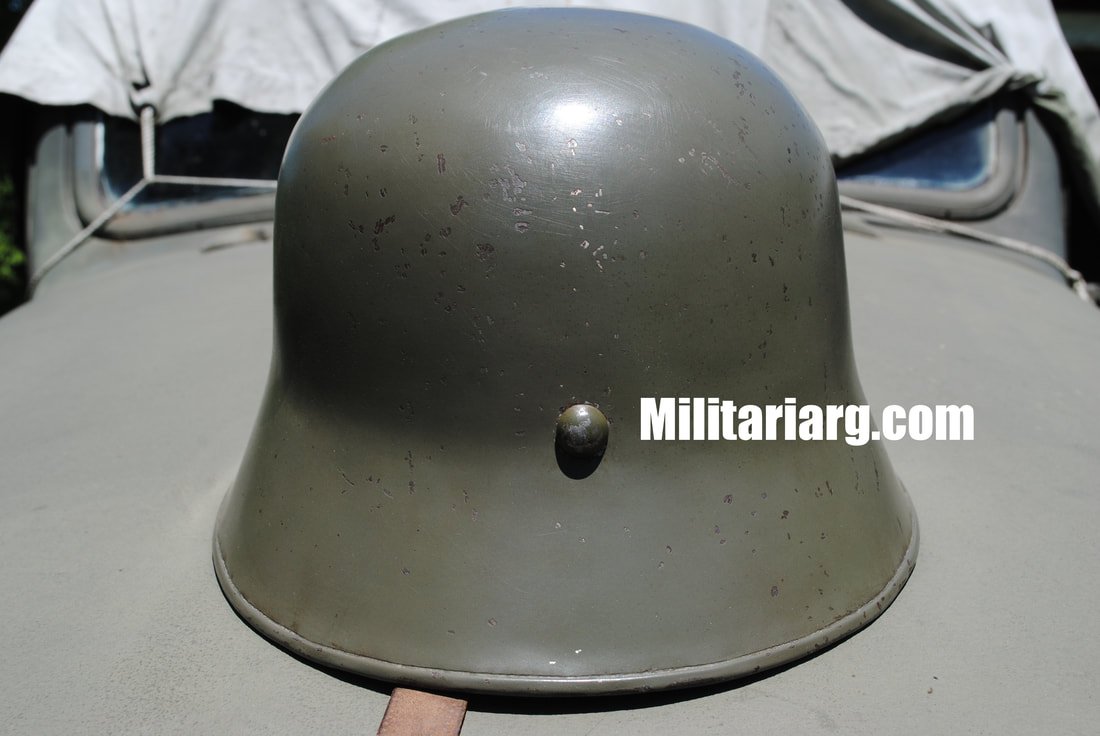
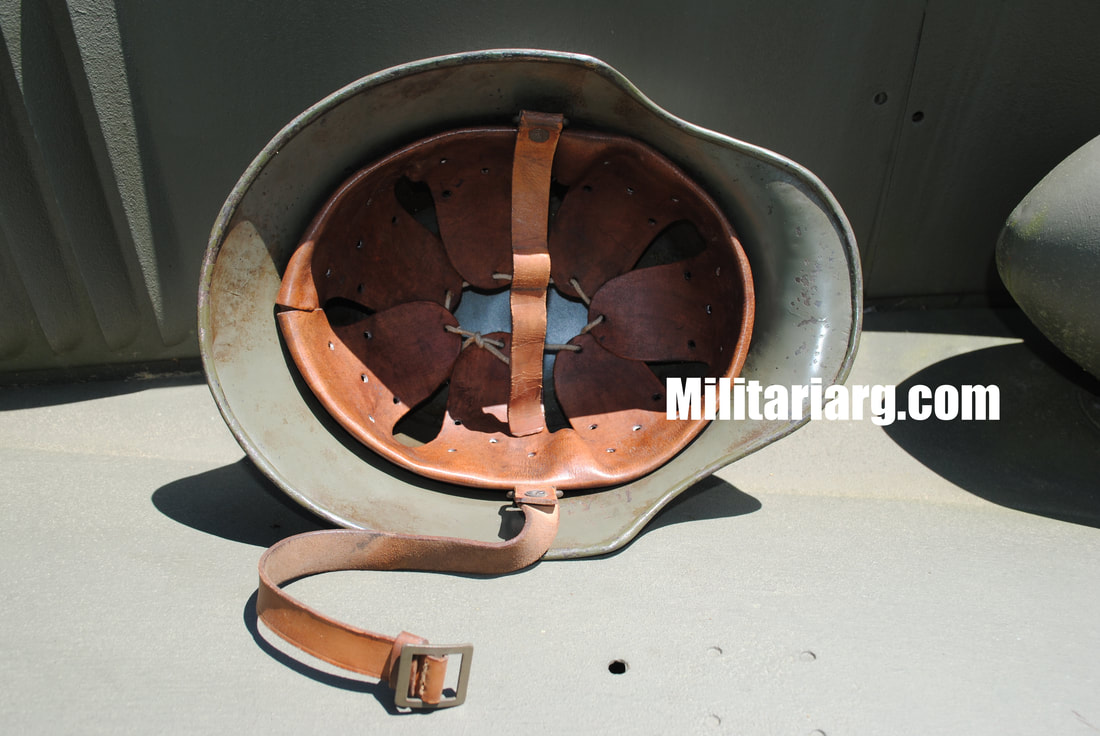
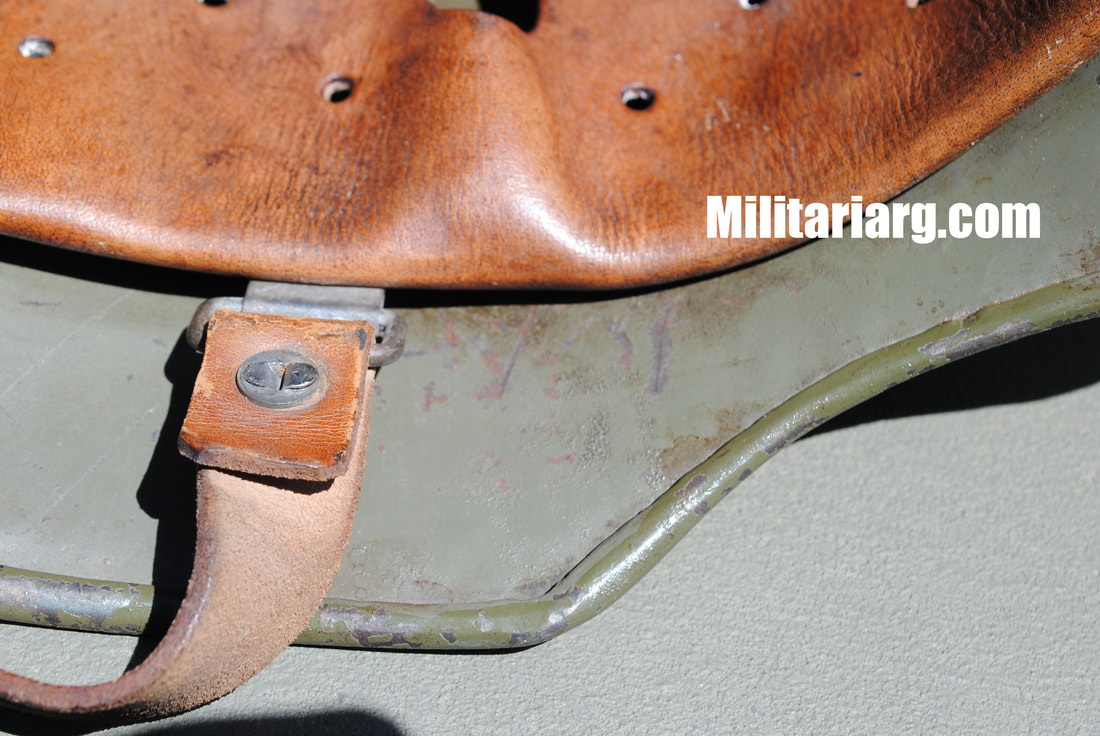
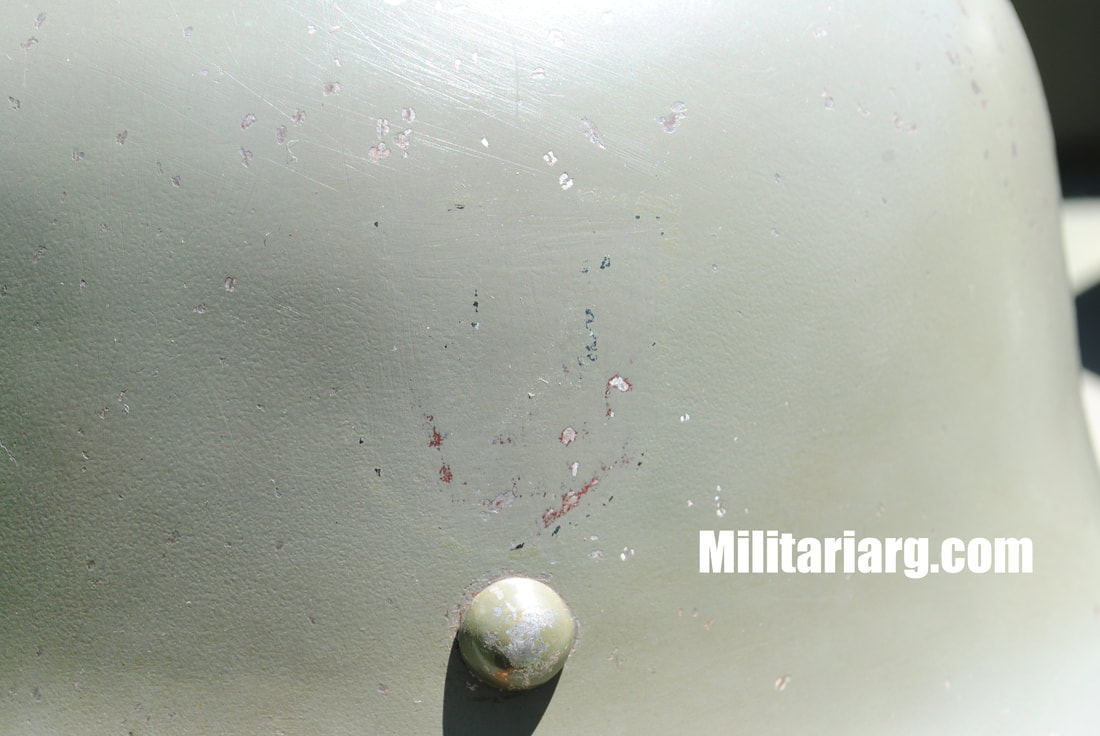
Post War. Rare M18 Ventless Helmet. Purchased in Russia but of unknown origin. I have asked several specialists but they have never seen it before. It was most likely a post-war firefighter, from repurposed shells. Or maybe a prototype.
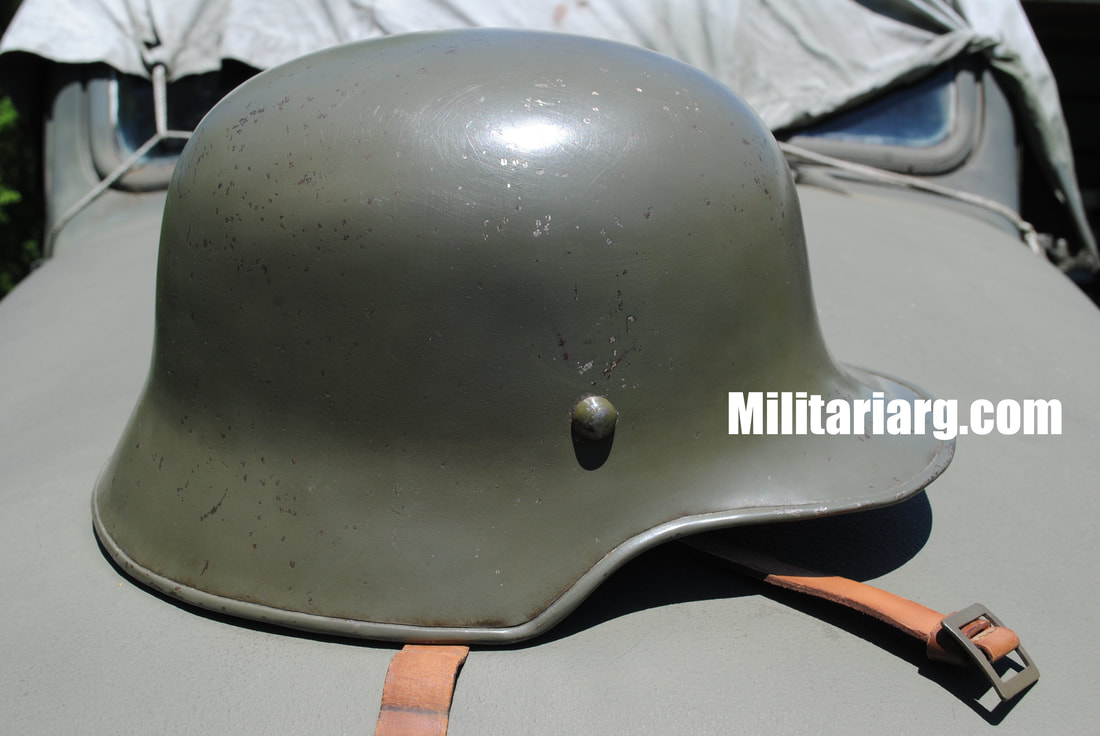
Update: 1/21/2026: This may have been postwar Czech Fire/Civil Defense prototype, not German, postwar.
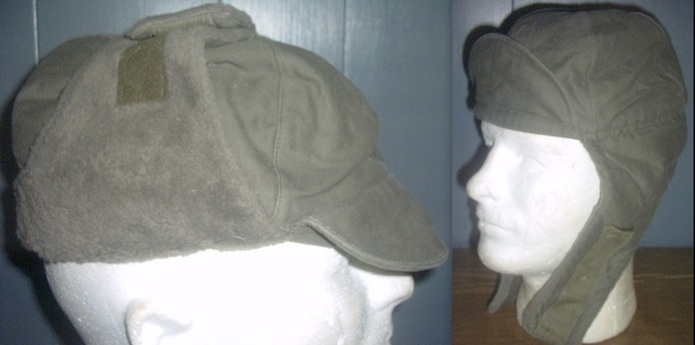
West Germany Winter Cap.
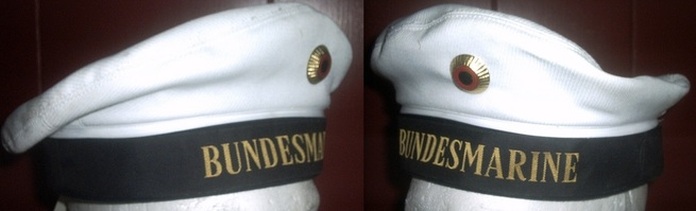
Bundesmarine Sailor Hat
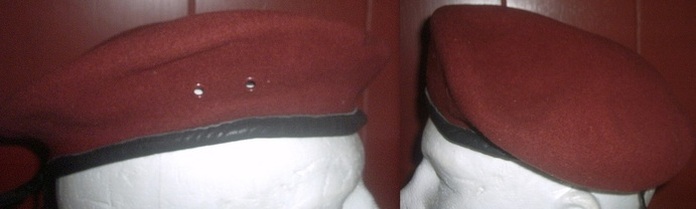
Bundeswehr Red Beret.
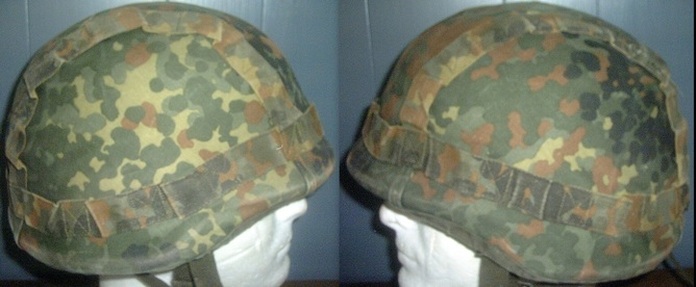
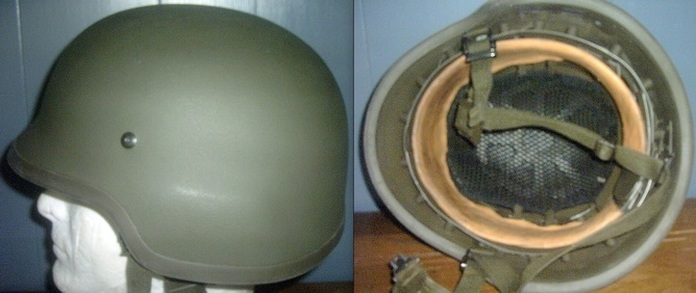
Kevlar PASGT German Helmet M826 Shuberth Gmbh.
The Schuberth M826 helmet (often referred to as the B826 or officially as the Gefechtshelm M92) is the standard-issue Aramid composite combat helmet of the German Bundeswehr. It was developed by the German company Schuberth GmbH and introduced into service in 1992, replacing older Bundeswher variants of the US M1 helmets (Gefechtshelm M1A1).
It is made from aramid composite materials (Kevlar) to provide fragmentation and ballistic protection.
The helmet design has a similar shape to the U.S. PASGT helmet but with less of a drastic visor. It was a collaborative design influenced by Spanish and American models, specifically adapted to German requirements.
Liner and Chinstrap: The M826 features a comfortable and complex suspension liner with minimal contact with the shell, secured by only three screws, and an adjustable 3-point chinstrap with a quick-release button.
The helmet weighs approximately 1.5 kg (about 3.3 lbs).
According to theregiment.fandom.com, it offers fragmentation protection against a 1.1 gram FSP at 650 m/s.
Variants: A paratrooper version, the M828, was also produced, which lacks the front peak and has a reduced brim flare. A lightweight plastic parade version (826D) was also used for ceremonial purposes.
The Schuberth M826/M92 is widely used, with variants also in service with other European nations like the Netherlands, Belgium, and Switzerland, sometimes produced under license in those countries.
The Schuberth M826 helmet (often referred to as the B826 or officially as the Gefechtshelm M92) is the standard-issue Aramid composite combat helmet of the German Bundeswehr. It was developed by the German company Schuberth GmbH and introduced into service in 1992, replacing older Bundeswher variants of the US M1 helmets (Gefechtshelm M1A1).
It is made from aramid composite materials (Kevlar) to provide fragmentation and ballistic protection.
The helmet design has a similar shape to the U.S. PASGT helmet but with less of a drastic visor. It was a collaborative design influenced by Spanish and American models, specifically adapted to German requirements.
Liner and Chinstrap: The M826 features a comfortable and complex suspension liner with minimal contact with the shell, secured by only three screws, and an adjustable 3-point chinstrap with a quick-release button.
The helmet weighs approximately 1.5 kg (about 3.3 lbs).
According to theregiment.fandom.com, it offers fragmentation protection against a 1.1 gram FSP at 650 m/s.
Variants: A paratrooper version, the M828, was also produced, which lacks the front peak and has a reduced brim flare. A lightweight plastic parade version (826D) was also used for ceremonial purposes.
The Schuberth M826/M92 is widely used, with variants also in service with other European nations like the Netherlands, Belgium, and Switzerland, sometimes produced under license in those countries.
German Flecktarn camouflage pattern is considered to be a derivative of, or at least heavily influenced by, World War II German camouflage designs, including the Waffen-SS "pea dot" pattern (Erbsenmuster).
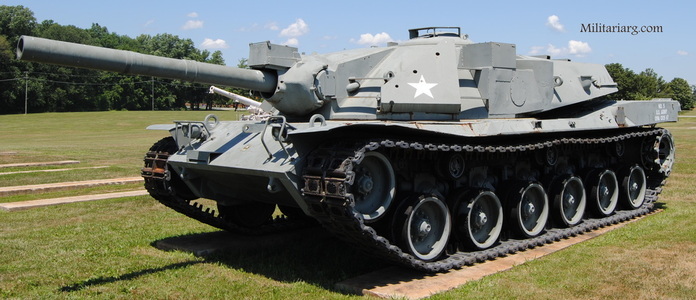
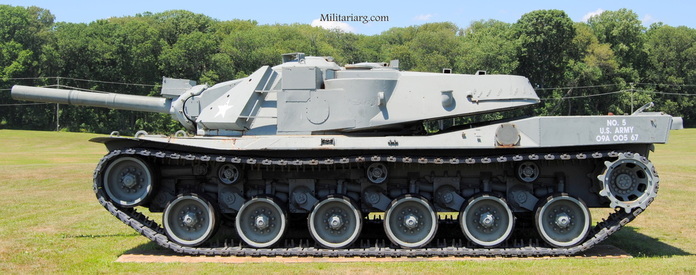
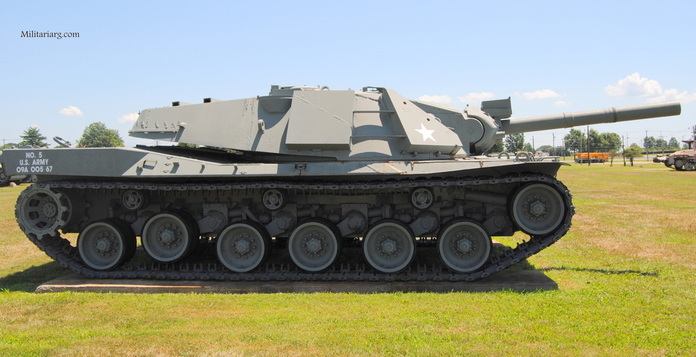
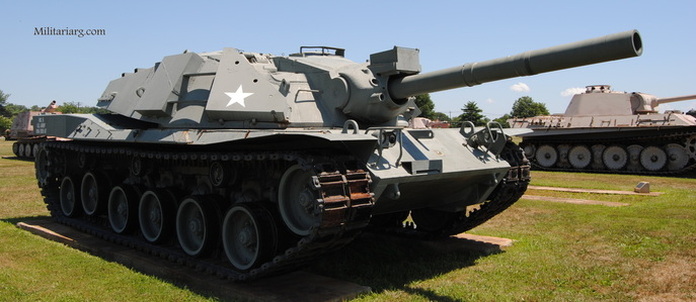
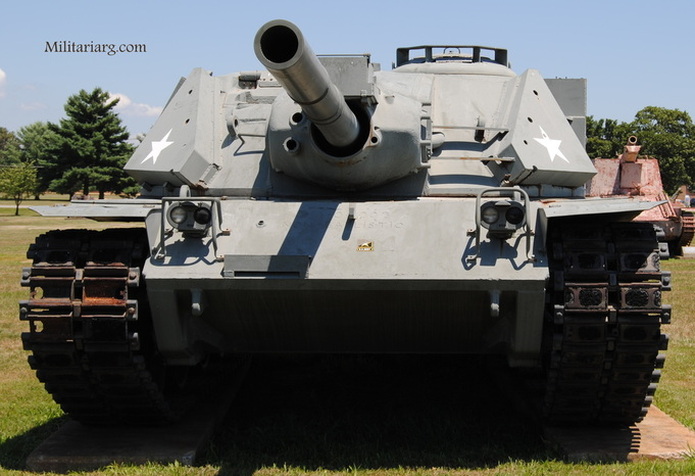
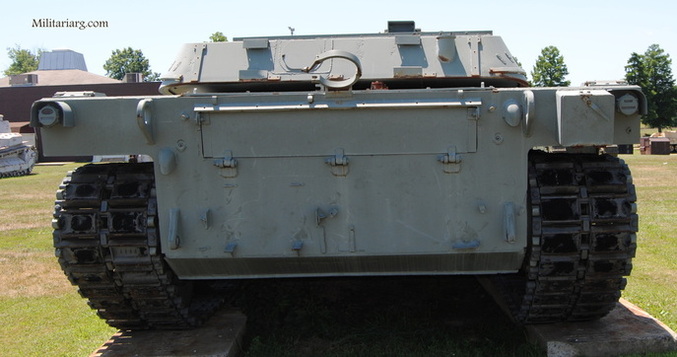
U.S/ West Germany MBT-70
The MBT-70 (Main Battle Tank 1970, or KPz 70 in West German service) was an ambitious joint project between the United States and West Germany in the 1960s to develop a revolutionary "super tank" to counter Soviet armored threats during the Cold War. The project was ultimately canceled in the early 1970s due to skyrocketing costs, technical problems, and disagreements between the two nations.
During the Cold War, West Germany hosted hundreds of military bases belonging to the United States, the United Kingdom, and France. The exact number is difficult to pinpoint. West Germany hosted more foreign troops, bases, and weapons stockpiles than any other country in the world during the Cold War. This extensive network of allied bases was vital for NATO's strategy of forward defense against a potential Soviet invasion.
United States Bases
At the height of the Cold War, the U.S. had a massive presence in West Germany, particularly in the southern and central regions (Bavaria, Hesse, etc.).
Total Facilities: Depending on how facilities were counted (ranging from major garrisons to small warehouses or radar sites), the U.S. maintained between 600 and 900 military facilities, or approximately 1,500 facilities when including civilian support infrastructure like schools and housing.
Major Bases: These numerous sites were organized into around 47 major military bases at the time the Berlin Wall fell in 1989.
British and French Bases
The British Army of the Rhine and the French Forces in Germany maintained their own extensive network of bases within their respective occupation zones (Northwest and Southwest Germany, respectively).
Geographic Distribution: The British were concentrated in the north (Lower Saxony, North Rhine-Westphalia), while the French were in the southwest (Rhineland-Palatinate, Baden-Württemberg).
Scale: While the U.S. had the largest number of troops and facilities, the British and French also had numerous garrisons, airbases, and training areas across their zones. Specific base counts for these nations are less frequently aggregated into a single number in available records compared to U.S. figures, but their presence was substantial.
United States Bases
At the height of the Cold War, the U.S. had a massive presence in West Germany, particularly in the southern and central regions (Bavaria, Hesse, etc.).
Total Facilities: Depending on how facilities were counted (ranging from major garrisons to small warehouses or radar sites), the U.S. maintained between 600 and 900 military facilities, or approximately 1,500 facilities when including civilian support infrastructure like schools and housing.
Major Bases: These numerous sites were organized into around 47 major military bases at the time the Berlin Wall fell in 1989.
British and French Bases
The British Army of the Rhine and the French Forces in Germany maintained their own extensive network of bases within their respective occupation zones (Northwest and Southwest Germany, respectively).
Geographic Distribution: The British were concentrated in the north (Lower Saxony, North Rhine-Westphalia), while the French were in the southwest (Rhineland-Palatinate, Baden-Württemberg).
Scale: While the U.S. had the largest number of troops and facilities, the British and French also had numerous garrisons, airbases, and training areas across their zones. Specific base counts for these nations are less frequently aggregated into a single number in available records compared to U.S. figures, but their presence was substantial.