Militariarg.com
  • Home
  • Army
  • Aviation
  • Navy
  • Uniforms and Badges
  • Arms and Weapons
  • Equipment
  • Vehicles
  • Operational and Organizational Structure, Security Forces, Transportation, Books, Models and More.
  • Argentine Confederation Era. 1829 - 1852.
  • From 1852 to 1910 (French fashion)
  • Bunker 1982: South Atlantic War Militaria
  • International Militaria
  • Argentina WWII Era (Neutral) Reenactment Impression
  • Links ~ Enlaces
Picture
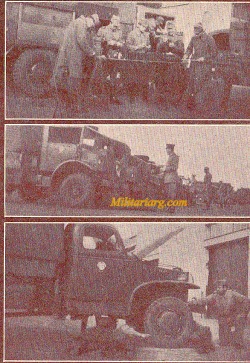
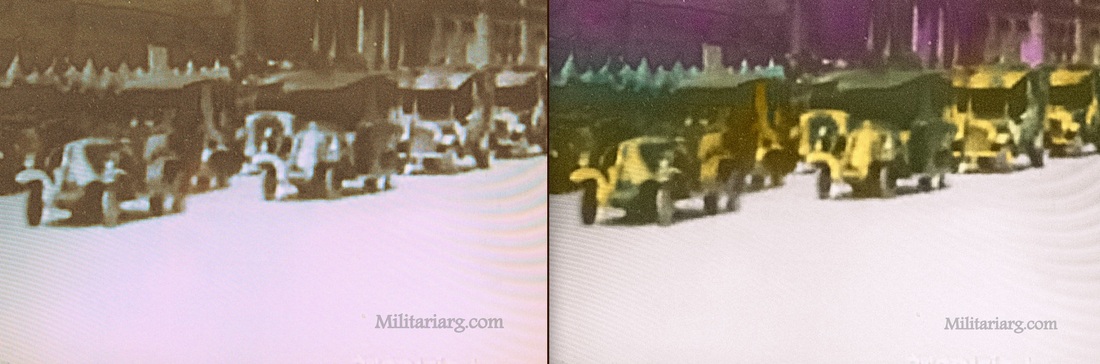
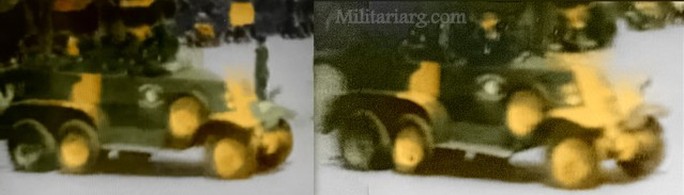
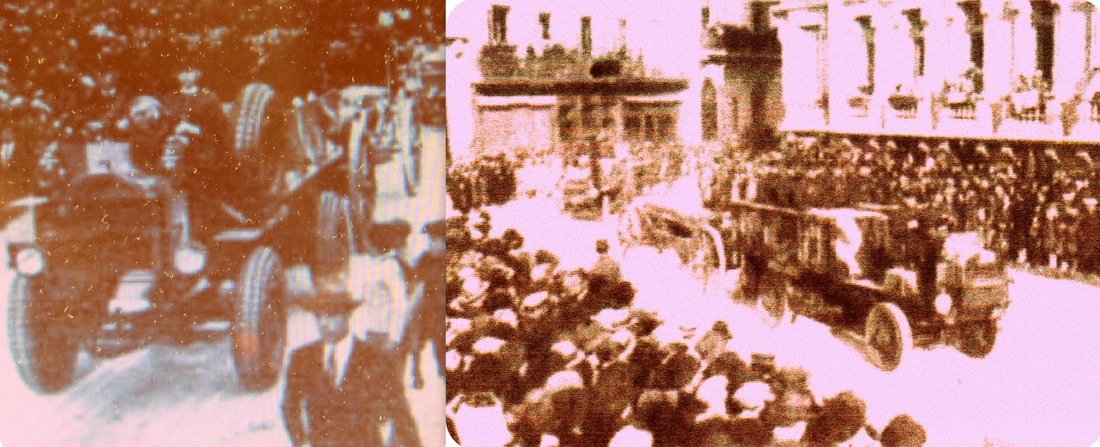
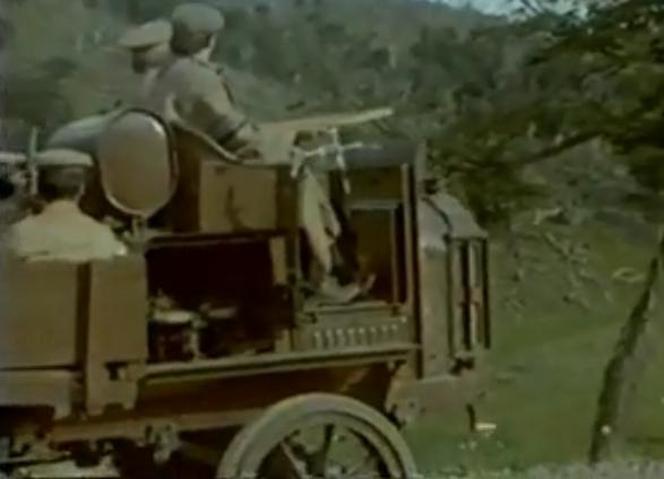
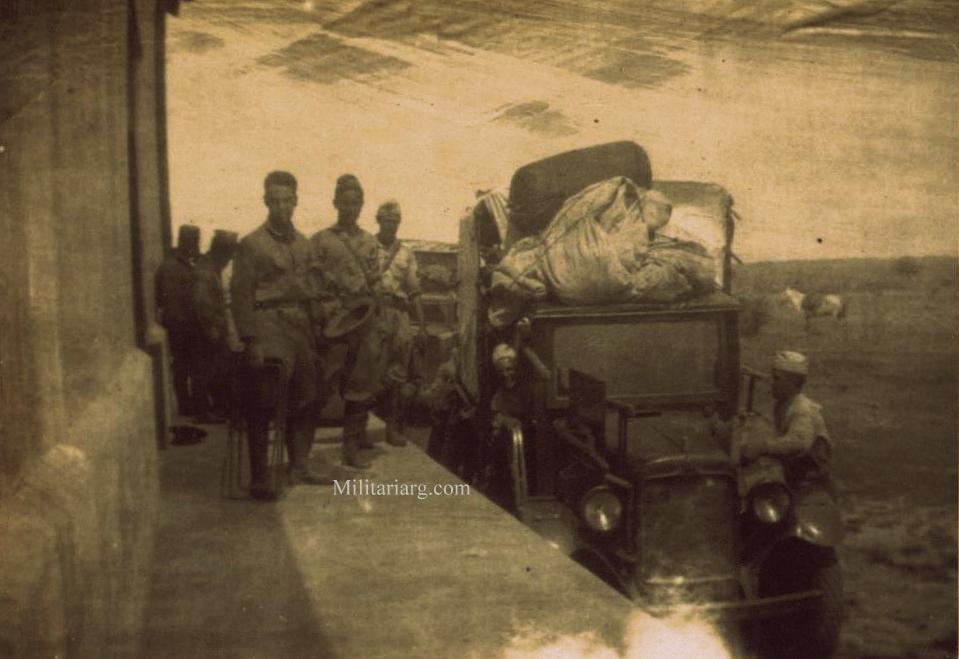
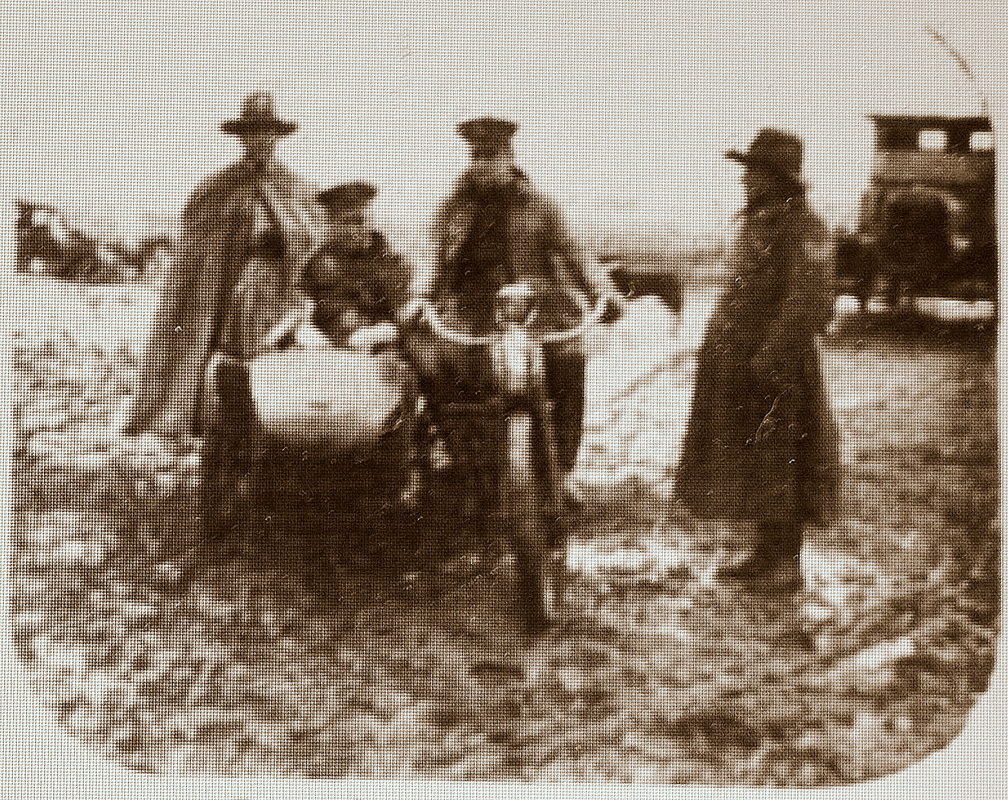
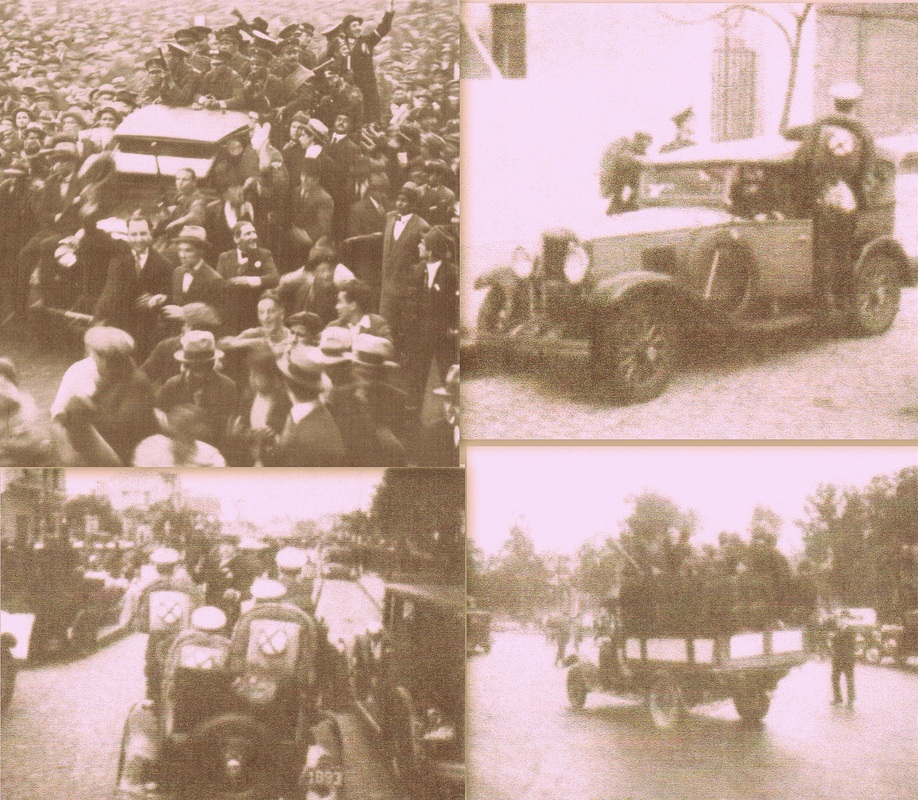
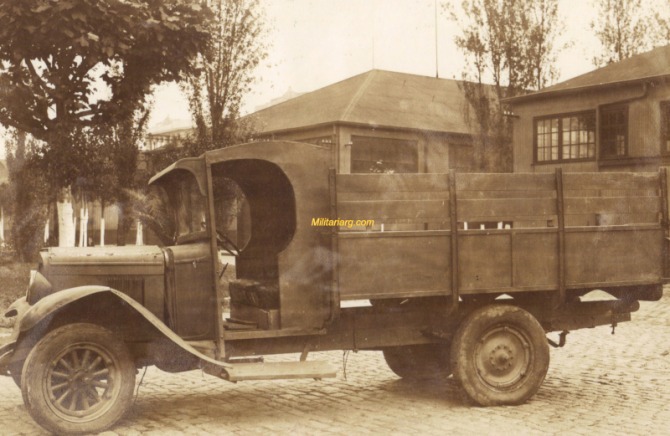
​Morris Truck ?. Caras y Caretas 1925.In the 1920s, the Argentine Army primarily used American-made motorcycles with sidecars, specifically models from Harley-Davidson and Indian.
Picture
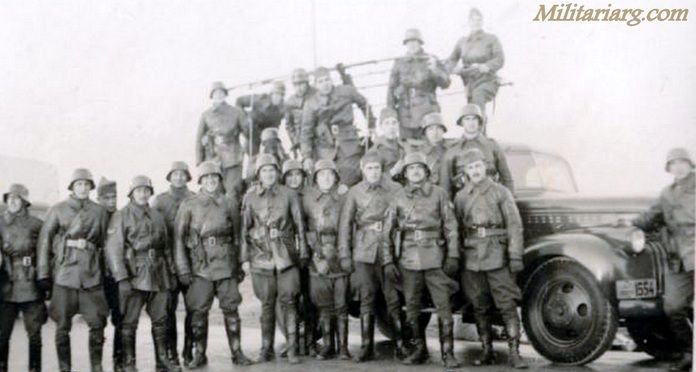
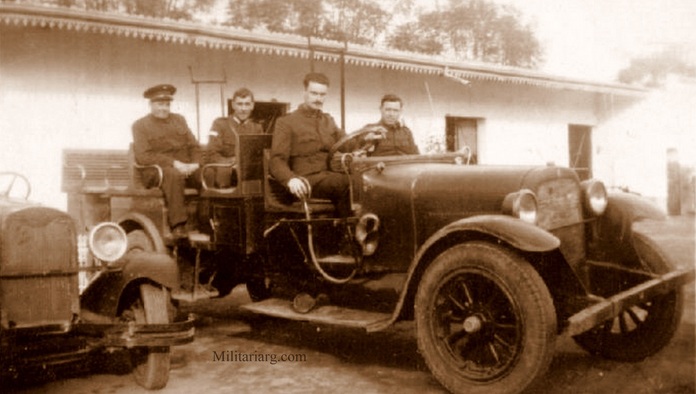
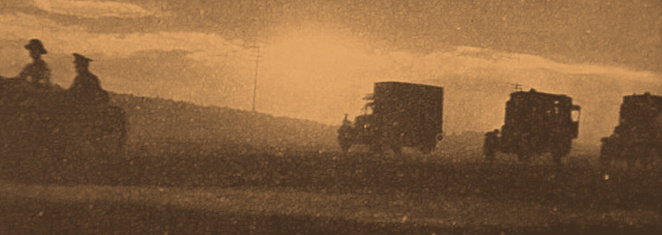
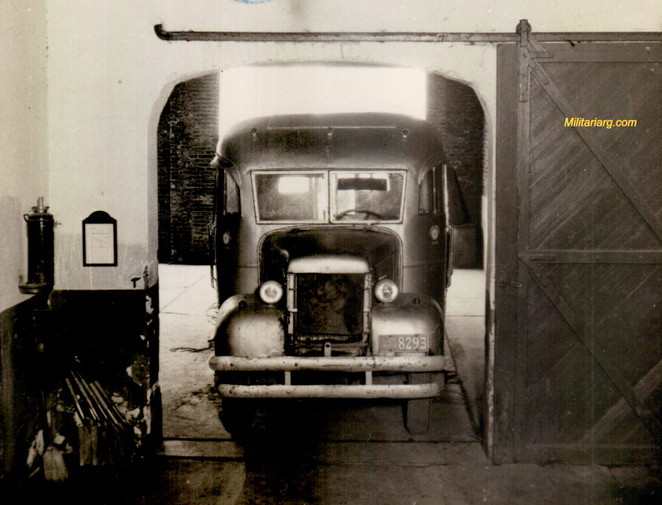
Packard firetruck?
Picture
Picture
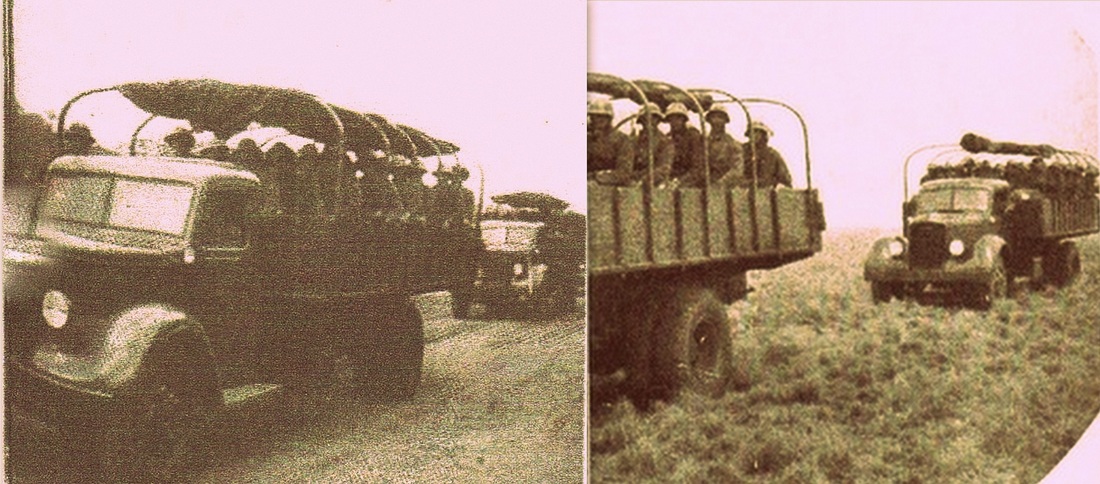
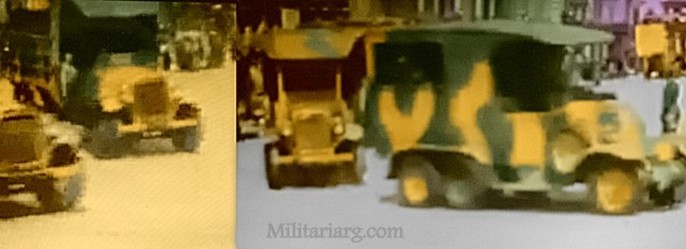
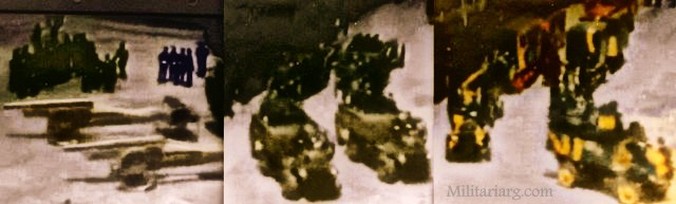
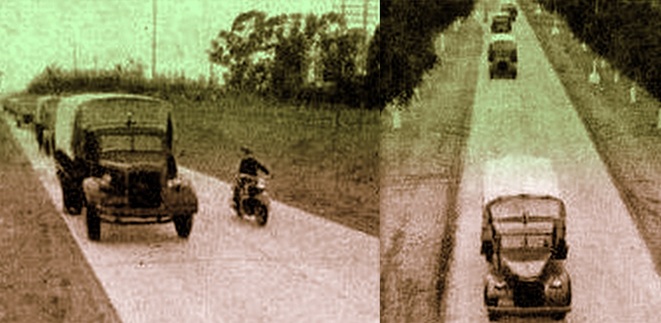
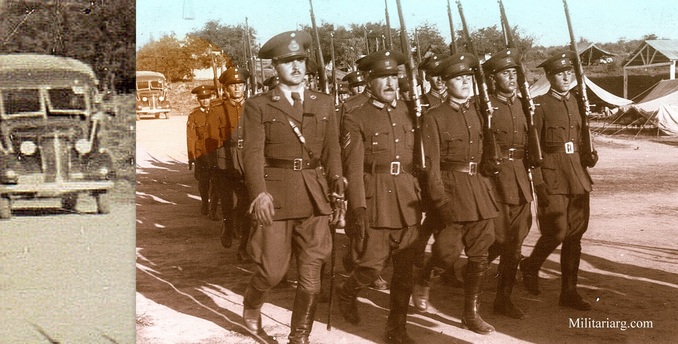
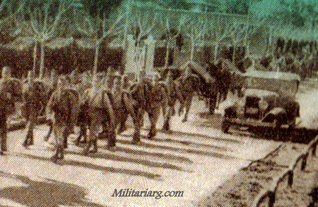
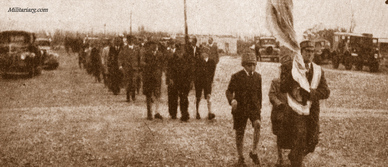
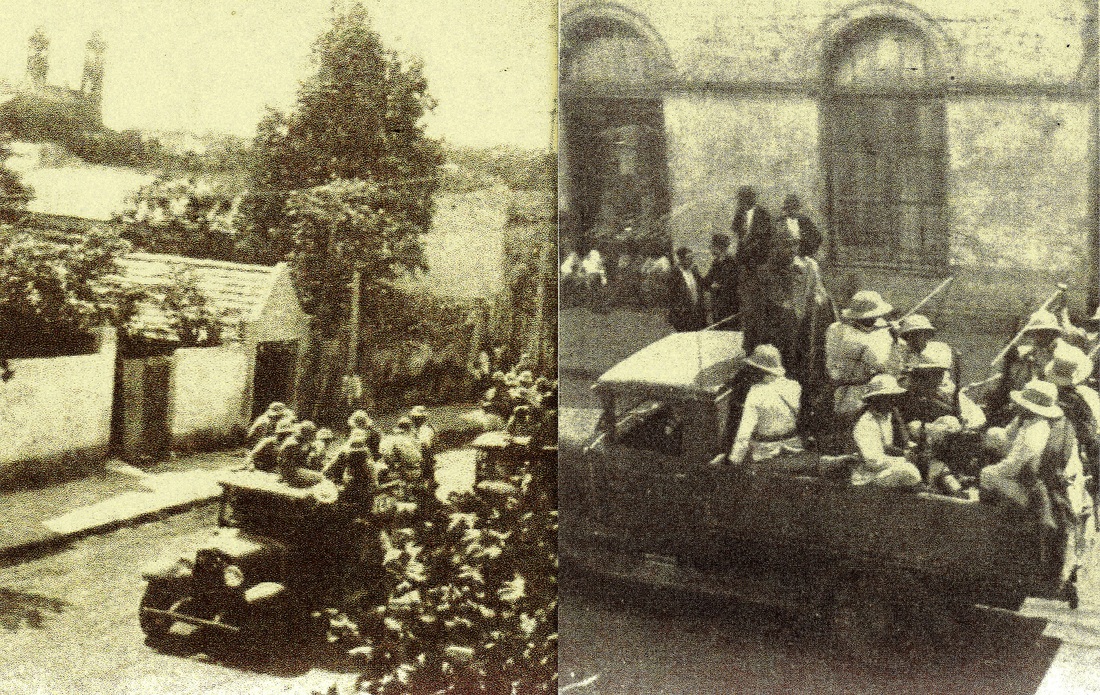
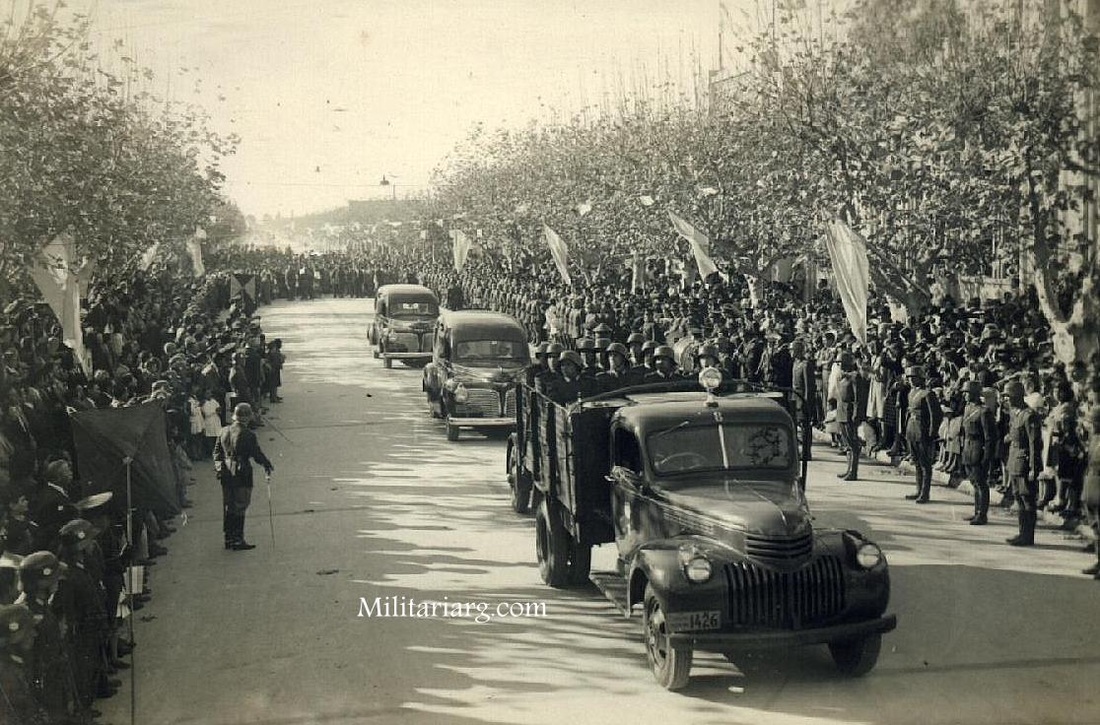
​Photo Circa 1932. Right: 25 Infantry Regiment. Regimiento 25 de Infanteria, Motorizado Reforzado". 1948.
Picture
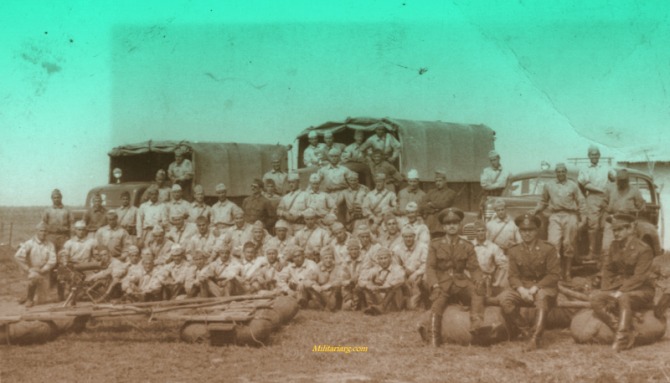
​1947. Infatry School (Campo de Mayo).
Picture
Picture
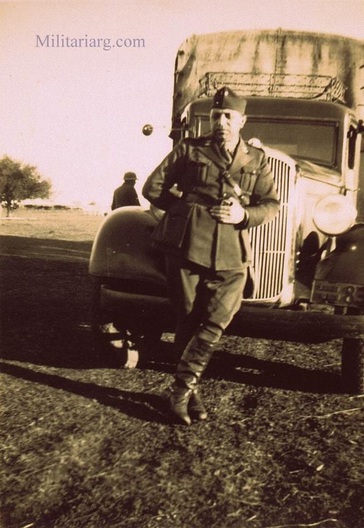
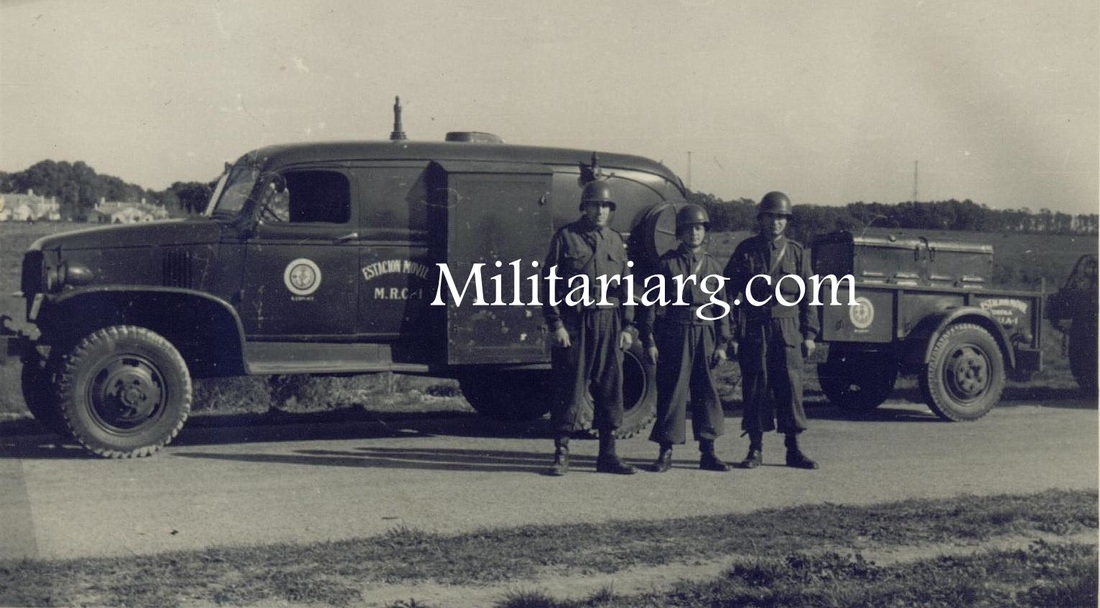
​​Late 1930s. These appear to be vehicles from the signal corp.

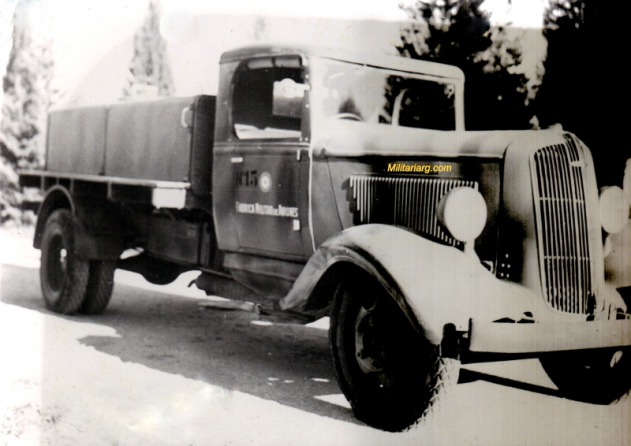
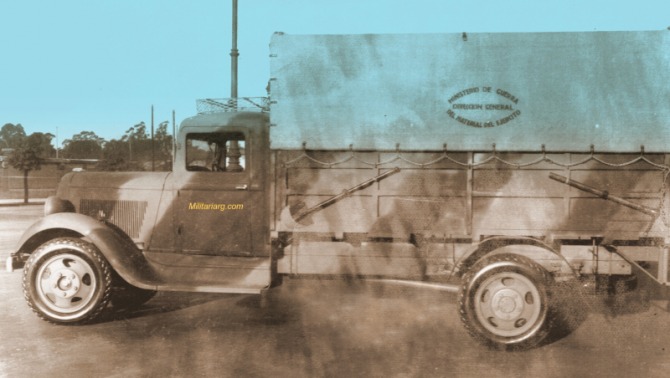
1930 Chevrolet 1 1/2-ton .6-cylinder.

Picture
Picture
Picture
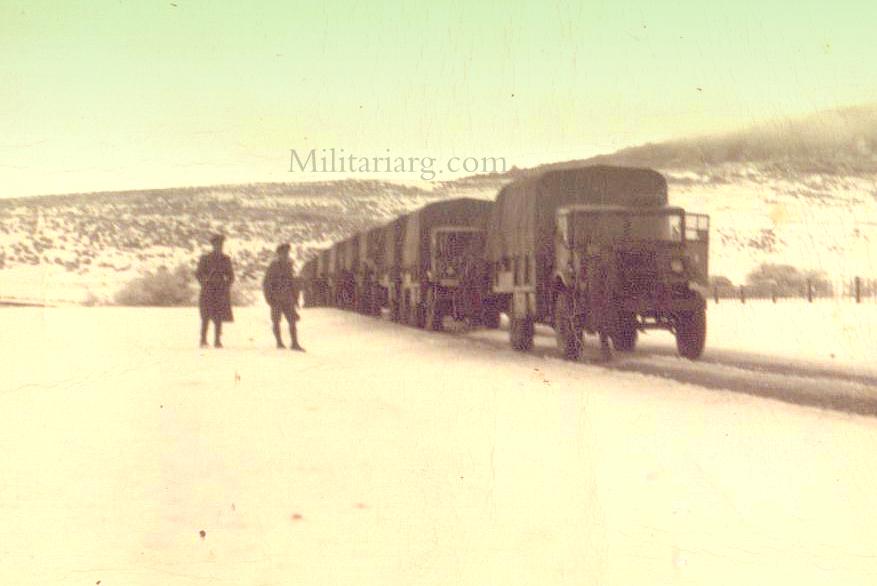
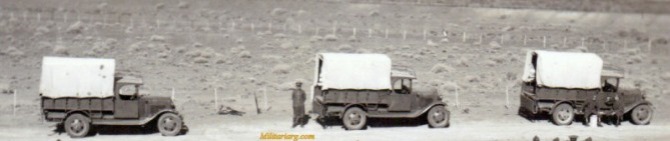
Patagonian region 1930s. 

Picture
​Photo from 1939. ​By this time, this truck must be part of old trucks from the 20s, relegated as second-line vehicles.

1940s/50s. Old Chevys as surplus.

Picture
Picture

HAFDASA "Criollo Chico" 4x4

Picture
Picture
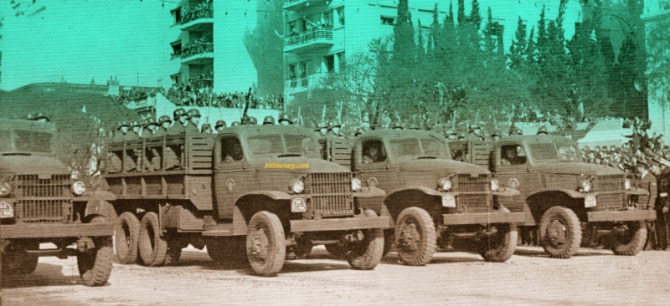
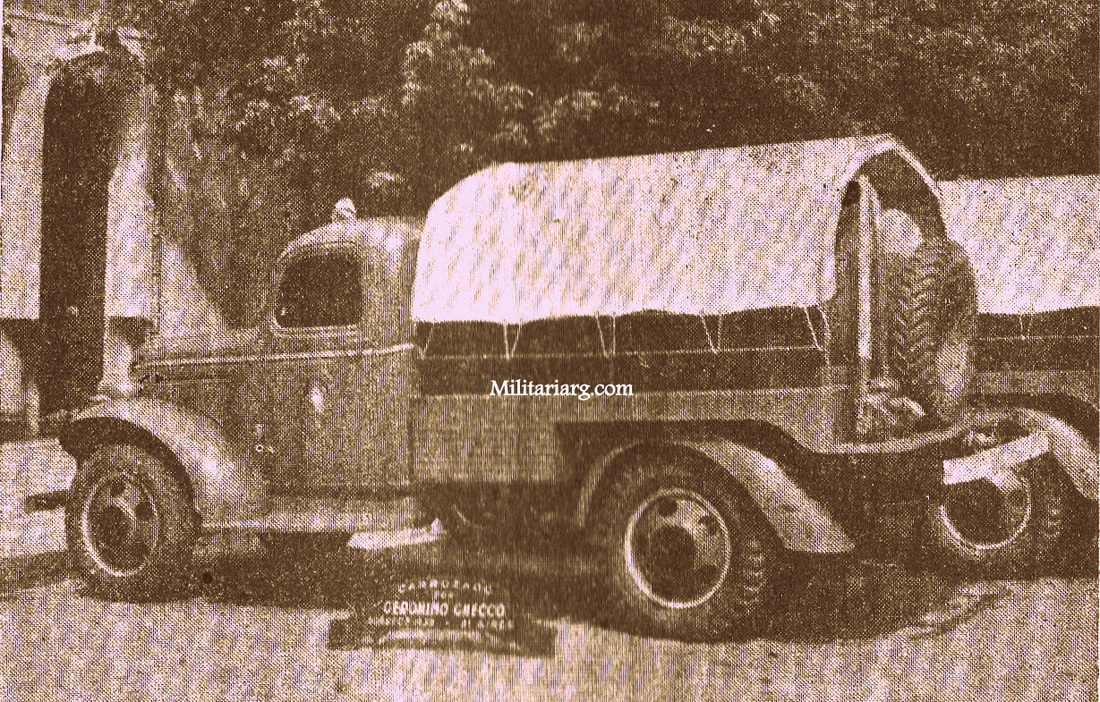
HAFDASA Criollo Chico 4x4 was an Argentine military vehicle produced by Hispano-Argentina Fábrica de Automóviles S.A. (HAFDASA) starting in 1938. 
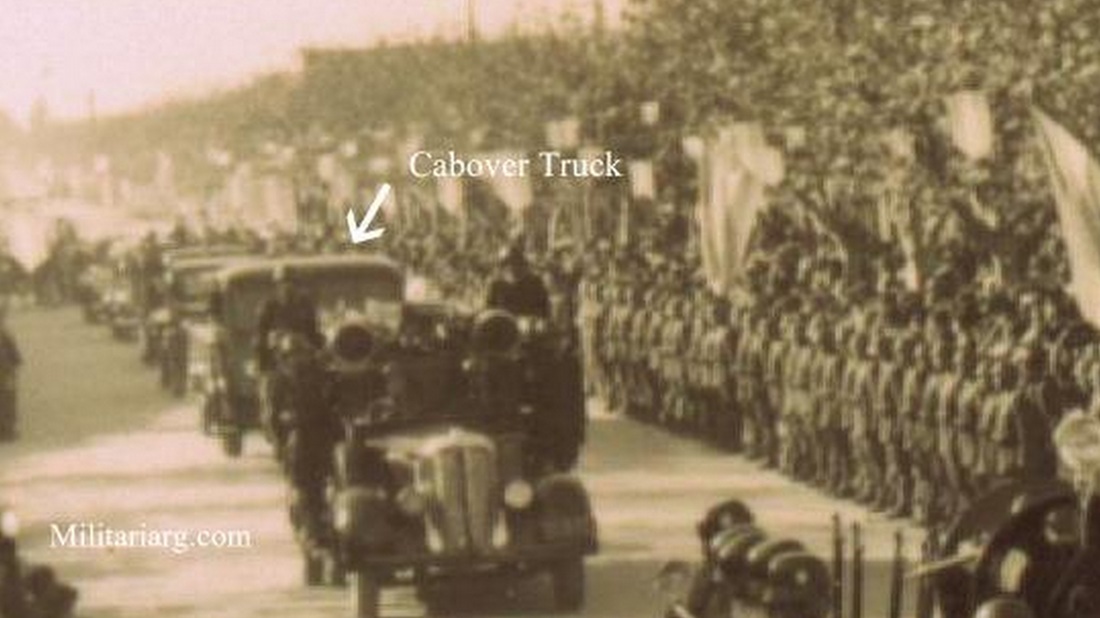
Introduced around 1938, these vehicles were presented during a military parade on July 9 of that year.
Primarily designed for military use, specifically serving in various regiments in the Patagonia region of Argentina.

Engine. Equipped with the "Criollo" Diesel engine, a proprietary development by HAFDASA that gained significant market acceptance for its low fuel consumption and maintenance costs.
Drivetrain. Featured a 4x4 configuration with 6 forward speeds and 2 reverse speeds, providing high mobility in difficult terrain.
Body: Truck mounted on a frame with two doors.
Suspension. Utilized a combination of leaf springs and torsion bars for both front and rear.
Manufacturing: Produced in the Caballito neighborhood of Buenos Aires. 

The "Chico" (small) model was part of a broader "Criollo" family that included the "Grande" (large) 6x6 variant, which was used for heavy-duty tasks such as towing artillery.

FWD

Picture
Picture
Picture
​FWD (of the Four Wheel Drive Corporation founded in Wisconsin) Transport Truck. Four-wheel Drive from the 1930's.

GMC T-series trucks.

Picture
GMC T-series truck. 1937. Caras y Caretas 9/10/1937 ​n.º 2.036.
Picture
General Motor Trucks T-series cargo T-30 2-ton rabge and T-23H 4-ton range.
Picture
Picture
Picture

Picture
Picture

Picture
Picture
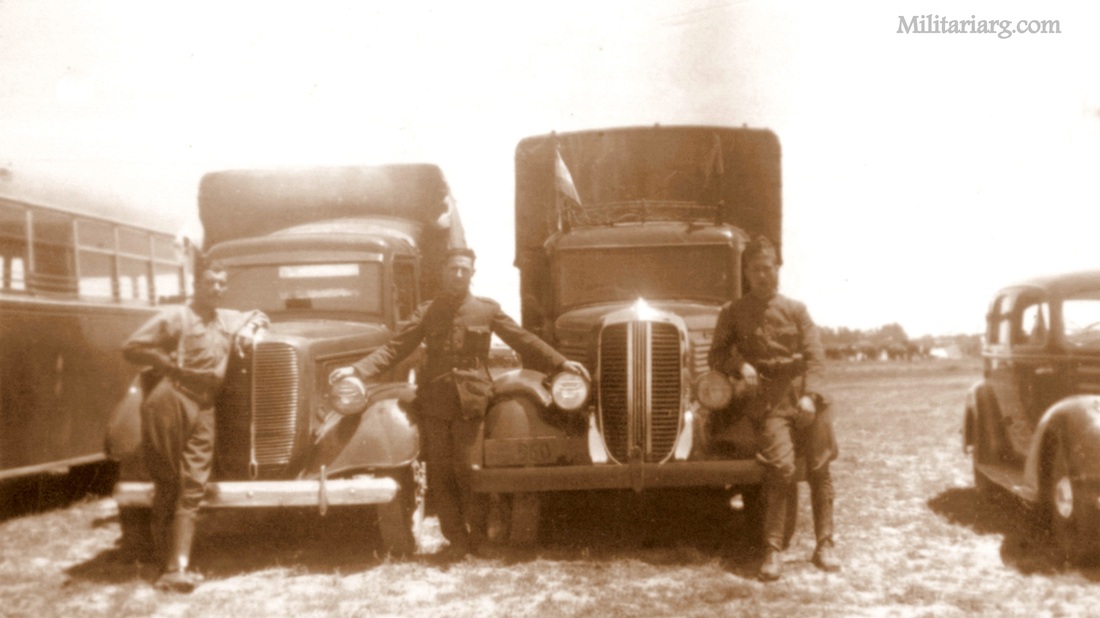
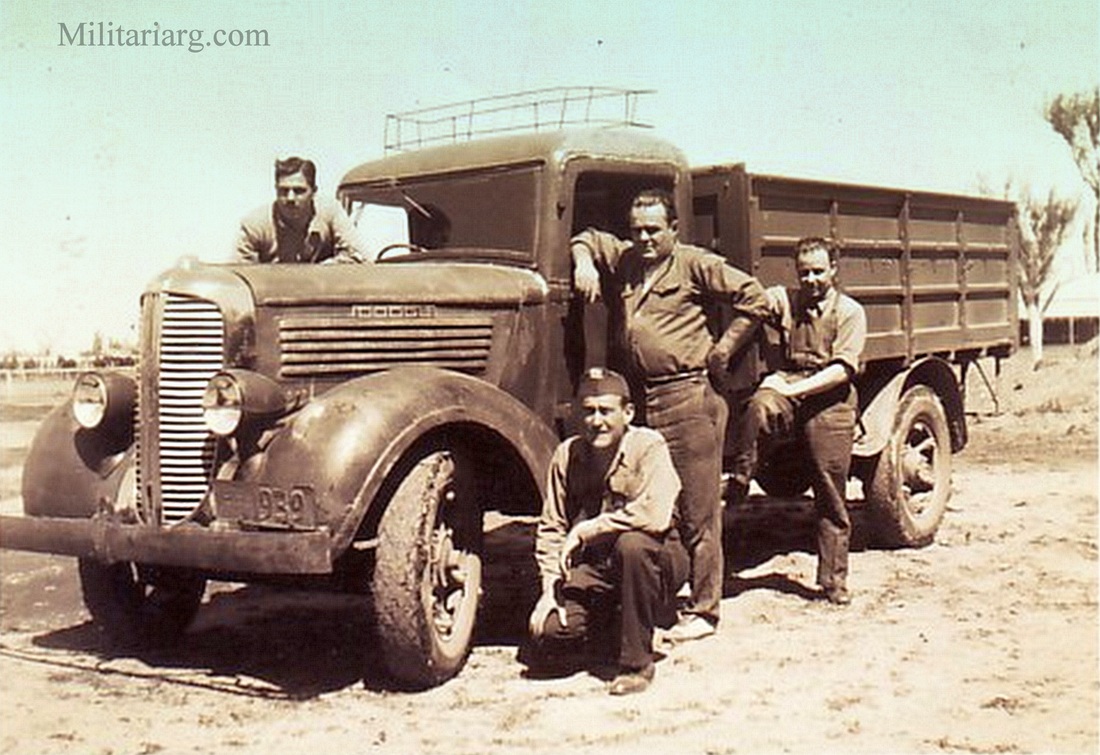
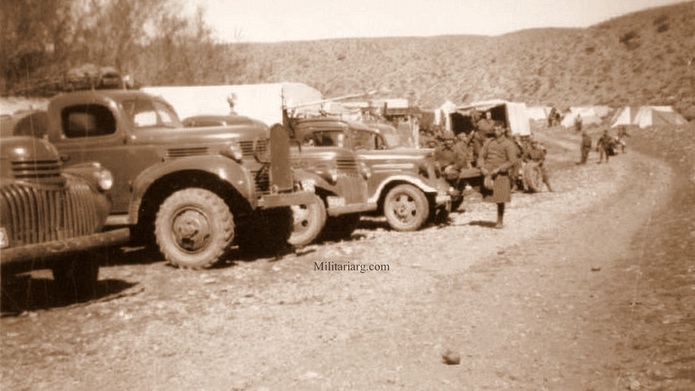
On the far right, a Dodge D2 (?). Middle: 1936-38 Ford and 1938 Dodge Trucks, respectively. Partially on the far left, a Büssing-NAG or a Scania Vabis Bus?
Picture
Old civilian Dodge. After prolonged service, many vehicles went into civil service like surplus. 

Dodge Vans

Picture
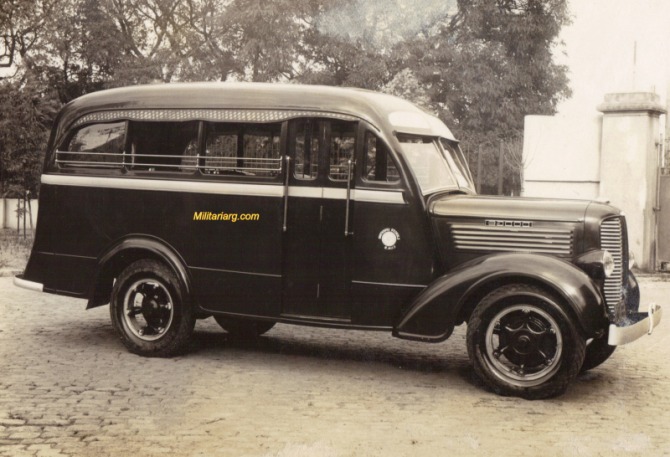
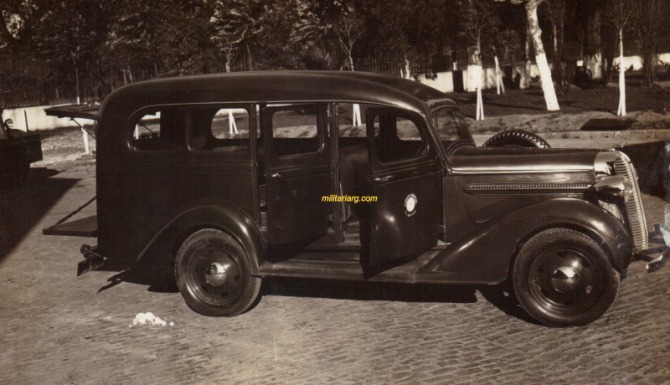
Mid-30s, Dodge van.
Picture
​Commercial Dodge pickup from 30s.

Picture
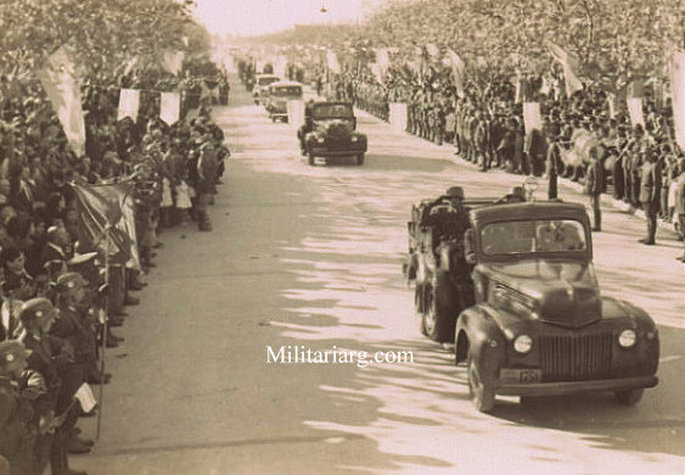
​​Modified 1/2T Ford 42/47 Pickup. In the 1950s, the Argentine Army utilized modified command cars and light utility vehicles primarily based on Dodge and Ford chassis. While the transition toward domestic manufacturing (like the IKA Jeep) was underway, the military continued to adapt American designs to their specific operational needs.
Picture
Dodge 1 1/2-ton truck.

Dodge VC and WC series.

VC Dodge Series (1940)
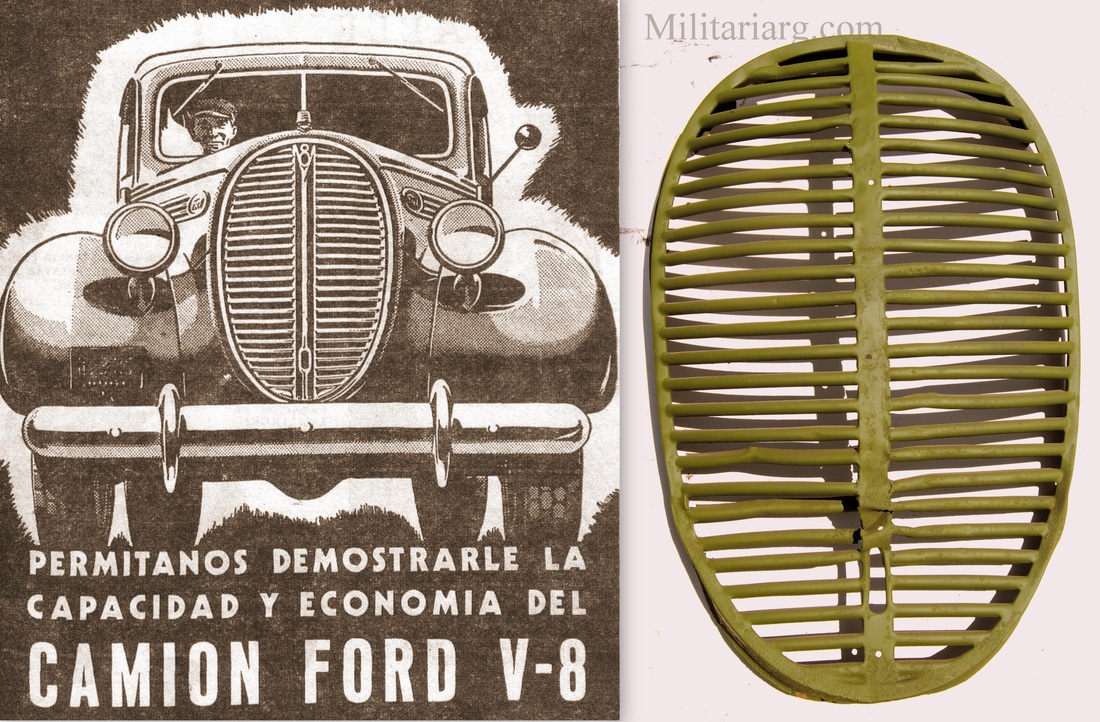
WC Series (1941 onwards). "The Stopgap". Because these were "militarized" civilian trucks, they kept the rounded, civilian-style grille. To protect the radiator, a separate, vertical-bar brush guard was bolted on in front of that civilian grille.

The VC series was the U.S. military's first iteration of light 4x4 trucks in 1940. It is unlikely Argentina received many of these, as the VC models were quickly superseded by the highly standardized WC series during the war. ​
Picture
Chevys weighing 1.5 tons, 1940s Dodge VC Truck with Front Grill, and GMC 1937 or 38. Dodge M35 3-ton. Dodge VC series (1940) is actually famous for having a very distinct brush guard that differentiates it from the later WC series.​
​WC Dodge
WC Series (The Purpose-Built). When Dodge moved to the WC series in 1941, they completely redesigned the front end. Instead of a separate guard over a civilian grille, the WC featured a flat, integrated heavy-duty steel grate that served as both the grille and the brush guard.

The Argentine Army used the Dodge WC (Weapons Carrier) series extensively in the post-WWII era, though the earlier VC series was less common. The WC trucks formed a major part of the Argentine military's medium and light transport fleet for decades. 
The WC series was the backbone of Allied logistics in WWII and was widely adopted by Argentina after 1945 through surplus sales and military assistance programs. These trucks were essential due to their durability and common parts. 
Common variants in Argentine service included:

 WC-51/WC-52 (Cargo/Weapons Carrier): These 3/4-ton 4x4 trucks (WC-52 had a winch, WC-51 did not) were ubiquitous in the Argentine Army for general troop and cargo transport. Many remained in service into the 1970s.
 
WC-54 (Ambulance): This was the standard military ambulance with a fully enclosed rear body, used extensively by medical units.
 
WC-56/WC-57 (Command Car):
These were the open-top command reconnaissance cars used by officers. The WC-57 had a winch.

 WC-63 (6x6 Cargo): This was the heavy-duty 1.5-ton, 6x6 variant. At least one of these has been documented in Argentina, potentially modified locally as a fire truck. 

The WC series eventually began to be replaced by the newer Dodge M37 series in the 1950s, which shared many similar driveline components with the WC series.

​Dodge "Jeepón" (WC Series). The most iconic "modified" command vehicle of this era was the Dodge WC Series, often referred to locally as the "Jeepón" (Big Jeep).
 
Command Variants: The Army used the Dodge WC-56 and WC-57 (with winch) as "Vehículos de Mando" (Command Vehicles).

Modifications: Many were retrofitted in Argentine military workshops to extend their service life throughout the 1950s. Modifications included installing locally produced canvas tops, specialized radio racks, and in some cases, replacing the original 6-cylinder engines with later Dodge M37 synchronized transmissions or transfer cases.

Radio Cars: The WC-58 was an identical command variant specifically equipped with high-powered radio sets for field communication. 
Marmon-Herrington Conversions: Before Ford offered factory 4x4, the Argentine military utilized Marmon-Herrington All-Wheel Drive conversions for Ford F-1 and F-2 trucks. These were modified into "Camionetas de Reconocimiento" with open rear beds and specialized seating for command staff.

Local Adaptation: By 1957, as the Ford Falcon project began, the military looked for rugged alternatives that led to the later adoption of the Ford F-100 as a standard utility platform. 

 Dodge Power Wagon
The Dodge Power Wagon (WM300) was widely used as a heavy command and cargo vehicle throughout the 1950s. 

Configuration: These were often modified into closed-cab command posts or field ambulances. Some were acquired as surplus after WWII and "re-militarized" with Argentine-specific camouflage and communication equipment. 

The Transition to Domestic Designs
The 1950s was a bridge decade where these American modified cars were eventually replaced by local production: 

IKA Jeep: By 1955, the IKA (Industrias Kaiser Argentina) Jeep began production in Córdoba, eventually becoming the standard command vehicle and phasing out the older modified Dodges and Fords.

Ford and Chevrolet trucks

Picture
Picture
Picture
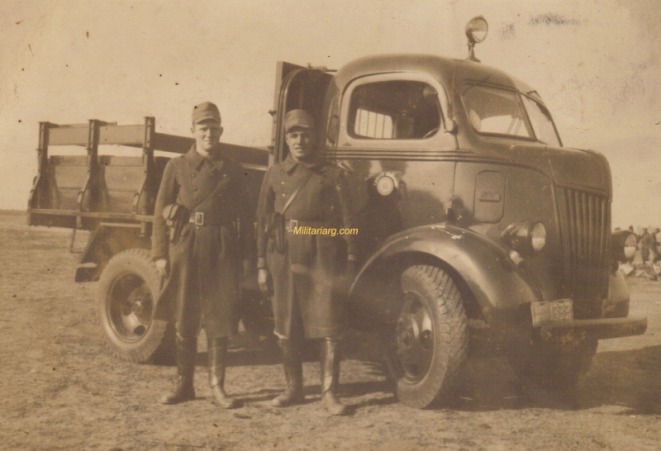
Ford Coe, (Cab Over Engine or Cabover truck), from the 1940s.
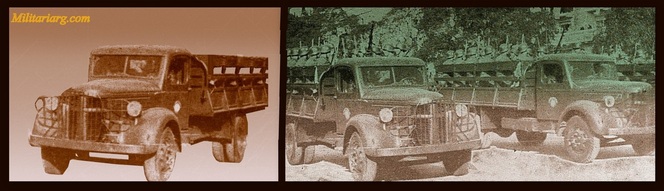
Picture
Chevrolet 1939.
Picture
​Chevy 41 Truck.
Picture
Picture
​Chevy Water Truck
Picture
​41-46 Chevy 1.5T Truck.
Picture
​Type "Shuttle", Halft-Cab British Left Side Driving truck.
Picture
​1930s Ford?.

Picture
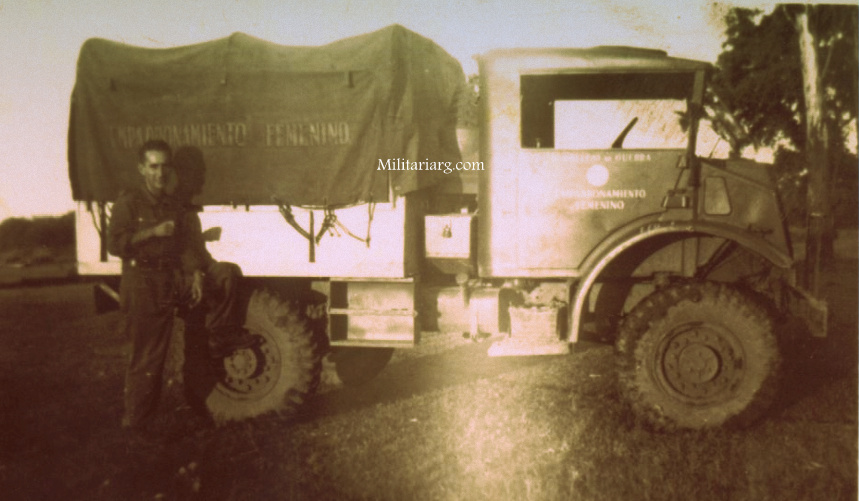
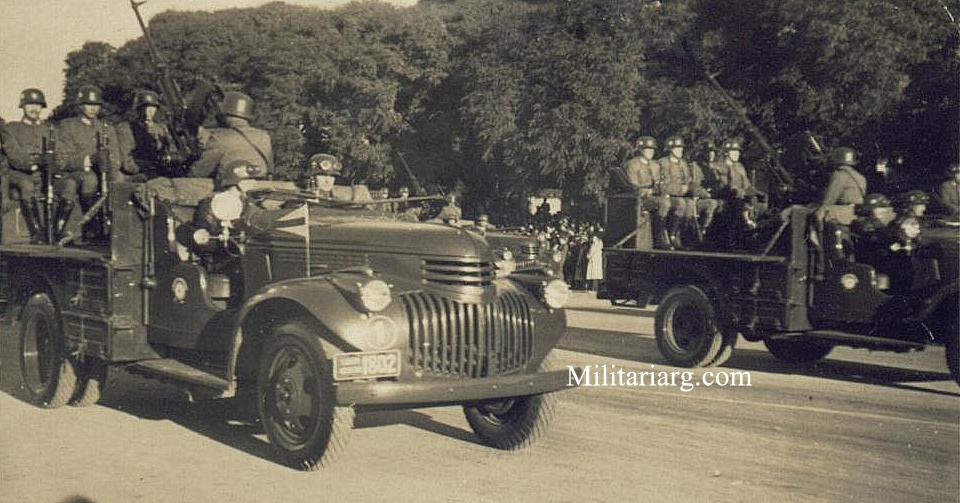
​1940. Chevrolet Master 1½-ton truck locally modified by the Argentine Army during World War II. This specific modification is highly significant in Argentine military history. Because World War II cut off the supply of imported military vehicles, Argentina had to adapt civilian trucks for combat. 
​The Oerlikon 20mm was highly valued by the Argentine Army for its high rate of fire—approximately 450 rounds per minute—and its simple, reliable blowback operation. In the 1940s, these were mounted on various chassis, including the 1940 Chevrolet Master and Ford 1940 trucks, to provide mobile air defense for infantry and motorized columns. 
Picture
Picture
It's not a WC-54, but something similar. This particular open cab type command car, could be one of the commercial chassis (Dodge, Chevy. Ford) modified in the Esteban de Luca Arsenal Battalion during the WW2. It featured three rows of bench seats designed to transport command staff or specialized gun crews these benches were often used to transport the full gun crew of 12 soldiers (approx. four per row) required for a Bofors 40m.

Ford Pickups

Picture
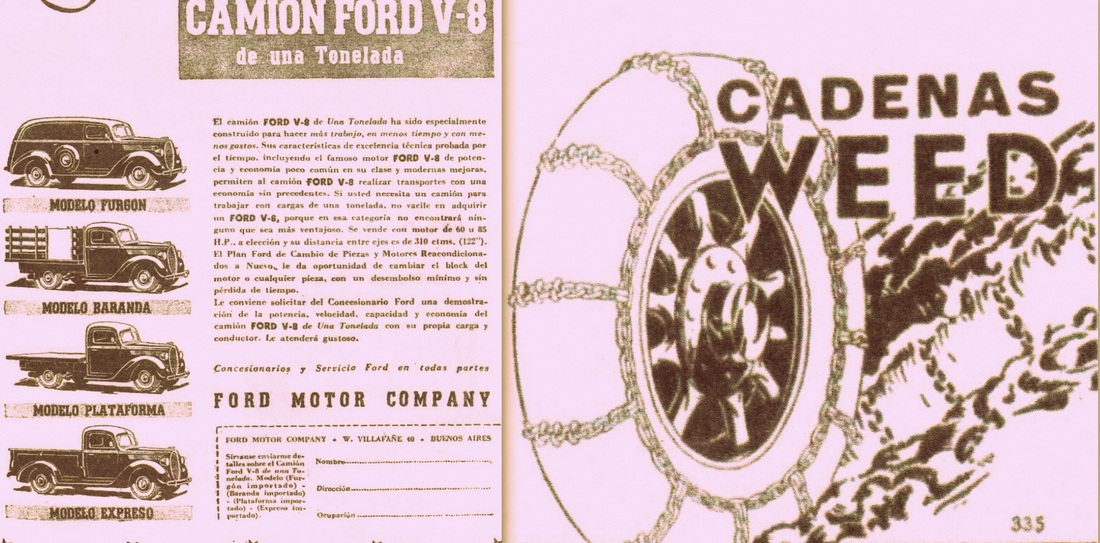
​1/2 ton Ford V8 pickup from the 1930s (35/36).
Picture
Ford VAN?
Picture
​Dodge or Ford Ambulance Pickup ?

Dodge pickup trucks

Picture
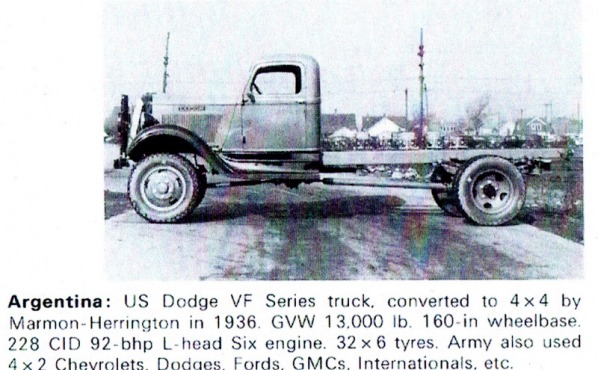
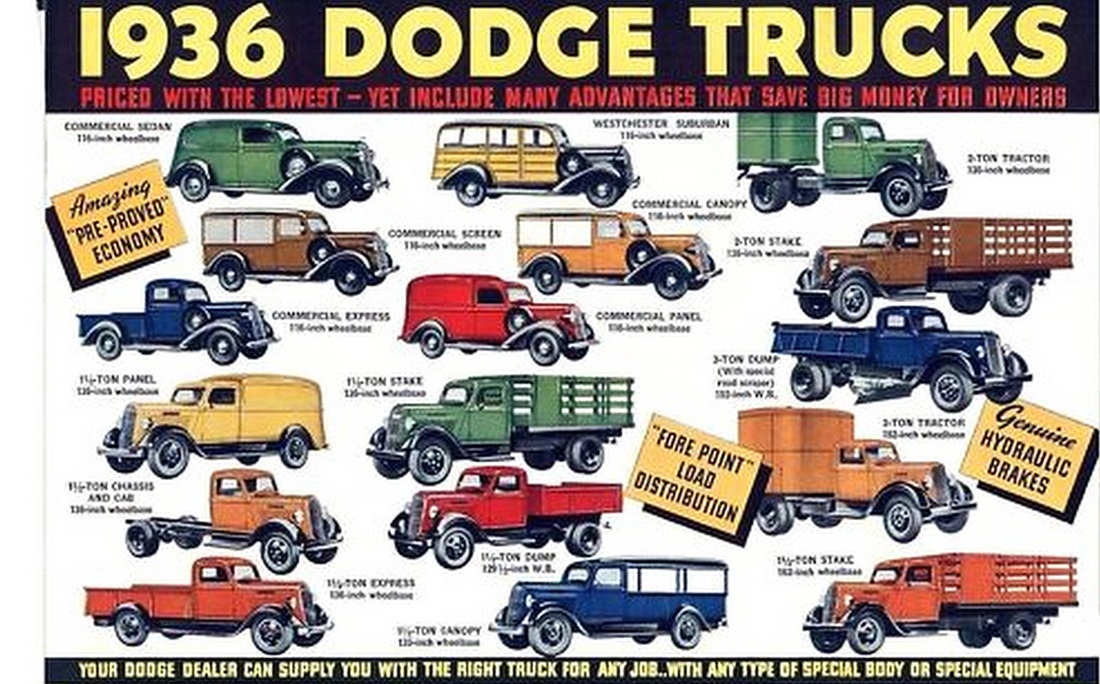
Dodge 1938
Picture
Picture
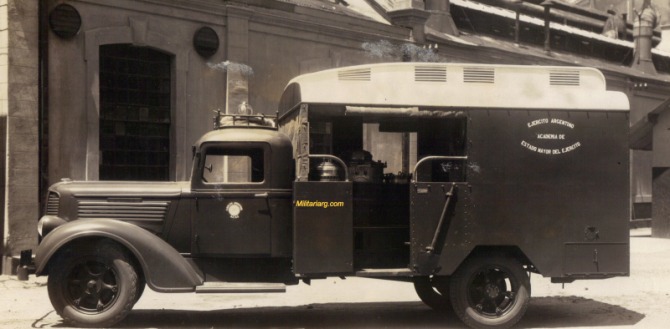
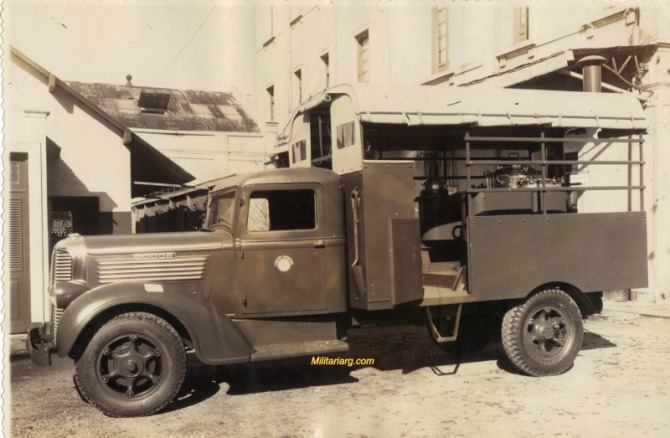
Both photos above are mobile kitchens, Model Carpinetti which were manufactured by the Argentine Arsenals over a Dodge chassis. 
Picture
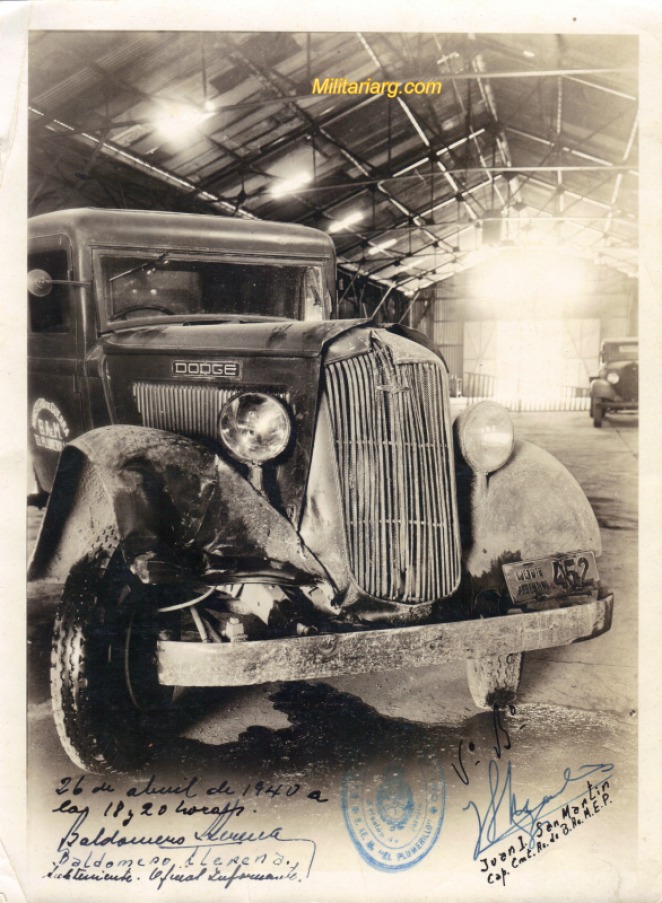
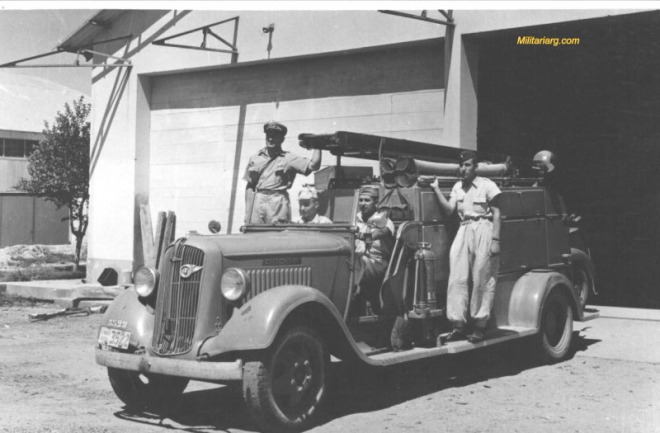
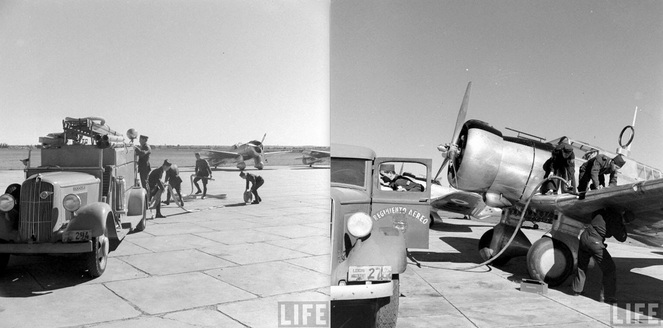
Dodge military firetruck from the FMA.  Photo is courtesy of Juan Ignacio de San Martin, grandson of Brigadier San Martin.
Picture

Picture
Picture
Picture
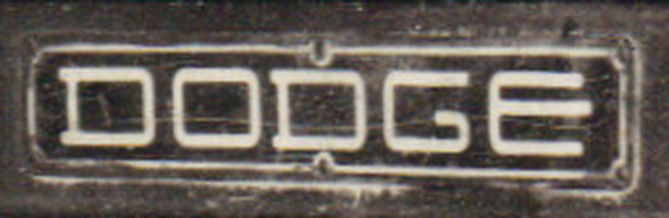
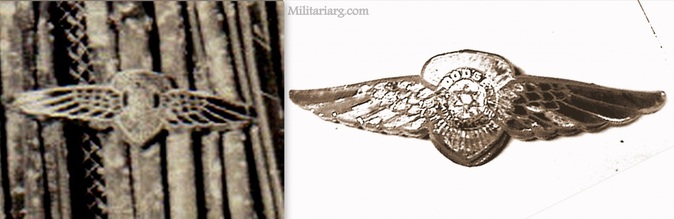
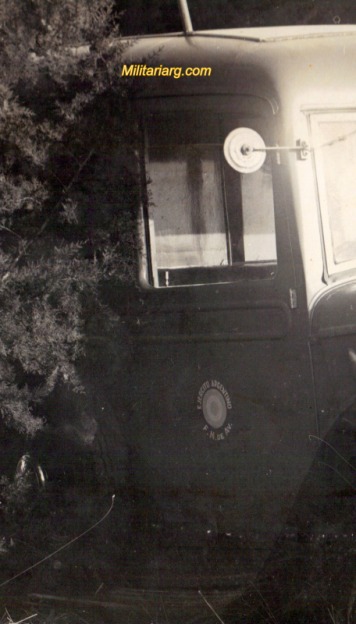
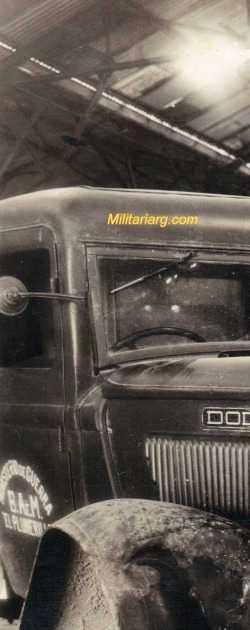
Dodge Brothes Truck symbols.
Picture
Picture
Picture
Picture
Picture

Picture
Picture

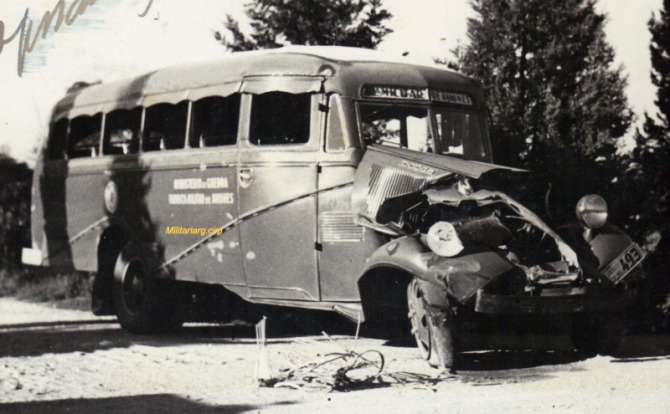
​​Accidented and damaged vehicles.

Picture
Picture
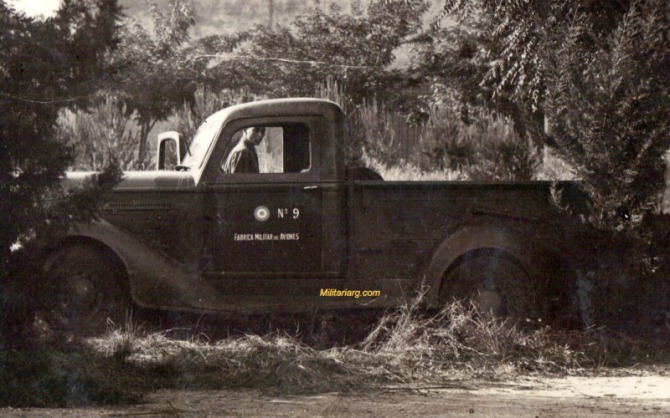
Dodge bus 1930-1939 after an accident.  It belonged to the FMA (Fabrica Militar de Aviones or Military Airplane Factory). ​
Picture
Picture
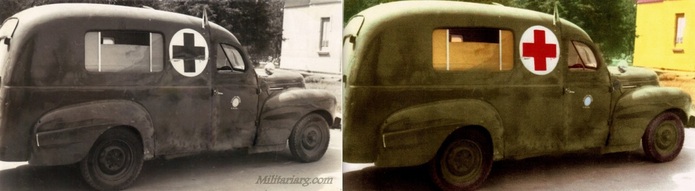
​Left: Ford V8 Ambulance M34. Right: Dodge K-34.  Nice shots of the doors with their units' names.
Picture
Picture

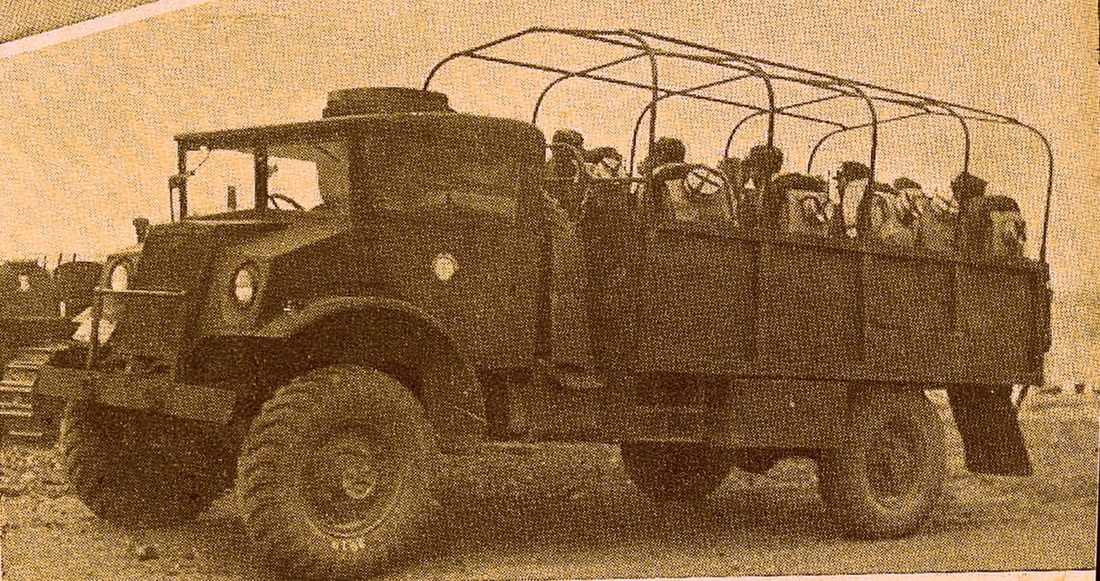
CMP Canadian Military Patterns, Chevrolet and Ford.
Picture
Picture
Picture
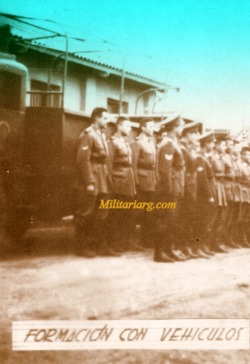
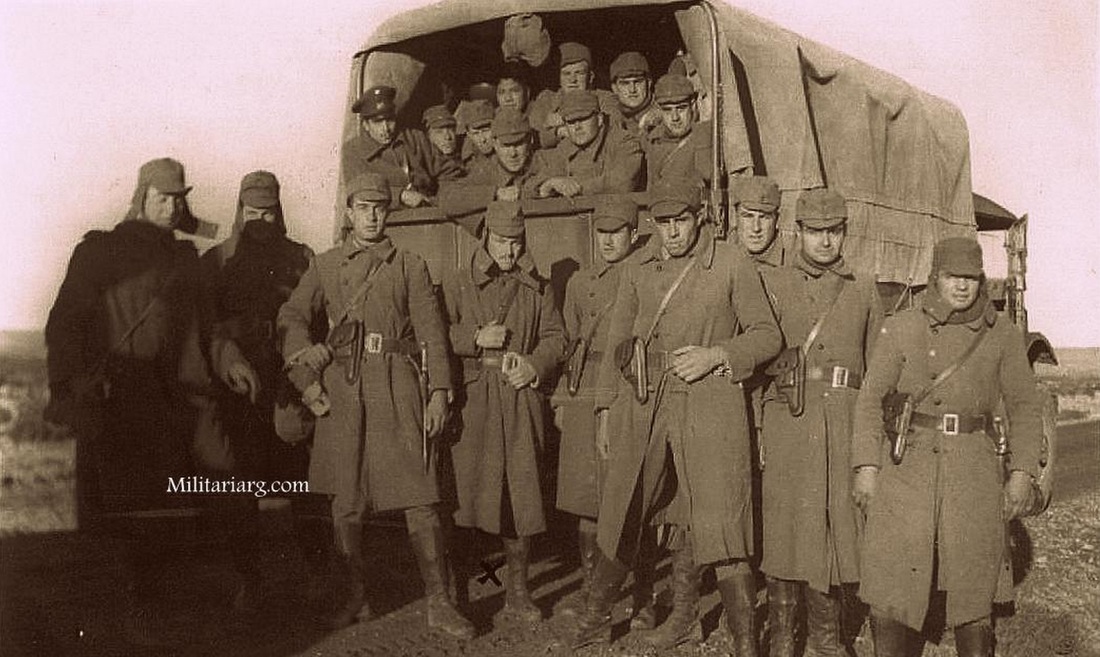
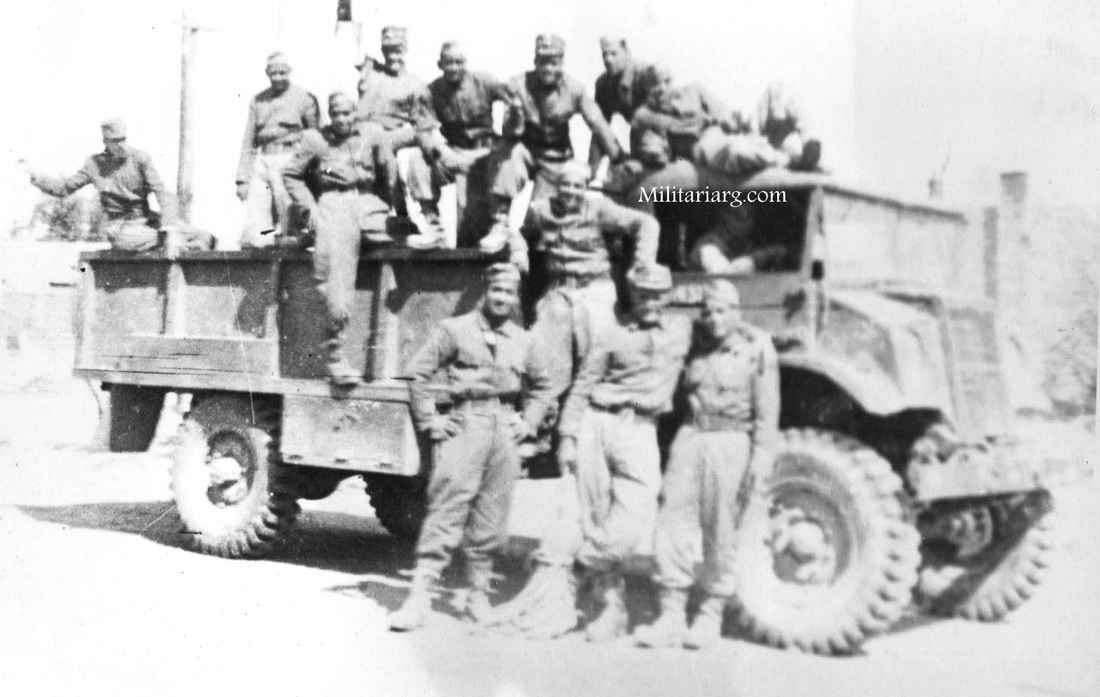
Troops in formation next to a Heavy 4x4 CMP (Canadian Military Pattern Truck), also known as the Chevy Blitz.  Ford and Chevy used different motors, gearboxes and rear axles but most parts were standardized.
Picture
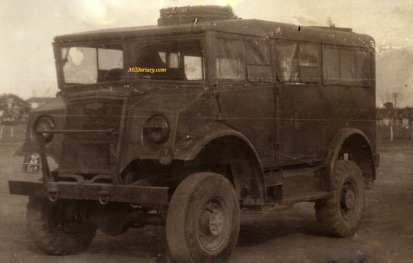
Canadian Chevy c15 with type 13 cab and a possibly standarized CKW closed cab GMC truck from an artillery unit in May Field (Campo de Mayo).
Picture
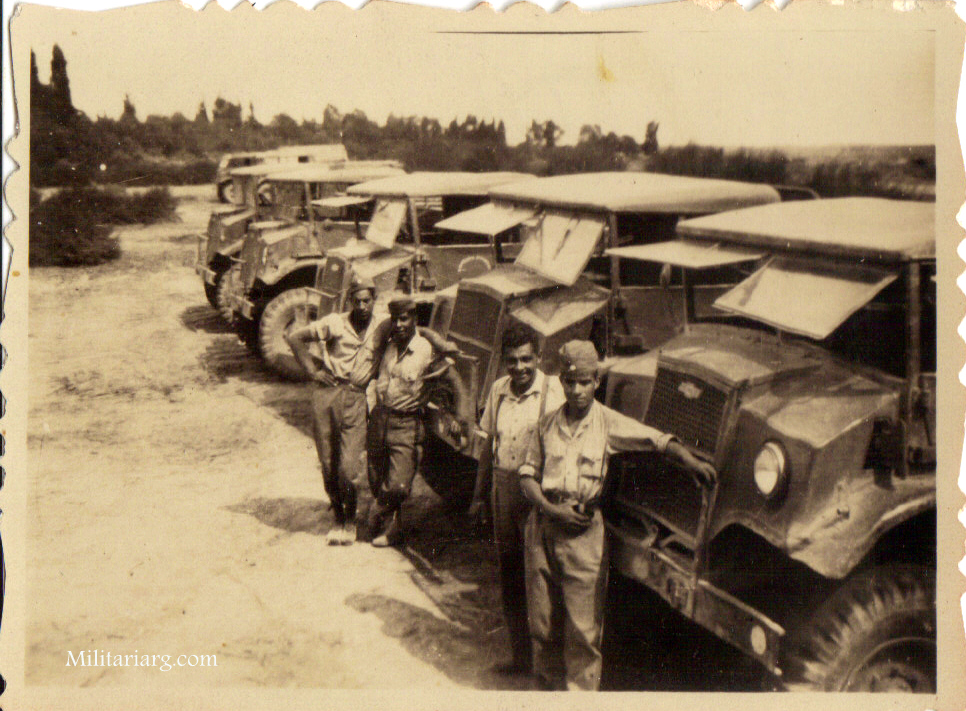
A Chevy type C8a.  It is one of the variants of the Canadian Fords or Chevrolets with type 13 cabins during WWII.  This model could be employed as an autoradio, artillery tractor or ambulance.  Some denominations used were the HUW (Heavy Utility Wireless Vehicle) or HUP (Heavy Utility Personnel).
Picture
Picture
Ex-WWII British Army, Fordson CPM Truck (?)
Picture
Picture
Picture

Chevy G506 series 

Picture
Marines Infantry. SCR-299 SCR-299 "mobile communications unit"; Chevy G506 Model G7105 Panel Body K-51 with Ben Hur K-52 generator trailer.

GMC CCKW
Picture
GMC Trucks
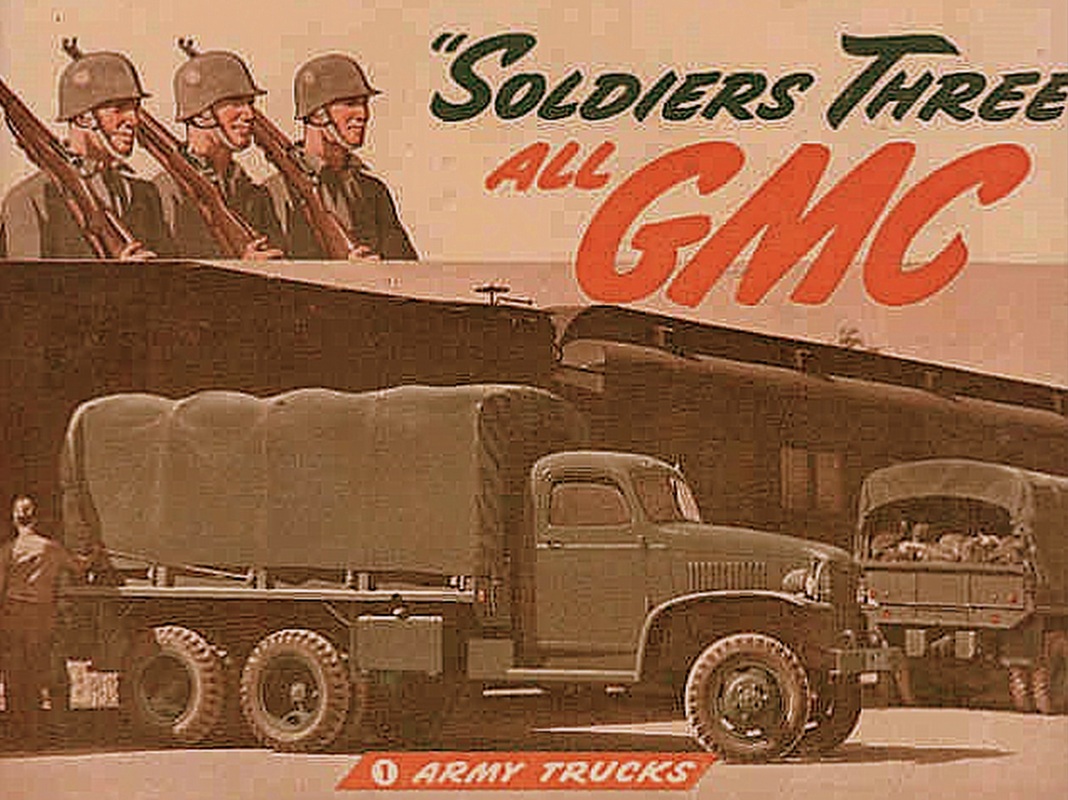
The CCKW came in many variants, including open or closed cab, long wheelbase (LWB) CCKW-353 and short (SWB) CCKW-352, and over a score of specialized models, but the bulk were standard, general purpose, cargo models. A large minority were built with a front mounted winch, and one in four of the cabs had a machine-gun mounting ring above the co-driver's position
​GMC truck type CCKW closed cab long wheel base (LWB).  As with the Chevrolets and Fords with the type 13 cab, they were called "Guerreros" or warriors.  Many of these standardized vehicles were acquired as surplus after WWII and wound up in civilian hands through military auctions.  You can still find some that need restoration.  In the vehicle formation there is a divided section with groups on each side.  The group leader travels up front with the driver.  The total formation could consist of an entire motorized infantry.  The CCKW-352 was the (SWB) short wheelbase version of the GMC used mainly as a prime mover for the field artillery.  The CCKW-353 was the long wheel base version used generally for cargo and personnel transport.  This truck had an open-cab version.

Sources: U.S. Military Vehicle Field Guide by David Doyle
Picture
​In the Argentine Army, the GMC CCKW 352 SWB (the short-wheelbase "Deuce and a Half") was modified into a specialized mobile platform by mounting Madsen machine guns for anti-aircraft and convoy defense. 
This configuration was a prime example of the "hybrid" engineering common at the Arsenal Esteban de Luca during the 1940s and 50s.
Picture
Picture
Picture
Picture
Picture

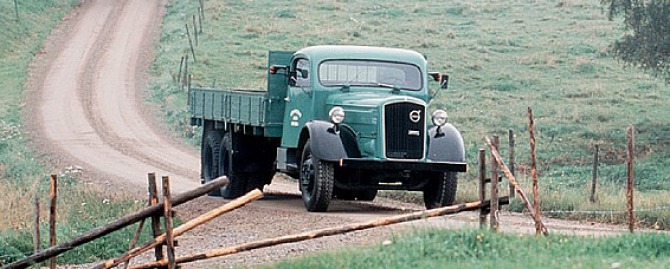
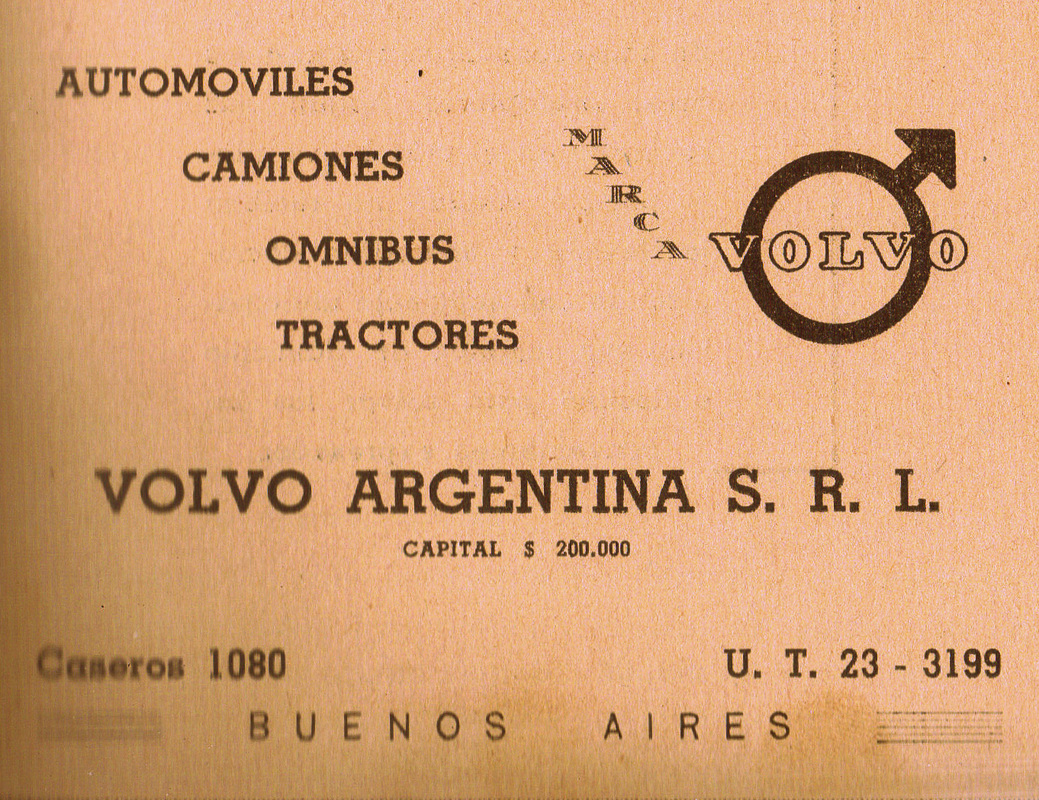
Volvo Trucks  and Autobussen. The LV8 and LV9 series:
Picture
The picture is from the site: http://www.volvotrucks.com/TRUCKS/GLOBAL/EN-GB/COMPANY/HISTORY/1930S/Pages/LV8_and_LV9.aspx
Picture
Volvo TVA/B/C series. Photo: Volvo M42 TVC
Picture

ENASA Pegasus 

The Ezeiza Trials
A series of important trials for Pegaso (ENASA) vehicles took place in Ezeiza, (near the Ministro Pistarini International Airport) during the early 1950s. In 1951, as part of a significant Spanish industrial exhibition in Argentina, several Pegaso II "Mofletes" (Diesel Z-202) trucks and buses were showcased and tested.

While the Pegaso brand (by the Spanish company ENASA) did not become a mainstay of the Argentine Army in the 1950s, the service did evaluate and utilize European heavy trucks during that decade to test alternatives to American imports.

1950s Evaluations and Context

During the early 1950s, Argentina was in a period of intense industrialization and "trialing" various foreign technologies. 

Argentina maintained strong diplomatic and industrial ties with Spain during the Perón era. It is historically recorded that the Argentine Army evaluated numerous European tactical vehicles at the Arsenal Esteban de Luca, including early Pegaso diesel models like the Z-202 "Mofletes" (Chubby Cheeks) and later the advanced Z-207 "Barajas".

The Results. While the Pegaso Z-207 was a "mechanical jewel" with a V6 aluminum engine and independent front suspension, it was considered too complex and expensive for rugged field service. 

The Successor (The "Comet")
While the 1950s was a period of limited testing, the real "Pegaso era" in the Southern Cone began slightly later. 

Commercial Success. The Pegaso Comet, which replaced the Z-207 in 1961, was a massive commercial hit in Argentina and Uruguay.

Limited Military Role. The Argentine Army ultimately preferred Mercedes-Benz for its heavy logistics because of the established local production plants in González Catán, which offered easier spare parts access than the Spanish imports. 

Mercedes Benz L311/312

Picture
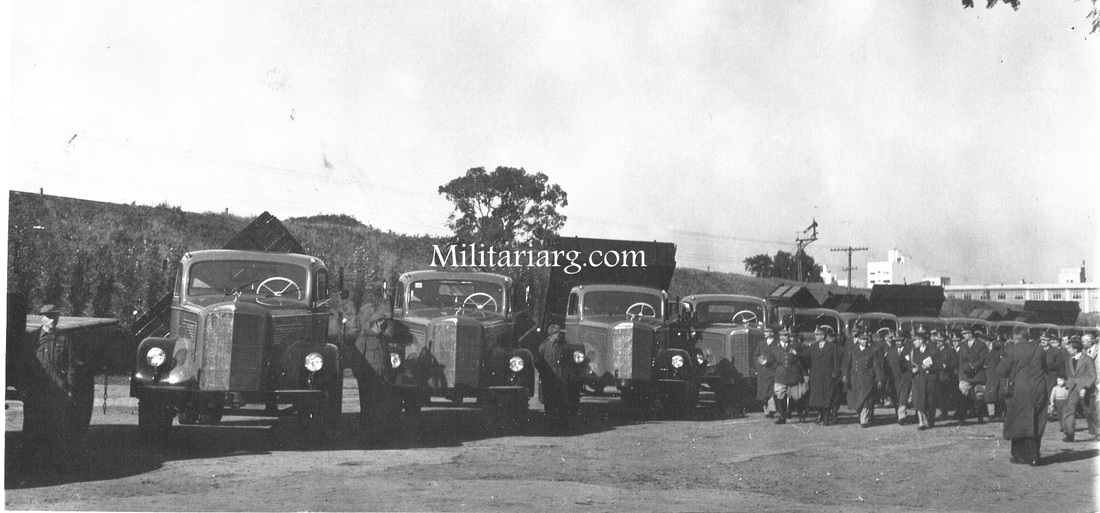
The Mercedes-Benz L 311 and L 312 represented the industrial backbone of the Argentine Army's logistics during the mid-20th century, serving as the essential "mechanics" that bridged the era of old world steel with modern domestic production. 

The "Argentine" Mercedes-Benz
These trucks were pivotal because they were among the first models produced locally in the Virrey del Pino plant (González Catán), which opened in the 1950s. 

The "90er Mercedes". Both types were known as the "90er" due to their initial 90 HP OM 321 engines. They were brought in to replace the aging, fuel-hungry WWII-era fleet of Fords and Chevrolets.
 The L 312 "Short Bonnet". The L 312's iconic "short-bonnet" (Kurzhauber) design became a staple of the Argentine landscape, remaining in production in various forms until 1997. 

Military Service and Special Versions
In the army, the L 311 and L 312 functioned as the heavy "connectors" of the logistical chain. 

LA (All-Wheel Drive). While the standard L 312 was a 4x2, the military utilized the LA 312 (All-wheel drive) versions for traversing the rugged interior provinces and the Andes.
Prime Movers. These trucks were used as primary haulers for field artillery, specifically for towing the Schneider 155mm L15 M28 howitzers that preceded the modern CITER guns.
They also transported the crews and shells for the anti-aircraft "Shield" units, such as the Bofors 40mm L/60 detachments.
Picture
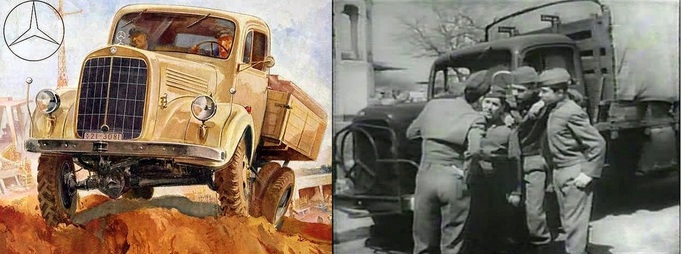
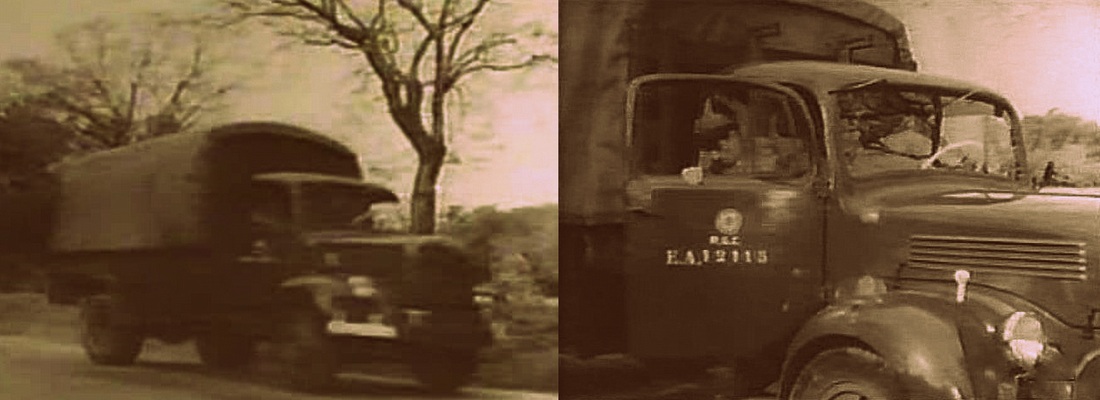
Left: Mercedes Benz Old Advertisement. Right: Canuto Canete, 60s Argentine movie. .
Picture

Picture
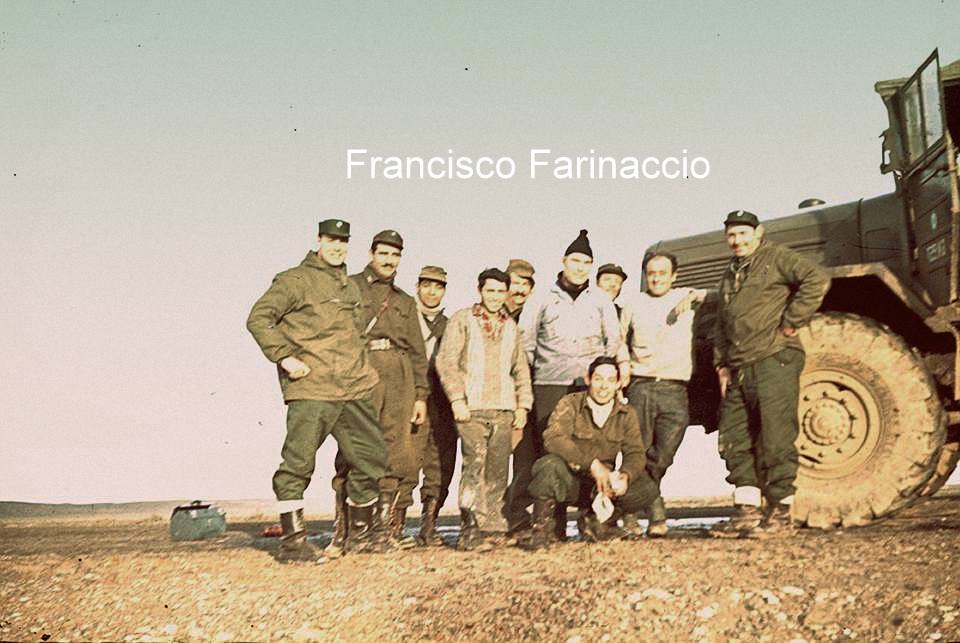
LKW Mercedes Benz open-cab 4x4 LG-315/46 5-ton cargo testing in Patagonia Region. Many thanks to Francisco Farinaccio for sharing this photo from his experiences with us.
The Mercedes-Benz LG-315/46 (5-ton 4x4) was a rugged, heavy-duty "machine" that was tested in the Patagonian region. The LG-315 was much more than a cargo truck; it was a specialized heavy artillery tractor.

Studebaker and Reo Trucks

Picture
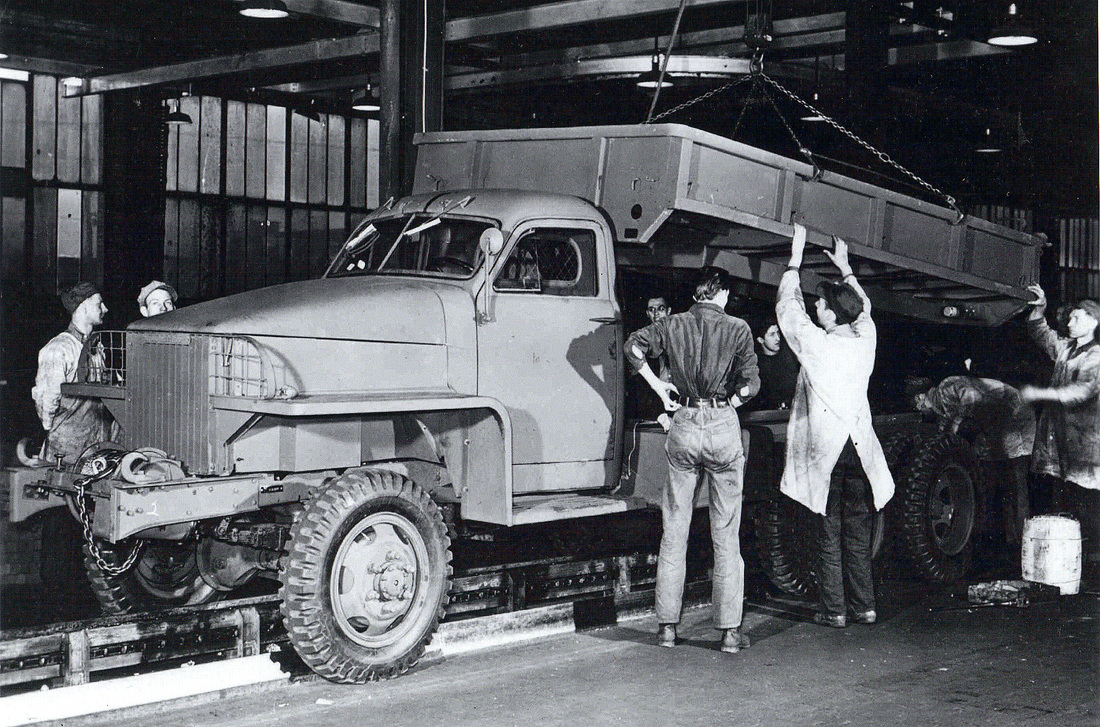
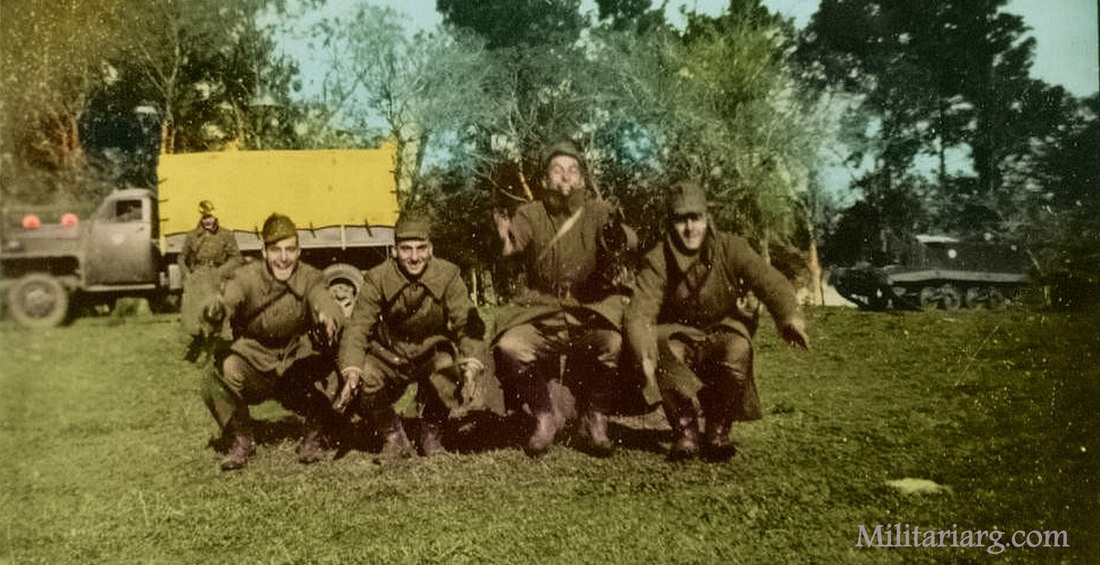
US6 Studebaker Trucks, 2 1/2 ton 6x4 .six-cylinder gasoline engine. Photo: Studebaker Factory circa 1943.
Picture
Picture
US6 and Gulashkanone/AR.

Picture
​M37B1 and M38A1
The Dodge M37B1 (the militarized version of the Power Wagon) was a staple of the Argentine Army for decades. While originally a U.S. design, it became a core tactical vehicle in Argentina through imports and significant local modifications. 

The M37B1 in Argentine Service

The "Jeepón". In Argentina, the M37 is affectionately known as the "Jeepón" (Big Jeep) because of its size—a 3/4-ton 4x4 that sat right between the smaller Willys/IKA Jeeps and larger transport trucks.
Arrival. Large quantities arrived in the 1960s and 1970s as part of military assistance programs. They replaced the aging World War II-era Dodge WC series.
The "B1" Difference. Unlike the base M37, the M37B1 (produced from 1958–1968) featured a spare tire mounted on a swinging cradle on the driver's door and an improved transmission. 

Local Modifications at the Arsenals
Because the original Chrysler T-245 flathead-6 engine was thirsty and difficult to maintain as parts became scarce, the Arsenal Esteban de Luca and other military workshops famously "Argentinized" them:

Diesel Swaps. Many M37B1s in Argentina were repowered with Perkins 4 or Perkins 6 diesel engines to improve range and torque for patrol duties.

Armament. They were frequently used as mobile platforms for 105mm recoilless rifles and anti-aircraft machine gun mounts.
​
M56B1: The M56 variant was the long-wheelbase version of the M37, typically used for specialized roles like ambulances (M43) or maintenance trucks. The "B1" designation indicates it received the same late-1950s mechanical updates as the M37B1
Picture
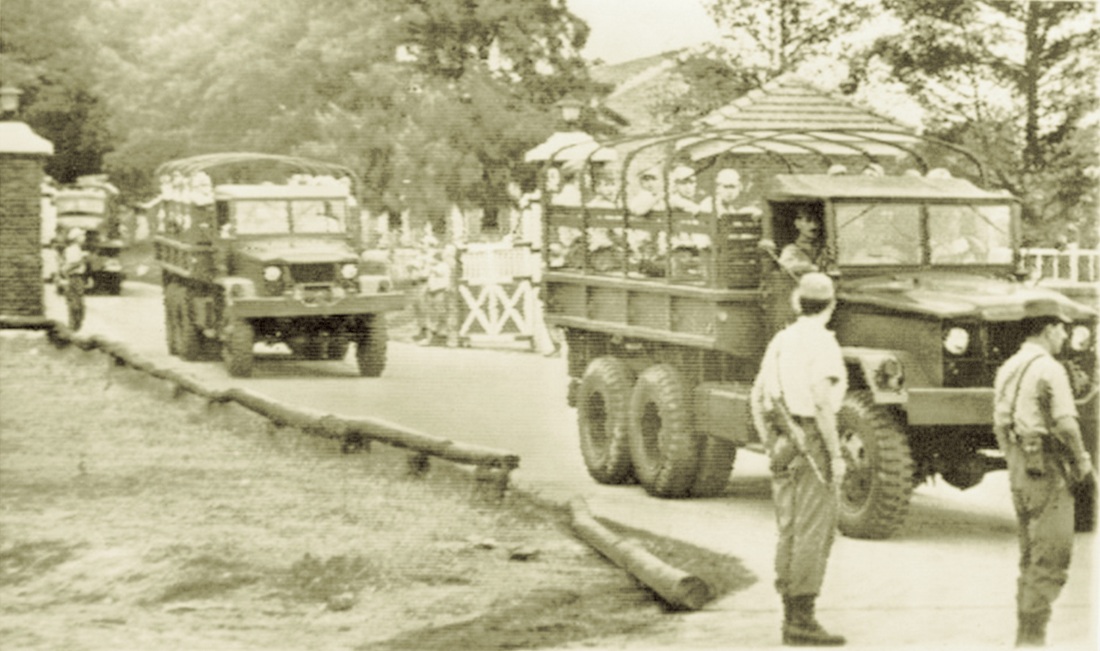
​​3rd Motorized Regiment. Gral Belgrano (1960s). The Dodge M37 (G-741) was a three-quarter ton four-wheel drive truck.

Kaiser M715

The M715 was a 1 1/4-ton (five-quarter ton) truck based on the civilian Jeep Gladiator platform. 
​It was the first US tactical vehicle to use commercial off-the-shelf (COTS) components. While this kept costs low, the civilian-derived chassis and drivetrain proved fragile and underpowered for intense field use.
The "Tornado" Engine
It used the Jeep Tornado inline-6, which featured a complex overhead cam (OHC) design. It was prone to oil leaks and consumption, and military mechanics found it difficult to maintain compared to simpler flathead engines.
Mechanical Faults: A notorious issue was the front winch drive shaft, which could fail and actually foul the steering, leading to dangerous loss of control.

REO Trucks

Picture
In the Argentine Army, the REO series (often referred to simply as "REO" regardless of the manufacturer, such as Kaiser or AM General) formed the backbone of heavy and medium transport for decades. 

The "Mercedes-Benz" Modernization
One of the most unique aspects of Argentine REOs was the large-scale re-powering program carried out in the 1970s and 80s. To standardize logistics and move away from aging multi-fuel or gasoline engines, the Army replaced the original powerplants in many units with the Mercedes-Benz OM 352 (a 5.7L inline-six diesel). 

M602 with OM 352: The REO M602 (the export/simplified version of the M35) was a primary candidate for this conversion. These re-engined trucks are easily identifiable by their distinct diesel sound and improved fuel economy compared to the original Continental engines.

Models in Argentine Service
The Army operated several versions of the M39 series (5-ton) and M44 series (2.5-ton): 

M35 (2.5-ton 6x6): The classic "Deuce and a Half" cargo truck used for general troop and supply transport.
M36 (Extra Long Wheelbase): A variant of the M35 with a longer 16-foot cargo bed, used for bulky but lighter loads.
M48 (Specialized Chassis): Part of the M44 family, often used as a platform for specialized bodies like tankers or vans.
M52 (Tractor Truck): A 5-ton tractor unit used for pulling semi-trailers, including fuel and equipment tankers.
M54 (5-ton 6x6 Cargo): The heavy-duty "big brother" to the M35, capable of hauling heavier field equipment.
M543 (Medium Wrecker): A recovery vehicle equipped with a crane/boom to retrieve stuck or disabled vehicles.
M611C & M613: Export variants of the 2.5-ton and 5-ton families. These were often specifically "militarized" commercial-spec trucks designed for foreign military sales, frequently arriving with simplified electrical systems or cabs.
Picture
Picture
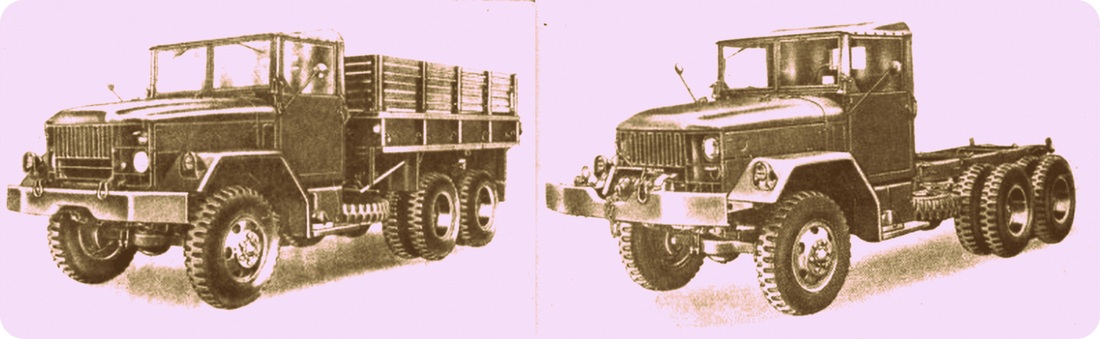
US Reo Motors trucks M35, 2½ ton weight class and M37.

Dodge D200; WC Dodge Power Wagon; M715 kaiser Jeep Ambulance; M601 Dodge, Tactical Power Wagon; M37 Dodge; WC54 ambulance, M615 ambulance; M56 maintenance vehicle, tool truck, M56B1, M56c Dodge, etc.


F-100 and F-150. Ford Falcon.


Picture

Mercedes Benz Vehicles, MB Trucks, 1112, 1113, 1114, 911, 1518, 1618. Mercedes Benz MB 608D
Unimogs U416 421, 431, 404.

Picture
Picture
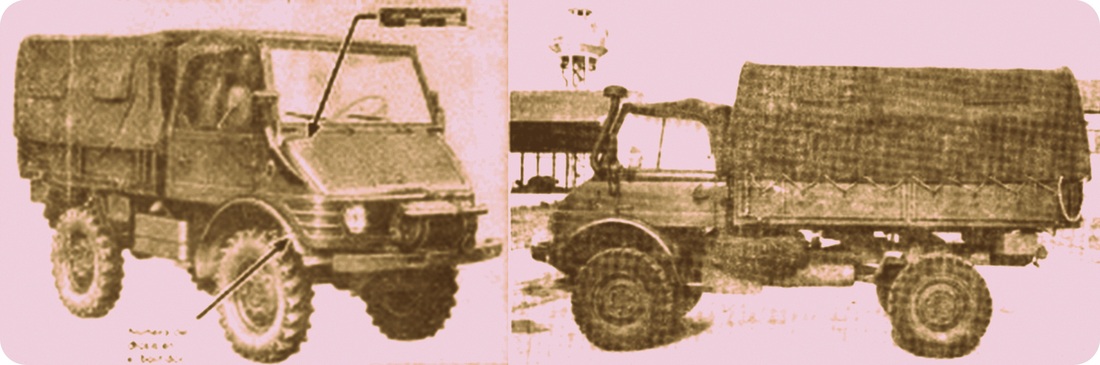
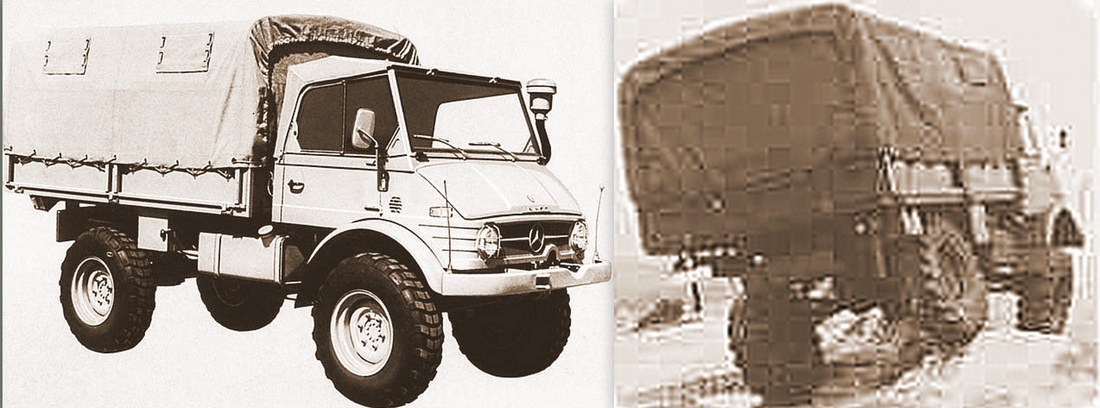
Mercedes Benz. U416, Factory Photos.
The Mercedes-Benz Unimog is legendary in the Argentine Army, with Argentina being the first country outside of Germany to manufacture it under license. It has served for over 50 years, tackling the country's most extreme terrains from the Andes to the Patagonian plains. 

Local Production at González Catán
Production began on September 1, 1968, at the Mercedes-Benz Argentina S.A. factory in González Catán. This facility produced several hundred units annually for the military and domestic market until the early 1980s. 


Argentine Military Models

Unimog 426: This was the primary Argentine-produced model, a licensed version of the civilian Unimog 416. It used the famous OM-352 diesel engine and was the backbone of motorized infantry units.

Unimog 431: A smaller, licensed version of the civilian Unimog 421. In the army, it was frequently used in specialized roles, including as a platform for light self-propelled howitzers.

Unimog S 404: Before local production of diesel models, Argentina imported the gasoline-powered 404, the most successful military series worldwide.

Capabilities


Portal Axles: The Unimog’s signature portal axles allow the differential to sit higher than the wheel centers, providing massive ground clearance for crossing rocks and deep mud.
The "Octopus" Gearbox: Known for its complex array of levers, the military gearbox offered extreme low-range "crawler" gears for towing heavy artillery or navigating near-vertical slopes.

Trailers and Kitchens

Picture
​Mercedes Benz Factory photo. Unimog w/ trailer.
Picture
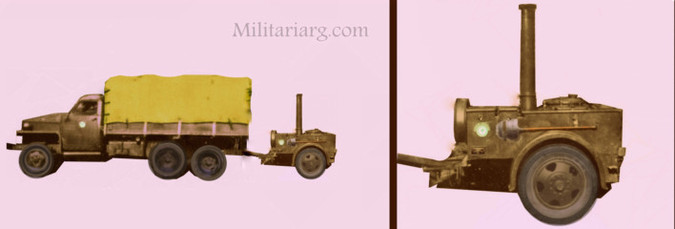
​German type, Argentine made (Arsenals Esteban de Lucca). Field Kitchen.

The Steyr-Daimler-Puch Pinzgauer

​The Steyr-Daimler-Puch Pinzgauer was a cornerstone of the Argentine Army's Plan Europa, a major modernization program launched in the late 1960s and 1970s.

Argentina purchased a significant number of Pinzgauer 710 (4x4) and 712 (6x6) models directly from Austria. These vehicles were selected for their exceptional off-road performance, intended to replace older U.S.-sourced equipment in specialized roles like mountain and jungle warfare.
By looking toward European manufacturers like Steyr-Daimler-Puch, Argentina sought to reduce its dependency on the United States and navigate shifting geopolitical alliances during the Cold War.
During the 1982 war, the Pinzgauers were some of the most capable light vehicles in the Argentine inventory. However, like the Dodge ambulances, they faced extreme challenges due to the islands' peat-heavy, boggy terrain, which often limited them to the small network of improved roads. ​

Picture
The Mercedes-Benz L-Series

The Mercedes-Benz L-Series (specifically the L-1112 and L-1114) is the undisputed "Workhorse" of the Argentine Army. While most nations used strictly tactical military trucks, Argentina famously militarized this civilian "bonneted" design, making it an icon of the 1960s through the 1990s.

Why it became the "Workhorse"

Local Production. Starting in the 1950s, Mercedes-Benz established its first factory outside Germany in González Catán, Argentina. This allowed the Army to maintain a massive fleet without relying on foreign imports.
While the Mercedes-Benz Unimog handled extreme off-road duties, the L-Series handled everything else: troop transport, logistical supply, and mobile workshops.

The OM-352 Engine. This 6-cylinder diesel engine was legendary for its reliability. It was so simple that Army mechanics at the Esteban de Luca Arsenal could repair it with basic tools in the middle of the Patagonia wilderness. 

Military Specific Variants:


Tactical "M" Versions. Unlike the shiny civilian trucks seen in the city, the Army versions featured a vertical "military" grille, a folding canvas top over the bed, and a simplified olive drab paint job.

The 1114 4x4. The most prized version was the L-1114/42, which featured four-wheel drive. This variant was essential for the rough terrain of the Andean borders.

Multi-Role Platforms. The L-series was modified into tanker trucks (Aguateros), radio command centers, and even field ambulances. 

Legacy and The "Colectivo" Culture
The L-series is so deeply ingrained in Argentine culture that its chassis served three masters simultaneously: the Argentine Army, the national freight industry, and the famous Colectivo (Buenos Aires city buses).
Even today, while newer Volkswagen Constellation and Iveco Eurocargo trucks are replacing them, you can still find the "Mercedes 1114" in remote Army outposts, still running after 50 years of service.
Picture
In the right photo, the person to the far right is me.  The windshield is panoramic and the truck was very new at the time.

Malvinas Campaign:

It is very difficult to know with certaintly the quantities and types of vehicles that the Task Force took to the South Atlantic in 1982.  Many Land Rovers, their trailers and parts, Chinook Sea King helicopters and Harrier airplane parts sank with the Atlantic Conveyor. 
The following list may be incomplete or erroneous in some data.  If you have any information, please write to us.

The Argentines used these types of vehicles: Mercedes Benz 230G, VW Iltis, M601, M606, M151 "MUTT", F- 100/150, M615 *Ambulance, M37, M56B1 (?), Kaiser M715, Dodge D200, Reo M35, Mercedes Benz 1112, 1113, 1114, 911 ?.....Unimogs U416....Panhard armored vehicles. Motorcycles 125/175/250cc Kawazaki All-terrain and possibly a captured Bedford 4 ton, civilian Land Rovers, Tractors, and Military Motorcycles Can-am Bombardier 250cc, others? The Task Force: Land Rover series II, 2A and III: Land Rover LTWT's Lightweight 4X4.Land Rover M109 Series III Ambulance (?). Safari 4x4 Off Road? 3/4 NATO Brockhouse/Sankey Cargo Trailers, US M105A2 ? Ammo trailers and artillery such 120mm L6 Wombat recoilless, 105mm light gun, Milan and Rapier Sam. 

*While the Dodge WC-54 and Dodge M615 look nearly identical because they share the same body design and front sheet metal, they are separated by a decade of engineering and intended for different generations of service.
​The M601/M615 Series: Argentina was a major operator of the Dodge "M-series" based on the Power Wagon chassis. They specifically utilized the M601 (cargo) and M615 (ambulance) variants, which were export-focused versions of the U.S. M37 and M43 models.

WC-54: A World War II-era vehicle produced between 1942 and 1945.
M615: A Cold War-era vehicle produced starting in 1950, primarily for export to American allies

Motorcycles: Can-am Bombardier 250cc. Armstrong MT500 military motorcycle.

Trucks: Land Rover M101 (Gun Tractor Truck) 101 Forward Control. Bedfords Type "S" Medium Lorries (Prime Mover), Truck and 105mm gun. Bedfords MK 4 ton 4x4 GS. Bedford type GS Civ-Gas 4 ton /Dieso 3ton Truck Fuel Tanker, Fuel Supply Truck and AVTG (Aviation Gasoline).

Snow Trac: Haugland Hägglunds Volvo 18 Engine RM Command Bv202/E/ Bandwaggon, BV206 Swedish Hagglund & Soner (?) 31gx23/64 snowcat tracks.

Tractors and Engineer Vehicles such Bulldozers, etc : British Army ROF "Eager Beaver", Heavy Duty Forklift. 
Blue and Royal: Combat Vehicle Reconnaisance Tracked,(CVRT):FV101 Scorpion w/76mm L23A1.FV106 Samson armoured recovery vehicle.
FV107 Scimitar w/30mm Scimitar armoured reconnaissance vehicle. FV101 Scorpion w/76mm L23A1. BARV (Beach Armoured Recovery Vehicle), Centurión Chassis.Prime Movers 105mm (?)

Powered by Create your own unique website with customizable templates.