Militariarg.com
  • Home
  • Army
  • Aviation
  • Navy
  • Uniforms and Badges
  • Arms and Weapons
  • Equipment
  • Vehicles
  • Operational and Organizational Structure, Security Forces, Transportation, Books, Models and More.
  • Argentine Confederation Era. 1829 - 1852.
  • From 1852 to 1910 (French fashion)
  • Bunker 1982: South Atlantic War Militaria
  • International Militaria
  • Argentina WWII Era (Neutral) Reenactment Impression
  • Links ~ Enlaces
Picture
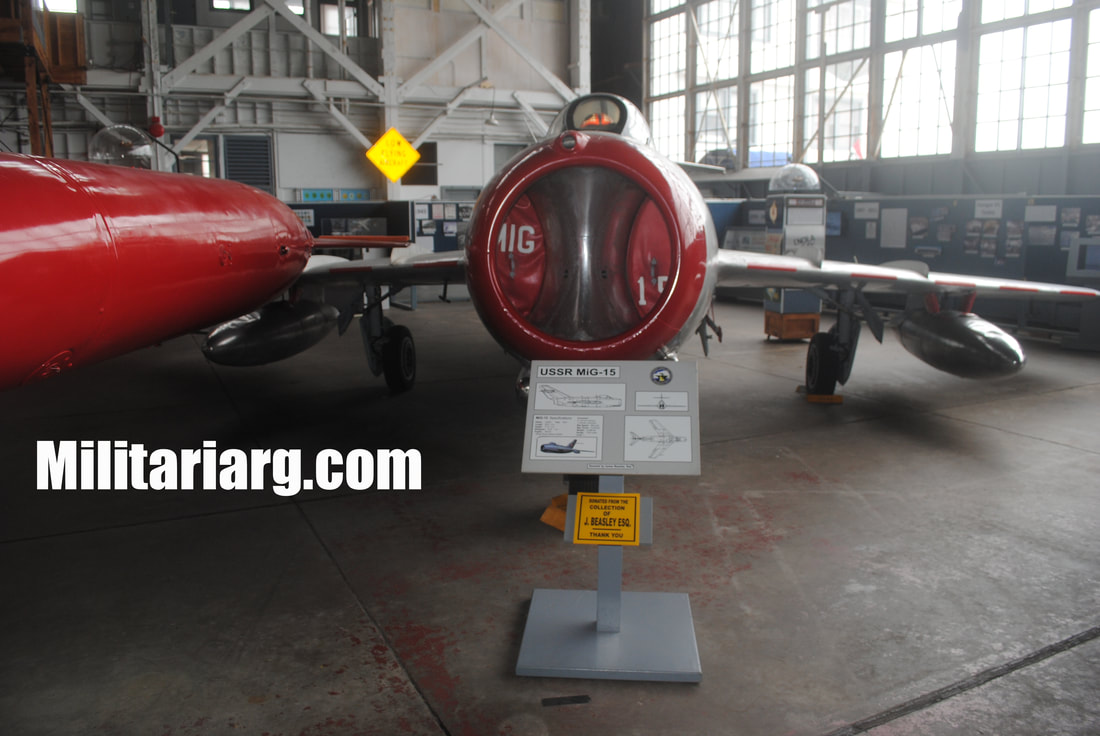
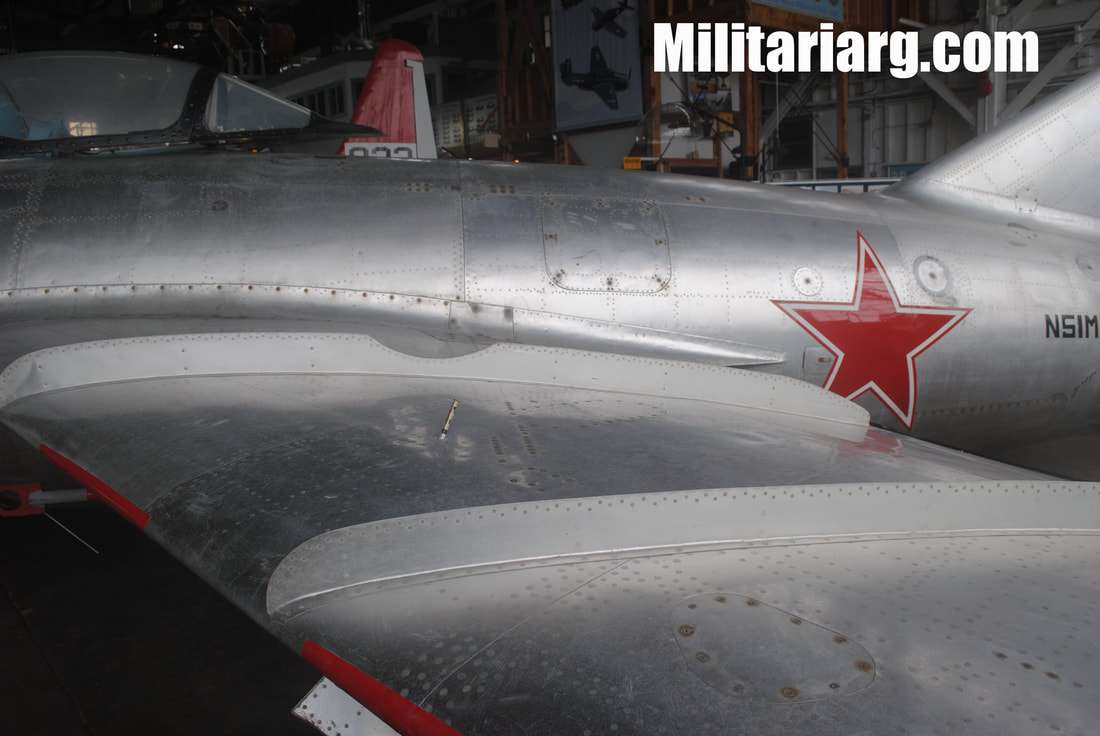
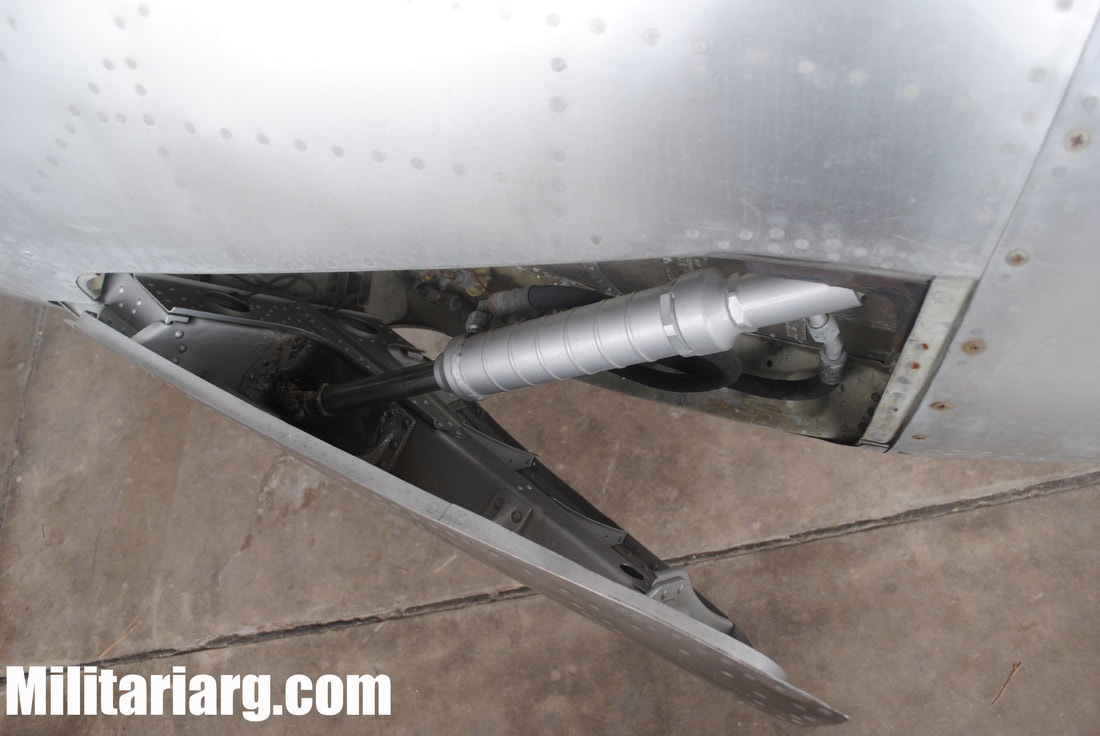
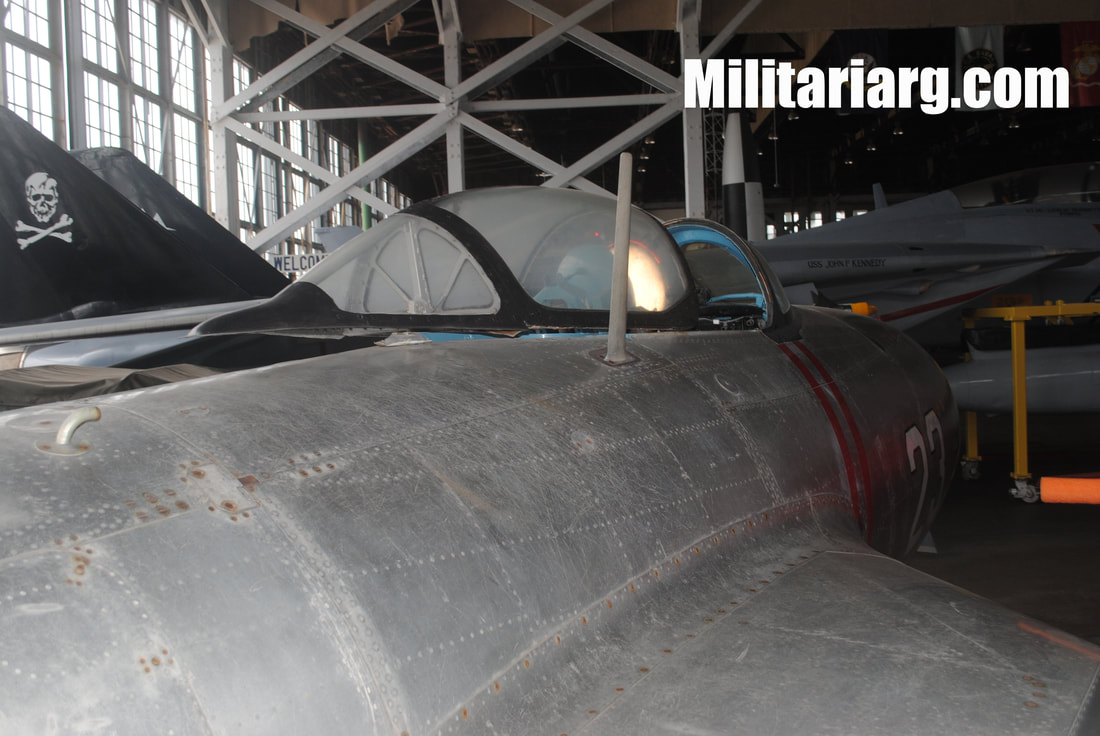
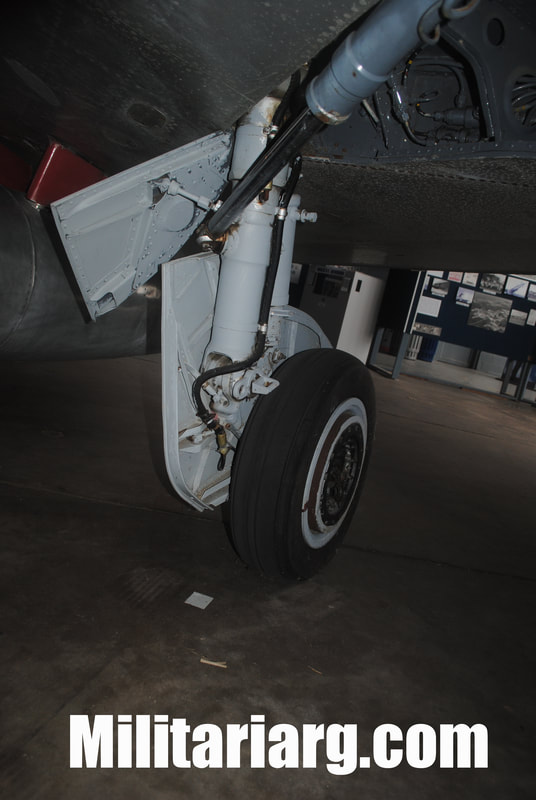
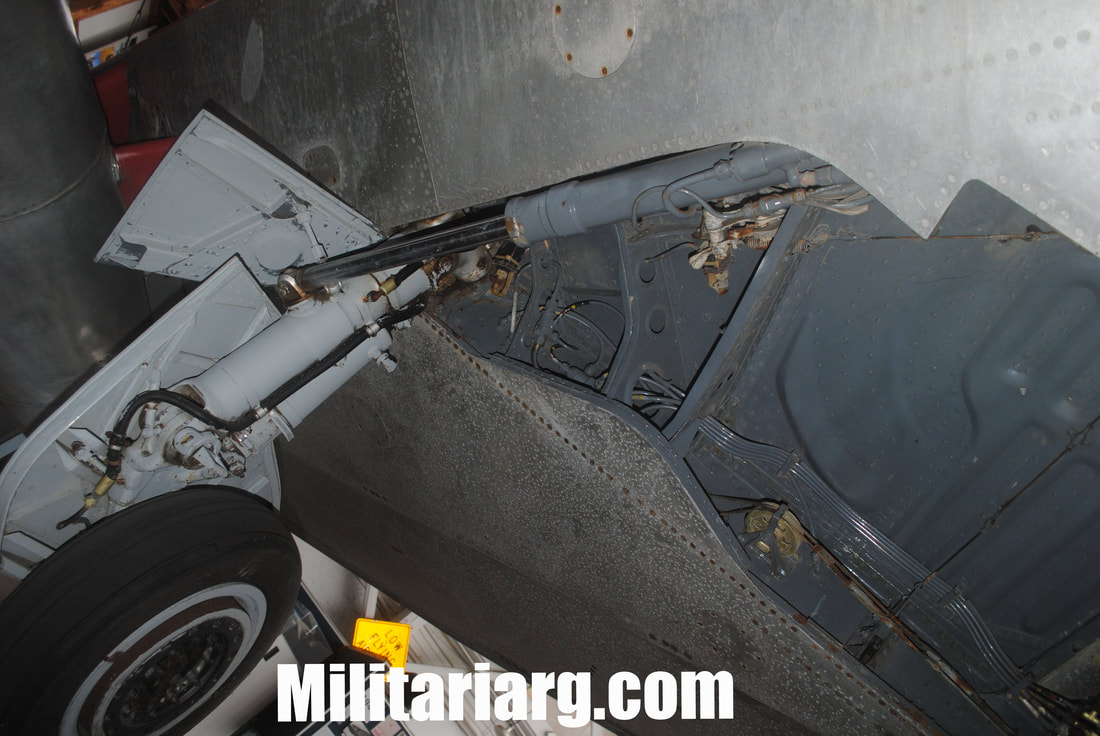
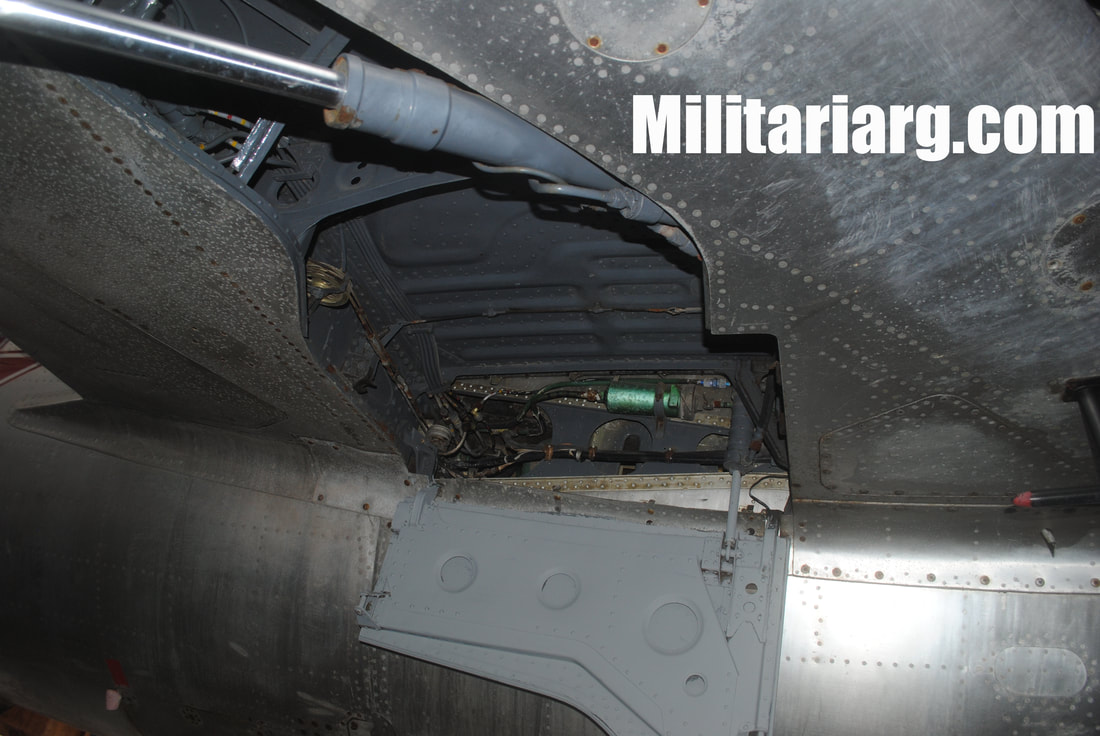
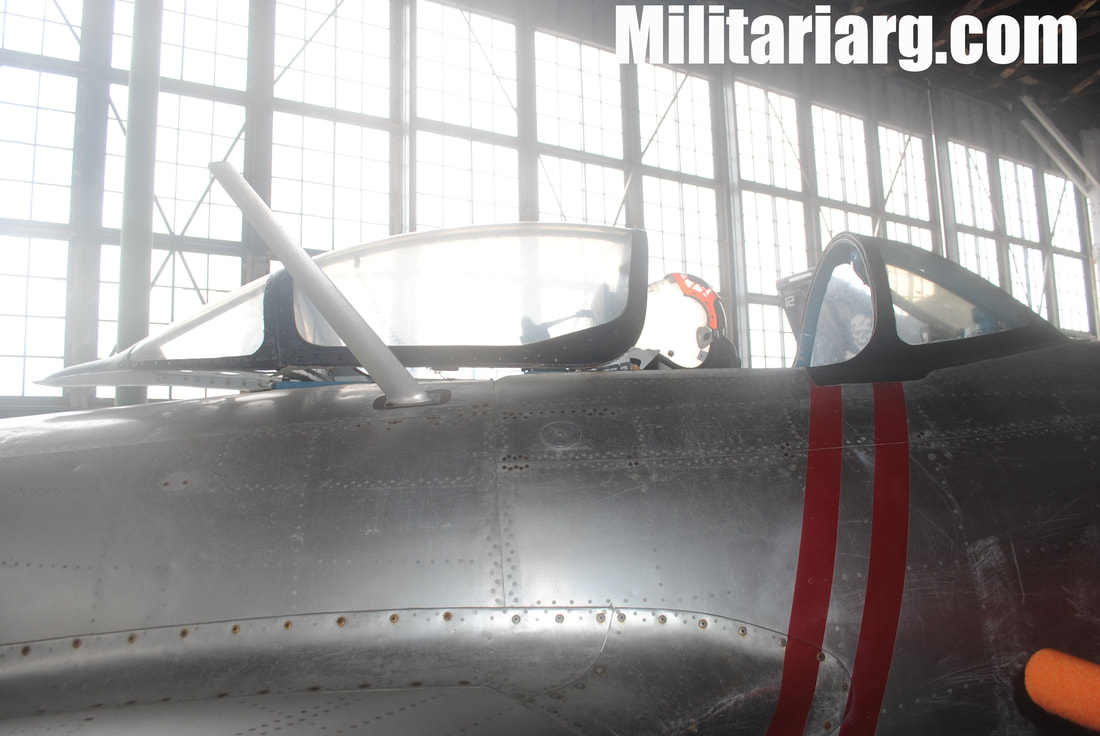
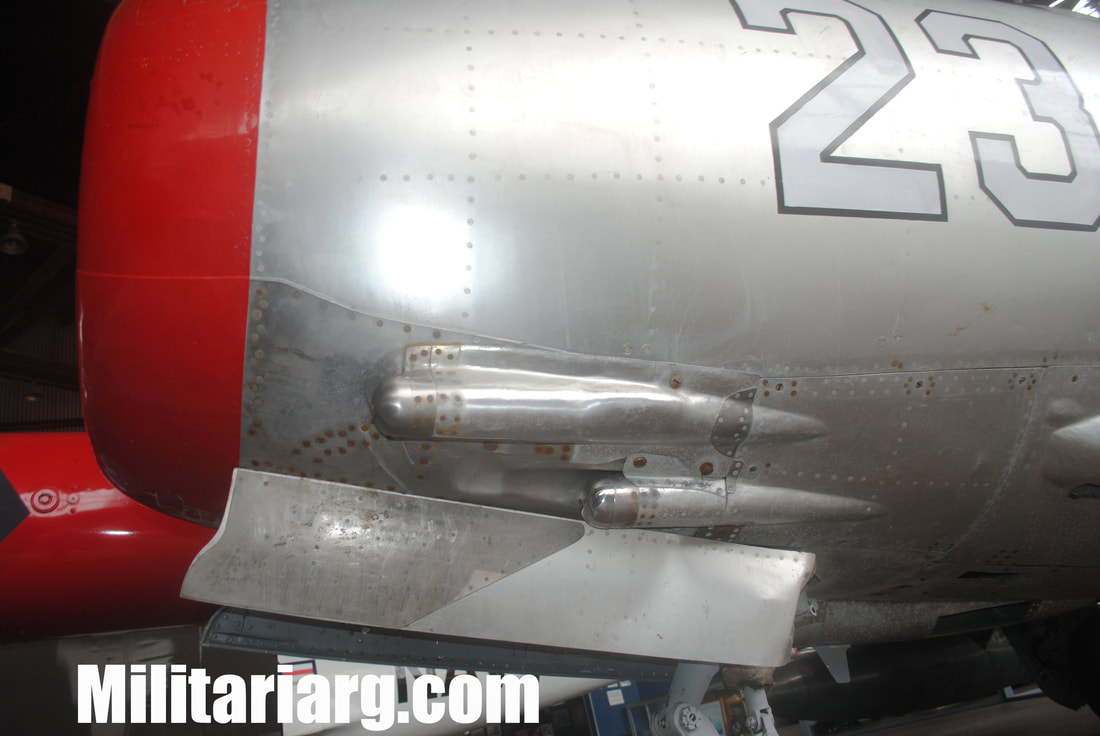
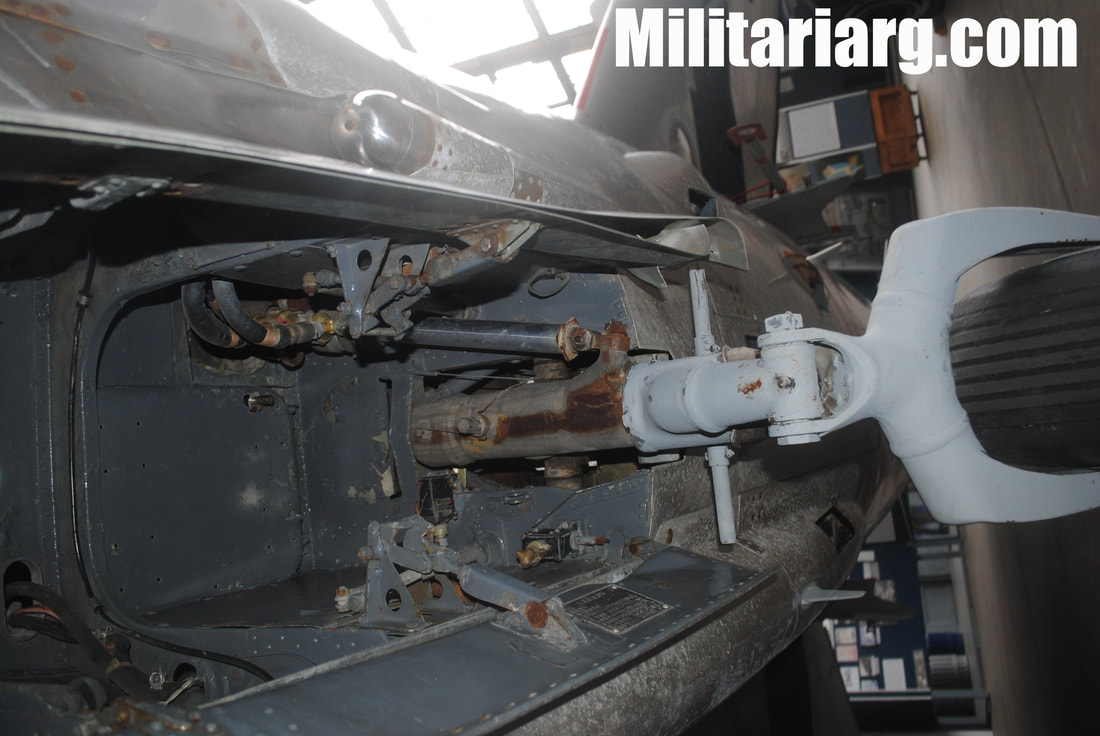
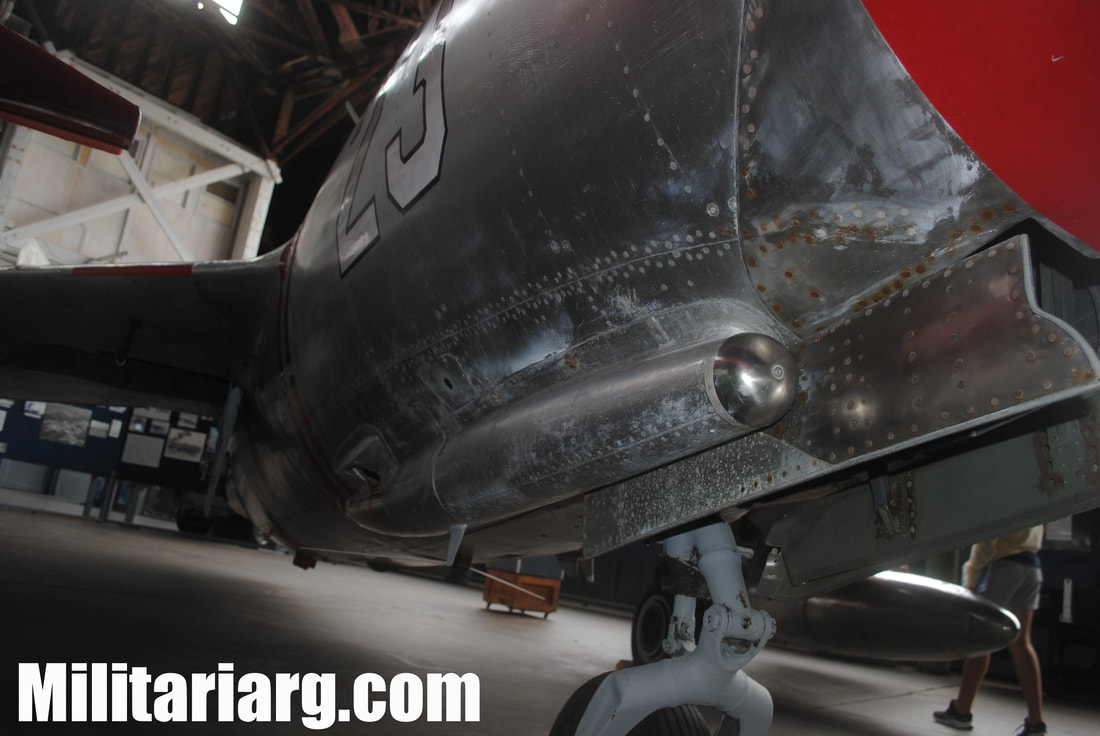
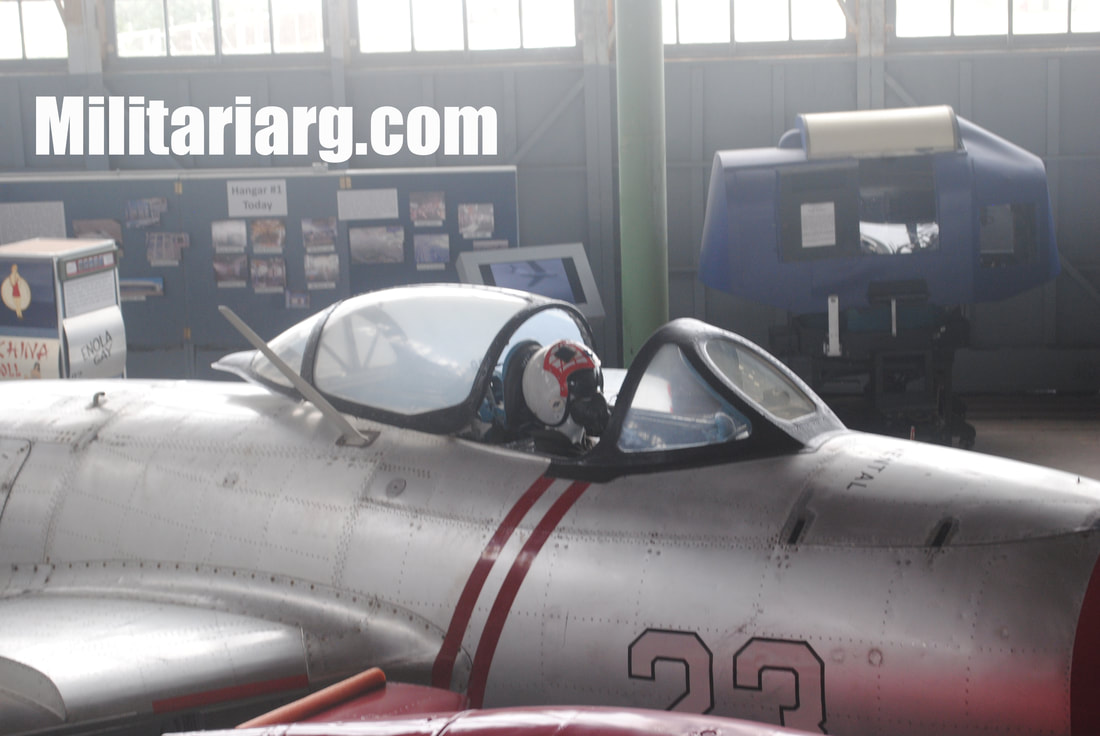
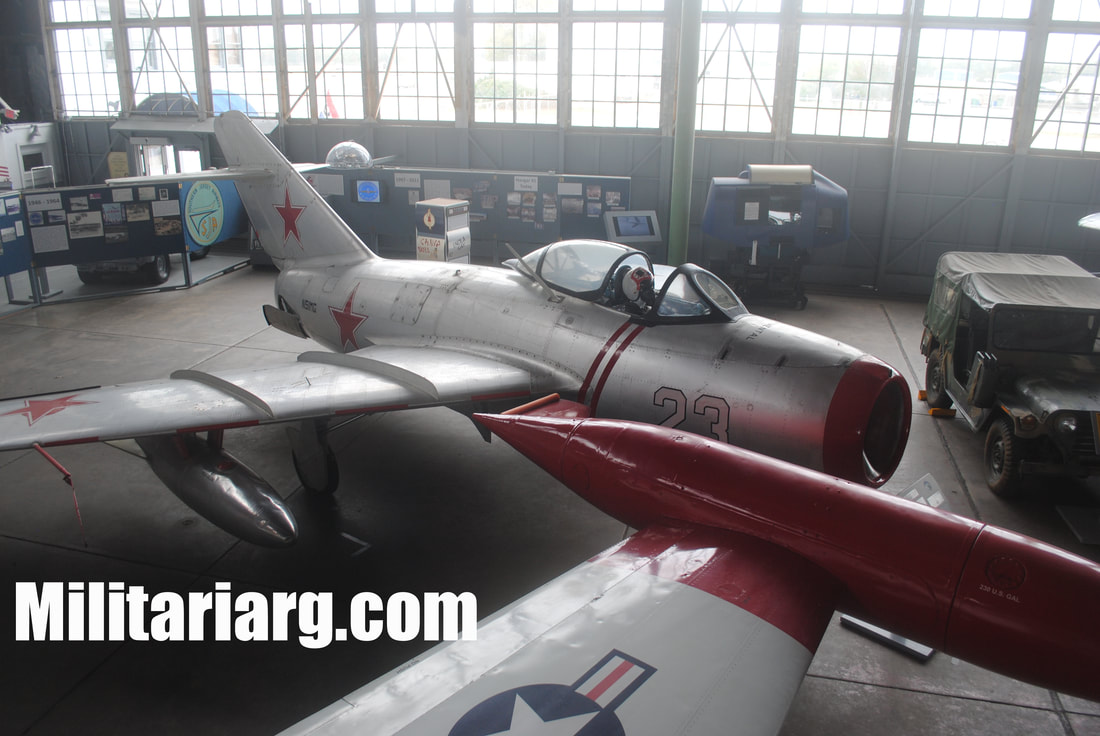
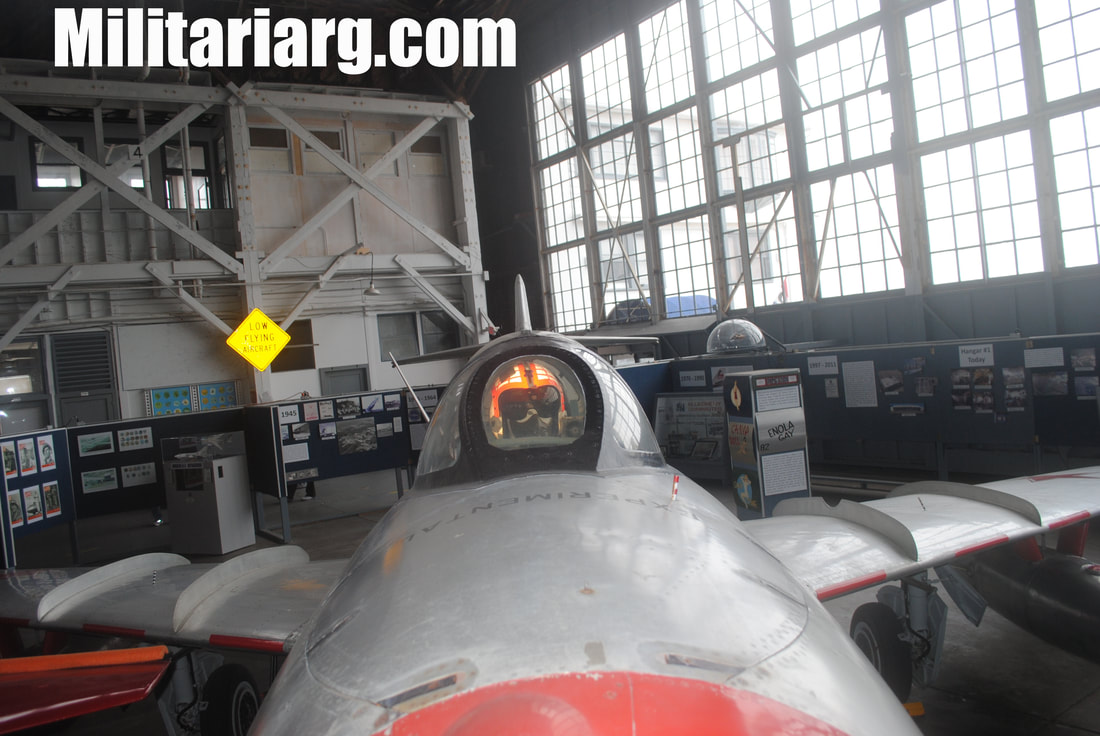
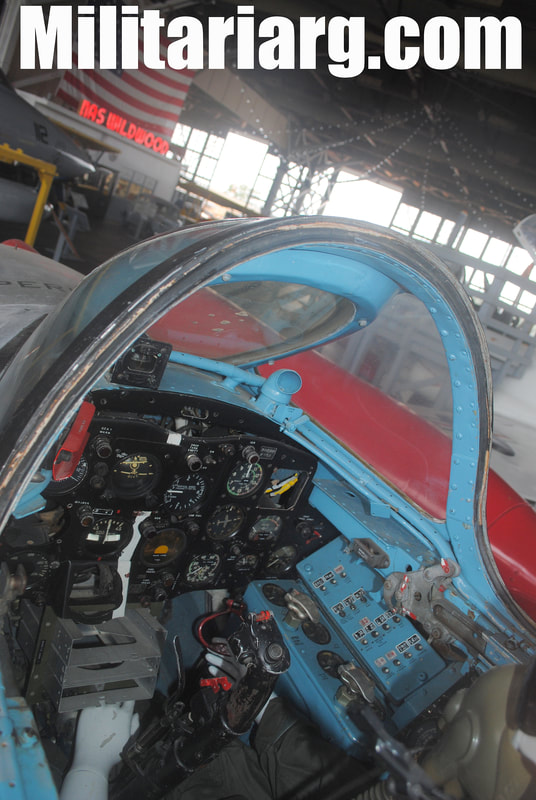
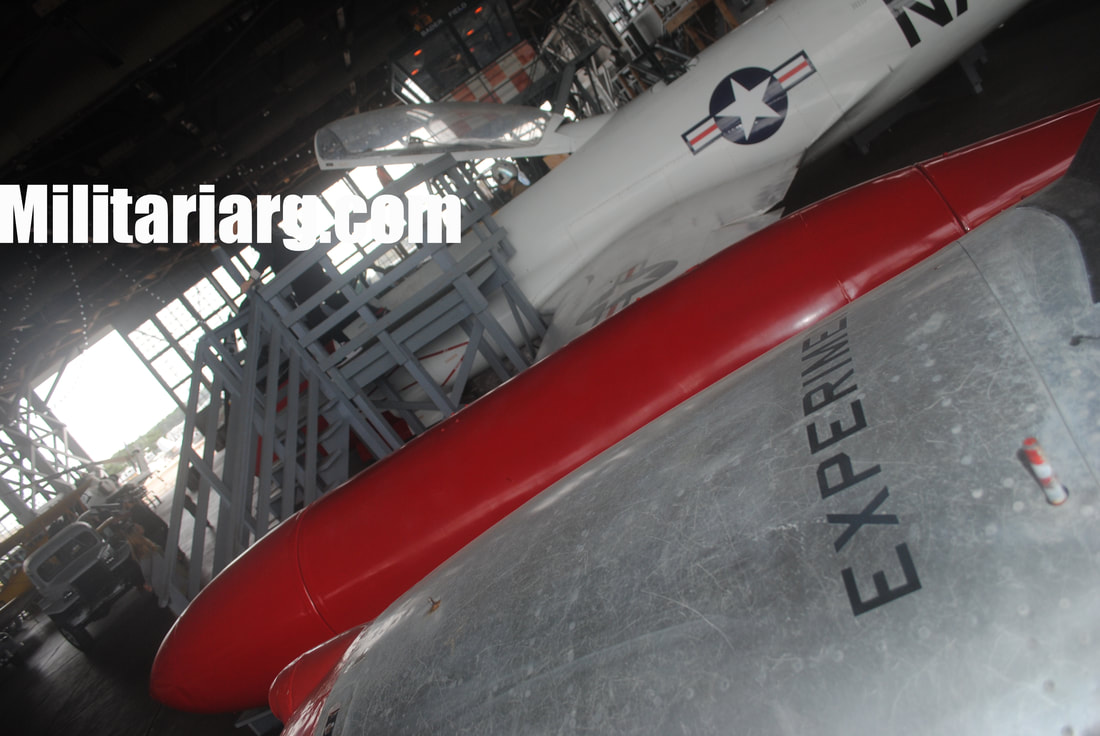
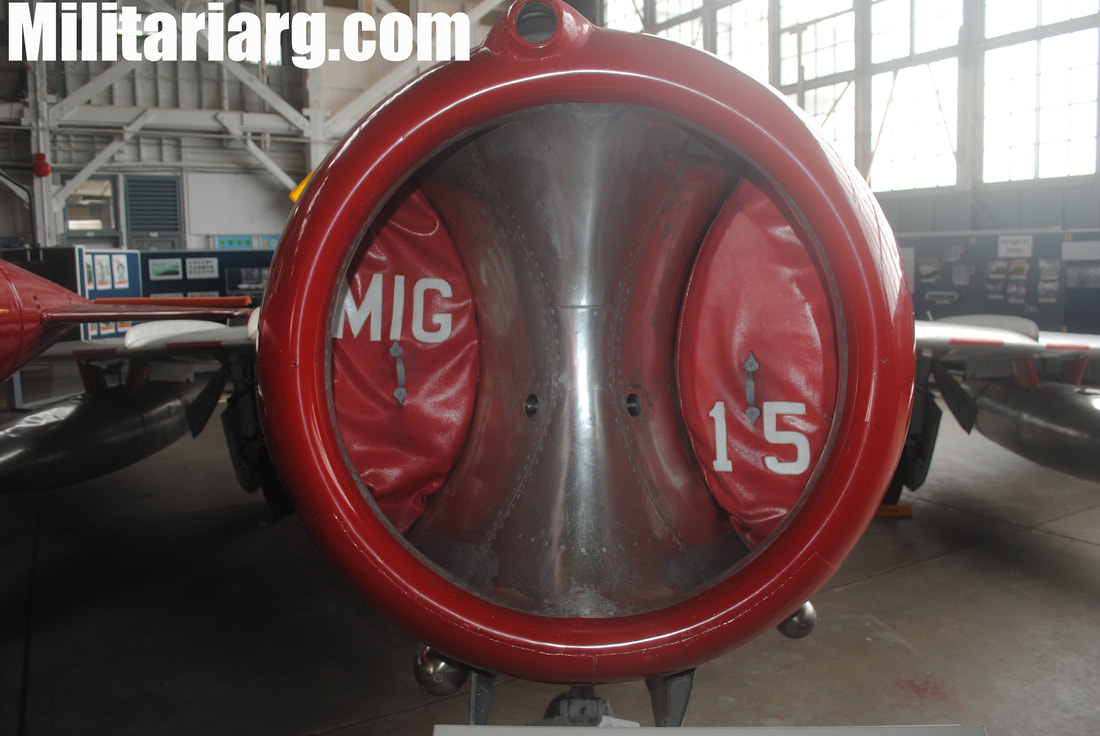
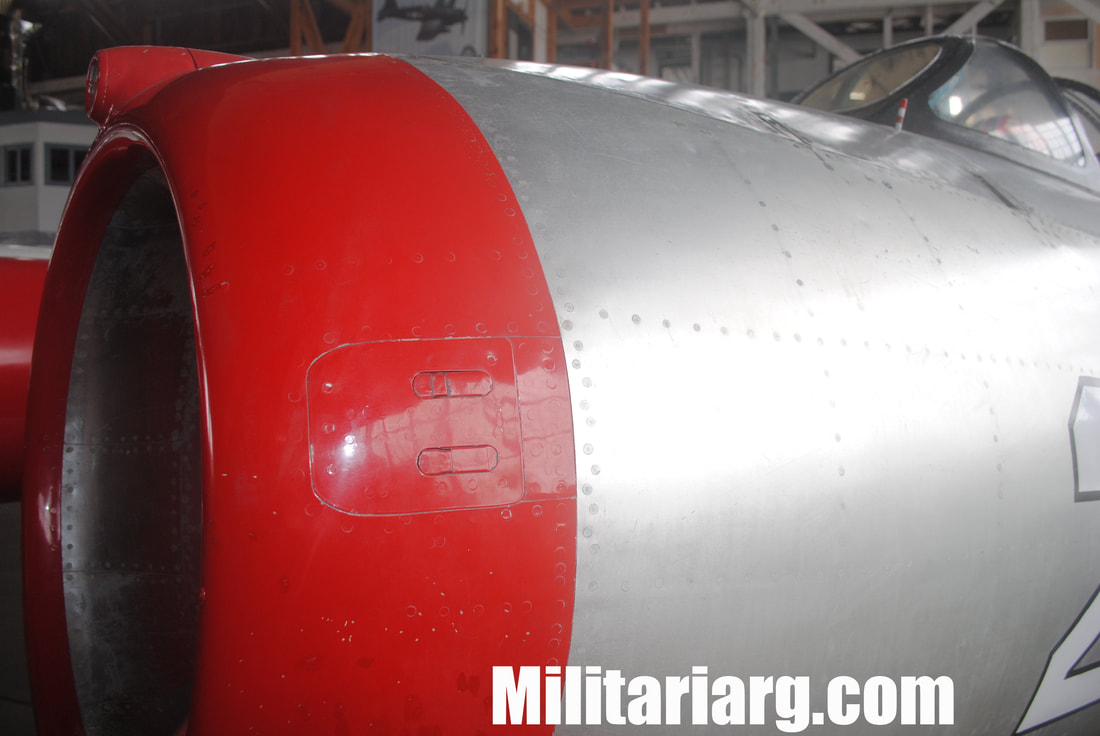
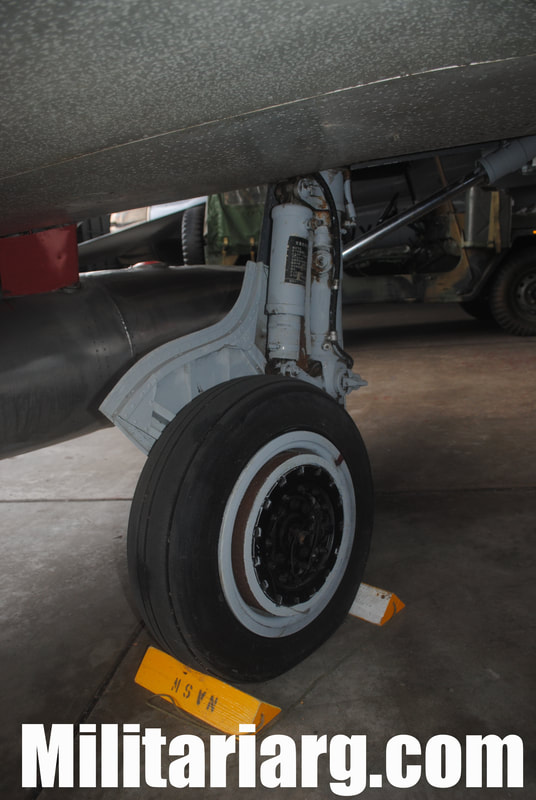
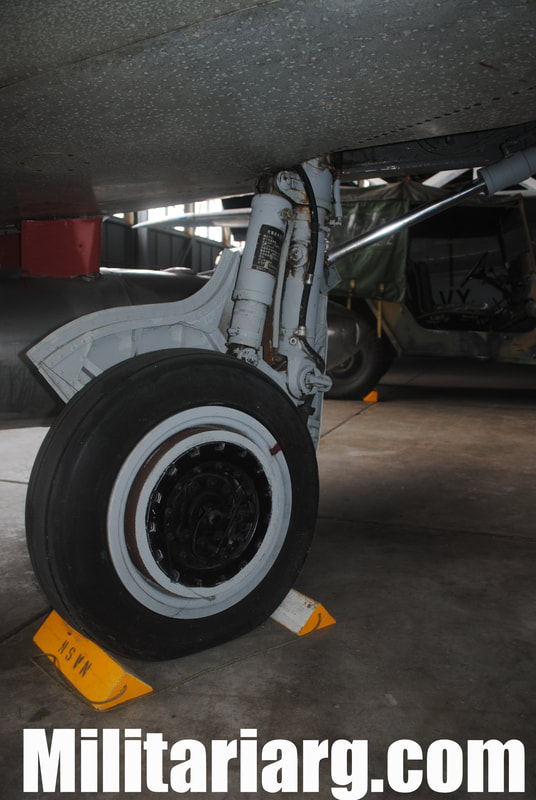
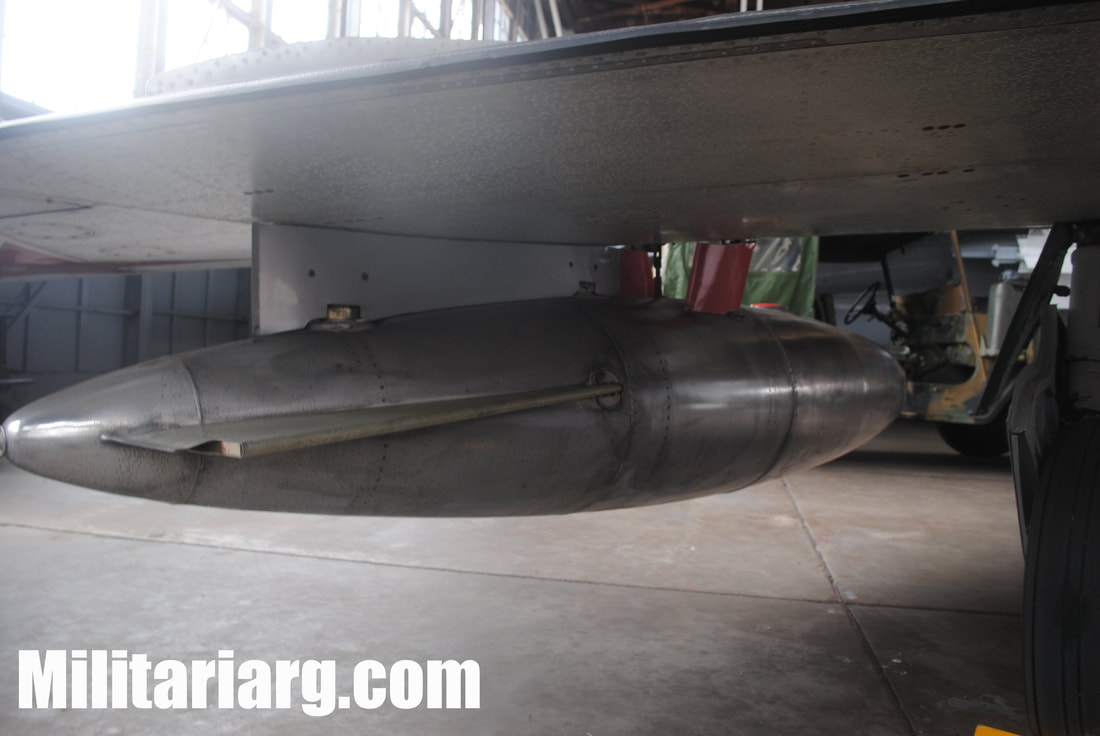
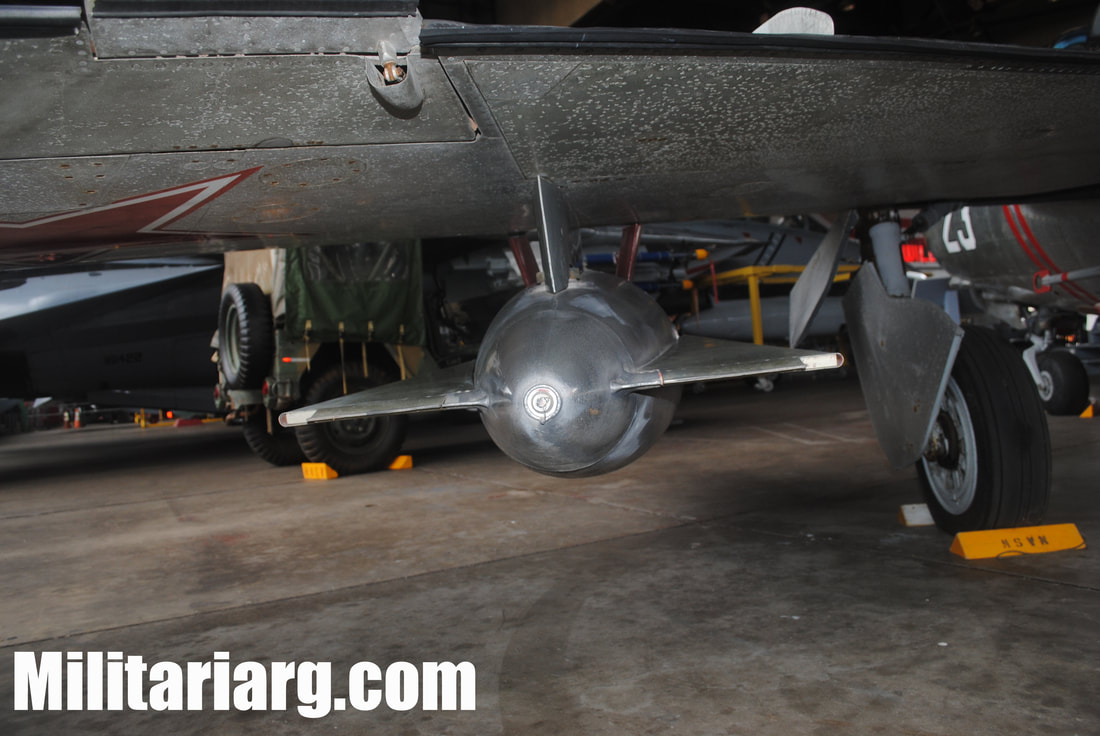
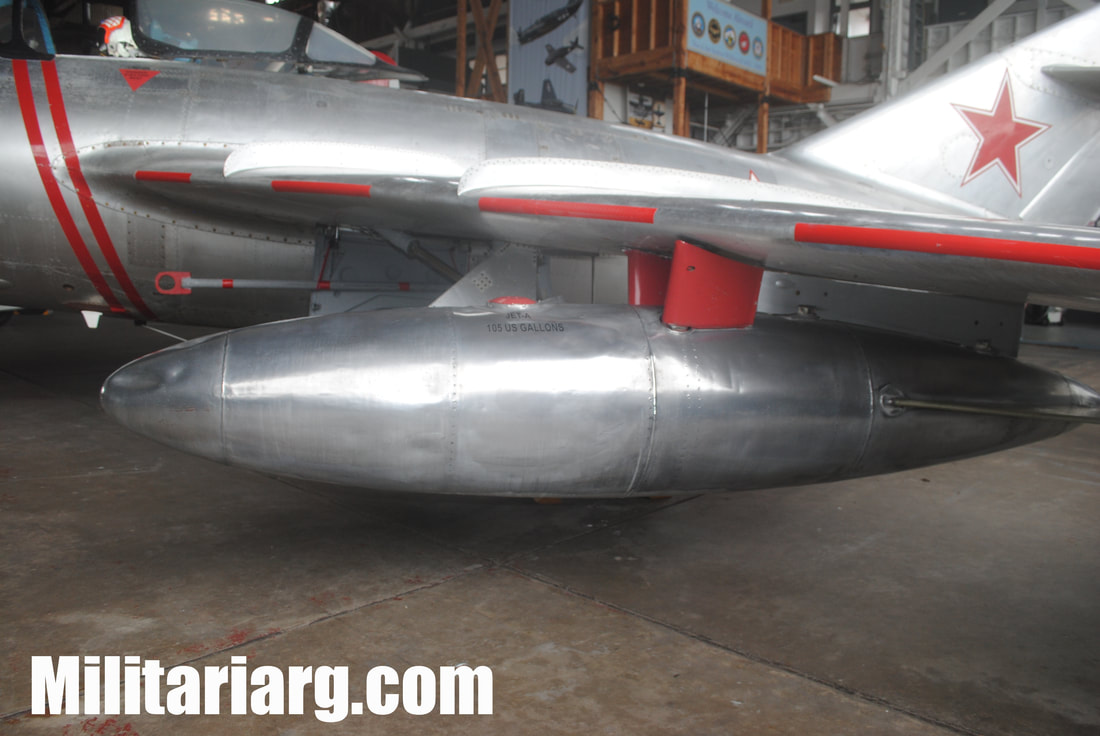
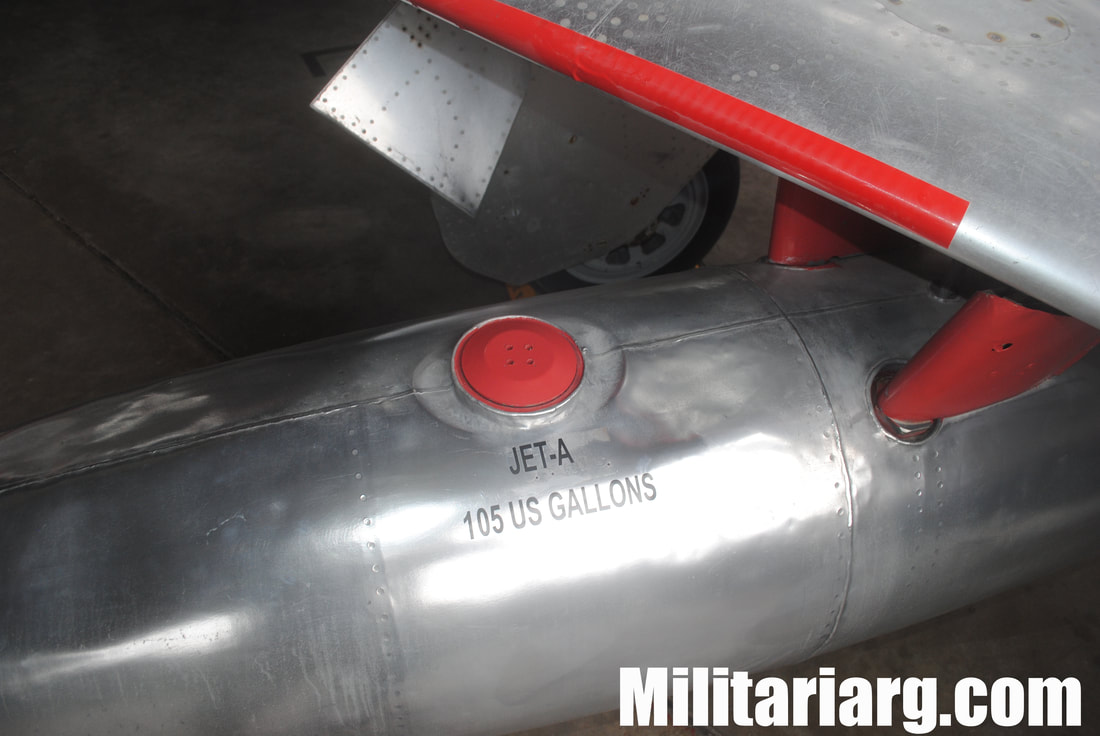
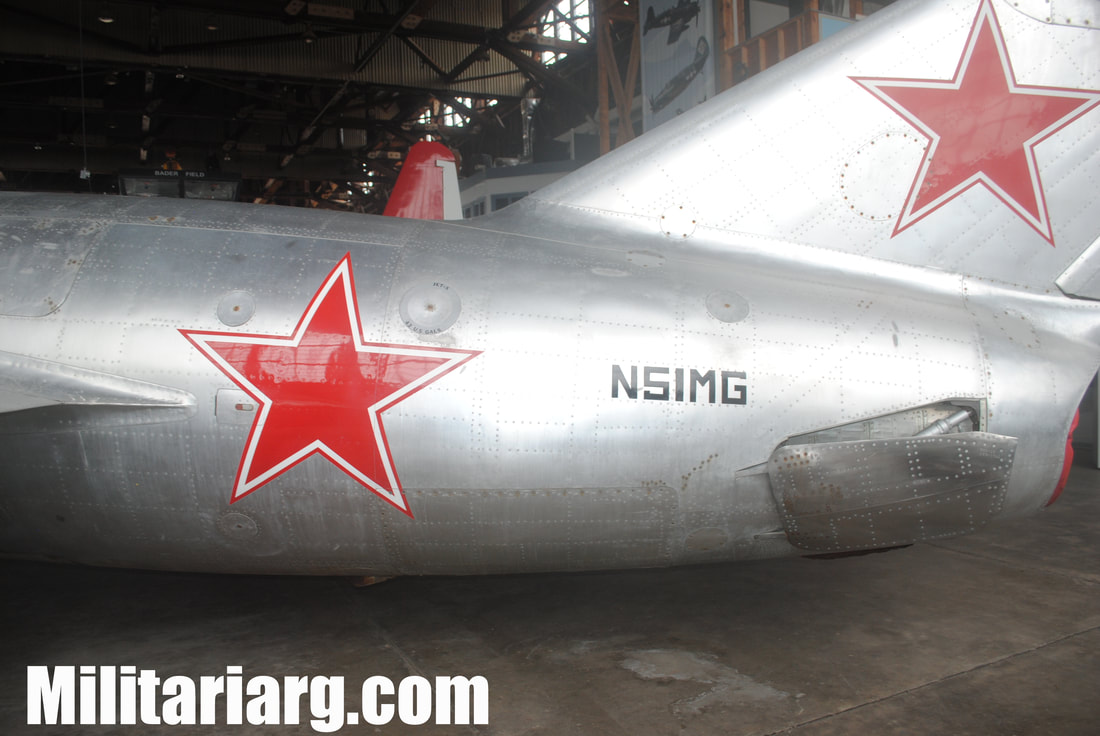
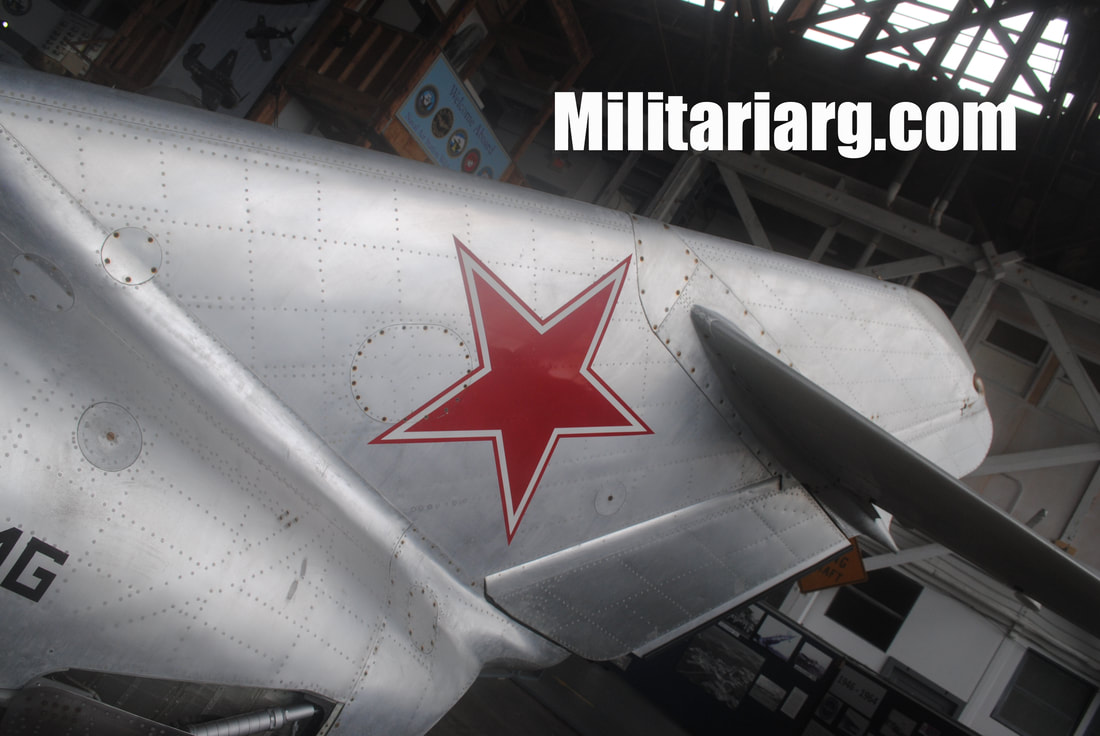
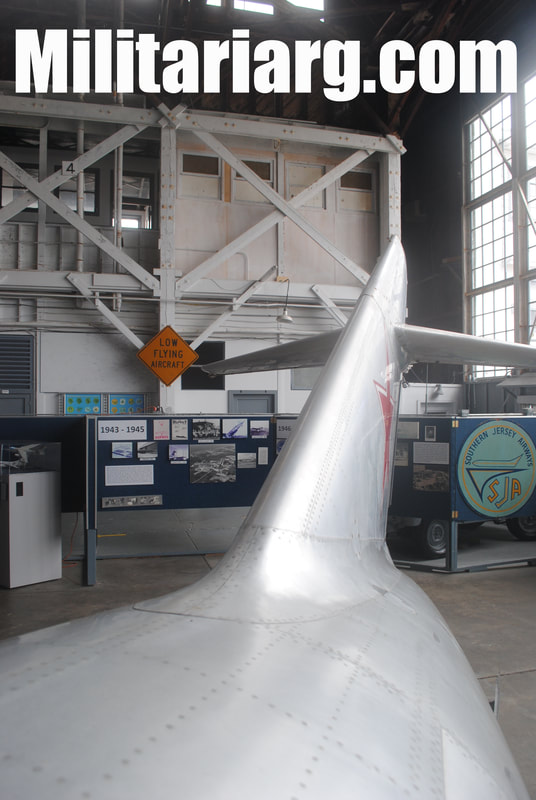
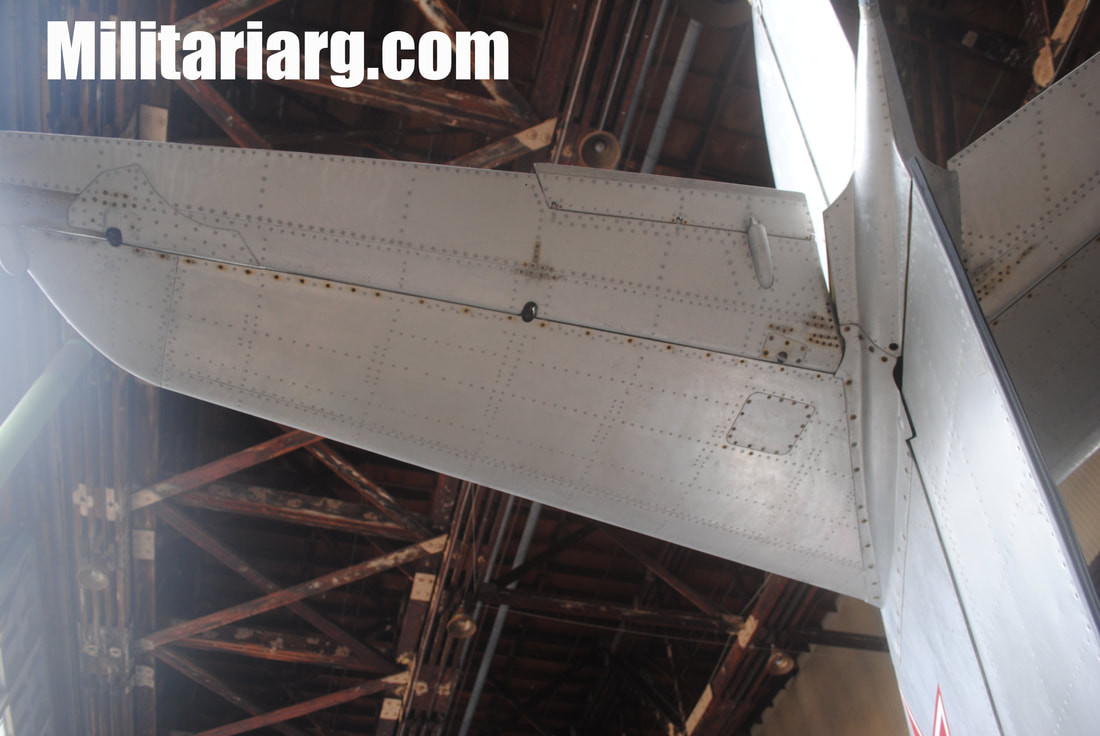
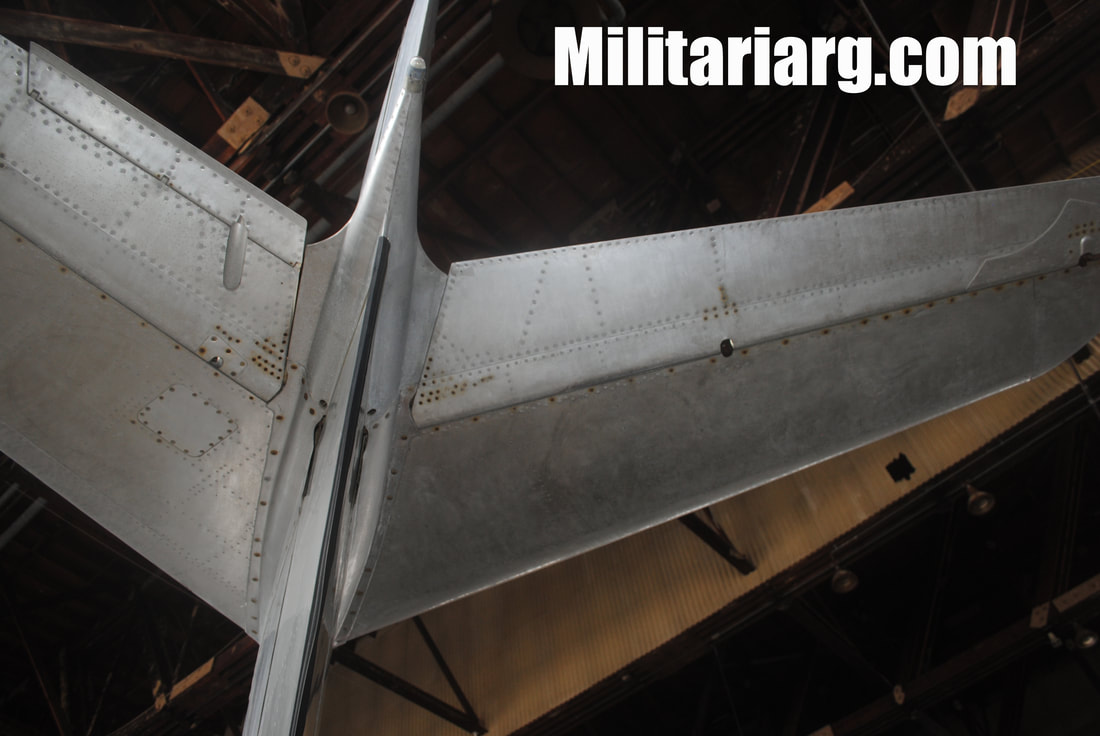
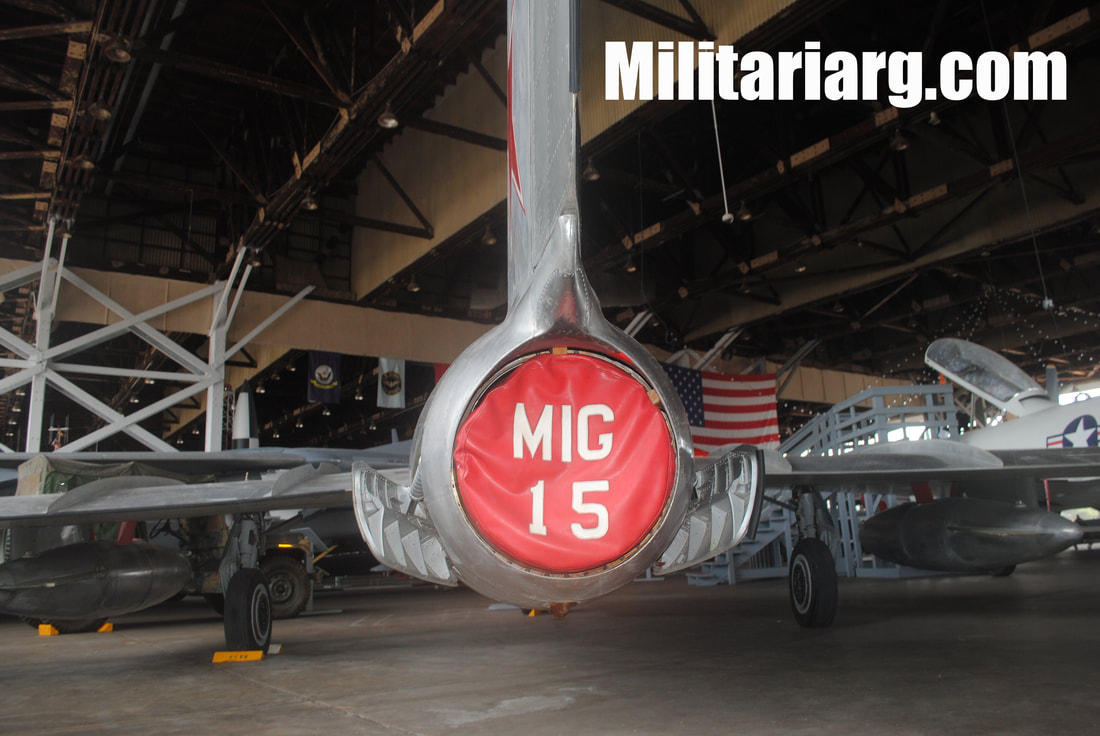
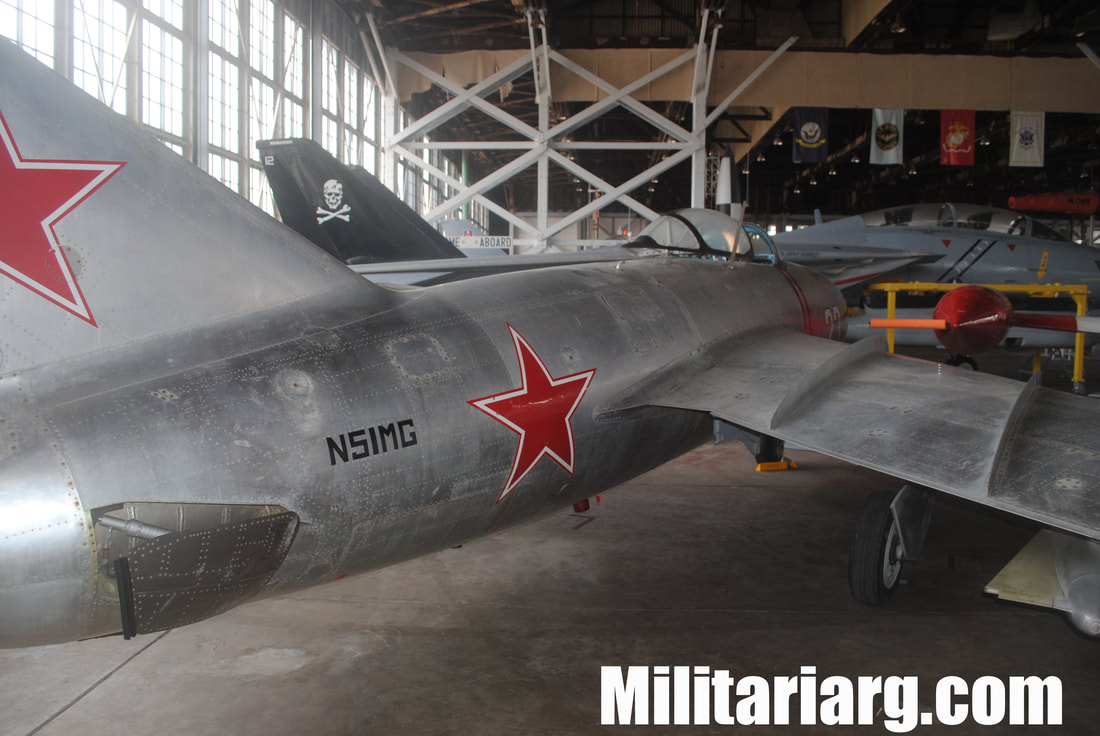
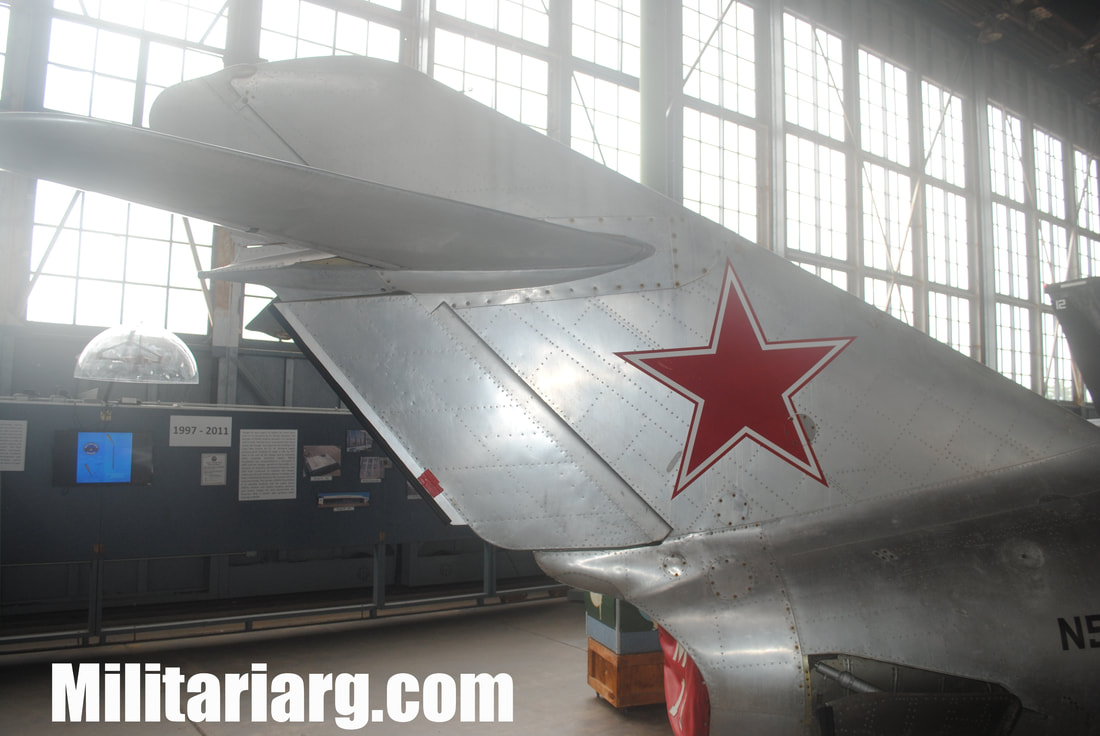
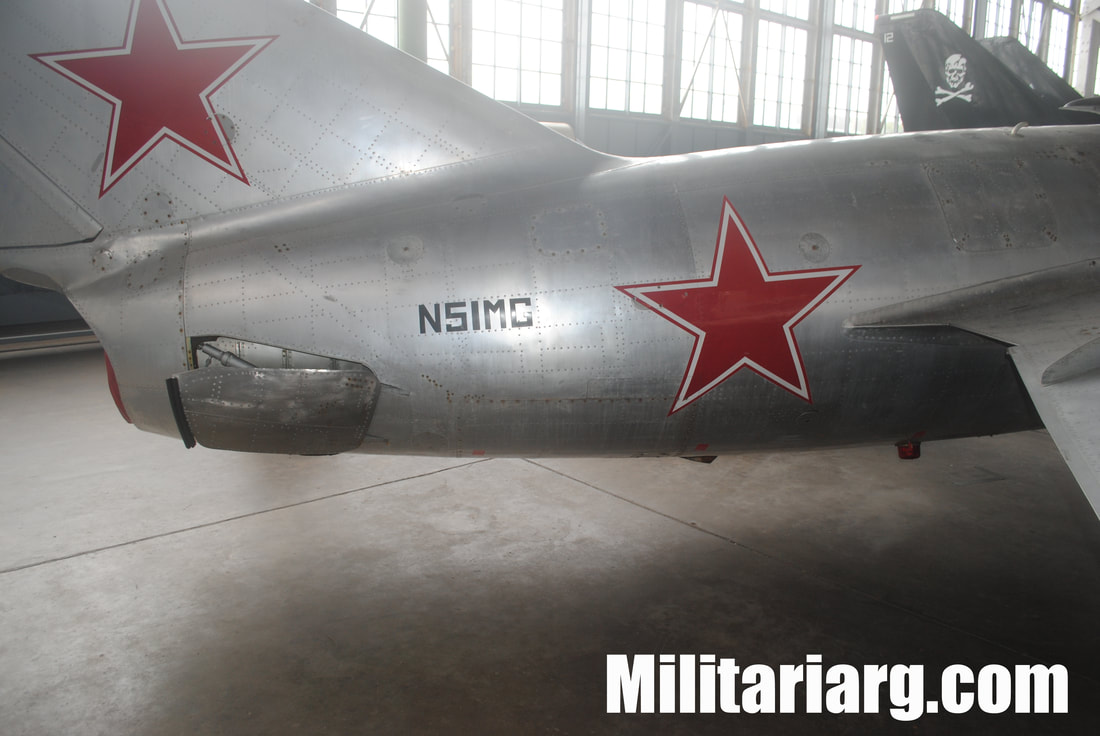
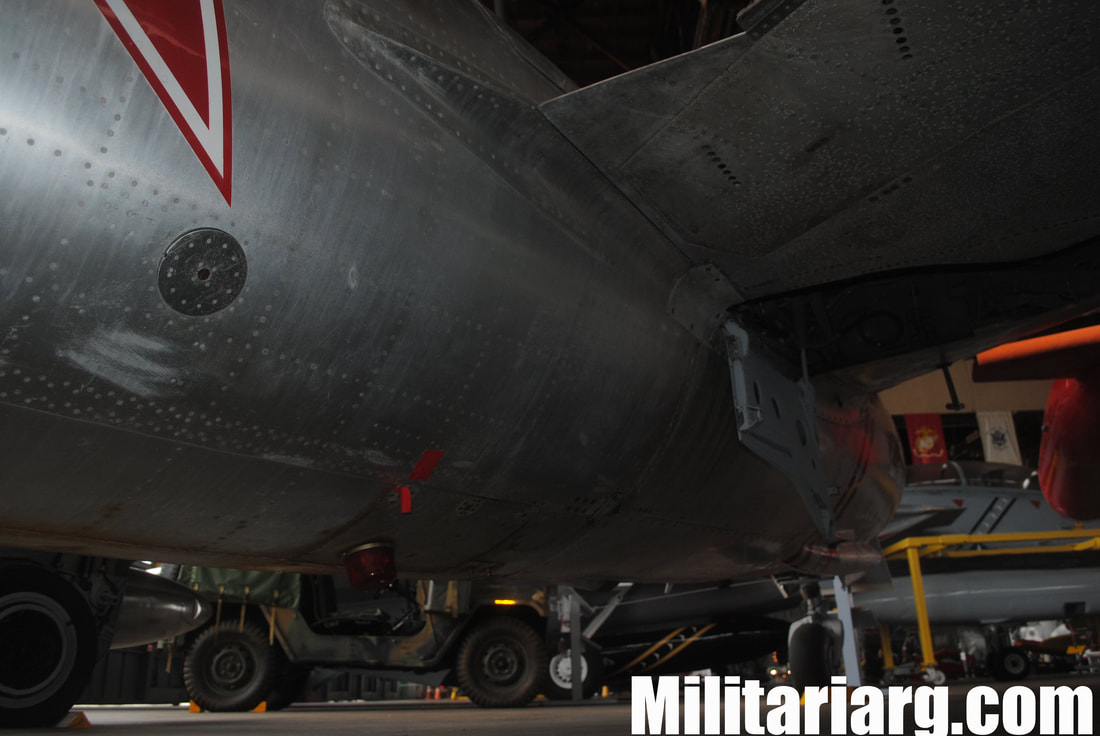
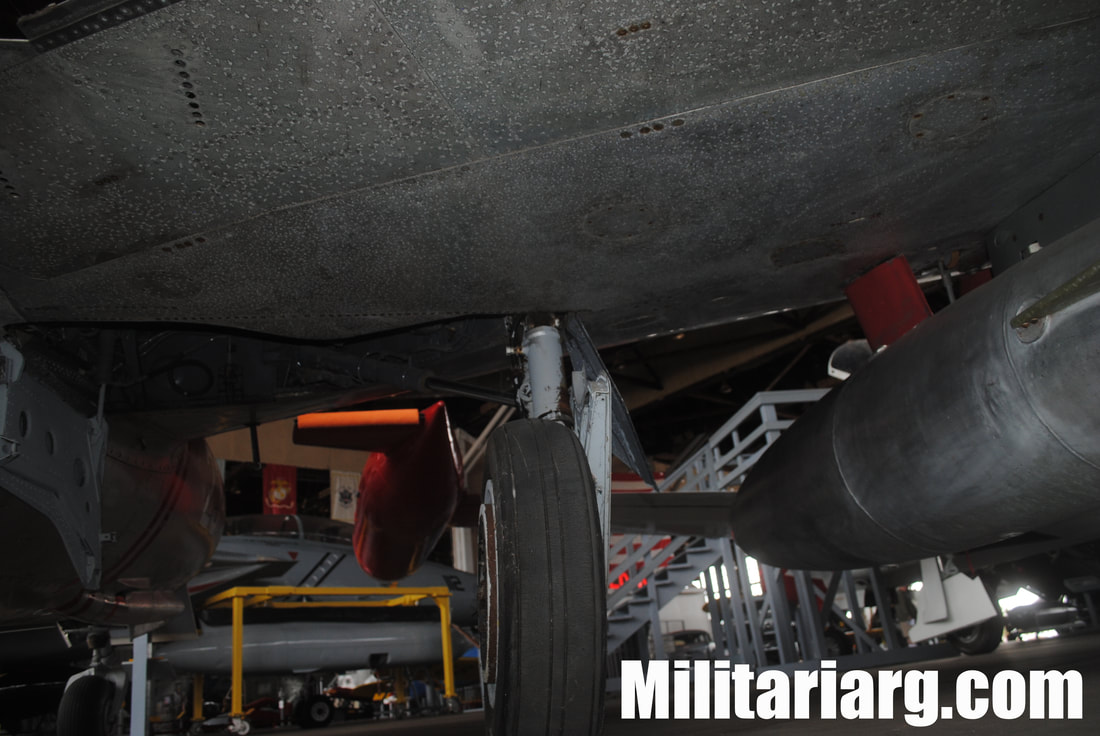
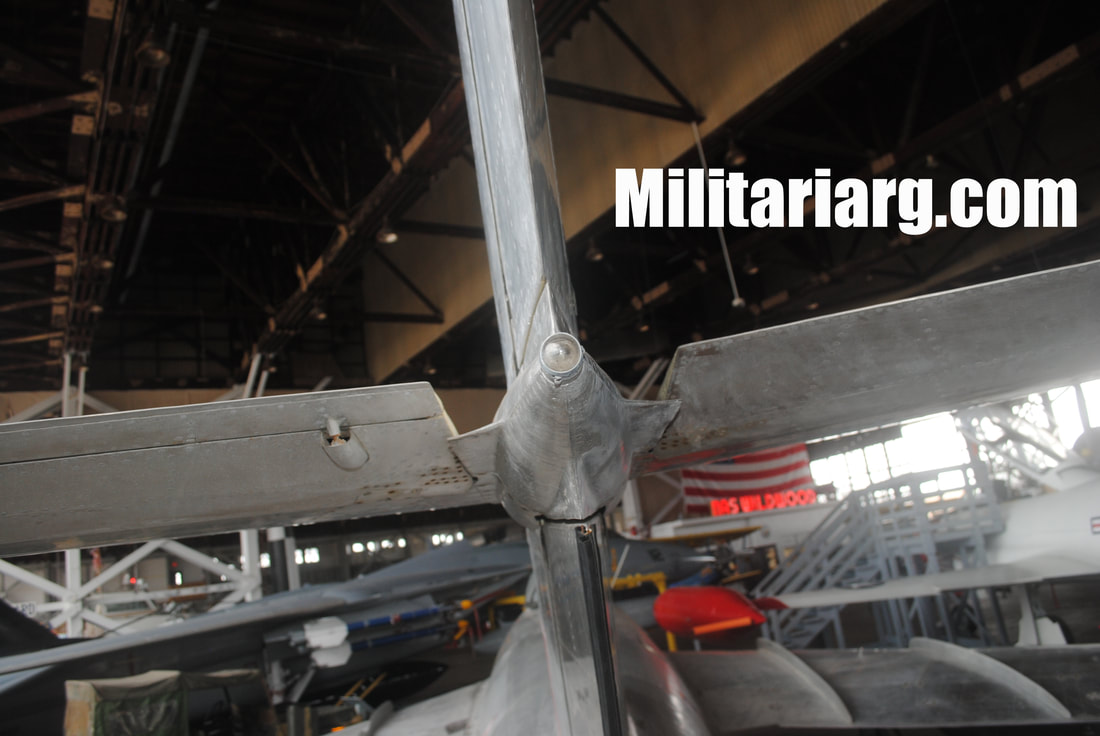
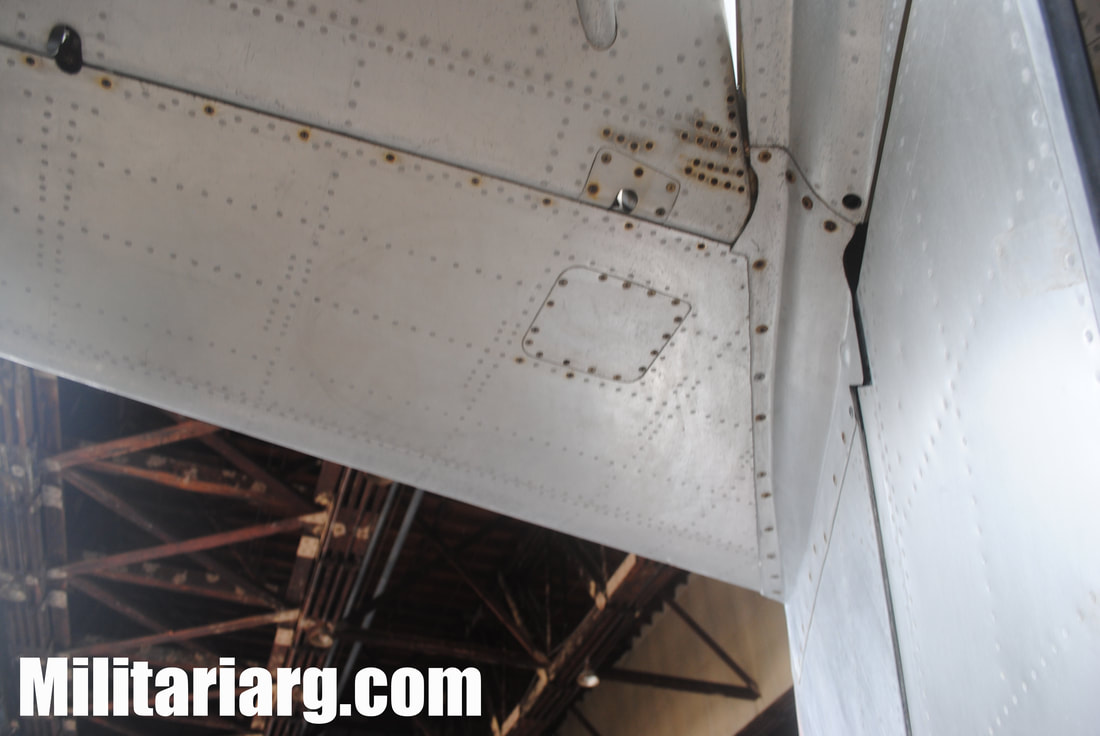
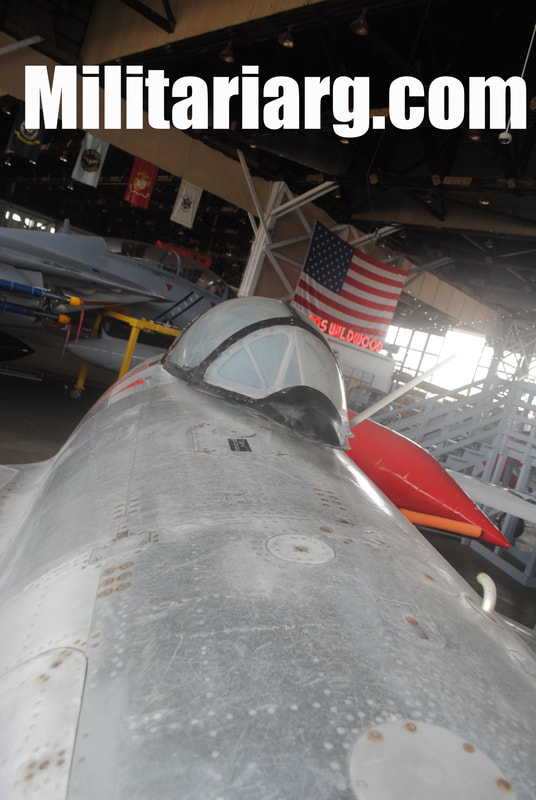
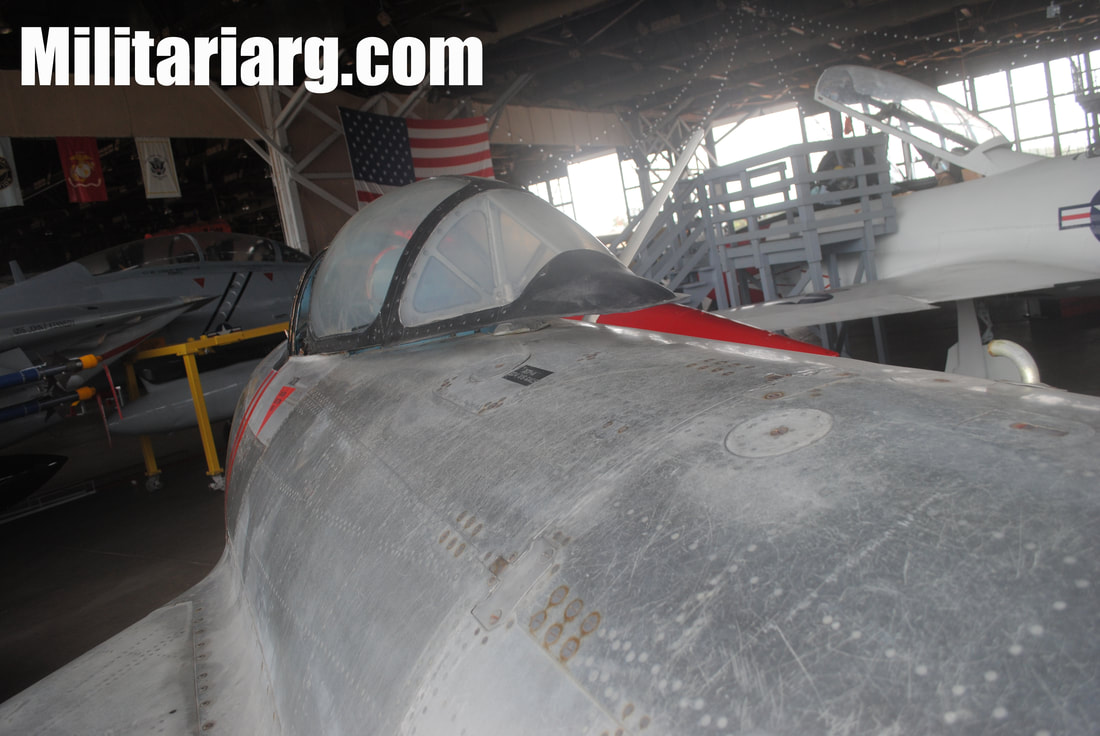
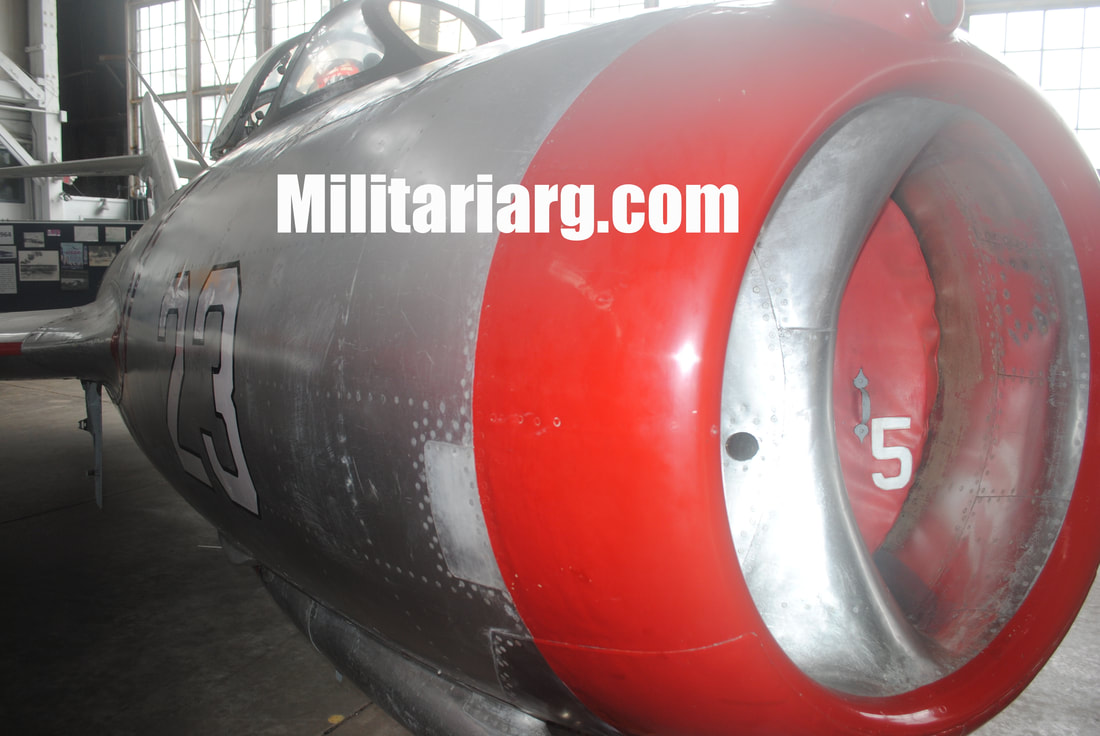
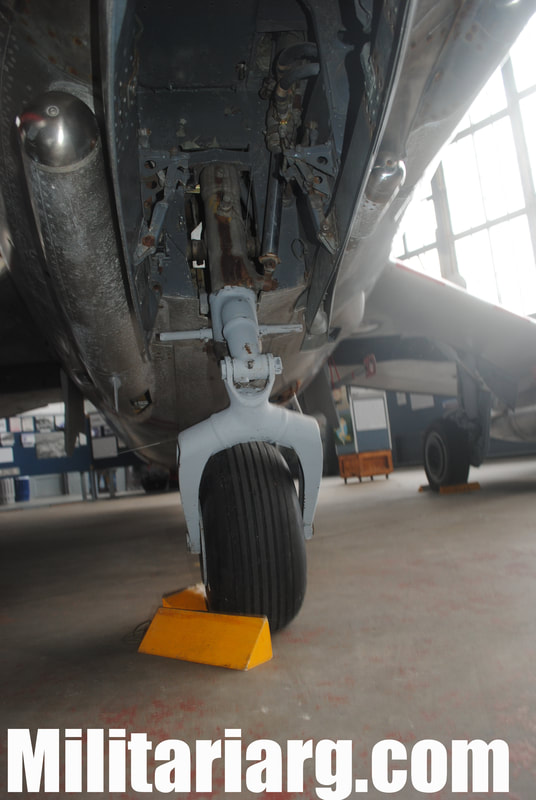
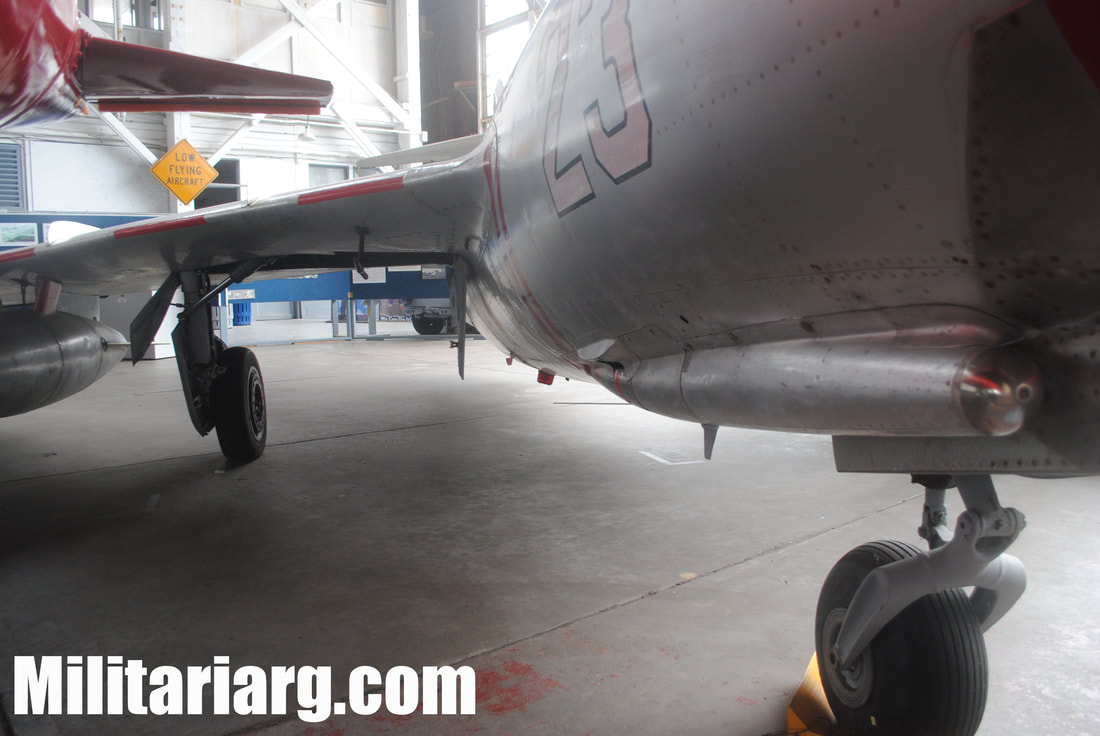
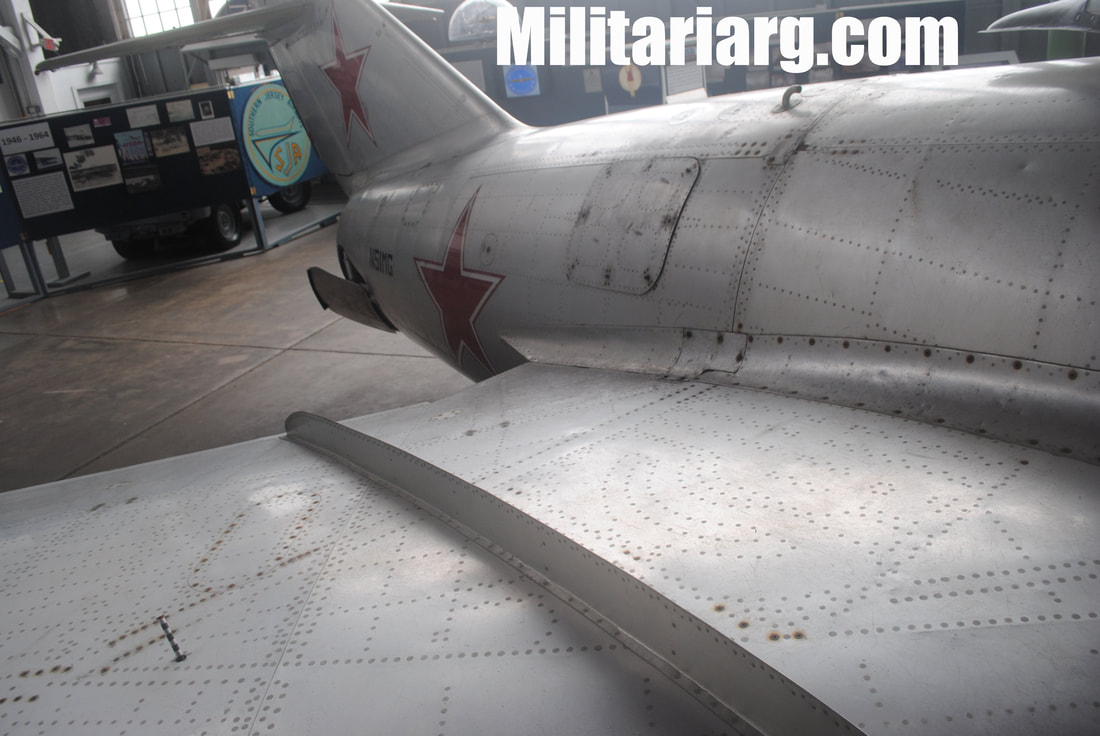
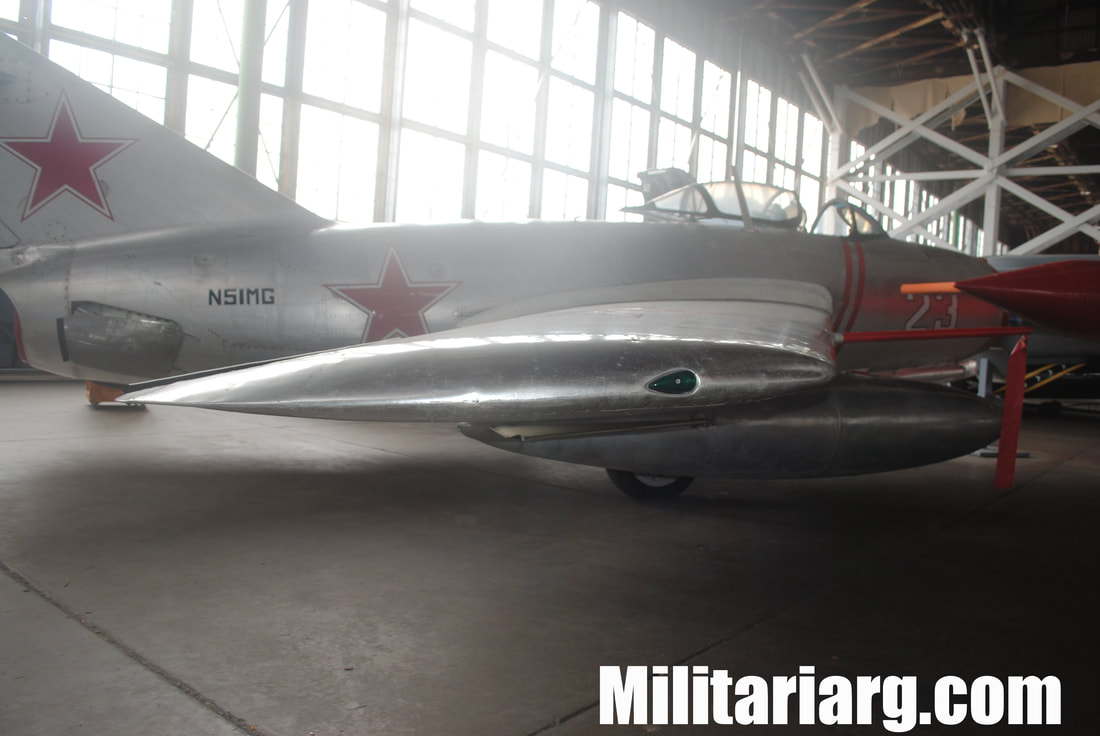
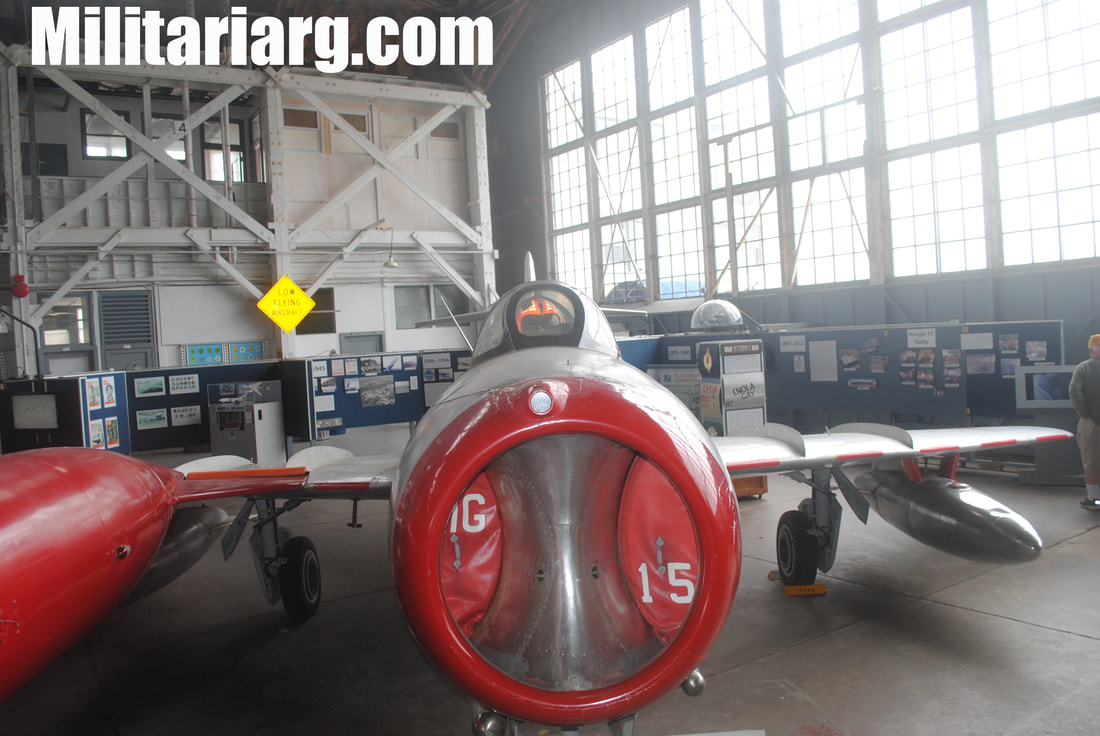
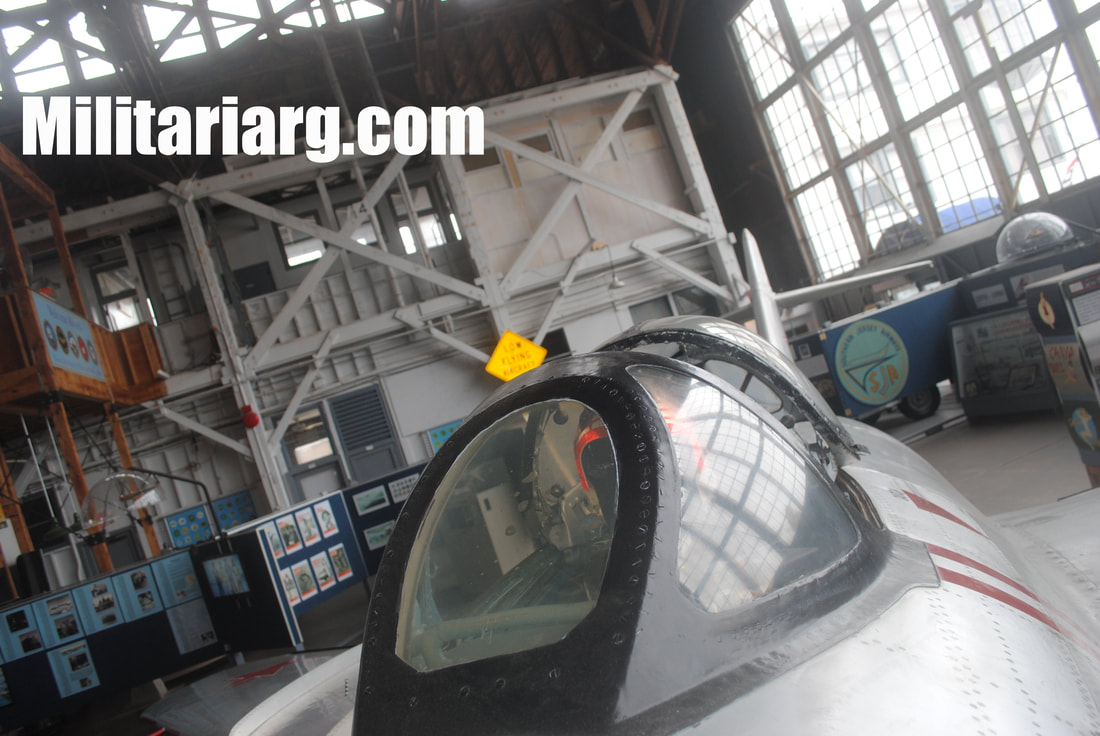
​The MiG-15 was a revolutionary Soviet-designed jet fighter that became one of the most famous and produced aircraft of the Cold War era. It is best known for its pivotal role in the Korean War, where its capabilities shocked the United Nations forces.

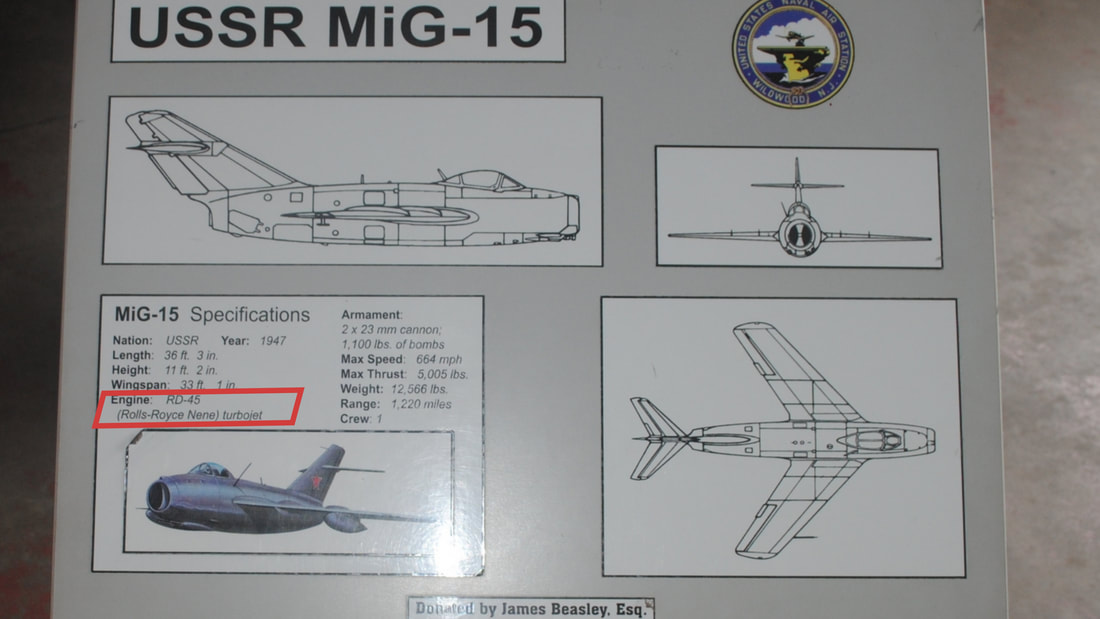
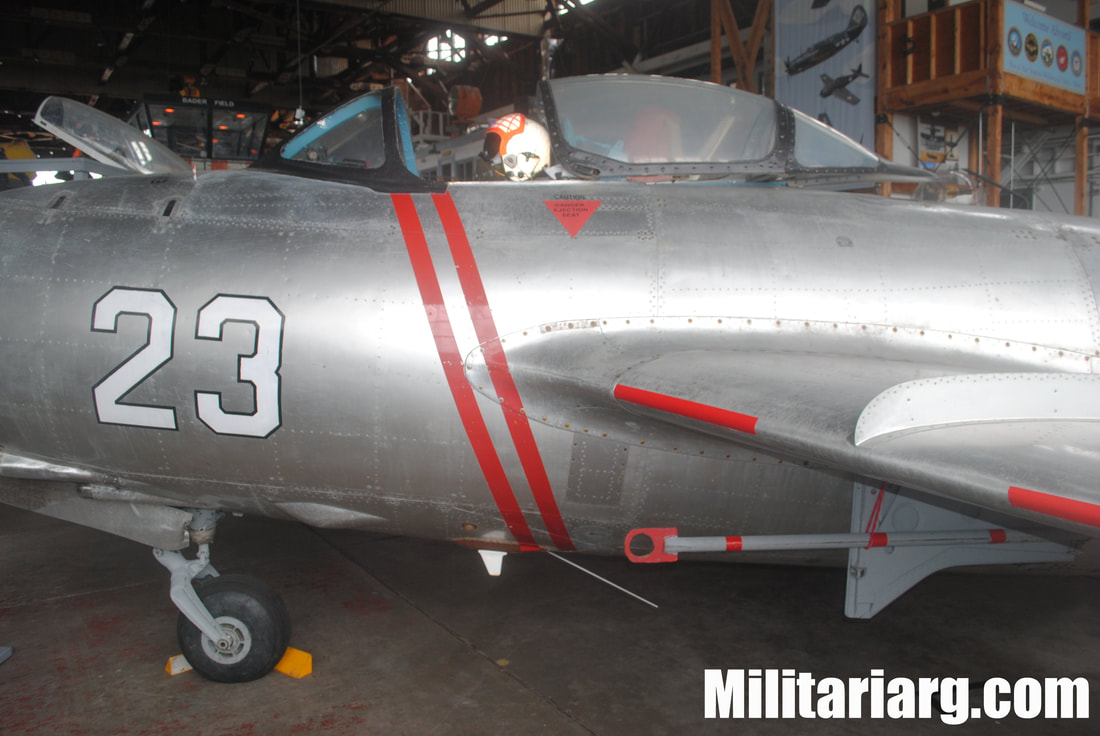
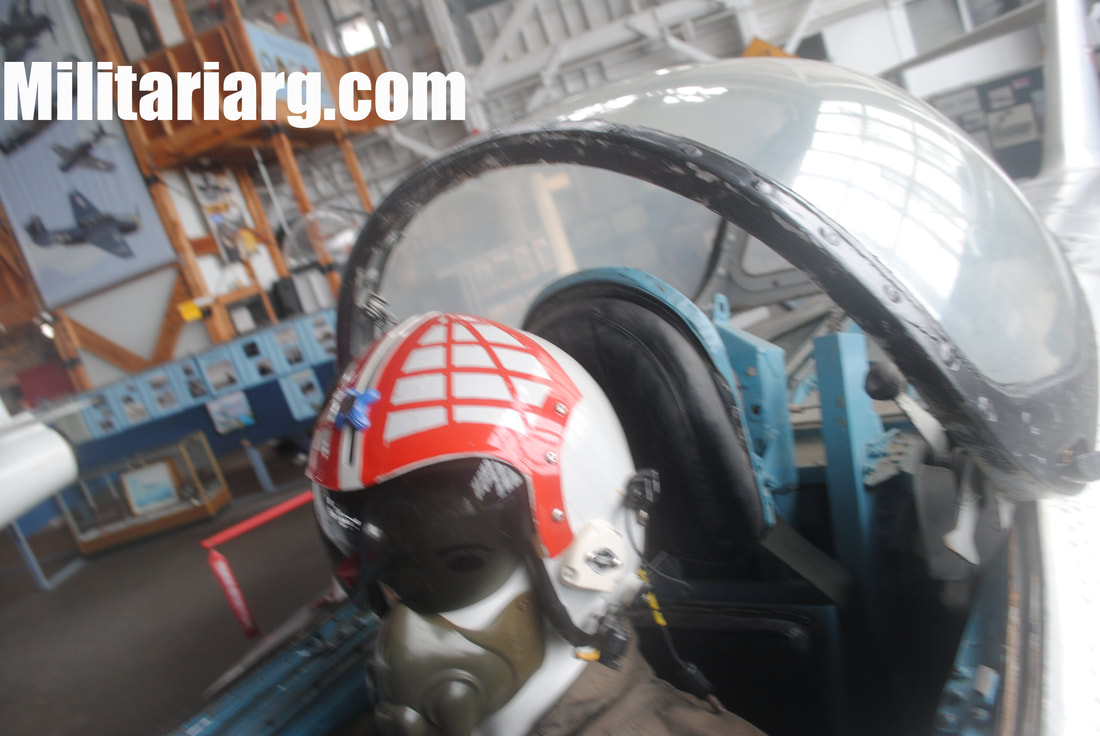
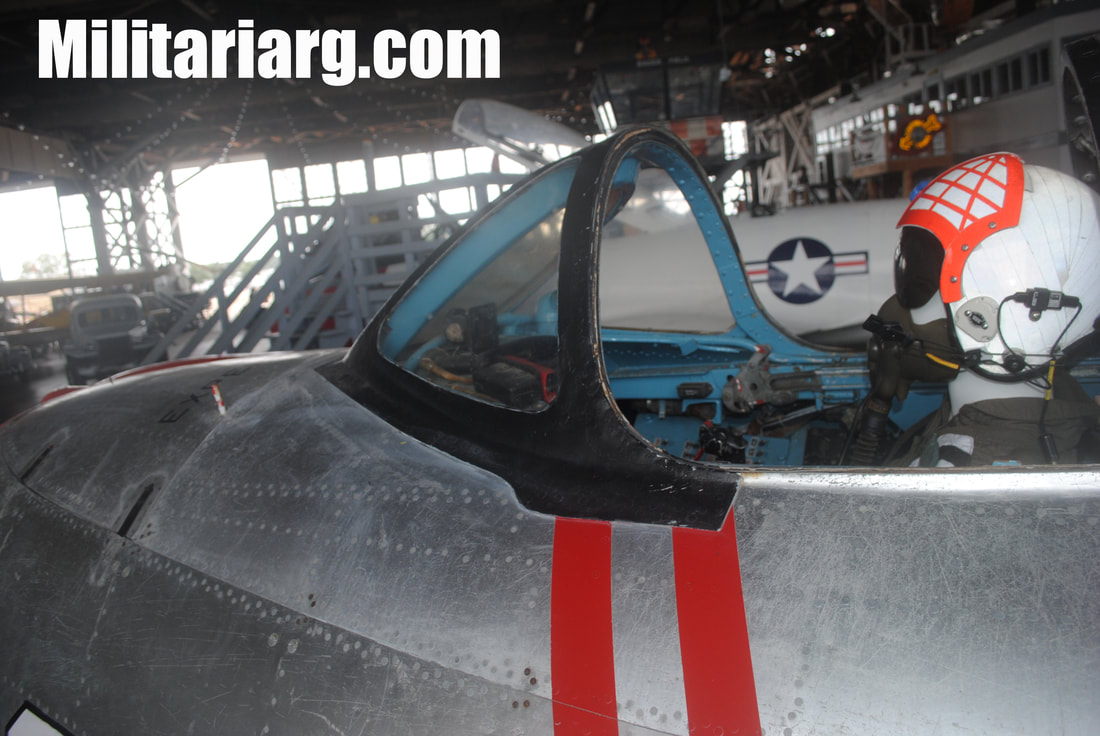
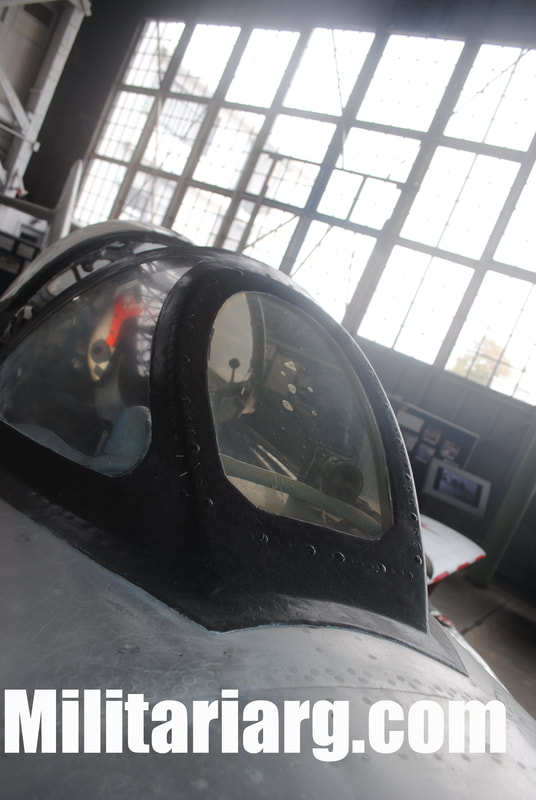
The MiG-15 was one of the first successful jet fighters to feature a swept-wing design, which allowed it to achieve high transonic speeds. Its powerful engine was developed after the British government sold the Soviets Rolls-Royce Nene and Derwent jet engines, which were then reverse-engineered and refined. It was the first Soviet aircraft to be equipped with an ejection seat, a critical safety feature. 

Designed primarily as an interceptor for large bombers like the B-29, the MiG-15 was heavily armed with two 23 mm cannons and a single 37 mm cannon, firing explosive shells designed to ensure the destruction of large targets.

The aircraft entered service with the Soviet Air Force in 1949 and was widely exported to communist and client nations. It saw extensive combat in the Korean War, where it initially outperformed most straight-wing UN fighters such as the F-80 Shooting Star and F-84 Thunderjet. The arrival of the U.S. F-86 Sabre, another swept-wing fighter, led to legendary "MiG Alley" dogfights over North Korea.

The MiG-15 remained in service with various air forces for decades, with a few still in operation today, particularly in North Korea.
Powered by Create your own unique website with customizable templates.