Fiberglass Parade Helmets
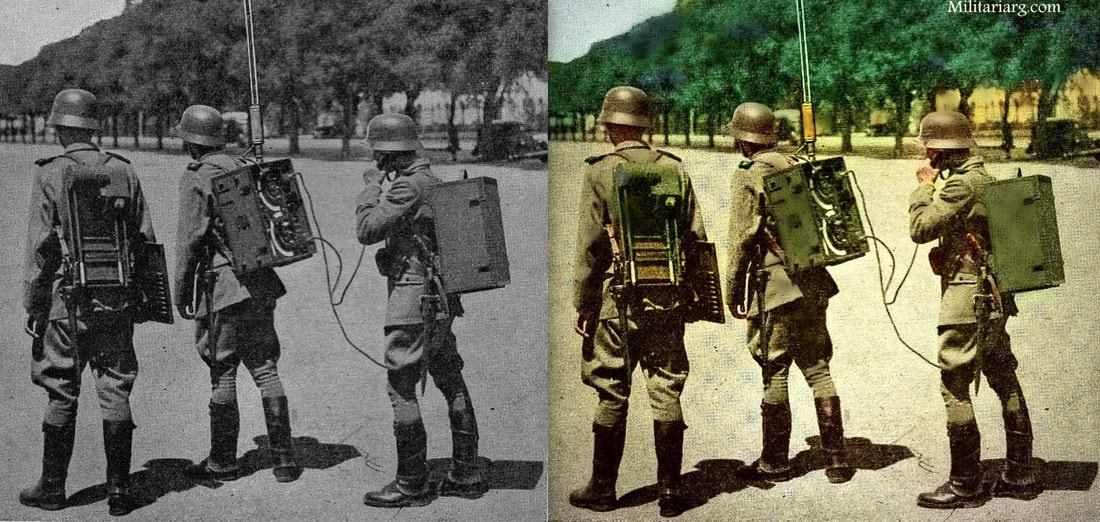
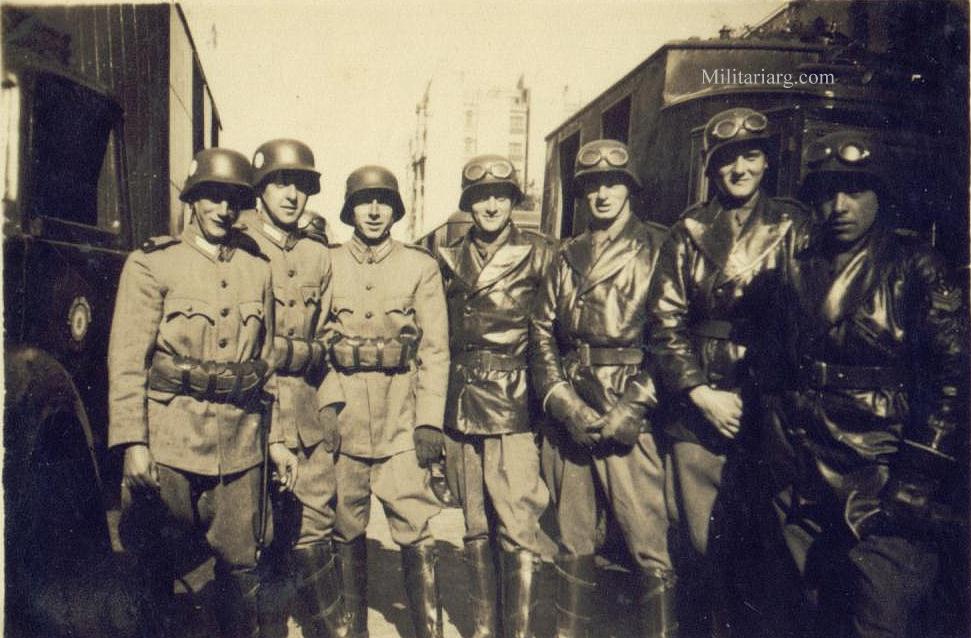
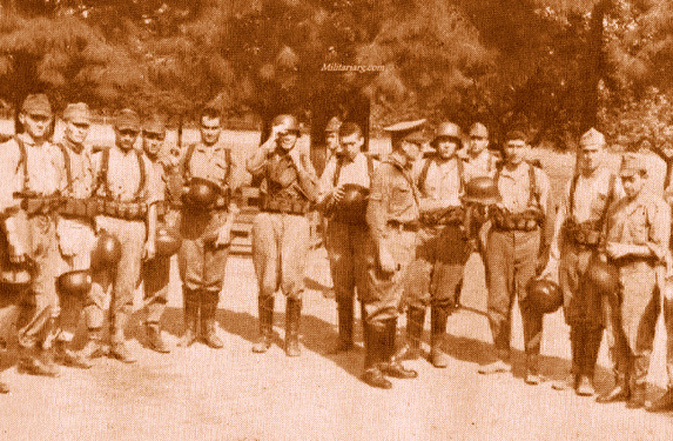
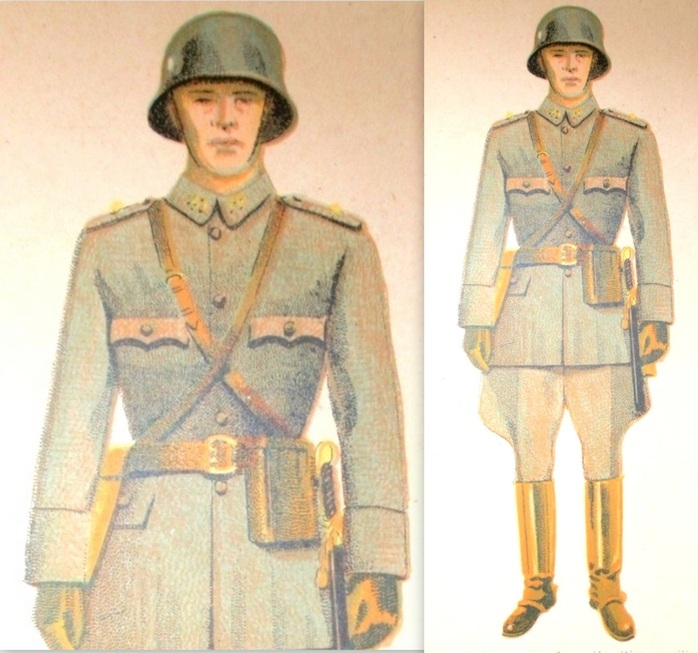
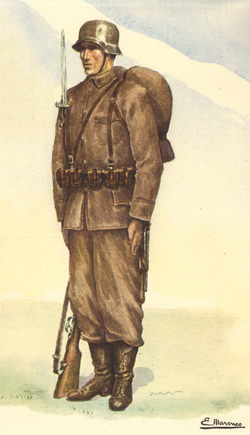
R.R.M.44 Regulation 1947.
 |
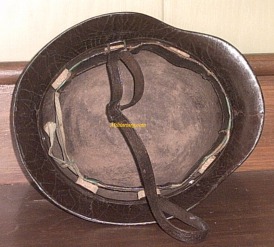 |
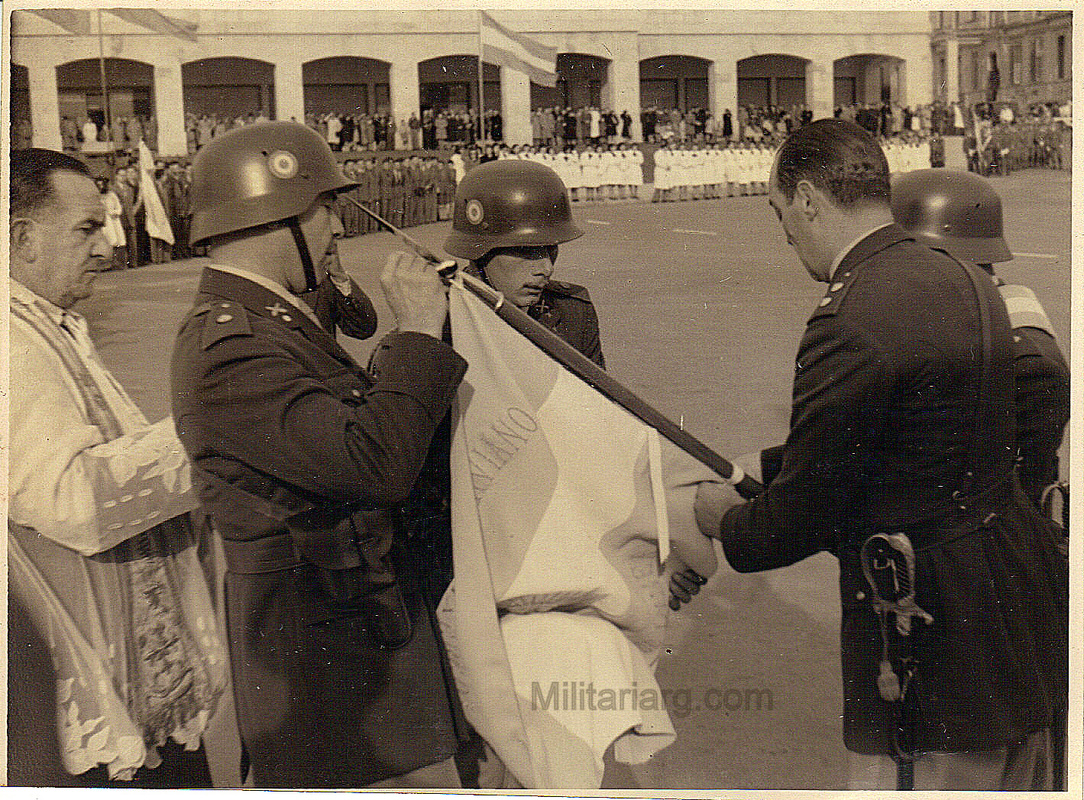
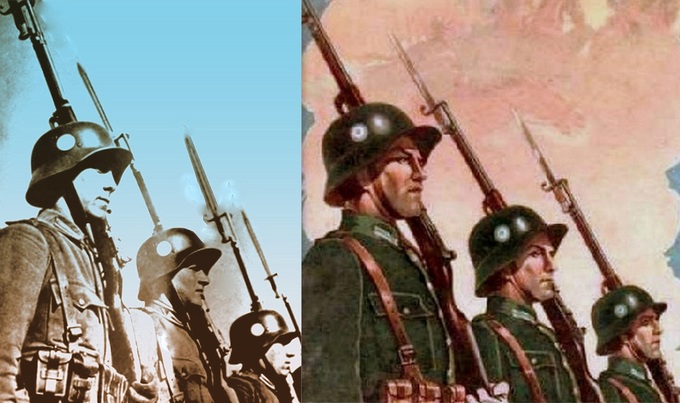
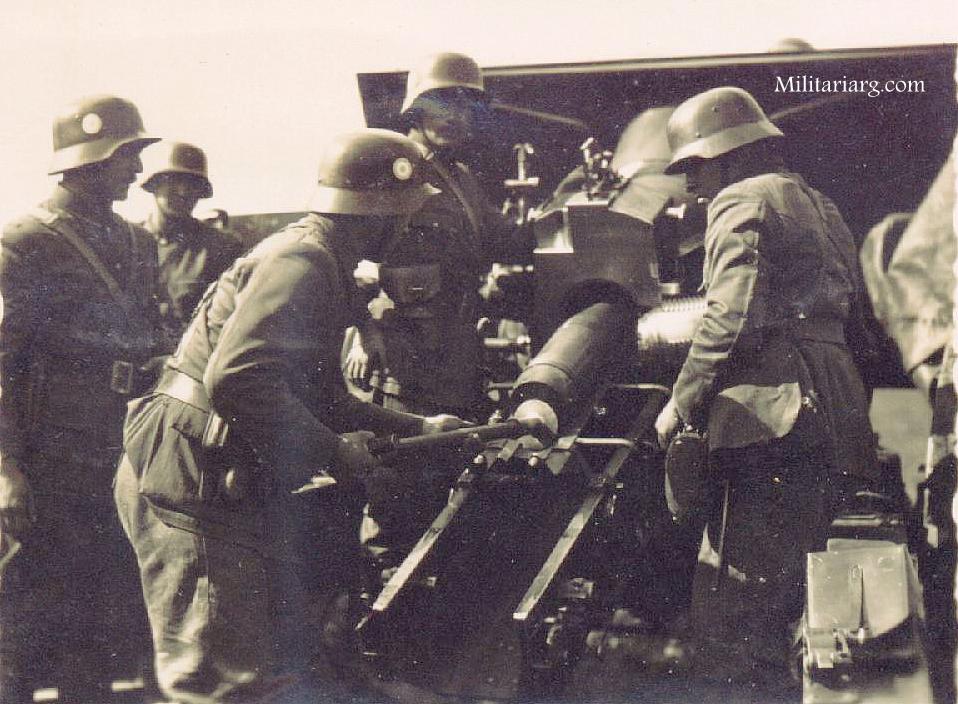
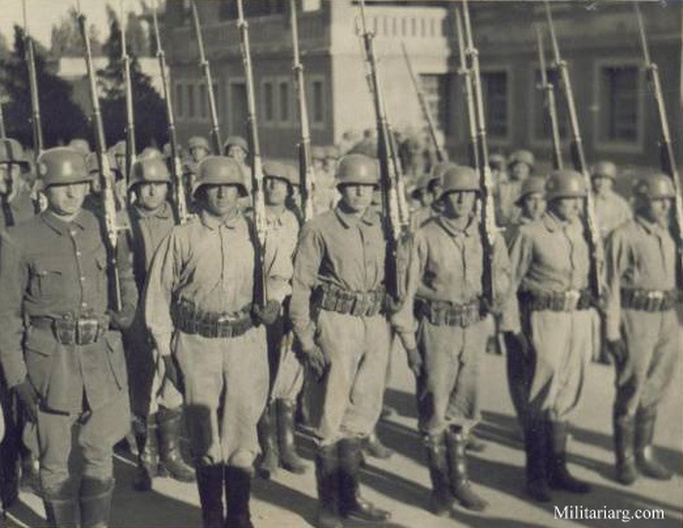
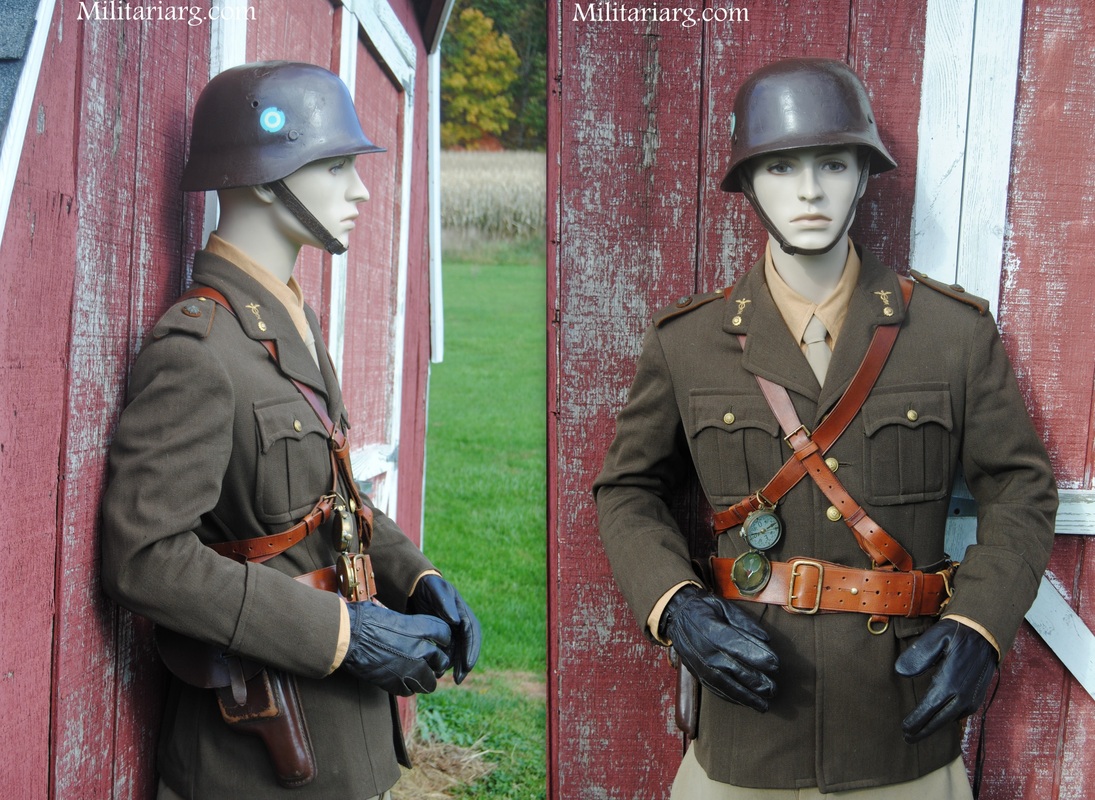
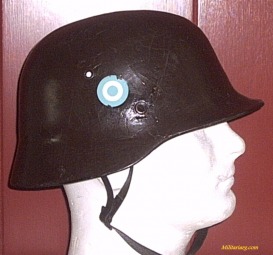
Parade Helmet M38 single decal national bi-color cockade . This helmet is a waterproofed felt with paint. In this case it is painted an earthy brown per regulation 1946/47 (R.R.M.44) which was decreed on August 13, 1946 by then president Juan Domingo Peron.
The pith helmets were also covered in an earthy brown cloth (previously they had been covered by an olive green cloth) and appeared shorter in the rear with respect to the front. The helmets for paratroopers during the 1950s were varnished with earthy brown as well.
Source: Los Cuerpos Militares en la Historia Argentina 1550-1950 by Julio Mario Luqui-Lagleyze
The pith helmets were also covered in an earthy brown cloth (previously they had been covered by an olive green cloth) and appeared shorter in the rear with respect to the front. The helmets for paratroopers during the 1950s were varnished with earthy brown as well.
Source: Los Cuerpos Militares en la Historia Argentina 1550-1950 by Julio Mario Luqui-Lagleyze
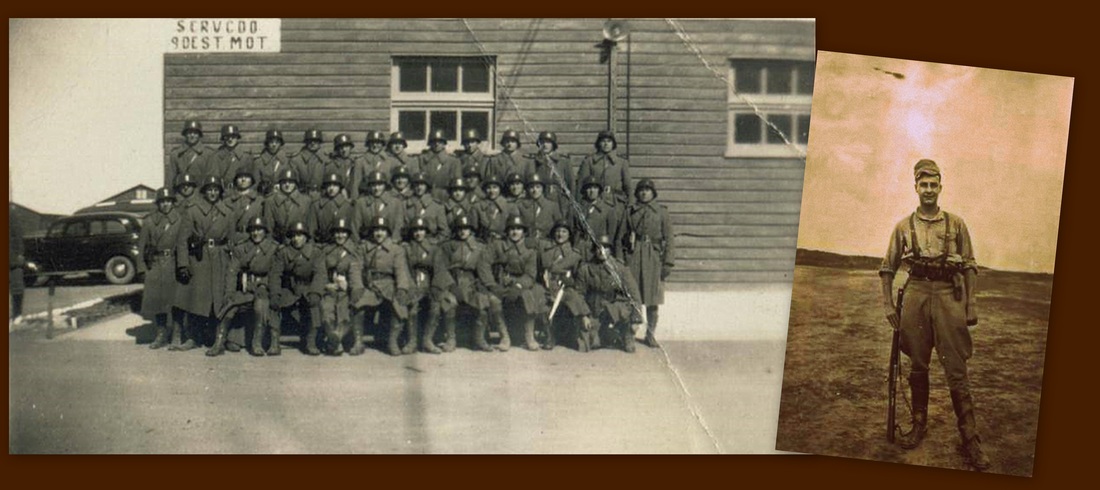
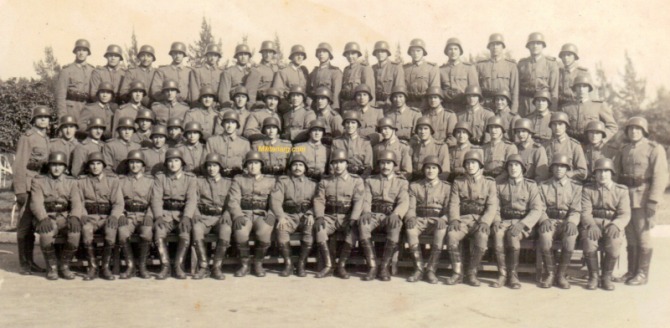
Group photo of an entire company in the 1950s.
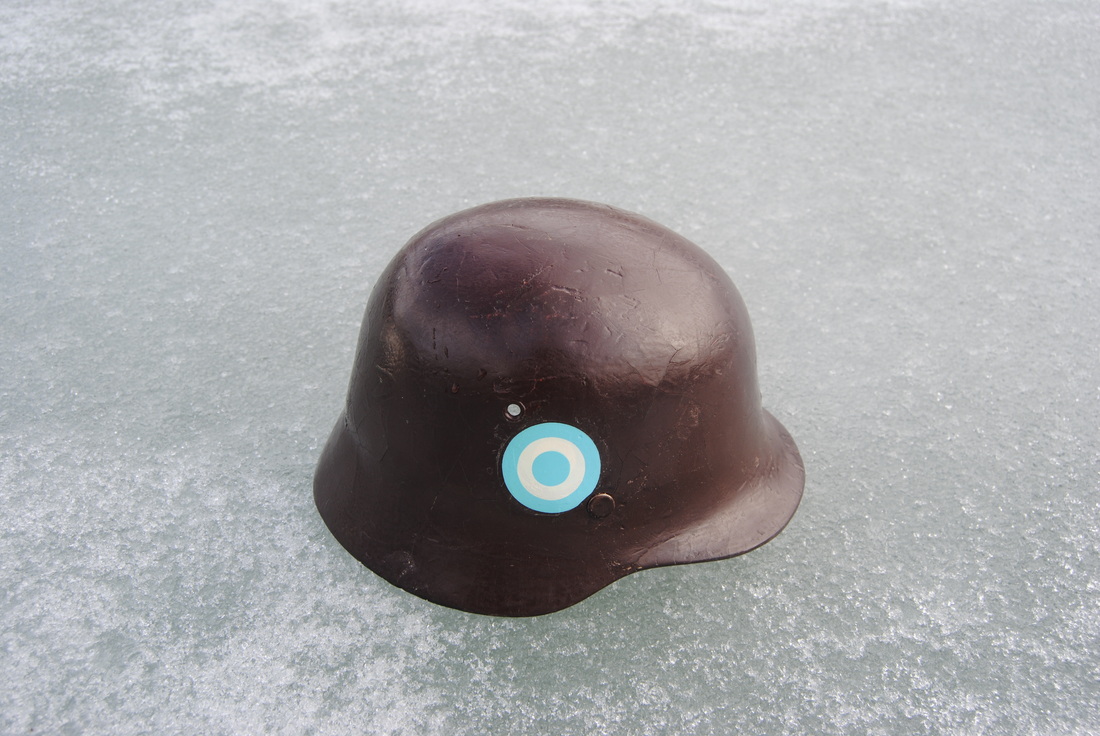
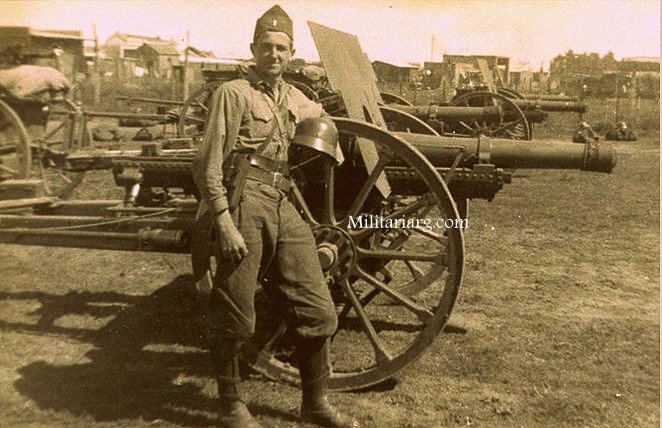
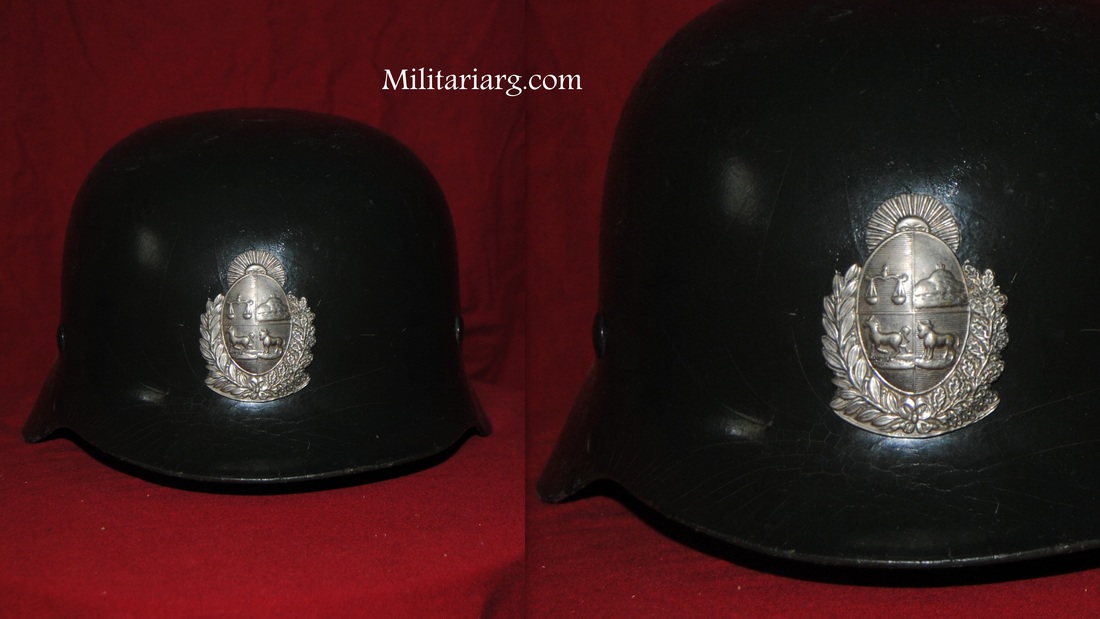
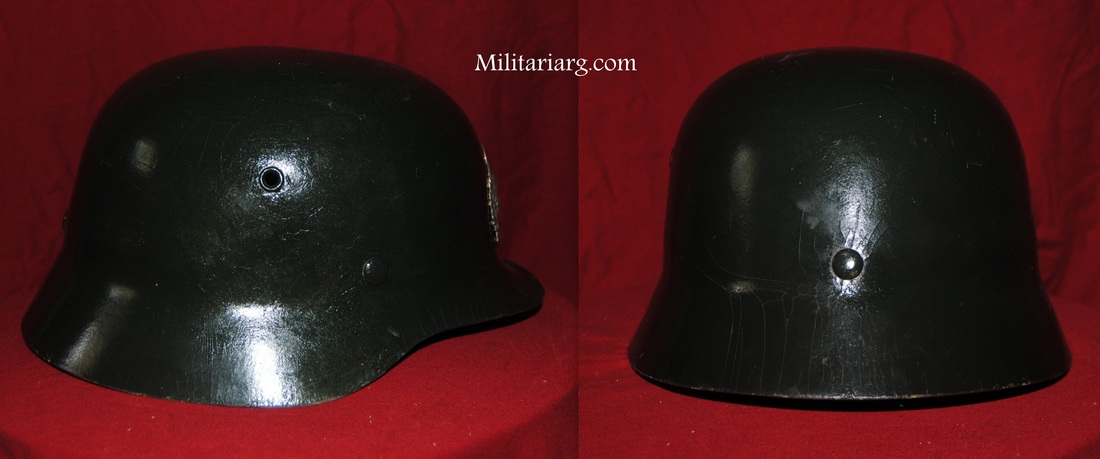
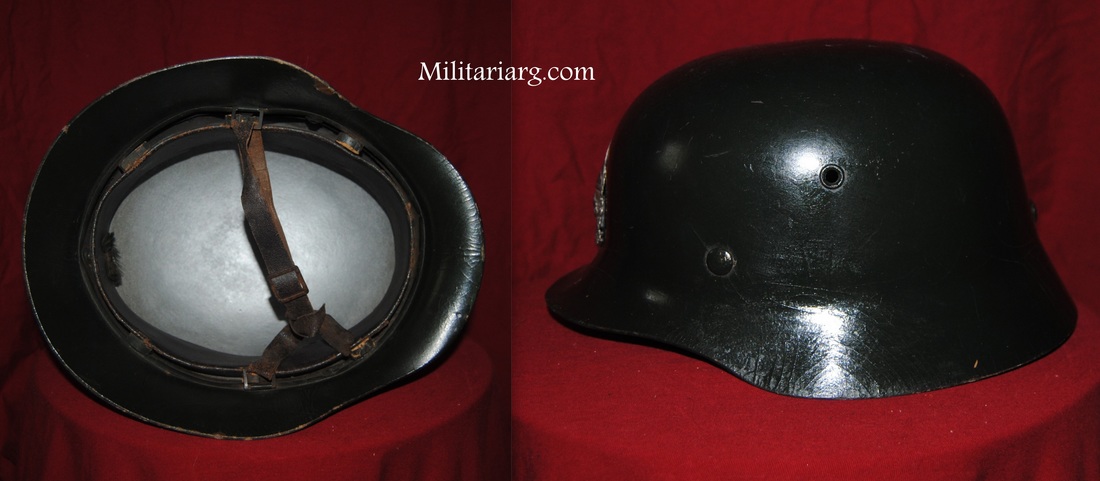
Uruguayan Correctional Officer Helmet. M38 Export Model?
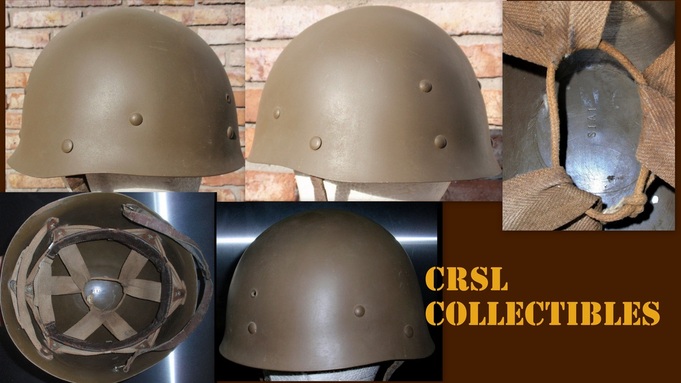
M51 French NATO liner. This plastic piece was intended to replace the fiber helmet but had little success.
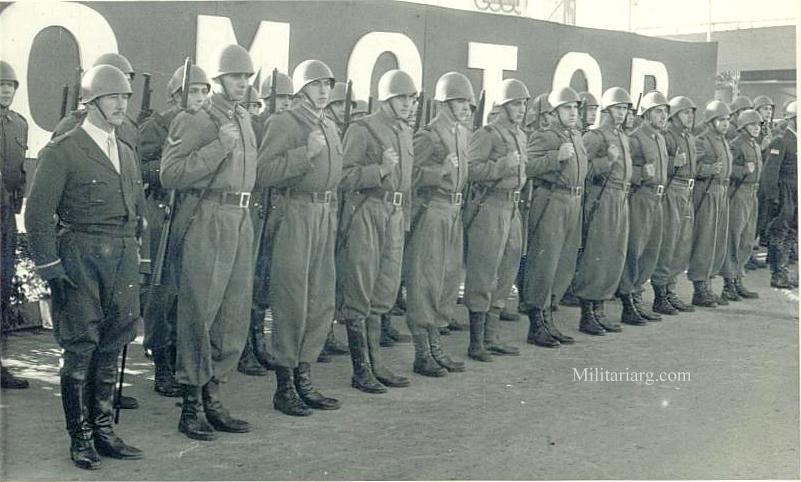
Argentine soldiers with the M51 NATO helmet liner. The Argentine uniform from the beginning to the mid-20th century was influenced by the Germanic Prussian style (along with its organization and tactics) which were aquired during trips made by young officers to the European powers. During the mid-1950s and 1960s the American and NATO styles were adopted.