Militariarg.com
  • Home
  • Army
  • Aviation
  • Navy
  • Uniforms and Badges
  • Arms and Weapons
  • Equipment
  • Vehicles
  • Operational and Organizational Structure, Security Forces, Transportation, Books, Models and More.
  • Argentine Confederation Era. 1829 - 1852.
  • From 1852 to 1910 (French fashion)
  • Bunker 1982: South Atlantic War Militaria
  • International Militaria
  • Argentina WWII Era (Neutral) Reenactment Impression
  • Links ~ Enlaces

Kepis

Picture
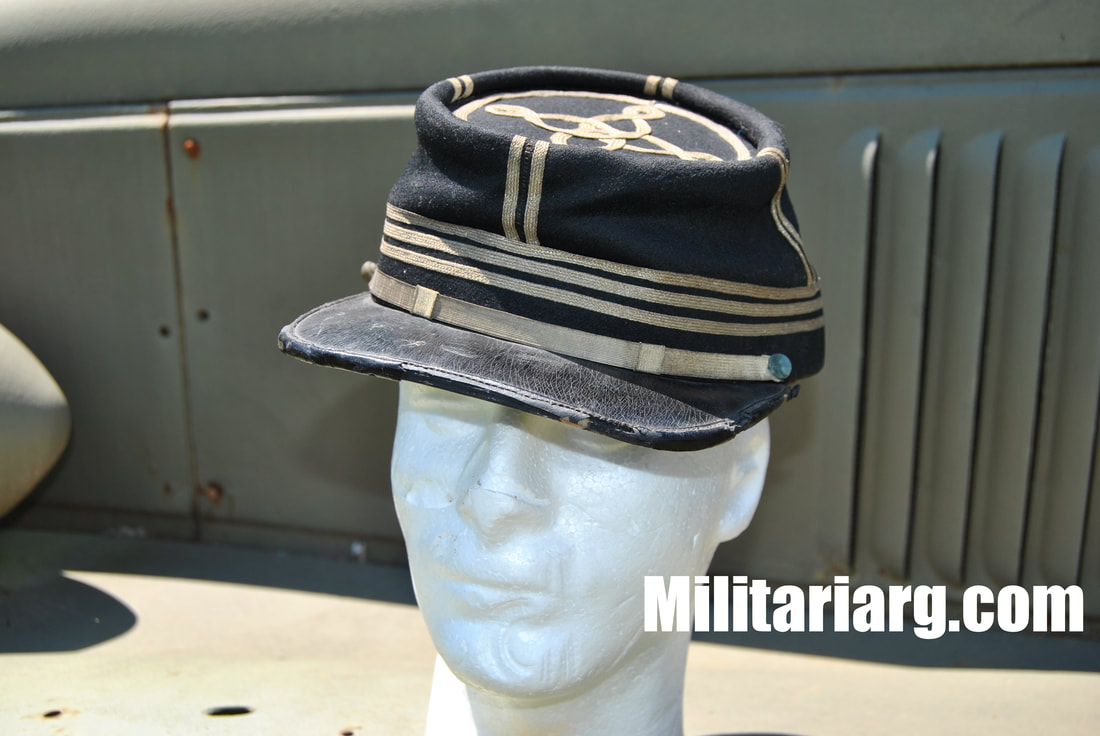
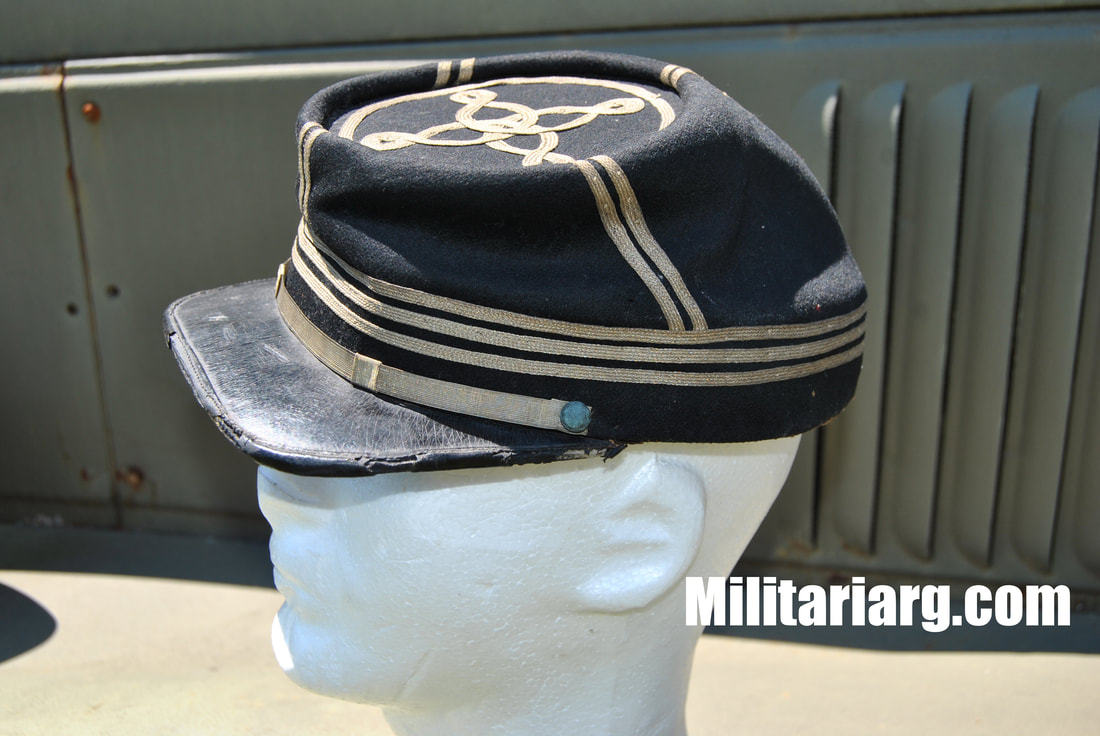
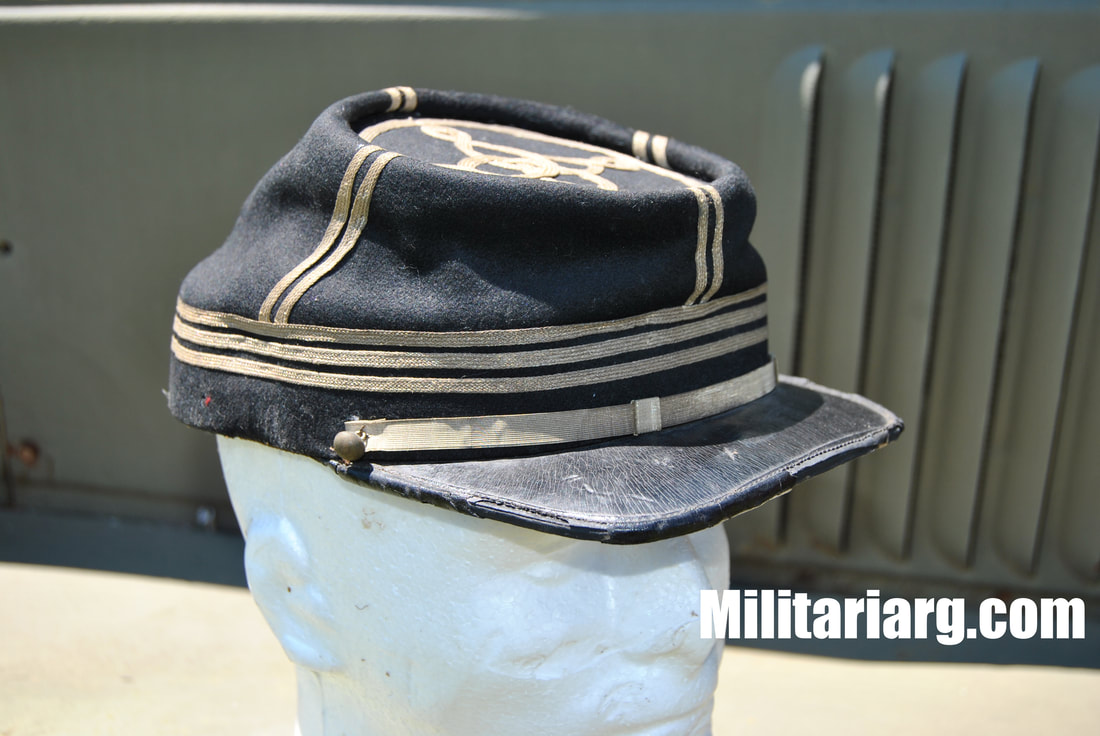
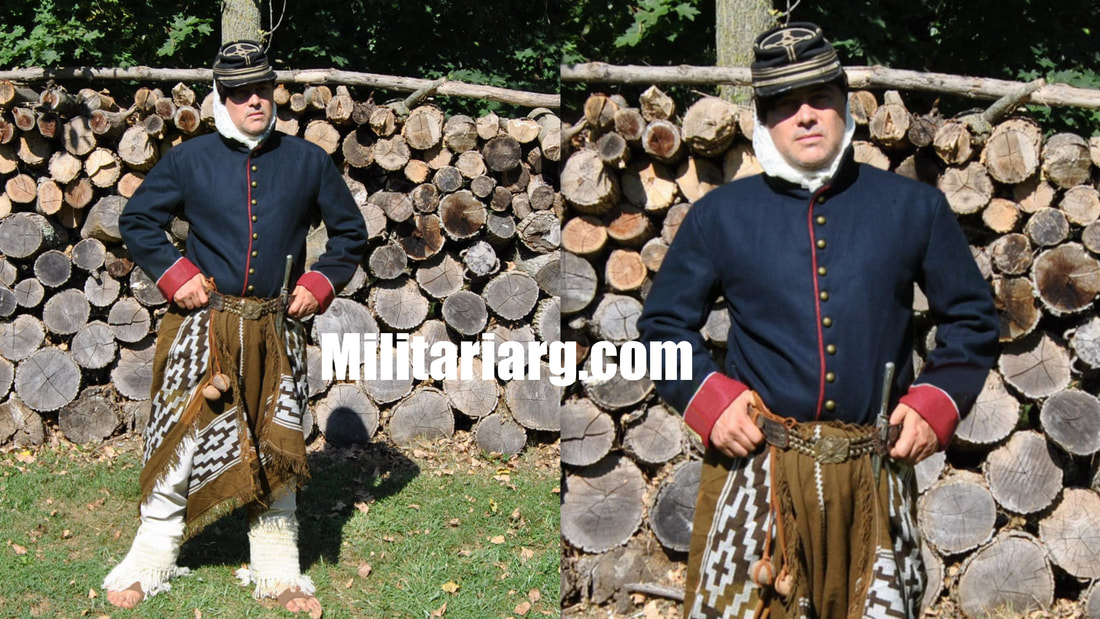
Original Captain Kepi Model 1850 (Caseros, Pavon Era).
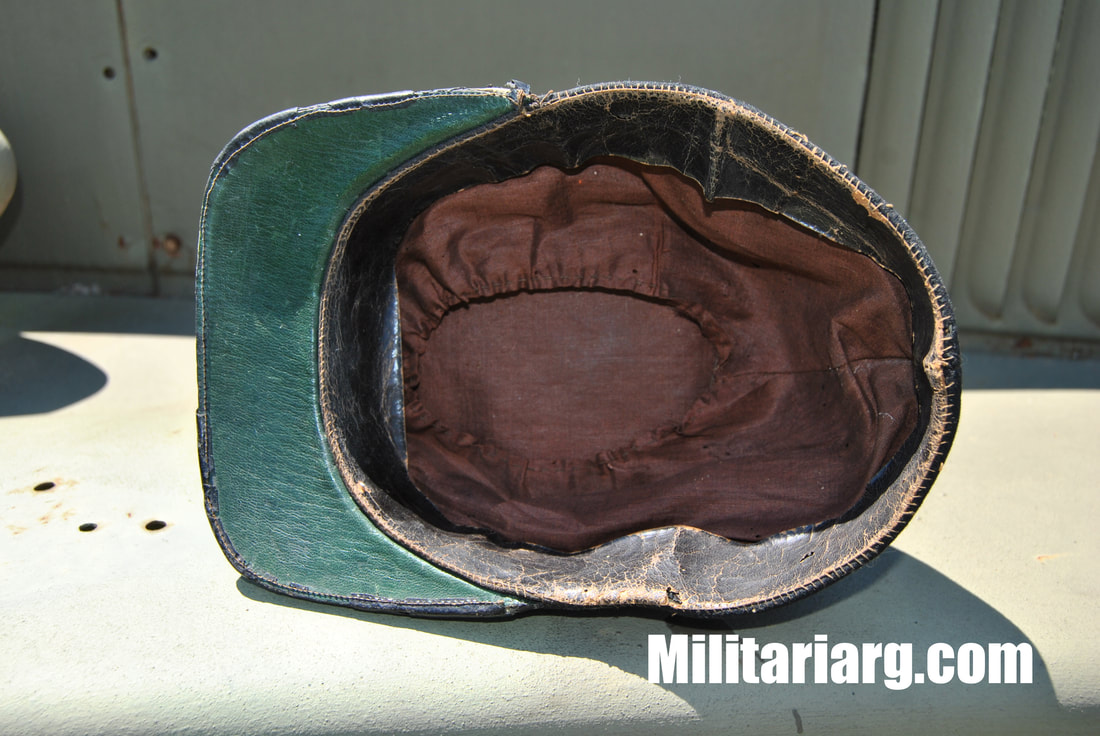
​The kepi is a cap with a flat, circular top and a visor that originated in the French Army in the 1830s as a practical, lightweight alternative to the cumbersome shako. It is most famously associated with French military and police uniforms, and in North America, with the American Civil War, where it was widely worn by soldiers on both sides of the conflict. 

Origins in North Africa (1830s): The kepi's history begins during the French conquest of Algeria. French troops found their tall, heavy shakos unsuitable for the harsh desert climate and intense sun. A new, more comfortable cap, initially called the casquette d'Afrique or bonnet de police à visière, was developed to address these needs.

Formal French Adoption (1845): The cap proved so popular that it was codified in French military regulations in 1845 and officially named the kepi by a decree in 1849. Its practicality, low cost, and distinct appearance led to its widespread adoption across the French Army.

Global Influence & The American Civil War: Following French military success in the Crimean War, many other nations, including the United States and Russia, adopted French-style uniforms. During the American Civil War (1861-1865), both Union and Confederate soldiers wore versions of the kepi, often called a "forage cap". The U.S. Army's M1858 forage cap was a simple, inexpensive version made of wool or cotton with a leather brim.

World War I and Decline in Combat Use: French troops began World War I still wearing the highly visible red-and-blue kepis. The lack of camouflage and protection against shrapnel led to the introduction of protective steel Adrian helmets in 1915, which relegated the kepi to off-duty and parade wear.

The Képi Blanc (White Kepi): The French Foreign Legion has a special connection to the white kepi. Originally a light-colored cloth cover used in North Africa, it became bleached white by the sun and repeated washing, eventually becoming a unique symbol of the Legion. The white kepi was officially recognized in 1939 and remains their iconic ceremonial headwear today.

Modern Era: The kepi is largely no longer a standard combat item, but it is still worn in various capacities globally.

Ceremonial Wear: Many armies, including the Italian Carabinieri, the Danish Army (for officers), and the Royal Thai Police Cadet Academy, retain the kepi for full dress and ceremonial duties.

Civilian Use: The kepi style has also been adopted by various civilian organizations, such as police forces, customs officers, and railway staff in certain countries. 

The U.S. Army's current patrol cap used with utility uniforms is considered a modern descendant of the functional, flat-topped kepi.

Model 1850 French Kepi.

Picture
Picture
Picture
Picture

Picture
Picture
Picture
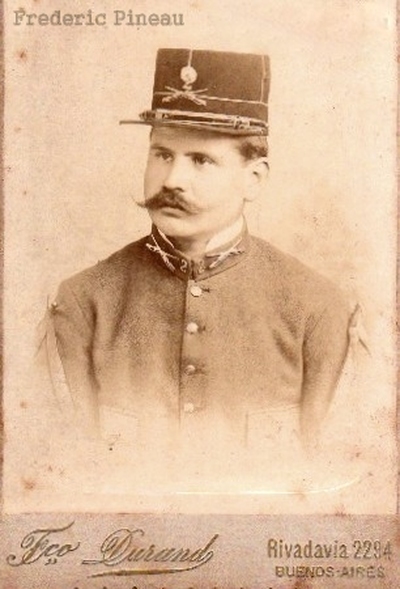
Regimiento 2 de infanteria 1896-1900. Collection FP France. Courtesy of Historian Frédéric Pineau.

 .
Picture
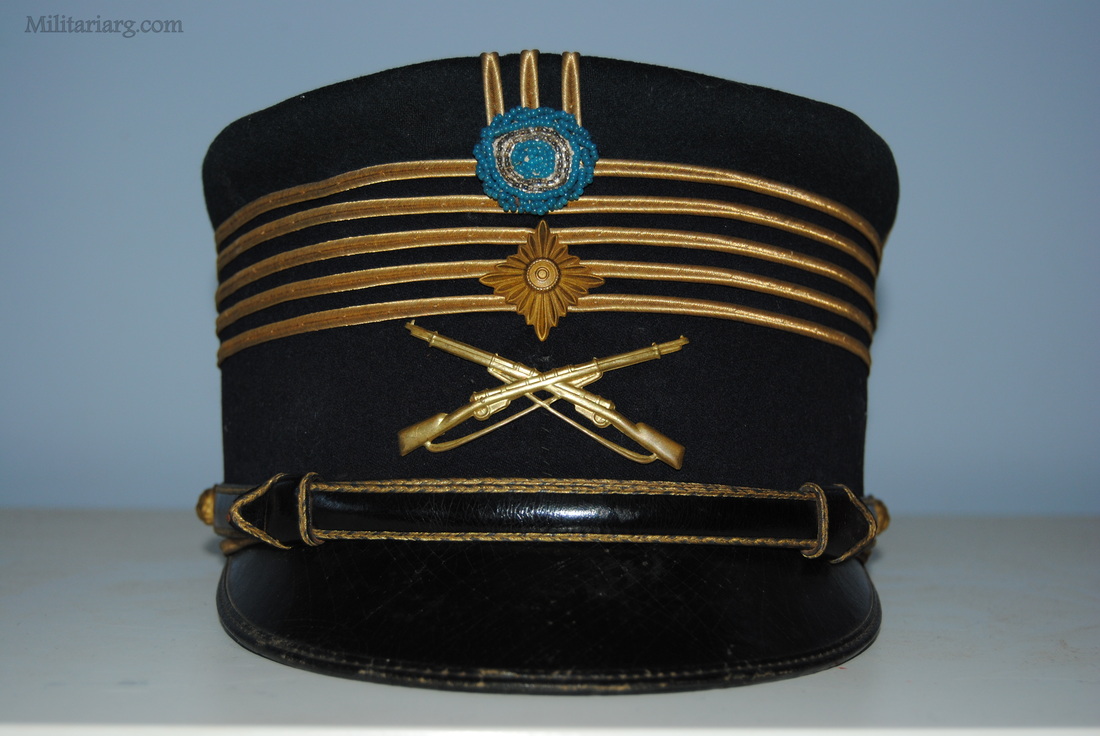
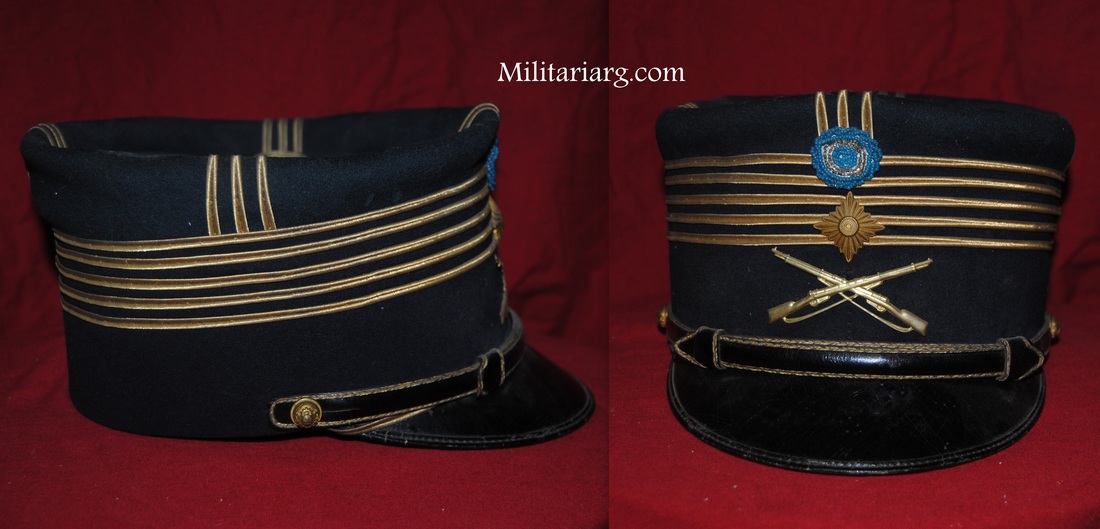
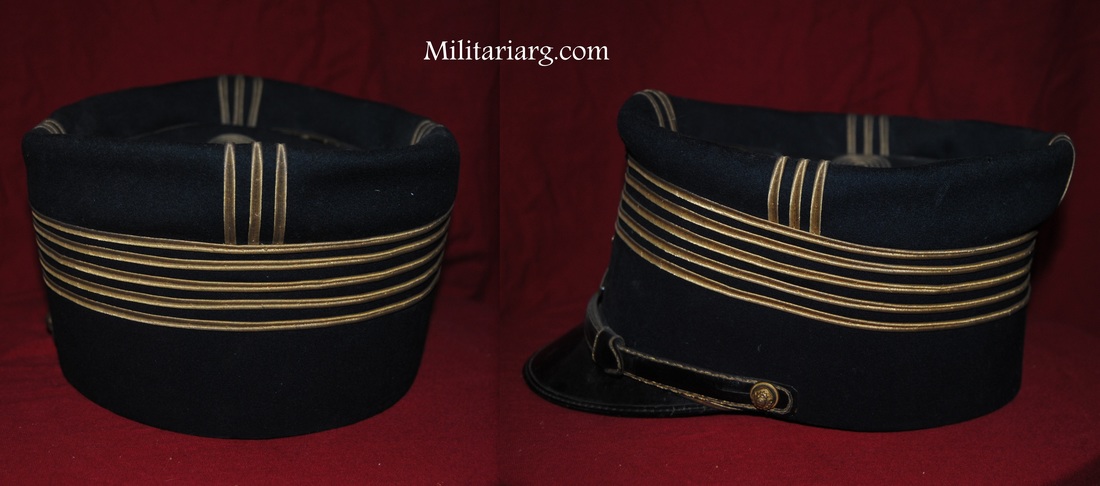
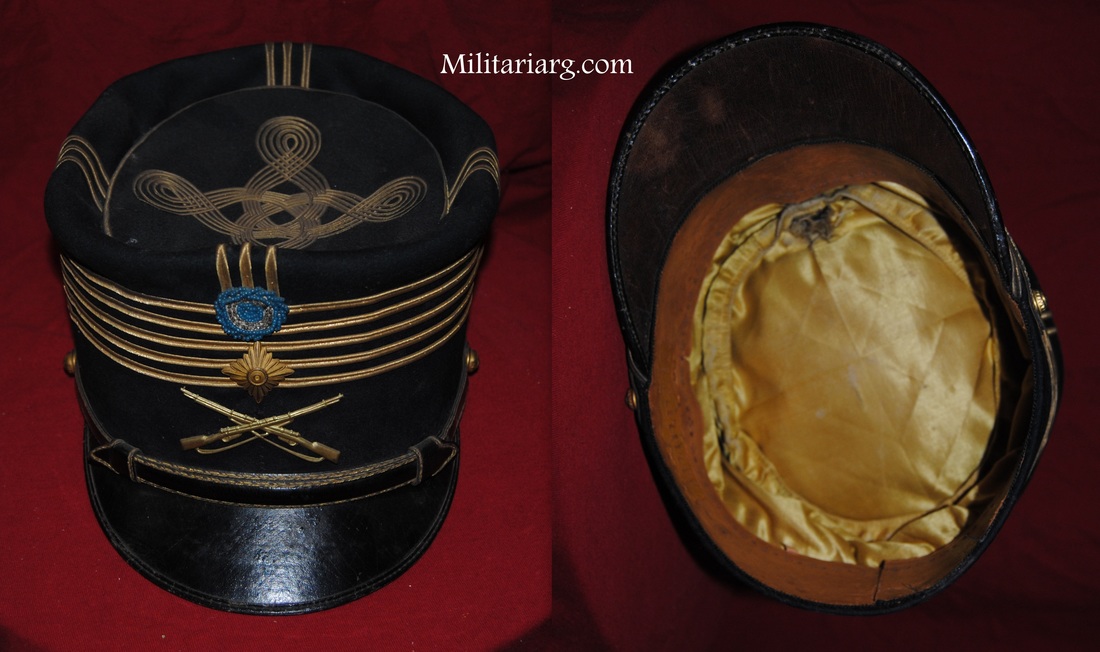
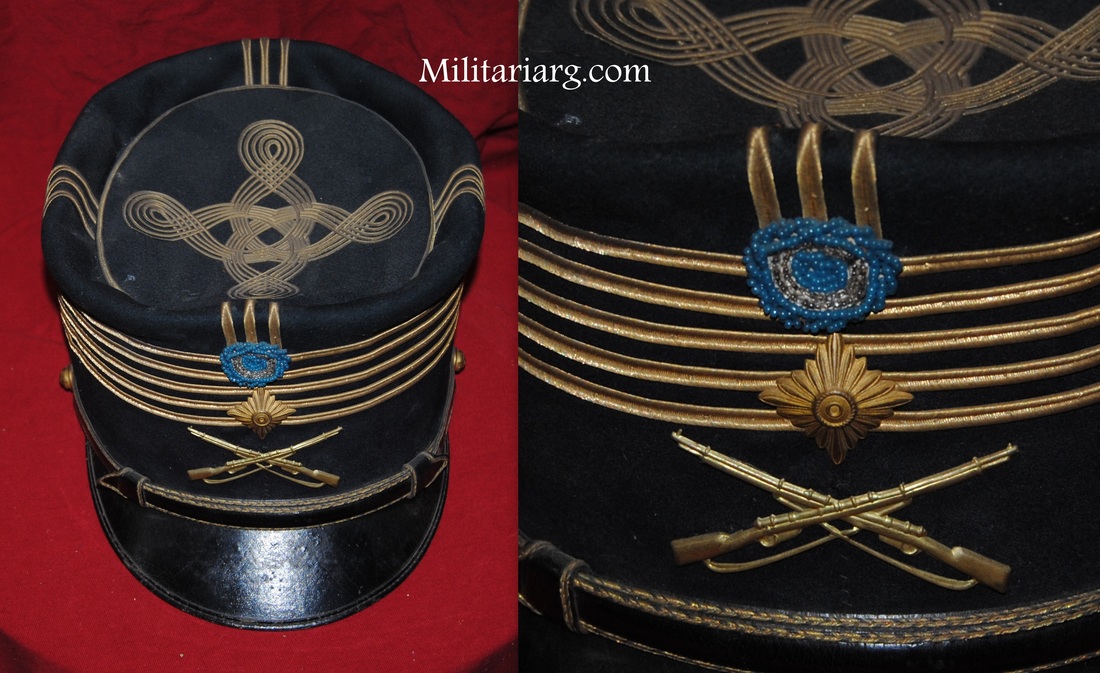
Argentine Army. Lieutenant Colonel Kepi, Infantry Branch.
Picture
Picture
Picture
Picture
Picture
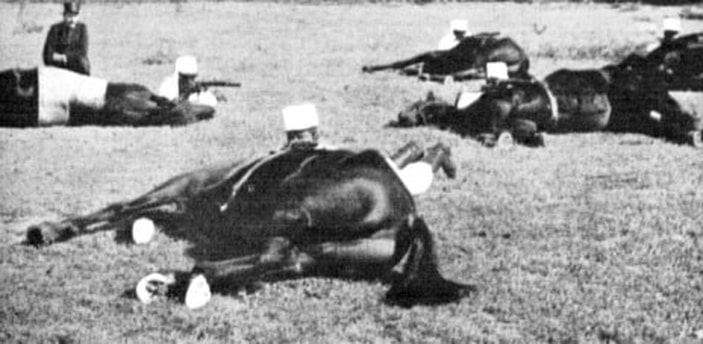
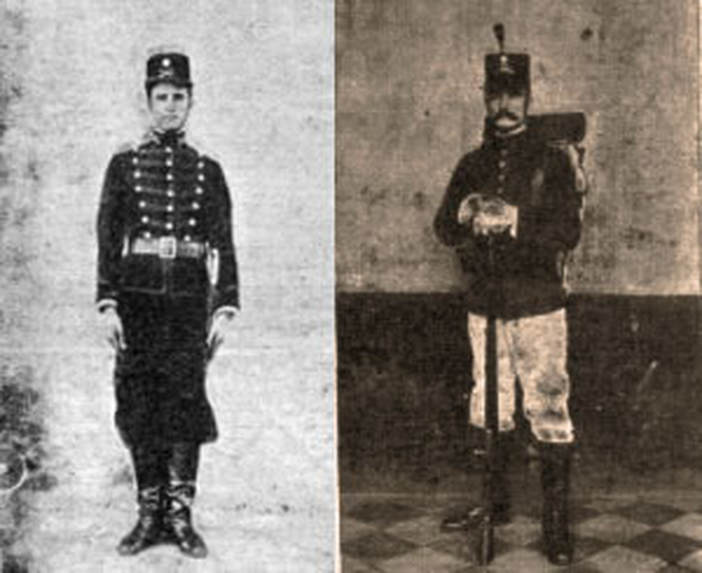
1901. Argentine Cavalry in exercises. The kepis wear a "Crudo color" or off-white cover, the same kind as those used by the  French Foreign Legion.
Picture
Photos: Caras y Caretas 1902
Picture
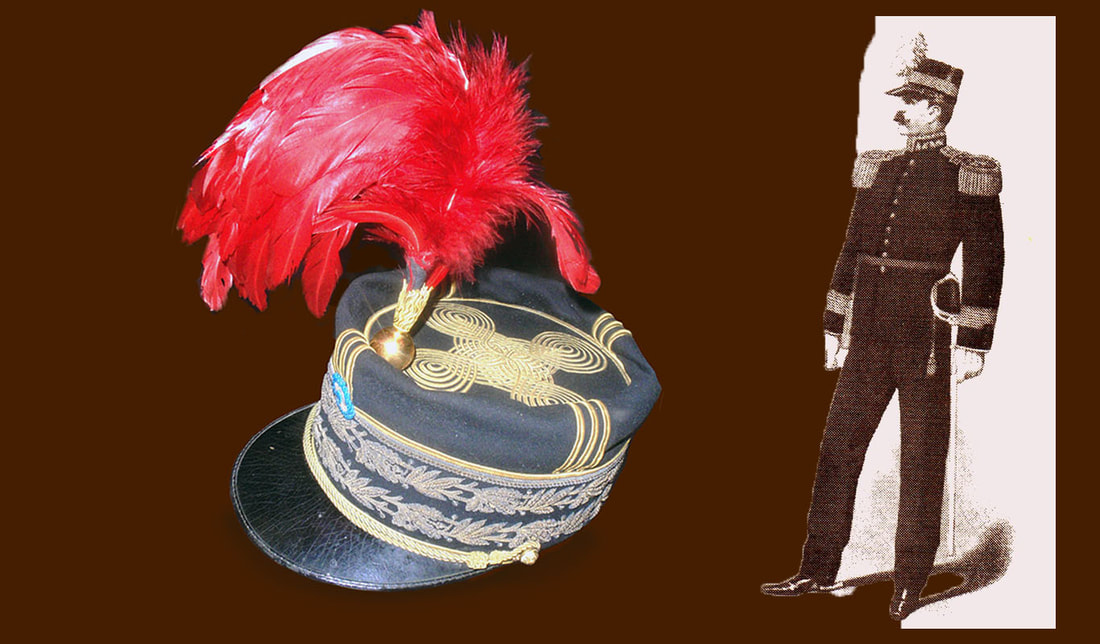
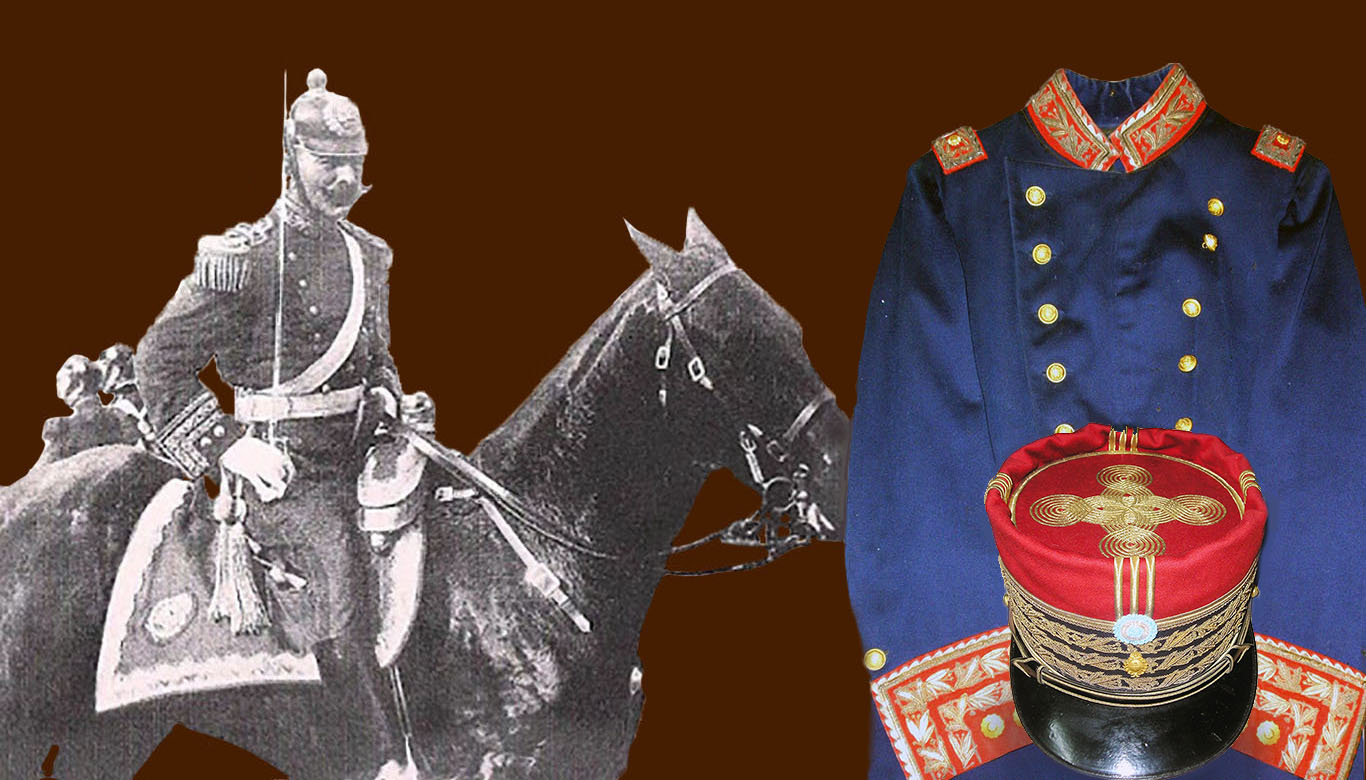
Officer's Kepi (Army General) for dress uniform. C.R.S.L
Picture
​Lieutenant General Red Kepi. C.R.S.L
Picture
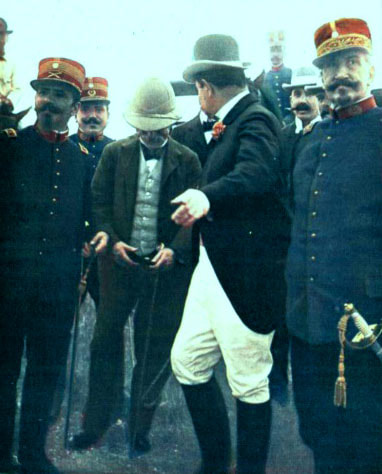
Historical Photo of 1902: Colonel Thomas Hungerford Holdich, member of the British Arbitration Tribunal in the boundary issue between Argentina and Chile. Photo "Caras y Caretas" 1928. The details of the kepis network and the pith helmet of the British official are interesting.
Picture
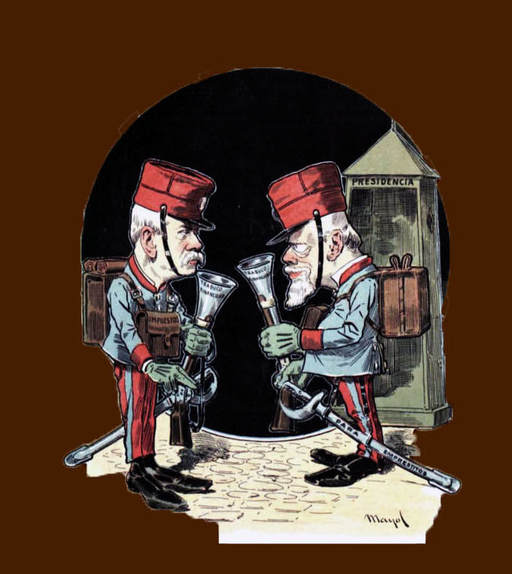
"Caras & Caretas" 1898.
Powered by Create your own unique website with customizable templates.