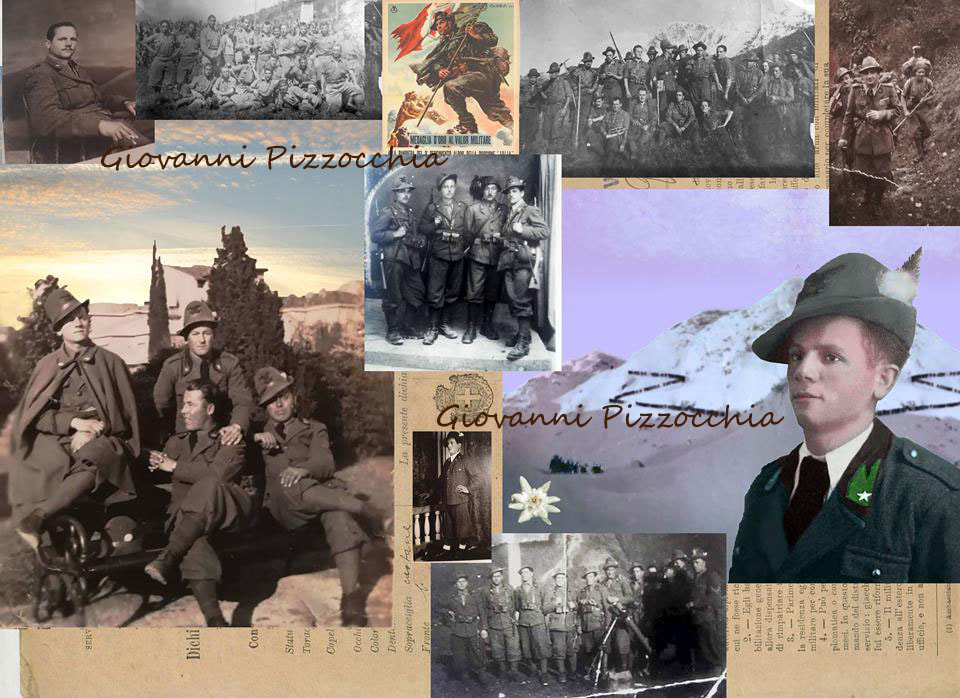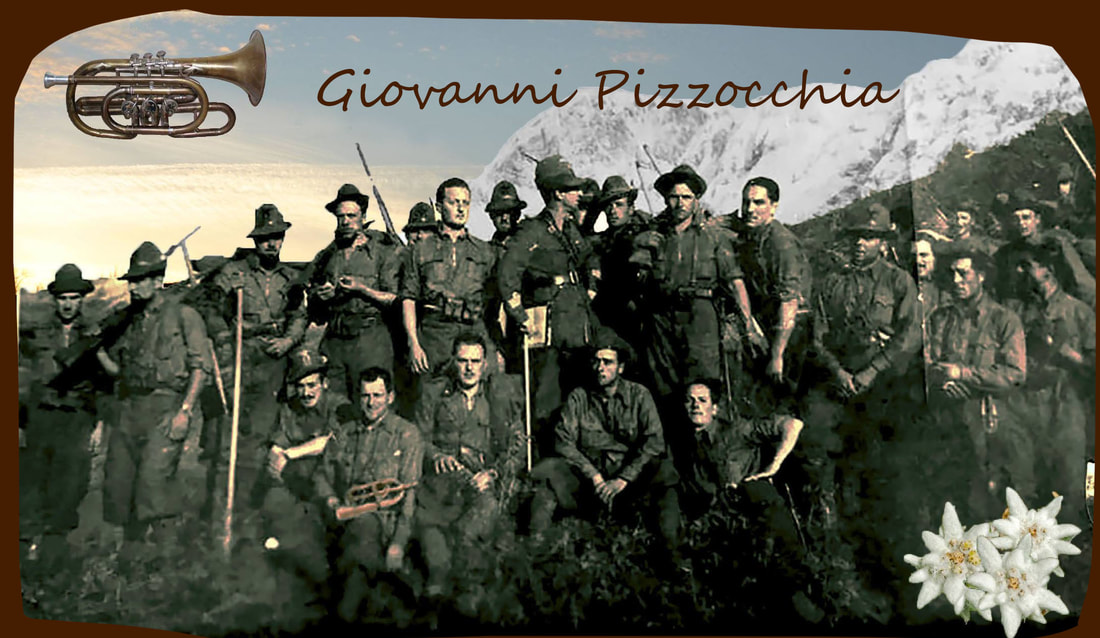
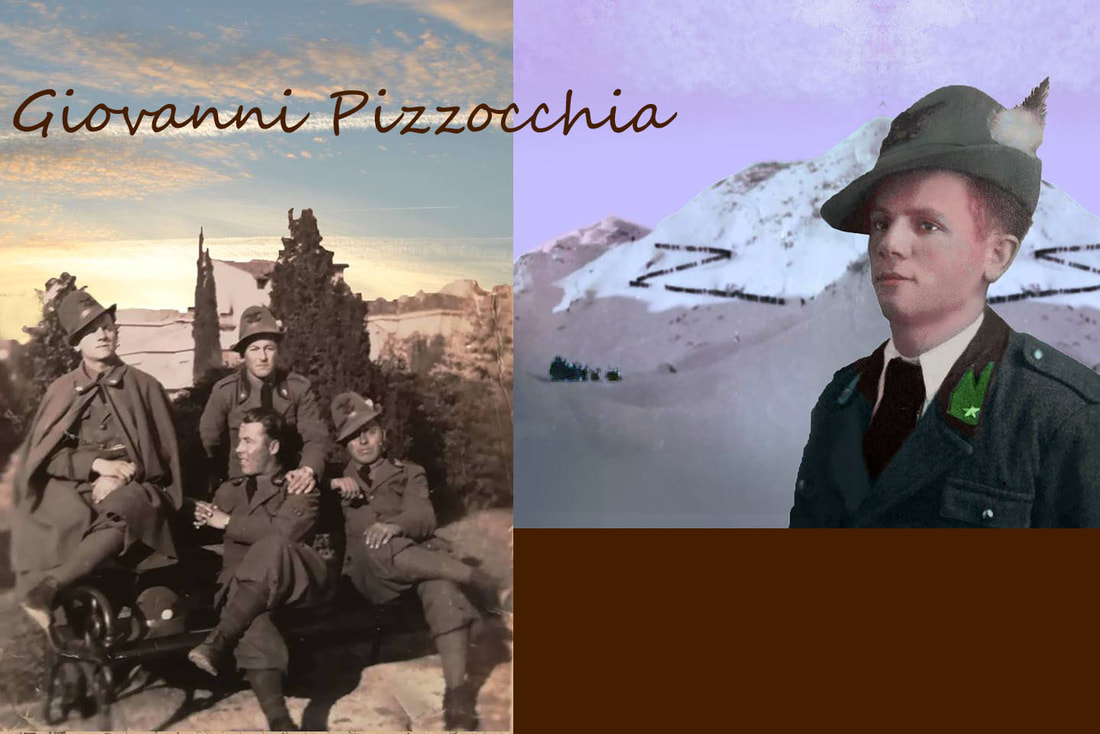
Photo: Don Tullio Pizzocchia. Courtesy of Giovanni Pizzocchia.
Il Cappello Alpino (the Alpine Hat) is the highly distinctive uniform hat of the Alpini, the mountain warfare infantry corps of the Italian Army. It is a powerful symbol of the corps and is famously associated with the black raven feather its members wear, earning them the nickname Le Penne Nere ("The Black Feathers") in Italy.
Design and Features
The Cappello Alpino has a practical, traditional design adapted for mountain conditions.
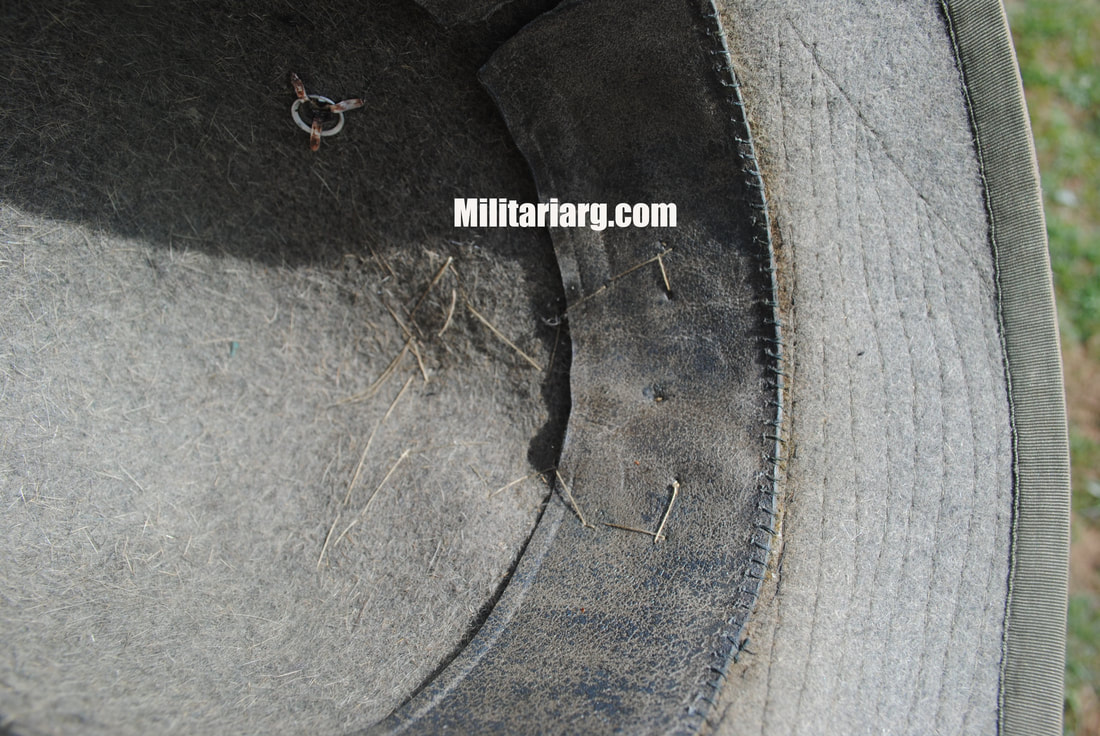
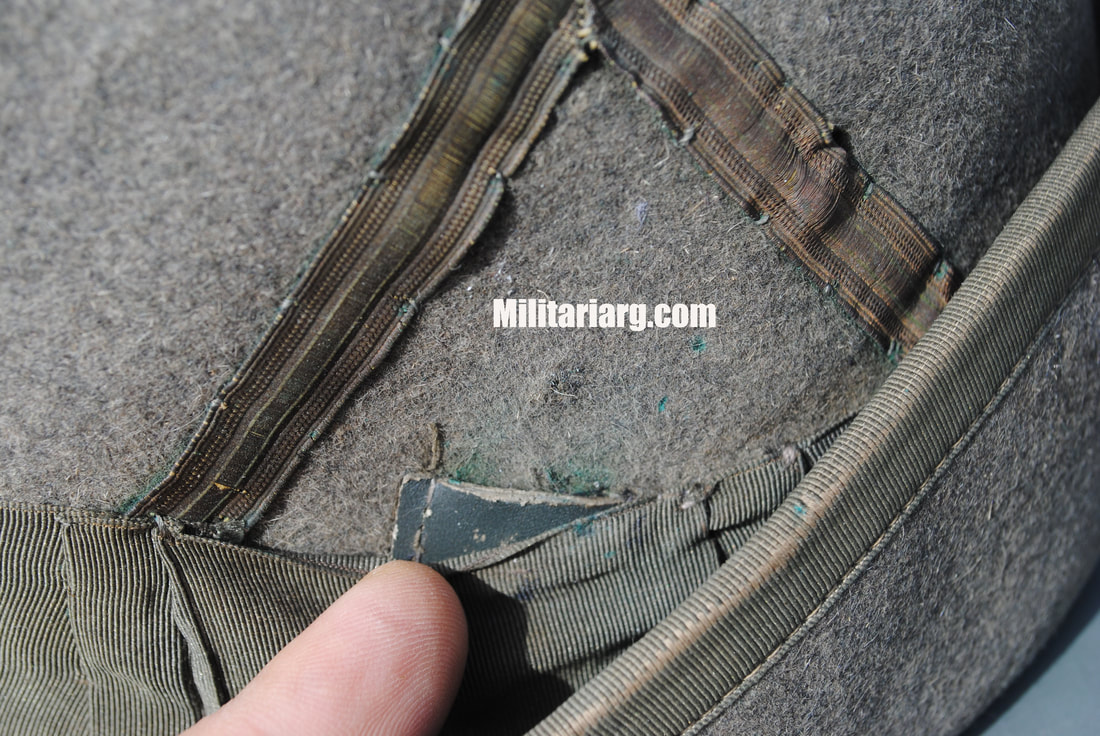
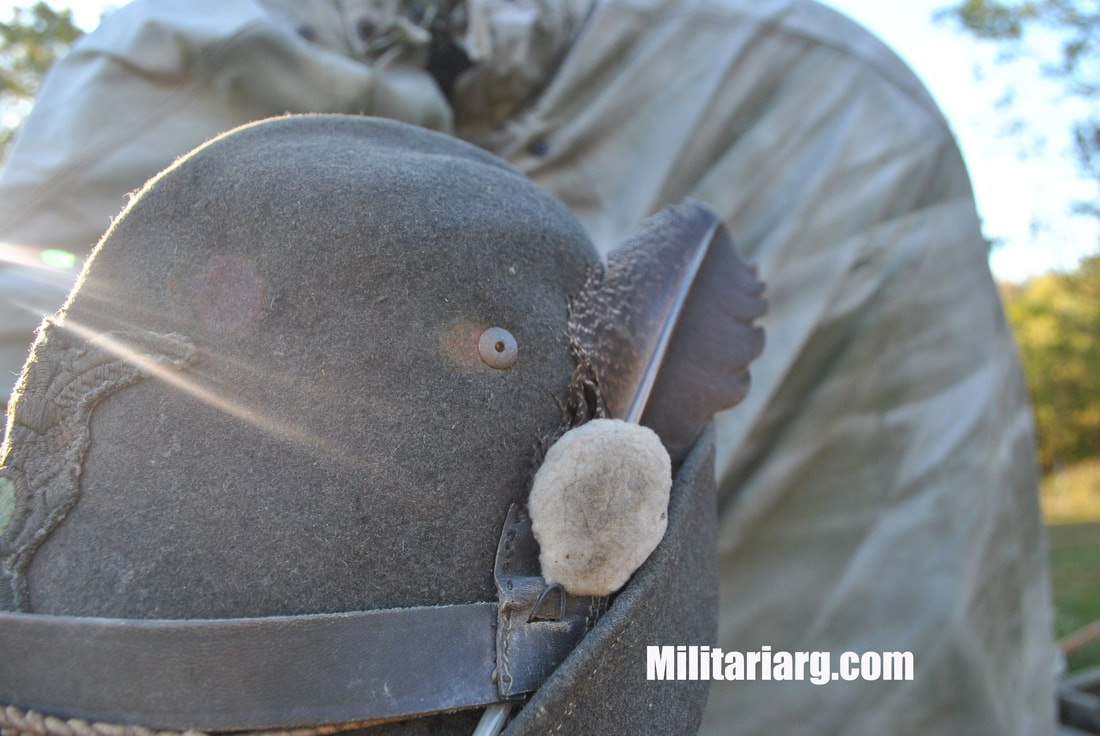
Material: It is made of grey felt, historically about a quarter of an inch thick. Modern hats may use different specific materials.
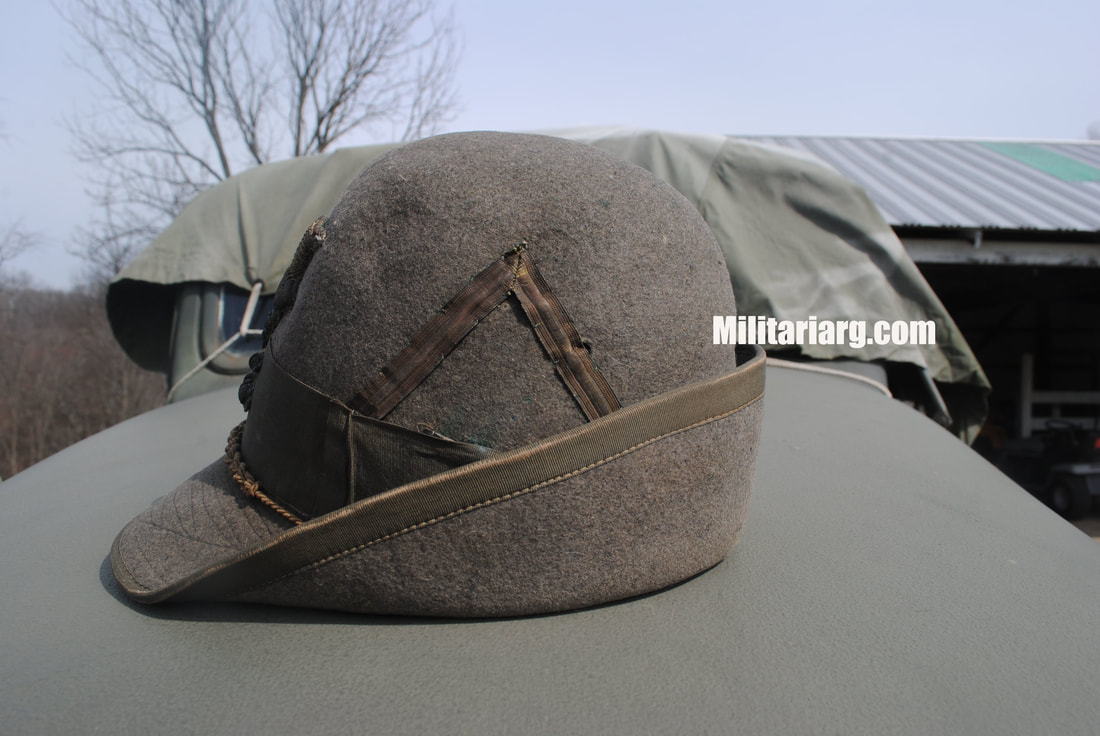
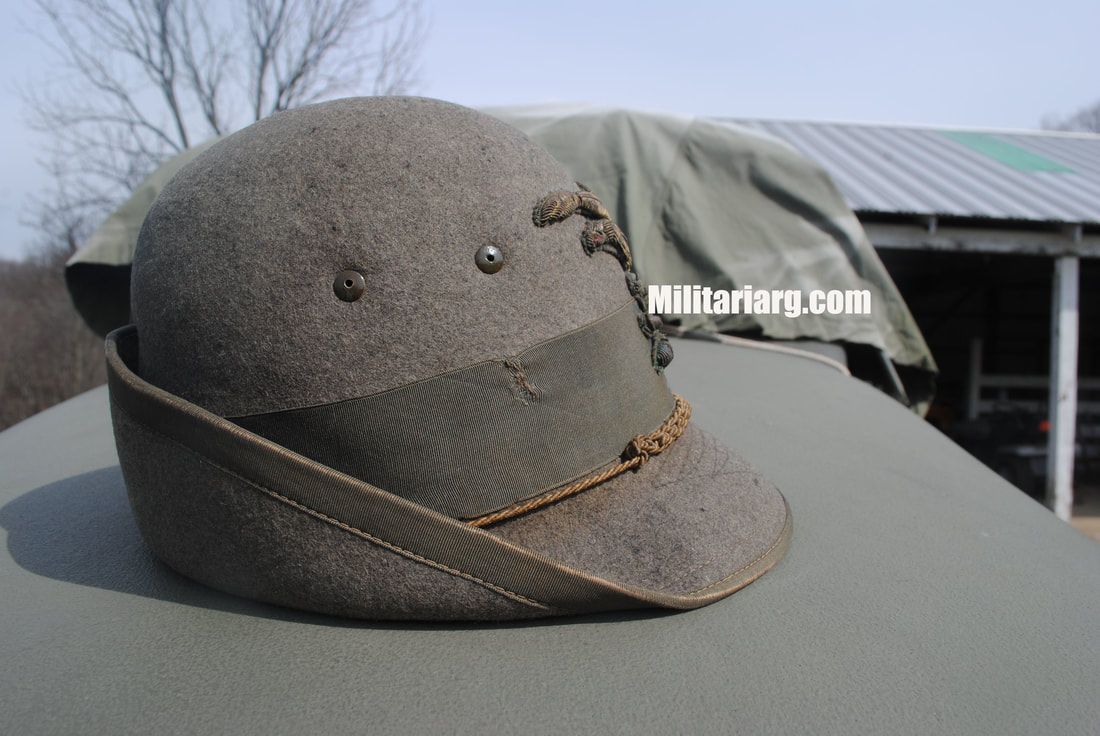
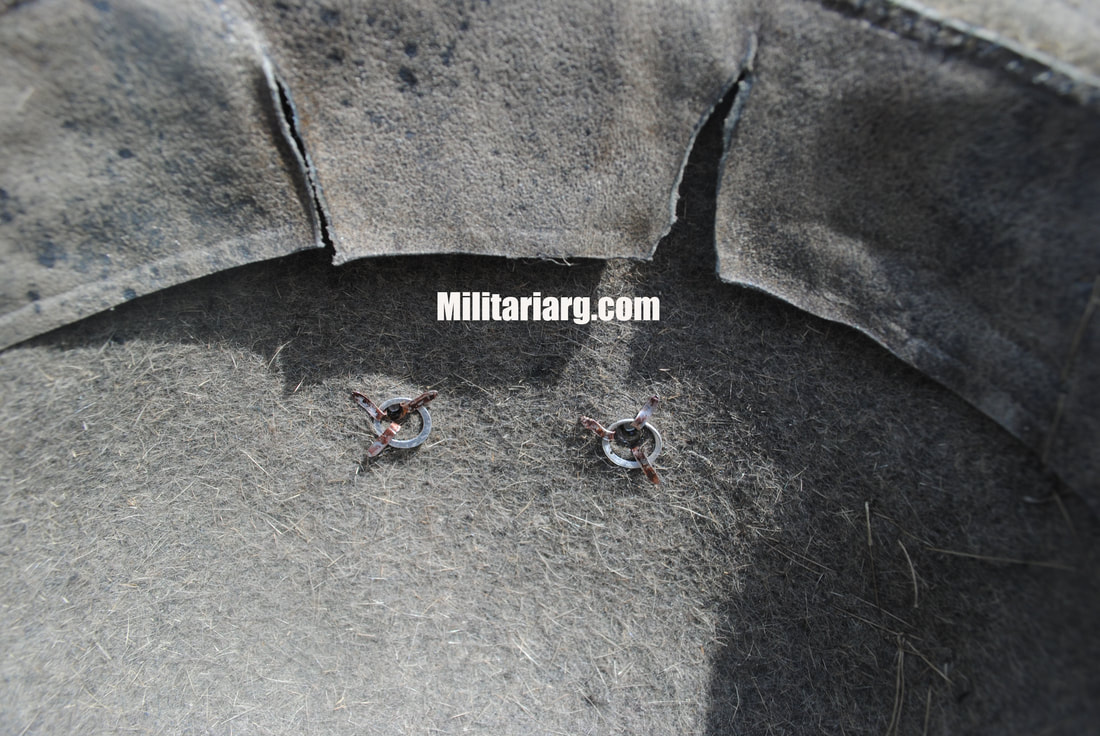
Structure: The hat's front brim is flattened to help protect the face from rain and snow, and it features ventilation holes on the sides.
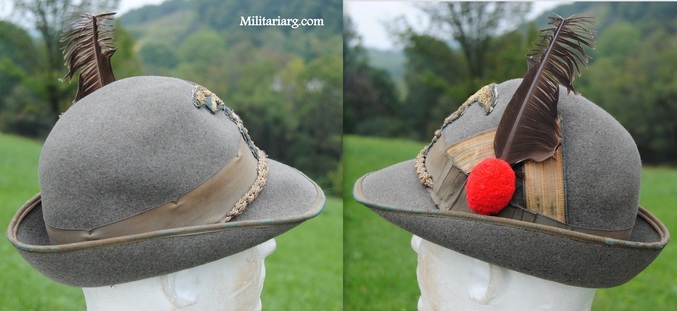
The Feather (Penna): A single black raven feather is inserted into the left side of the hat. This is the corps' most recognizable feature and a symbol of pride and tradition.
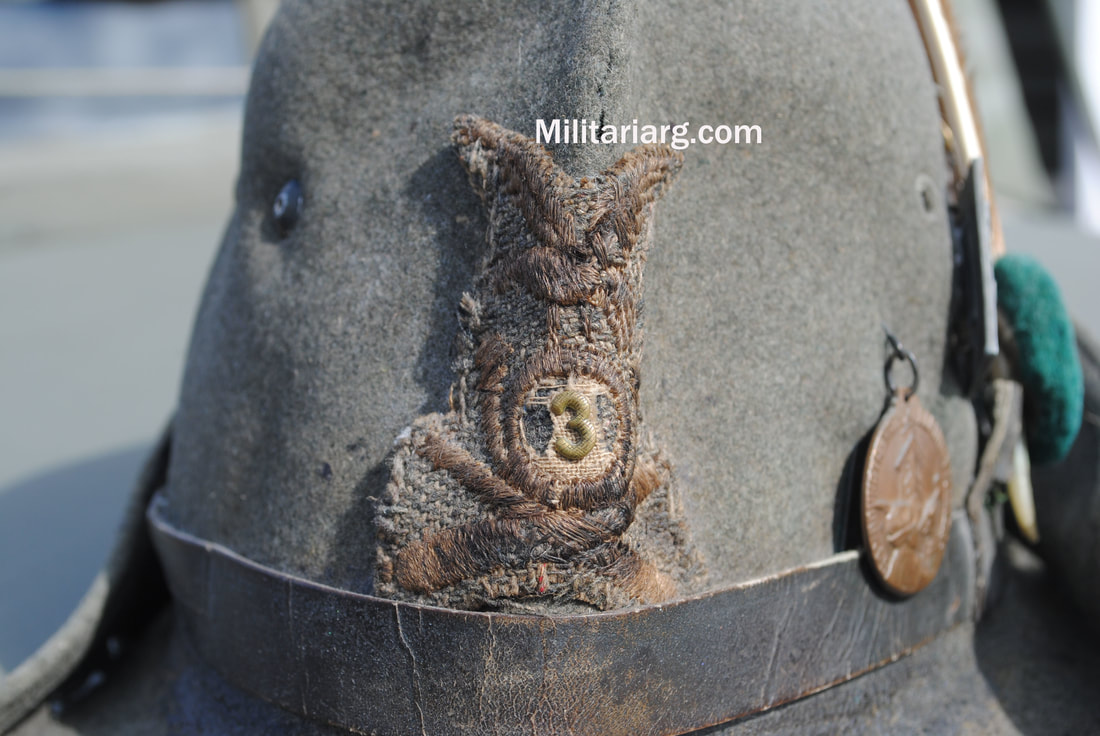
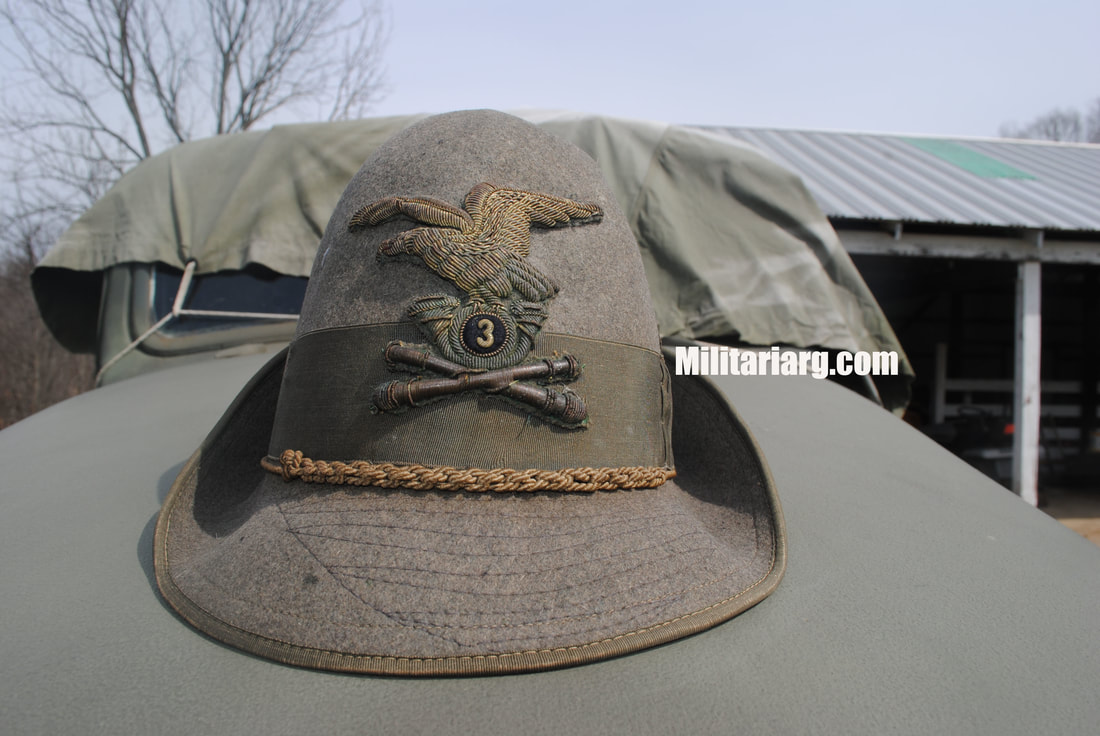
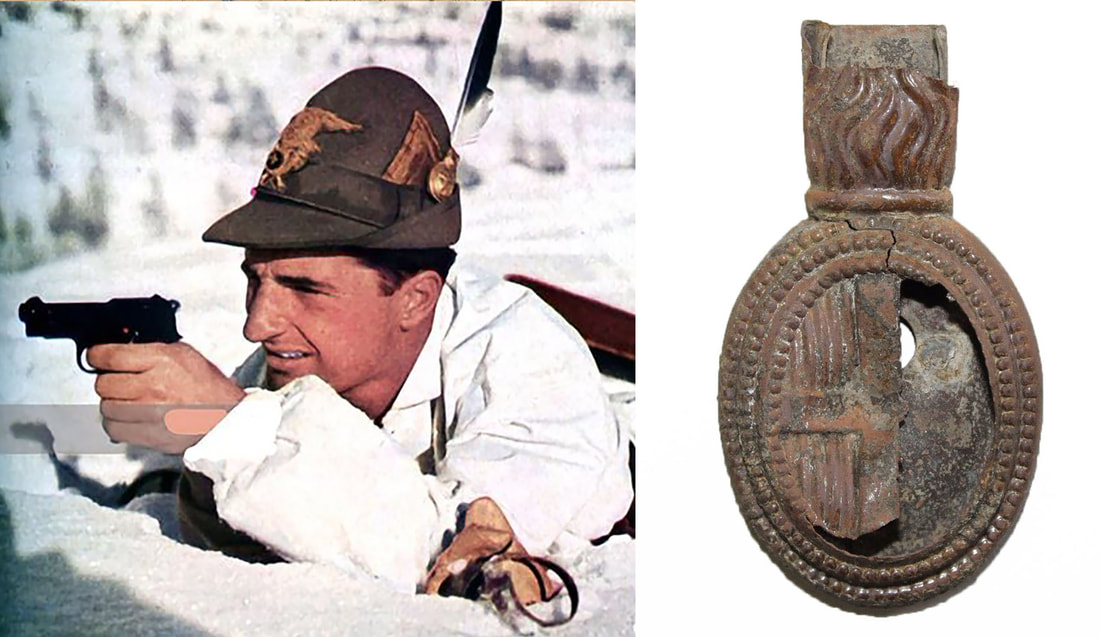
Insignia (Fregio): A coat of arms, or fregio, is worn on the front, indicating the wearer's regiment and specialization. Historically, this featured an eagle clutching a bugle.
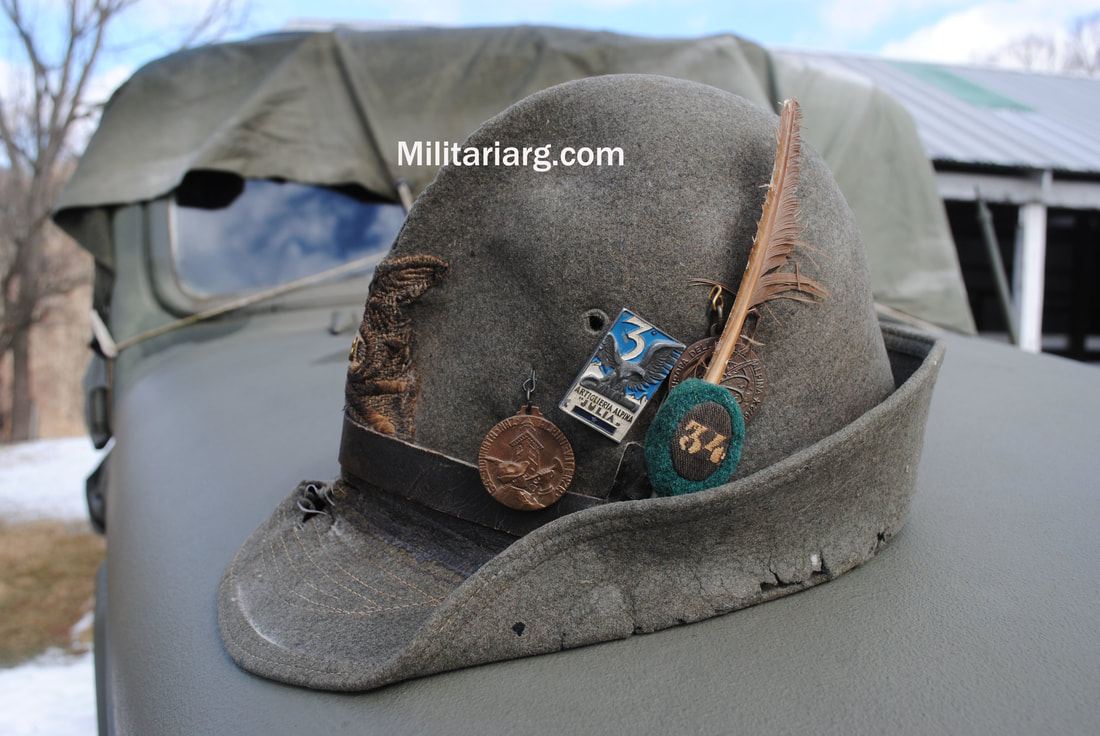
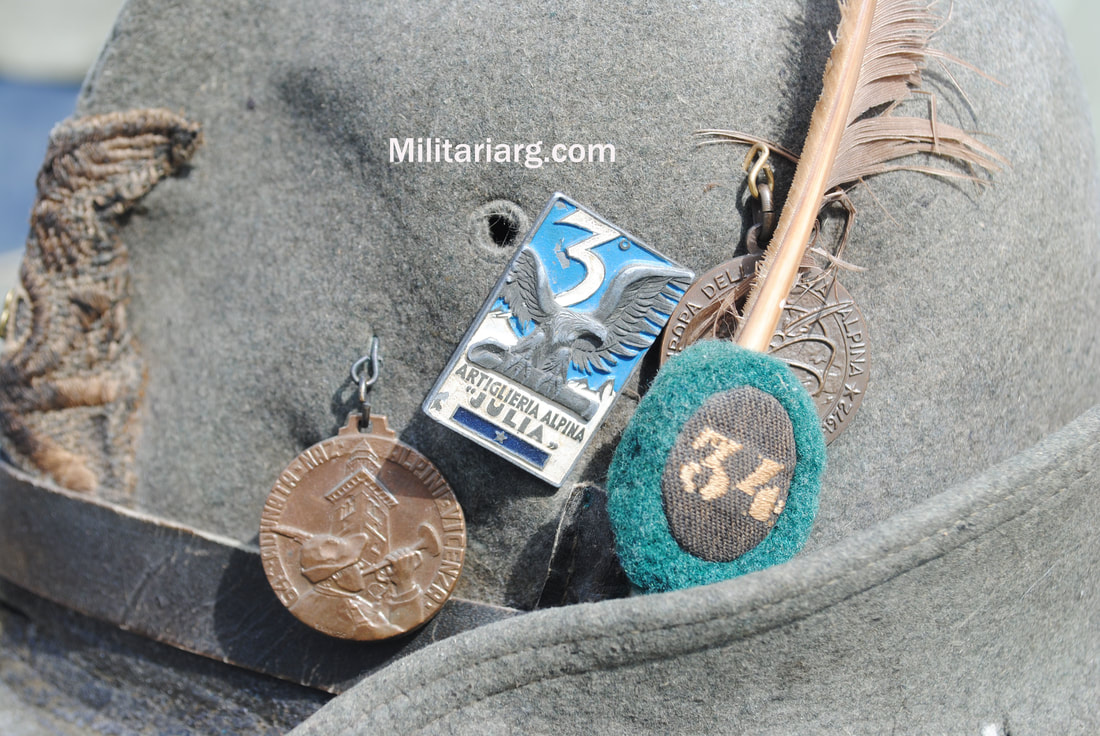
Tuft (Nappina): A colored wool tuft, or nappina, is also present, historically denoting the specific battalion or specialization of the wearer.
Significance and History
The hat's history is intertwined with the history of the Alpini themselves, the oldest active mountain infantry in the world.
Origins: The hat was first introduced in 1873 when the Alpini corps was founded.
Symbol of Identity: The hat is not just a piece of uniform but a symbol of the esprit de corps and shared identity among Alpini soldiers, who often refer to each other as brothers.
Wartime Use: The hat was worn in combat during both World War I and World War II, where the Alpini fought in the treacherous Alpine regions against Austro-Hungarian and German mountain troops.
Modern Tradition: The Cappello Alpino continues to be worn today by soldiers in 15 Italian Army regiments and various high commands, maintaining a strong link to history and tradition. Veteran Alpini also wear the hat during gatherings and ceremonies.
Design and Features
The Cappello Alpino has a practical, traditional design adapted for mountain conditions.
Material: It is made of grey felt, historically about a quarter of an inch thick. Modern hats may use different specific materials.
Structure: The hat's front brim is flattened to help protect the face from rain and snow, and it features ventilation holes on the sides.
The Feather (Penna): A single black raven feather is inserted into the left side of the hat. This is the corps' most recognizable feature and a symbol of pride and tradition.
Insignia (Fregio): A coat of arms, or fregio, is worn on the front, indicating the wearer's regiment and specialization. Historically, this featured an eagle clutching a bugle.
Tuft (Nappina): A colored wool tuft, or nappina, is also present, historically denoting the specific battalion or specialization of the wearer.
Significance and History
The hat's history is intertwined with the history of the Alpini themselves, the oldest active mountain infantry in the world.
Origins: The hat was first introduced in 1873 when the Alpini corps was founded.
Symbol of Identity: The hat is not just a piece of uniform but a symbol of the esprit de corps and shared identity among Alpini soldiers, who often refer to each other as brothers.
Wartime Use: The hat was worn in combat during both World War I and World War II, where the Alpini fought in the treacherous Alpine regions against Austro-Hungarian and German mountain troops.
Modern Tradition: The Cappello Alpino continues to be worn today by soldiers in 15 Italian Army regiments and various high commands, maintaining a strong link to history and tradition. Veteran Alpini also wear the hat during gatherings and ceremonies.
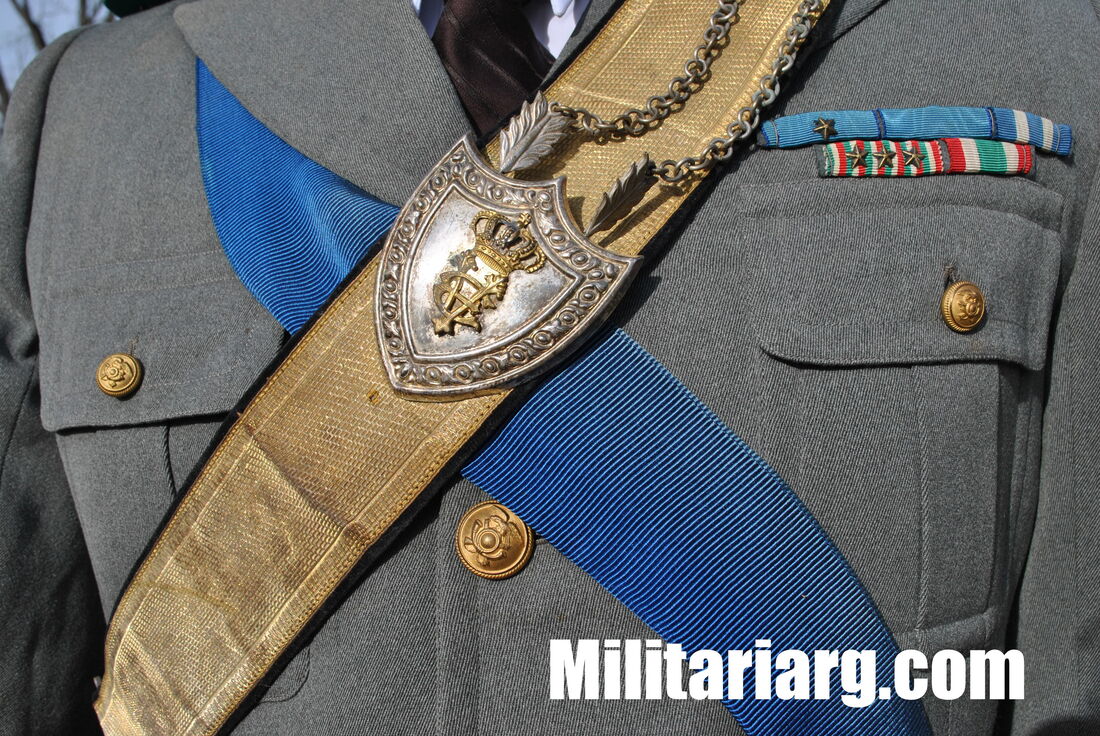
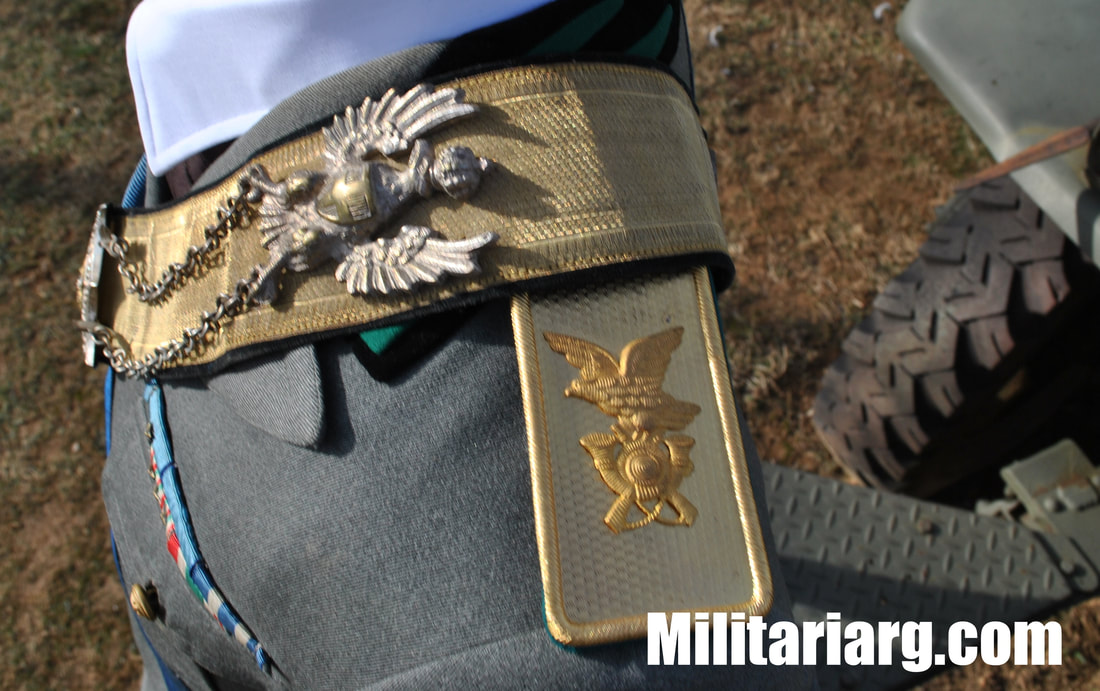
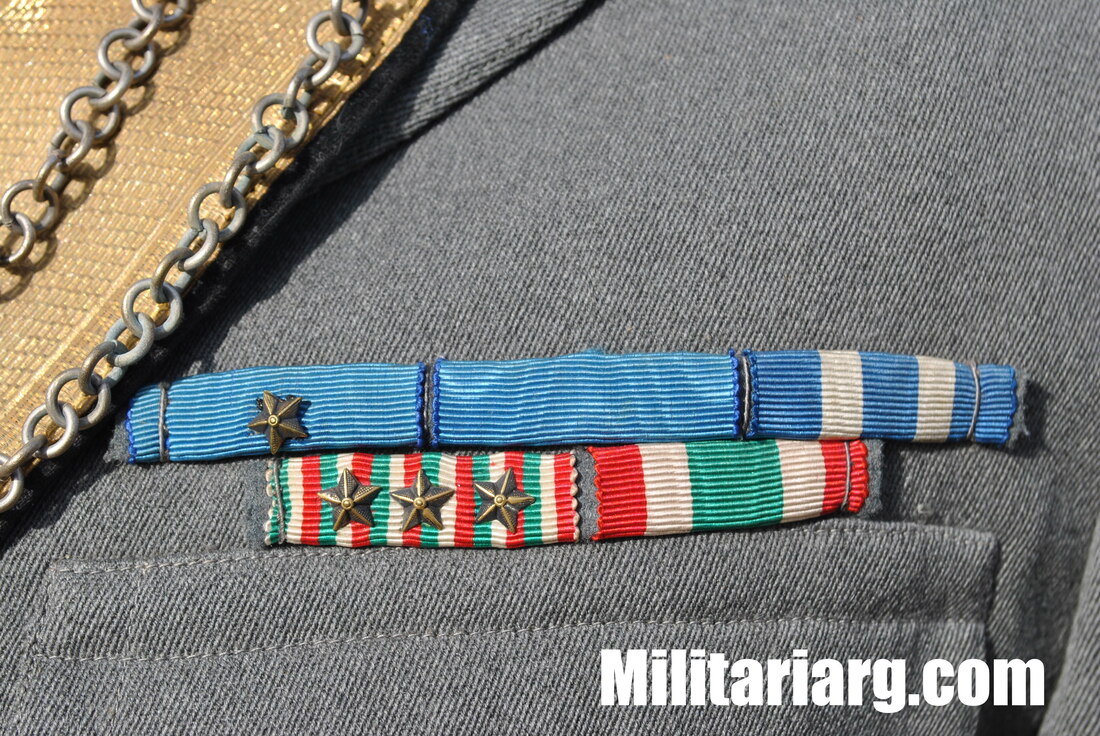
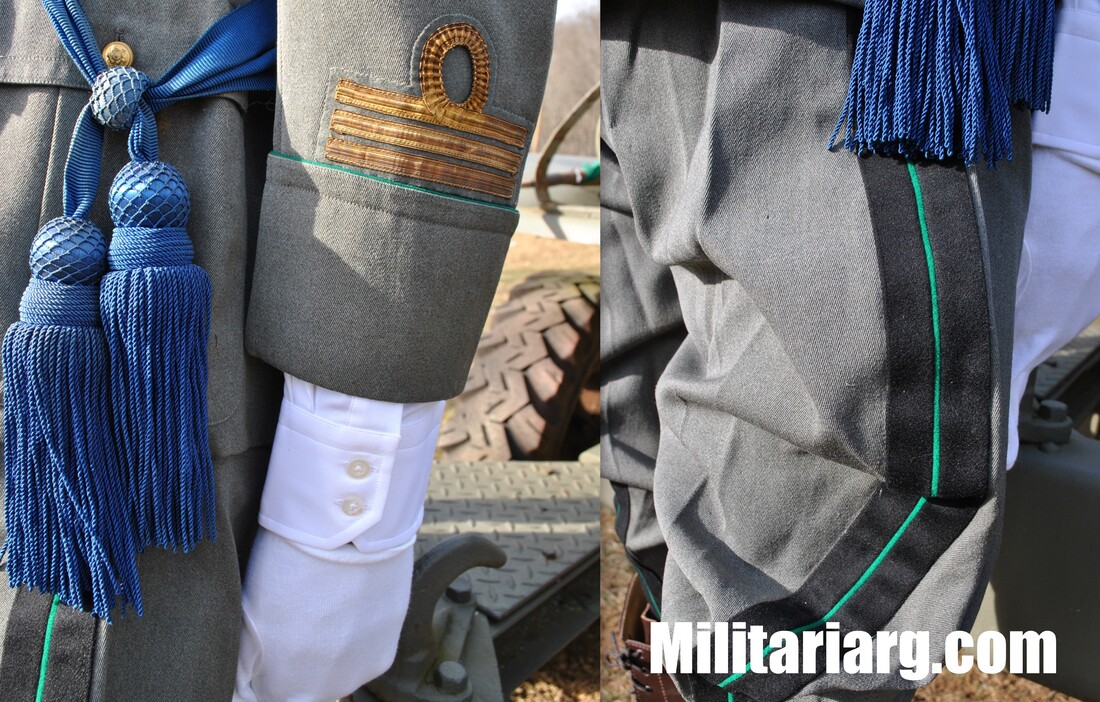
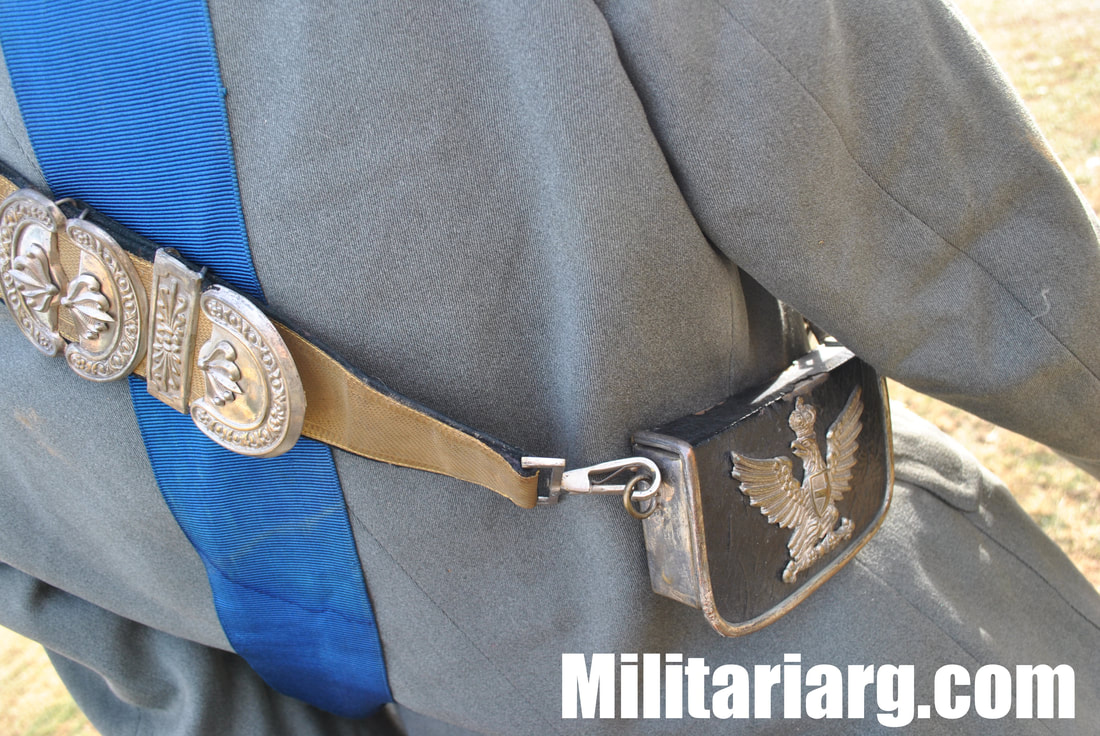
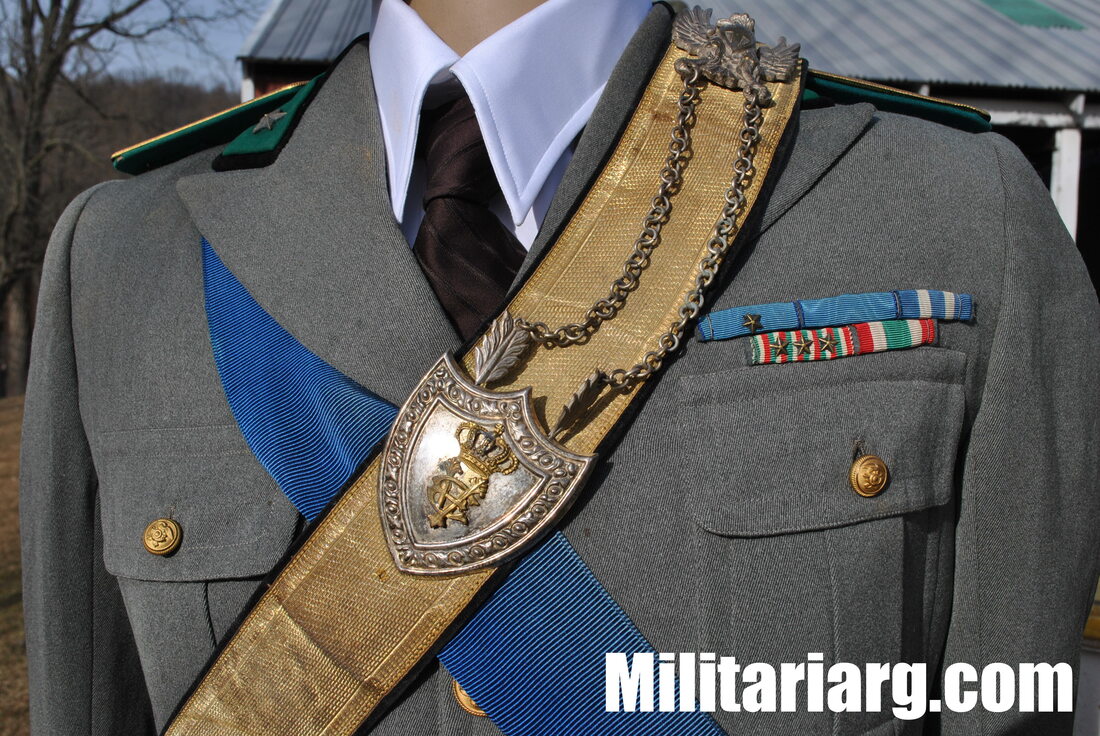
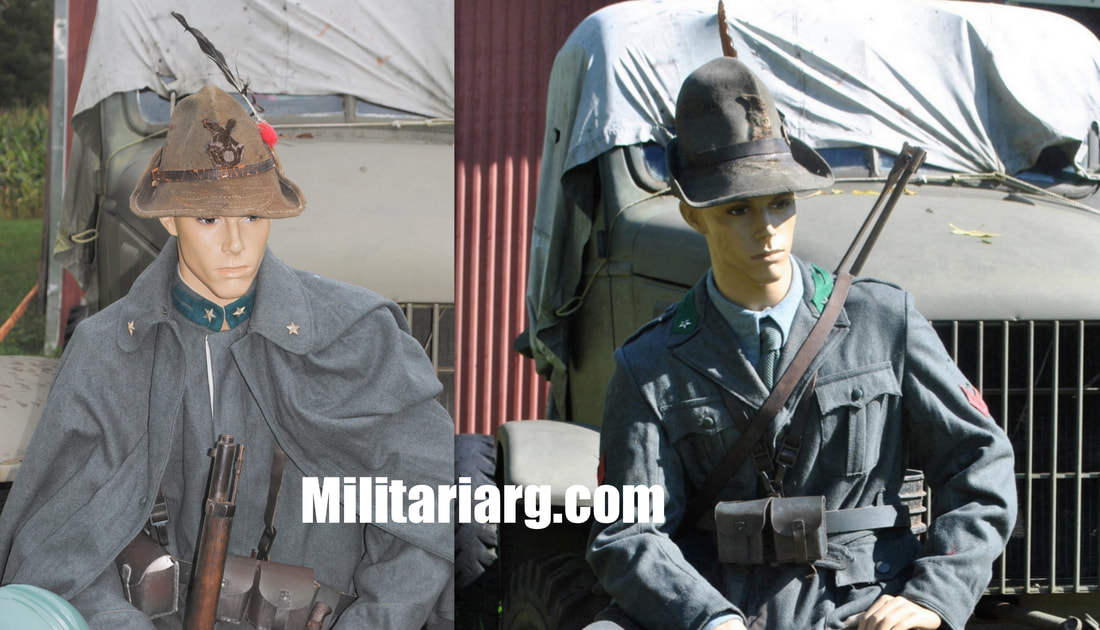
Italian Alpini Captain (Alta Uniforme Modello 1934) Full Ceremonial Uniform model 1934.
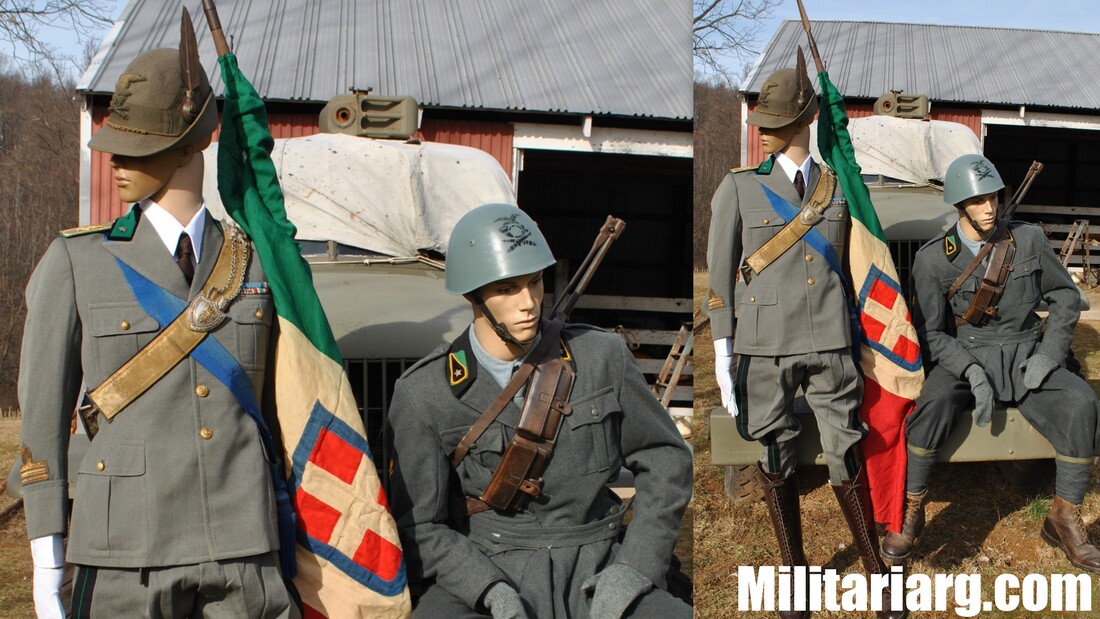
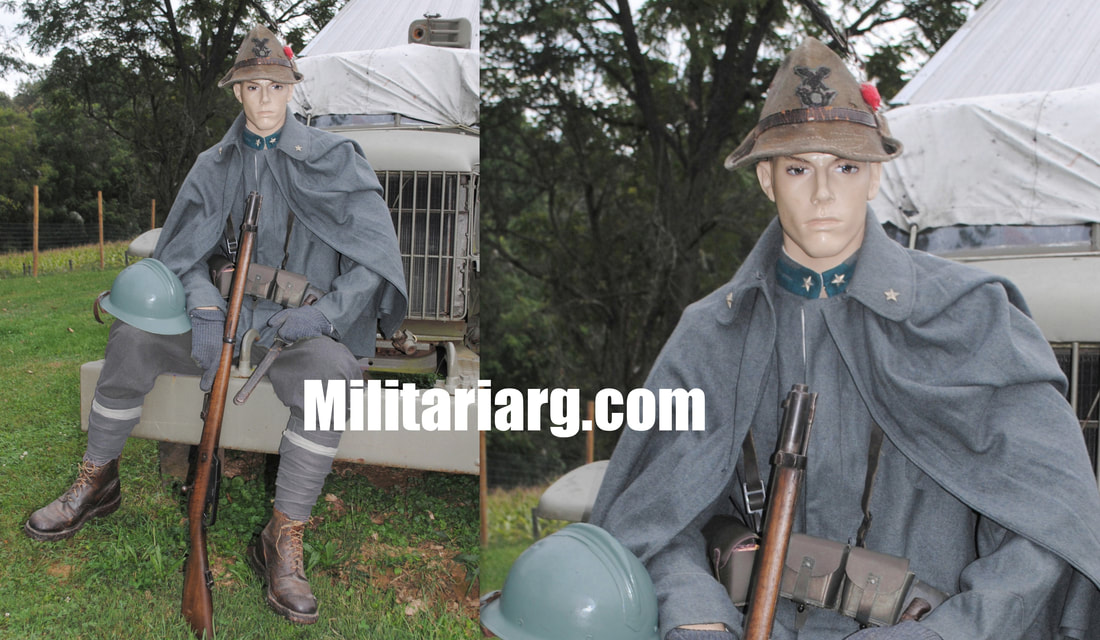
WWI Interwar and WWII.
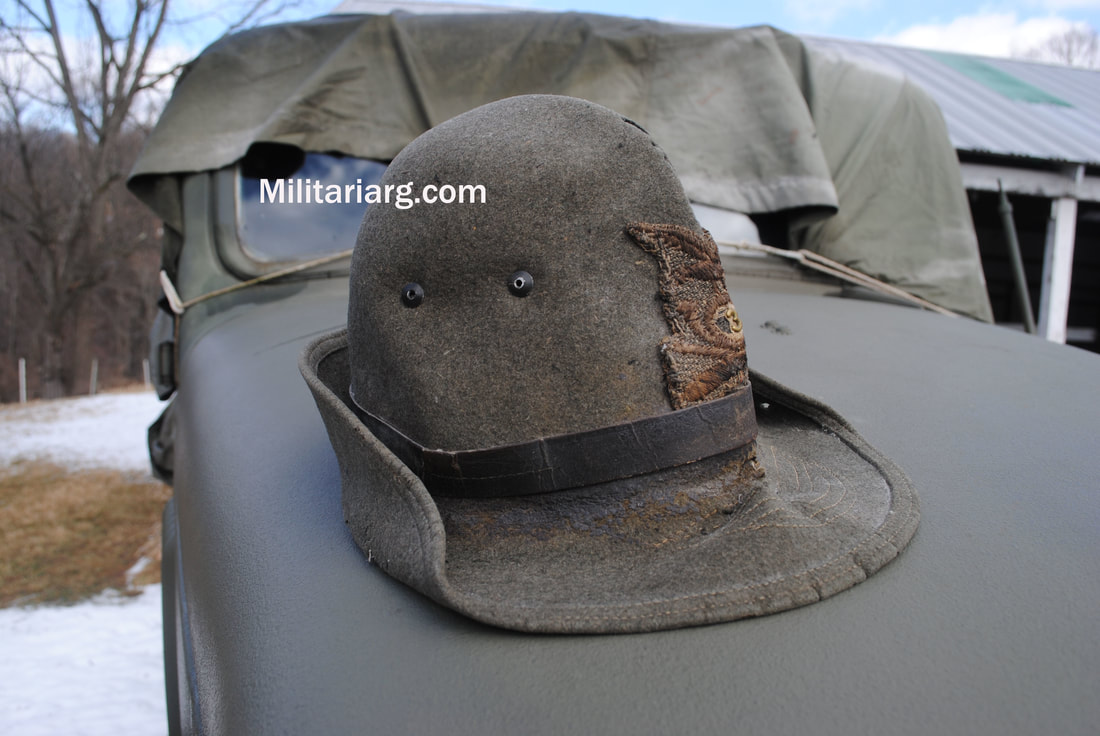
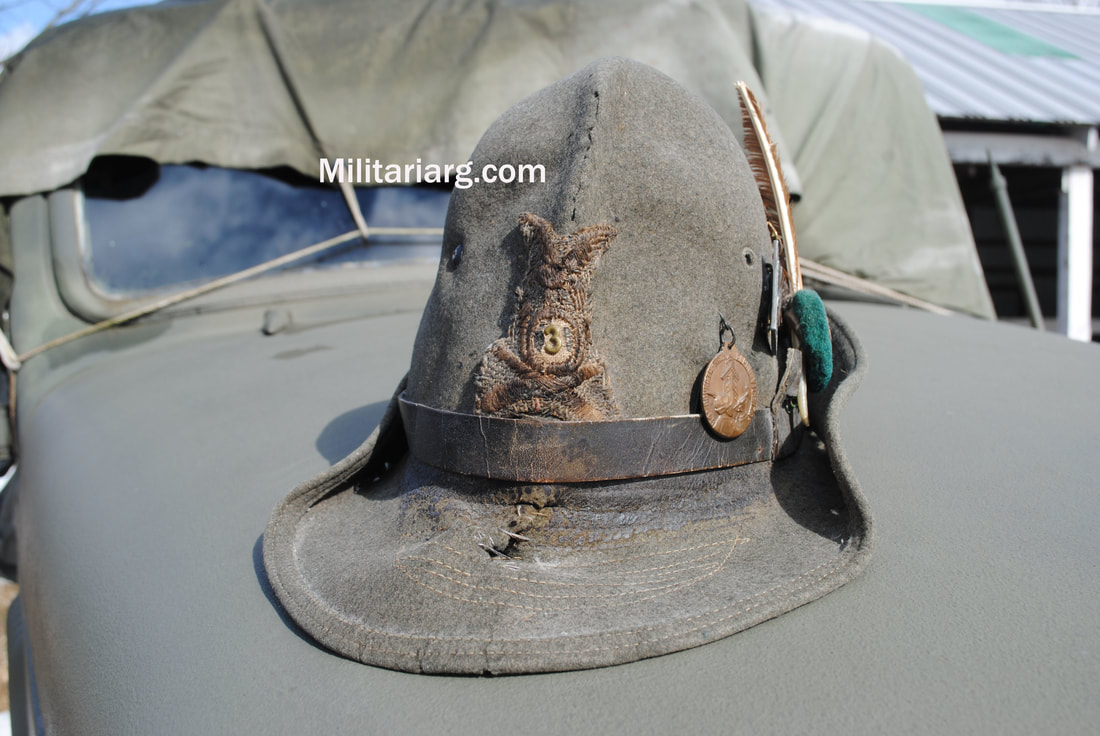
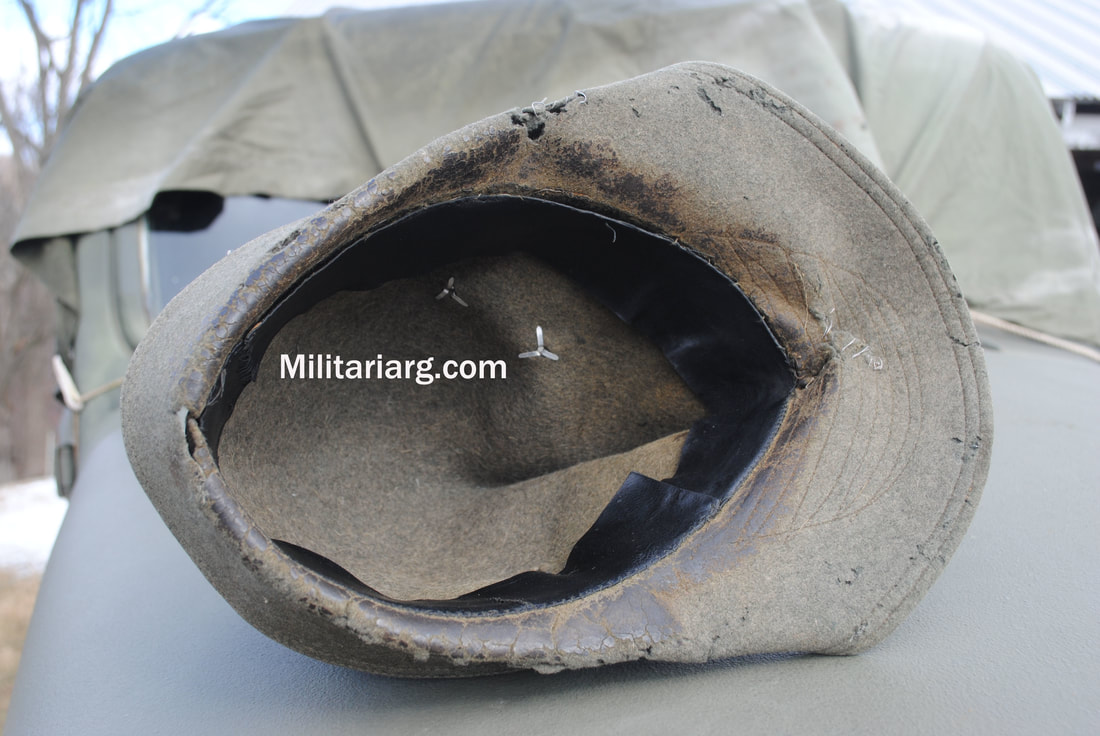
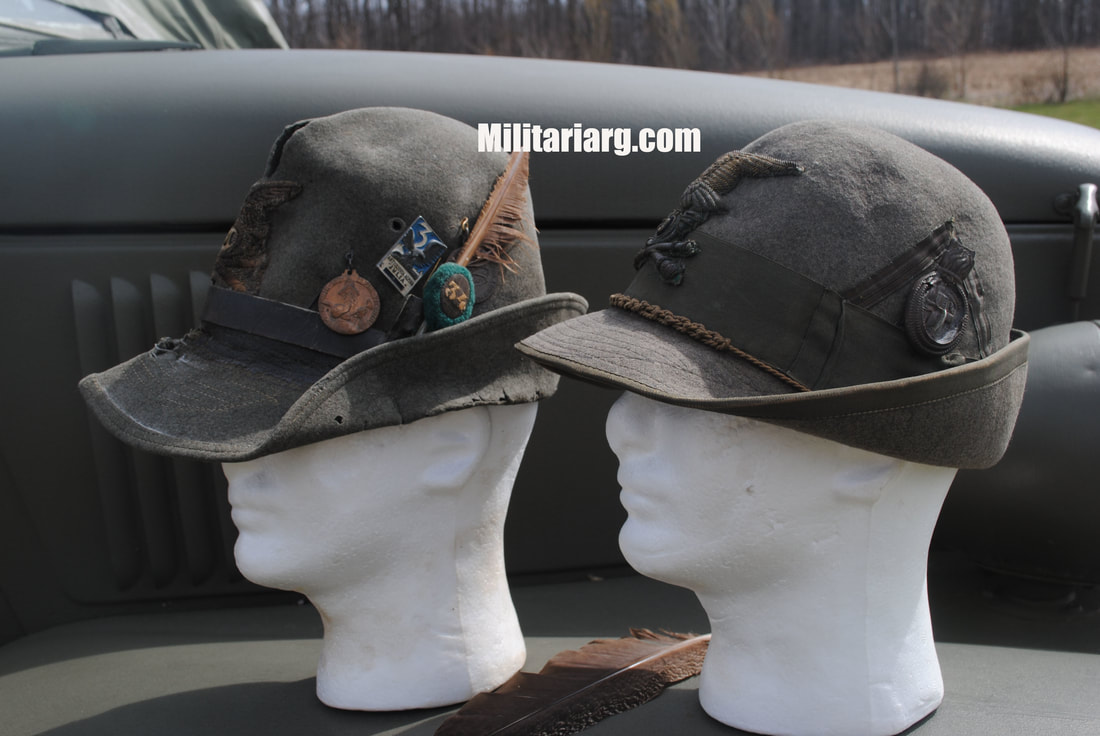
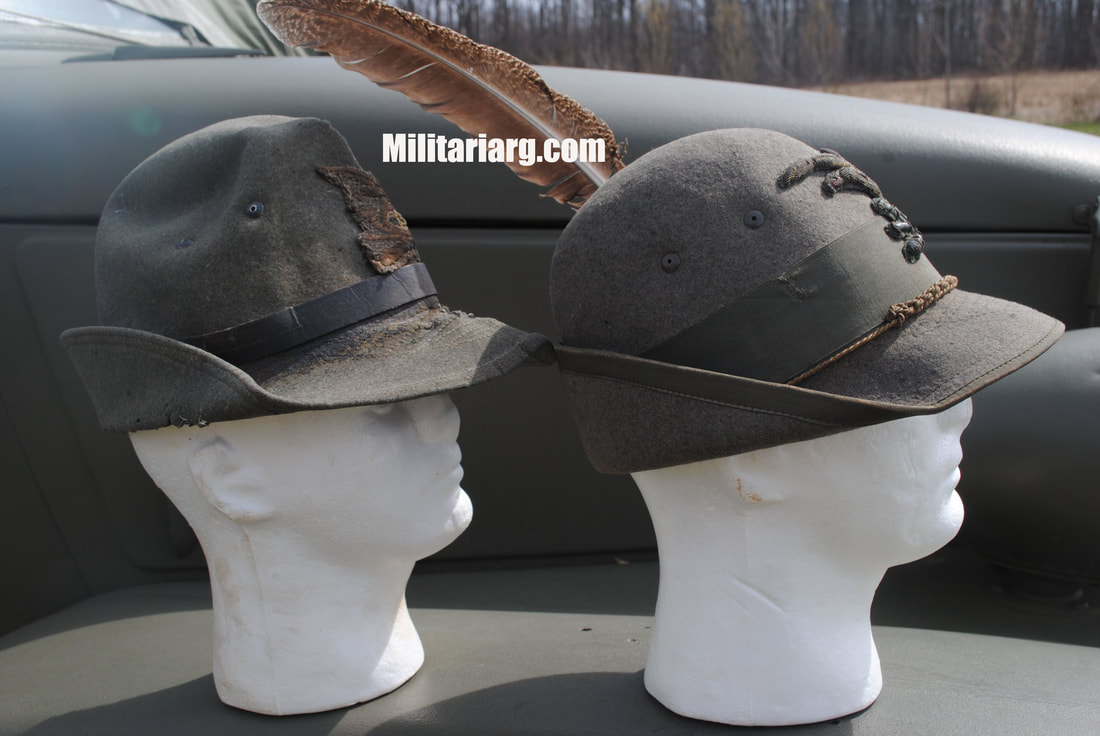
WW2 Greek Front. Cappello alpino 3º Reggimento artiglieria alpina "JULIA" , 34a batteria. 3rd Alpini Artillery Regiment, Udine Group
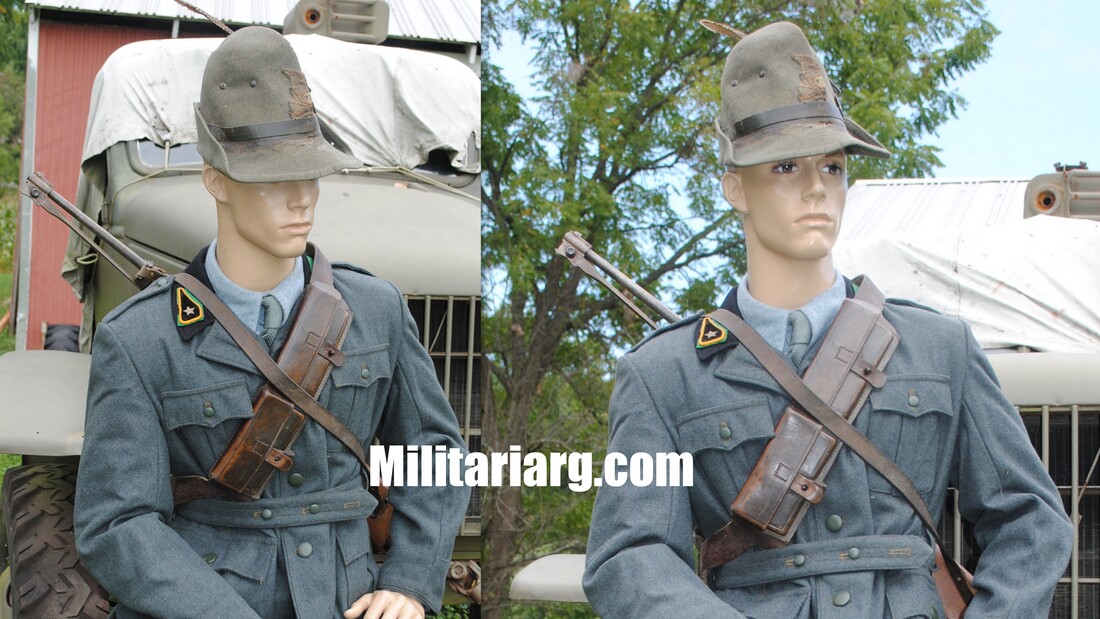
1930s Second Lieutenant Alpini hat. 3rd Artillery Regiment Julia Division. This particular issue seems to be a modified troop hat for officers. Possibly a proof of shortage during the war.
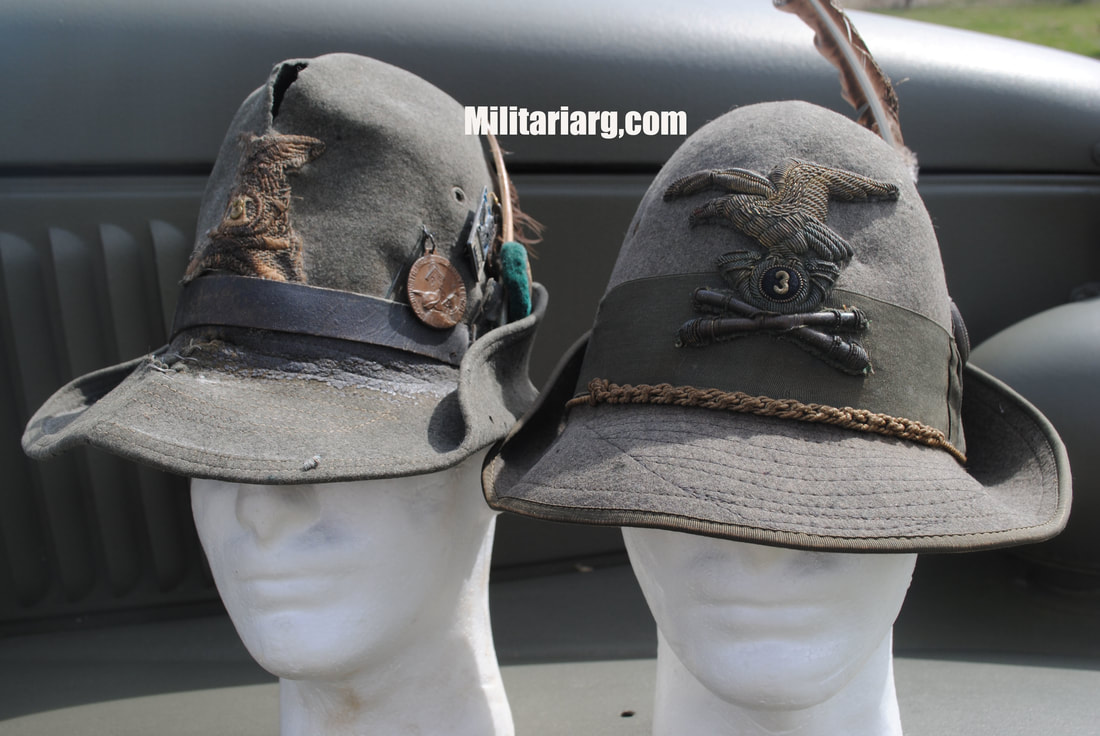
Original WWII Italian Alpini Officer/NCO Cappello Alpino; Genio Guastatori pioneri Alpini Corp of Engineers.
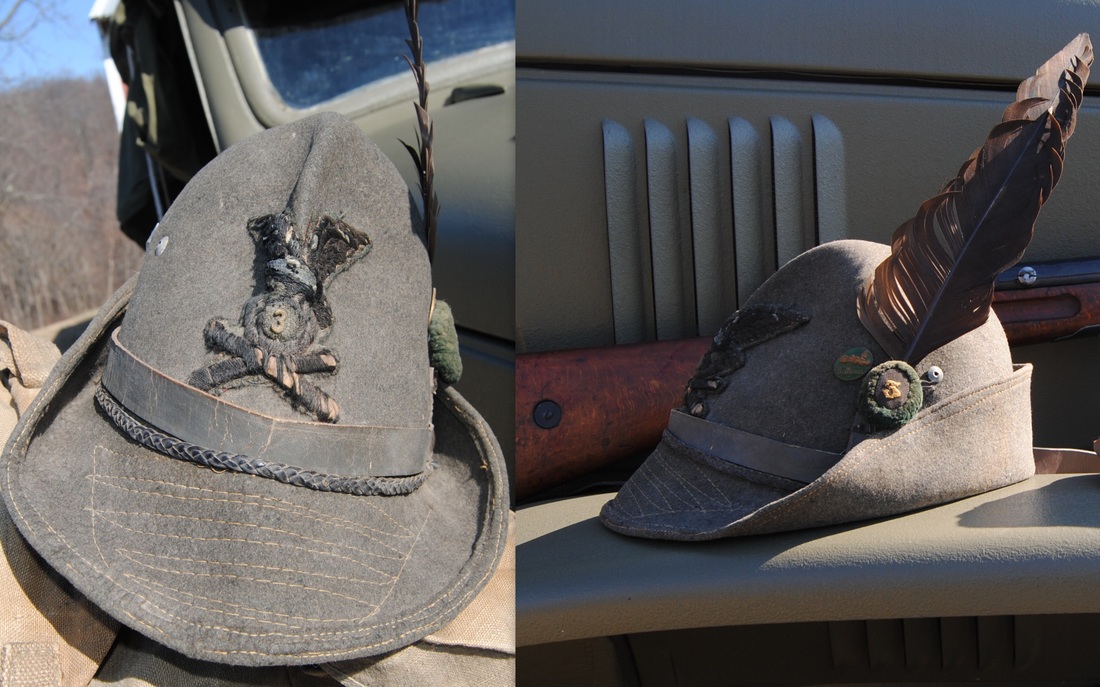
Italian 3rd Alpini regiment artillery hat Capello Gruppo Belluno.
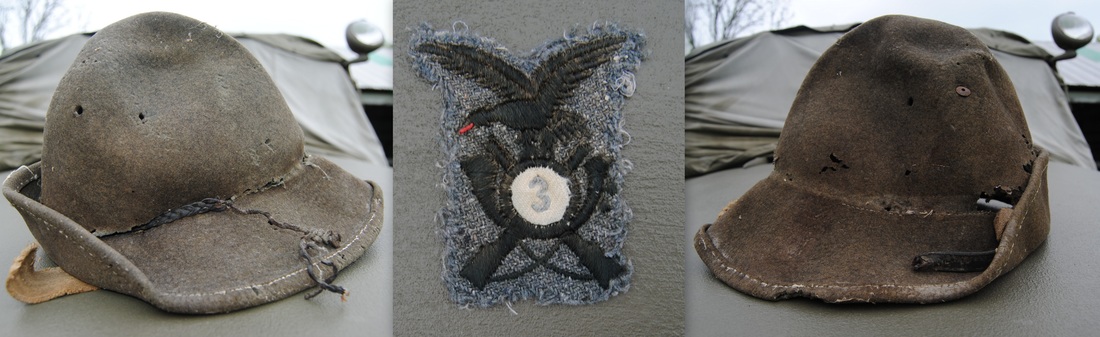
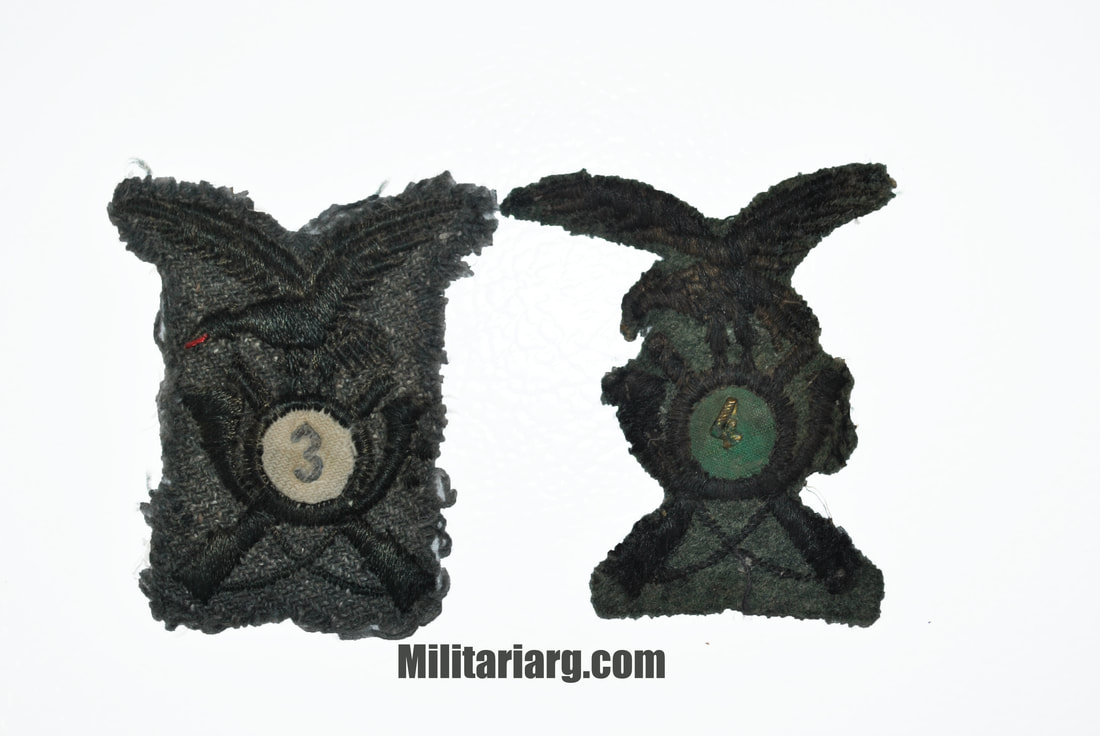
WW2. 3rd and 4th Alpini reggiment badges.
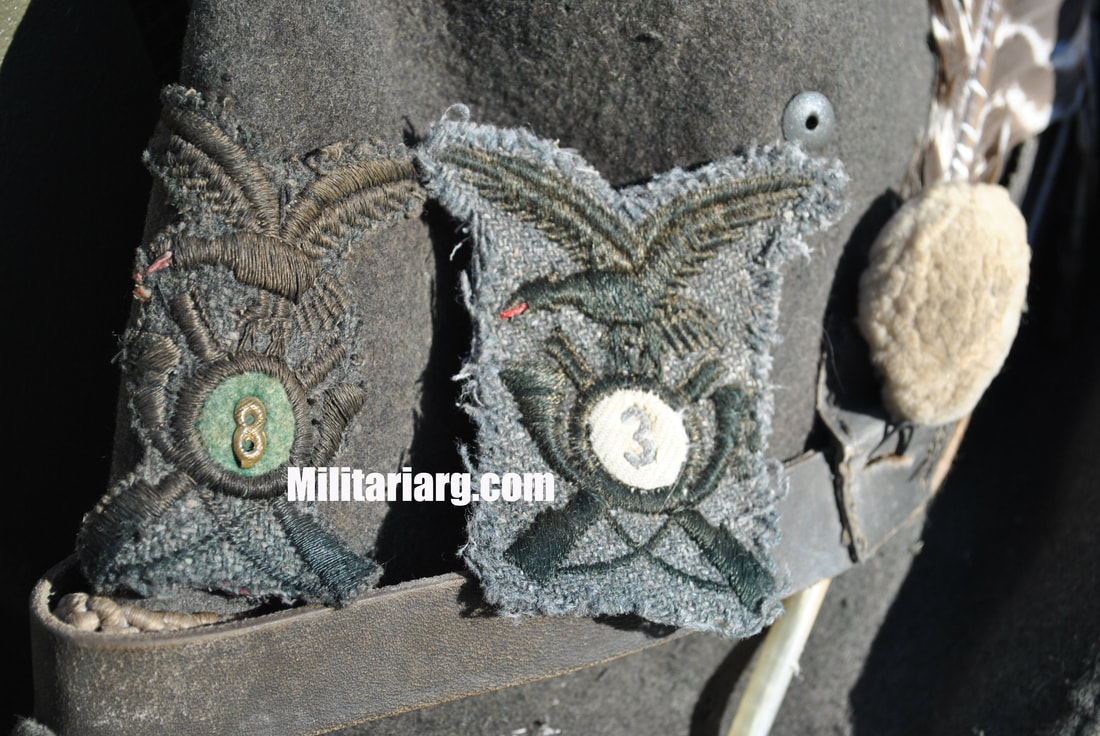
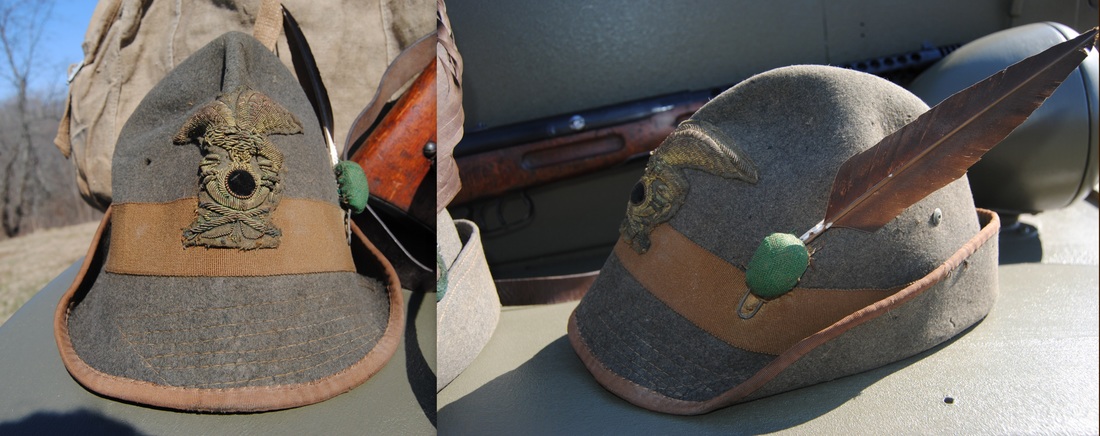
Left: Fregio Original WW2 Badge 8° reggimento alpini. Right Original NOS 3° Alpini Regiment, fregio badge found without use in the Exilles Fort near Susa. The battalions of the 3° Regiment before WW2 were 1st Pinerolo, 2th Fenestrelle 3rd Exilles 4th Susa. The 8th Alpini Regiment (The Cappello Alpino in the photos), during WWII had the following battalions: 1st Tolmezzo, 2th Gemona; 3rd Cividale. The regiment number went in the middle of the circle, a small metal number. The above right circle should be green but lost its color over time, very common. The nappina (Feather attaching pom-pom) color for regiments were, white (1st Battalion), red (2th Battalion), green (3rd Battalion), and blue (4th Battalion). The nappinas for the Artillery Cappellos were green with the battery number, and the nappinas for Engineers/signal cappellos were a burgundy color
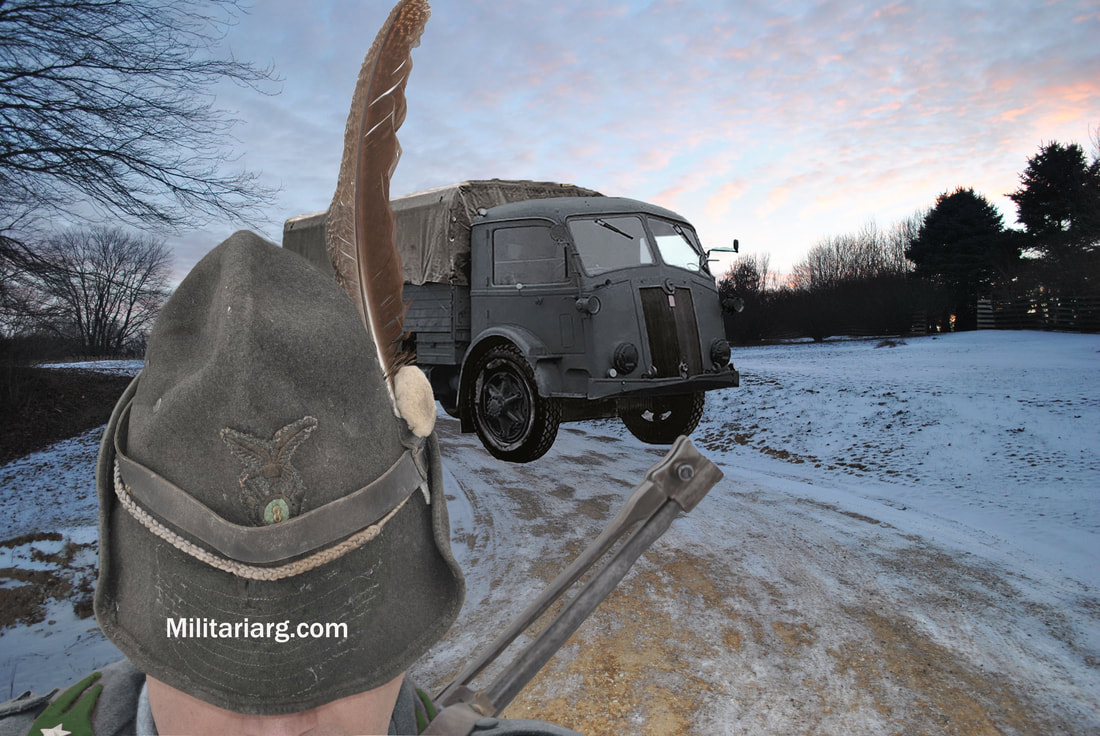
WW2 Eastern Front (Fronte Russo). ARMIR Alpini officer feather holder battlefield relic.
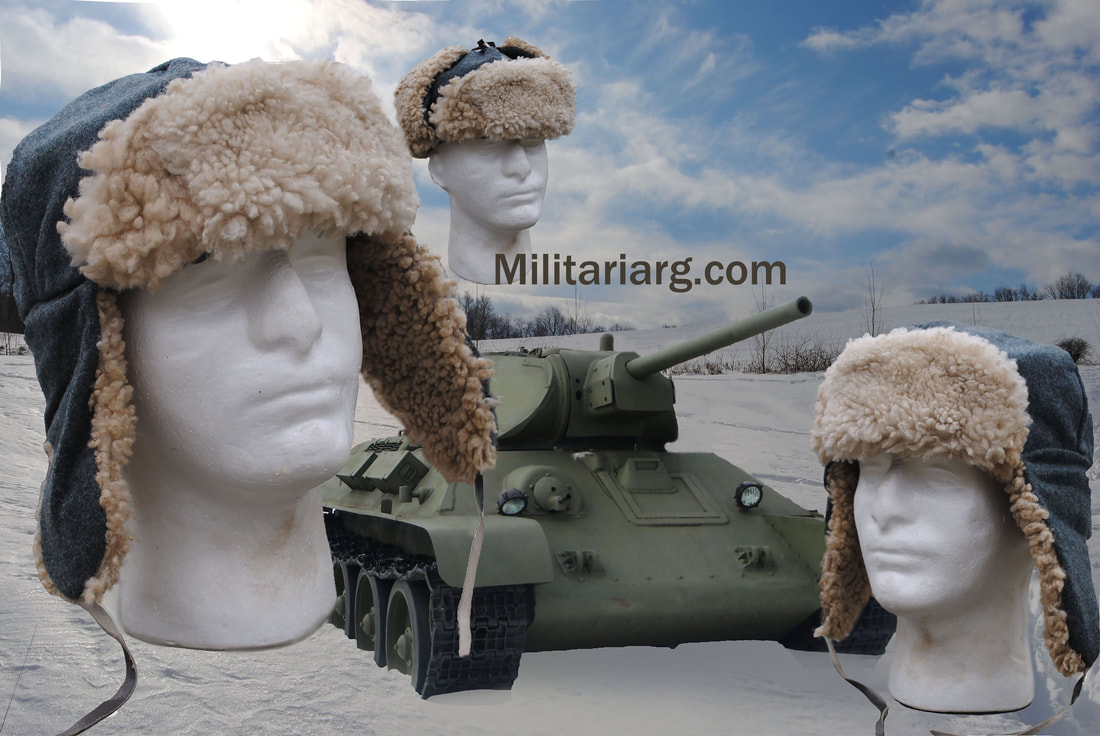
.WW2 Eastern Front Italian Alpini Colbacco.
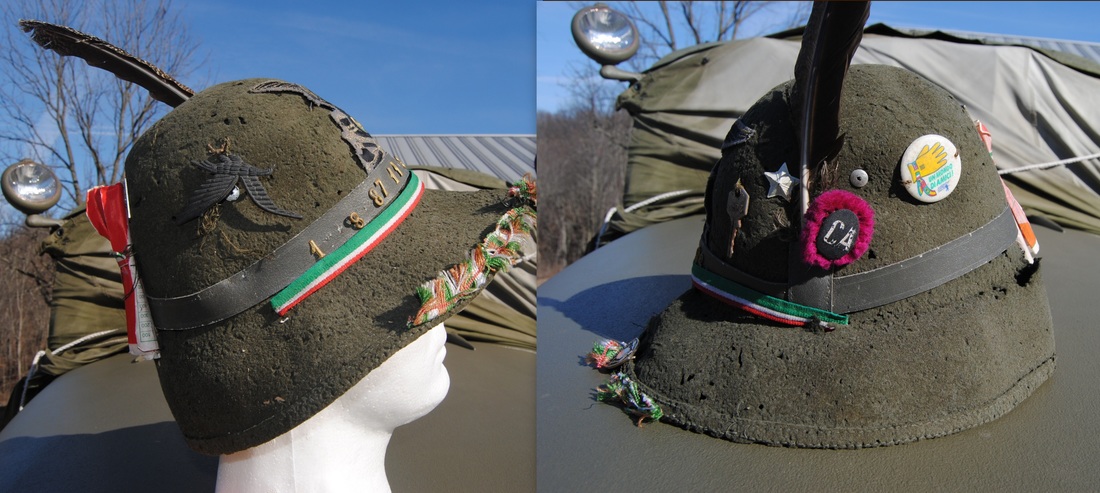
4th Regiment Signal Corp Radio Operator (Cappello Trasmissione Alpino Congedante).
Divisione Monterosa badge.
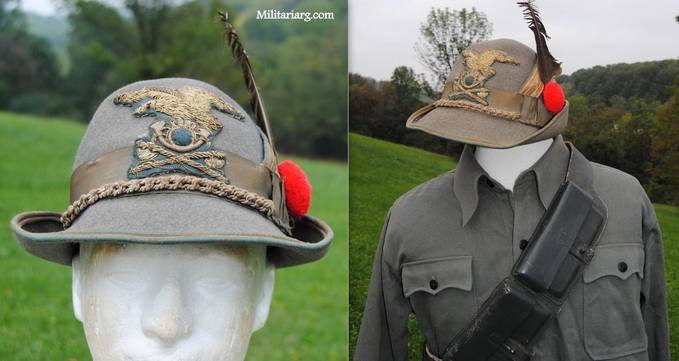
Alpini, Italian Officer. Cappello Alpino, Bantam. Genio Alpino. Engineers Corps. Post-War.
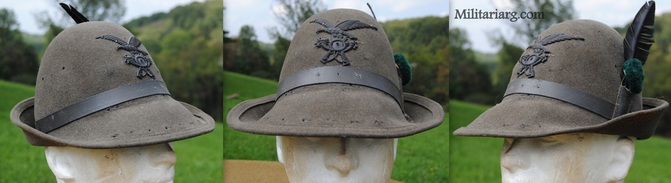
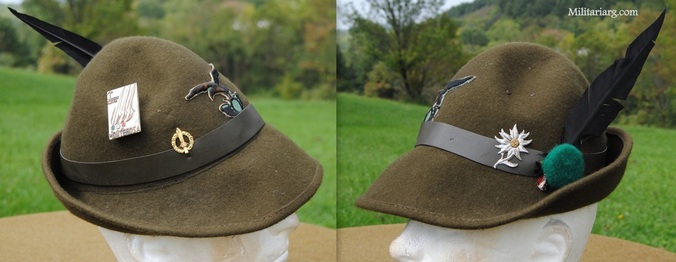
Italian Alpine Hat, Cappello Alpino. Soldier. Post-War.