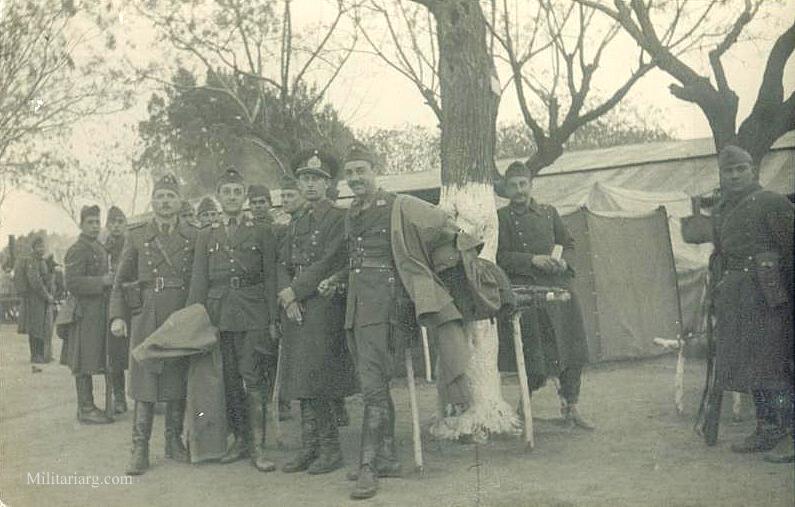
The cap style was an adaptation of various European "side caps" or "forage caps," such as the French Bonnet de Police. British cavalrymen in the 18th century used early versions of "forage caps" for fatigue duties, which were simple cloth caps that could be easily stored.
World War I (The "Overseas Cap"):
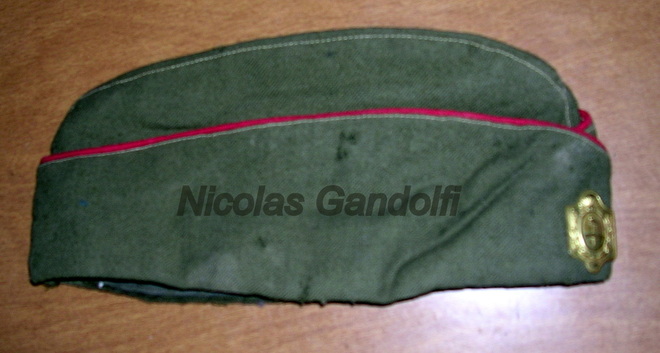
American Expeditionary Force (AEF) troops in France needed a compact, comfortable hat that could be stowed when wearing a steel helmet. The U.S. Army Quartermaster Corps copied the French design and issued it as the "overseas cap" because it was initially only authorized for troops serving abroad. Enlisted versions were plain, while officers' caps sometimes had branch-of-service piping.
Interwar Period:
The cap largely fell out of general use after WWI, except within the Army Air Corps, paratroopers, and armored forces.
World War II (The "Garrison Cap"):
With the outbreak of WWII, the practical advantages of the cap led to its widespread reintroduction across the entire U.S. Army, where it became known as the "garrison cap". It was a standard-issue item, cheaper to produce, and easier to supply than the campaign hat. During this era, piping (colored cords along the top) was introduced for officers to denote their branch of service, and officer rank insignia and enlisted branch insignia pins were worn on the side.
Post-WWII and Modern Era:
The cap has remained a part of the uniform for all branches of the U.S. armed forces in various forms, often as undress or working uniform headgear. The U.S. Marine Corps and U.S. Air Force, in particular, continue to use variations of the cap extensively. The U.S. Army largely replaced it with the black beret in the early 2000s, but it has been reintroduced as an optional item for the new Army Green Service Uniform.
World War I (The "Overseas Cap"):
American Expeditionary Force (AEF) troops in France needed a compact, comfortable hat that could be stowed when wearing a steel helmet. The U.S. Army Quartermaster Corps copied the French design and issued it as the "overseas cap" because it was initially only authorized for troops serving abroad. Enlisted versions were plain, while officers' caps sometimes had branch-of-service piping.
Interwar Period:
The cap largely fell out of general use after WWI, except within the Army Air Corps, paratroopers, and armored forces.
World War II (The "Garrison Cap"):
With the outbreak of WWII, the practical advantages of the cap led to its widespread reintroduction across the entire U.S. Army, where it became known as the "garrison cap". It was a standard-issue item, cheaper to produce, and easier to supply than the campaign hat. During this era, piping (colored cords along the top) was introduced for officers to denote their branch of service, and officer rank insignia and enlisted branch insignia pins were worn on the side.
Post-WWII and Modern Era:
The cap has remained a part of the uniform for all branches of the U.S. armed forces in various forms, often as undress or working uniform headgear. The U.S. Marine Corps and U.S. Air Force, in particular, continue to use variations of the cap extensively. The U.S. Army largely replaced it with the black beret in the early 2000s, but it has been reintroduced as an optional item for the new Army Green Service Uniform.
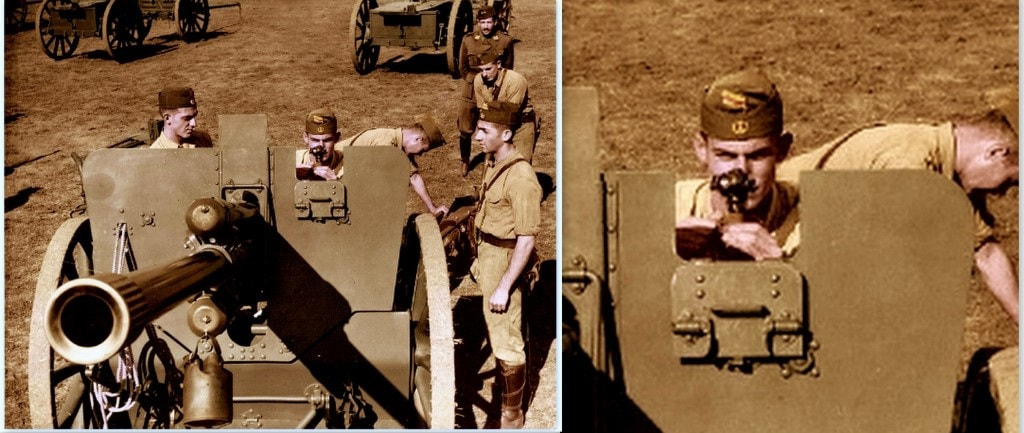
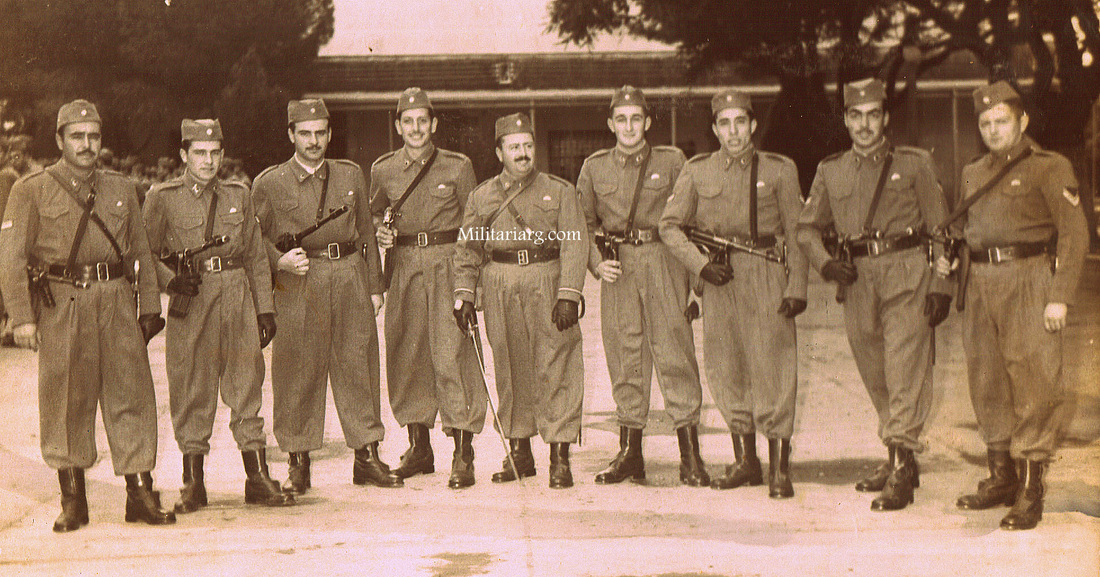
Garrison, Enlisted Oversea Caps
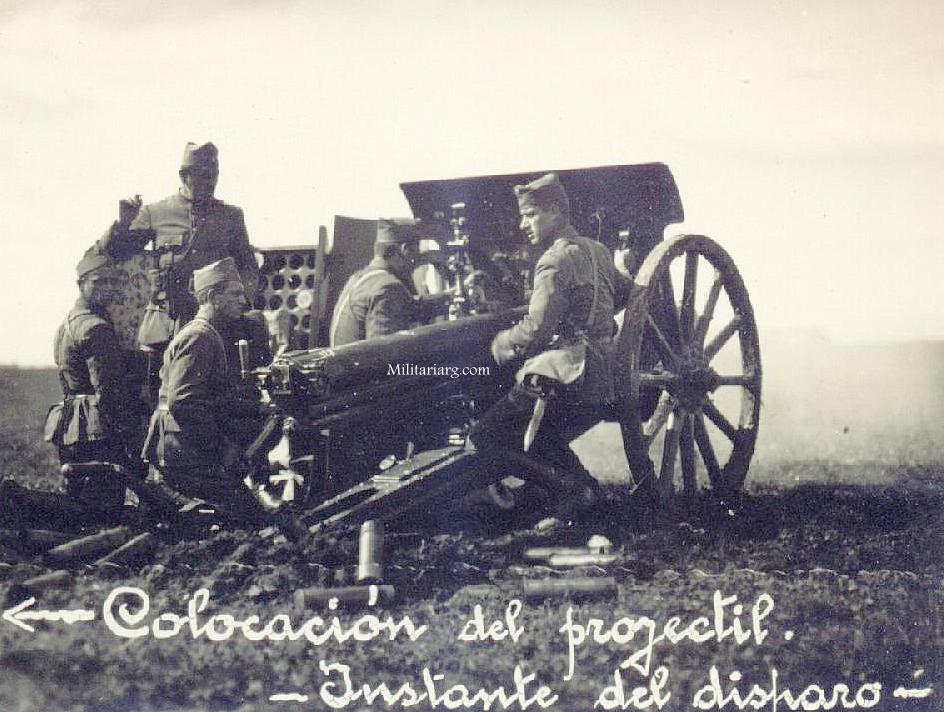
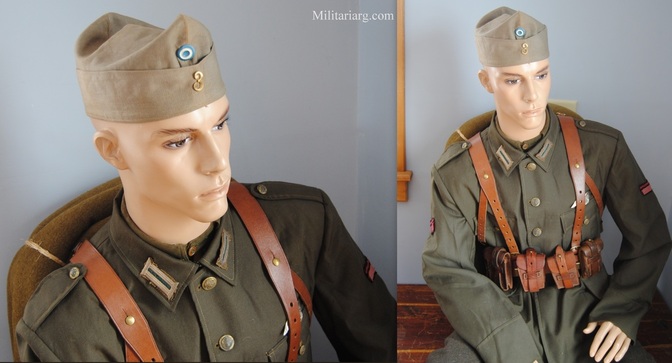
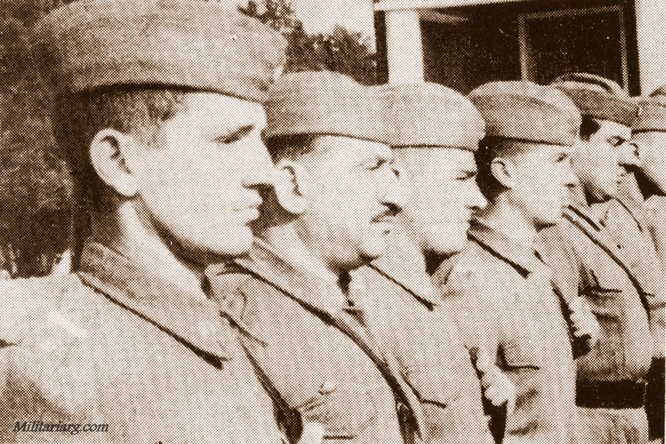
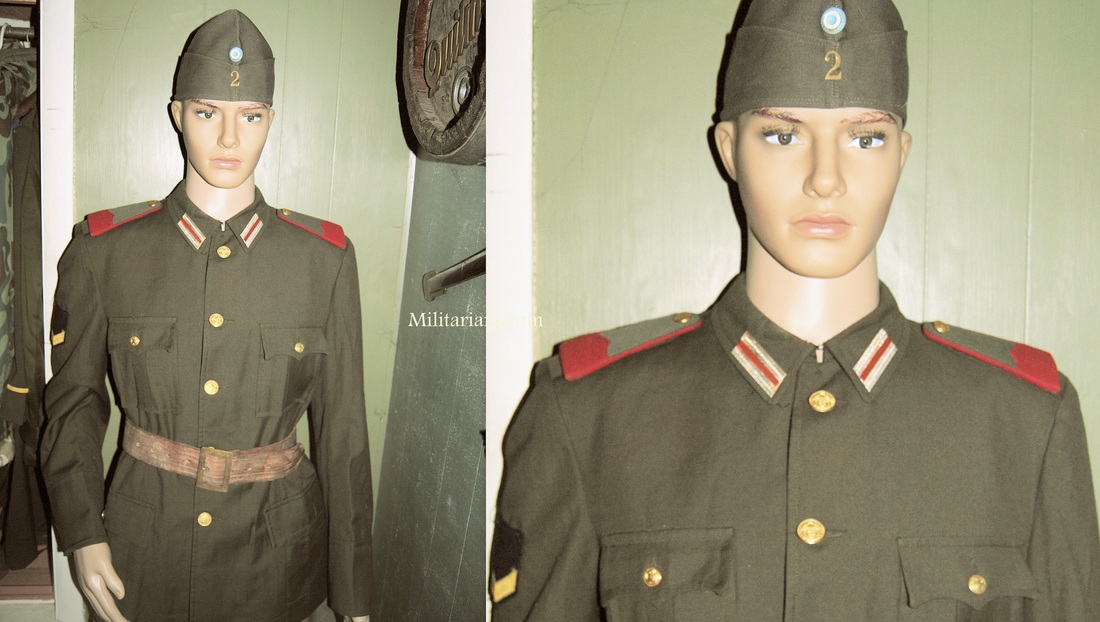
Enlisted overseas cap cap from the 3rd Army Regiment.
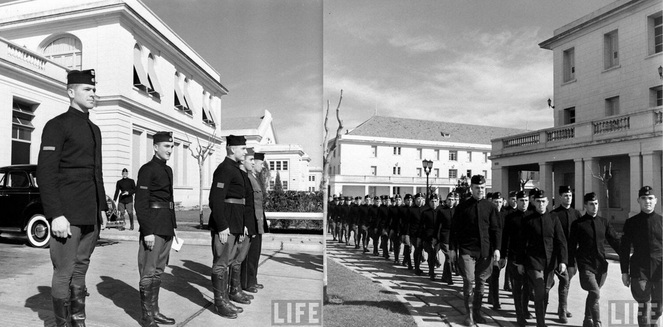
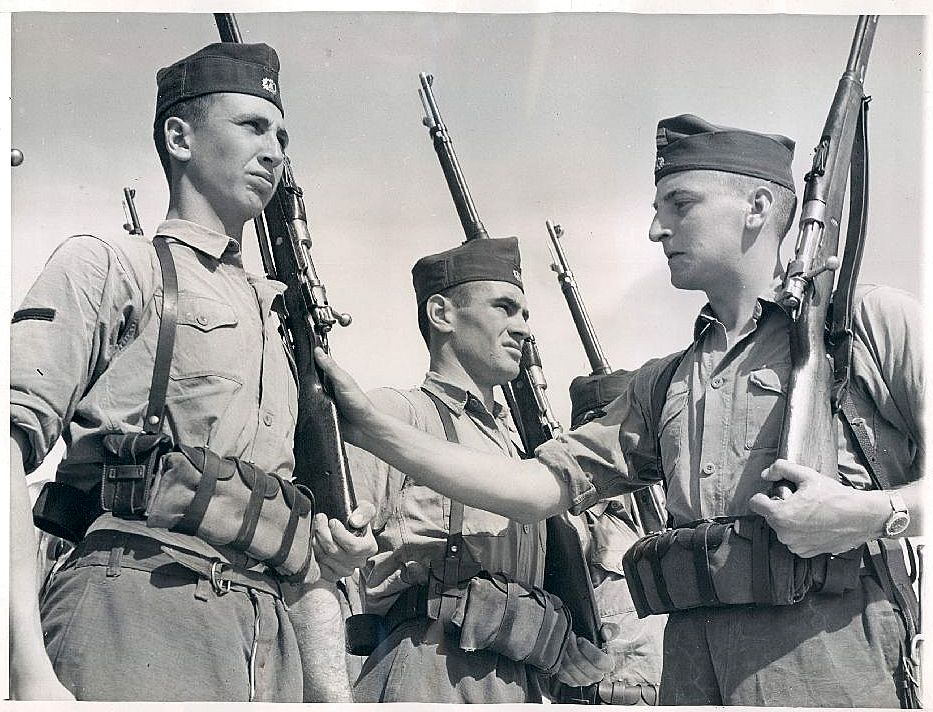
Photo: UPI/AP.
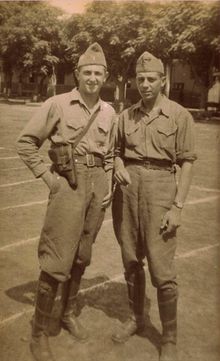
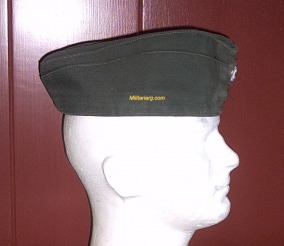
Vintage Army overseas cap from 1960's.
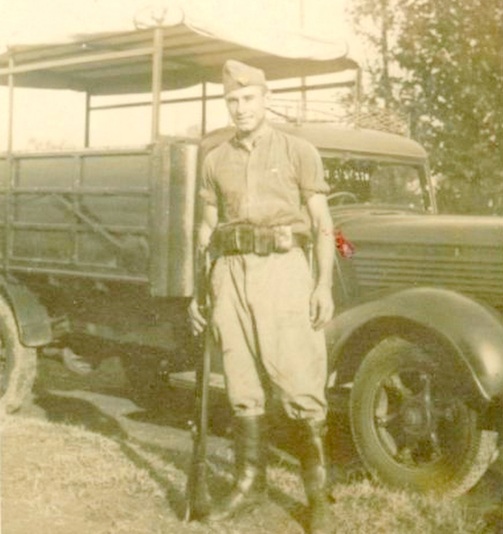
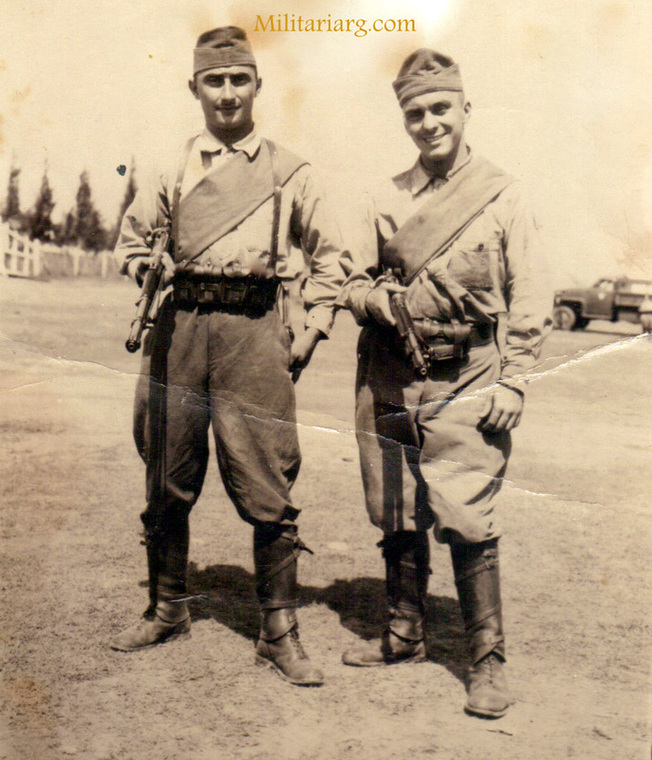
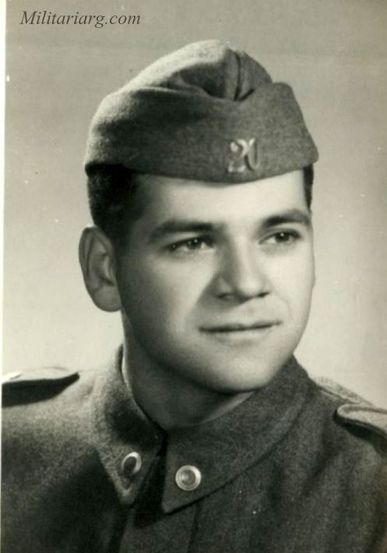
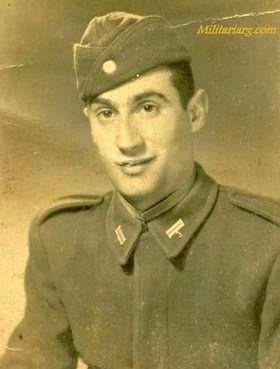
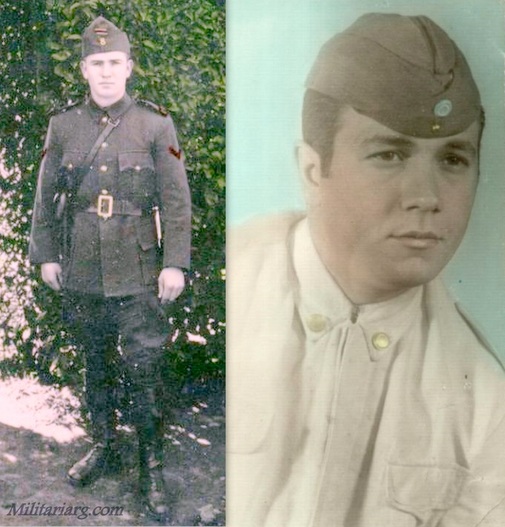
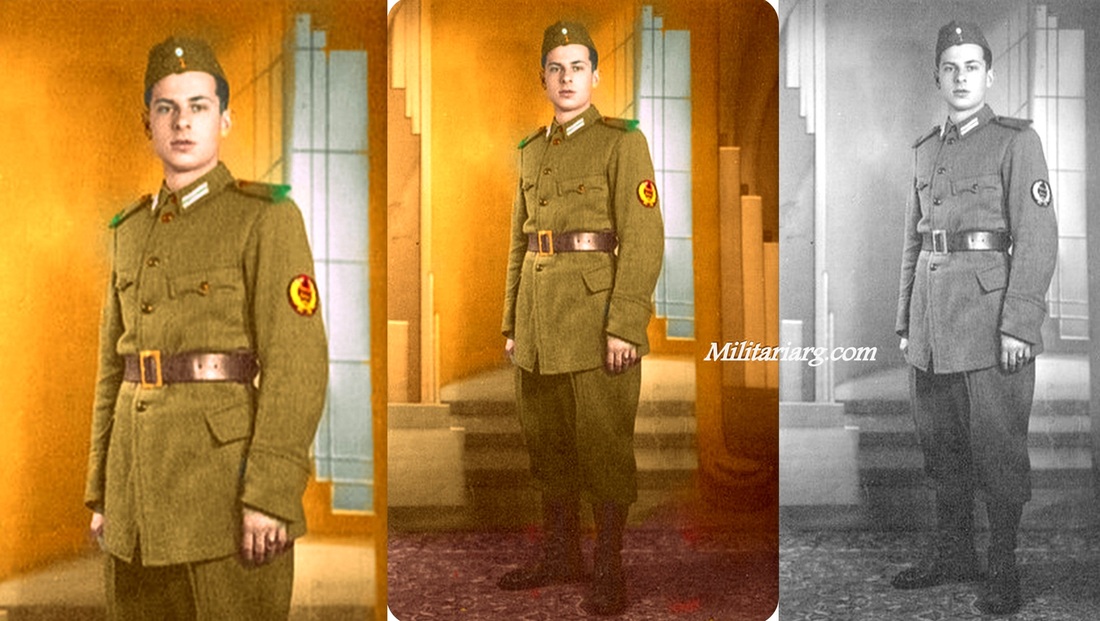
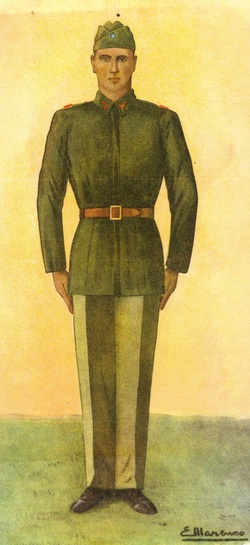
On the left there appears to be a corporal cadet from the Military College of the nation, on guard. The 2 bars on the overseas cap could mean that he had 2 years in the institution. On the right is an example of the innumberable changes in Argentine military uniforms. This is a conscript from the Vietnam era.
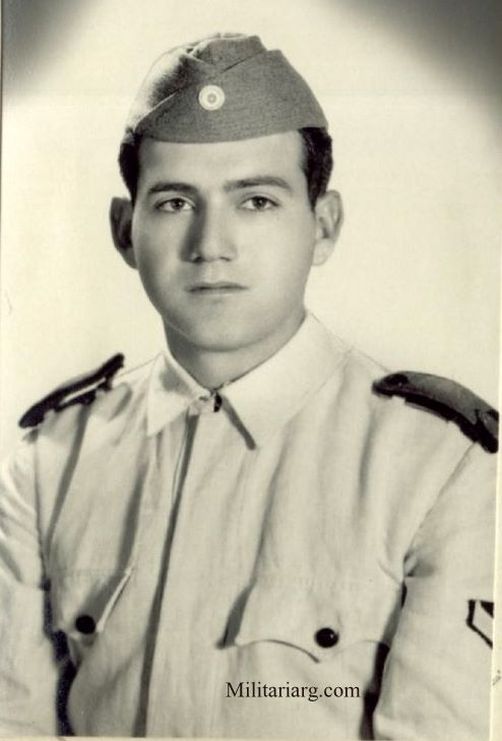
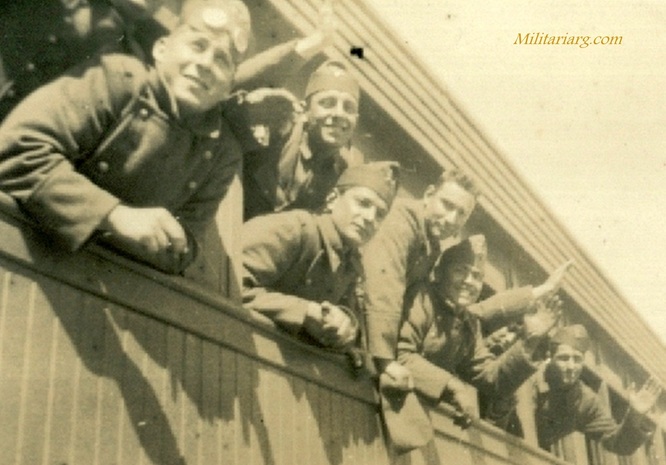
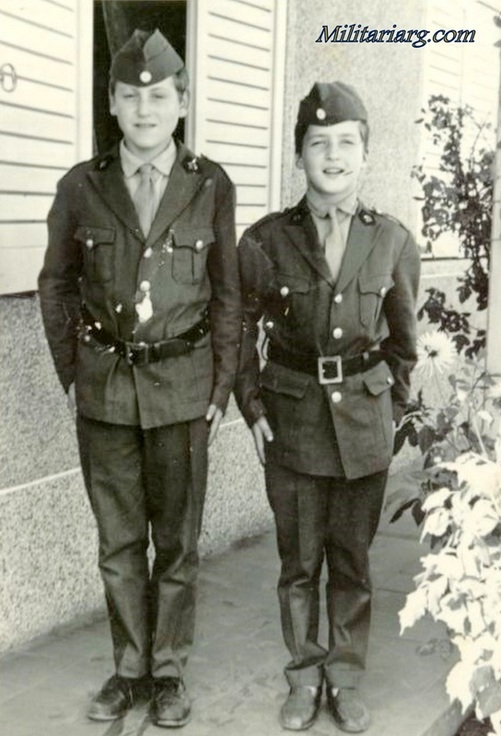
Too young to be soldiers but maybe military school (Military Lyceum), students. (?)