Militariarg.com
  • Home
  • Army
  • Aviation
  • Navy
  • Uniforms and Badges
  • Arms and Weapons
  • Equipment
  • Vehicles
  • Operational and Organizational Structure, Security Forces, Transportation, Books, Models and More.
  • Argentine Confederation Era. 1829 - 1852.
  • From 1852 to 1910 (French fashion)
  • Bunker 1982: South Atlantic War Militaria
  • International Militaria
  • Argentina WWII Era (Neutral) Reenactment Impression
  • Links ~ Enlaces
Picture
​The Finnish "skull and bones" helmet insignia, often featuring a grinning skull above a stylized ribcage, was an unofficial unit symbol used primarily by Kevyt Osasto 4 (Light Detachment 4) during the Winter War (1939–1940) and by members of 1./JR 46 (1st Company, 46th Infantry Regiment) during the Continuation War.


Finland's 20th-century history is defined by its struggle to maintain independence from its powerful neighbor, Russia/the Soviet Union. This struggle influenced its path from neutrality to a precarious Cold War non-alignment policy, which eventually led it to join the Western alliance system decades later.
 
World War I (1914–1918)

During World War I, Finland was an autonomous Grand Duchy within the Russian Empire. It did not have its own independent army participating in the main conflict. 

Independence: The Russian Revolution of 1917 provided Finland with the opportunity to declare full independence on December 6, 1917.

Civil War: This was followed by a brutal Finnish Civil War in 1918 between the "Reds" (socialists supported by Bolshevik Russia) and the "Whites" (conservatives supported by Imperial Germany). The Whites won, ensuring an independent, non-communist Finland. 

World War II (1939–1945)

Finland fought two major wars against the Soviet Union during World War II, a conflict sometimes referred to as the "separate war," as Finland was a co-belligerent with Germany against the USSR but never formally allied with Germany against the Western Allies. 

The Winter War (1939–1940): The Soviet Union invaded Finland in November 1939 after Finland refused Soviet territorial demands. The Finns, though massively outnumbered, put up a fierce defense. The war ended with the Moscow Peace Treaty in March 1940, in which Finland ceded significant territory but preserved its independence.

The Continuation War (1941–1944): When Germany invaded the Soviet Union in 1941 (Operation Barbarossa), Finland launched a counter-offensive to retake its lost territories and then pushed deeper into Soviet territory. German troops in Finland primarily defended the northern front. The war ended in September 1944 with another armistice and further territorial concessions to the USSR.

The Lapland War (1944–1945): As stipulated by the 1944 armistice with the Soviets, Finland was forced to drive all remaining German forces out of Finnish territory, leading to a conflict against their former co-belligerents in northern Finland. 

Cold War (1947–1991)
 The experience of the war defined Finland's delicate Cold War policy. 

"Finlandization": Finland adopted a strict policy of neutrality and non-alignment known as "Finlandization" (a term often used negatively by Western powers). While Finland remained a democratic, capitalist nation, it maintained careful relations with the USSR to avoid Soviet interference in its domestic affairs.

Treaty of Friendship, Cooperation, and Mutual Assistance (YAA Treaty): A key element of this policy was the YAA Treaty of 1948, which compelled Finland to resist any armed attack on the USSR through Finnish territory by Germany or its allies. This effectively gave the Soviets a say in Finnish foreign policy and military acquisitions.

Balancing Act: Finland maintained a conscript army strictly for self-defense, purchased military equipment from both the East and West (e.g., Soviet MiG fighters and British Hawker Hunters), and was a member of the UN and Nordic Council, but stayed out of NATO to placate Moscow. 

Post-Cold War and NATO
Following the collapse of the Soviet Union in 1991, Finland was free to pursue a more independent foreign policy. After Russia's full-scale invasion of Ukraine in 2022, Finland abandoned its decades-long non-alignment policy and joined NATO in April 2023, fundamentally changing its strategic orientation toward the West.

1918 Civil War

Finland did not participate as an independent nation during most of World War I, as it was a Grand Duchy of the Russian Empire until its independence in December 1917. The Finnish Army was founded in 1918, during the subsequent Finnish Civil War. 

During WWI, Finnish soldiers were generally not part of a separate Finnish Army but served within the Imperial Russian Army. The weapons, artillery, and vehicles available in the territory were largely Russian Imperial stocks that remained after Finnish independence was declared. 

Weapons in the 1918 Civil War
The Finnish Civil War was fought between the White Guards (government forces) and the Red Guards, who both used captured Russian arms and equipment. 

Rifles: The most common weapon was the 7.62 mm Russian M1891 "Mosin-Nagant" rifle. Both sides also had limited numbers of other rifles, including Japanese Arisaka and Austrian Mannlicher models that the Germans had supplied to the White forces.
Pistols: Various pistols were used, including the German-made Luger P08 (M/23 in Finnish service) which was first introduced to Finland by the German-trained Jägers, and Russian Nagant M1895 revolvers.
Machine Guns: Maxim machine guns (various Russian models) were widely used and had a significant impact on the fighting. Other machine guns like the Colt, Lewis, and Madsen were also in use in small numbers. 

Artillery
Both sides made use of Russian-made field guns and howitzers captured from former Russian garrisons.

Field Artillery: The most common pieces were 87mm guns (likely Russian 87mm Field Gun M1877), which became the de facto standard for the Finnish White Army in the early stages of the war.
Other Guns: Various other captured Russian field guns and howitzers in calibers ranging from 75mm to 105mm were also utilized. 

Tanks and Vehicles

Tanks: The Finnish Army had no tanks during the First World War or the 1918 Civil War. The first tanks, 32 French Renault FT-17 light tanks, were purchased in 1919 after the war ended and used only for training.
Armored Vehicles: A few Russian-supplied armored cars were used by the Red Guards and captured by the Whites. Armored trains were also utilized by both sides, particularly by the Red Guards, for logistical support and fire support along the railway lines.
Transport: Transport was minimal, relying heavily on horses and railways. Very few motorized vehicles were available due to poor road conditions and limited fuel supplies.


The Finnish Army during World War II was forced to be incredibly resourceful, using a mix of domestic designs, acquired foreign weapons, and captured Soviet materiel due to limited access to large international arms markets.
 
Weapons
The Finns developed and effectively used their own high-quality small arms tailored to their needs. 

Rifles: The primary rifle was the Mosin-Nagant (various models like the M91, M91/30, and Finnish variants like the M39 "Ukko-Mauser"). Thousands were inherited from Russian imperial stocks and were improved by the Finns.

Submachine Guns: The domestically designed Suomi KP/-31 was an outstanding submachine gun, highly regarded for its reliability, accuracy, and use of high-capacity 71-round drum magazines. It was highly effective in winter and forest combat.

Machine Guns:
Maxim M/32-33 and Maxim M/09-21: Finnish-modified versions of the Russian Maxim heavy machine gun were standard issue.
Lahti-Saloranta M/26: This was the Finnish-designed light machine gun (LMG), reliable but complex.

Anti-Tank Weapons:
Lahti L-39 Anti-Tank Rifle ("Norsupyssy" or "Elephant Gun"): A powerful 20mm semi-automatic anti-tank rifle that was used to combat early Soviet armor and later as a heavy sniper weapon.
Molotov Cocktail: The Finns are credited with formalizing the use of improvised incendiary devices, which they nicknamed the "Molotov Cocktail," to destroy Soviet tanks during the Winter War.
Pansarvärnslavettage m/43 (PsvK/43): A 45mm Bofors anti-tank gun was also used. 

Artillery
Finnish artillery was a mixed bag, with many captured Soviet pieces pressed into service alongside foreign purchases. 

Field Artillery:
76 mm divisional gun M1902/30 (captured Soviet): A common piece used throughout the war.
Bofors 105 mm H 37 howitzer: Purchased from Sweden before the Winter War.
Schneider 155 mm howitzers and field guns: Various French-designed heavy artillery pieces were also acquired. 

Tanks and Vehicles
Finland possessed a very limited number of tanks and relied heavily on improvisation. 

Tanks:
Vickers 6-Ton: Finland purchased 32 of these British light tanks before the Winter War, which formed the backbone of their early armored forces. They performed poorly against Soviet T-26s but were later up-armored and upgraded.
T-26 (captured Soviet): The Finns captured hundreds of these Soviet light tanks during the Winter and Continuation Wars and used them extensively.
T-34 (captured Soviet): A small number of these superior Soviet medium tanks were captured and quickly incorporated into the Finnish Army.
Sturmgeschütz III (StuG III G): Germany sold 59 of these effective assault guns to Finland in 1943 and 1944. They proved highly successful as tank destroyers and formed the core of the Finnish armored divisions late in the war.
​
Vehicles: Mechanization was limited. Most units moved by horse, bicycle, or foot. Standard military trucks were used when available.

Cold War

The Finnish Army during the Cold War maintained a neutral stance by diversifying its equipment procurement, balancing purchases between the Soviet Union (often as trade credits), Western European nations (like the UK and Sweden), and a strong domestic arms industry. 

Weapons
Finnish small arms were primarily domestic designs, known for quality, that often improved upon Soviet AK-47 technology. 

Rifles: The standard service rifle was the Rk 62 (Rynnäkkökivääri 62), a domestically produced and improved variant of the Soviet AK-47 assault rifle.
Pistols: The standard sidearm was the Luger P08 (M/23) for much of the early period, later supplemented and replaced by domestic designs like the L-35 Lahti and later the FN HP-DA.
Machine Guns: The primary general-purpose machine gun was the Soviet PKM (designated 7.62 KK PKM), which proved effective in Finnish conditions.
Anti-Tank Weapons: The army used a mix of domestic and imported recoilless rifles, including the domestic 55 S 55 and 95 S 58 recoilless rifles, as well as the US M72 LAW and Bofors Carl Gustaf. 

Artillery
Finnish artillery was a strong component of its defense forces, featuring a mix of Soviet and Western systems. 

Towed Artillery:
Soviet 122 mm howitzer D-30 was a standard piece in light artillery battalions.
Soviet M-46 130mm field guns were acquired for the independent artillery regiments.
Anti-Aircraft: Finnish heavy anti-aircraft defense utilized Soviet 100mm KS-19 and 130mm KS-30 guns, while field units and airfields used modernized Bofors L/60 or Oerlikon 35mm guns. 

Tanks and Vehicles
Finnish armored forces were a mix of modern Soviet main battle tanks and older, second-hand Western tanks. 

Main Battle Tanks (MBTs): The backbone of the Finnish armored forces were Soviet-made tanks, acquired in the late 1950s and 1960s.
T-54/T-55: These were the first main battle tanks of the Finnish Army, purchased in the late 1950s and 1960s and forming the bulk of the fleet.
T-72M1: Finland purchased around 70 T-72s from the Soviet Union in the 1980s, which were more modern than their T-55 fleet.
Comet and Charioteer: Older British post-WWII cruiser and medium tanks were in service from the late 1950s until the early 1970s, before being phased out by the T-55s.
Armored Personnel Carriers (APCs) & IFVs:
BTR-60: Soviet-made wheeled APCs were in service.
BMP-1: Soviet-made infantry fighting vehicles were delivered in the early 1980s.
Sisu XA-180: Finland also developed and produced its own highly successful, domestically designed 6x6 amphibious armored personnel carrier.
MT-LB: The Finnish Army also found the Soviet MT-LB tracked APC to be very effective in Finnish terrain.

Picture
​Lahti-Saloranta M/26 LMG.

M35-38 Hungarian Helmet

Picture
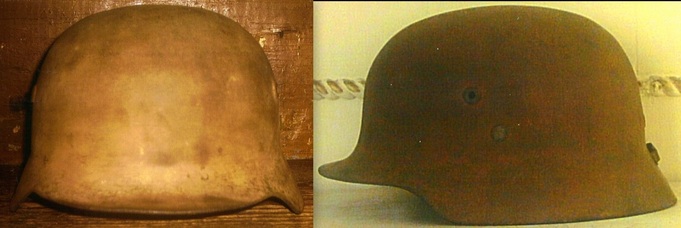
M 35-38 Hungarian Finnish Helmet in semi-relic state. (East Front). This helmet may have been used by Finland.  It has some battle damage and remnants of snow camo.
The Hungarian M35/38 (often simply called the M38) is a "German-style" helmet that was a cornerstone of the Finnish Army's equipment during the Continuation War (1941–1944). Approximately 75,000 were manufactured in Hungary specifically for export to Finland. 

Finnish Service
 Finland originally tried to buy German M35s in 1939 to replace WWI-era stocks. Germany refused the direct order due to their secret pact with the Soviets (the Molotov-Ribbentrop Pact) but allowed Hungary to fulfill the order instead for political cover.
Continuation War.
The helmets arrived in 1940 and became one of the most common types used against Soviet forces from 1941 to 1944.
Post-War and Refurbishment
The Finnish Army continued using these helmets until the early 1970s. Most surviving examples seen today are post-war refurbishments; they are typically repainted in a dark "field green" and fitted with Finnish-made liners (like the M55 style) rather than the original Hungarian leather. 

Picture
20mm L39 Anti-Tank Rifle

M33 Italian Helmet

Picture
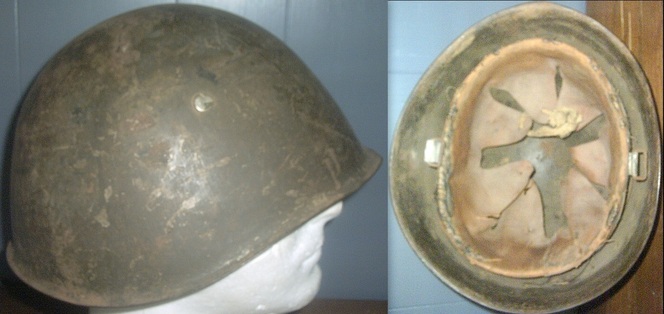
During the Winter War (1939–1940), Finland desperately needed modern head protection and turned to Italy, purchasing approximately 25,000 to 30,000 Italian M33 helmets.

The Winter War Order: While Germany was restricted by the Molotov-Ribbentrop Pact, Italy (under Mussolini) was willing to support Finland. The M33s arrived in early 1940, making them one of the most modern helmets in the Finnish arsenal at the time. They were widely used during the Winter War and continued in service throughout the Continuation War. They were particularly common among frontline infantry and artillery units.

Finnish Modifications and Identification
To distinguish a "Finnish" M33 from a standard Italian army issue, look for these specific traits:
Most Finnish-issued M33s are the "two-vent" or "four-vent" early types, though standard three-hole types were also sent.
Many M33s were refurbished by the Finns post-WWII. They often replaced the original Italian leather liners with Finnish-made M55-style liners (which look more like German/Hungarian suspension systems).
Italian M33s were a grey-green. Finnish refurbishments are typically repainted in a darker, matte field green characteristic While the shell remains Italian (often marked with "P" or "B" followed by a number), the leather liners may have Finnish stamps, such as the SA inside a box (Suomen Armeija).

The M33 served Finland remarkably well; it was ballistically superior to the "rustic" helmets like the Irish Vickers or Portuguese M16. Along with the Hungarian M38, the Italian M33 gave the Finnish soldier a "modern" look that contrasted sharply with the older Sohlberg M17 and Russian M15 shells still being used by secondary units.

M17/18 Sohlberg Helmet

Picture
The Sohlberg M17-18 steel helmet (officially the Russian M1917 or "ShLS") was the Imperial Russian Army's first attempt at a native steel helmet, designed as a simplified copy of the French M15 Adrian helmet and manufactured in Finland during WWI. 

The M17 was a simplified, single-piece shell design derived from the French Adrian helmet, but unlike the Adrian, it was made from a single piece of steel, offering more robust protection. It featured a small, pressed-steel comb covering a vent hole on the top.

Production orders were placed in 1917 at the Sohlberg-Oy and V.W. Holmberg factories in Helsinki, Finland (then part of the Russian Empire), intended for the Imperial Russian Army.
The Russian Revolution and Finnish independence stalled production, meaning very few helmets were delivered for installation of their liners in Russia. The majority of shells remained in Finland.
Helmets were originally painted a light olive green or khaki-brown. 

Russian Use. The M17 saw limited use with Russian shock troops at the end of WWI and later with White Army soldiers during the Russian Civil War.

Finnish Use. The newly independent Finnish Army incorporated the remaining stock of helmets. These Finnish-issued helmets are distinct:
Liner. Finns often installed new, softer reindeer skin or simpler three-pad leather liners instead of the original Russian "sock-type" liners.

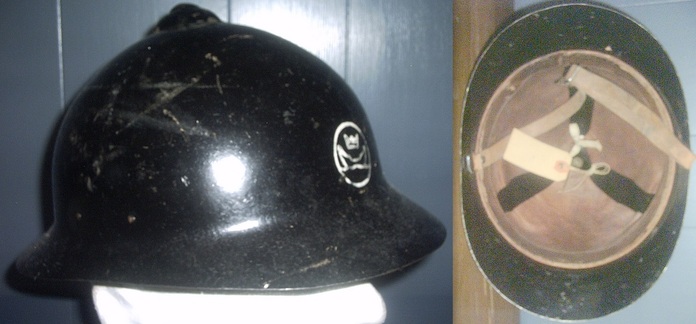
They were often repainted in grey or black for use by Finnish Civil Defense and Fire units after their short-lived frontline service (1918-1920). Some used by the White Guard during the Finnish Civil War had a letter "F" painted on the front.
Small numbers also found their way into Polish and Czechoslovak armies via Soviet distribution in the 1920s and 30s. 

Sohlberg M17-18 

Picture
Picture
Picture

Picture
​KP-31 SMG and ECO M18 ear cut-out helmet. Photo: SA-Kuva.
​
By the start of the Winter War on November 30, 1939, Finland had acquired approximately 80,000 to 95,000 WWI-era German-style helmets. At the absolute start of the Winter War (November 1939), Finland had virtually zero German WWII-model (M35) helmets in frontline service.

Between 1919 and 1926, Finland bought massive quantities of surplus from Germany and France. This included the German M16/M18 and Austro-Hungarian M17. These were the helmets the Finnish "Summer Boy" and reservists carried into the trenches in November 1939.

Finnish German made M40/55 Helmet

Picture
Picture
Picture
Picture
​The Finnish M55 (or M40/55), which was part of a specific contract placed by Finland in 1955.
While Finland used original German M35/M40 helmets during the war, the vast majority of "German-looking" helmets found in Finnish surplus today were actually manufactured new in West Germany during the mid-1950s. 
To replenish their stocks after the war, Finland bypassed the restrictions on military exports by ordering these through the West German firm Hans Römer Fabrik (located in Neu-Ulm).

​These shells were manufactured using original WWII-era M40 stamping machinery. This is why they have the "German" shape and the rolled edge, but they are technically post-war production.
Like the wartime M40, the ventilation holes are stamped directly into the shell, not inserted as separate bushings.
The steel used in the 1955 contract is often slightly thinner or of a different manganese composition than wartime Krupp steel, though it still provided excellent protection.


Instead of the wartime codes (like ET, qvl, or EF), the M55 shells are often unmarked or have very faint, different stamps.
The split pins (rivets) are often placed slightly differently to accommodate the Finnish M55 liner, which uses a unique internal suspension system.
The "SA" Stamp. While both wartime and post-war helmets have the [SA] (Suomen Armeija) stamp, the M55 post-war versions usually have it stamped onto the leather of the liner rather than into the steel of the shell.
The M55 factory paint is typically a smooth, dark "grey-green" or "olive-drab," whereas wartime German paint was often more textured or a different shade of Feldgrau.

Picture
SVT-38 rifle.

Finnish M40 - 63 Helmet

Picture
Picture
Picture
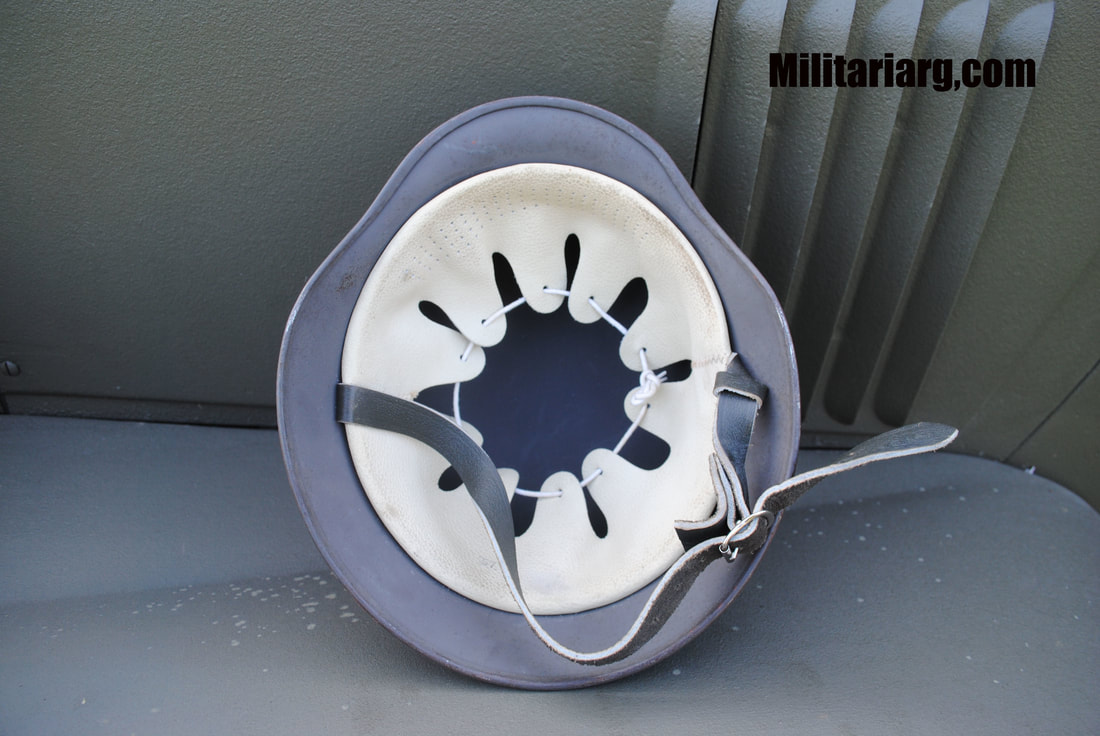
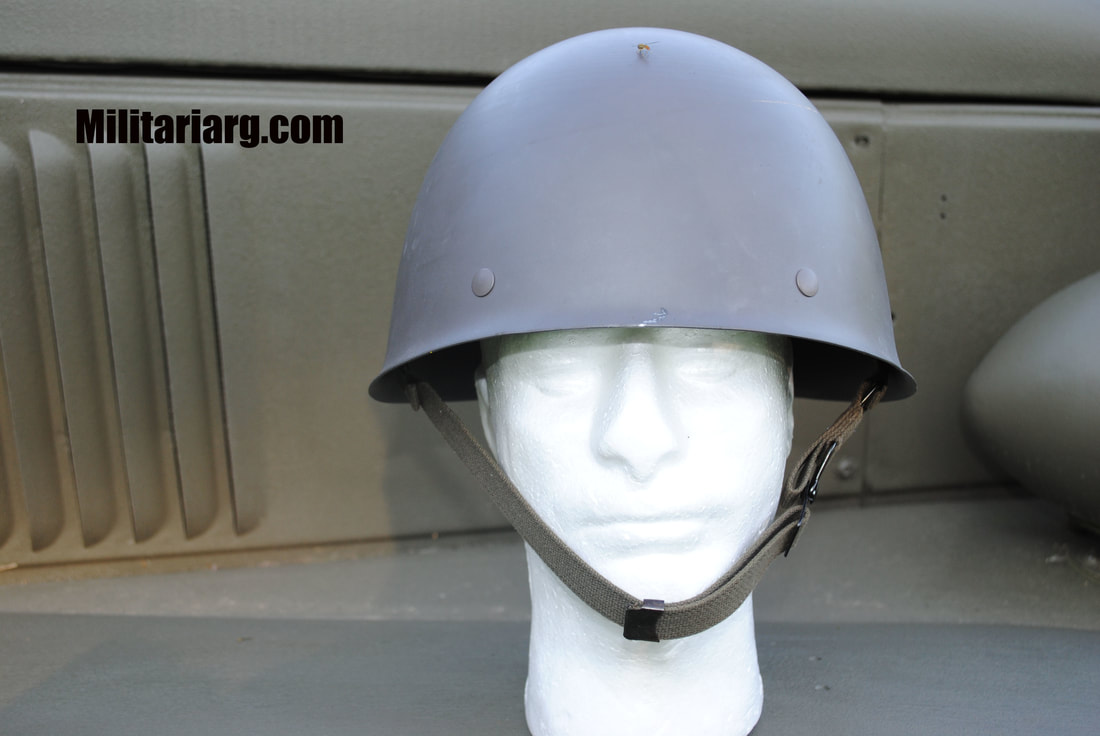
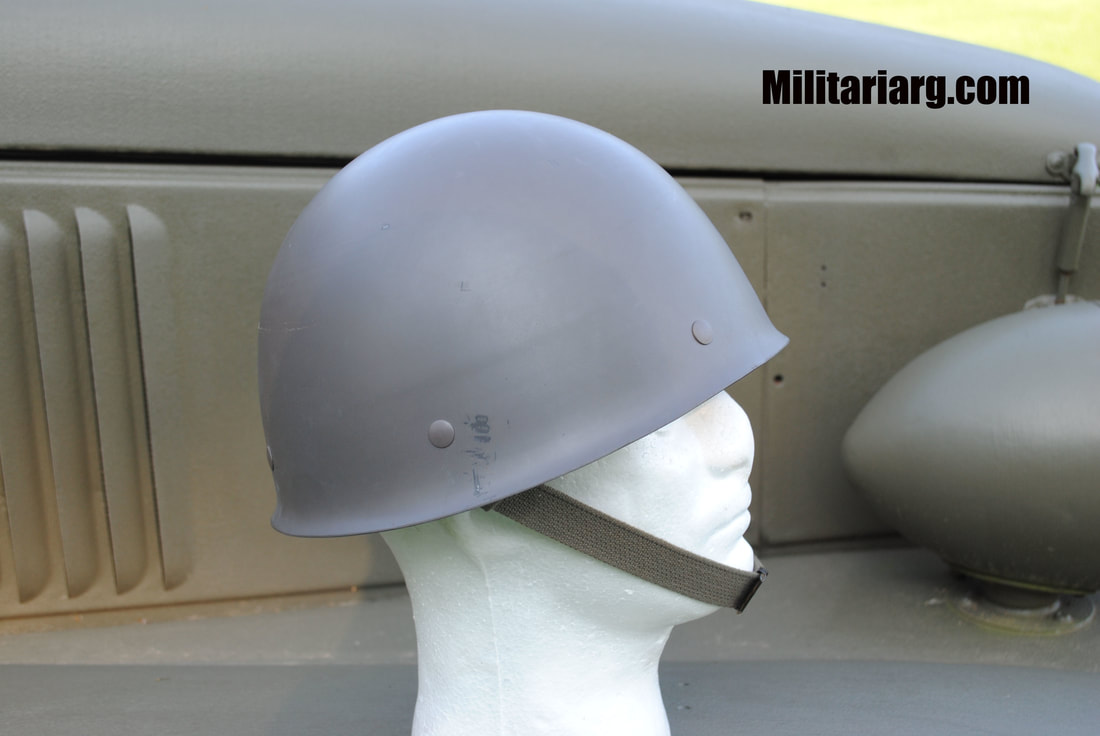
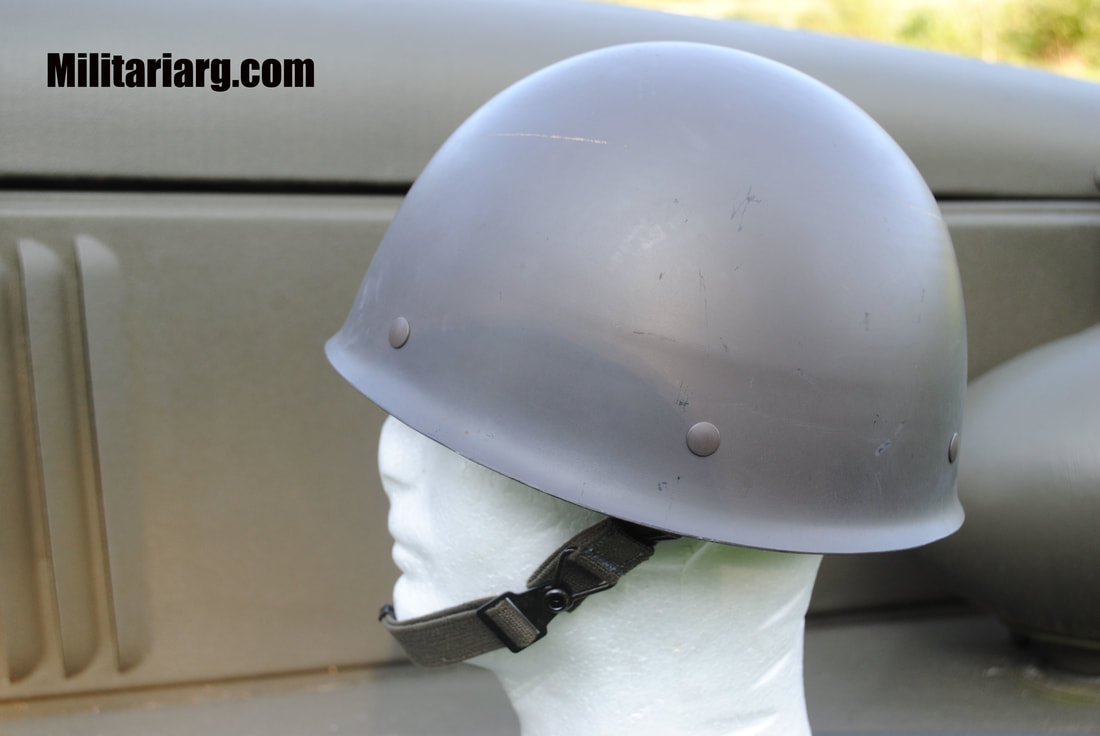
This is the licensed Finnish copy of the Swedish M37, manufactured domestically in Finland by Wärtsilä. 
 M40/62: This specific designation refers to the M40 Wärtsilä shell that was retrofitted with a modernized, comfortable canvas webbing suspension system (inspired by the U.S. M1 helmet liner, as previously discussed).

The Finnish-manufactured version of the Swedish M37 helmet, produced under license in Finland, is officially known as the
Finnish M40 helmet (or sometimes referred to by its manufacturer code as the "W" helmet).
Here are the key details about this domestically produced helmet:

The helmets were produced by the Finnish metal company Wärtsilä, primarily at their Helsinki factory. You can often find a prominent "W" stamp inside the shell.
It is a direct copy of the Swedish M1937 helmet manufactured by Eskilstuna, adopting its rounded, high crown and relatively small, straight brim.
Manufacturing began in 1940 to rapidly equip Finnish troops during the Continuation War.

The initial version used a traditional three-pad leather liner system.
 Post-War Refurbishments.
Like most Finnish surplus, these helmets went through several modernization programs after WWII. The most notable update created the M40/62 variant.
       
Picture
​In 1962, these M37 Swedish shape shells were updated with the type Riddell M1-style webbing (the "H-frame" suspension). M62 is the year the new liner standard was adopted for this specific shell type.

The M40/63 (German Shape)
This refers to the German M40 style (either WWII leftovers or the 1955 West German contract).
These were refurbished in 1963 with the same modernized webbing system as the M40/62, but fitted into the "Stahlhelm" shell.
    
Identification: 
If you see a Finnish helmet with an M1-style liner:
If it looks like a Swedish M37, it's an M40/62.
If it looks like a German M40, it's an M40/63.

Finnish M40 (the licensed copy of the Swedish M37) was modernized in the 1960s with a webbing suspension system heavily inspired by the American M1 liner. While original WWII-era Finnish M40 and Swedish M37 helmets used a three-pad leather liner, post-war updates replaced them with more stable systems. 

Finnish M40 vs. M62 Liner

The Finnish version of this "M1-style" update is often associated with the M62 helmet designation.
The updated liner moved away from leather pads to a canvas webbing suspension that looks nearly identical to the internal cradle of a post-WWII U.S. M1 liner.

Unlike the original leather pads that were riveted individually, the modernized Finnish liner was often attached using a single rivet at the top (crown) or a simplified plastic frame system.
You can tell the difference between the Swedish and Finnish "M1-style" updates by the mounting frames inside the shell:

Swedish M37/70: Typically uses three plastic frames (two V-shaped and one H-shaped) to hold the webbing.
Finnish M40/62: Uses two H-shaped plastic frames. 

The transition to an M1-style liner was common among NATO-aligned and neutral European countries in the 1950s and 60s because it was more stable during movement and allowed for better ventilation than the old "rustic" leather pads. 

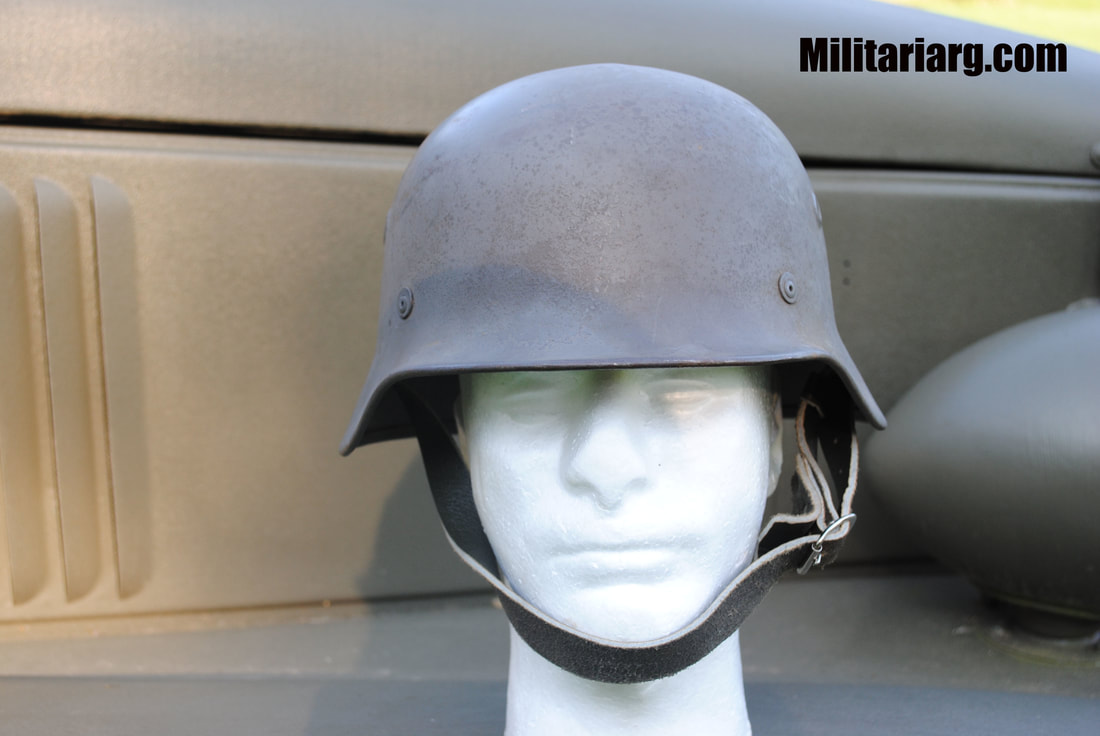
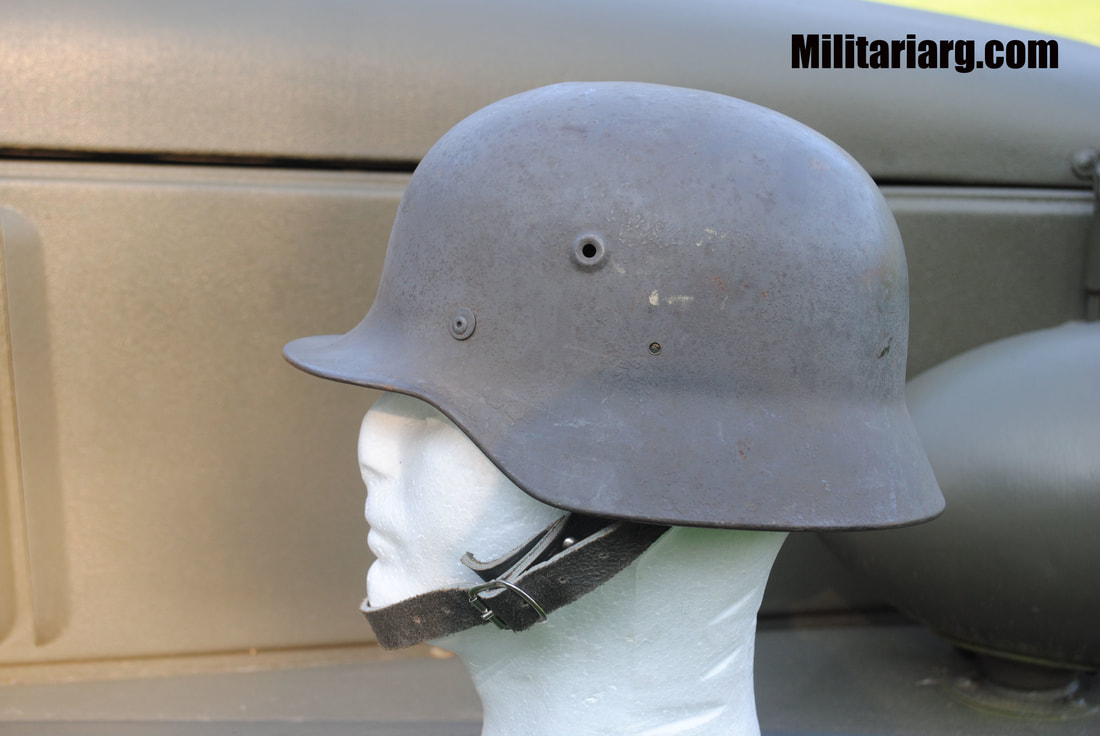
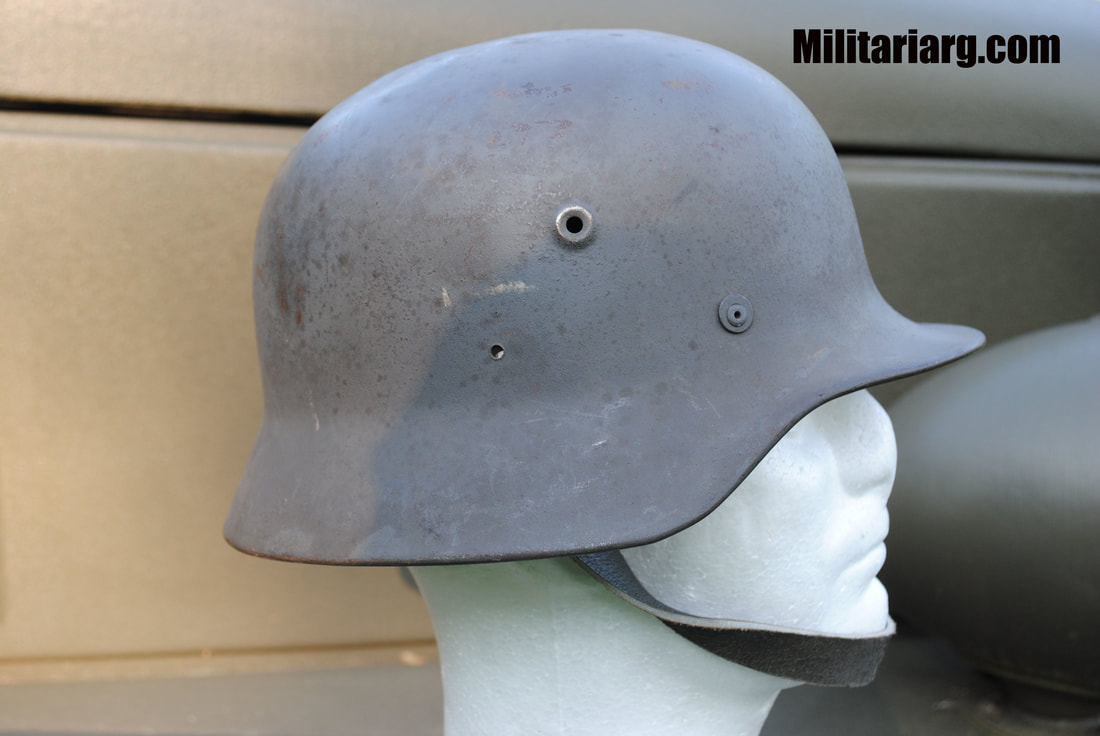
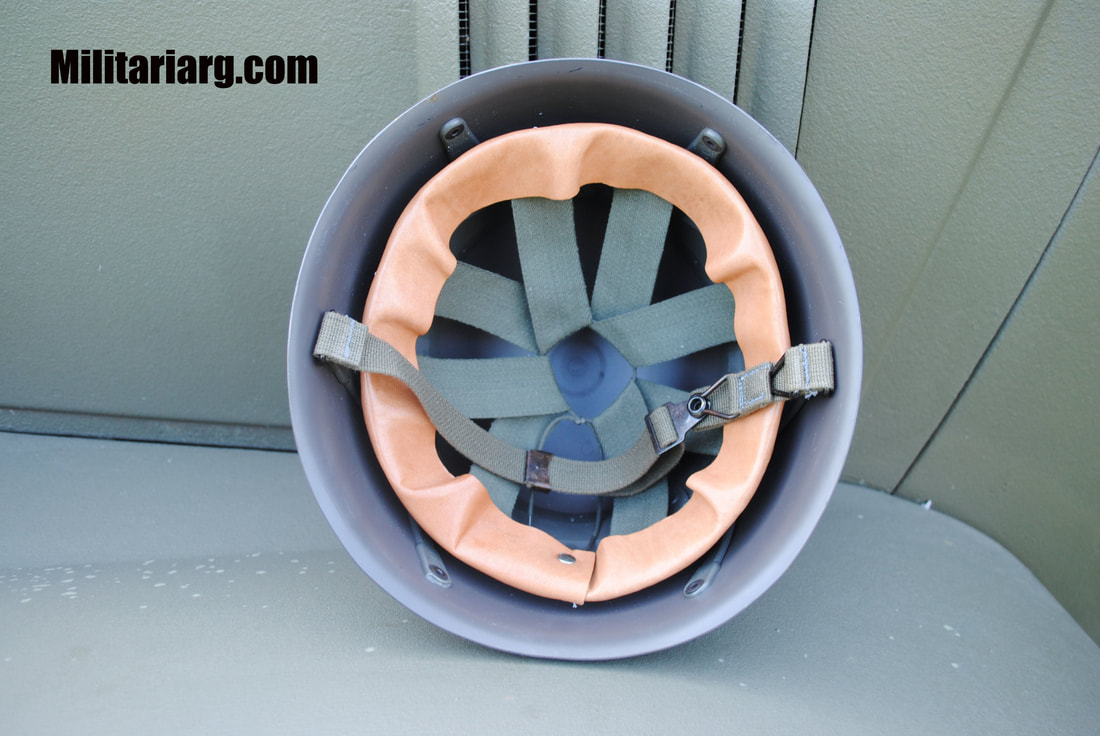
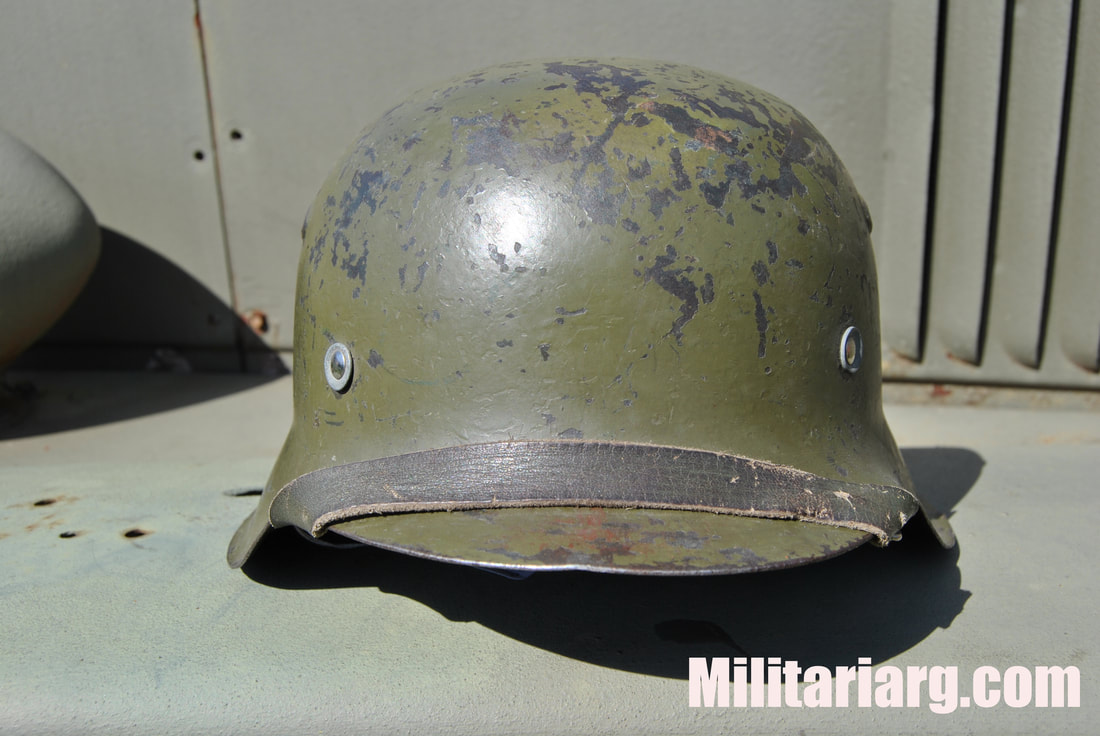
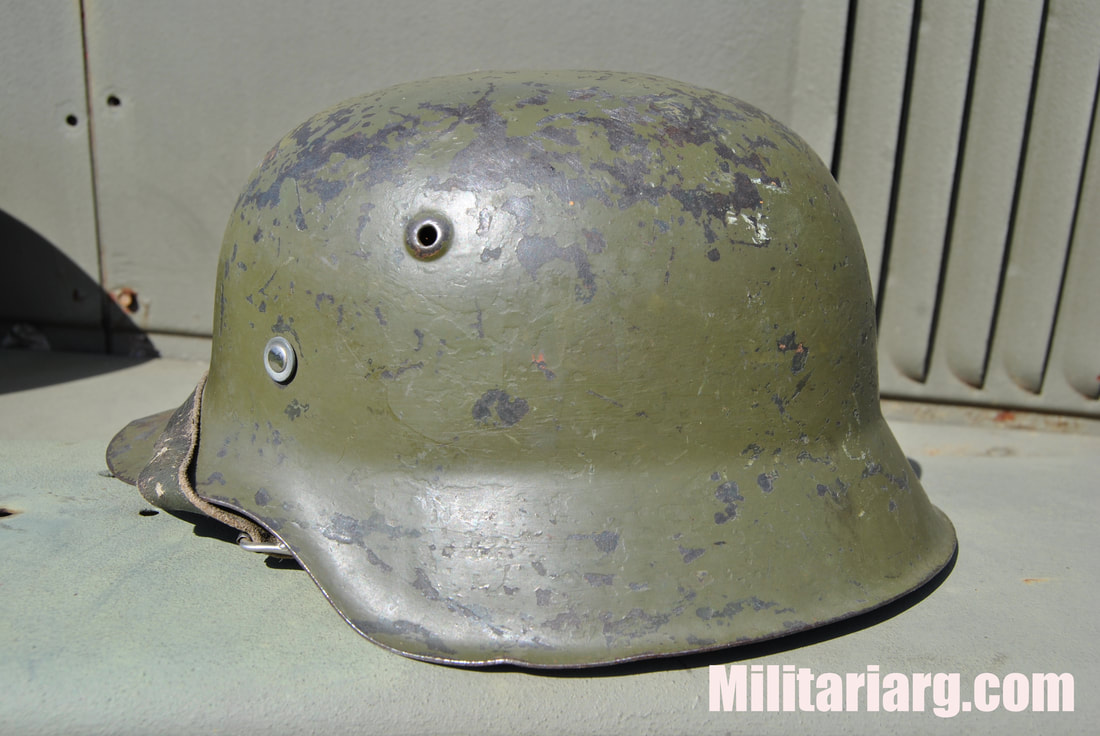
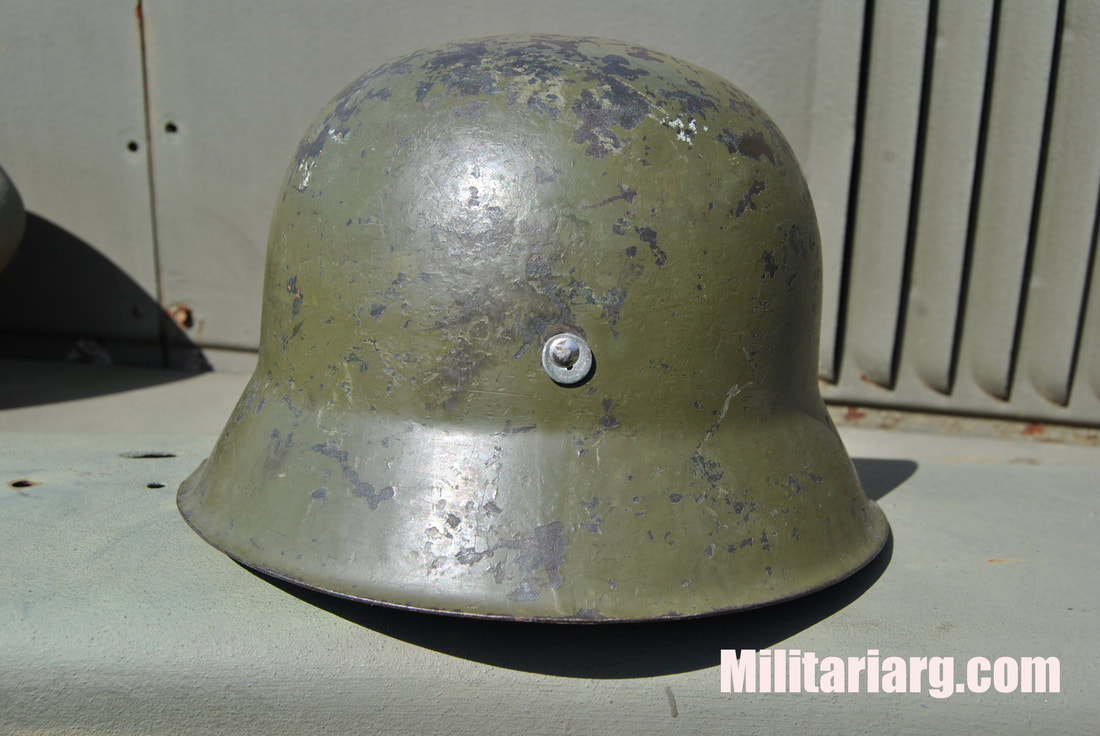
M42 (HKP) WW2 German Helmet Post War Finnish Reissued. "Artic Green".
Picture
Picture
Picture
Picture
Picture
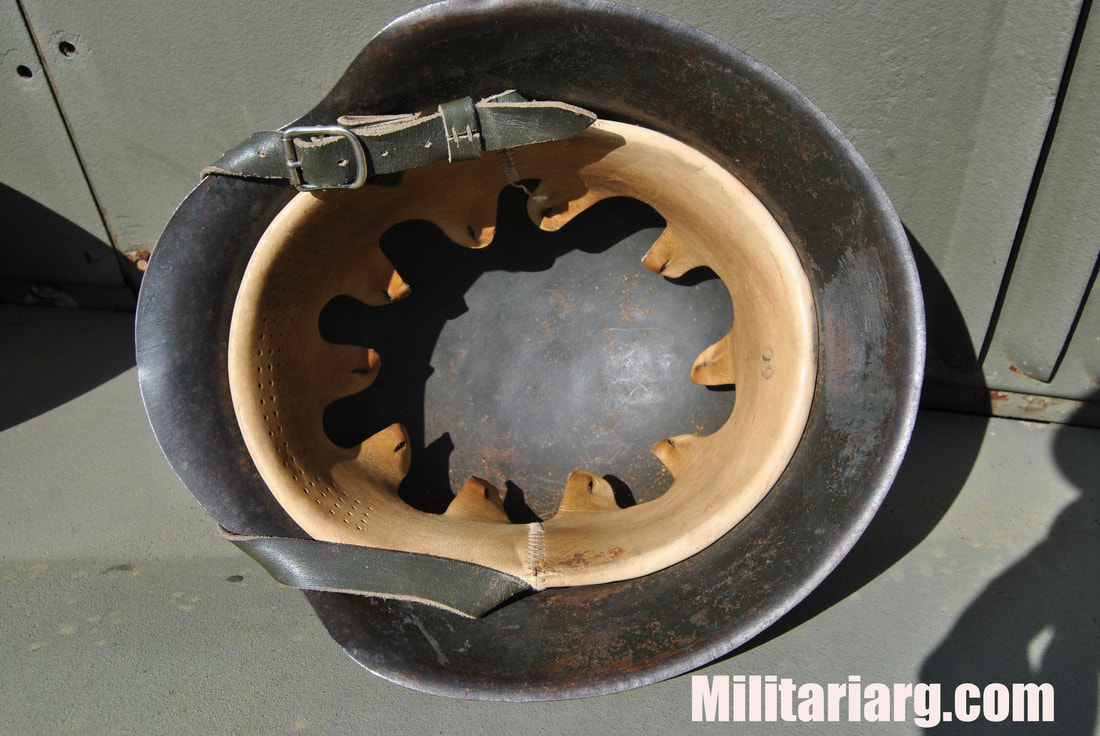
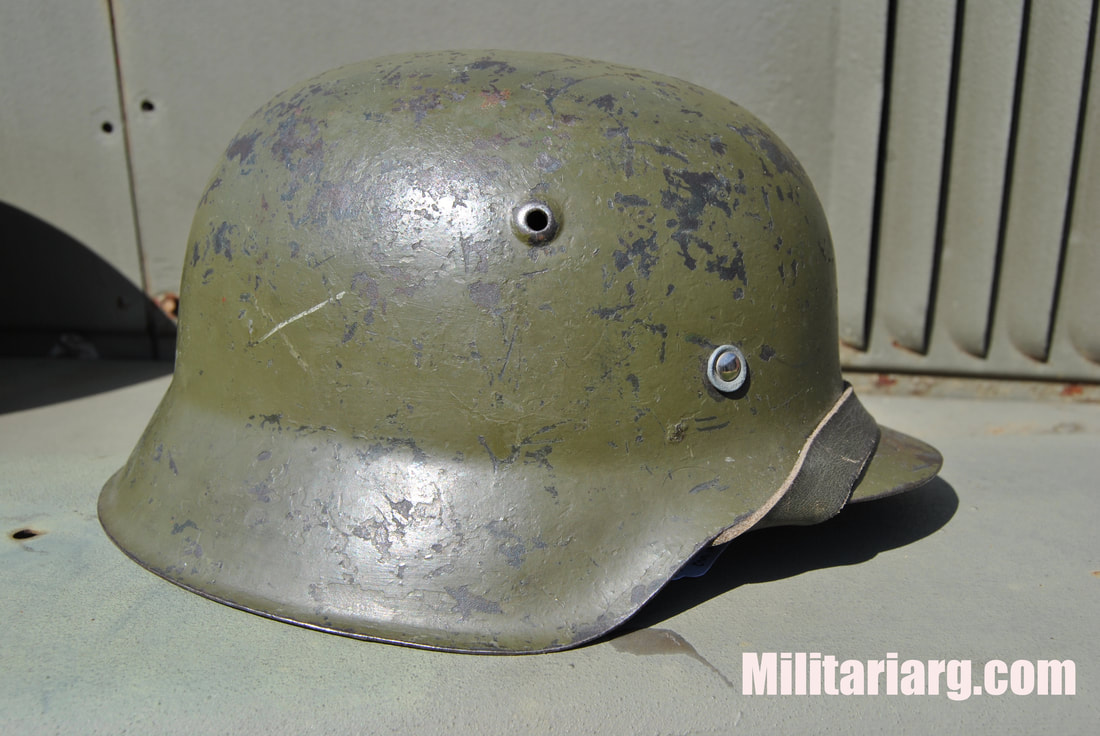
German-made M35, M40, and M42 helmets were reissued after WWII, they often received a unique "Arctic Green" (also called "Forest Green" or "Taiga Green") finish, (The Post-War "Arctic Green" Reissue). This specific paint color was part of the M55/M63 refurbishment program. The goal was to camouflage the soldier in the dense, dark coniferous forests of Finland.

The color was chosen specifically for the Finnish landscape. In the dim light of northern winters and deep forests, the darker green blends better than the lighter German shades. The dark hue is less reflective under moonlight or flares compared to the "cement" grey found on many original German shells.

Unlike the original German Feldgrau (which had a grey-blue or pea-green tint), the Finnish Arctic green is a much darker, saturated olive-green. It often has a matte or semi-gloss finish. Many of these reissues were "smooth" painted, but some workshops added a rough texture (sawdust or sand) to the paint to prevent glare in the low Arctic sun.
When they were repainted Arctic Green, the original German leather liners were almost always stripped out and replaced with the Finnish M55 leather liner or the M63 webbing suspension. You will almost always find the [SA] stamp on these helmets, often stamped directly over the new green paint or onto the new liner.

​During the Continuation War (1941–1944), Germany supplied Finland with approximately 25,000 to 30,000 original M35 and M40 helmets. These are among the most prized items for collectors because they represent a direct link between the Wehrmacht and the Finnish Defense Forces (FDF).


Powered by Create your own unique website with customizable templates.