19th Century Fatigue Caps:
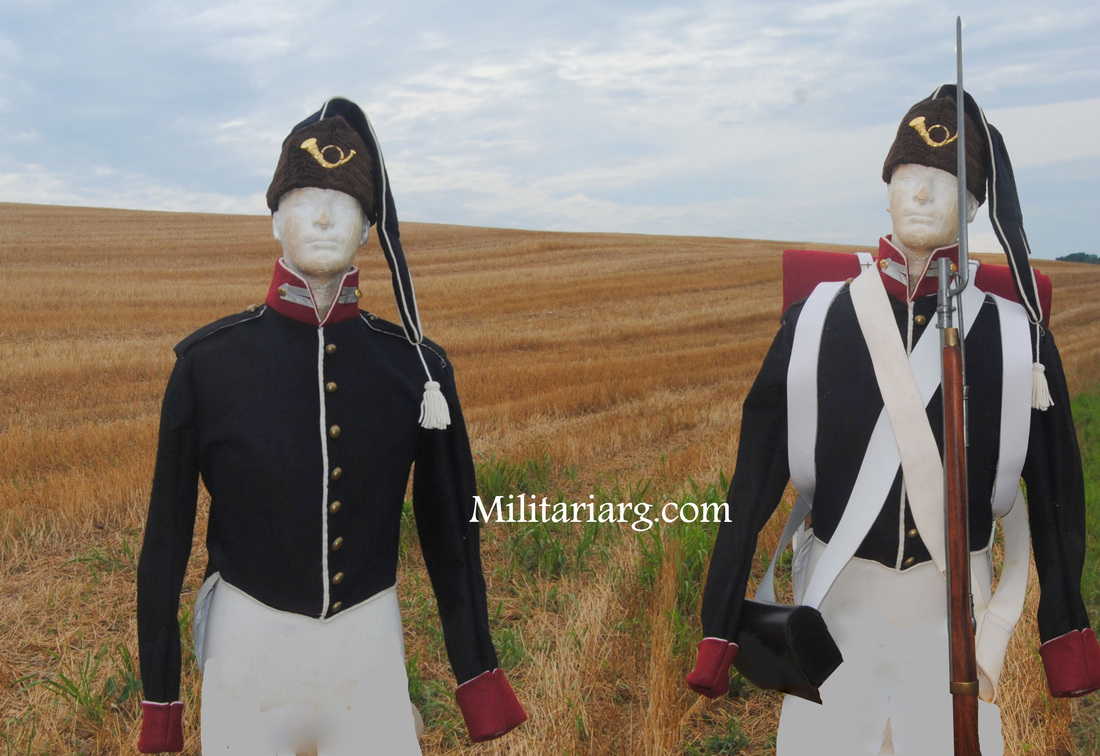
Independence War era: 11th Line Infantry Regiment 1814 (Regimiento 11 de Infanteria General las Heras), Reproduction of the uniform and equipment.
Fatigue caps have a long history rooted in practicality, first appearing in the 18th century as comfortable, informal options for soldiers performing manual labor, as a substitute for their formal, expensive dress headwear
The British Army was among the first to issue simple, soft cloth caps to soldiers for "fatigue duties" (manual labor, cleaning camp, etc.). These caps were often made from leftover uniform material and protected the main, more elaborate dress hats (like the tricorne or shako) from wear and tear. The terms "fatigue cap" and "forage cap" were used interchangeably, the latter stemming from the use by cavalrymen when "foraging" for food for their horses.
The style evolved significantly in the 1800s. The French kepi and the U.S. Army's M1858 forage cap (which was based on Austrian designs) became standard field wear during the American Civil War. These offered a vast improvement in comfort over heavy felt or leather shakos and were easy to store.
The foldable, crownless "overseas cap" (or "side cap") was introduced as a practical alternative for troops in Europe, as it could be easily stowed in a pocket when wearing a steel combat helmet.
World War II (Garrison Cap and Patrol Cap):
The overseas cap was widely adopted as the standard "garrison cap" in the U.S. Army for everyday wear outside of combat zones.
The U.S. Army also developed the M1943 field cap (the predecessor to the modern "patrol cap"), a soft cap with a stiff brim that was more suitable for field conditions and provided better sun protection than the garrison cap.
Post-WWII to Present: Fatigue caps continued to evolve with the changing needs for utility and camouflage:
The M1951 patrol cap was a staple during the Korean War.
Later versions, such as the boonie hat for jungle environments and the modern patrol cap in various camouflage patterns (like the Army Combat Uniform's pattern), have served as practical, everyday field headwear.
In essence, fatigue caps have always been about practicality and comfort, a contrast to the often elaborate and uncomfortable formal headwear of the past.
The British Army was among the first to issue simple, soft cloth caps to soldiers for "fatigue duties" (manual labor, cleaning camp, etc.). These caps were often made from leftover uniform material and protected the main, more elaborate dress hats (like the tricorne or shako) from wear and tear. The terms "fatigue cap" and "forage cap" were used interchangeably, the latter stemming from the use by cavalrymen when "foraging" for food for their horses.
The style evolved significantly in the 1800s. The French kepi and the U.S. Army's M1858 forage cap (which was based on Austrian designs) became standard field wear during the American Civil War. These offered a vast improvement in comfort over heavy felt or leather shakos and were easy to store.
The foldable, crownless "overseas cap" (or "side cap") was introduced as a practical alternative for troops in Europe, as it could be easily stowed in a pocket when wearing a steel combat helmet.
World War II (Garrison Cap and Patrol Cap):
The overseas cap was widely adopted as the standard "garrison cap" in the U.S. Army for everyday wear outside of combat zones.
The U.S. Army also developed the M1943 field cap (the predecessor to the modern "patrol cap"), a soft cap with a stiff brim that was more suitable for field conditions and provided better sun protection than the garrison cap.
Post-WWII to Present: Fatigue caps continued to evolve with the changing needs for utility and camouflage:
The M1951 patrol cap was a staple during the Korean War.
Later versions, such as the boonie hat for jungle environments and the modern patrol cap in various camouflage patterns (like the Army Combat Uniform's pattern), have served as practical, everyday field headwear.
In essence, fatigue caps have always been about practicality and comfort, a contrast to the often elaborate and uncomfortable formal headwear of the past.
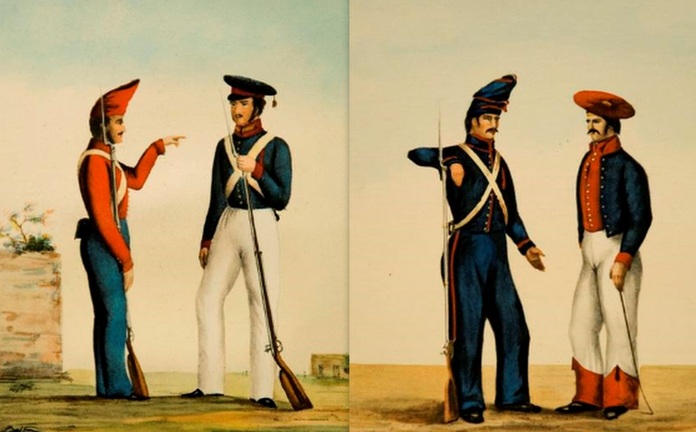
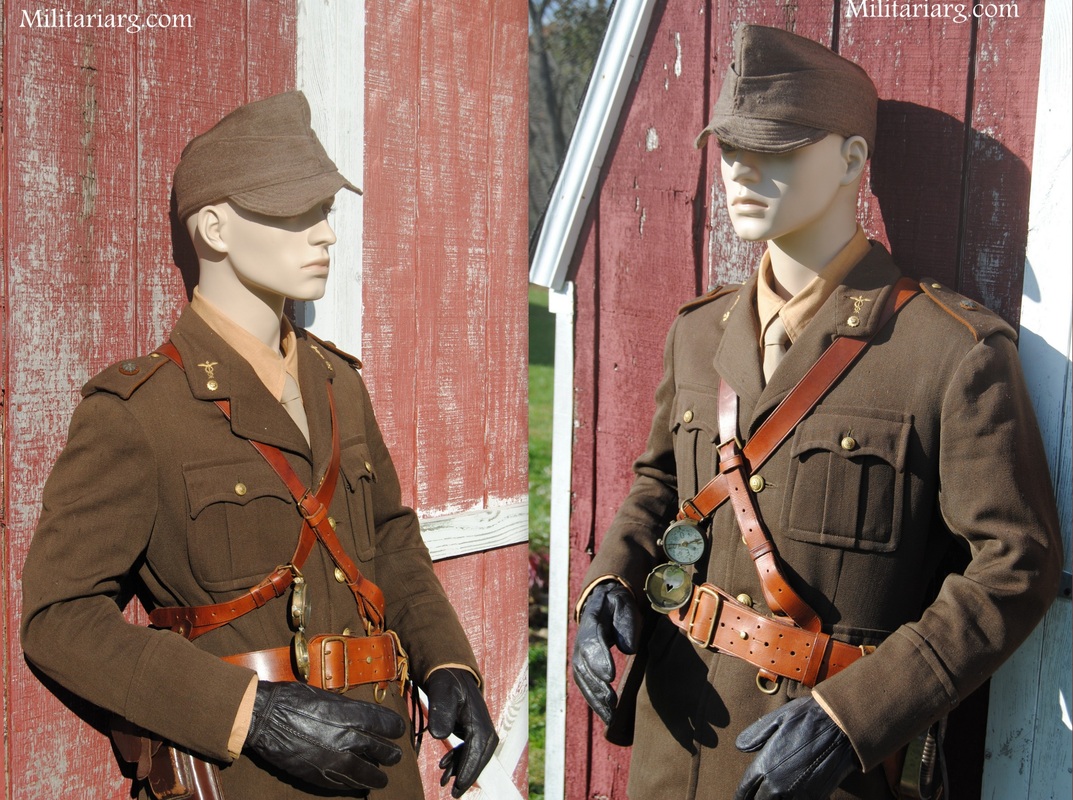
Argentine Confederation era: Type "Miter" cap, :Gorro de manga and wheel forage cap "Gorra pastel"
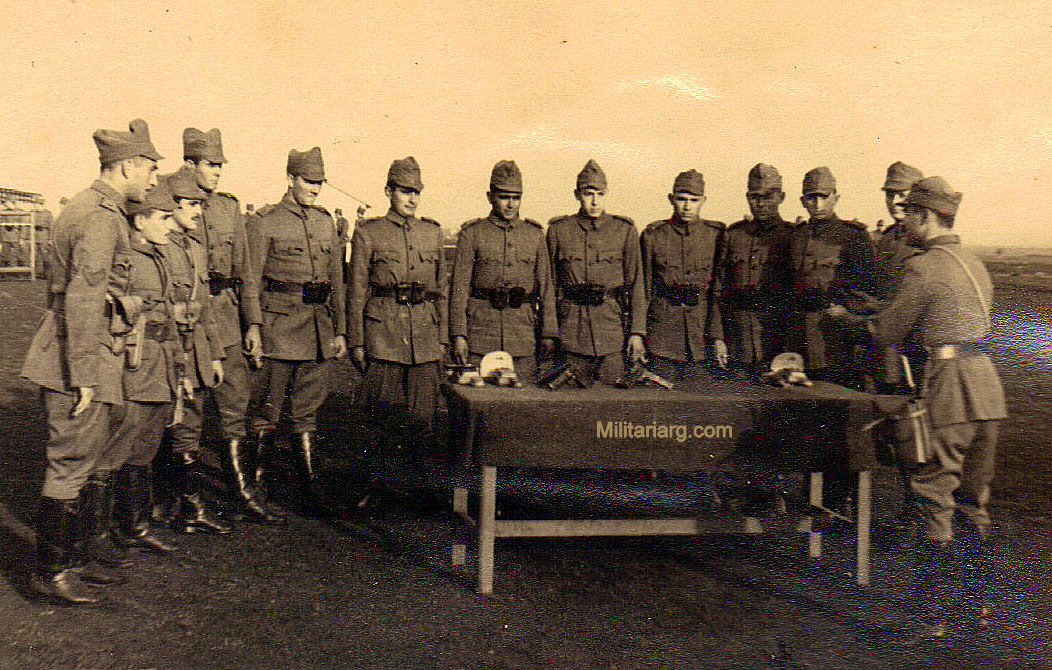
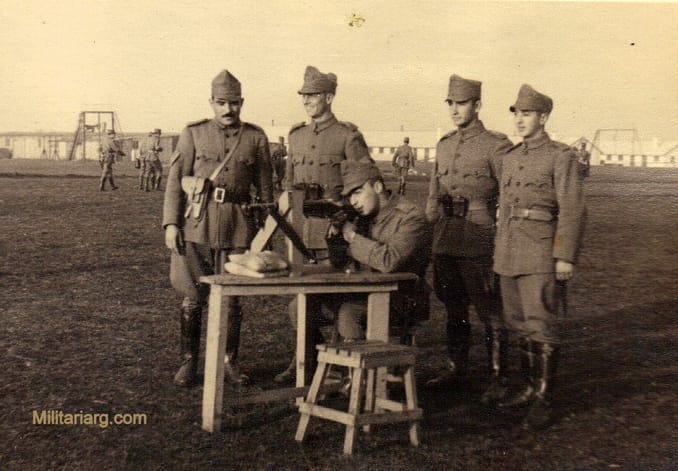
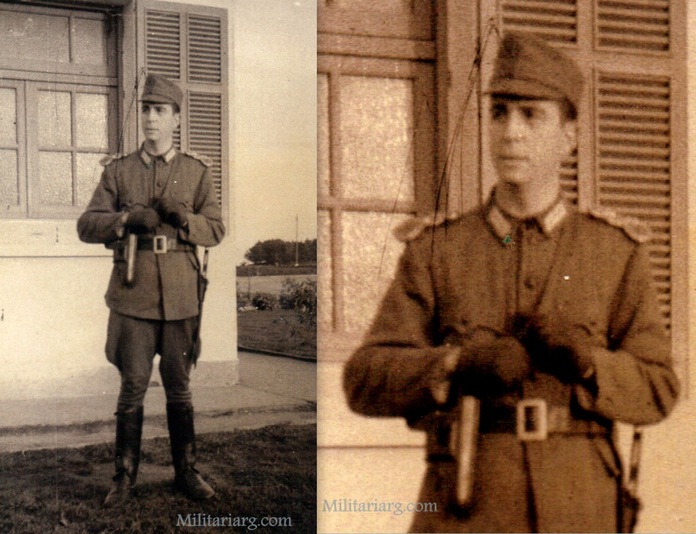
Fatigue Caps, Further caps and winter caps
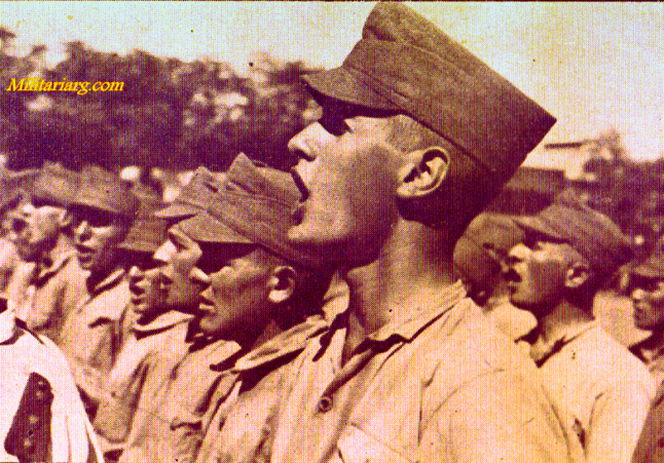
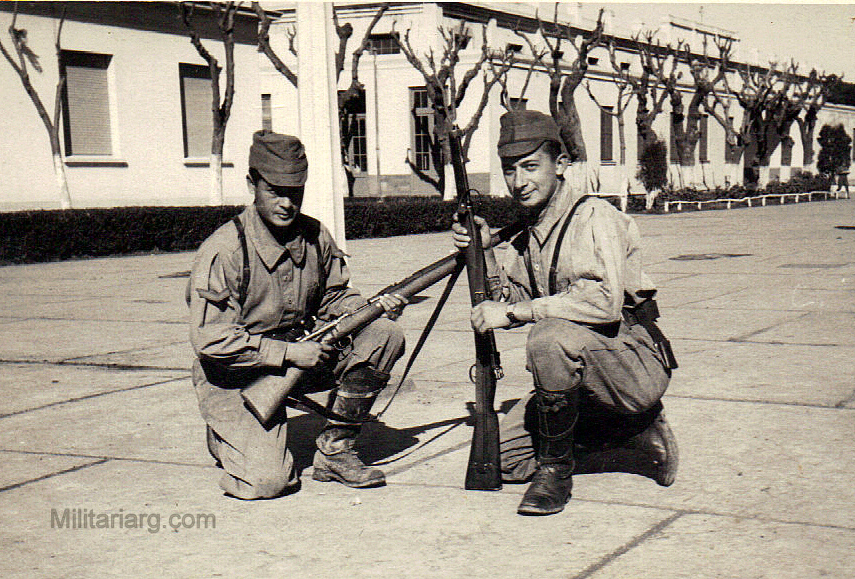
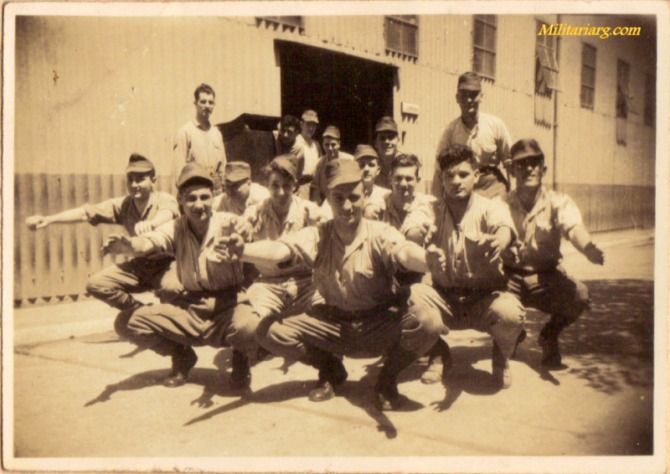
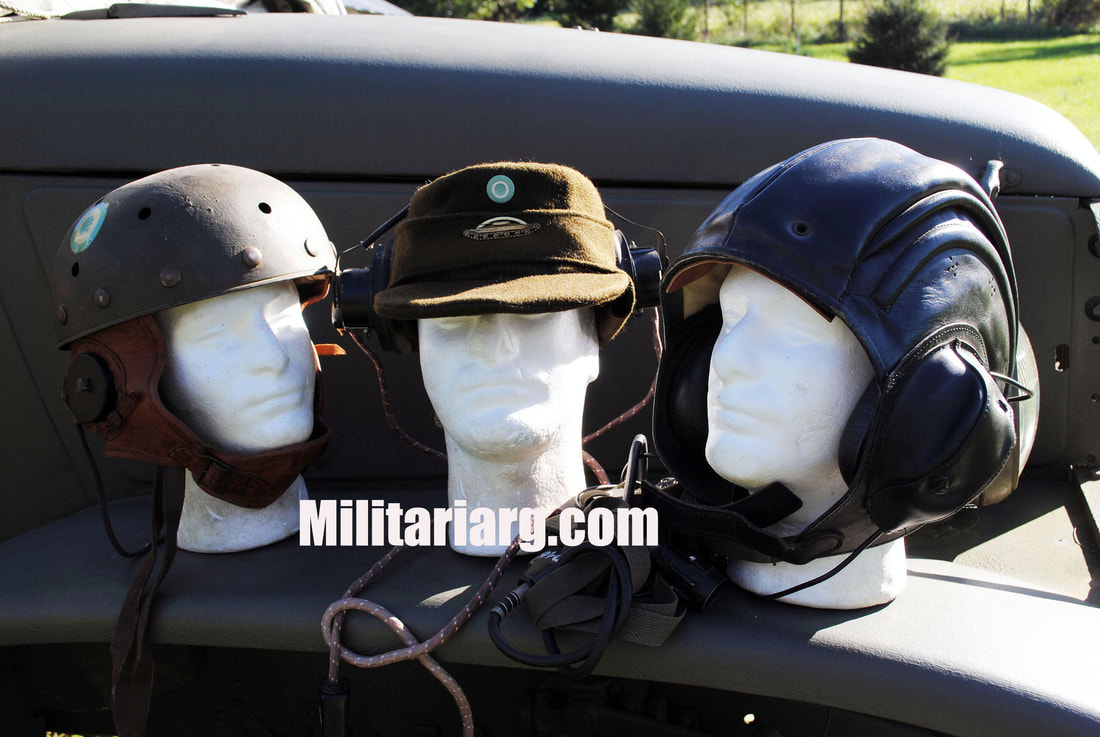
Happy tank crew in a comical pose in the early 1950s. Observe the fatigue cap which came in a light brown. The shirts are sand colored and the pants are brown.
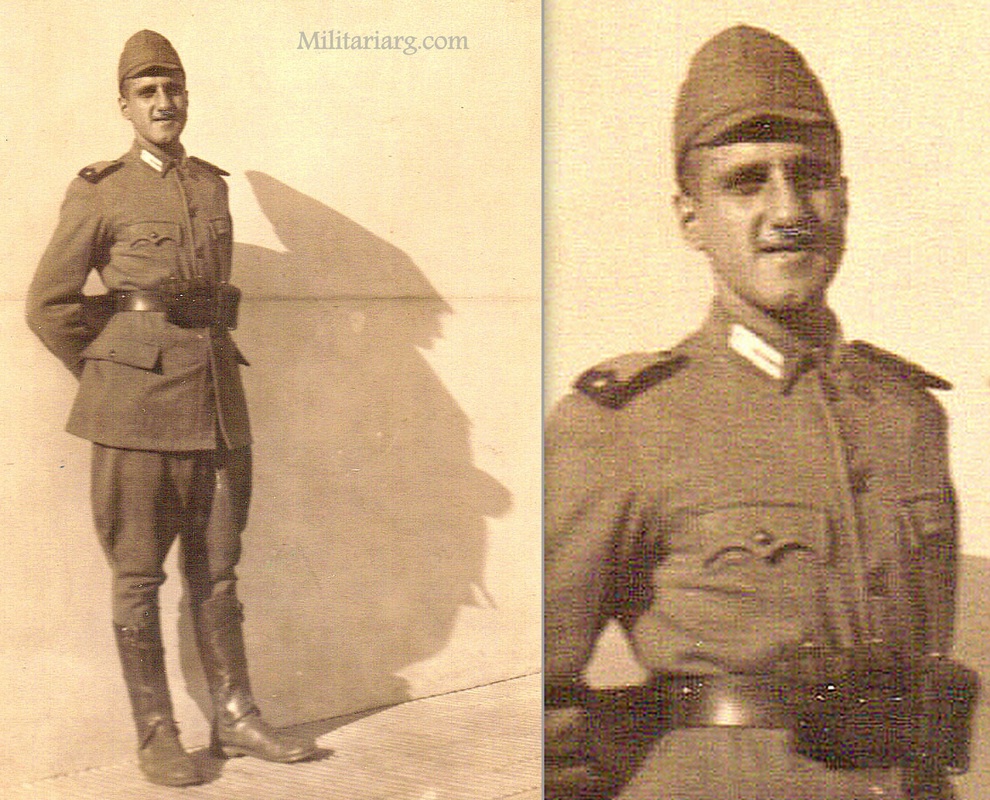
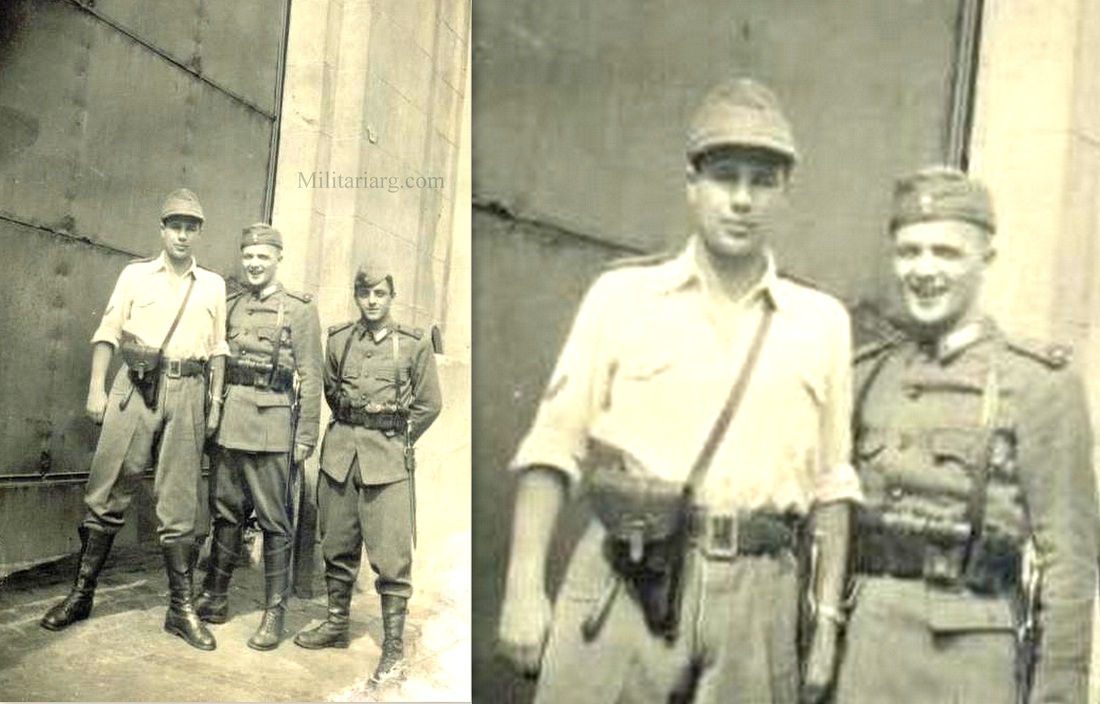
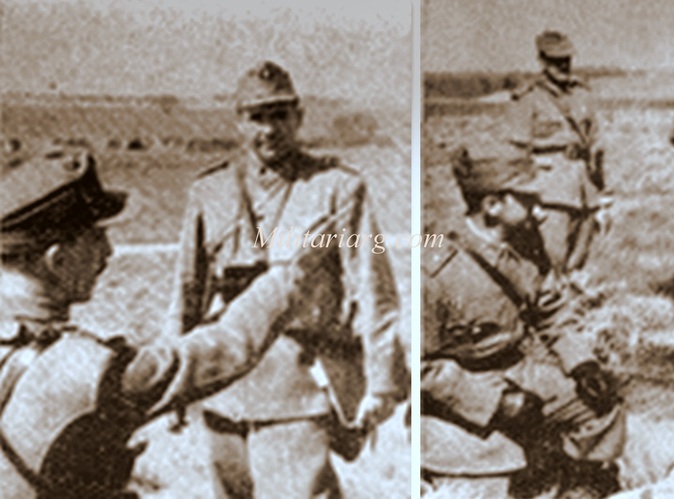
Mountain cap.
Argentine version of the feldmutze M43 in earthy color. The cap has Argentine ski glasses and an unknown condor badge. The Argentine Andinian soldiers also used glass snow goggles in blue and orange. For those interested in Argentine mountain troop reenactments from the 1940s, it is easy to get replicas of the feldmutze M43.
Mountain caps closed with hooks and buttons.
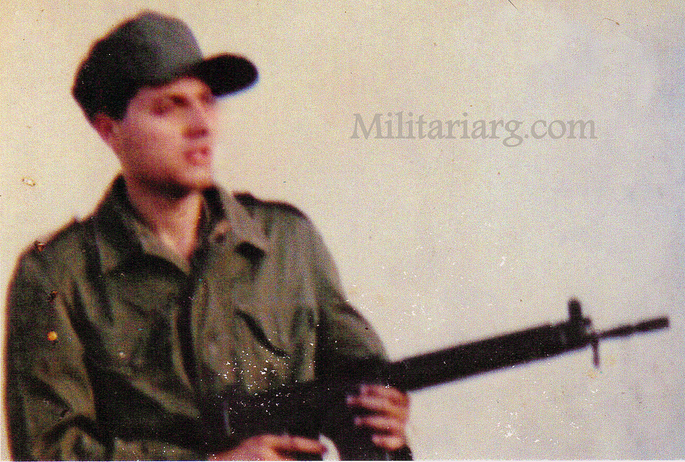
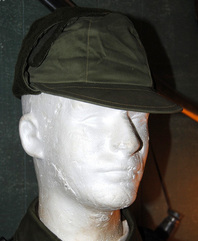
This is the olive green winter fur hat made in Argentina in the 1970s. It is a sort of baseball cap with ear covers which became famous during the Malvinas War. The design allowed it to be used with the steel helmet in cold areas.
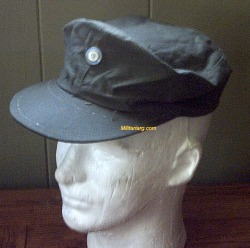
Argentine version of the hot weather cap in olive green. This cap was called a "casquete" from the French word "casquette". The hat to the left was called the "casquete cerrado (closed)".
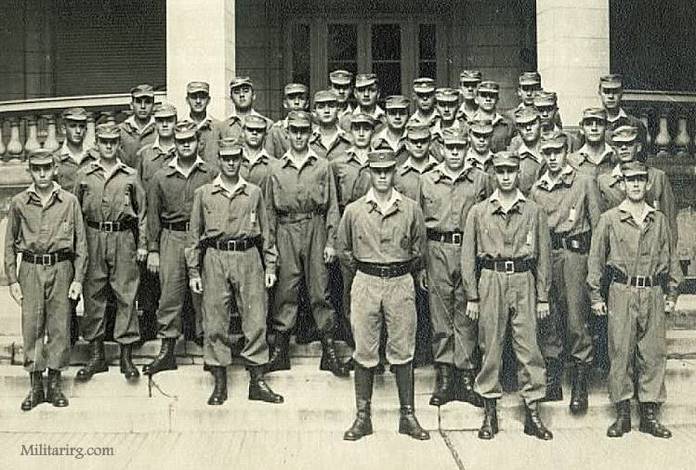
Clothing in Antarctica
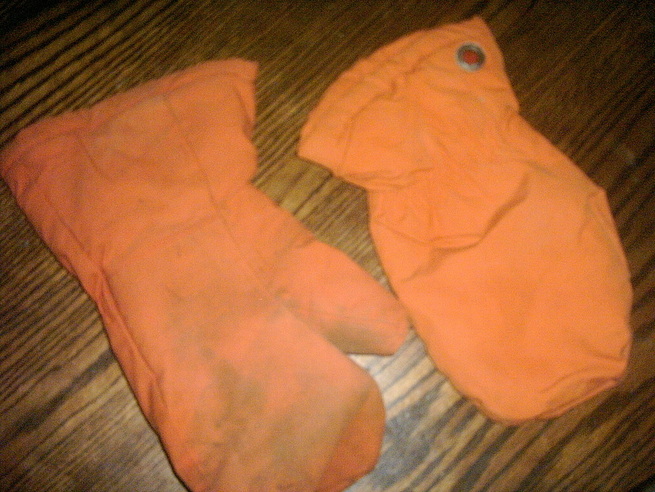
Antarctic Polar Gloves.
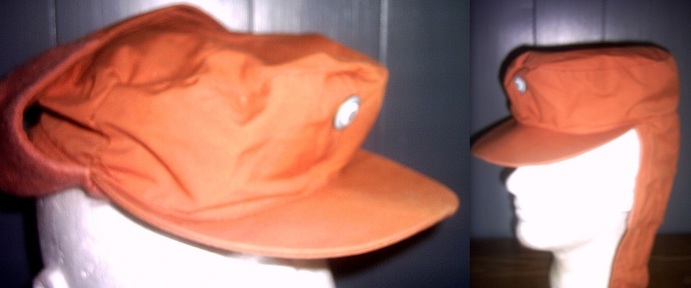
Winter Antarctic Further Cap.
Berets
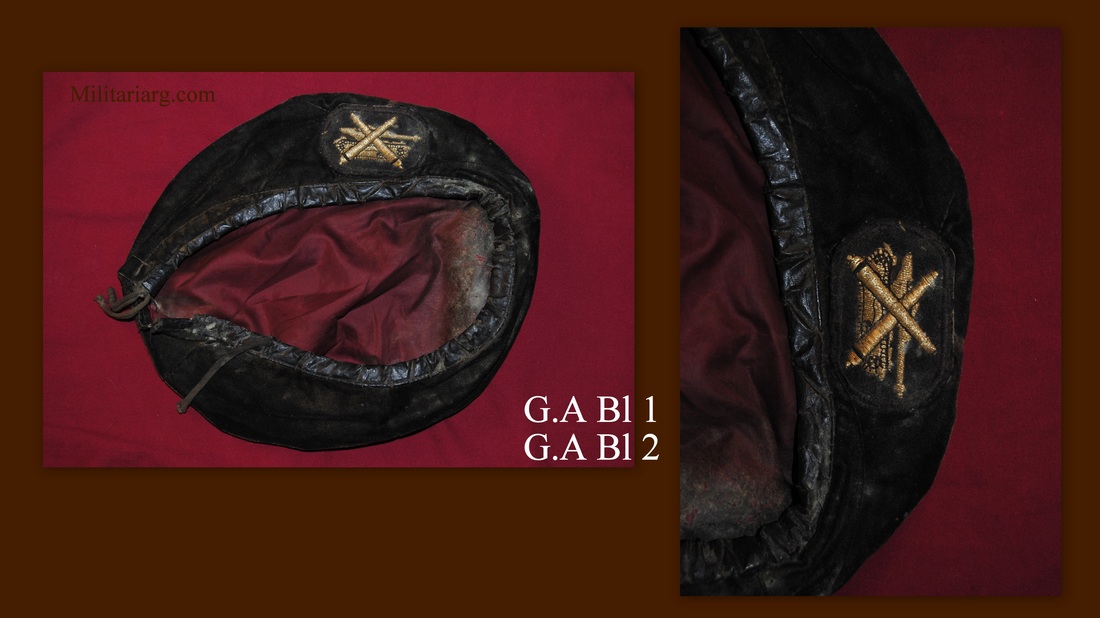
Armoured self-propelled artillery.
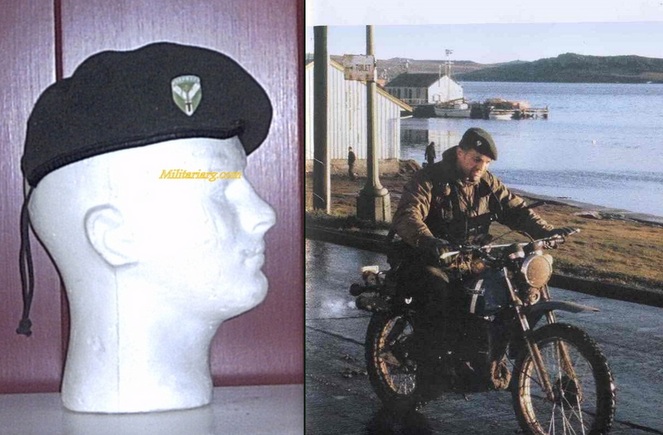
Green beret with a shield from the Special Forces