Militariarg.com
  • Home
  • Army
  • Aviation
  • Navy
  • Uniforms and Badges
  • Arms and Weapons
  • Equipment
  • Vehicles
  • Operational and Organizational Structure, Security Forces, Transportation, Books, Models and More.
  • Argentine Confederation Era. 1829 - 1852.
  • From 1852 to 1910 (French fashion)
  • Bunker 1982: South Atlantic War Militaria
  • International Militaria
  • Argentina WWII Era (Neutral) Reenactment Impression
  • Links ~ Enlaces
I started reading at a young age about the Italian Campaign in Russia (Eastern Front) during WW2. This is the reason for my interest in the relics. With the relics that contain names, I have tried to return them to their families and made very good friends in Italy.

Russian Front - Fronte Russo
Picture
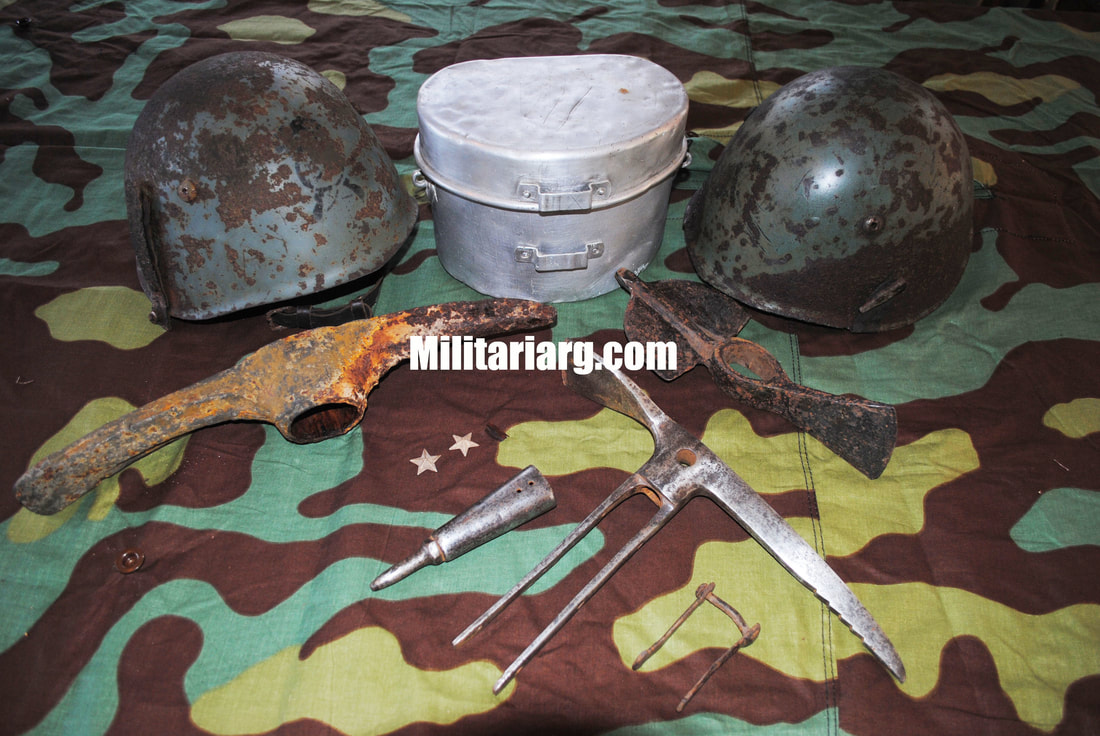
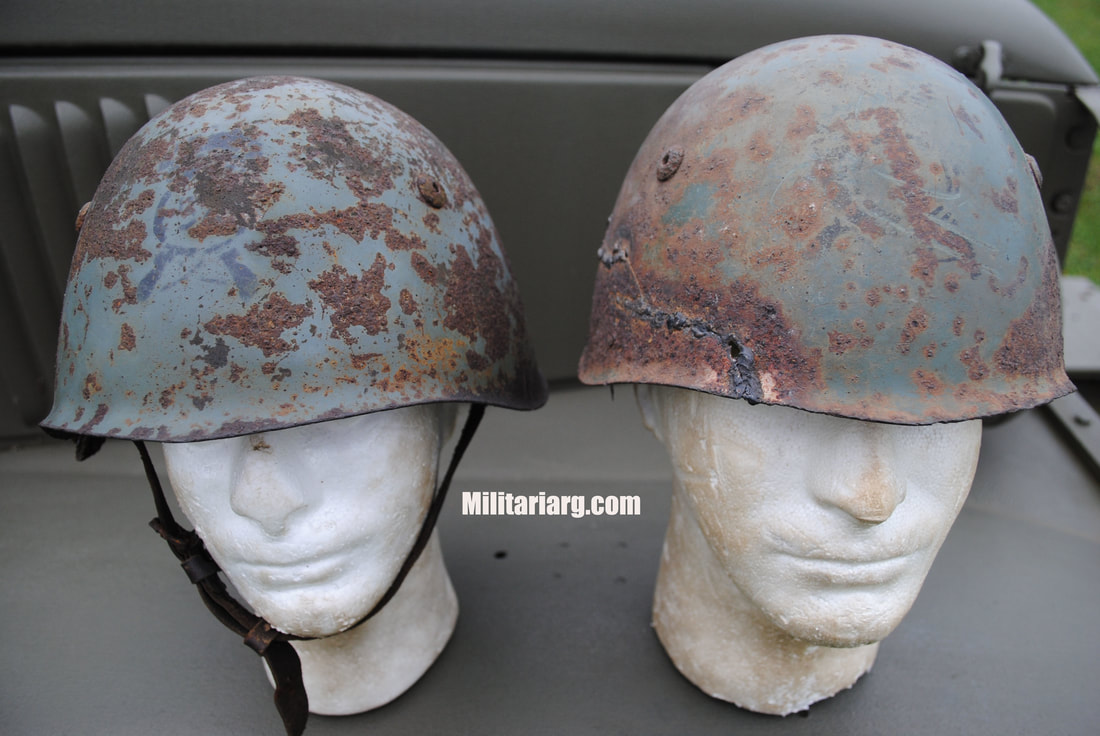
Various objects that belonged to the Regio Esercito, found in Russia. The helmet on the right probably belonged to the 54th Infantry Regiment of the Sforzesca Division, the one on the left is the infantry of the Alpini, found in the positions where the Alpina Division Julia was. The ice axes and mountain tools were found in Divisione Julia's positions, One is of Italian origin, used since the First World War. The ice ax is Italian or German, the pick, probably was Austro-Hungarian, a military or commercial alpine tool. This latter could have been material captured by the Italians during the First War and reused; Or it could also have been used in Russia by the Hungarian troops, since they shared with the Italians the same front of the Don River. The huge Italian mess-kit has a name, and the search is on for the veteran's relatives to give it to them
Picture
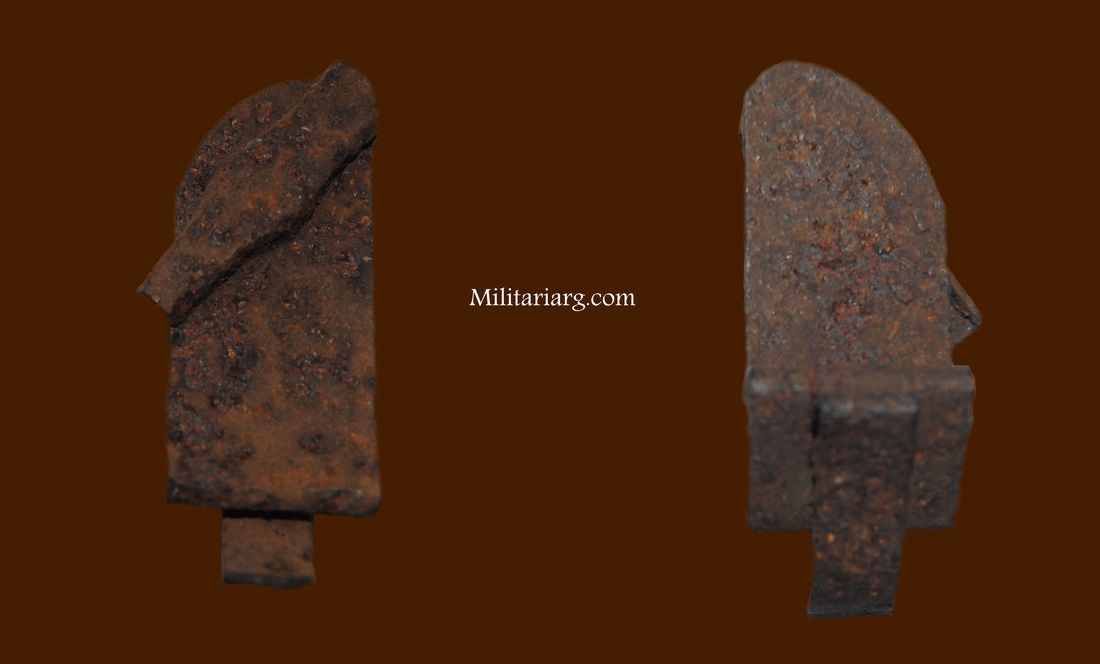
Eastern Front WWII Italian Alpini m33 Helmet Feather Holder, (Nappina Metallica) Relic found in Russia.

Picture
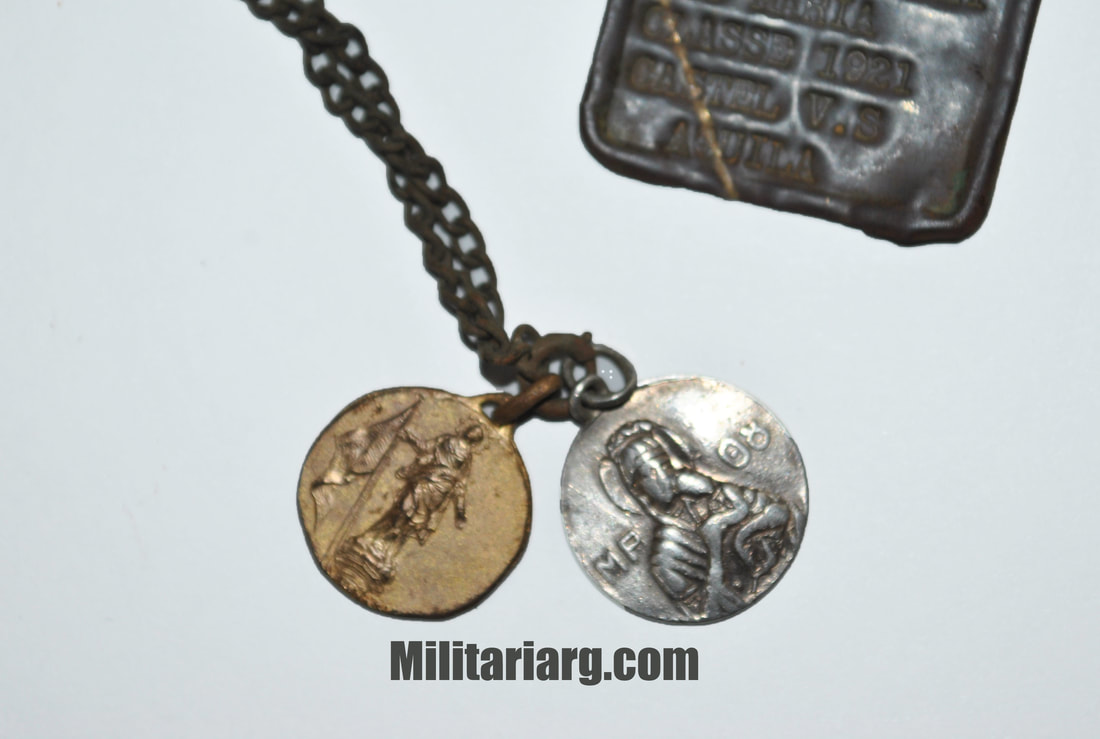
 Italian religious medals found in Russia. These medals are from "The Madoninna del Duomo from Milano".  This virgin was the protector of the Italian armed forces during WWII.  These medals were given by chaplains to the soldiers.  They were either used next to the dog tags or as a bracelet.  The medals were returned to the soldier's family in Italy along with the dog tag.
Picture
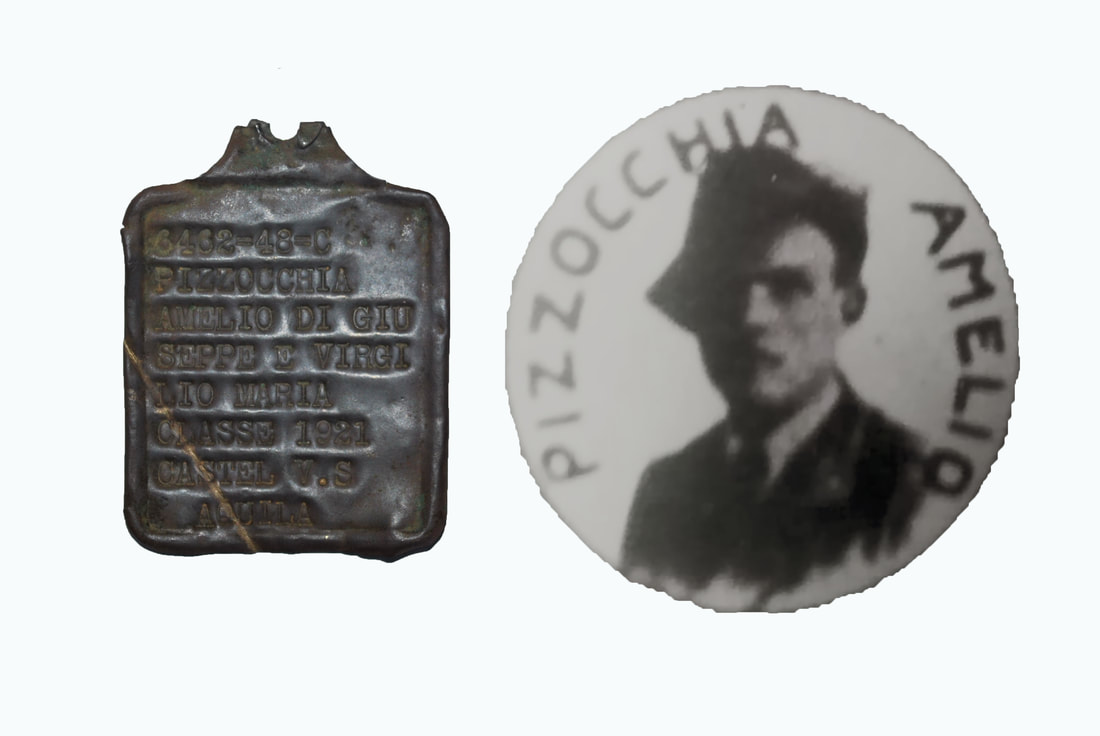
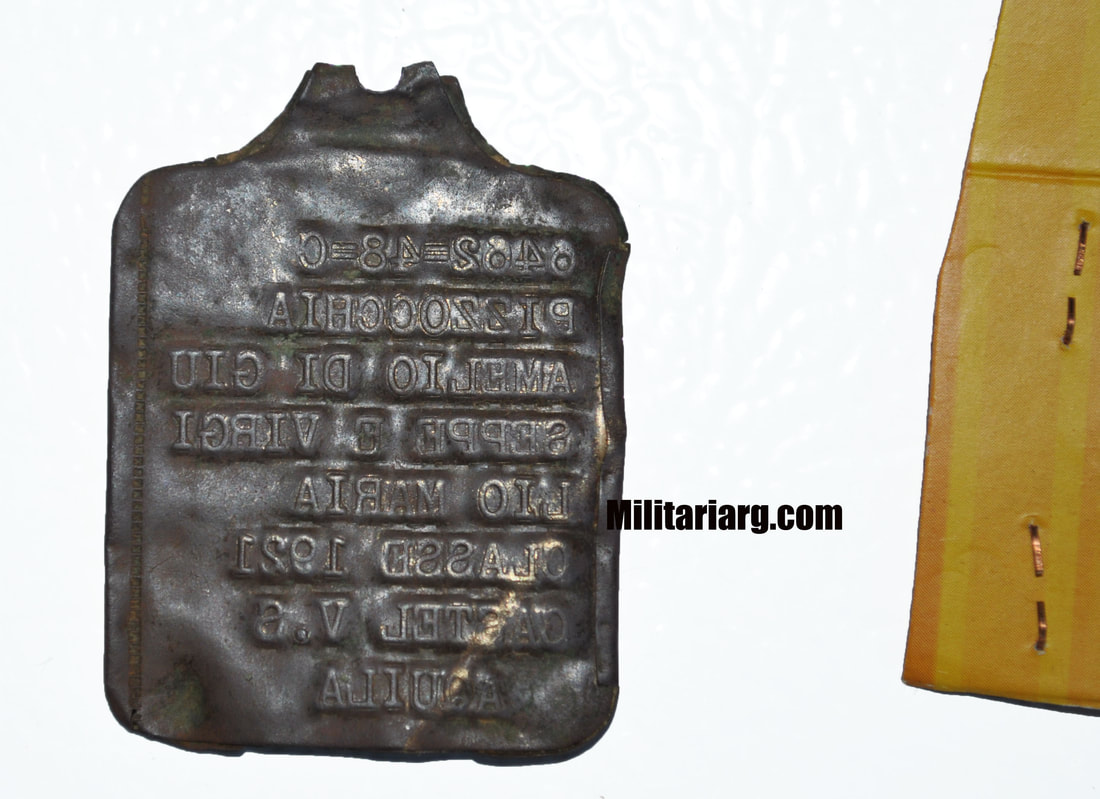
Recognition tag, commonly known as "Military Dog Tag". It had belonged to an Alpino soldier, born in 1921, and dead at 21 years old, in the Popovka combat between December 1942 and January 1943. He had belonged to the "Aquila Battalion",the same one from Julia Division that had already survived in Greece. The piastrina, as it is said in Italian, has been returned by the webmaster of this website to his relatives in Castelvecchio, province of L'Aquila together with the religious medals.
Picture
Amelio Pizzocchia was a Corporal Major in the 9th Alpini Regiment, "Julia" Division. He was declared MIA near Popowka, Russia, around January 21, 1943. The discovery of his remains and identification tag in a mass grave near the battlefield of Popowka provided definitive proof that he died there in January 1943. which confirmed his status as a soldier killed in action (KIA) on the Russian front.
Picture
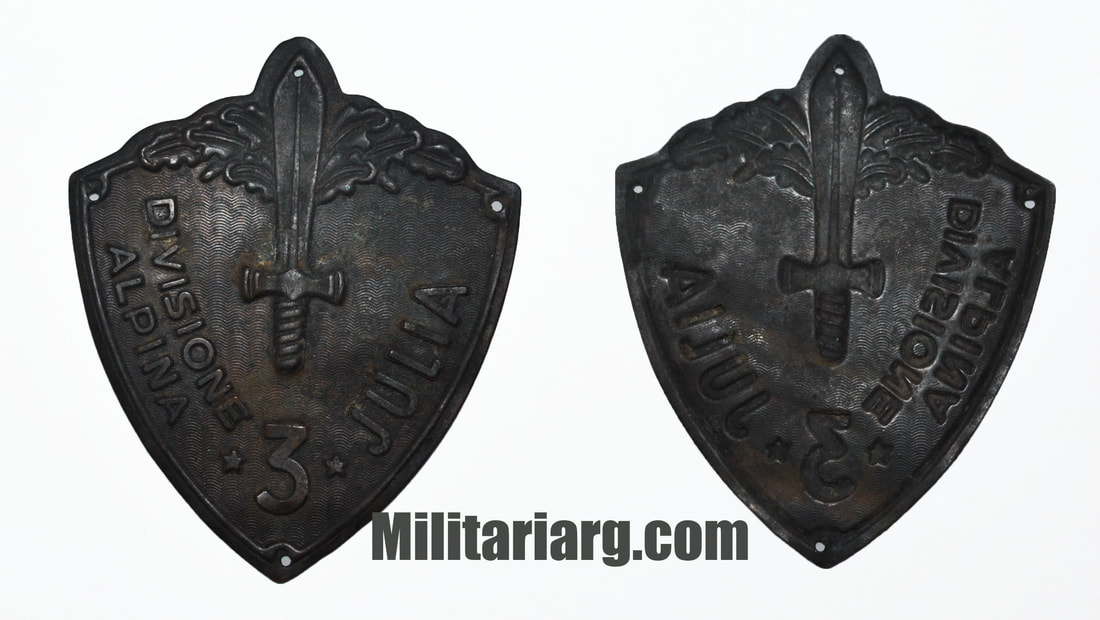
3rd Alpine Division Julia; Metal Arm Badge found in Russia.
Picture
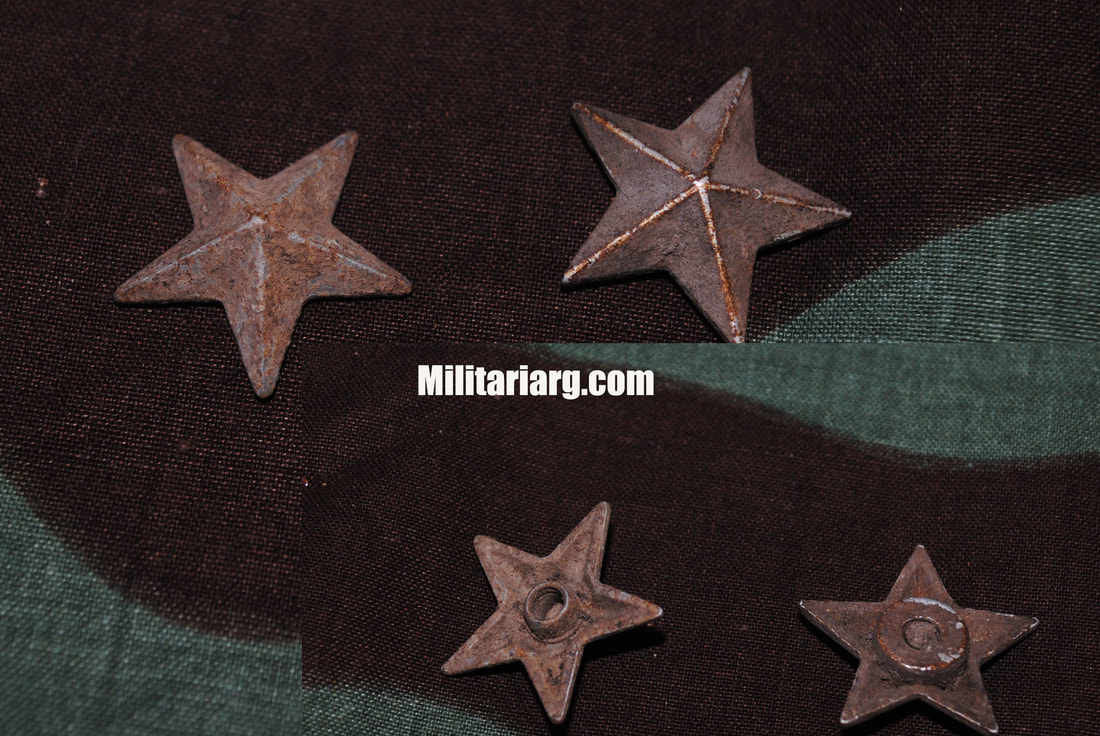
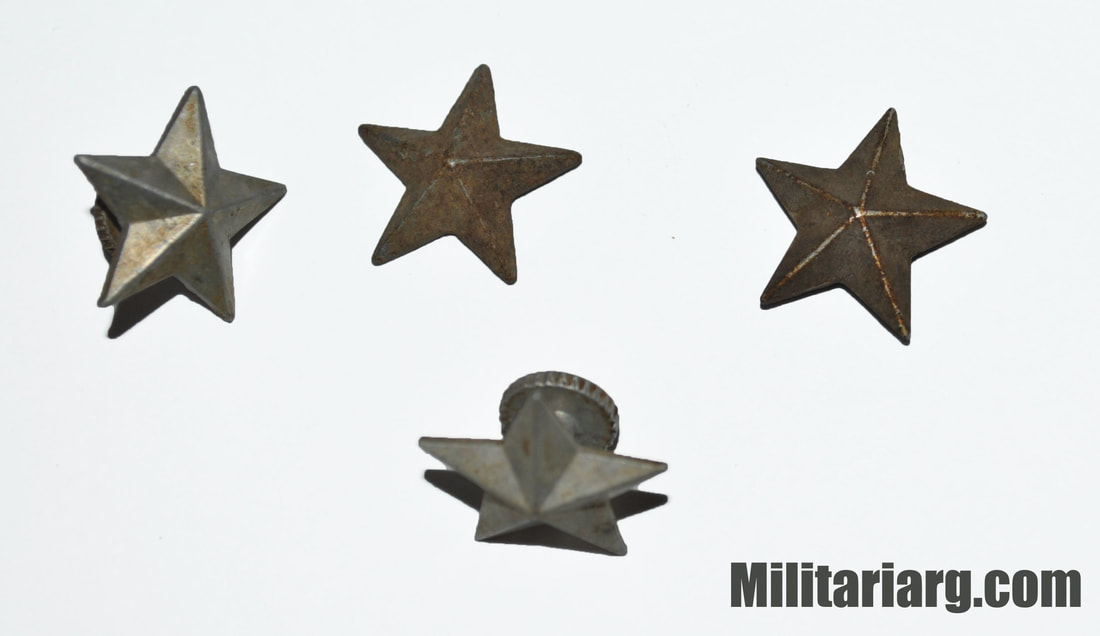
Alpini stellette (Collar Officer and Troops stars) found in Russia.
Picture
Picture
Picture
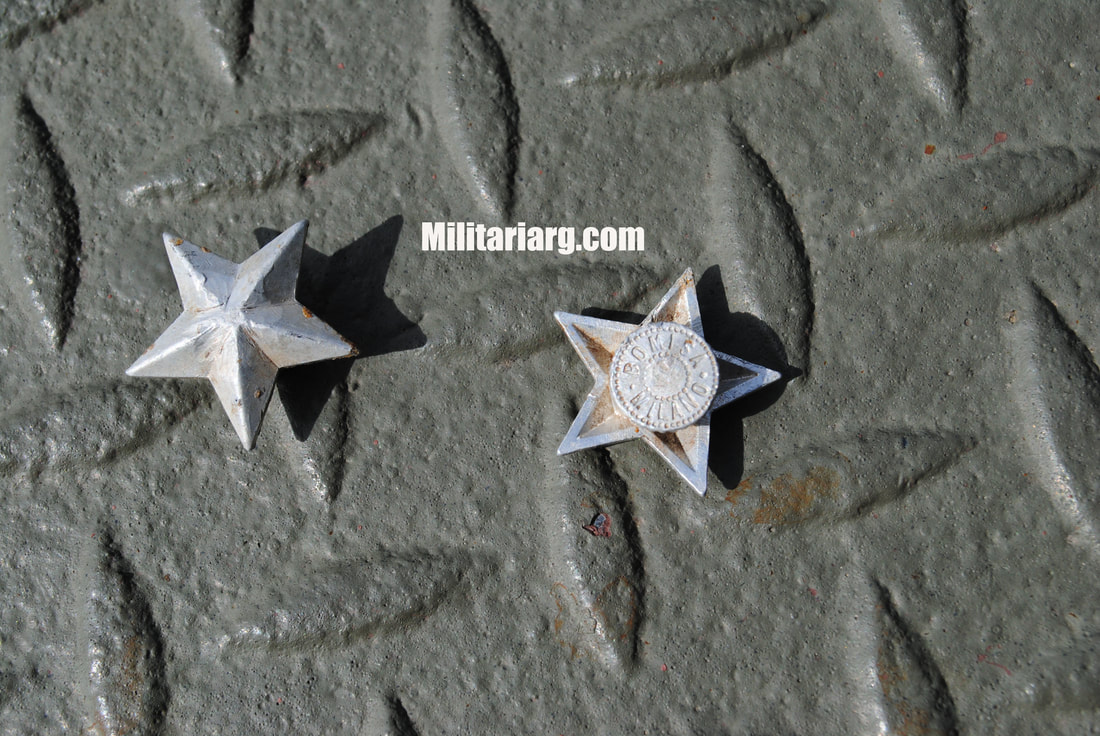
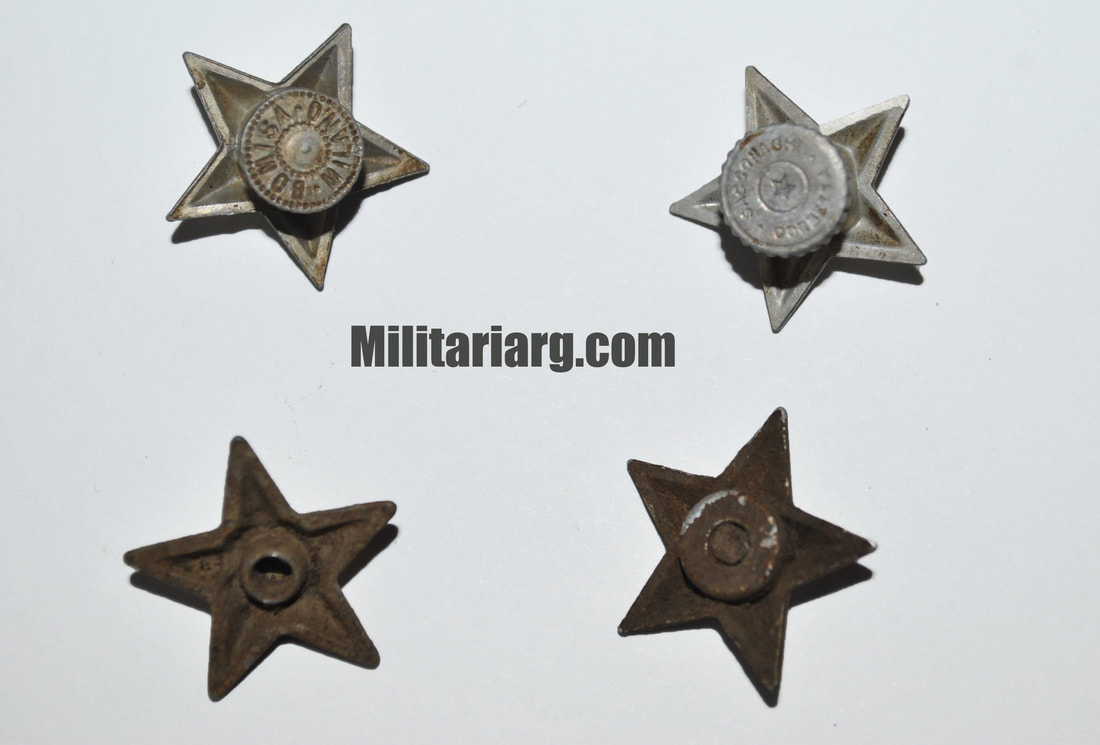
Regio Esercito pair of collar stars for officers in relic state, found in Russia.
Picture
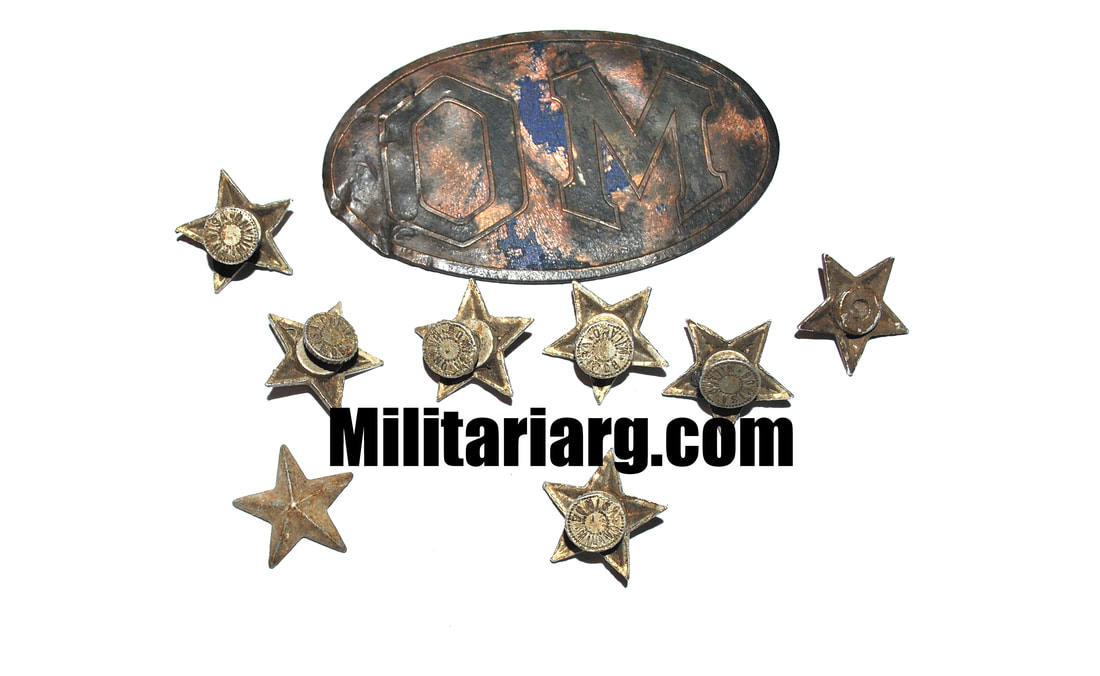
Autocarreta OM Logo.
Picture
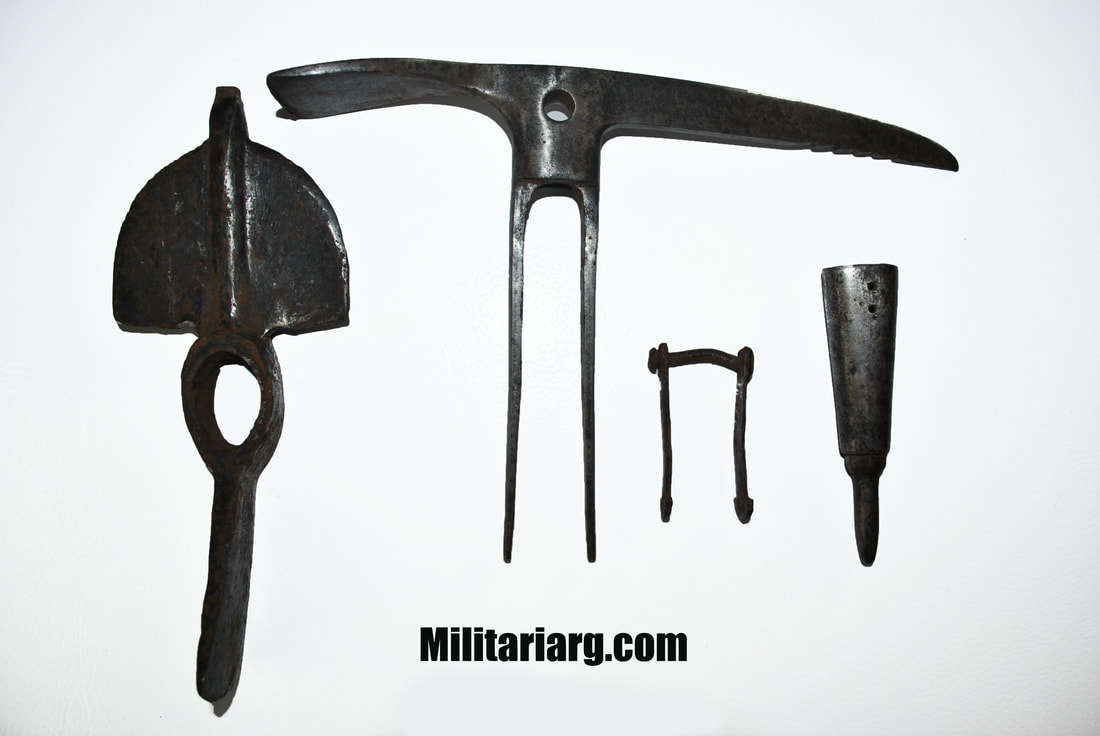
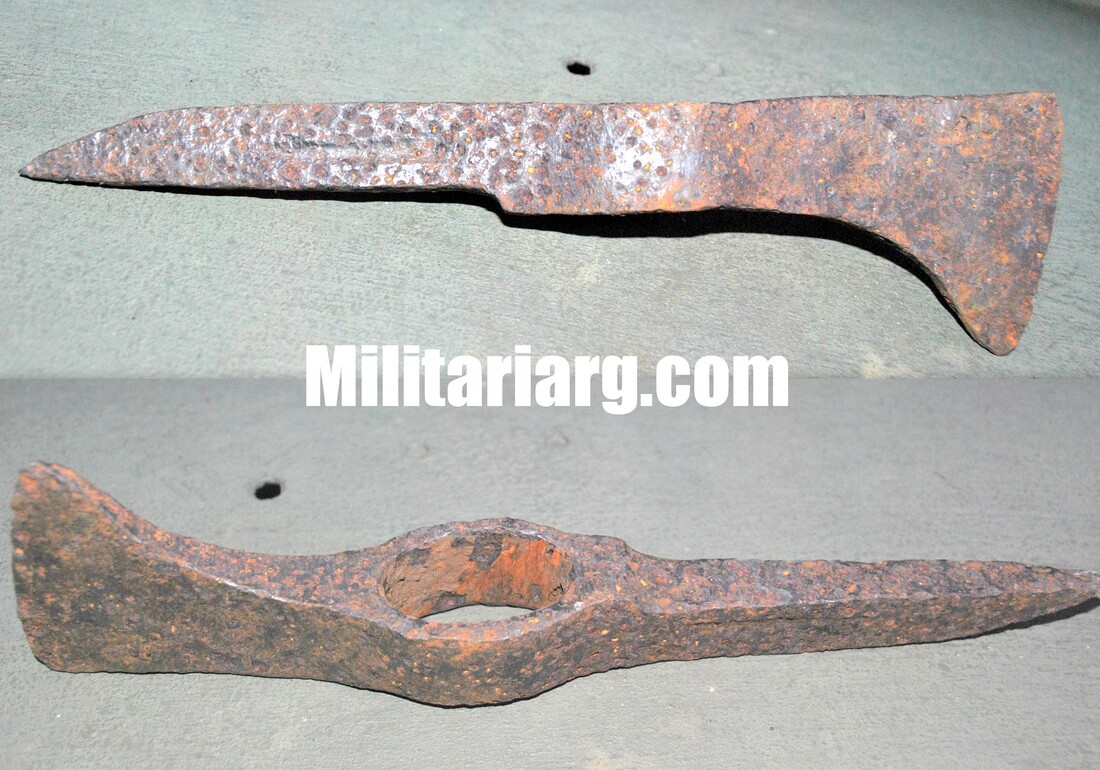
Piccozze; Piccozzino Zapetta, Alpini mountain tools found in Russia.
Picture
Piccozzino da fanteria.
Picture
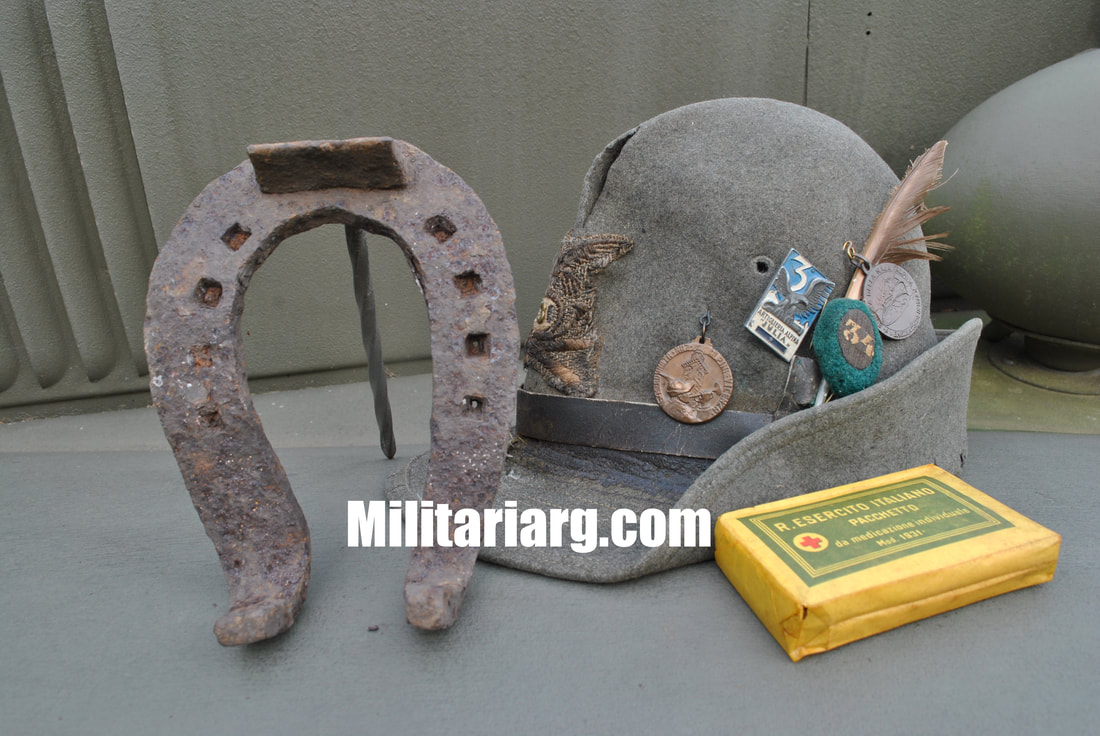
Italian Alpini, Mule Front Steel horseshoe. (Eastern Front)
Picture
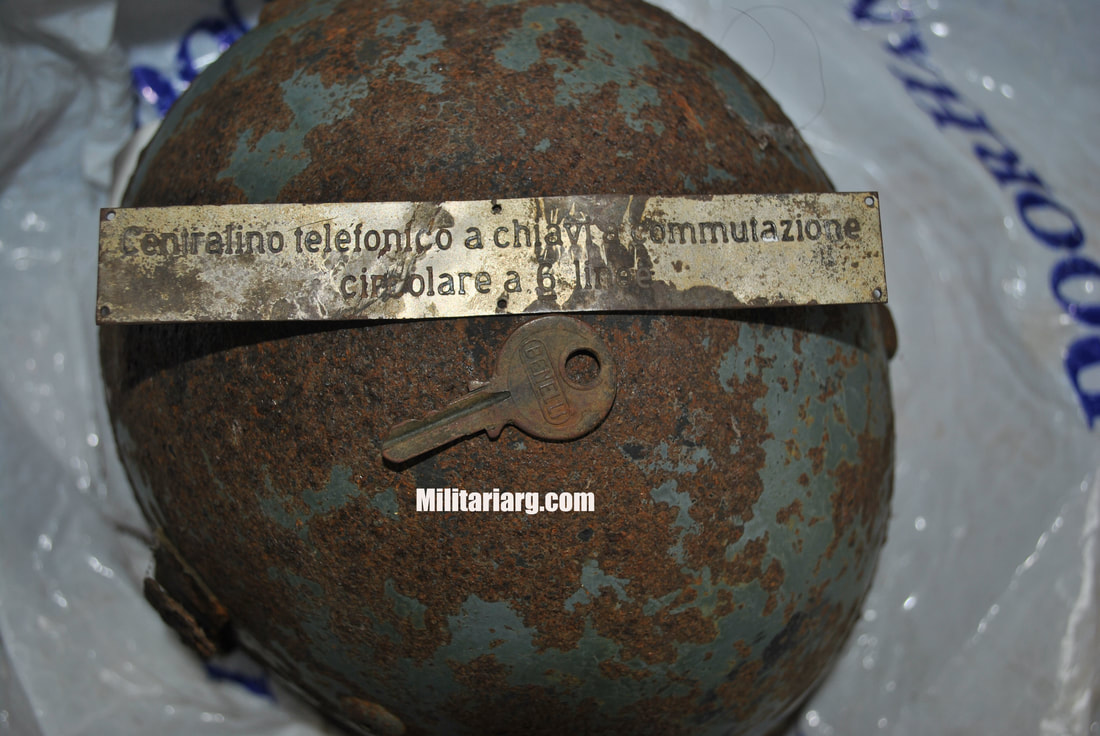
Italian radio station plaque "Centralino telefonico a chavia commutazione circolare a 6 lienee" and Motocarro (Motocycle + wagon), Benelli battlefield relics fron East Front, Divisione Celere Positions.
Picture
54th Regiment (Divisione Sforzesca) and Alpini M33 (Divisione Julia) Helmets. East Front Relics.
Picture
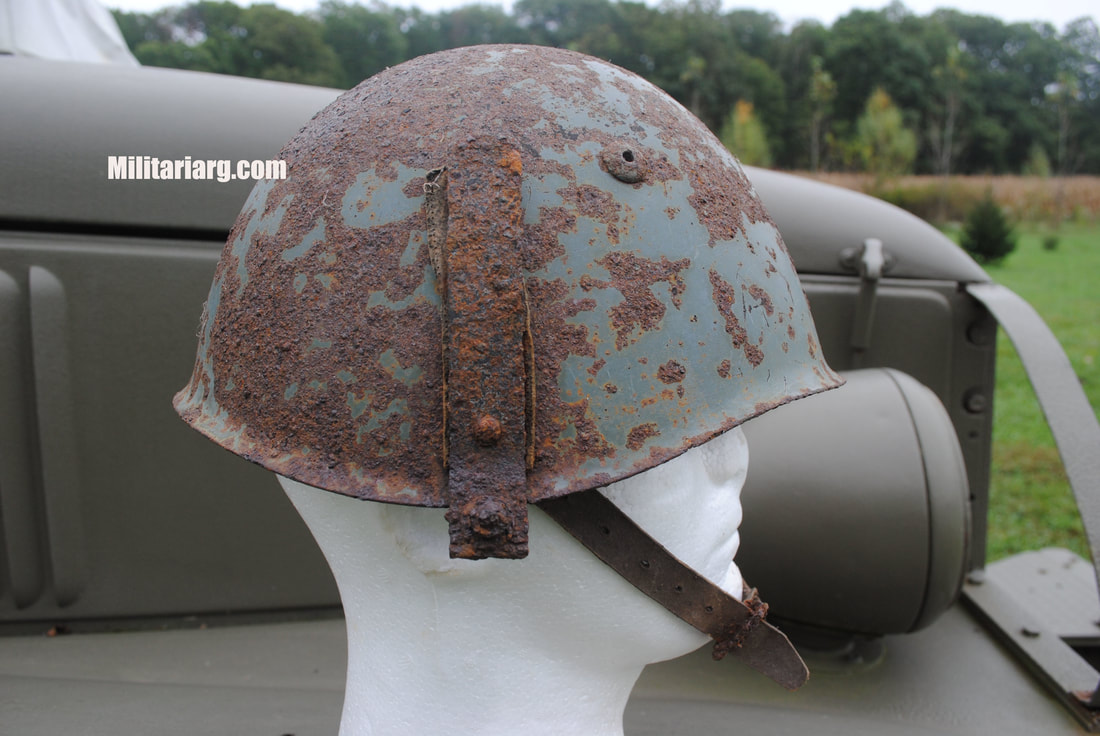
M33 feather holder in relic state. probably belonged to the 6th Bersaglieri Regiment (Div Celere)
Picture
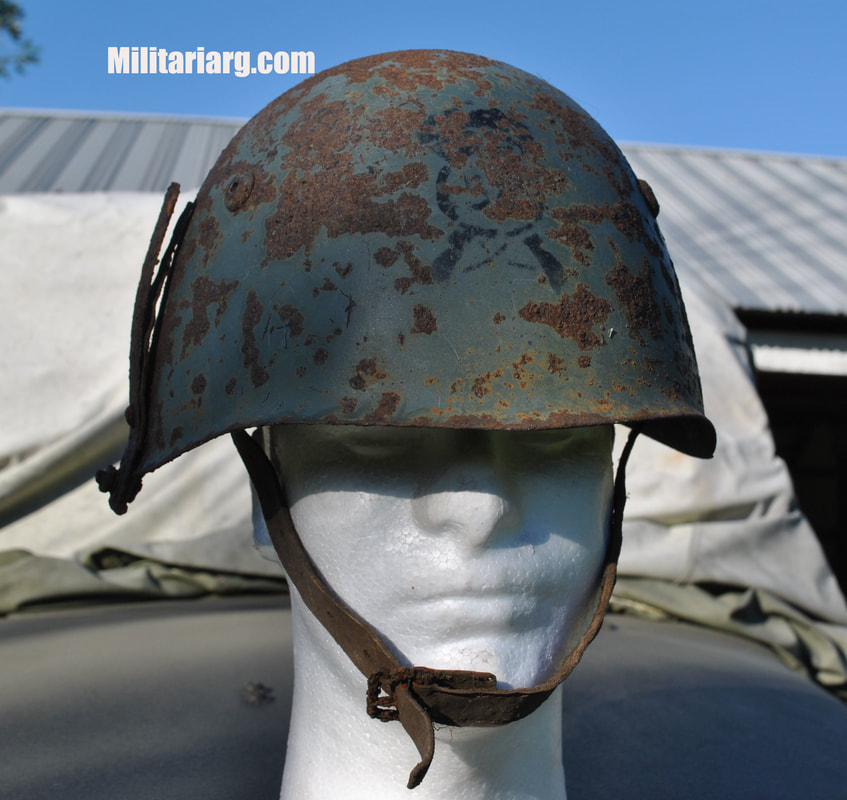
This is an M33 that has remnants of the stencil, 54th Regiment  (Divisione Sforzesca) , but has a bersaglieri leather holder.  It is mysterious as to why it is there.  The rust has it fused to the helmet.  
Picture
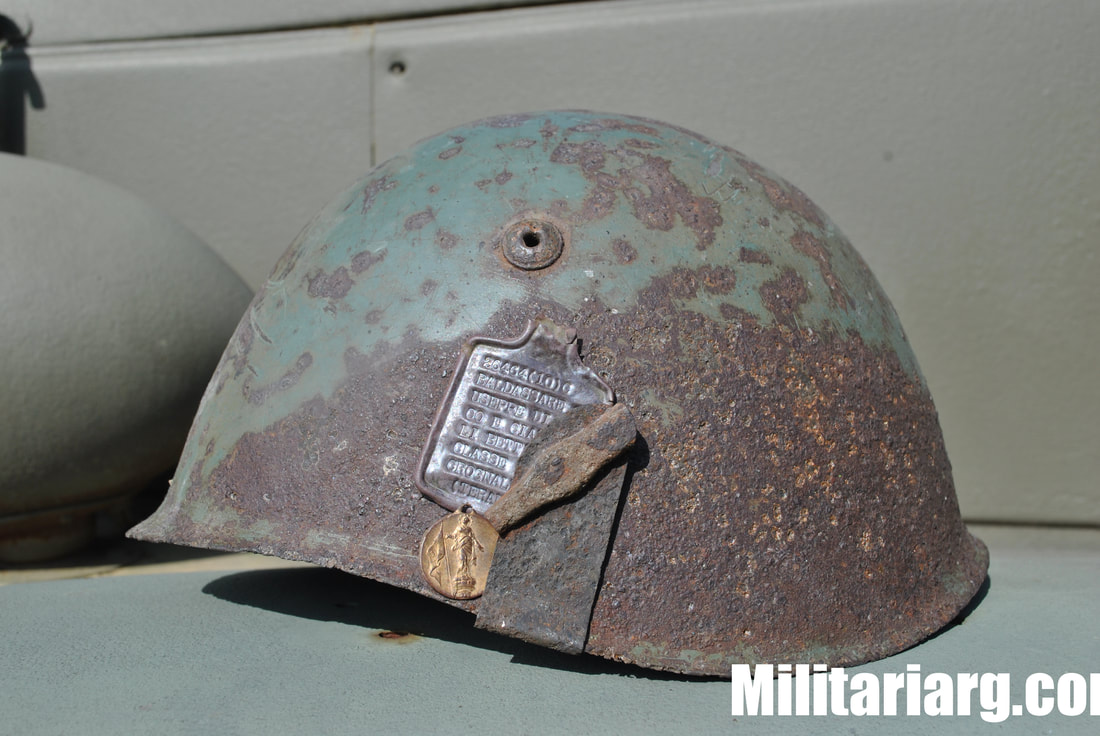
M33 helmet belonging to Alpini Infantry Regiment 9, Julia Division. The identification tag belonged to an NCO, head of mortar section. Giuseppe Baldassarre was not killed in action in Russia. He had been seriously wounded but survived the war and returned to Italy. It was confirmed that he survived his wounds (WIA wounded in action) on the Eastern Front and that he simply lost his identification tag during the chaotic retreat and fighting.
He was injured in the Christmas Battle against the Don River and was able to return to Italy. The identification tag was delivered to the family through the Alpini Vaccarelli del L'Aquila Group. 
​Each soldier typically carried two identical identification tags (or one perforated tag that could be broken in two). When a soldier was seriously wounded or killed, one half was generally collected by unit personnel for administrative purposes (reporting the casualty), while the other half remained with the body or person.

Picture
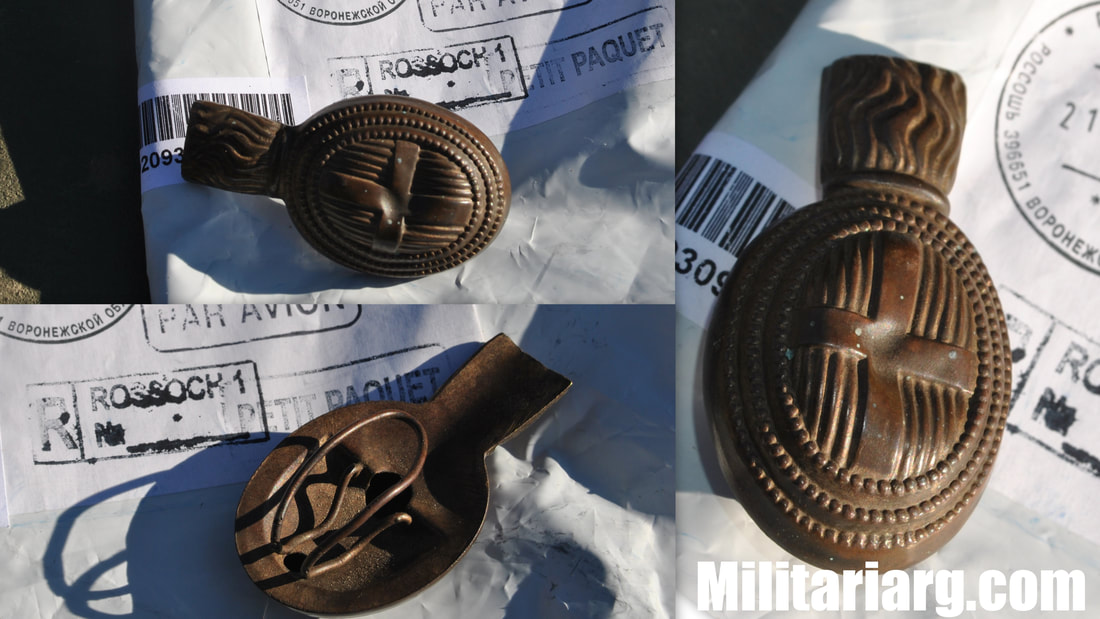
Italian Mountain Hat Cappello Alpino Officer Nappina Metallica. Rossoch on Don. Russia.

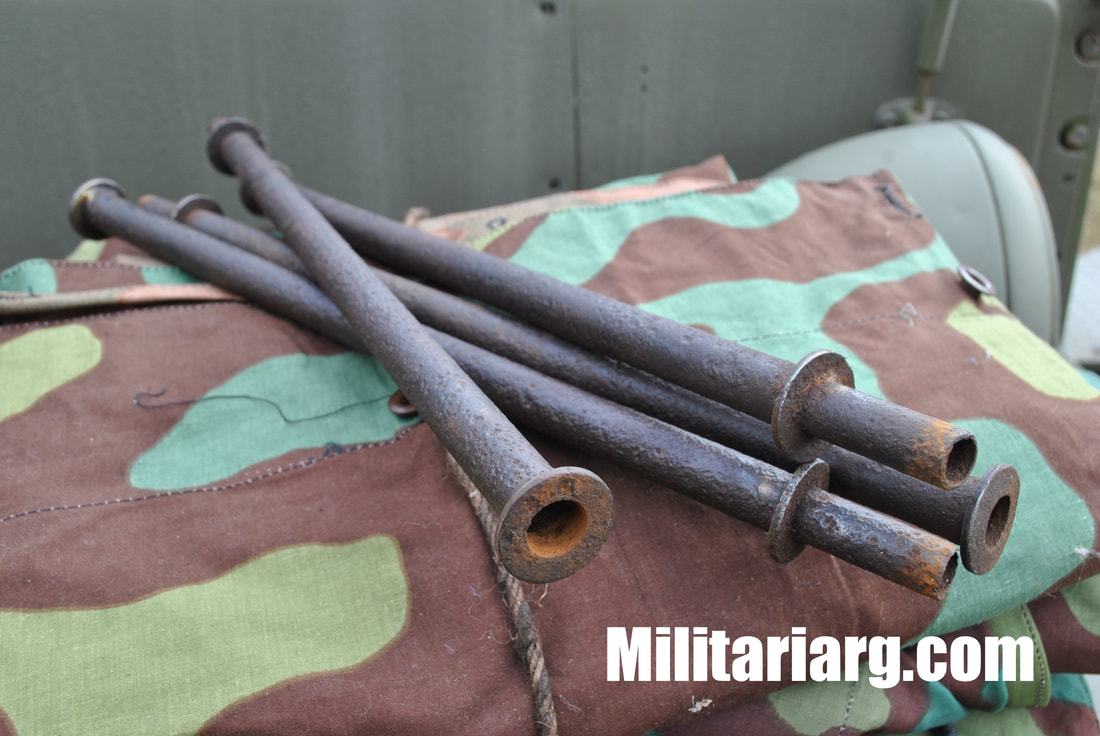
WW2 Regio Esercito Model 1929 Tent Pole Telo Tenda Kit (Easter Front Relic - Rostov).
Picture

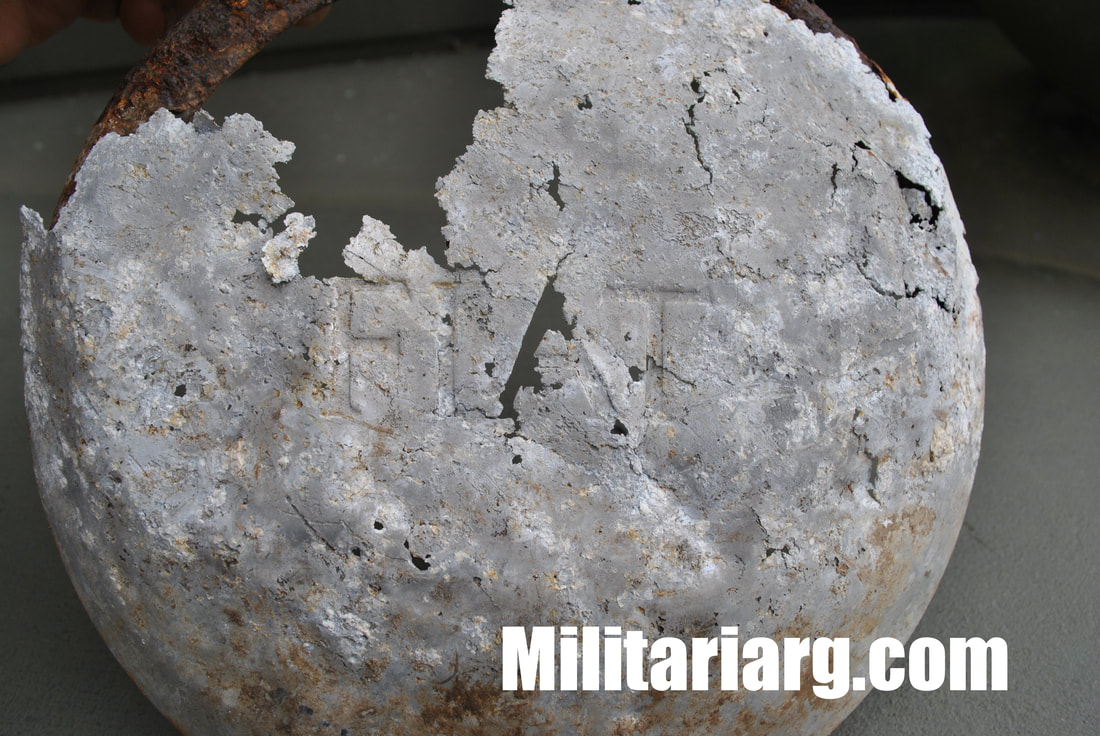
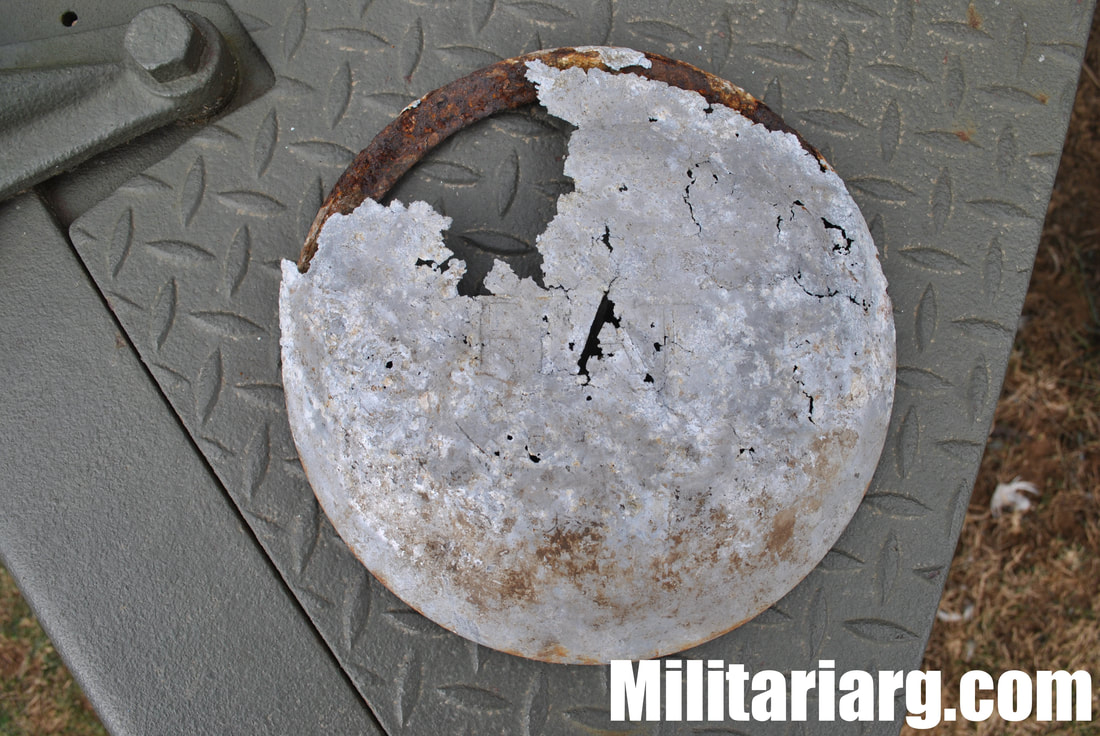
FIAT 508 CM hubcap Coprimozzo Tappa (Eastern Front Relic - Rostov)
Picture
Picture

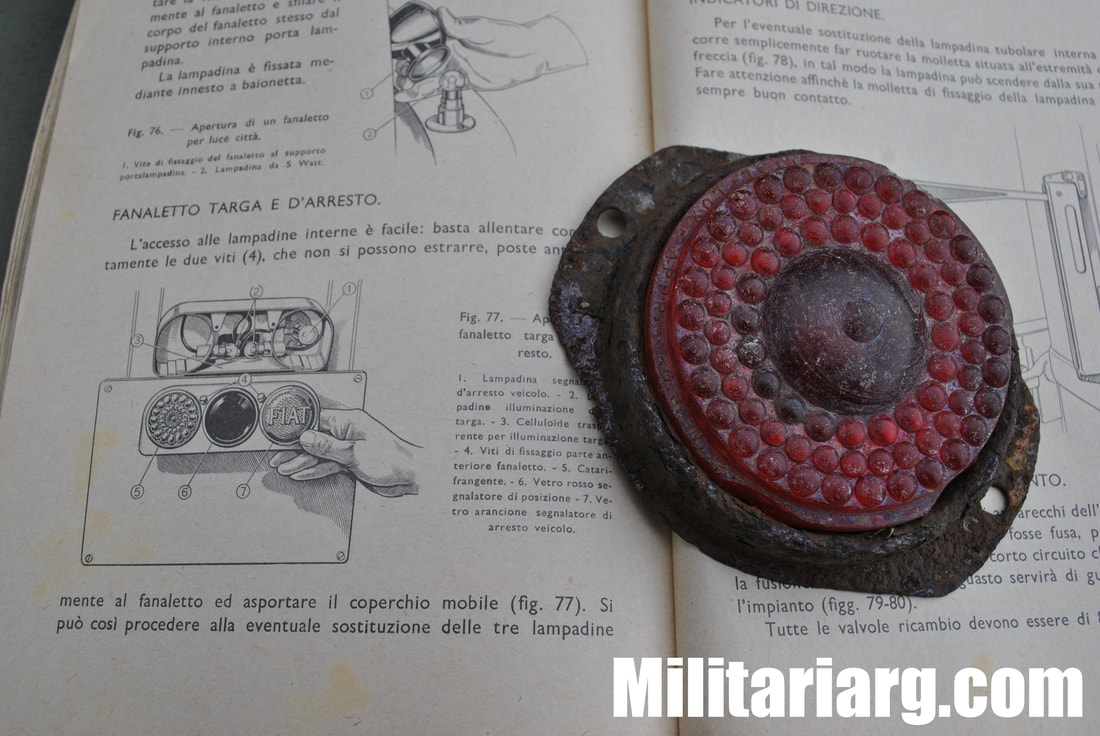
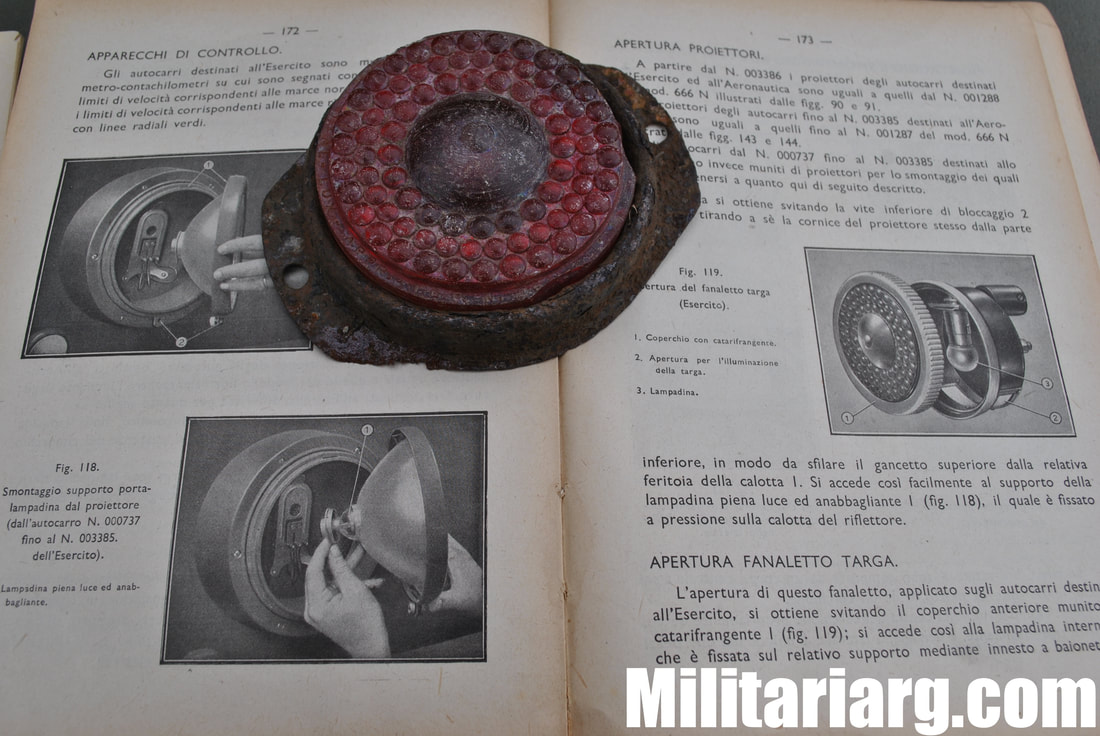
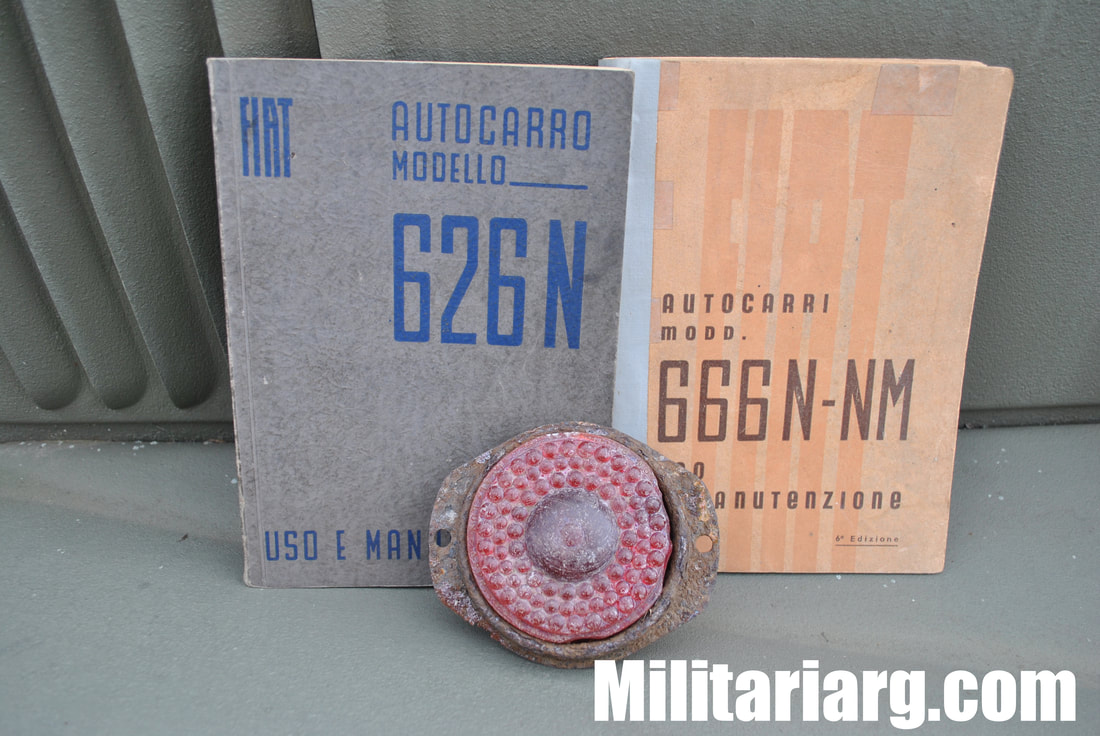
Fiat 262NM 666NM Tailight Fanaletto Fanale Posteriore (Eastern Front Relic).
Picture
Picture
Picture

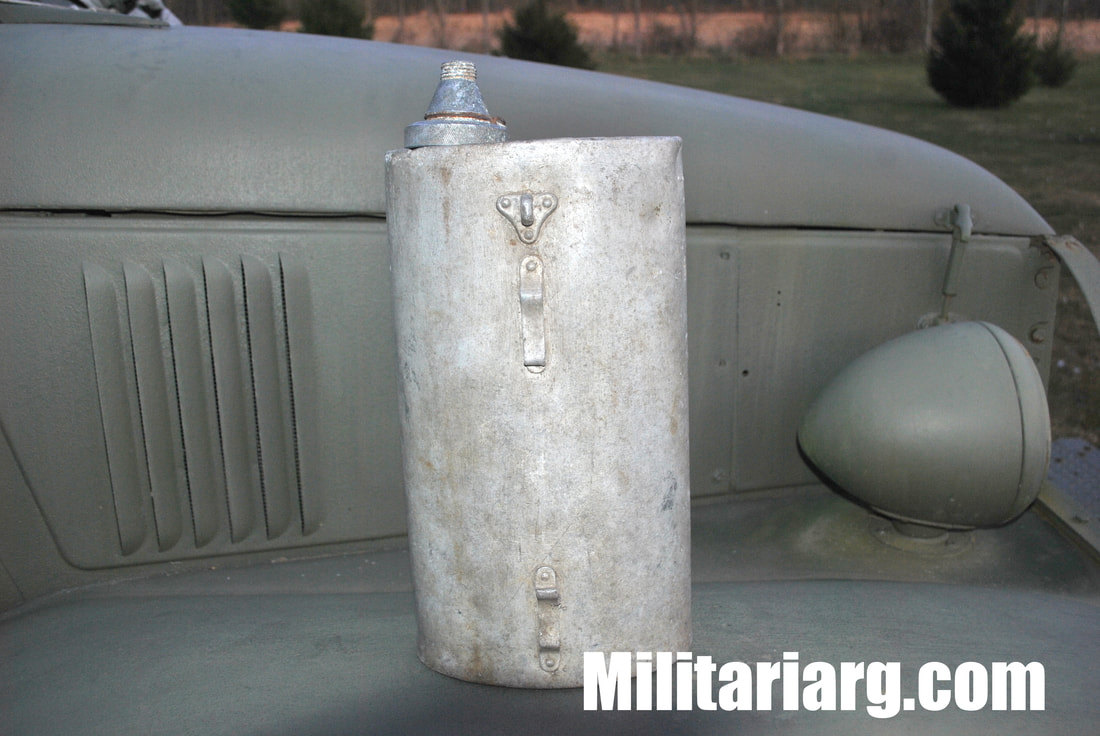
Water Thermos. Divisione Julia.

Picture

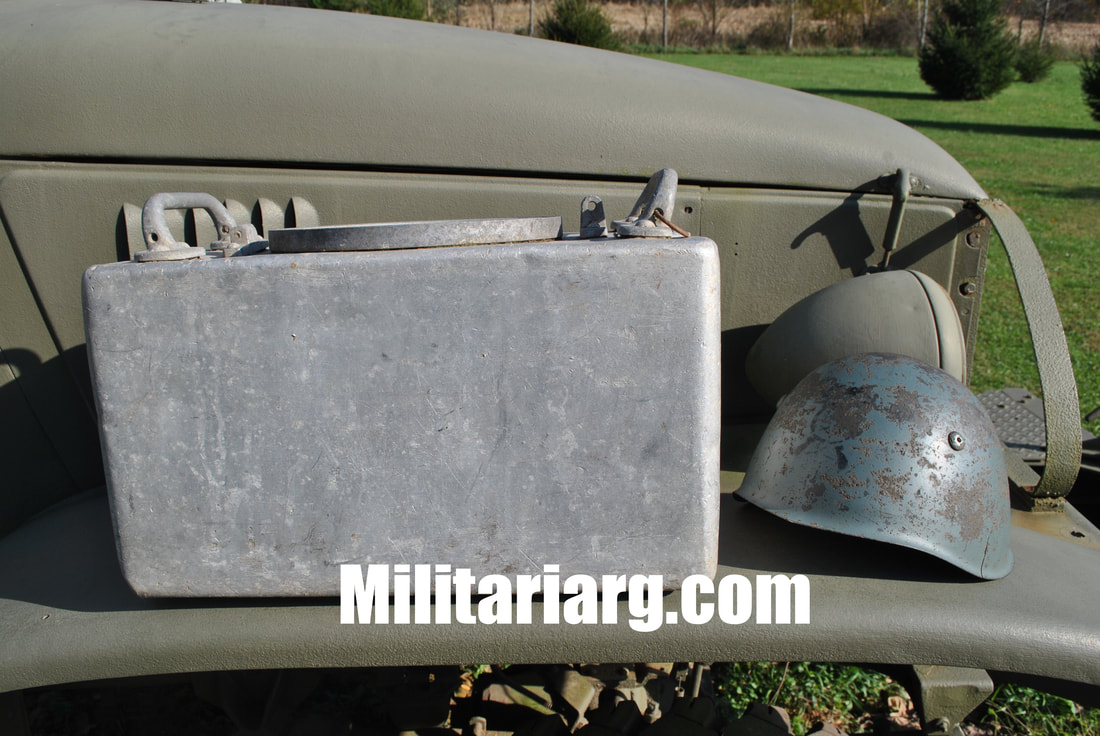
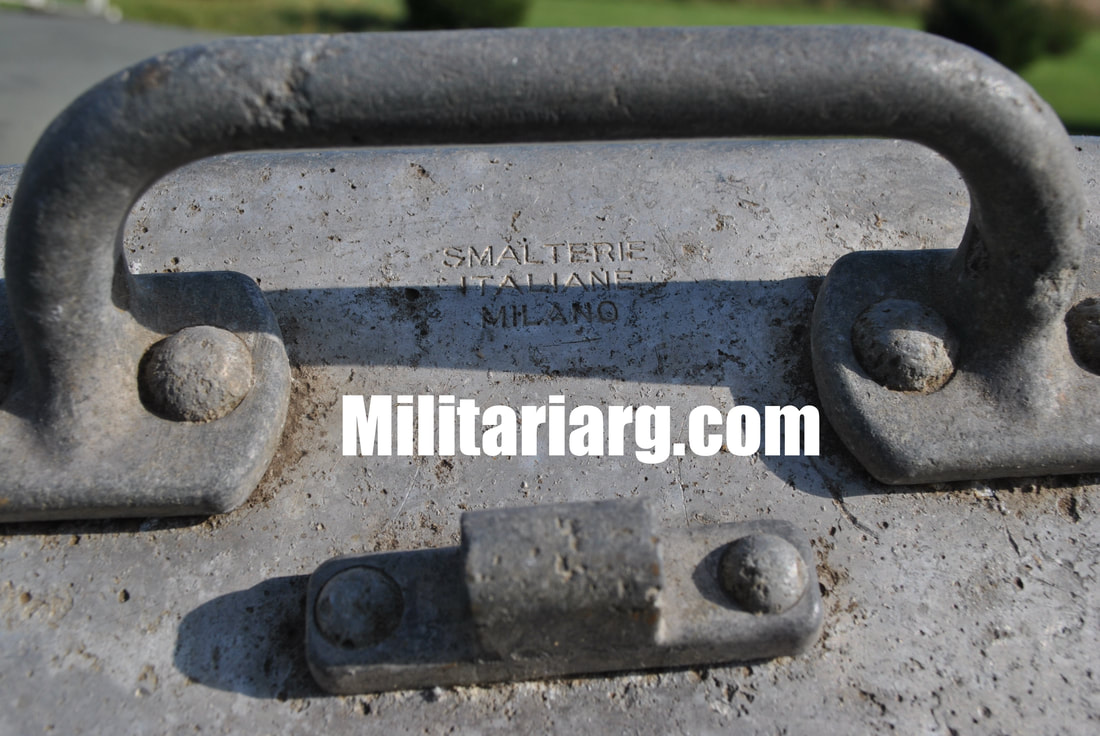
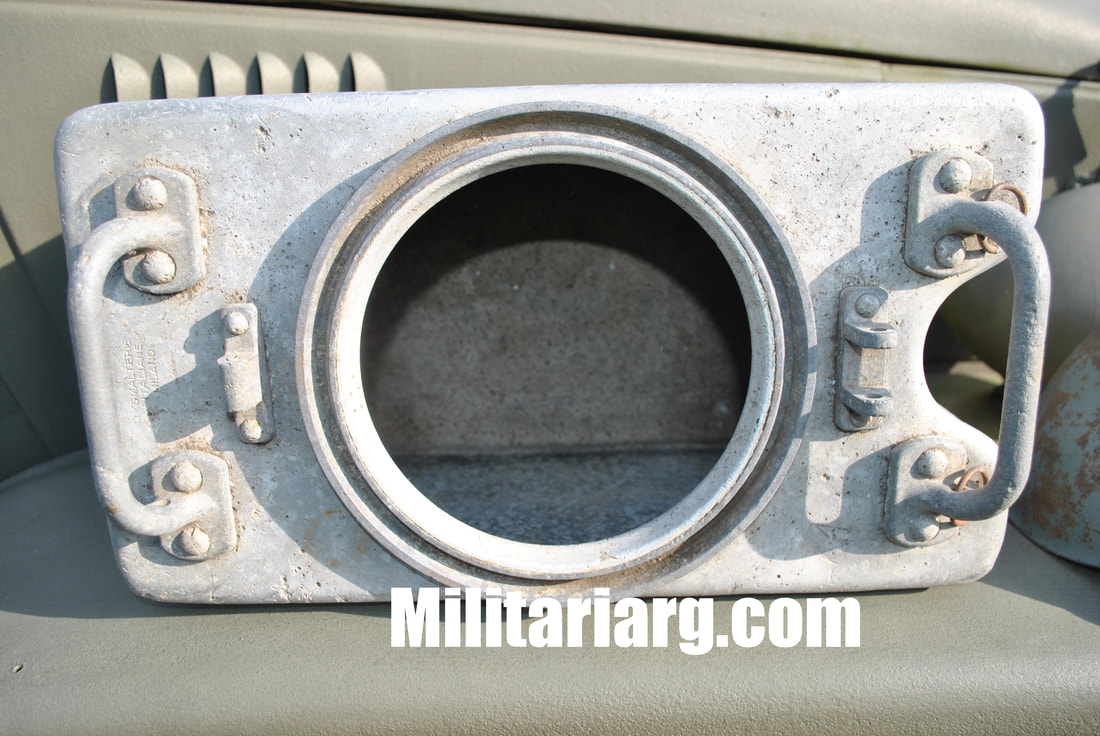
Food container "Cassa di Cottura". Found in Russia where the Divisione Julia was positioned, in front of the Don River (Voronezh).
Picture
Picture
Picture

Picture
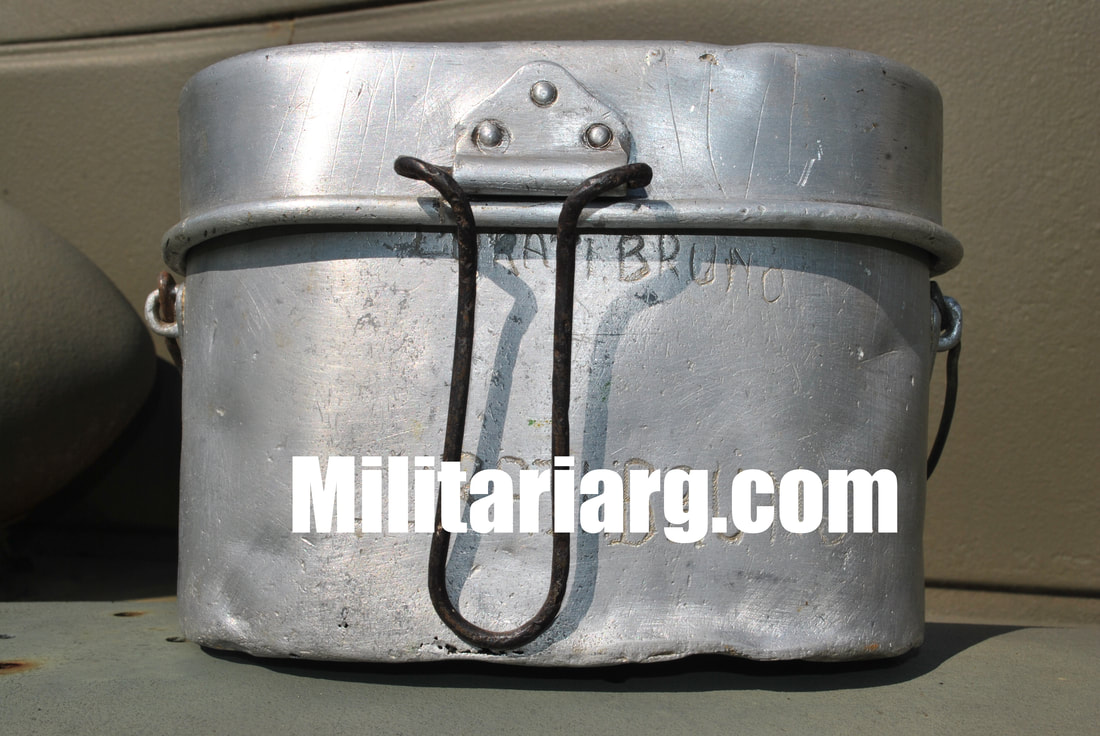
WW2 Italian Mess Kit Gavetta di Rancio (Alpino Lurati). 2nd Alpine Division Tridentina (Divisione Tridentina). Battle of Nikolayevka January 1943, (Battaglia di Nikolaevka). This alpini soldier survived the tragic retreat. He was one of those who broke the Soviet pocket in Nikolajewka

This item was returned to the grandson of the soldier in Italy by this page's Webmaster.  

​Lieutenant Enzo Pagni was an officer in the Italian Alpini Corps who died on the Russian Front during World War II, shortly before the pivotal Battle of Nikolayevka. He is remembered in Italy as a "Hero of the Steppe" after his identification tag was recovered decades later.

Biography

Enzo Pagni was born in Livorno, Italy, on January 23, 1915, but grew up in Bologna. He graduated with a degree in Literature from the University of Bologna in 1940. He was then conscripted into the Royal Italian Army as a lieutenant in the Alpini Artillery, specifically in the "Conegliano" Group, which was part of the renowned Julia Division. 
Service and Death

Pagni was deployed to the Eastern Front in the Soviet Union as part of the Italian 8th Army (ARMIR). Following the catastrophic collapse of the Italian front during the Soviet Operation Little Saturn in December 1942, the Italian Alpine Corps began a harrowing retreat in brutal winter conditions. 
Lieutenant Pagni was killed in action at Samoilenka, a location near the main retreat path, on January 21, 1943. This was five days before the critical breakthrough battle at Nikolayevka, where the remnants of the Italian Corps, including the few remaining men of the Julia division, fought their way out of encirclement. 

Legacy and Commemoration

Pagni is remembered through the efforts of the Associazione Nazionale Alpini (ANA) Conegliano section: 

Recovery of Remains: His remains were found in a mass grave in Russia in the 1990s and subsequently moved to the Tempio di Cargnacco (a memorial for those who died on the Eastern Front).

Identification Tag: In 2022 and 2023, ceremonies were held to return his recovered identification tag (piastrina) to his family and place it with his remains, honoring his sacrifice and memory. 

He is a symbol of the immense sacrifice and tragic losses suffered by the Italian forces on the Russian front during World War II.

Lieutenant Enzo Pagni died a heroic death at Samoilenka on January 21, 1943, when he single-handedly attacked a Soviet tank (carro armato) with a hand grenade during the desperate retreat.

For this act of extreme bravery and self-sacrifice, he was posthumously awarded the Silver Medal of Military Valor. His identification tag and remains were recovered decades later, bringing closure to his family and the Alpini community.
​
The full account is detailed on the ANA Conegliano Sezione website in an article titled "Il lungo viaggio della piastrina ritrovata".

Powered by Create your own unique website with customizable templates.