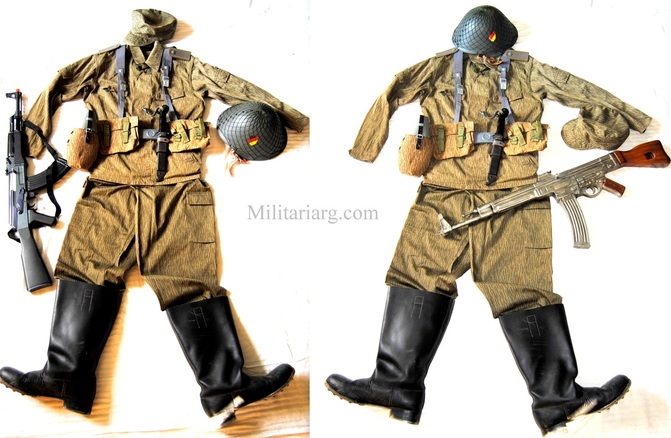
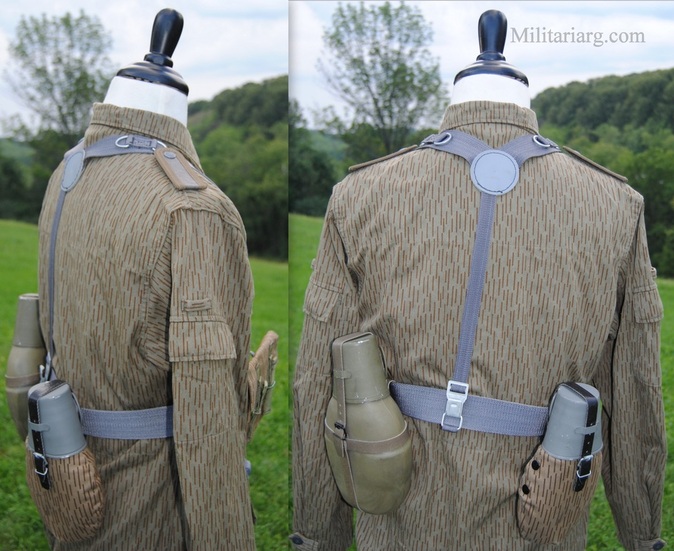
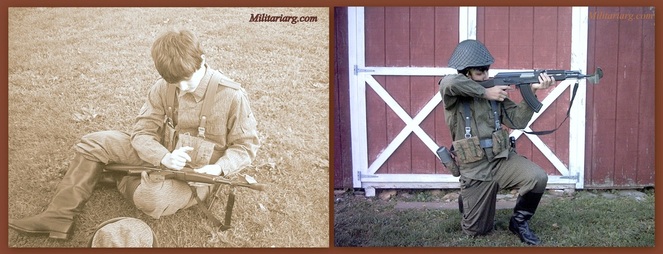
East German, DDR (Deutsch Democratic Republic), Nationale Volsk Armee (NVA). Re-enactment & Recreation.
The NVA utilized a range of Soviet small arms, many produced domestically under license to high quality standards.
Pistols: The Makarov PM (designated Pistole-M or PiM in the NVA) was the standard sidearm.
Assault Rifles: The NVA manufactured its own variants of the Kalashnikov rifle, known for their quality.
MPi-KM: The main service rifle, a domestic copy of the AKM (7.62x39mm caliber).
MPi-AK-74N: In the 1980s, the NVA adopted the smaller 5.45x39mm caliber AK-74 for general issue.
SKS Carbine: Used for ceremonial duties and by the Combat Groups of the Working Class.
Machine Guns:
RPD and RPK: Soviet light machine guns for squad automatic weapons roles.
PKM: The standard general-purpose machine gun.
Anti-Tank Weapons:
RPG-7: The standard anti-tank rocket-propelled grenade launcher.
AT-3 Sagger: Anti-tank guided missiles, often mounted on BRDM-2 vehicles.
Artillery
The NVA's artillery consisted of highly mobile, towed and self-propelled Soviet systems.
Field Guns and Howitzers: The inventory included 85mm, 122mm, and 152mm caliber systems such as the D-30 122mm howitzer and the M-46 130mm field gun.
Self-Propelled Artillery: The NVA operated Soviet-supplied self-propelled gun howitzers, including the 2S1 Gvozdika (122mm).
Multiple Rocket Launchers (MRLs): The BM-21 Grad (122mm) was a key component for saturation fire.
Missile Systems: Tactical missile launchers such as the FROG-7 and SCUD-B were assigned to higher-level artillery groups and could deliver both conventional and, under Soviet control, nuclear warheads.
Tanks and Vehicles
The NVA's armored forces were the core of its ground power, mirroring the Soviet emphasis on tank divisions.
Main Battle Tanks (MBTs):
T-54/T-55: These formed the backbone of the NVA's armored forces for many years.
T-72: The NVA operated a significant number of the more advanced T-72 MBTs, considered a potent front-line capability during the late Cold War.
T-34/85: Older T-34s were in storage or used by second-line militias.
Armored Personnel Carriers (APCs) & Infantry Fighting Vehicles (IFVs):
BMP-1: A revolutionary infantry fighting vehicle that allowed troops to fight from within the vehicle.
BTR Series: A variety of wheeled APCs were used for motorized infantry units, including the BTR-50, BTR-60, and BTR-70.
BRDM-2: Amphibious scout car used for reconnaissance units.
MT-LB: Multipurpose tracked towing and transport vehicle.
Pistols: The Makarov PM (designated Pistole-M or PiM in the NVA) was the standard sidearm.
Assault Rifles: The NVA manufactured its own variants of the Kalashnikov rifle, known for their quality.
MPi-KM: The main service rifle, a domestic copy of the AKM (7.62x39mm caliber).
MPi-AK-74N: In the 1980s, the NVA adopted the smaller 5.45x39mm caliber AK-74 for general issue.
SKS Carbine: Used for ceremonial duties and by the Combat Groups of the Working Class.
Machine Guns:
RPD and RPK: Soviet light machine guns for squad automatic weapons roles.
PKM: The standard general-purpose machine gun.
Anti-Tank Weapons:
RPG-7: The standard anti-tank rocket-propelled grenade launcher.
AT-3 Sagger: Anti-tank guided missiles, often mounted on BRDM-2 vehicles.
Artillery
The NVA's artillery consisted of highly mobile, towed and self-propelled Soviet systems.
Field Guns and Howitzers: The inventory included 85mm, 122mm, and 152mm caliber systems such as the D-30 122mm howitzer and the M-46 130mm field gun.
Self-Propelled Artillery: The NVA operated Soviet-supplied self-propelled gun howitzers, including the 2S1 Gvozdika (122mm).
Multiple Rocket Launchers (MRLs): The BM-21 Grad (122mm) was a key component for saturation fire.
Missile Systems: Tactical missile launchers such as the FROG-7 and SCUD-B were assigned to higher-level artillery groups and could deliver both conventional and, under Soviet control, nuclear warheads.
Tanks and Vehicles
The NVA's armored forces were the core of its ground power, mirroring the Soviet emphasis on tank divisions.
Main Battle Tanks (MBTs):
T-54/T-55: These formed the backbone of the NVA's armored forces for many years.
T-72: The NVA operated a significant number of the more advanced T-72 MBTs, considered a potent front-line capability during the late Cold War.
T-34/85: Older T-34s were in storage or used by second-line militias.
Armored Personnel Carriers (APCs) & Infantry Fighting Vehicles (IFVs):
BMP-1: A revolutionary infantry fighting vehicle that allowed troops to fight from within the vehicle.
BTR Series: A variety of wheeled APCs were used for motorized infantry units, including the BTR-50, BTR-60, and BTR-70.
BRDM-2: Amphibious scout car used for reconnaissance units.
MT-LB: Multipurpose tracked towing and transport vehicle.
The Soviet Union did not allow East Germany to domestically build fighter jets or tanks. The NVA's heavy military equipment was almost entirely supplied directly from the USSR or other Warsaw Pact allies like Czechoslovakia, with some licensed production of small arms. Much of East Germany's heavy industry that survived WWII was disassembled and sent to the USSR as war reparations, leaving the DDR without many factories capable of advanced military production.
While the Soviet Union, heir to the Russian Empire, was a military power, before WW2 it was the least developed, so it needed help from Washington and London with the Lend-Lease.
The Soviets took a vast amount of industrial equipment and infrastructure from its occupation zone in Germany as part of post-World War II reparations. While it provided short-term benefits to the USSR's war-torn economy
The Soviets didn't just take "industries"; they systematically dismantled and relocated entire facilities:
Over 1,000 Factories: By the end of 1946, well over 1,000 complete industrial facilities and factories had been dismantled and relocated from East Germany to the USSR.
Infrastructure: The removals went beyond factories to include vital infrastructure such as all electrical traction from railways (tearing up copper overhead lines), railroad systems, and machinery that was often physically ripped from its concrete foundations.
Valuation: The total value of all reparations seized from the Soviet Zone between 1945 and 1953 (including industrial assets, raw materials, and ongoing production) was estimated at approximately 53.9 billion Reichsmarks (or $14 billion in 1938 US dollars).
Ongoing Production: After the initial phase of physical removal, the Soviets shifted their approach, forcing over 30 "Soviet joint-stock companies" (Sowjetische Aktiengesellschafts, or SAGs) to produce goods for trans-shipment to the USSR, effectively continuing reparations via ongoing production.
Annexation of territories: German province of East Prussia. Under the Potsdam Agreement of 1945, Königsberg was placed under Soviet administration pending final territorial determination. The remaining German population was expelled, and Soviet citizens were moved in to repopulate the city and region. The city was formally renamed Kaliningrad in July 1946 after Mikhail Kalinin, a prominent Russian Bolshevik leader and Soviet head of state who had died a month earlier. Kalinin had no direct historical connection to the city itself.
Forced labor: The conscripted large numbers of German civilians for forced labor after World War II as a form of war reparations. This was agreed to in principle by the Allies at the Yalta Conference in 1945
While the Soviet Union, heir to the Russian Empire, was a military power, before WW2 it was the least developed, so it needed help from Washington and London with the Lend-Lease.
The Soviets took a vast amount of industrial equipment and infrastructure from its occupation zone in Germany as part of post-World War II reparations. While it provided short-term benefits to the USSR's war-torn economy
The Soviets didn't just take "industries"; they systematically dismantled and relocated entire facilities:
Over 1,000 Factories: By the end of 1946, well over 1,000 complete industrial facilities and factories had been dismantled and relocated from East Germany to the USSR.
Infrastructure: The removals went beyond factories to include vital infrastructure such as all electrical traction from railways (tearing up copper overhead lines), railroad systems, and machinery that was often physically ripped from its concrete foundations.
Valuation: The total value of all reparations seized from the Soviet Zone between 1945 and 1953 (including industrial assets, raw materials, and ongoing production) was estimated at approximately 53.9 billion Reichsmarks (or $14 billion in 1938 US dollars).
Ongoing Production: After the initial phase of physical removal, the Soviets shifted their approach, forcing over 30 "Soviet joint-stock companies" (Sowjetische Aktiengesellschafts, or SAGs) to produce goods for trans-shipment to the USSR, effectively continuing reparations via ongoing production.
Annexation of territories: German province of East Prussia. Under the Potsdam Agreement of 1945, Königsberg was placed under Soviet administration pending final territorial determination. The remaining German population was expelled, and Soviet citizens were moved in to repopulate the city and region. The city was formally renamed Kaliningrad in July 1946 after Mikhail Kalinin, a prominent Russian Bolshevik leader and Soviet head of state who had died a month earlier. Kalinin had no direct historical connection to the city itself.
Forced labor: The conscripted large numbers of German civilians for forced labor after World War II as a form of war reparations. This was agreed to in principle by the Allies at the Yalta Conference in 1945
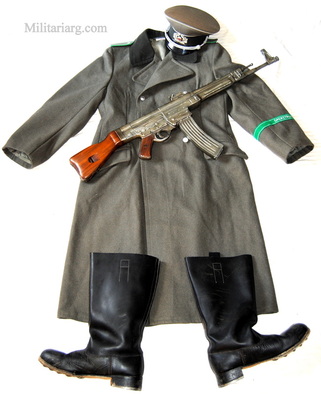
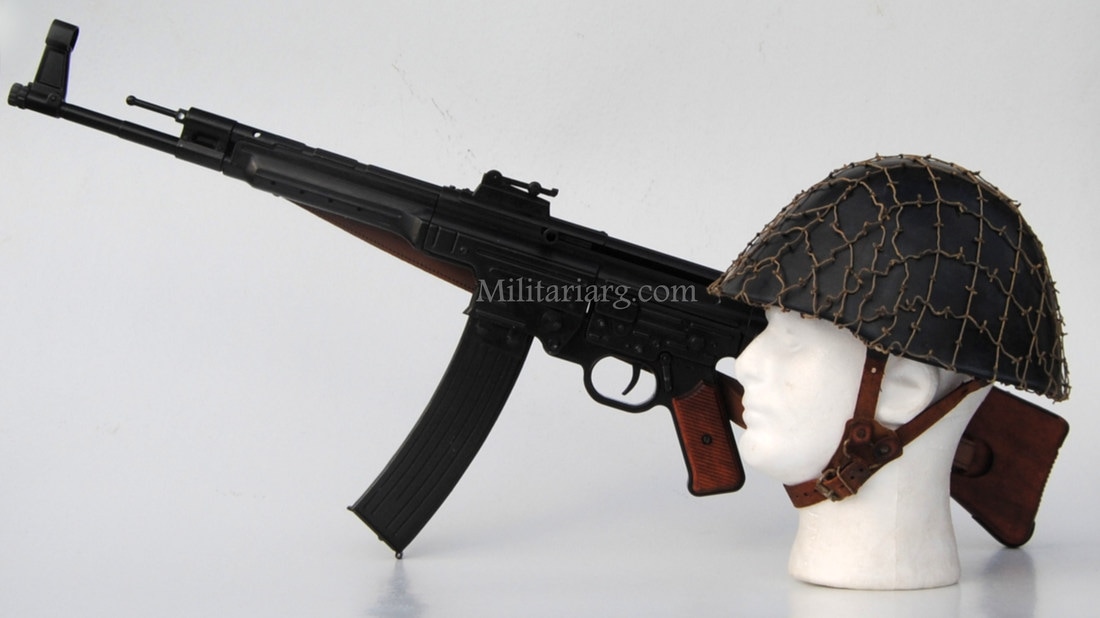
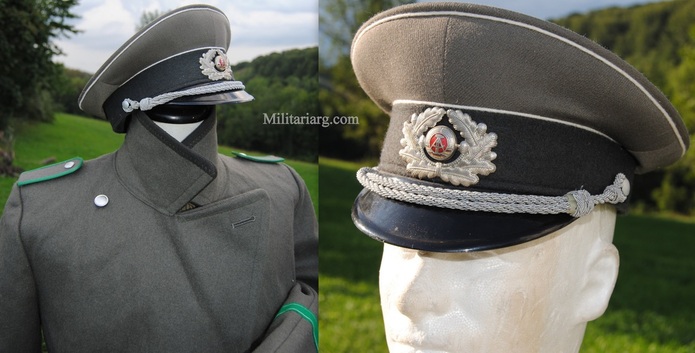
Photo: Mix of NVA Visor Hat; Grenztruppen Coat. Whermacht boots and MP44 resin replica.
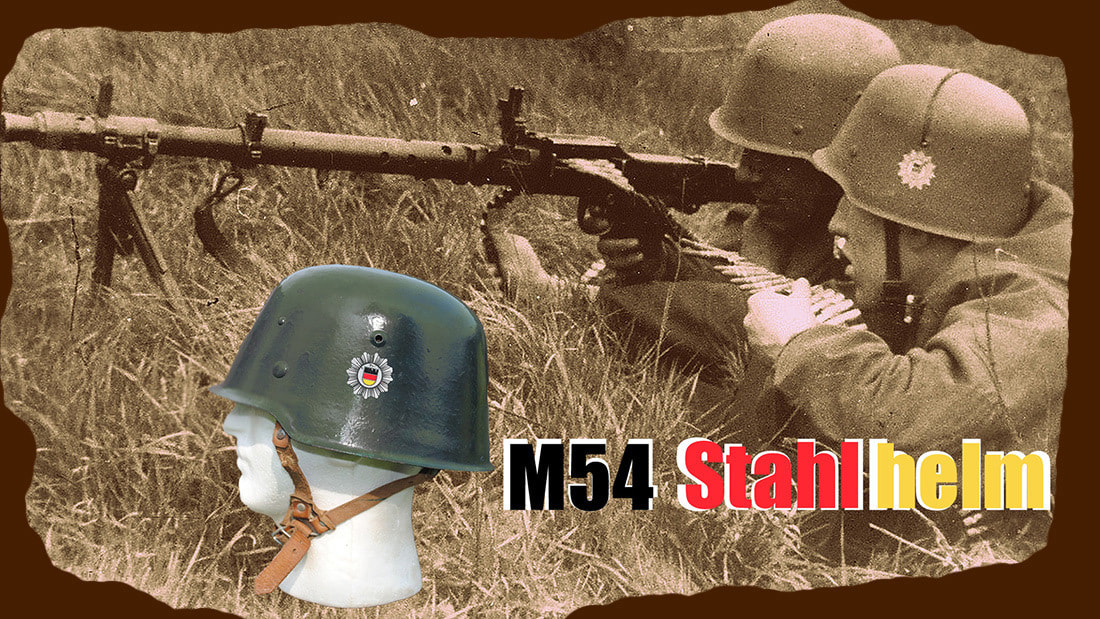
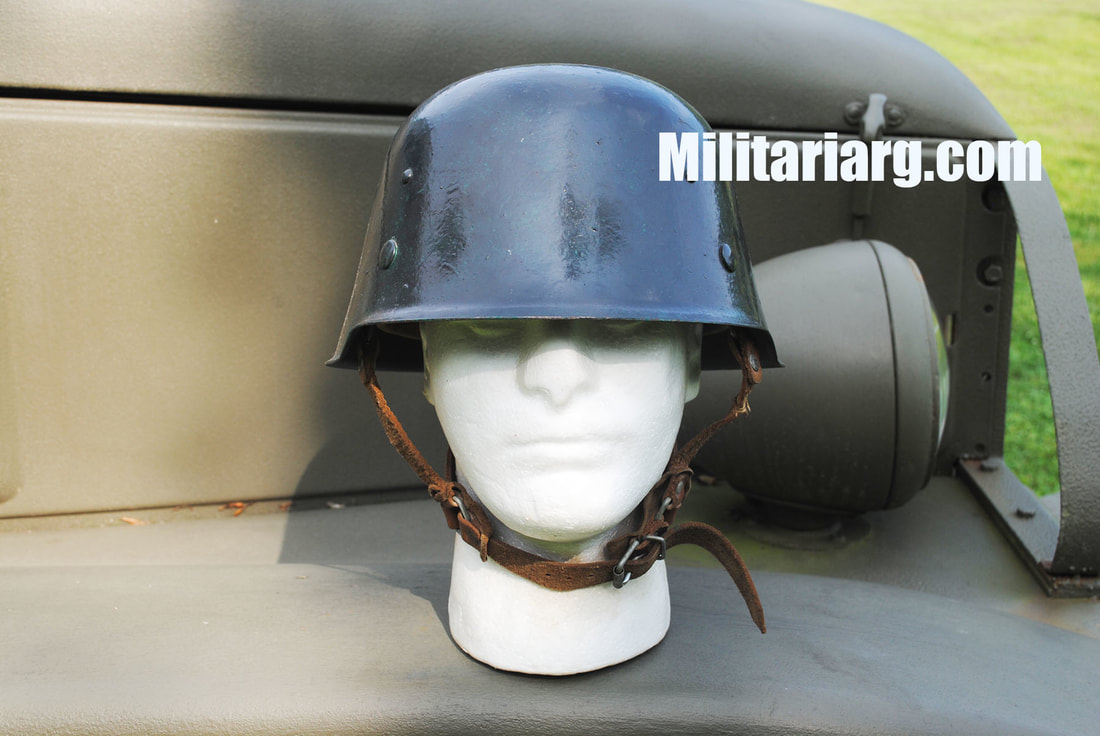
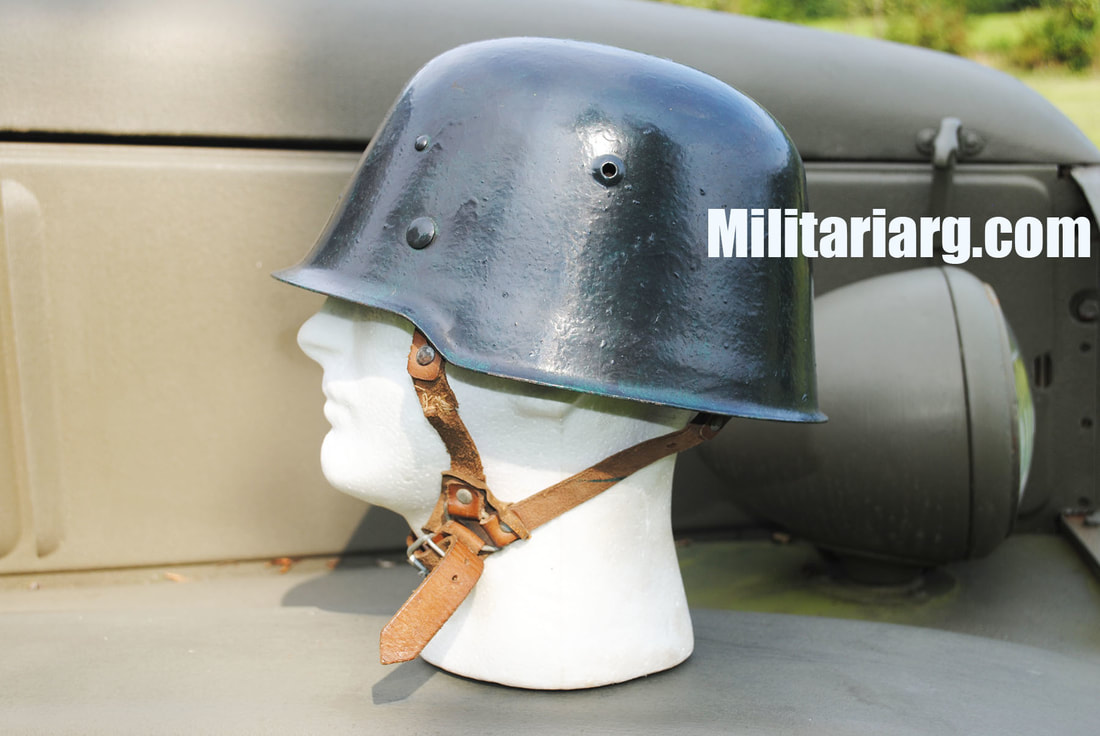
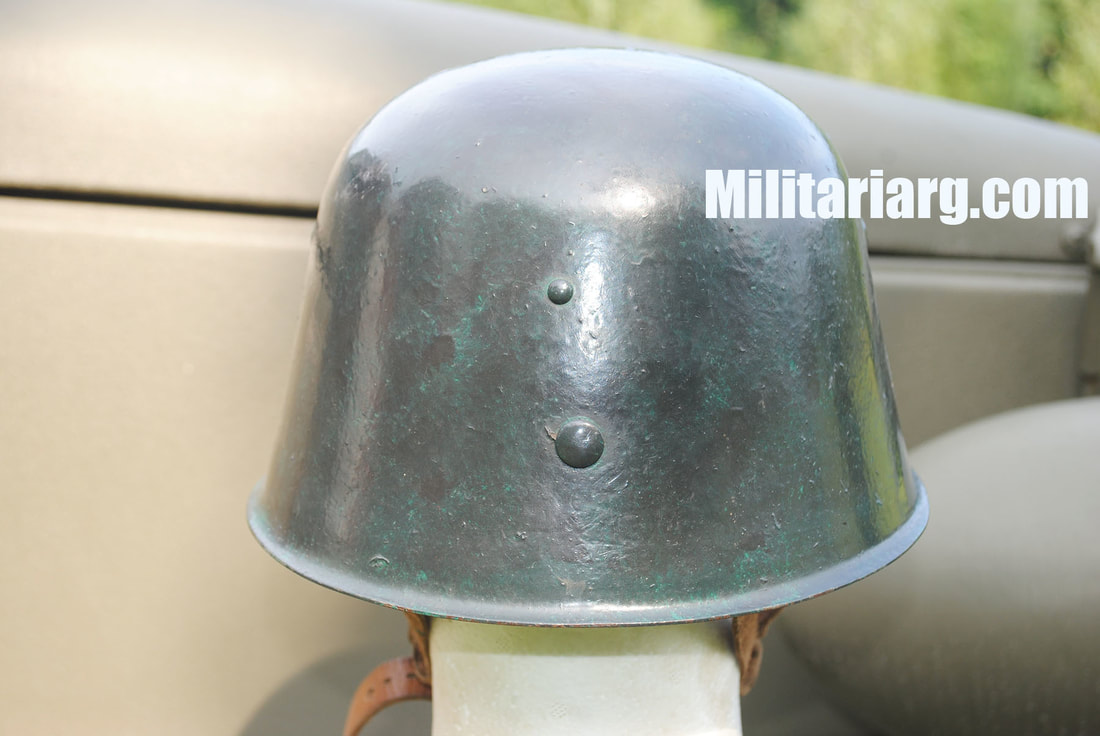
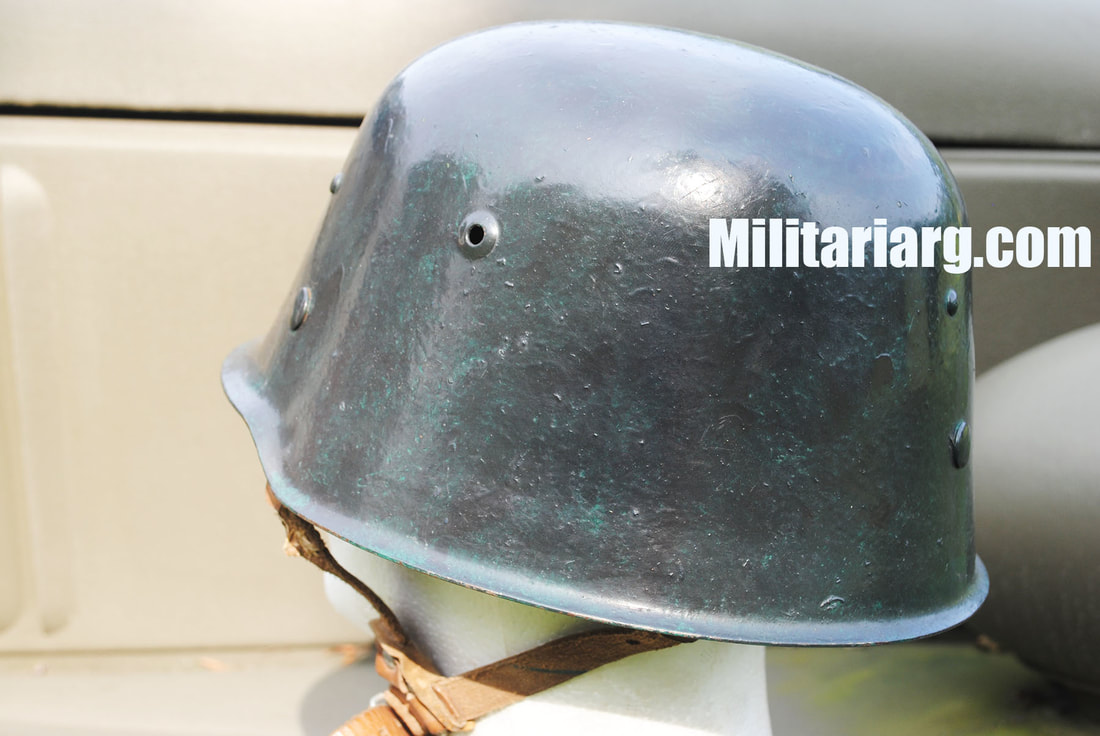
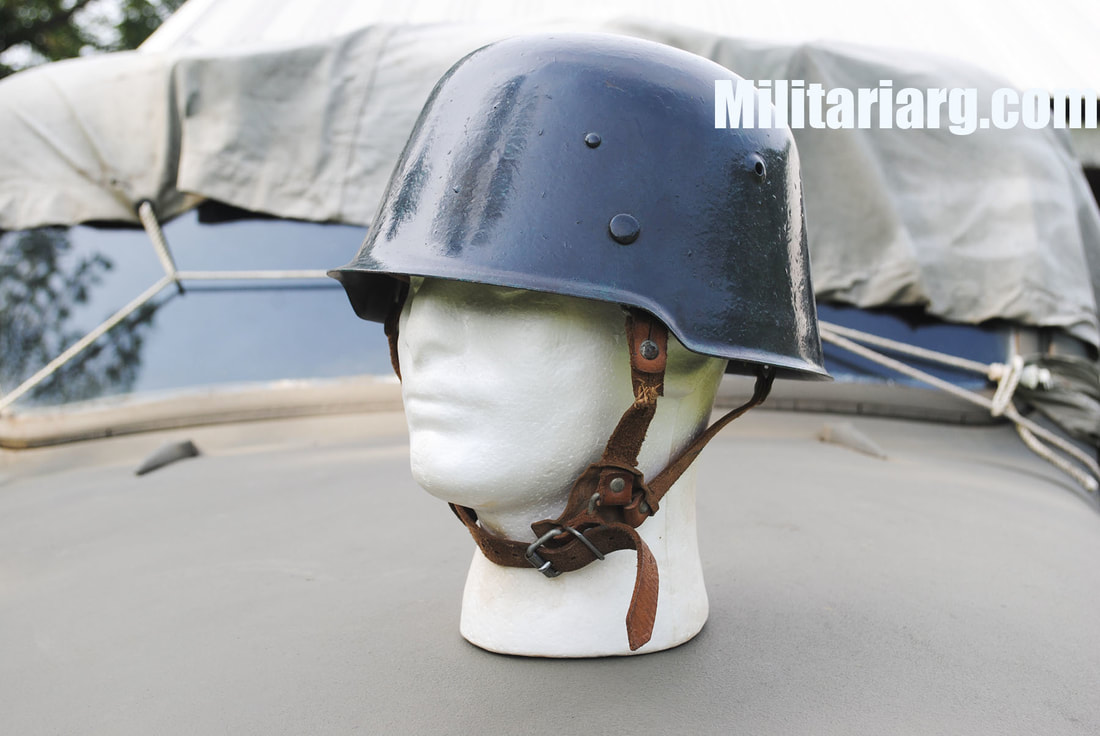
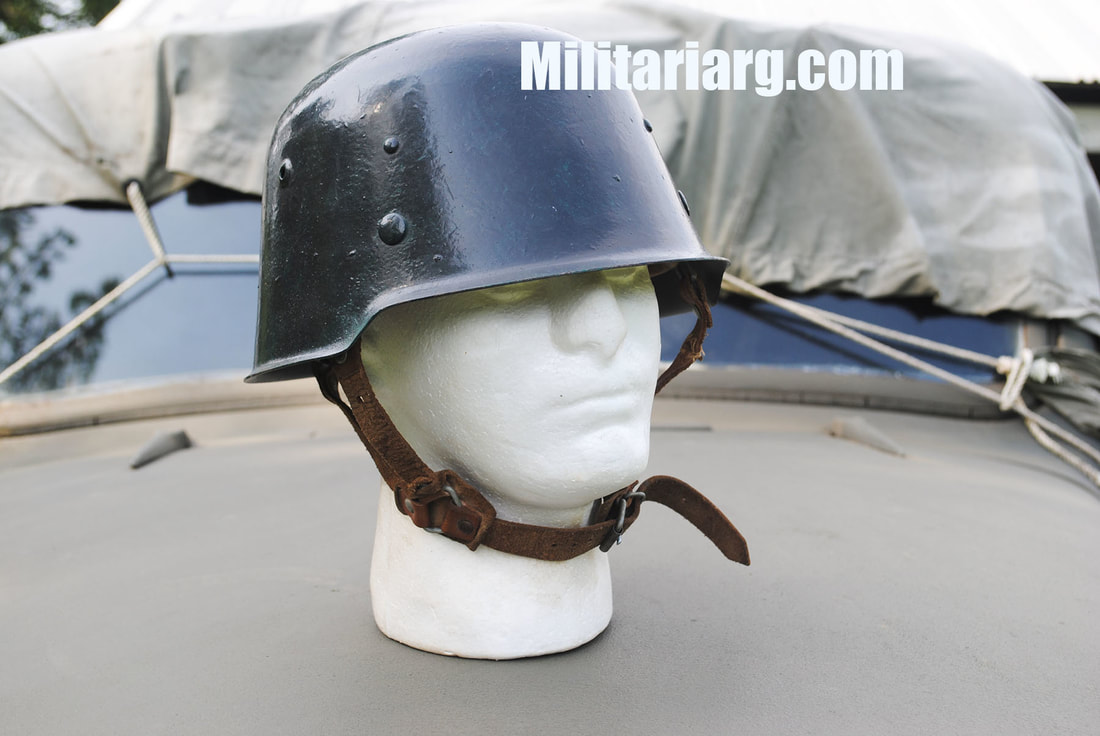
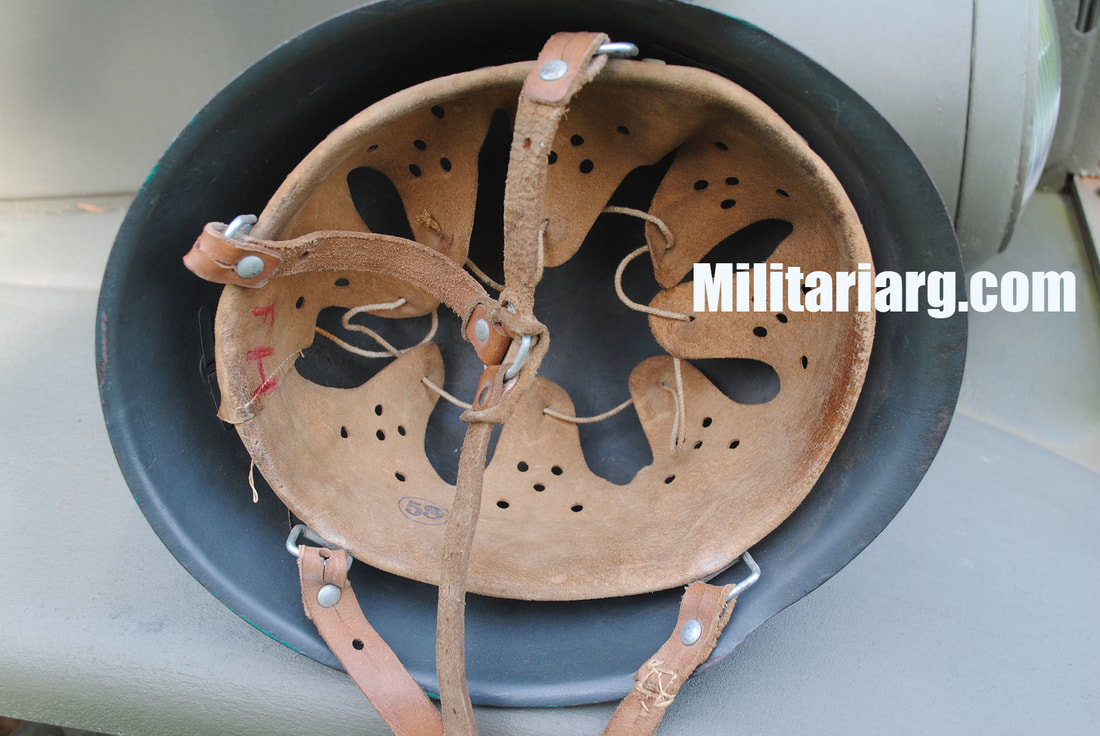
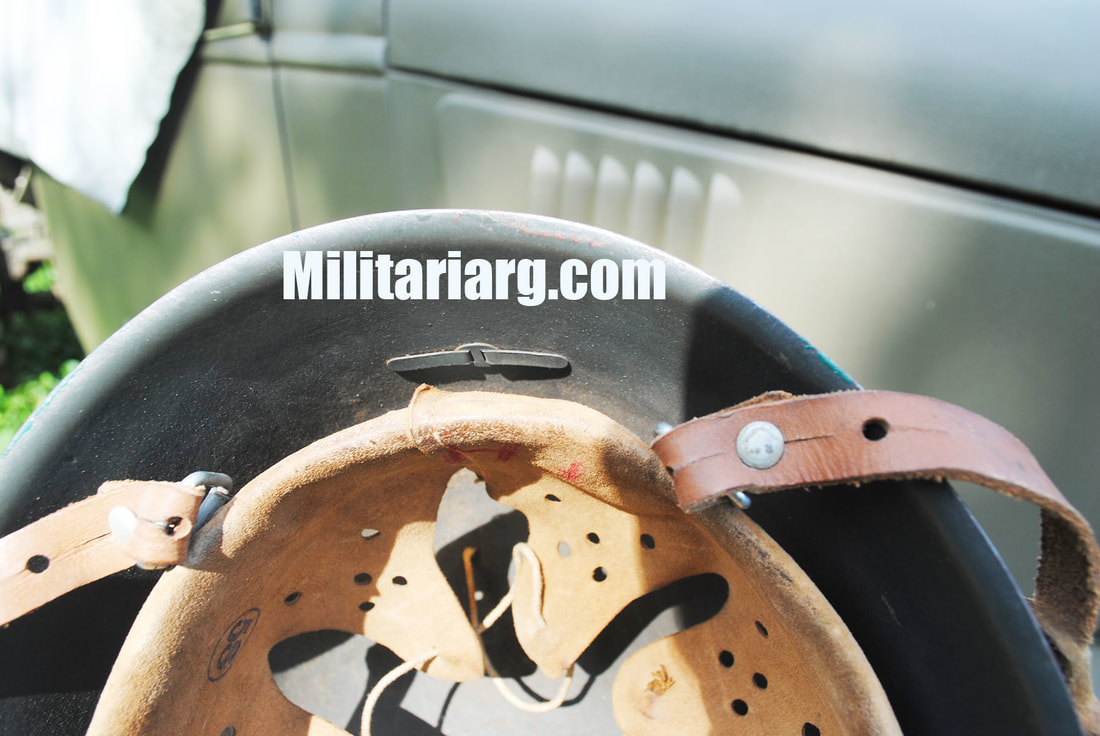
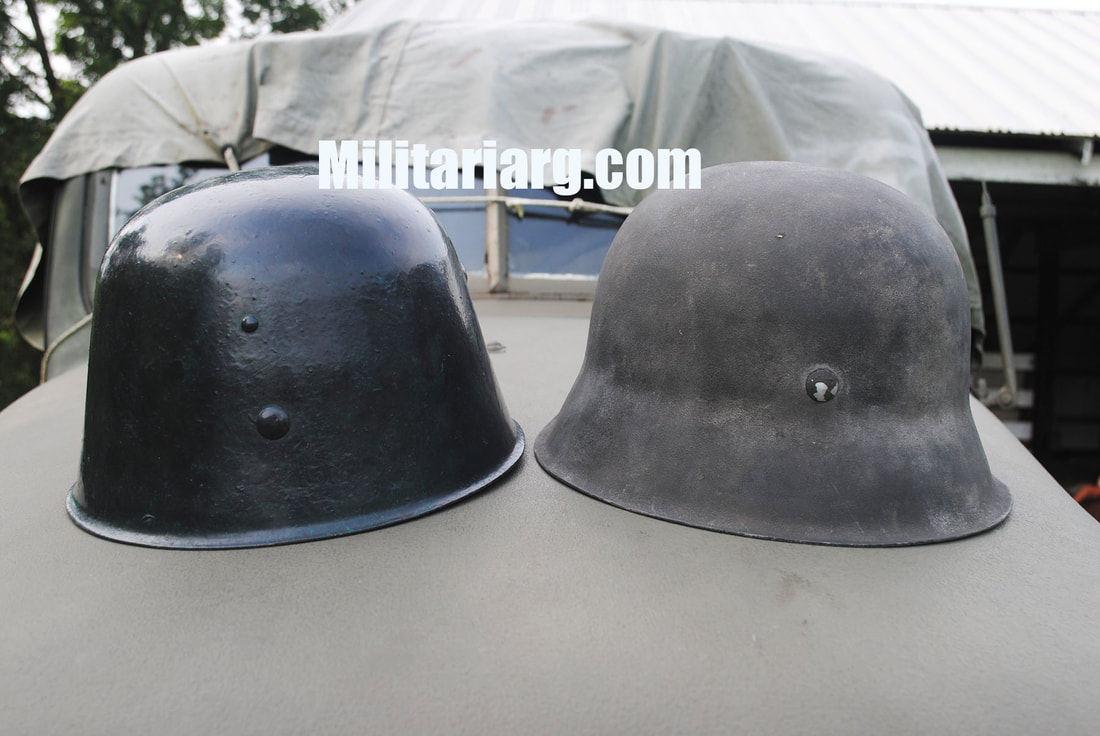
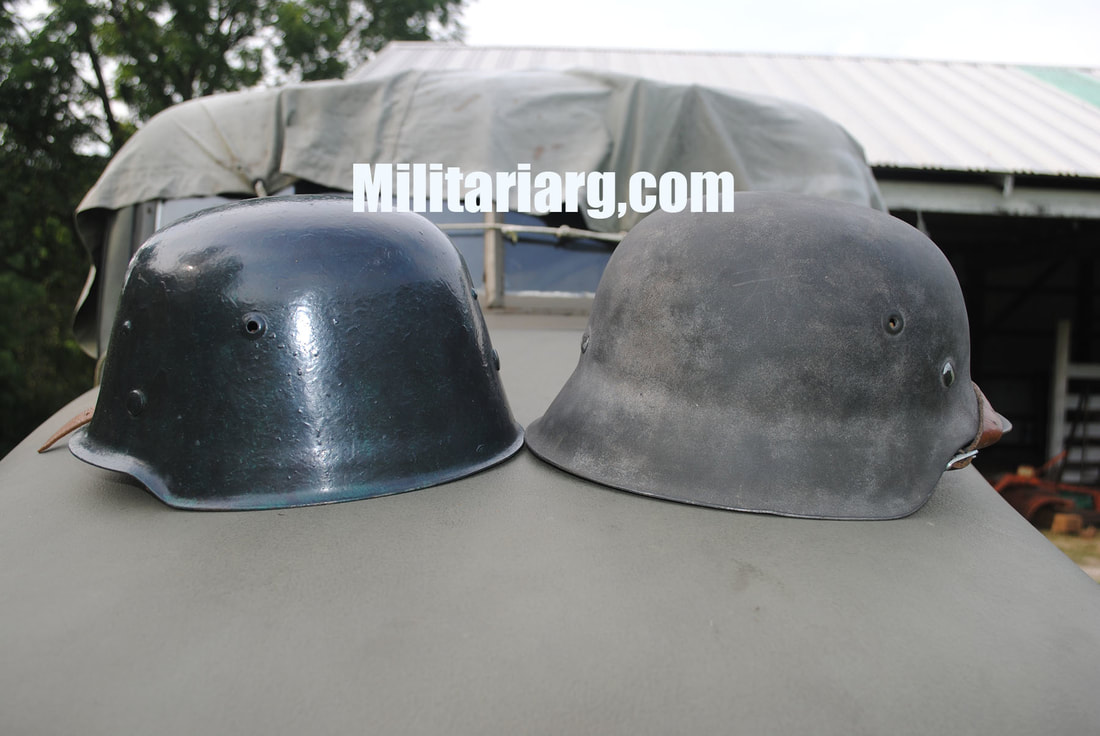
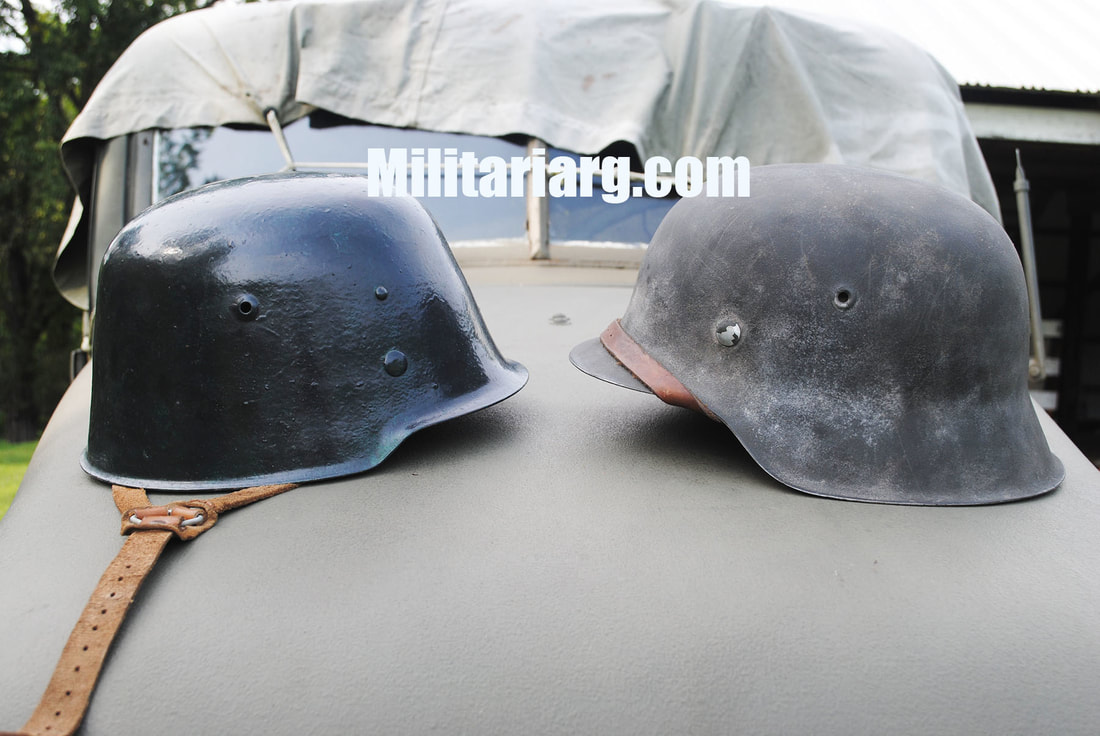
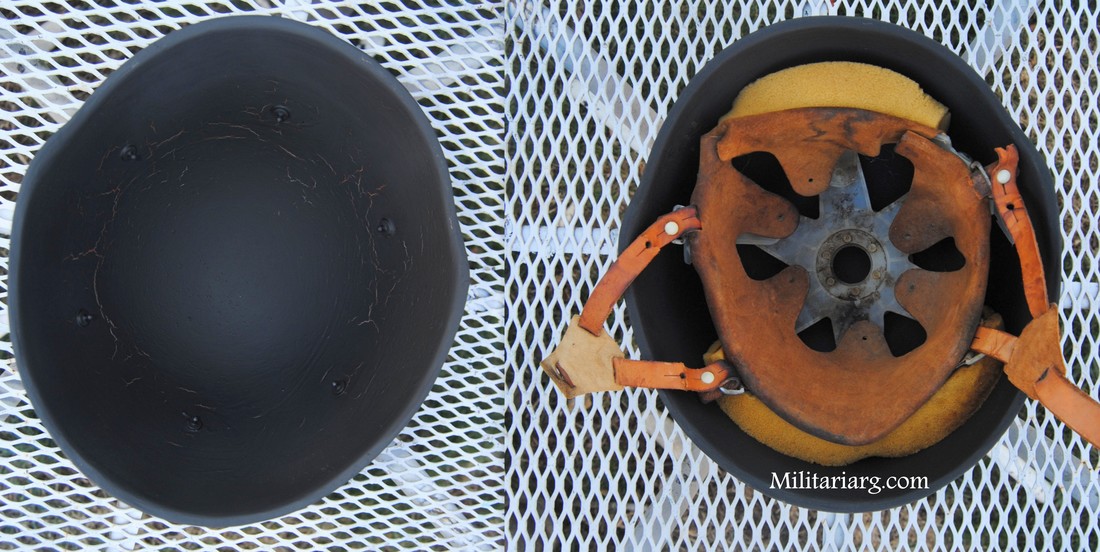
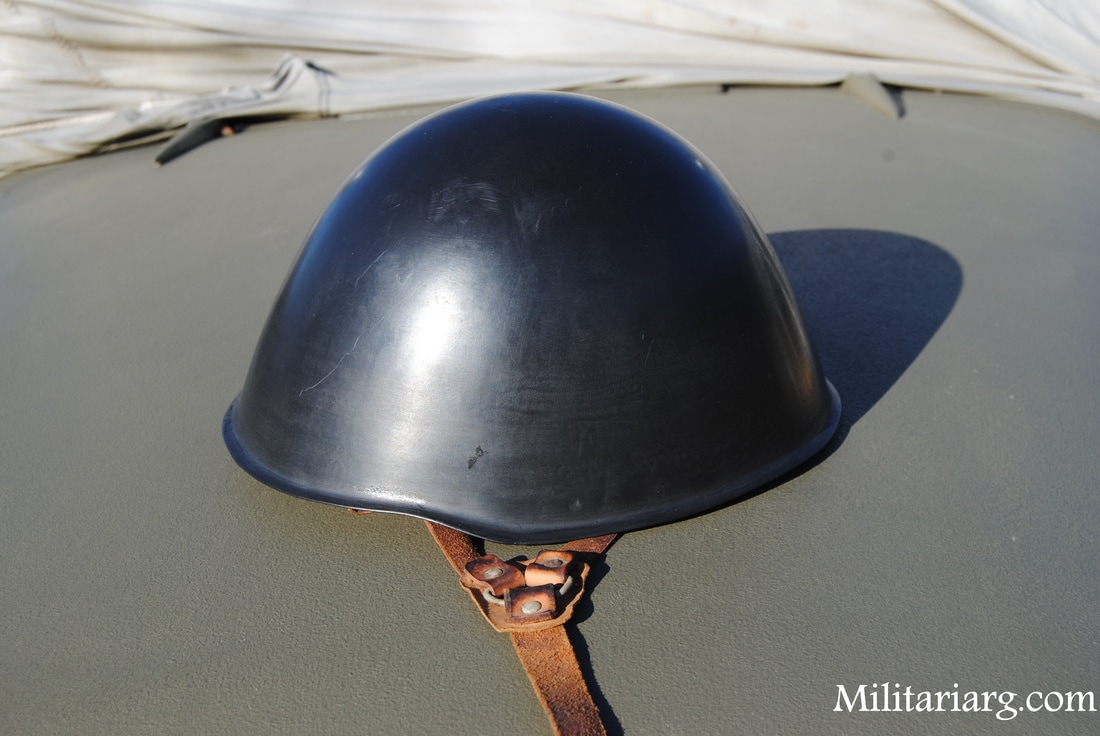
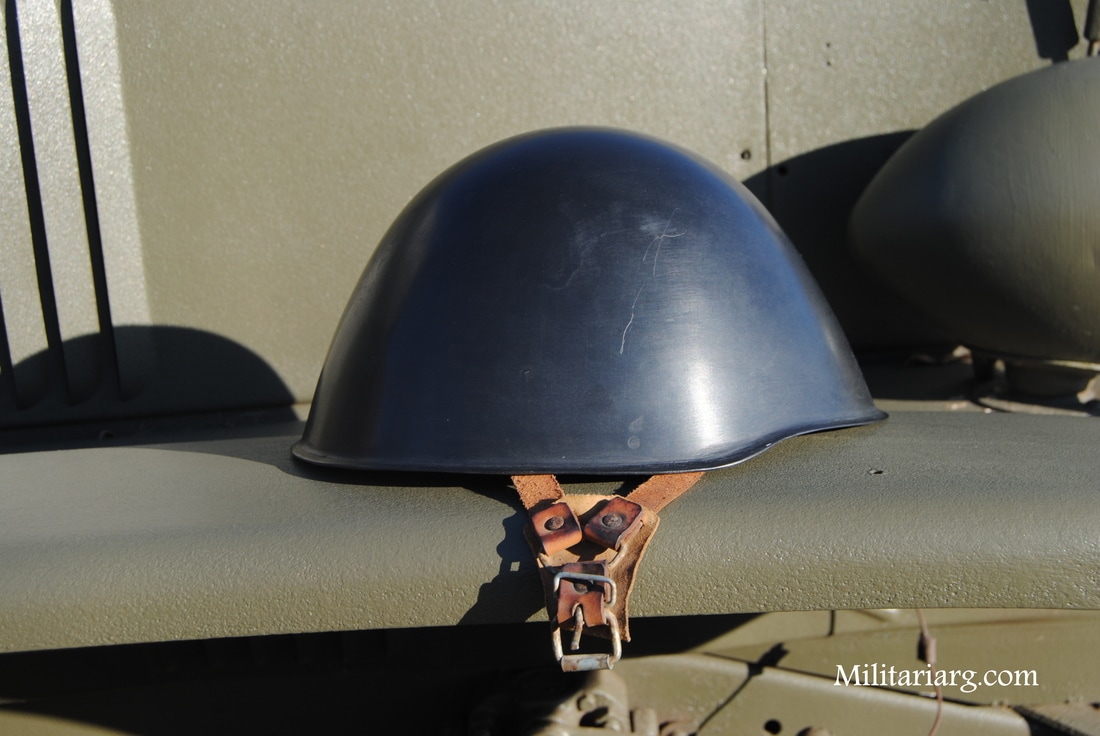
DDR KVP M54 Helmet, also called "Kessler bombe", type 2 (Type 1 refurbished with the M31 liner from the early M56 Helmet, recently acquired from StaBfur, former East Germany. Probably repainted to use on a motorcycle.
The East German M1954 helmet, often nicknamed the "Kesslerbombe" ("Kessler's Bomb"), was a short-lived combat helmet that was a direct predecessor to the iconic M56 helmet and was never intended for bomb disposal use. It was an initial, failed attempt by East Germany to adopt a unique domestic military helmet after World War II.
Developed for the Kasernierte Volkspolizei (KVP, the precursor to the National People's Army or NVA) and the Deutsche Volkspolizei (DVP), to replace Soviet SSh-40 helmets and dissociate from overt Soviet influence.
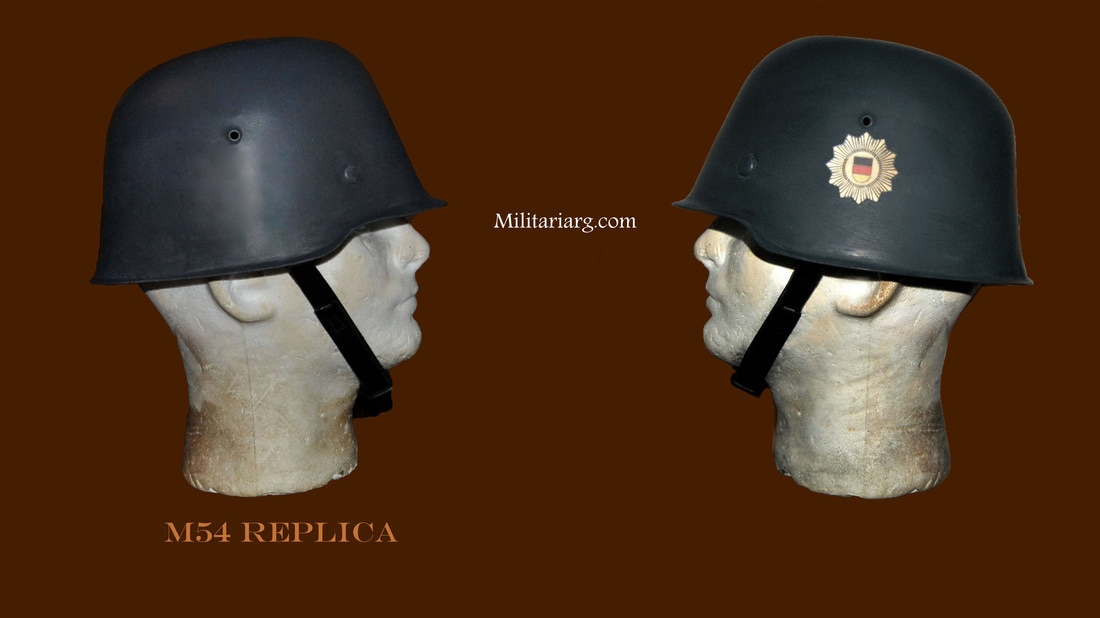
It was based on German WWII helmet prototypes (specifically the M1944 prototype) that Adolf Hitler had rejected during the war. It has a distinctive profile with a swooping flare at the rear for increased neck protection, but without a traditional rolled brim.
The "Kesslerbombe" Nickname
The name refers to General Heinz Keßler, the head of the NVA at the time, and the "bomb" shape of the helmet.
The M54 was largely unsuccessful in field trials and was quickly replaced by the superior and now-iconic M56 helmet in 1956.
Most M54s were transferred to the Kampfgruppen der Arbeiterklasse (KdA - Factory Militia) and police units, where they saw use until the mid-1960s.
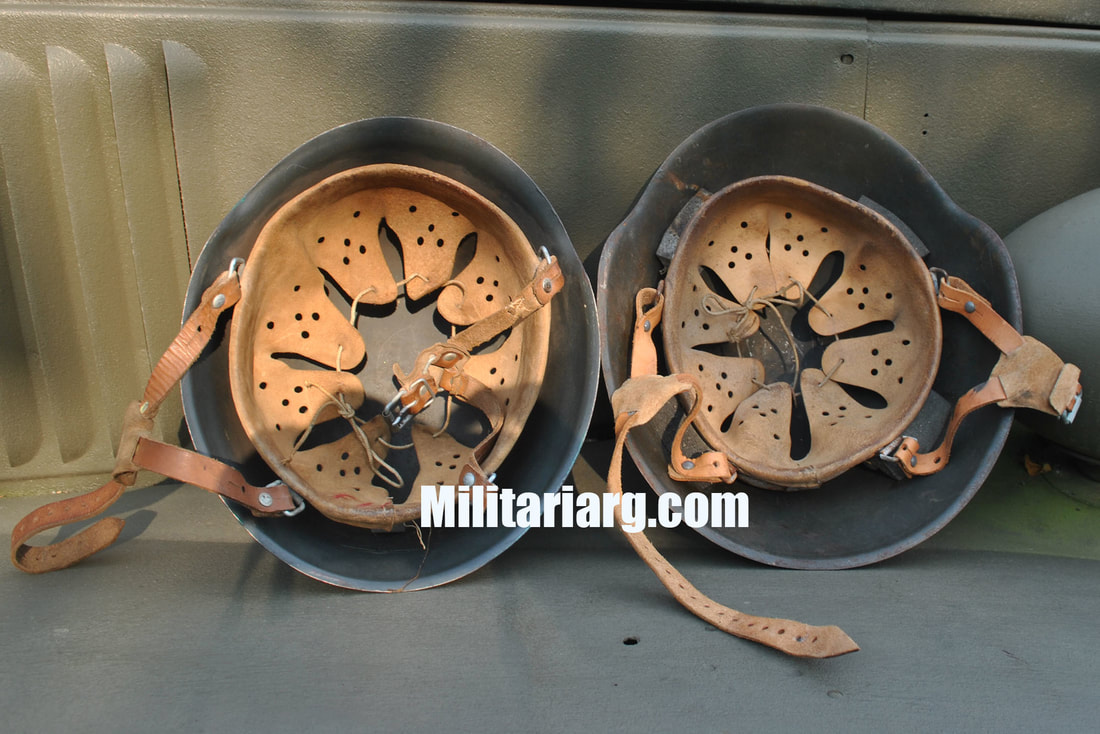
The M54 had two different suspension systems during its service life. The first type was fixed with three rivets, similar to WWII models. The second type (This one on the photos) had an updated chinstrap and padding system that required additional holes in the shell.
This helmet is extremely rare today and a highly sought-after collector's item due to its short production run and historical significance as a transitional piece of East German military history.
Developed for the Kasernierte Volkspolizei (KVP, the precursor to the National People's Army or NVA) and the Deutsche Volkspolizei (DVP), to replace Soviet SSh-40 helmets and dissociate from overt Soviet influence.
It was based on German WWII helmet prototypes (specifically the M1944 prototype) that Adolf Hitler had rejected during the war. It has a distinctive profile with a swooping flare at the rear for increased neck protection, but without a traditional rolled brim.
The "Kesslerbombe" Nickname
The name refers to General Heinz Keßler, the head of the NVA at the time, and the "bomb" shape of the helmet.
The M54 was largely unsuccessful in field trials and was quickly replaced by the superior and now-iconic M56 helmet in 1956.
Most M54s were transferred to the Kampfgruppen der Arbeiterklasse (KdA - Factory Militia) and police units, where they saw use until the mid-1960s.
The M54 had two different suspension systems during its service life. The first type was fixed with three rivets, similar to WWII models. The second type (This one on the photos) had an updated chinstrap and padding system that required additional holes in the shell.
This helmet is extremely rare today and a highly sought-after collector's item due to its short production run and historical significance as a transitional piece of East German military history.
M54 East German Helmet size 58 and M42 CKL size 66, with high lot factory markings (1945)
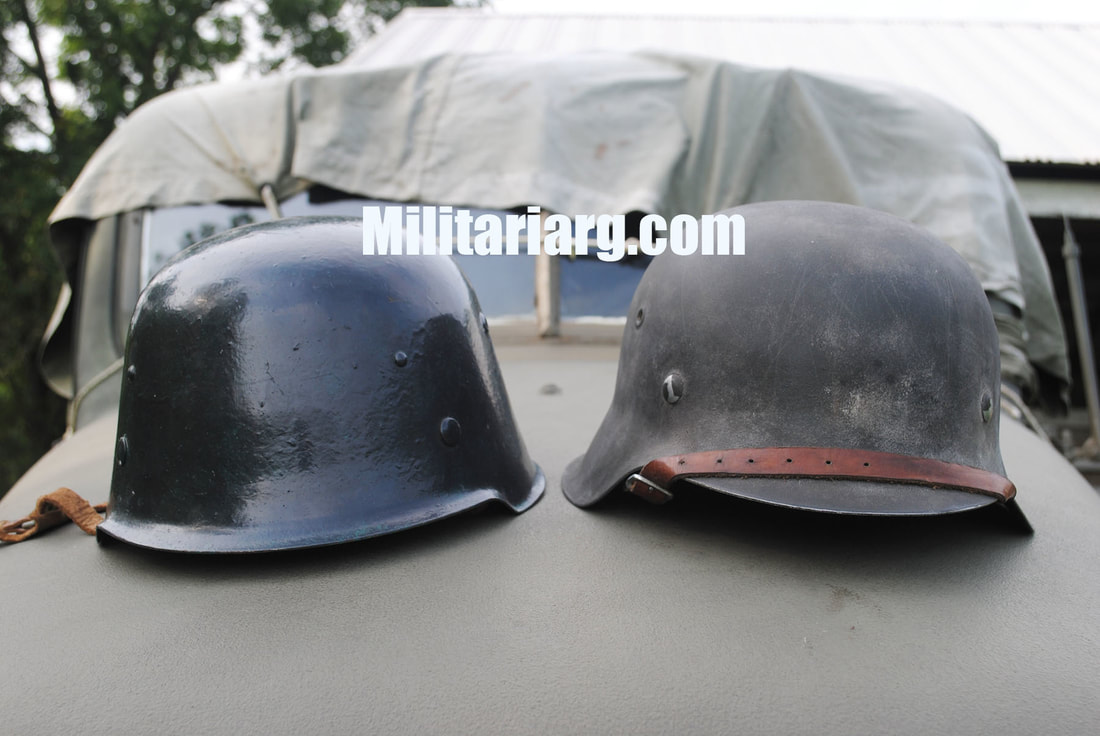
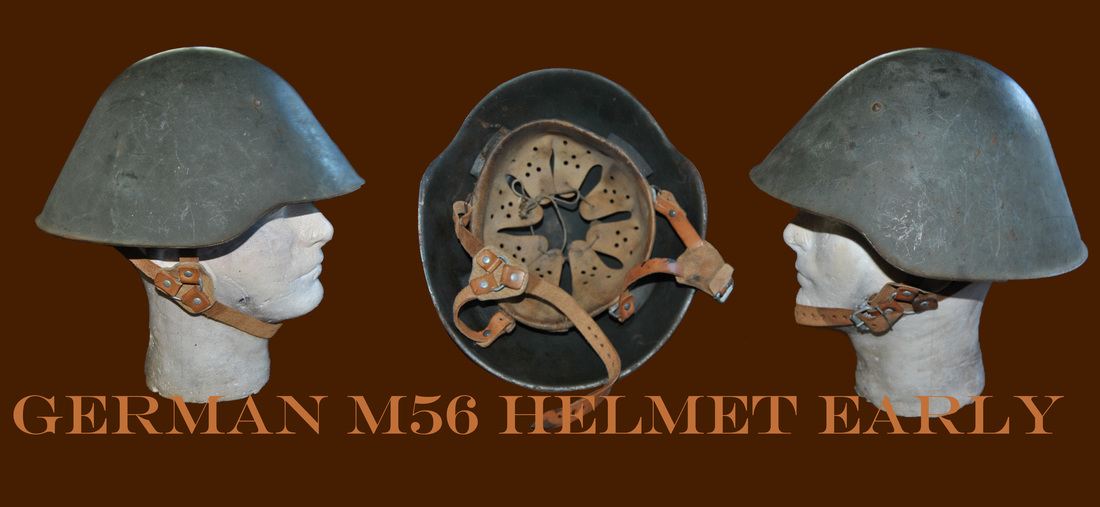
Early M56 Volskarmee Helmet and M54 KVP Helmet:
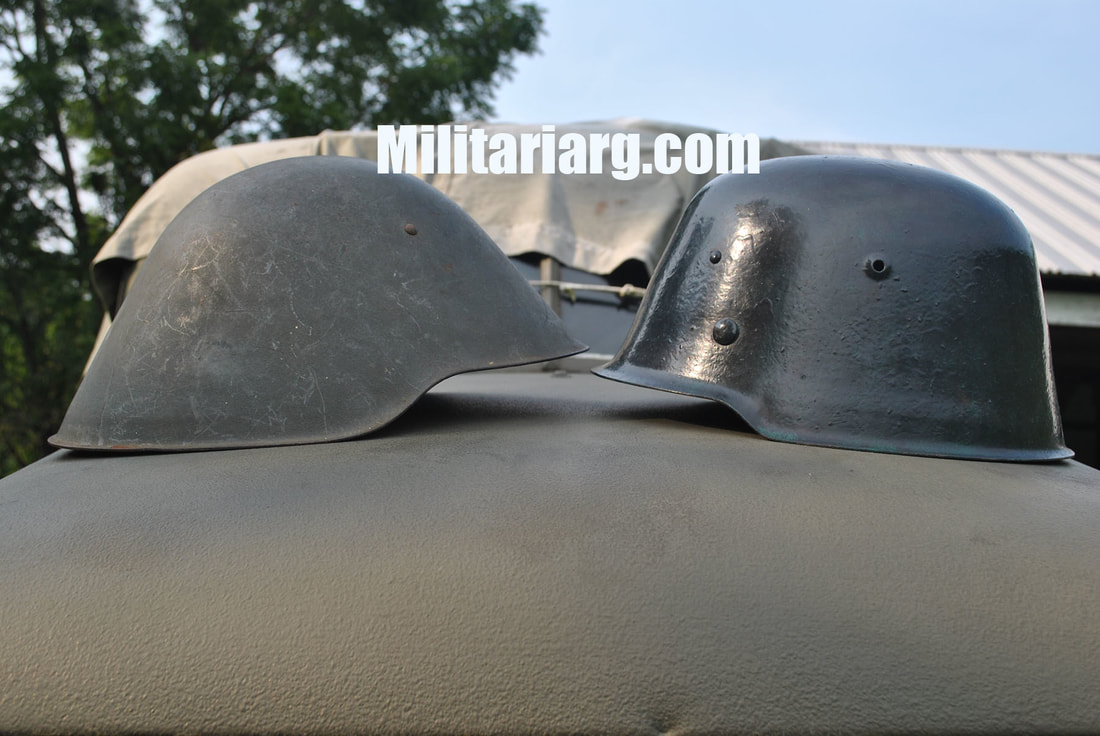
1959 M56 Helmet Size 1 (Small).
The East German M1956 helmet (official designation Stahlhelm M56 or internal designation Gerät 604) was the standard combat helmet of the Nationale Volksarmee (NVA) and other East German services from 1956 until the reunification of Germany in 1990.
The Original M56 (1st Pattern)
The original or first pattern M56 model is distinct from the later, more common variants. It was primarily produced in 1956 and 1957.
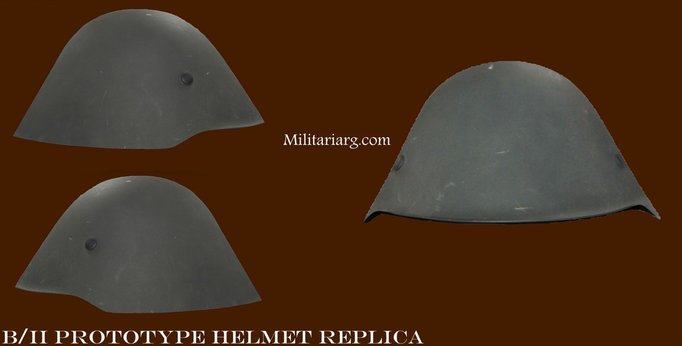
The shape is famously derived from a rejected Nazi German WWII prototype (the B/II or M1944). It features a unique, deep, swooping flare at the rear for maximum neck protection and no rolled rim.
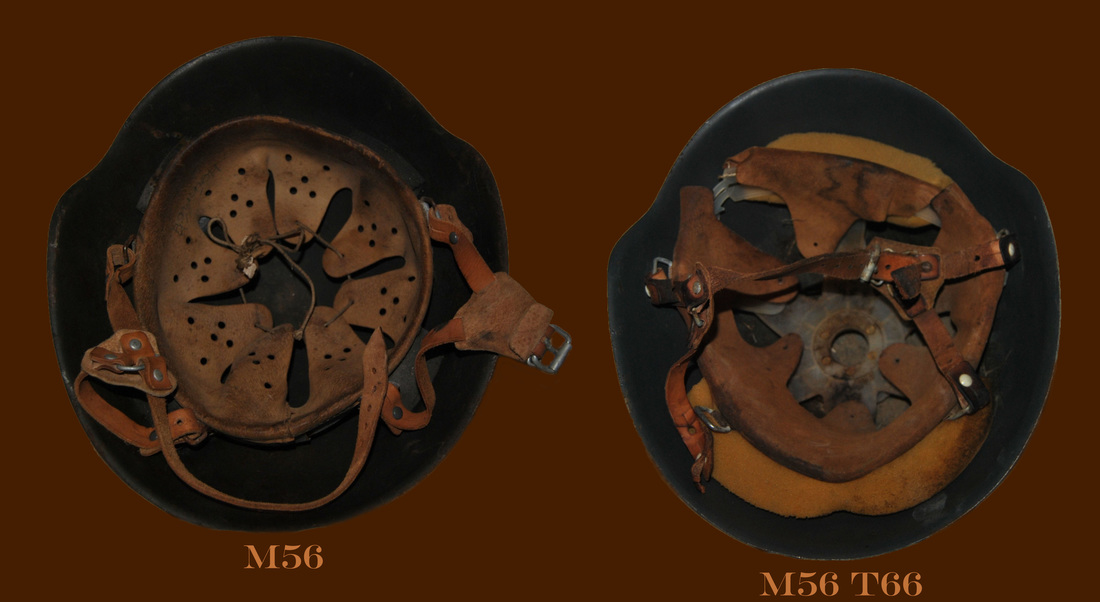
The key identifier of a first pattern M56 is the presence of three visible exterior rivets (two on the sides, one in the rear). These rivets secured the internal liner band directly to the shell.
The liner was a direct copy of the simple WWII German M44 liner, featuring a basic leather band and flaps.
The original M56s were typically painted a smooth, glossy dark grey-green.
Evolution of the M56 (The M56/66 and M56/76)
Due to stability issues and poor fit of the original liner, the helmet underwent rapid modification:
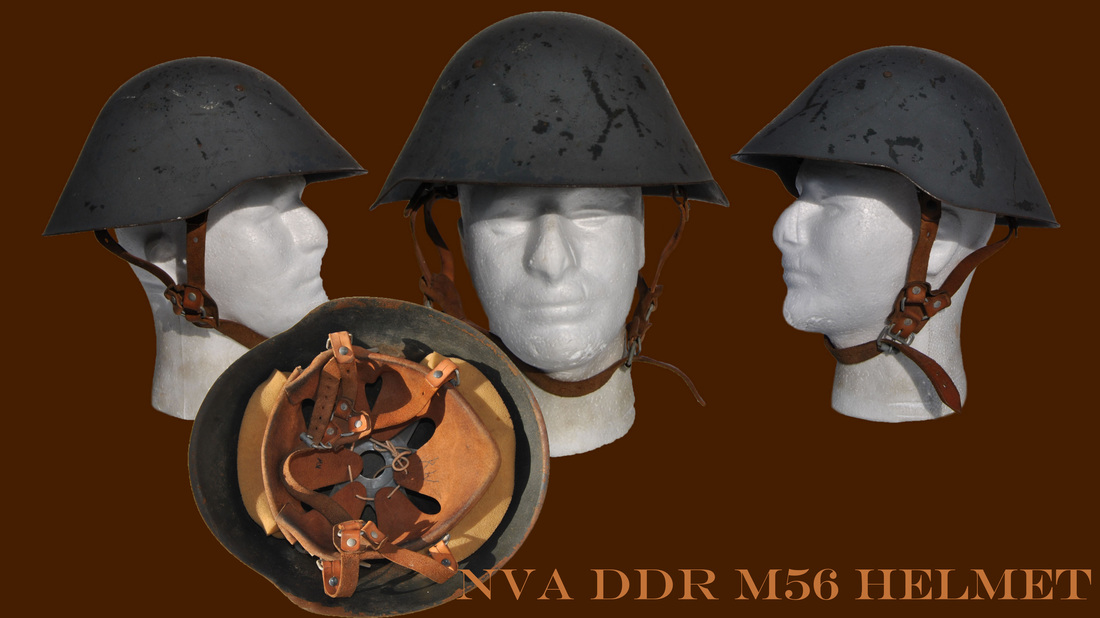
M56/66 (Second Pattern): This is the most common version. The original liner was replaced with a much more complex and stable eight-finger webbing suspension system held by an internal aluminum band. Critically, the exterior rivets were removed from this version, leaving the shell smooth.
M56/76 (Third Pattern): The shell shape remained the same, but the liner was simplified with a more efficient internal webbing and adjustable chinstrap system.
The original, first-pattern M56 with the three exterior rivets is quite rare and highly sought after by collectors, as most were quickly phased out or upgraded. The smooth shell M56/66 is extremely common and affordable.
The Original M56 (1st Pattern)
The original or first pattern M56 model is distinct from the later, more common variants. It was primarily produced in 1956 and 1957.
The shape is famously derived from a rejected Nazi German WWII prototype (the B/II or M1944). It features a unique, deep, swooping flare at the rear for maximum neck protection and no rolled rim.
The key identifier of a first pattern M56 is the presence of three visible exterior rivets (two on the sides, one in the rear). These rivets secured the internal liner band directly to the shell.
The liner was a direct copy of the simple WWII German M44 liner, featuring a basic leather band and flaps.
The original M56s were typically painted a smooth, glossy dark grey-green.
Evolution of the M56 (The M56/66 and M56/76)
Due to stability issues and poor fit of the original liner, the helmet underwent rapid modification:
M56/66 (Second Pattern): This is the most common version. The original liner was replaced with a much more complex and stable eight-finger webbing suspension system held by an internal aluminum band. Critically, the exterior rivets were removed from this version, leaving the shell smooth.
M56/76 (Third Pattern): The shell shape remained the same, but the liner was simplified with a more efficient internal webbing and adjustable chinstrap system.
The original, first-pattern M56 with the three exterior rivets is quite rare and highly sought after by collectors, as most were quickly phased out or upgraded. The smooth shell M56/66 is extremely common and affordable.
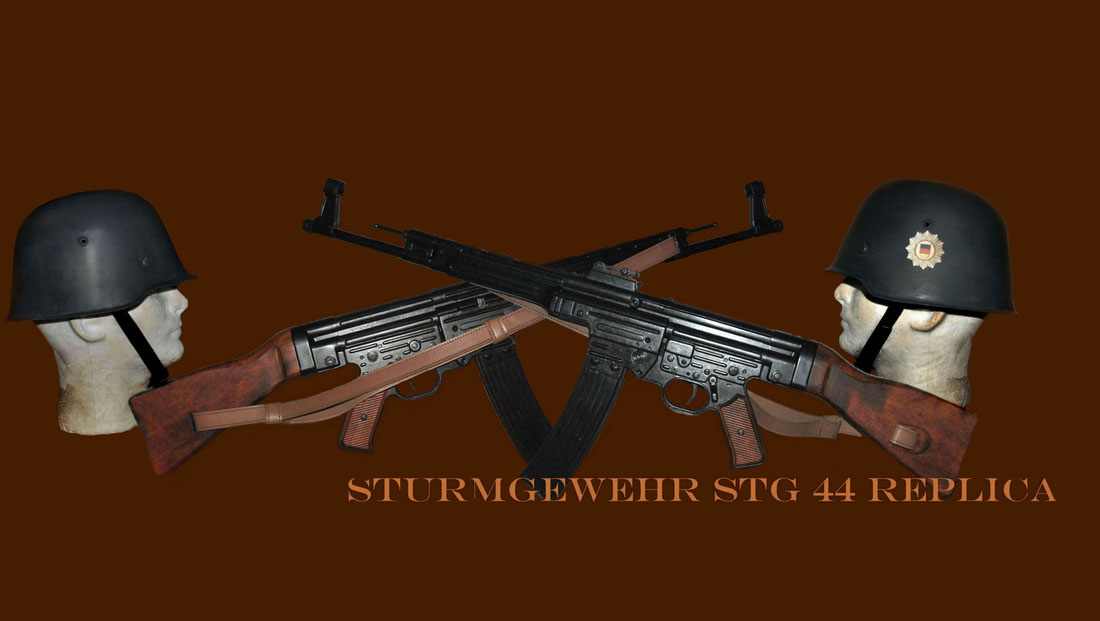
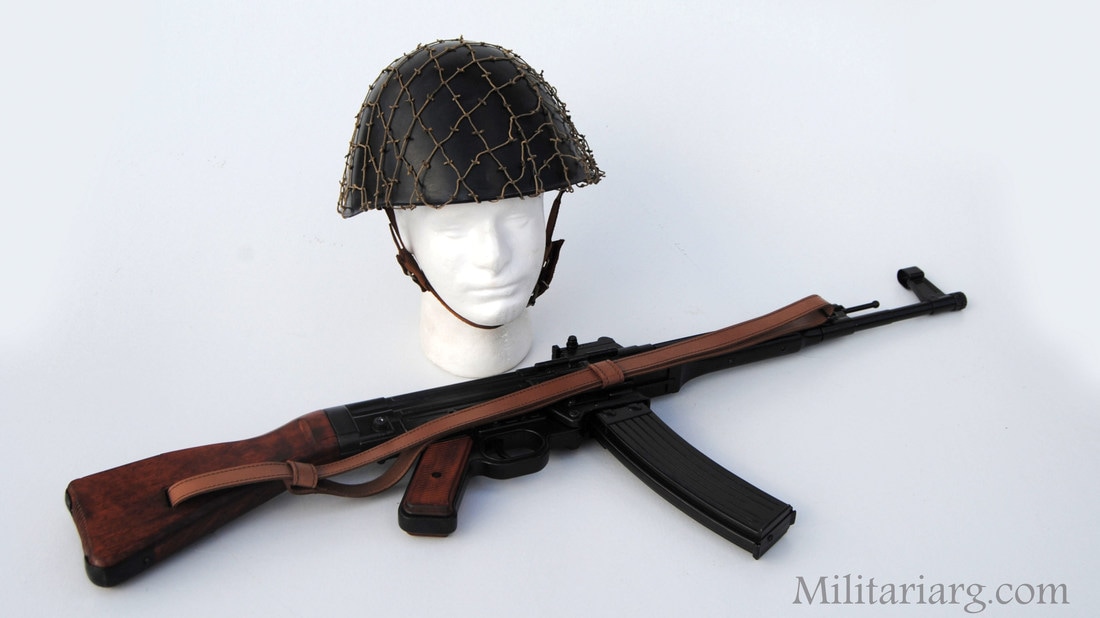
MP44 STG44 Metal made by DENIX.
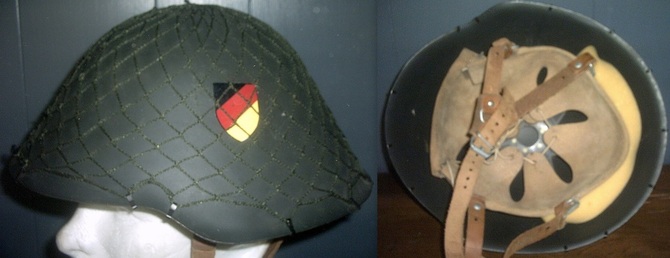
Repro KVP M54 (1st type)
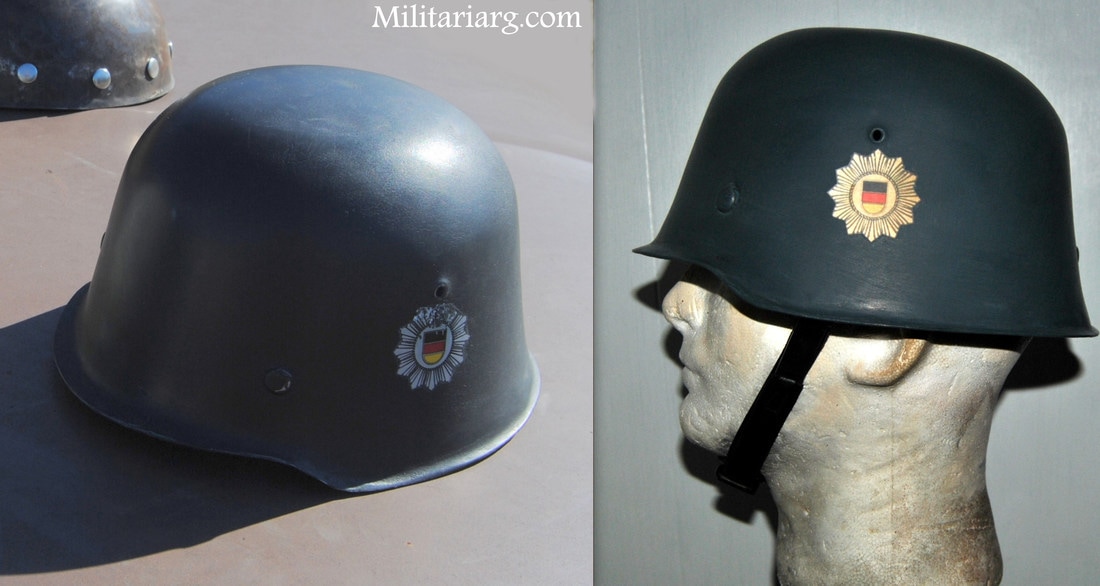
KVP (Barracks Police 1954) steel helmet replica.
DDR M605 Helmet
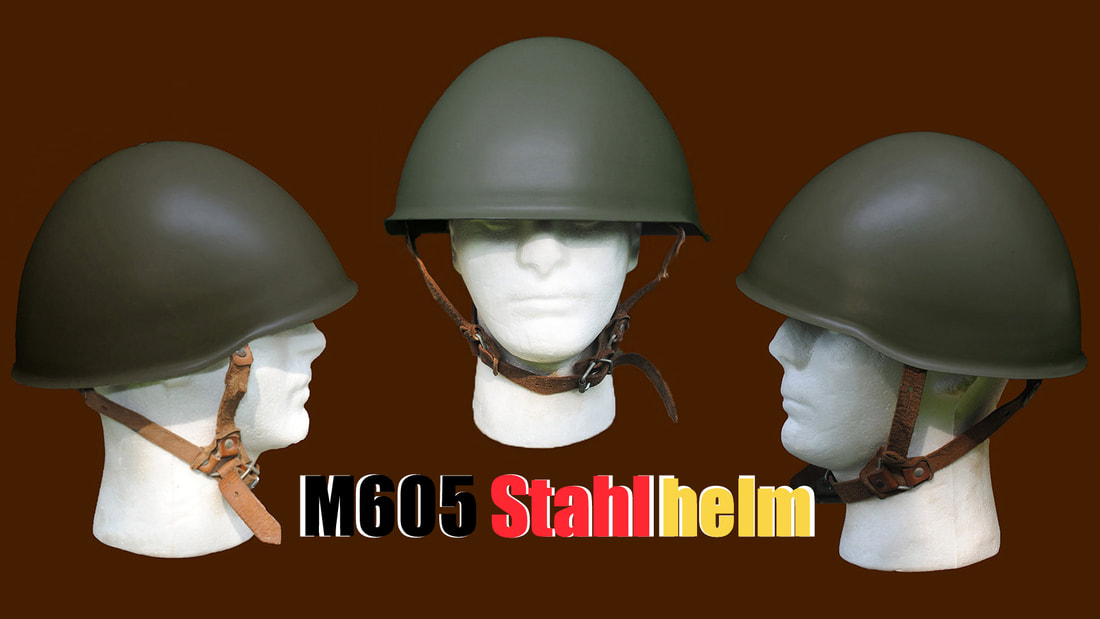
Gerät is the German word for "device" or "equipment". "Gerät 605" was the internal export designation used by the East German state for the M82 export model. (Gerät 604 was the internal state designation for the East German M56 helmet during its development and initial production phases).
the Gerät 605 (also known as the M82) followed a "rejected-then-exported". These helmets were export to allied nations, particularly in Africa and the Middle East.
Despite their late-Cold War origins, these distinctive helmets are still found in service with military and police forces in some countries today, including Syria.
the Gerät 605 (also known as the M82) followed a "rejected-then-exported". These helmets were export to allied nations, particularly in Africa and the Middle East.
Despite their late-Cold War origins, these distinctive helmets are still found in service with military and police forces in some countries today, including Syria.
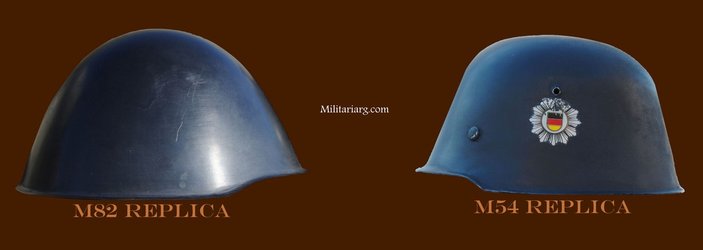
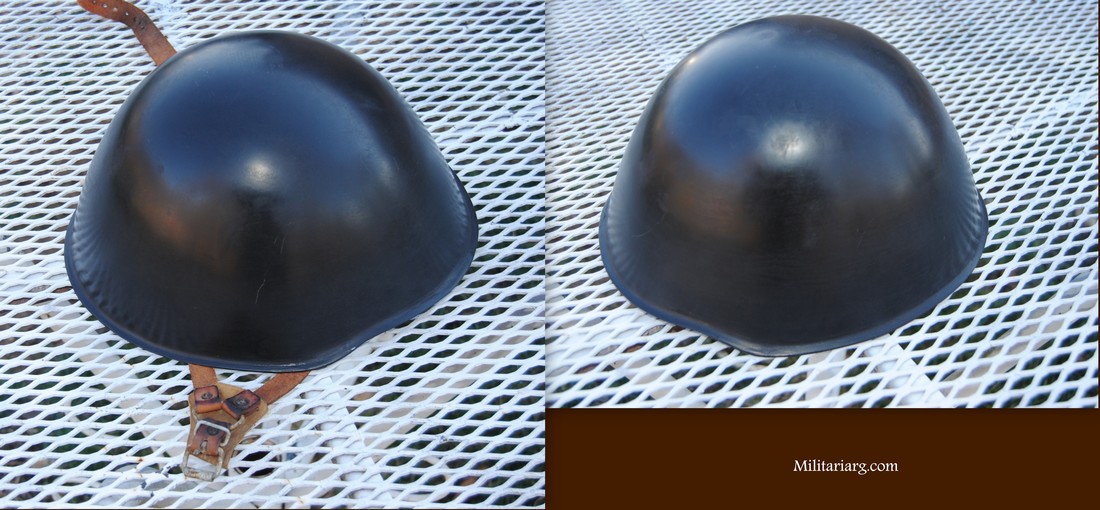
DDR M82 steel export helmet helm M 605 replica. These helmets were made for export to Third World countries during the late Cold War period (1982). There are still found in service in some African and Middle Eastern countries. Maybe in the future they will appear for collectors, but for now they are difficult to acquire.
Above: The late WWII, prototype by the Thale Factory, also a steel replica. Curiously, they seem to have parallel design tracts.
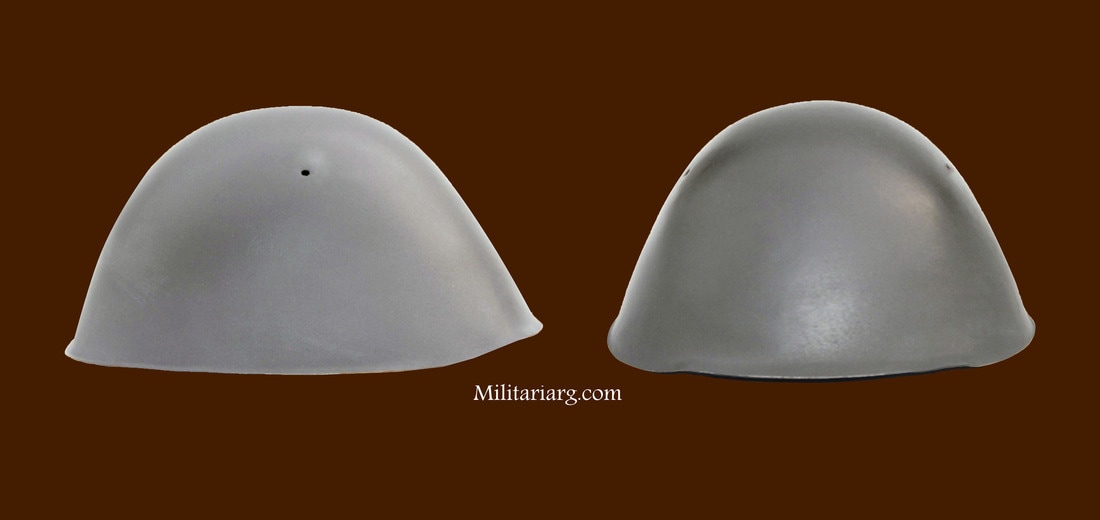
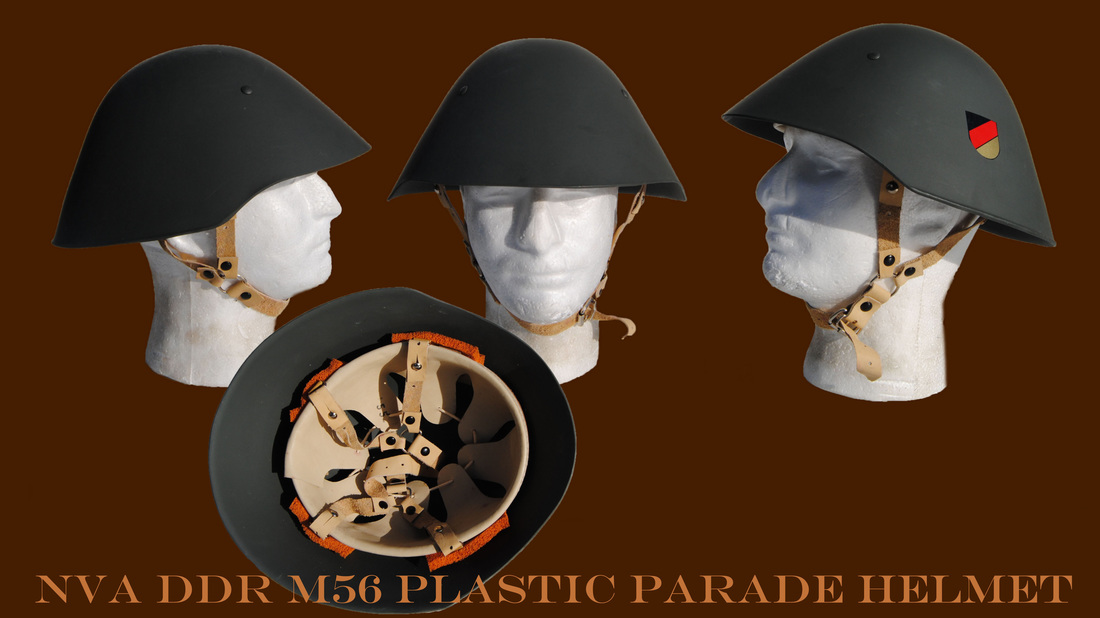
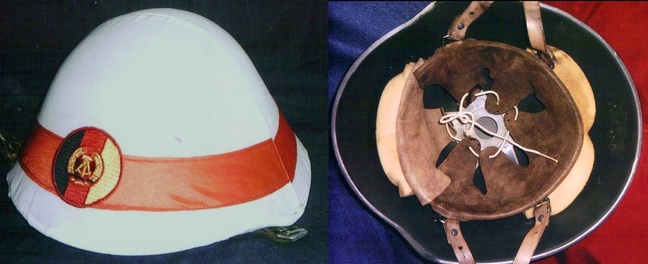
NVA DDR M56 Plastic Parade Helmet
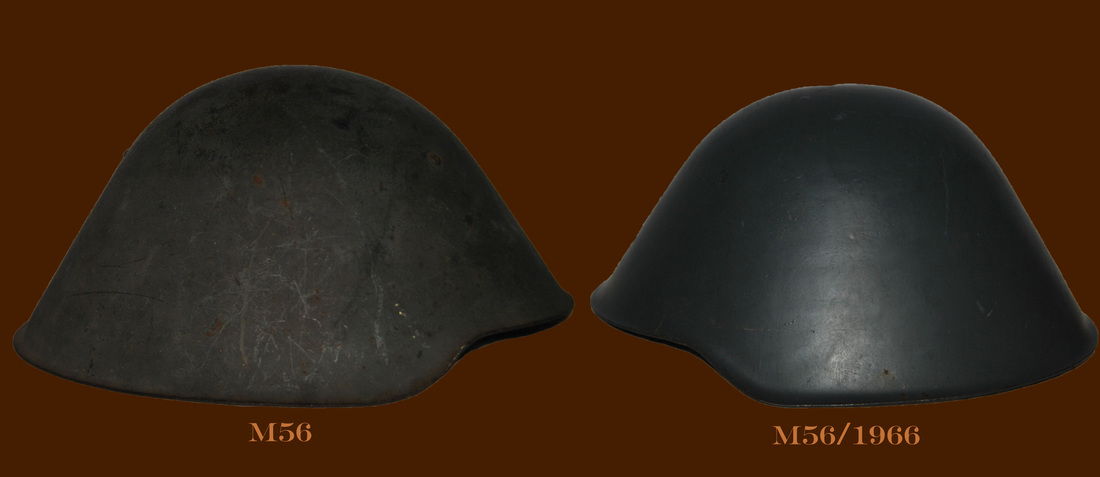
Left: M56 helmet, 3 external rivets with M31 liner. Right: M56 T66 (1966) without external rivets and leather/plastic liner.
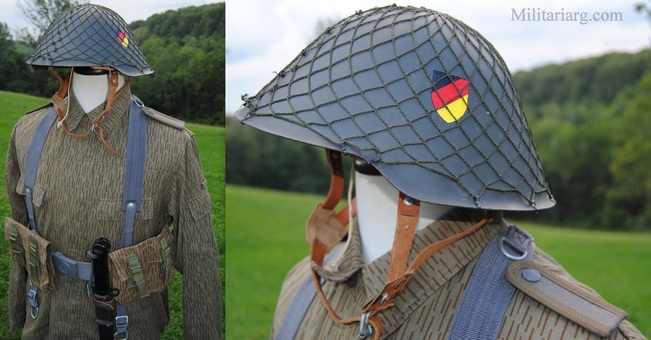
M56 DDR helmet, 3 external rivets update with new plastic/leather liner.
Hybrid or Transitional M56/66 Helmet:
The M56 hybrid was simply the 1966 upgrade (or recycled) of the early shell type to adapt them to the new type of plastic frame system liner. The early shells had three external rivets that held the M31 type liner. This upgrade was to weld six steel connectors inside the shell to hold the modern liner, leaving externally the old rivets or simply as in this case the holes.
East German M56. NVA.
M56 Volskarmee Helmet.
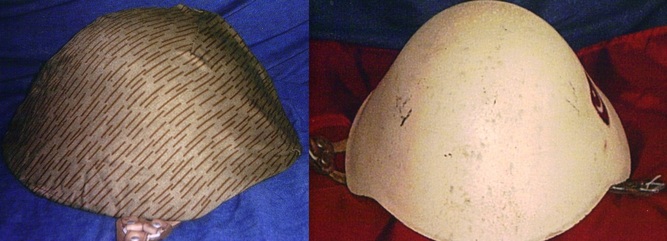
Left: East German DDR Helmet with Rain Pattern Camo Cover. Right: Turkish M56 Helmet with desert camo.
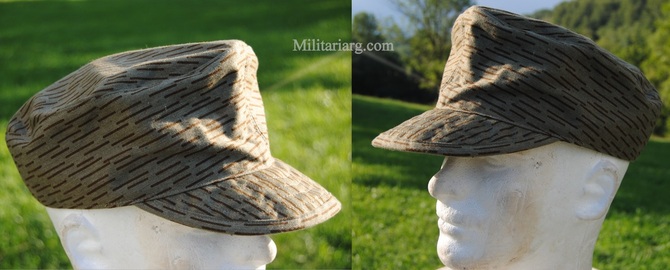
DDR Volskarmee Cap. Rain Camo Pattern.
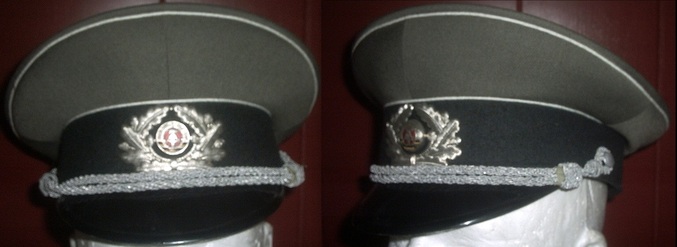
NVA Visor Hat.
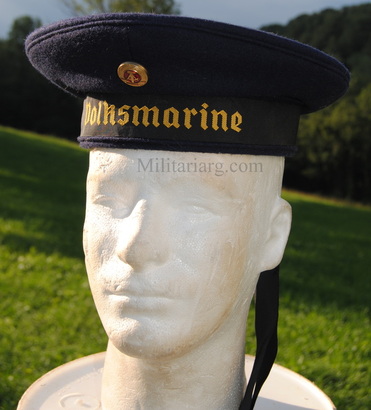
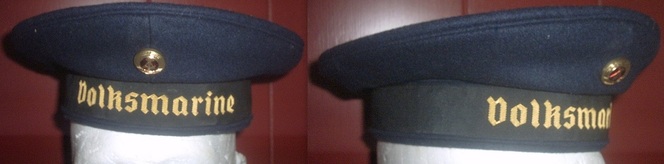
Volskmarine Sailor Hat.
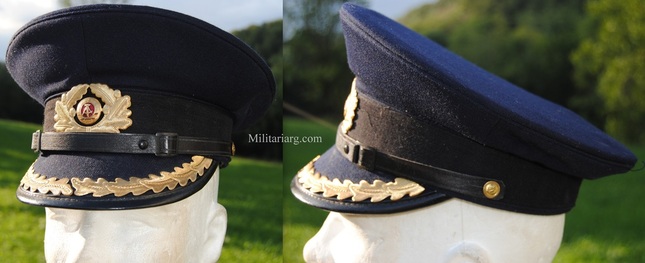
East German Navy Officers Visor Cap
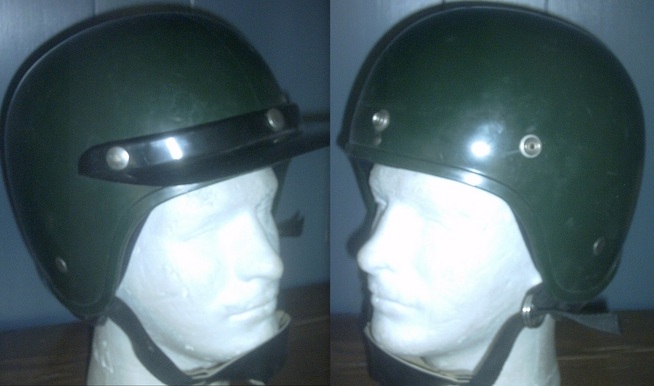
DDR Dispatch Rider Plastic Helmet.
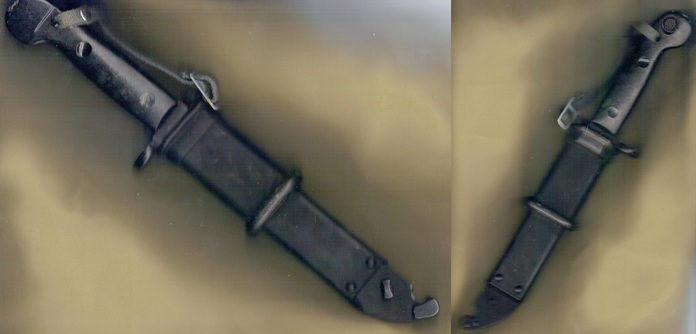
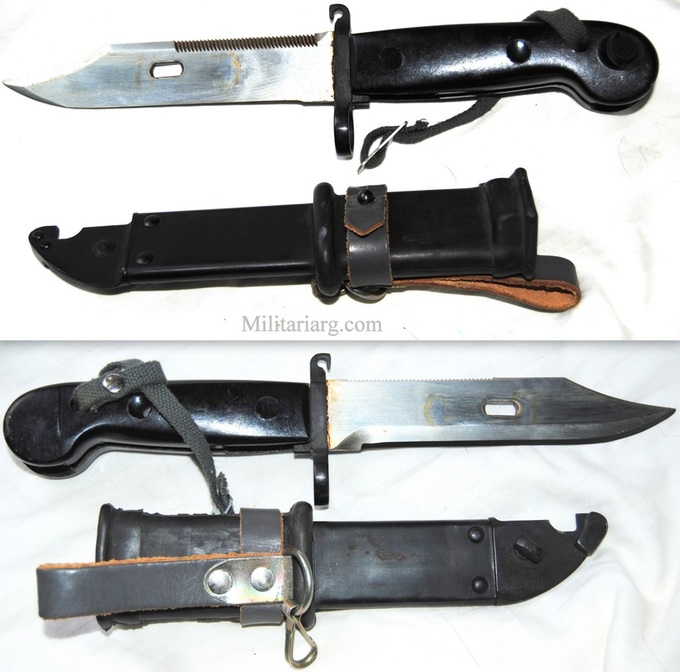
DDR AK-47 Bayonet.
NVA DDR truck IFA G5Ko scale 1/43 Atlas Model
IFA G5KO truck.
The IFA G5 was a late war 5-ton 6x4 and 6x6 truck prototype of the Third Reich, designed at the Vomag. In 1945, the Soviets dismantled the Vomag industries, but in the 50s they allowed the East German DDR (GDR) to continue with the project through AG (Auto Union) and Horch