Militariarg.com
  • Home
  • Army
  • Aviation
  • Navy
  • Uniforms and Badges
  • Arms and Weapons
  • Equipment
  • Vehicles
  • Operational and Organizational Structure, Security Forces, Transportation, Books, Models and More.
  • Argentine Confederation Era. 1829 - 1852.
  • From 1852 to 1910 (French fashion)
  • Bunker 1982: South Atlantic War Militaria
  • International Militaria
  • Argentina WWII Era (Neutral) Reenactment Impression
  • Links ~ Enlaces
Picture
Picture

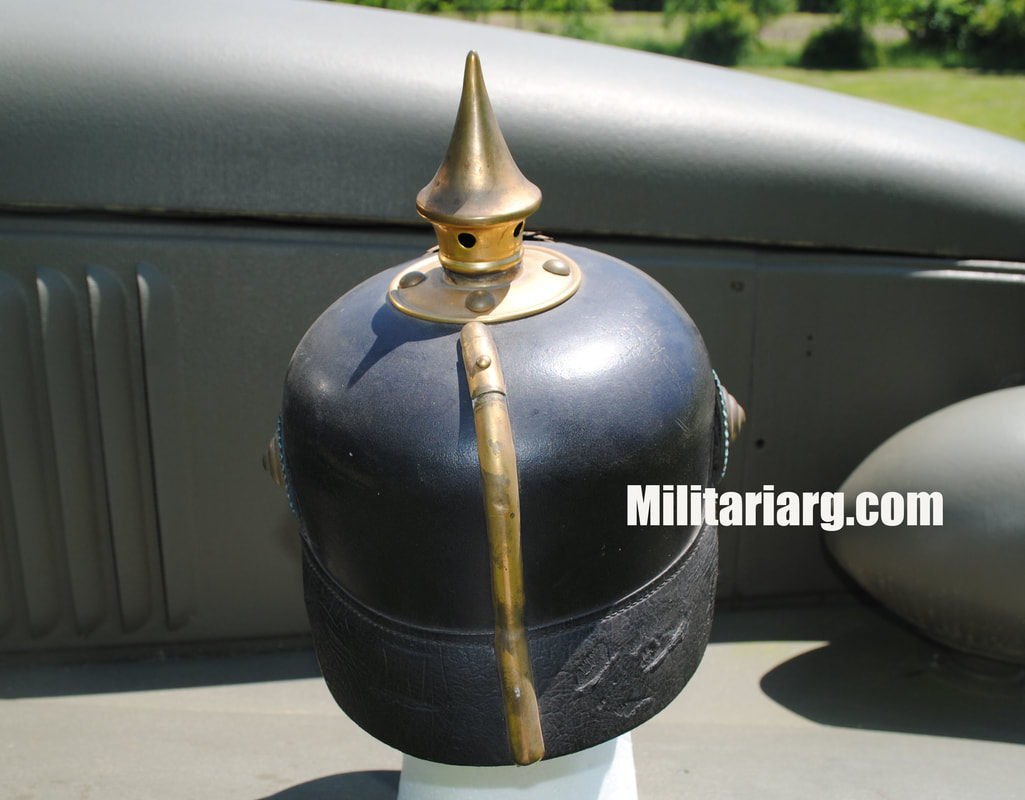
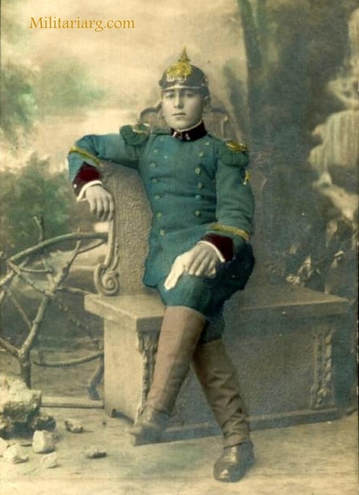
Pickelhaube

​The Pickelhaube (German for "spiked helmet") is an iconic leather or metal helmet primarily associated with the Prussian and, later, the Imperial German military and police forces in the 19th and early 20th centuries. 
Key Historical Developments

Prussian Origin (1842): 
The Pickelhaube was introduced by a royal cabinet order from King Friedrich Wilhelm IV of Prussia on October 23, 1842, for the majority of his infantry and cavalry troops. The design was likely influenced by similar, contemporary Russian helmets and was intended to be a practical and modern update to the cumbersome shako hats worn during the Napoleonic era.

Design and Materials: 
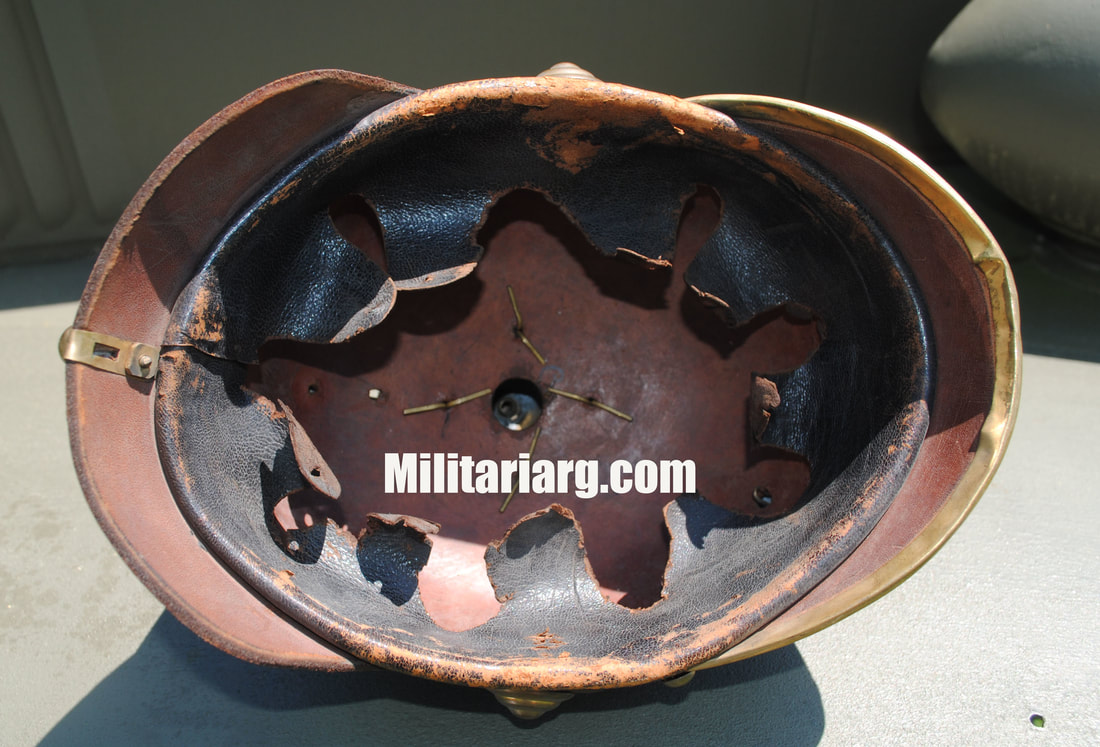
Early versions were tall and often made of boiled and blackened leather, which was lighter than metal but more durable than previous cloth caps. Metal fittings (brass or silver/gilt depending on uniform buttons) and a metal spike adorned the top. The spike was initially intended to deflect saber blows and could be fitted with decorative plumes for formal occasions.

Widespread Adoption (Mid-19th Century): 
The use of the Pickelhaube spread rapidly. Other German states adopted it following unification in 1871, and many other nations, including Russia, Sweden, Chile, Colombia, and the U.S. (briefly), used variations of the helmet for their own militaries or police forces.

World War I and Decline: 
The Pickelhaube is most famously associated with the start of World War I. However, it quickly proved impractical for trench warfare:

Poor Protection: The hardened leather shell offered minimal protection against shrapnel and modern rifle fire.
Visibility Issues: The shiny metal fittings and the spike made soldiers conspicuous targets. An optional cloth cover (Überzug) was used to prevent shine and provided camouflage.

Material Shortages: As the war progressed and materials became scarce, "ersatz" (replacement) helmets were made from cheaper materials like felt, tin, or even cardboard.

Replacement by the Stahlhelm (1916): The Pickelhaube was officially replaced on the front lines by the far more protective steel Stahlhelm (steel helmet) in 1916. 

Modern Legacy
After the collapse of the German Empire in 1918, the Pickelhaube ceased to be a part of the German military uniform. Today, it endures as a highly recognizable symbol of Imperial Germany and is still worn as ceremonial dress by militaries or police forces in some countries, such as Sweden, Chile, and Colombia.

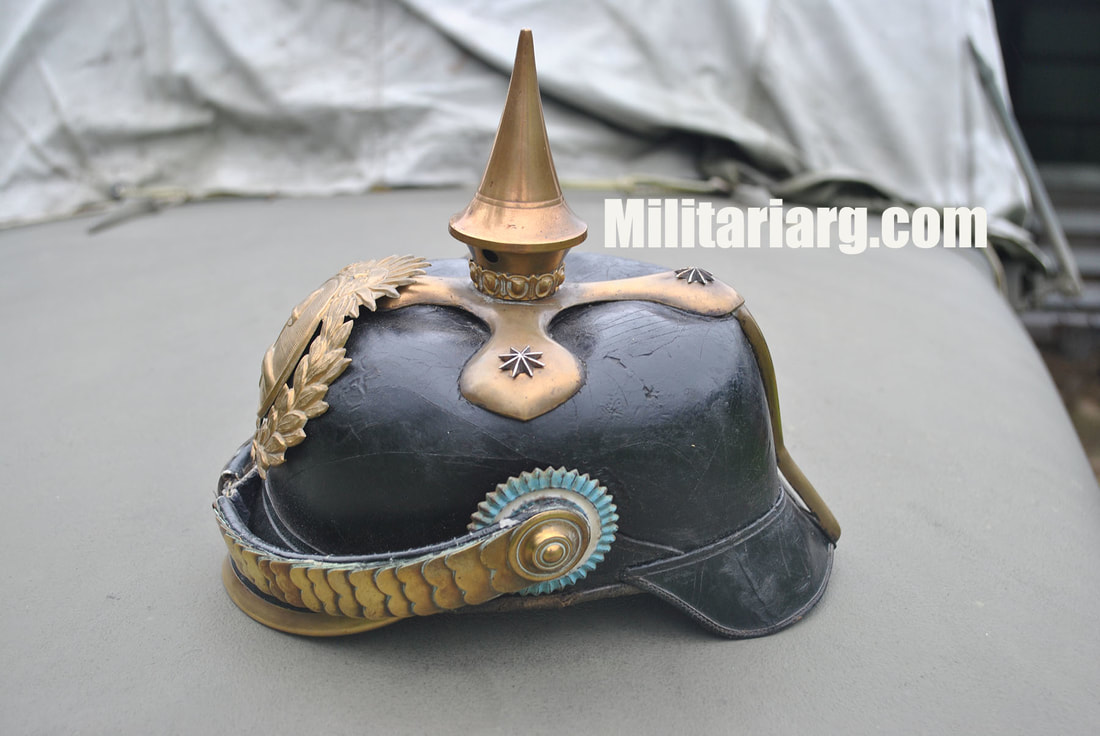
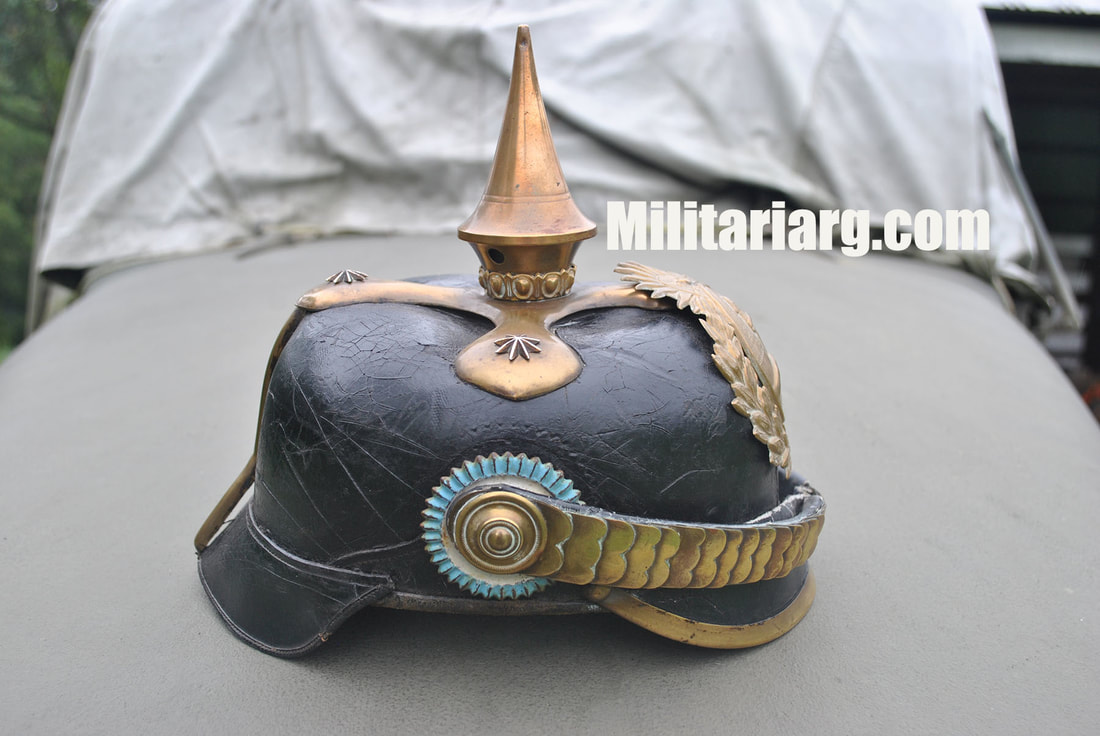
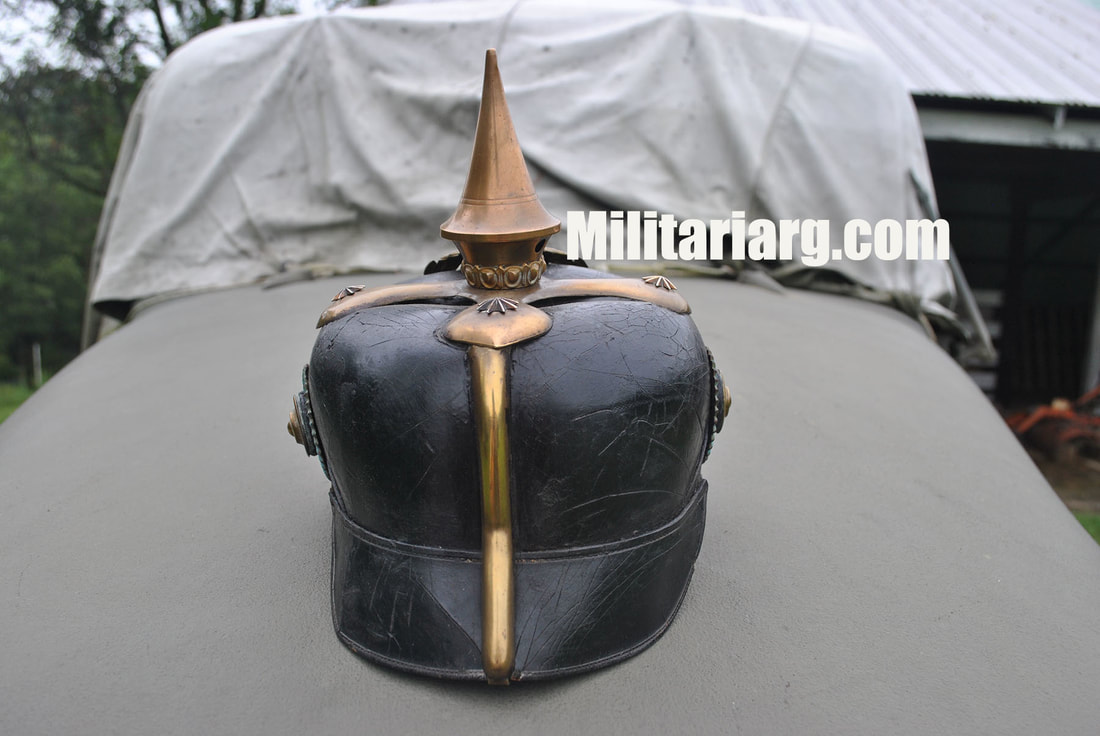
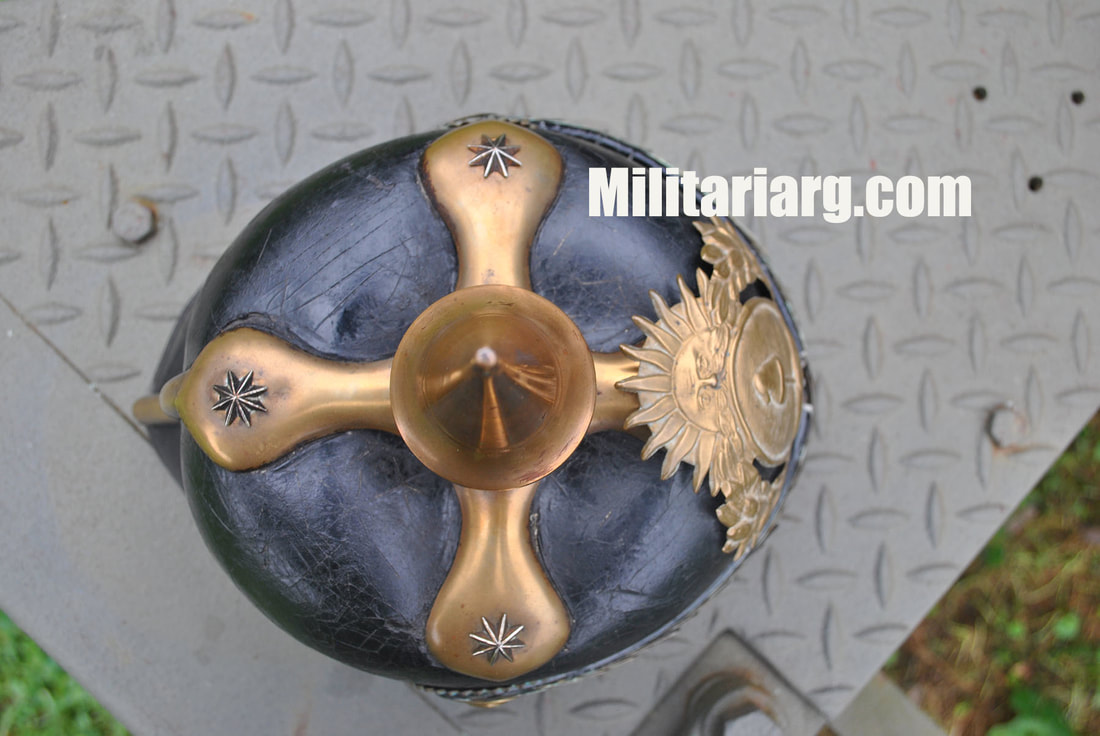
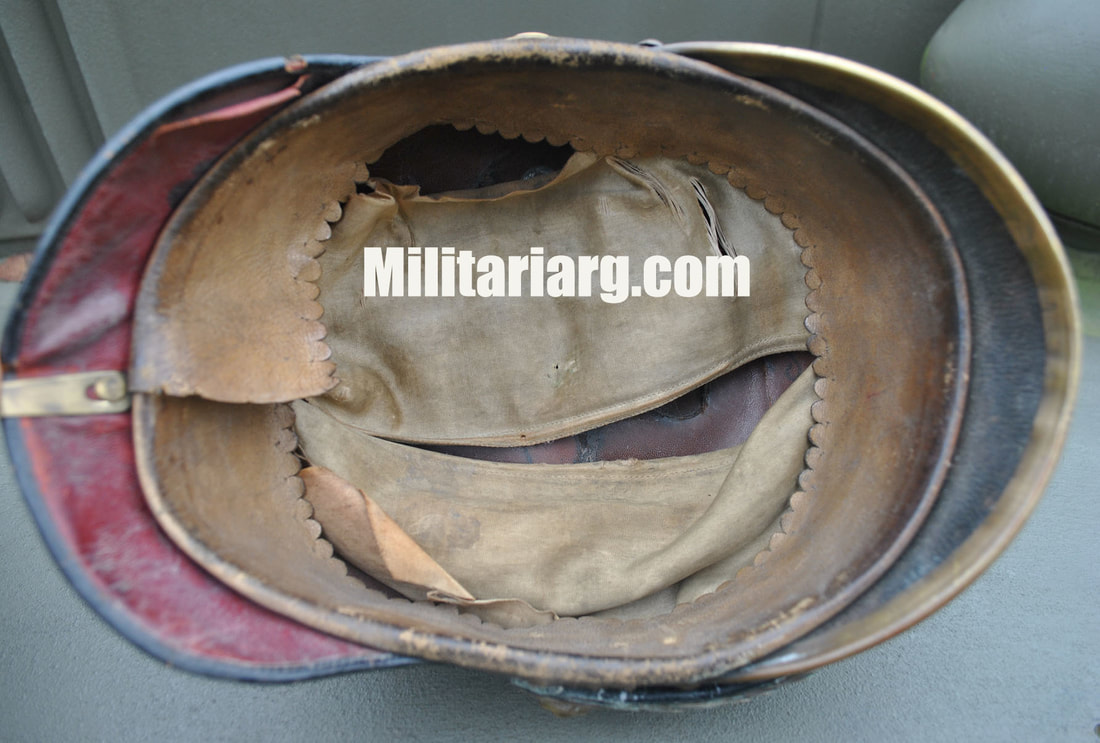
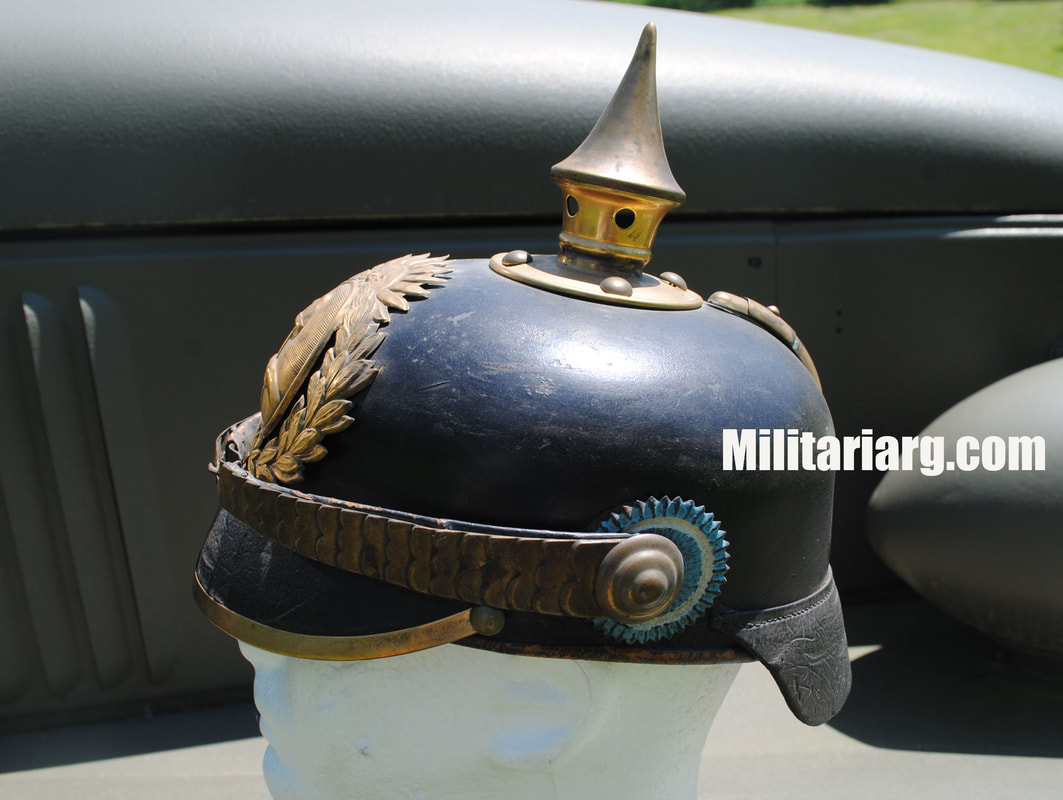
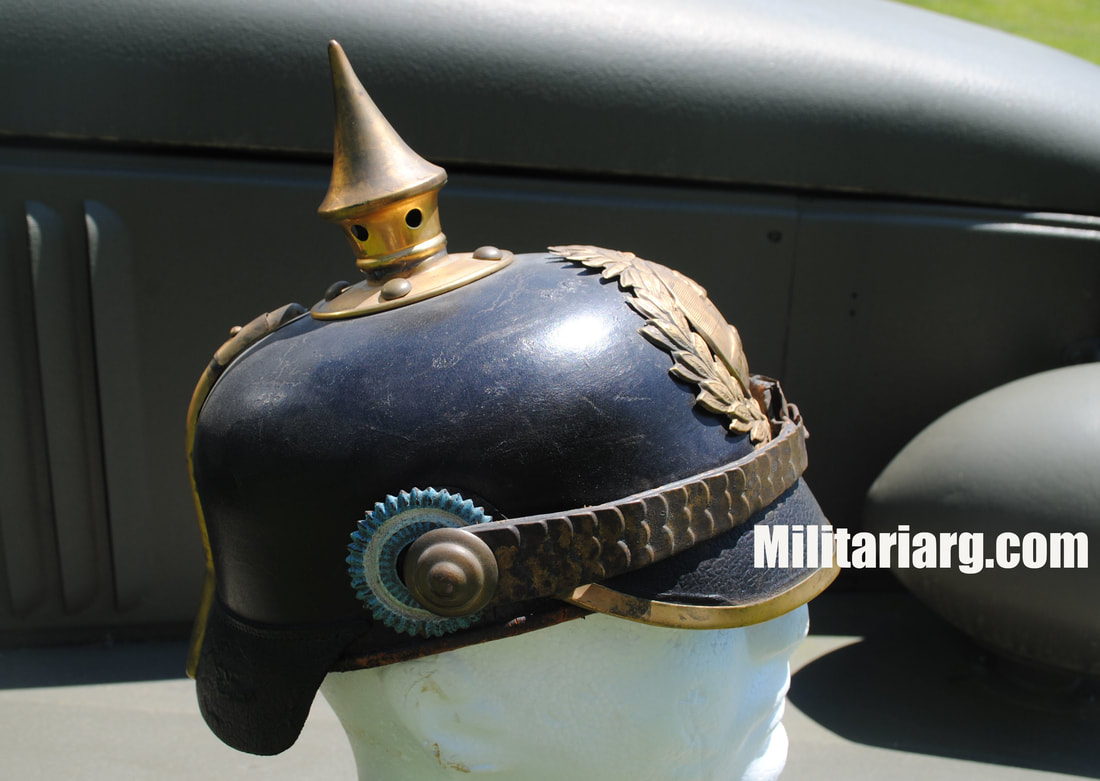
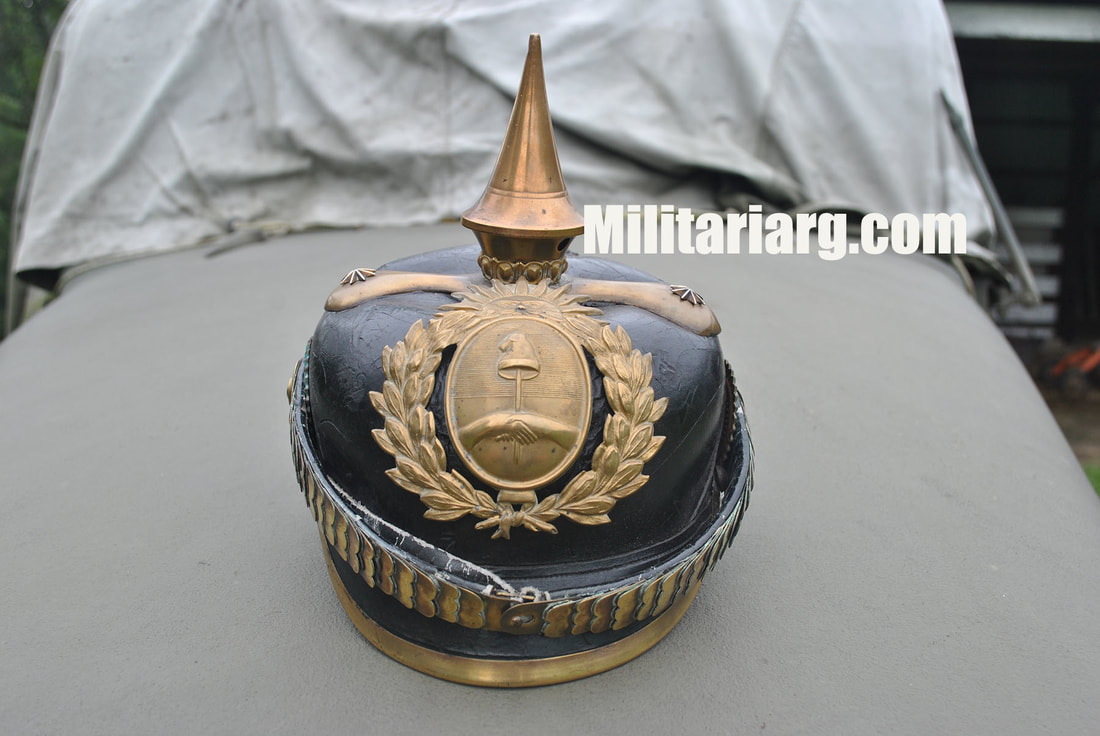
Cavalry Pickelhaube "Prussian Dragoons 1860 type":
Picture
Picture
Picture
Picture
Picture
Picture
Picture

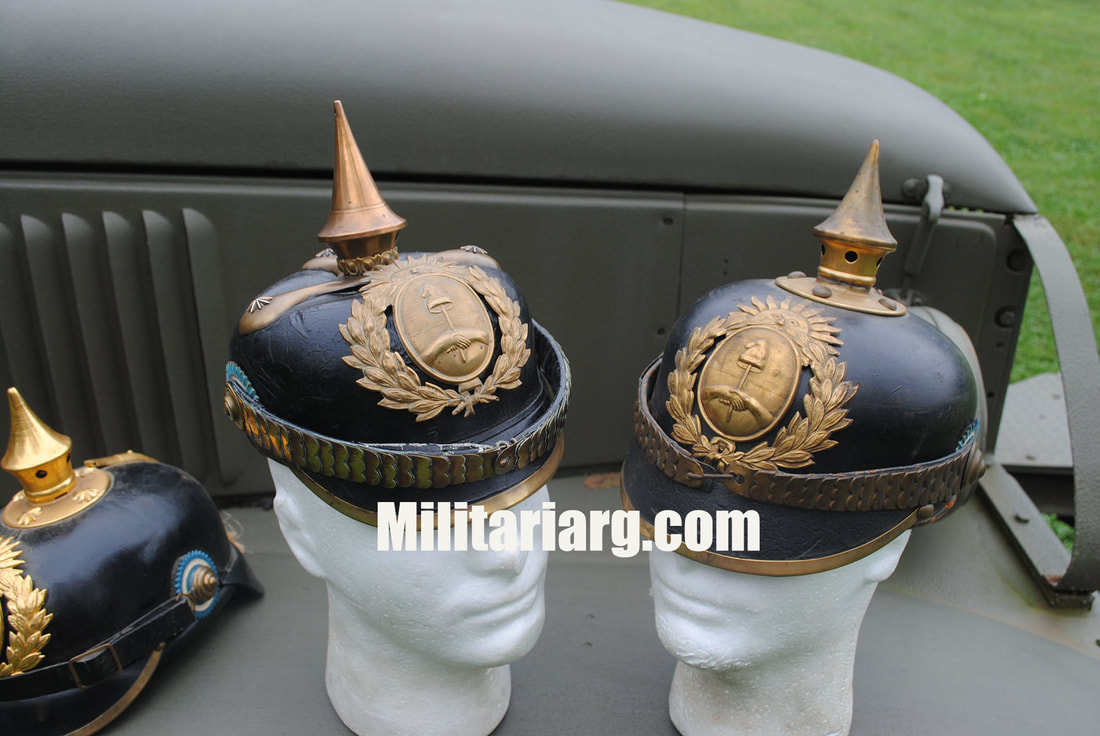
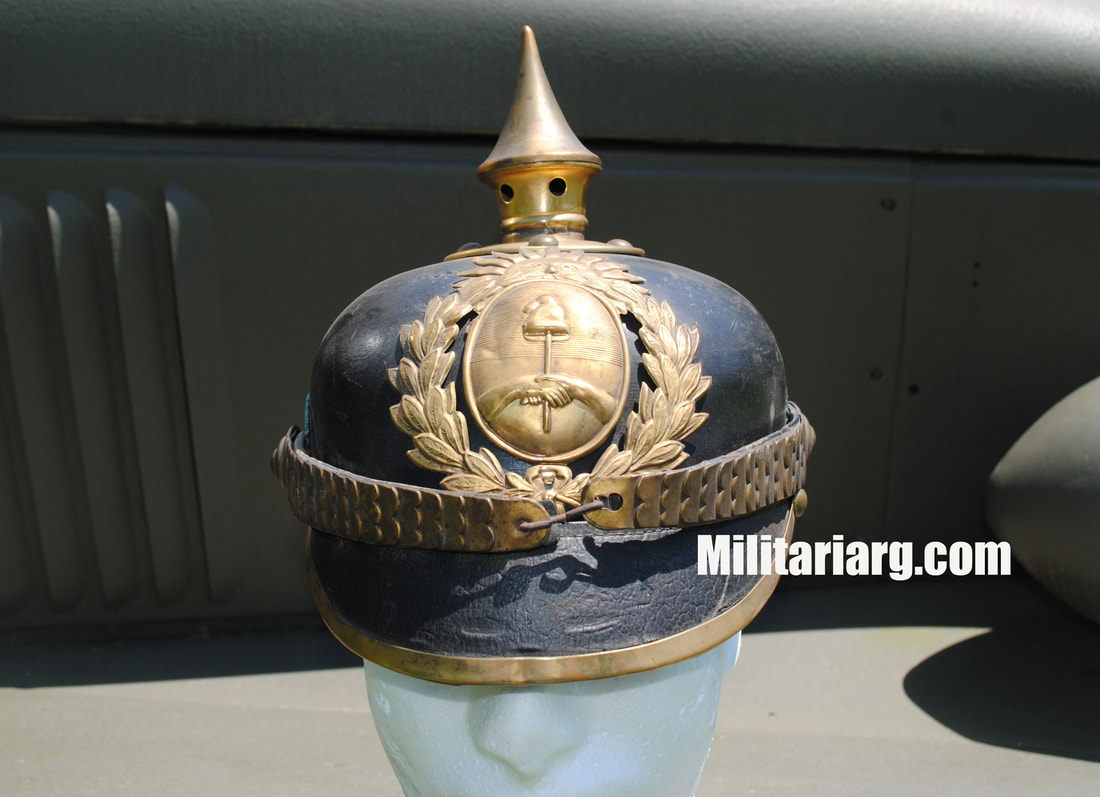
Model 1910 (Prussian Model 1895 type) - Infantry Officer Pickelhaube:
Picture
Picture
Picture
Picture
Picture

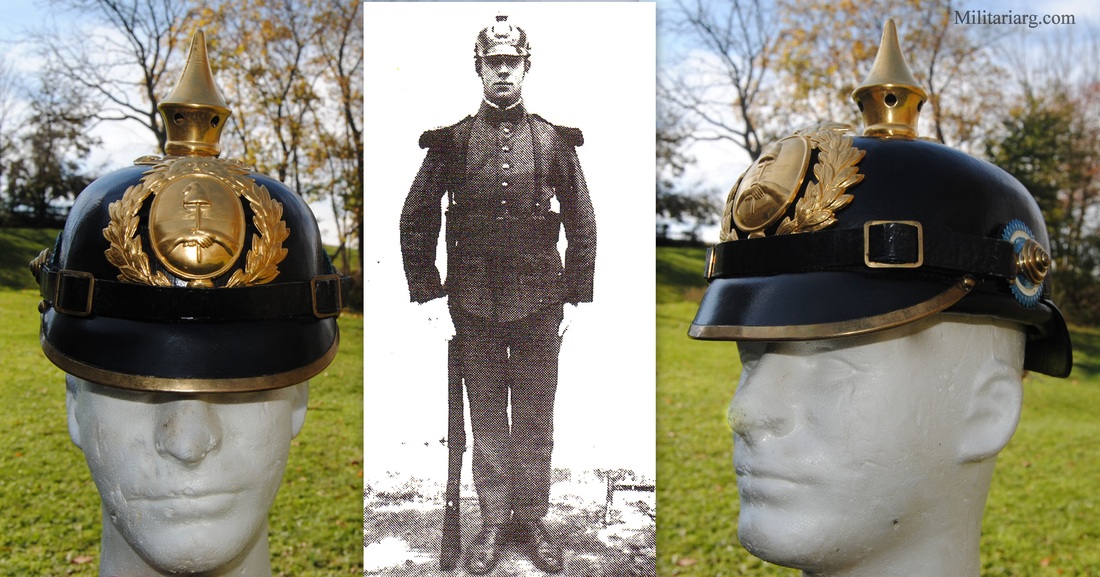
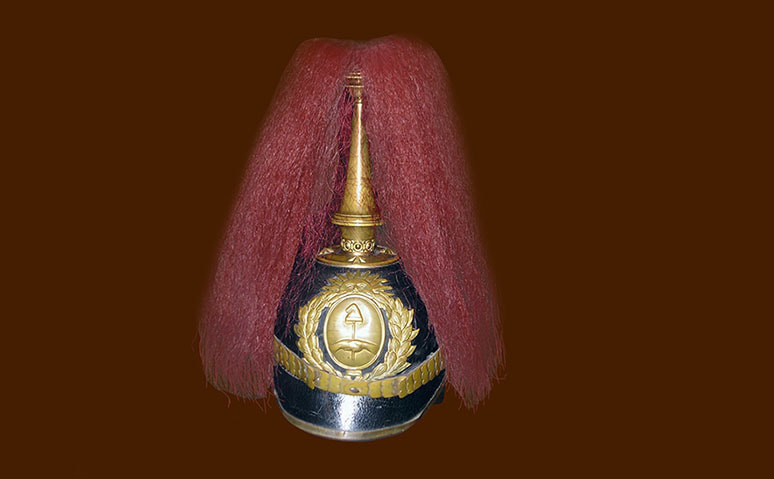
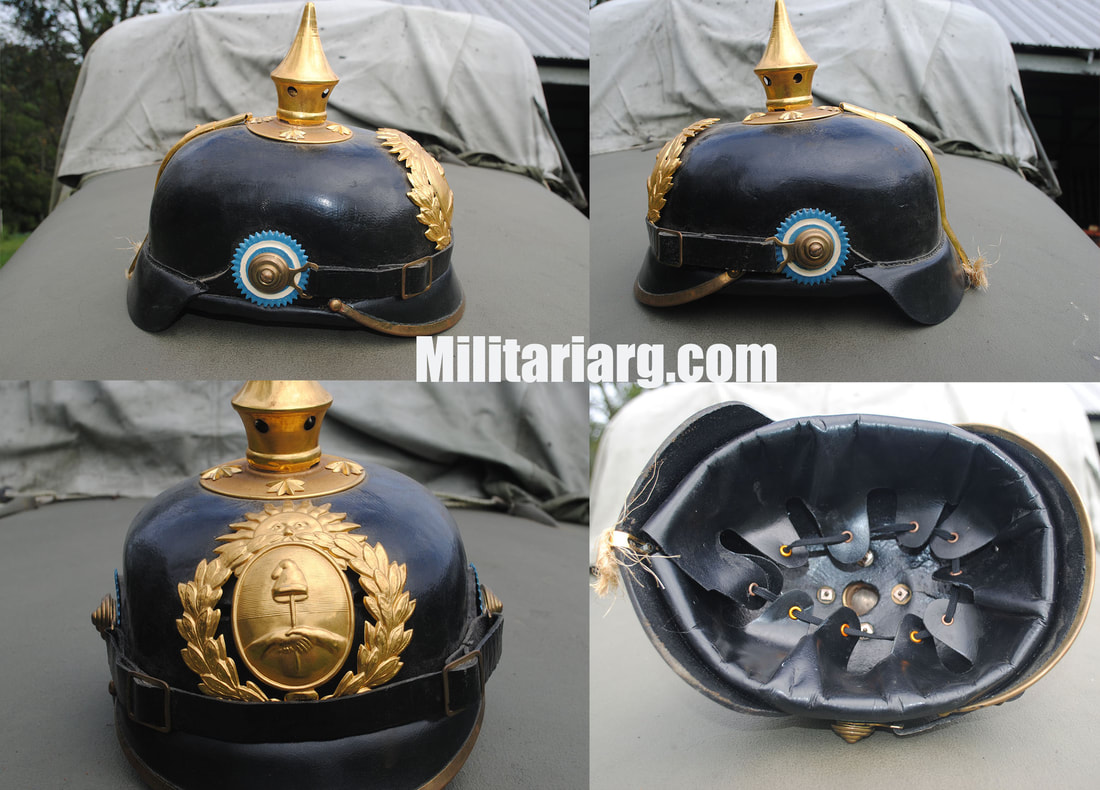
Replica Pickelhaube Type 1867 with Argentine Army National Plate:
Picture
Picture
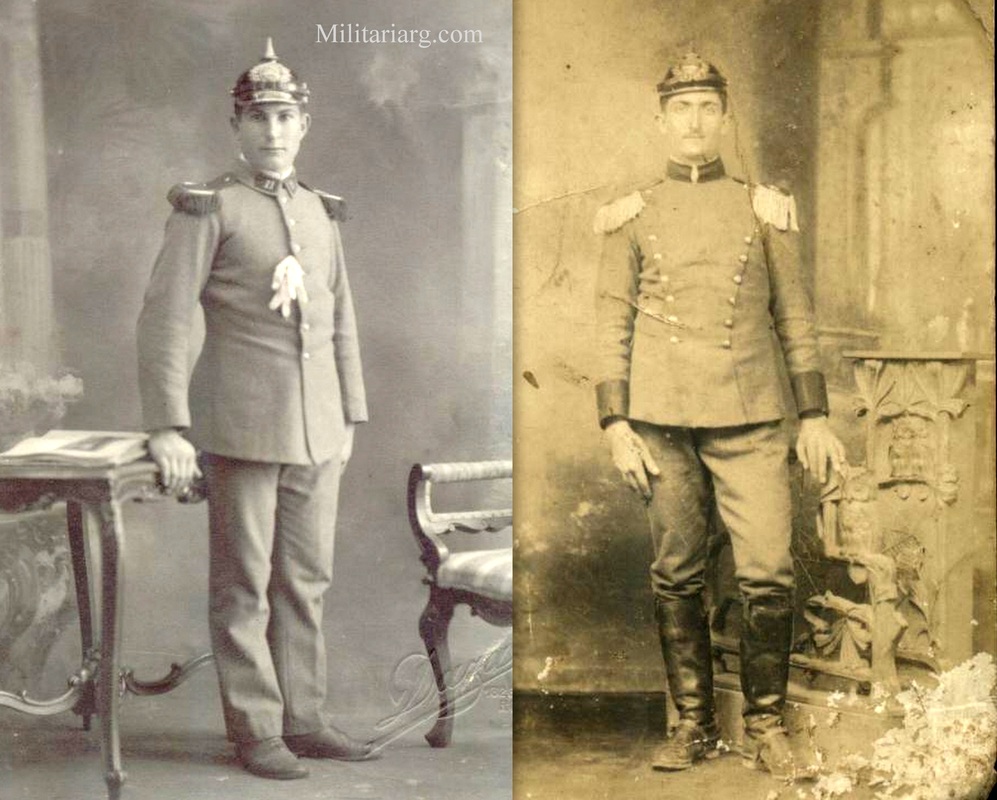
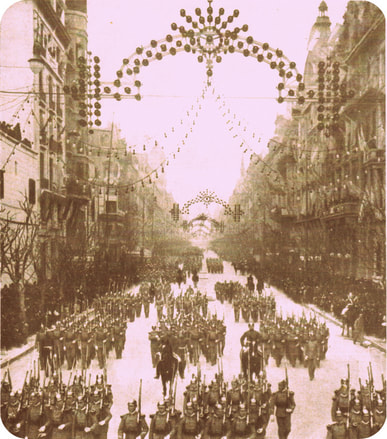
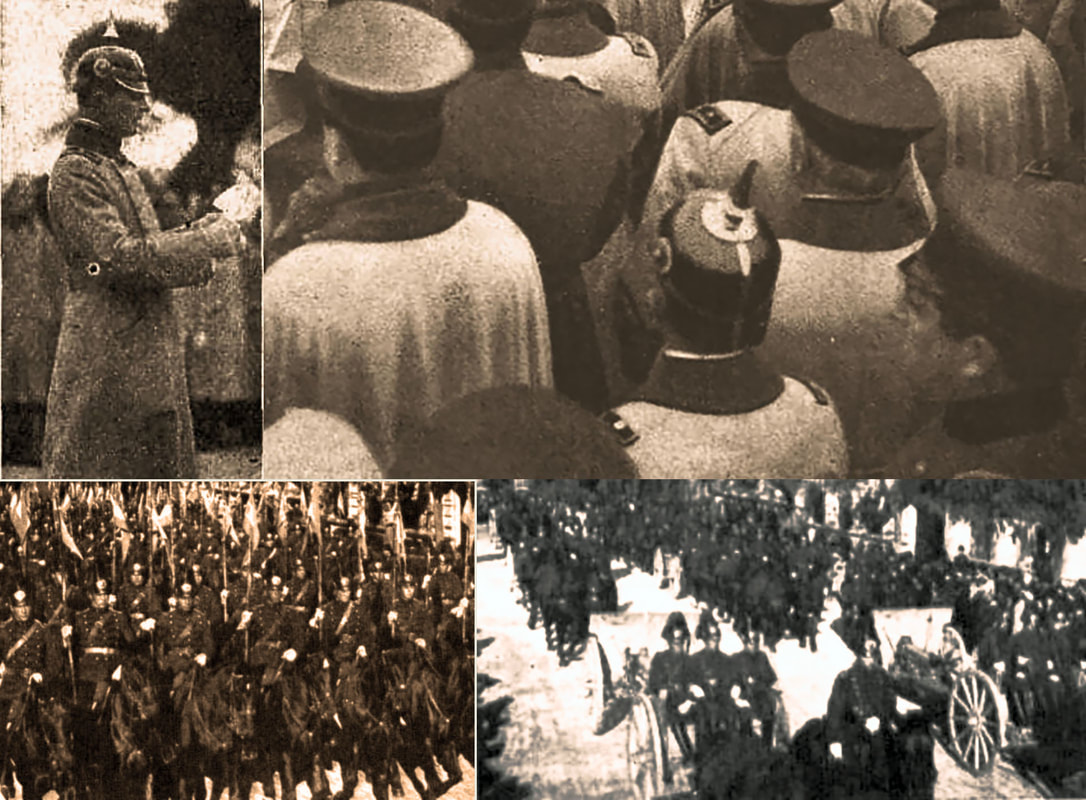
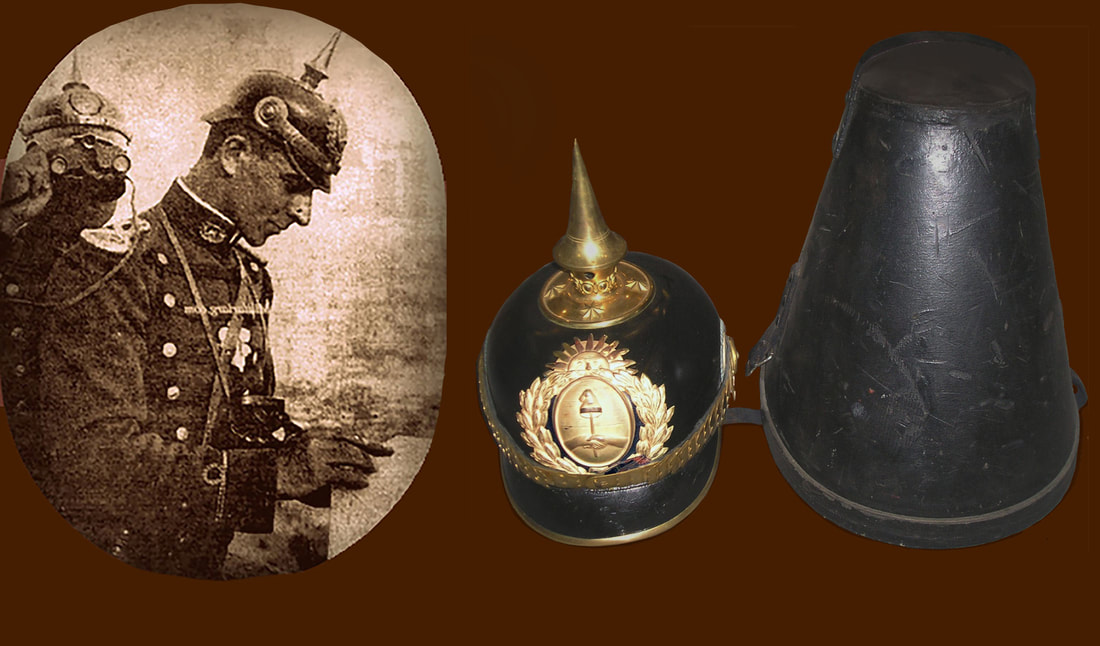
​1910 pattern helmet and uniform. Center foto: AGN.
Picture
Picture
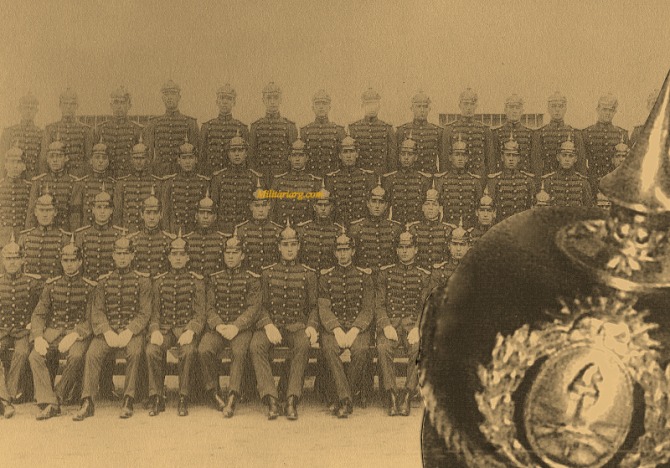
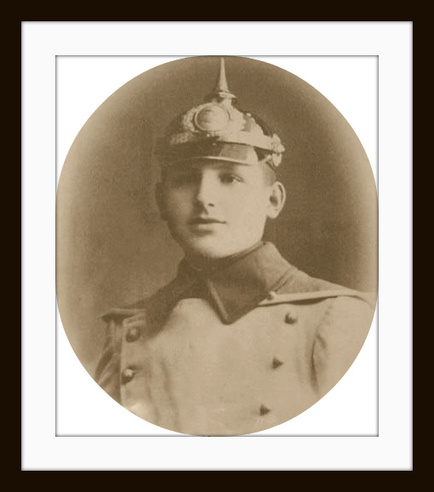
 Above is a photo of a group of cadets from a military school. .
Picture
Picture
Picture
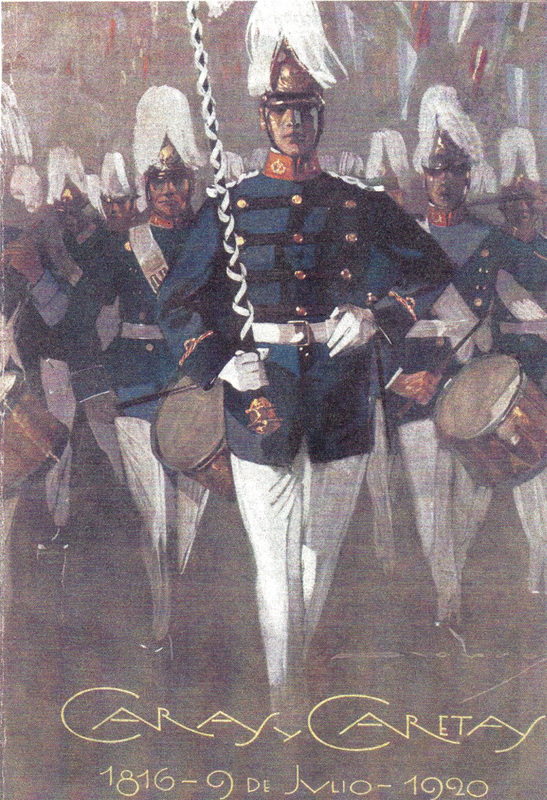
WWI Era. Caras y Caretas.
Picture
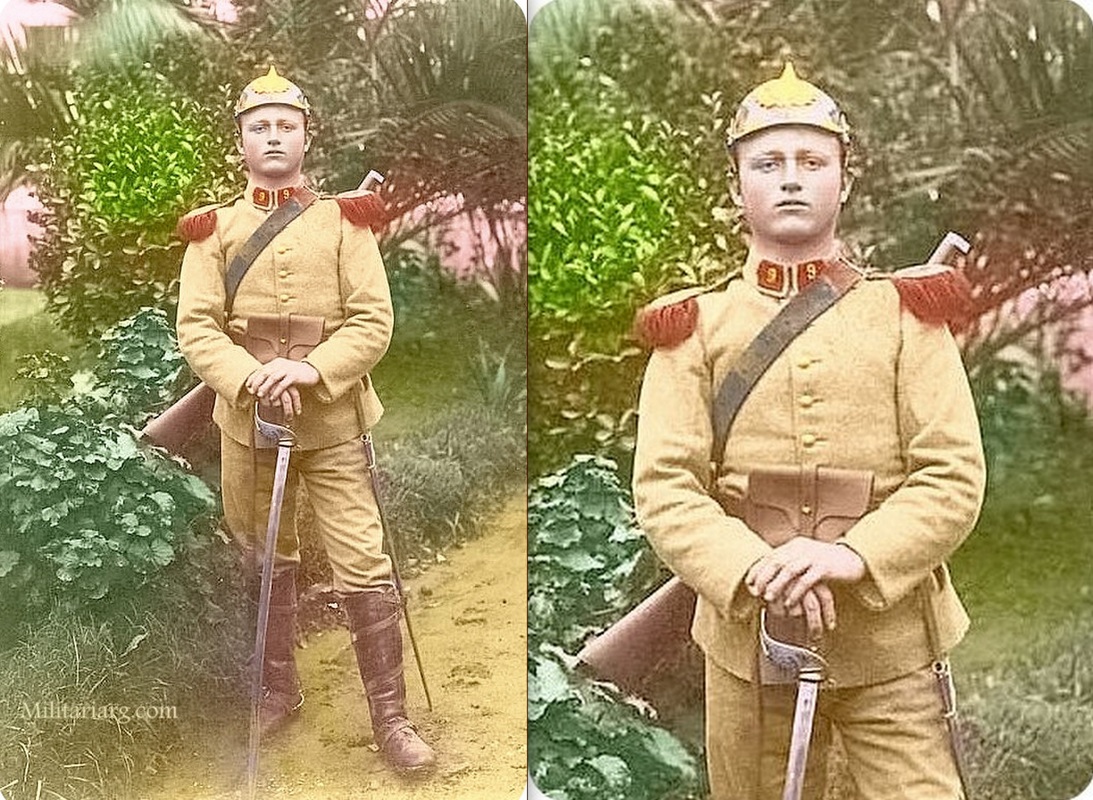
Soldier from the 9th Cavalry Regiment. The 9th become the Presidential Escort in April 2, 1900, and was replaced in 1904 by the 8th.
Picture
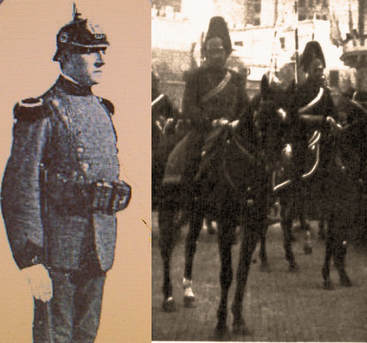
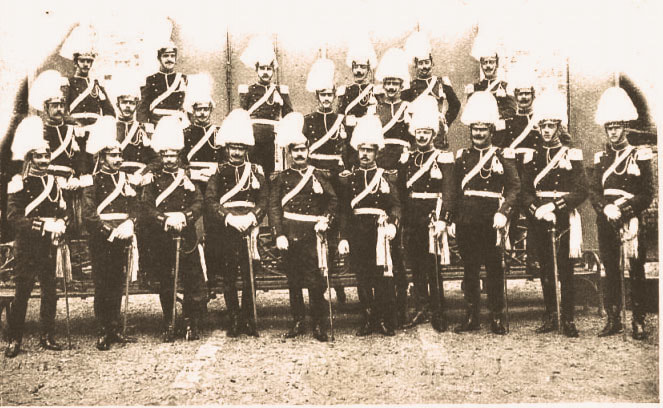
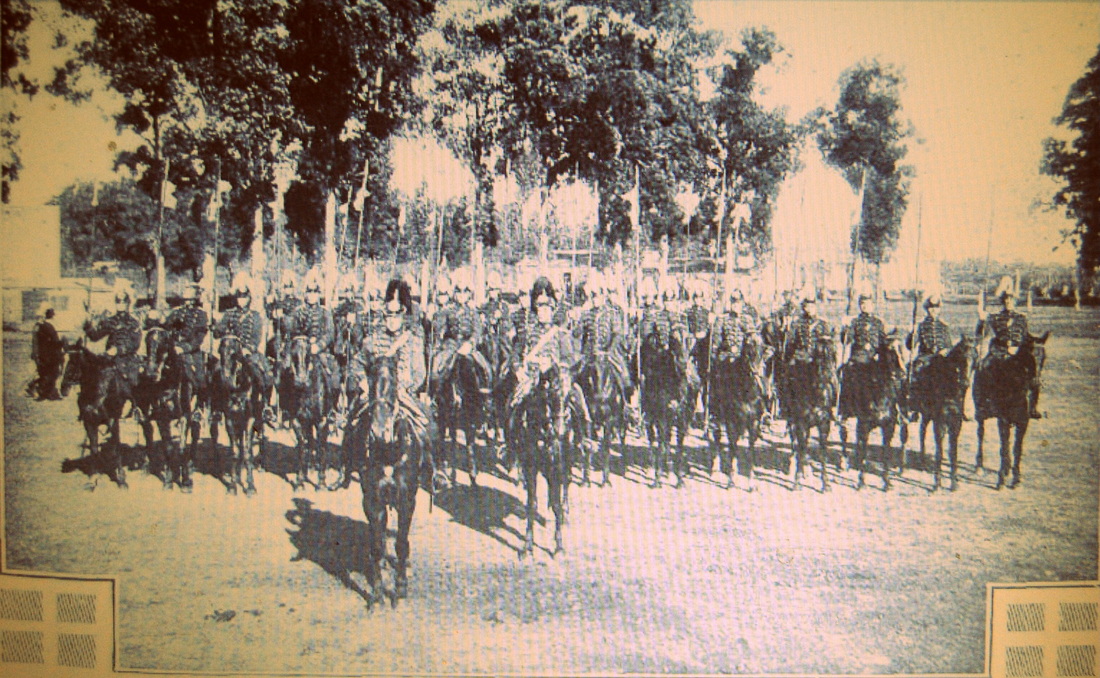
​Around 1910. Officers from the 8th Cavalry Regiment, Presidential Escort since 1904.
Picture
Picture
Picture
Picture
Picture
Powered by Create your own unique website with customizable templates.