Militariarg.com
  • Home
  • Army
  • Aviation
  • Navy
  • Uniforms and Badges
  • Arms and Weapons
  • Equipment
  • Vehicles
  • Operational and Organizational Structure, Security Forces, Transportation, Books, Models and More.
  • Argentine Confederation Era. 1829 - 1852.
  • From 1852 to 1910 (French fashion)
  • Bunker 1982: South Atlantic War Militaria
  • International Militaria
  • Argentina WWII Era (Neutral) Reenactment Impression
  • Links ~ Enlaces
Picture
Argentine soldiers with a Dodge WC 40. They pose with Mauser M1909 rifles. One of them with the Mauser's replacement, the FN FAL
Picture
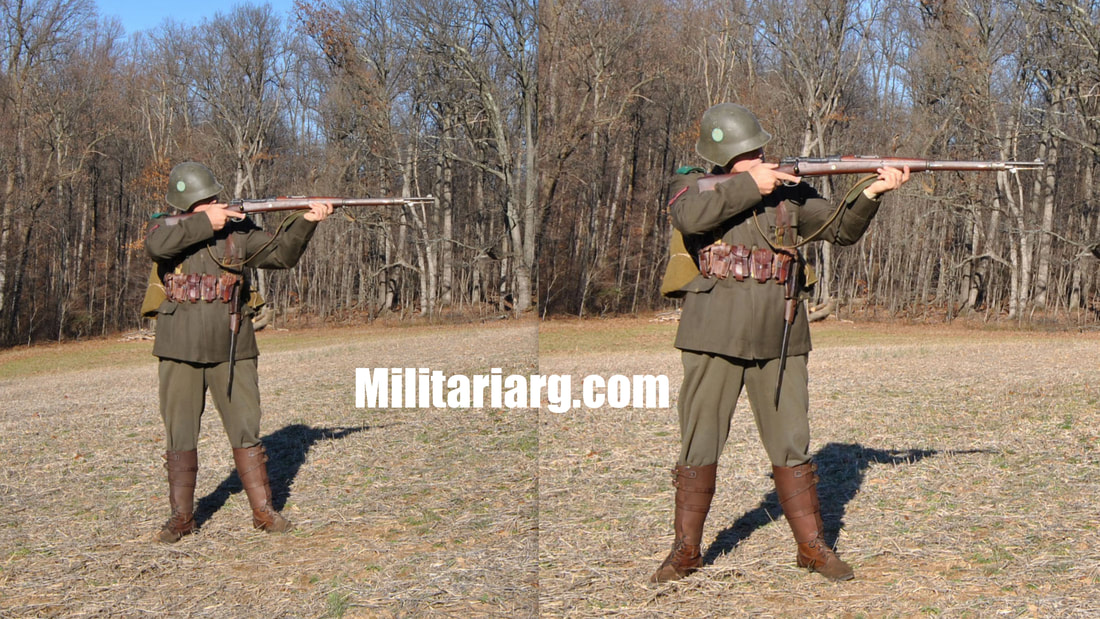
Adopted by Argentina in 1909. The initial rifles were ordered from Deutsche Waffen und Munitionsfabriken (DWM) in Berlin, Germany, with deliveries beginning shortly after the adoption date. It became the standard service rifle for the Argentine Army, replacing the earlier Model 1891 Mauser, and remained in service for over 50 years.

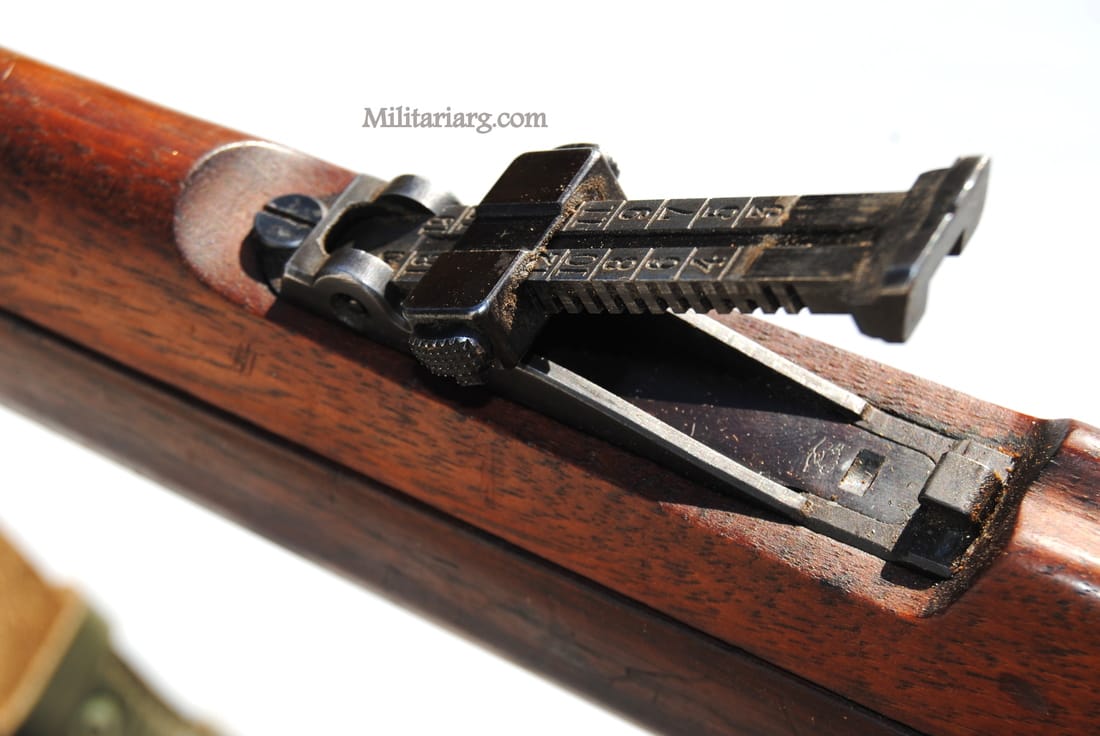
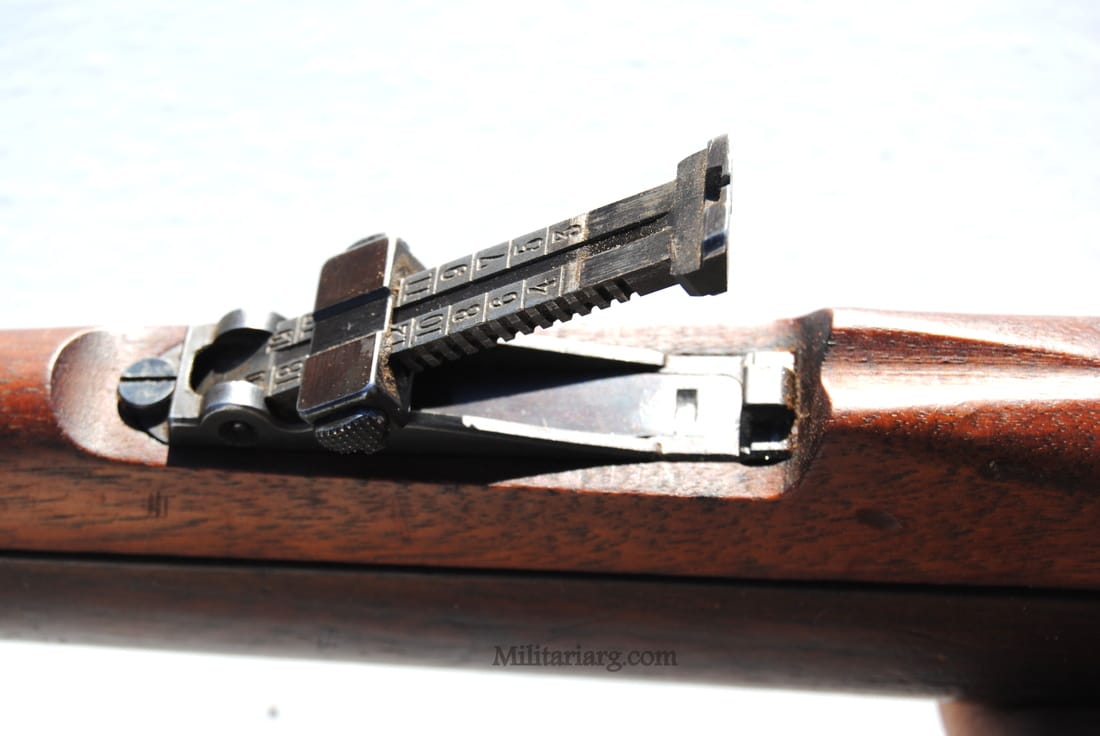
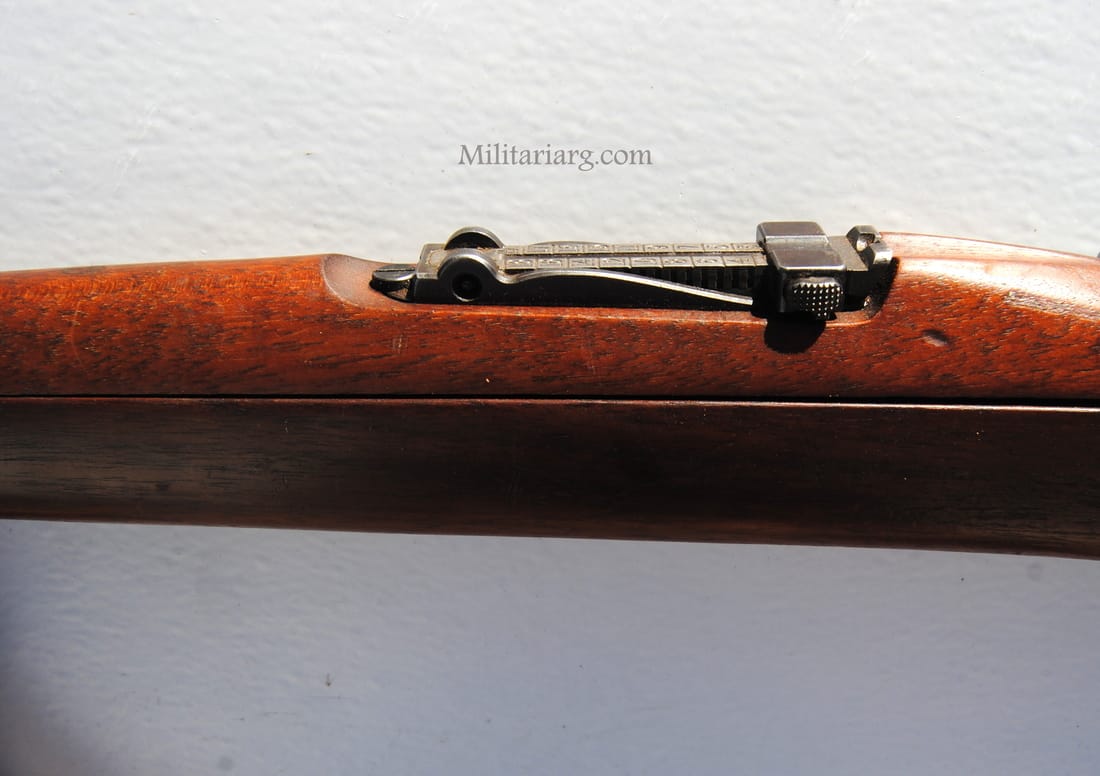
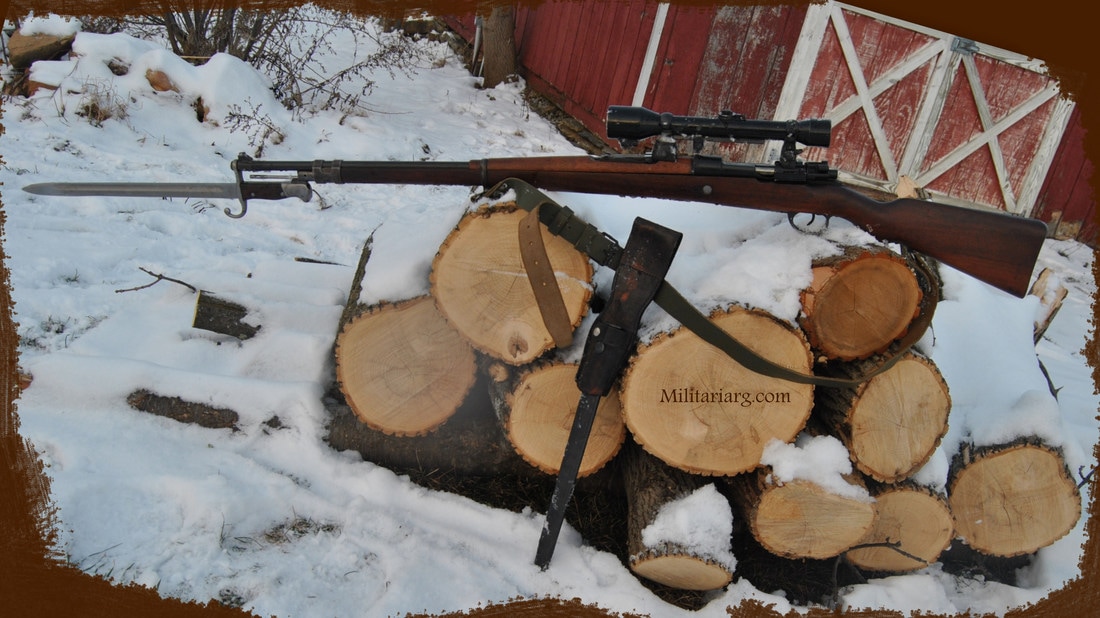
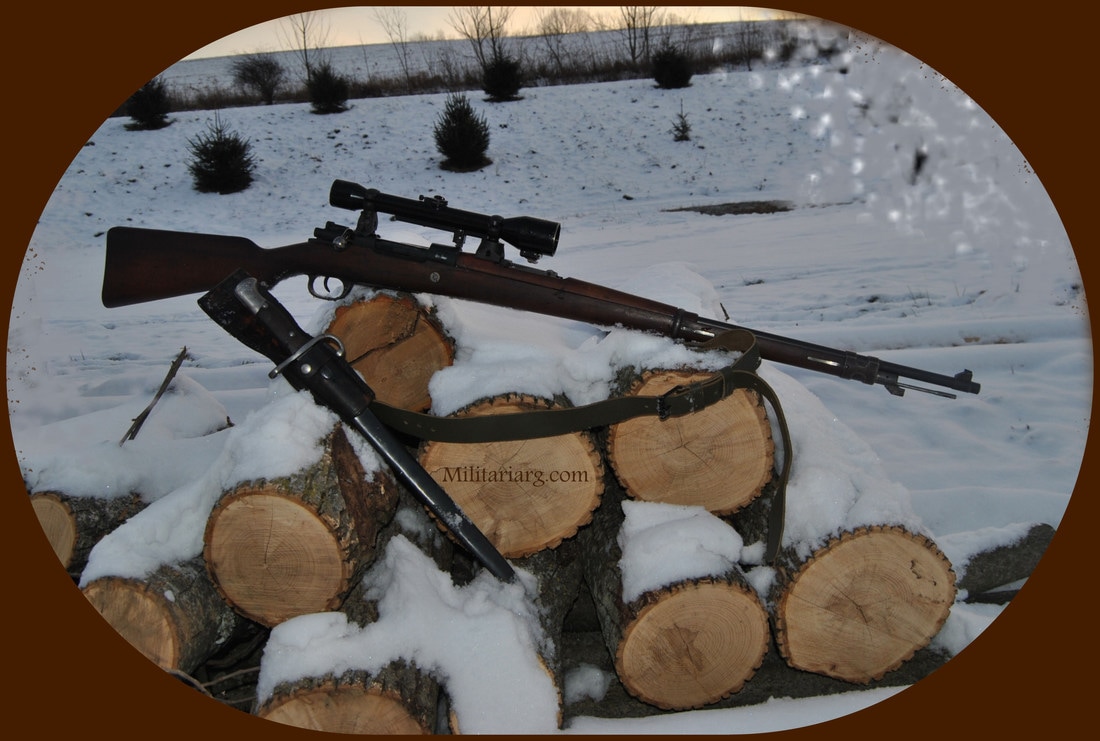
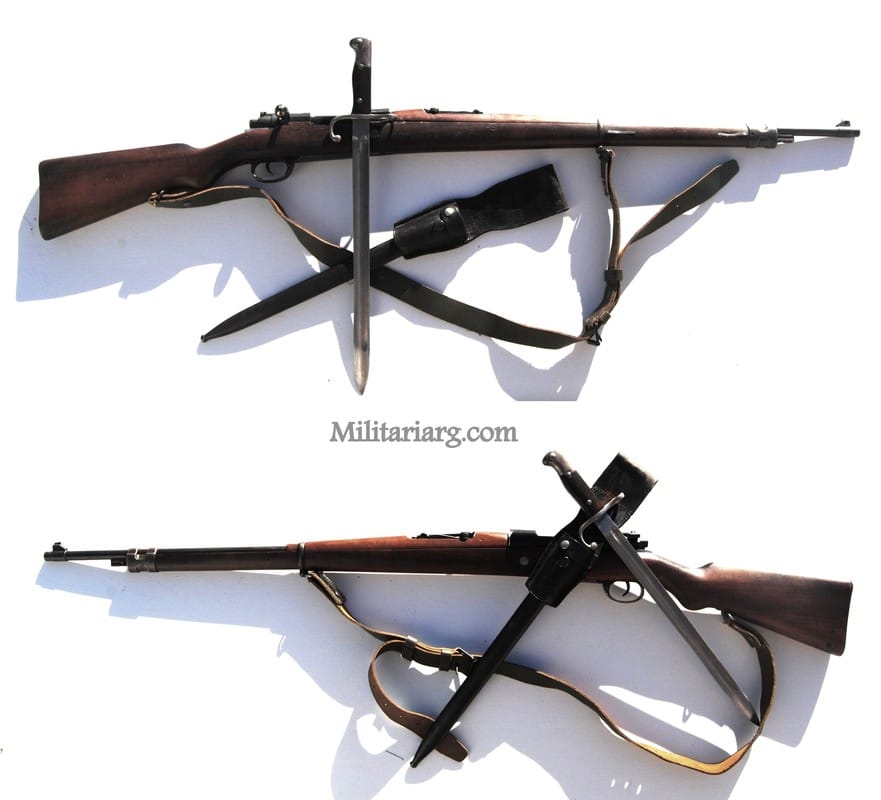
The Argentine Mauser Model 1909 bolt-action battle rifle, based on the German Gewehr 98 design, that was the standard service rifle of the Argentine Army for several decades. Known for its exceptional quality and smooth action, it was manufactured in both Germany (by Deutsche Waffen und Munitionsfabriken) and Argentina. Its a slightly modified copy of the successful German Gewehr 98 rifle. The primary modifications for the Argentine version included replacing the complex Lange Visier rear sight with a simpler, tangent-leaf sight and adapting it to use the older Model 1891 bayonets.

The rifle is chambered for the 7.65×53mm Mauser (also known as 7.65x53 Argentine or 7.65x53 Belgian) cartridge.
Initial rifles were produced by Deutsche Waffen und Munitionsfabriken (DWM) in Berlin, Germany. Later production was handled by the state-owned Fabrica Militar de Armas Portatiles (FMAP) in Argentina, including post-war carbine versions like the Model 1909/47.

Adopted in 1909, the rifle remained in service with the Argentine military until it was gradually replaced by the FN FAL rifle in the 1960s, though some were retained for ceremonial purposes. Besides the full-length infantry rifle, variations included a shorter cavalry carbine, a mountain or engineer carbine, and a sniper rifle version equipped with a bent bolt handle and a German-made scope.
Picture
Picture
Picture
Butt plate w/boths atock screws
Picture
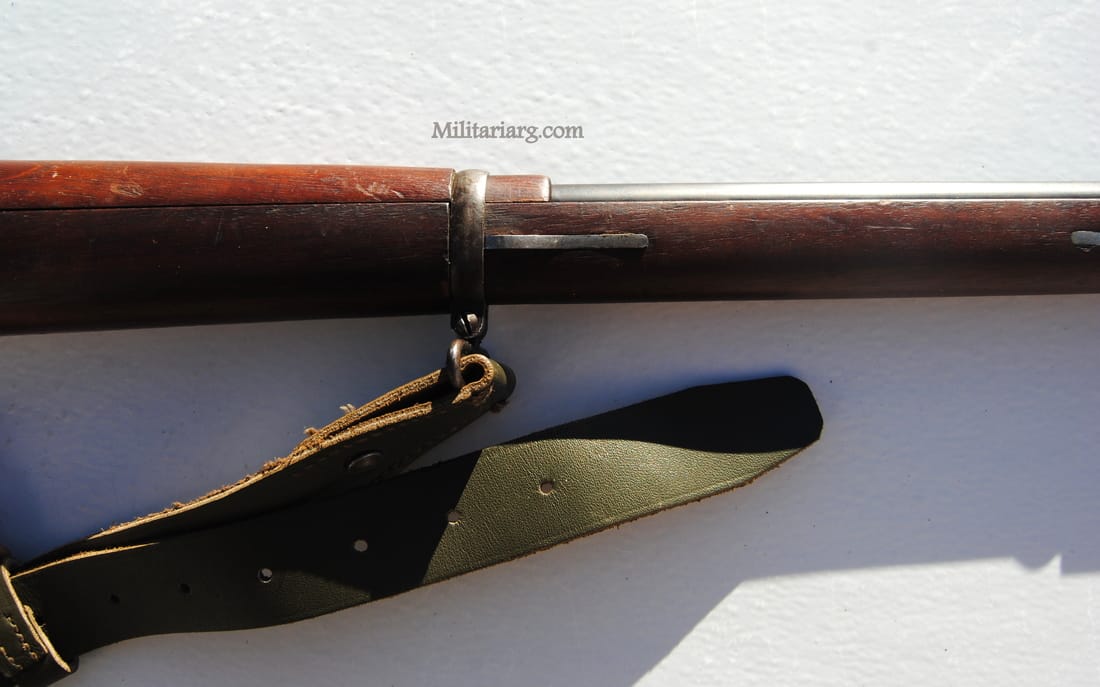
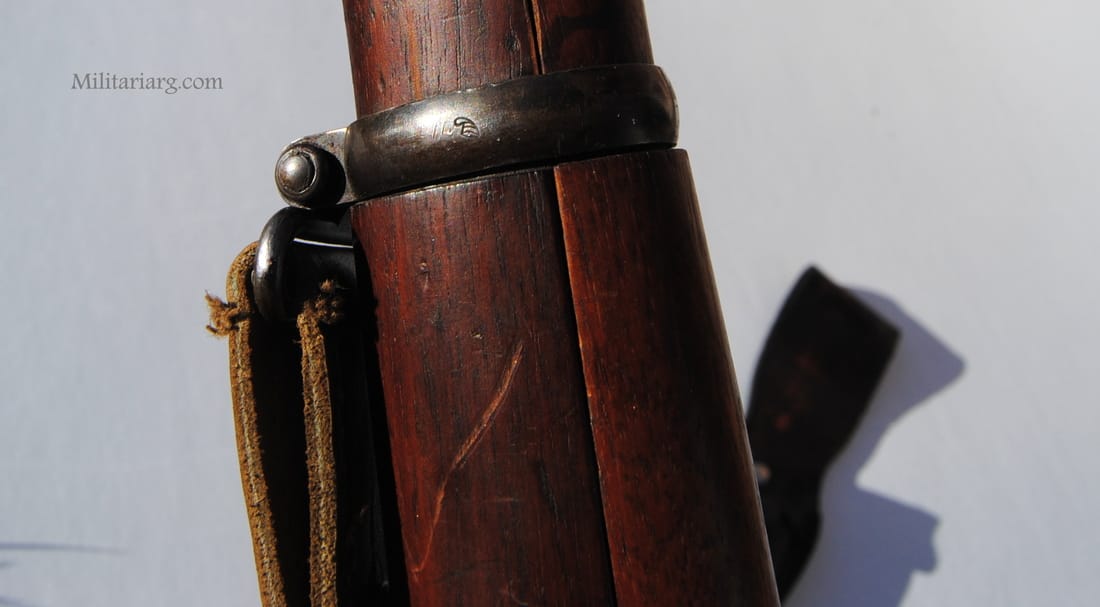
Lower band, front swivel.
Picture
Picture
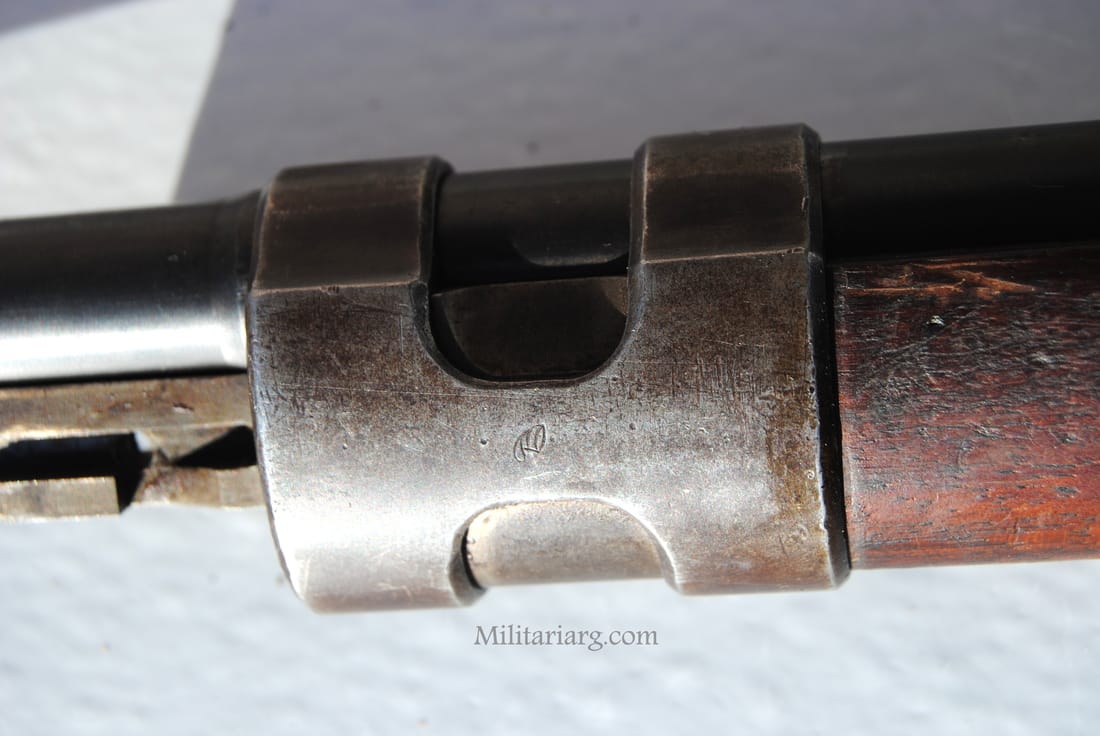
Front Barrel Band.
Picture
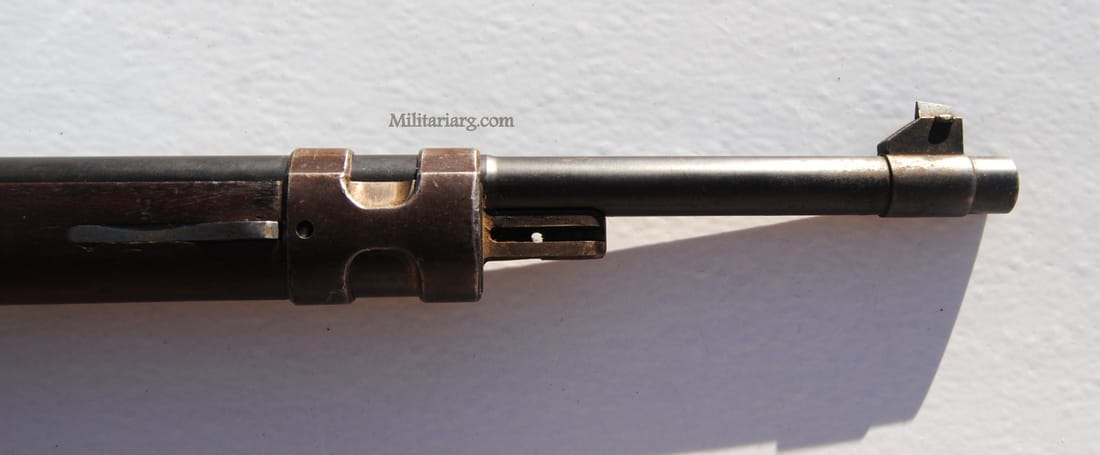
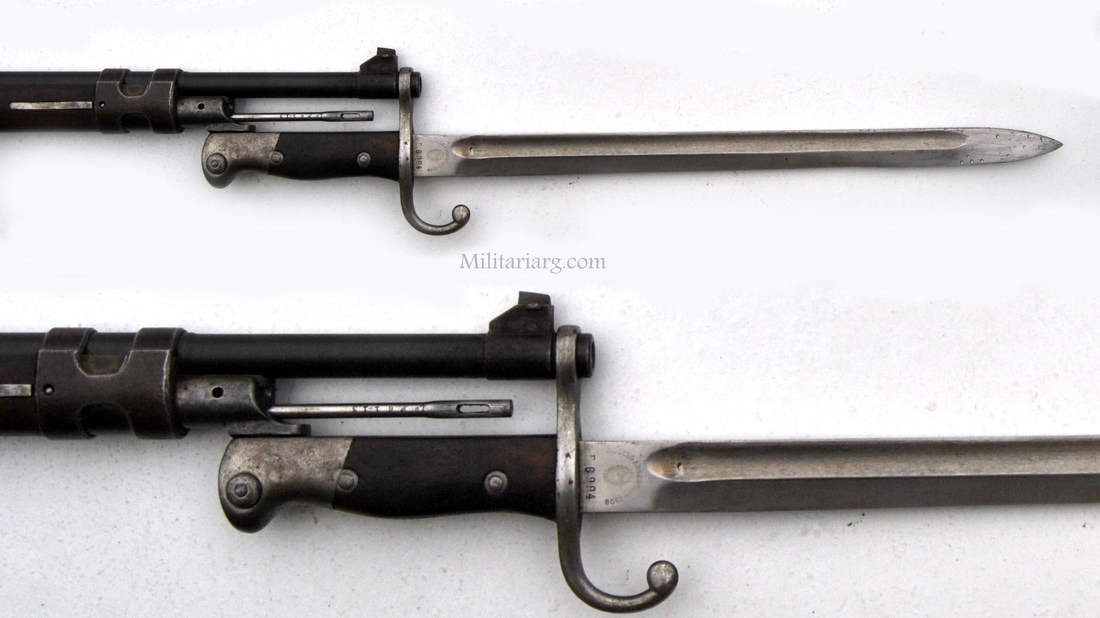
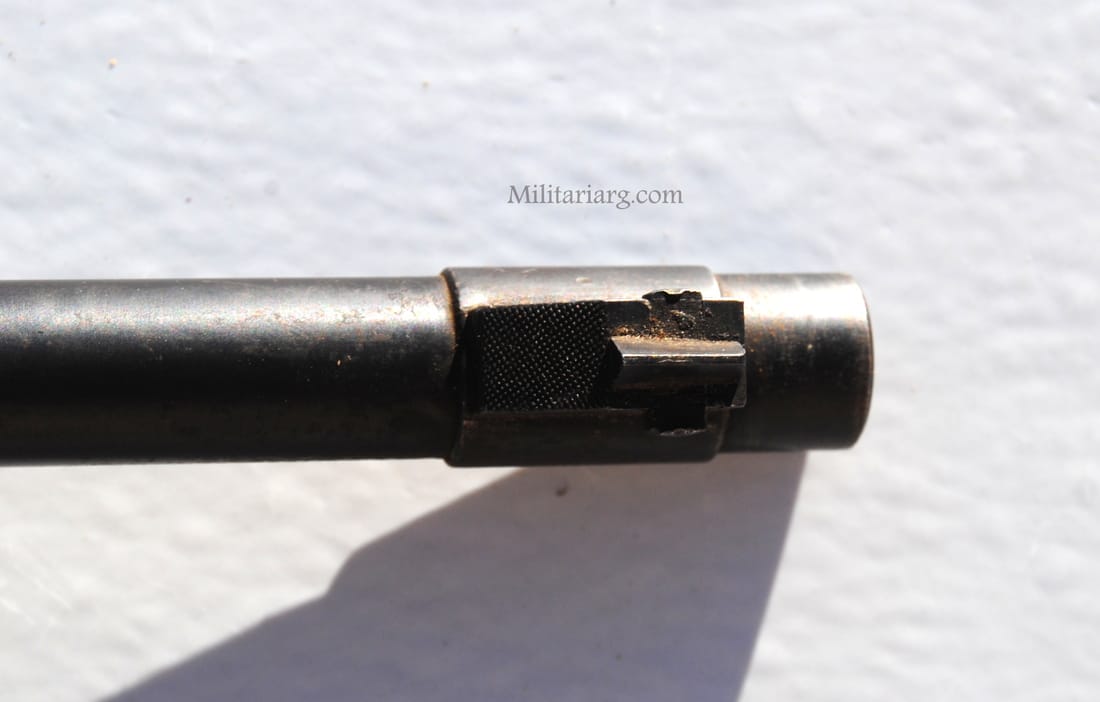
Front barrel w/band spring and bayonet mounting lug.
Picture
Picture
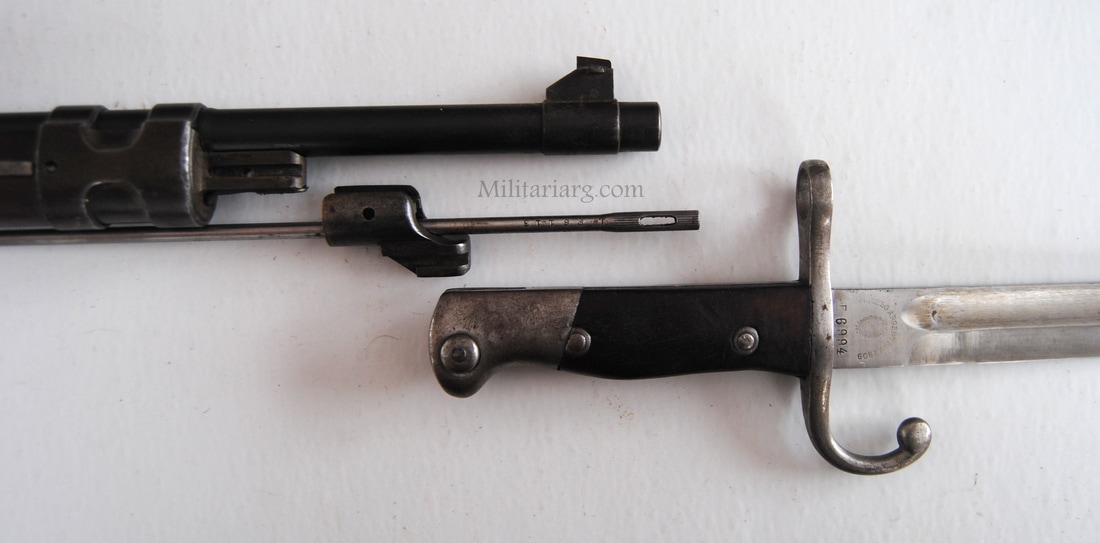
Ricchieri bayonet adapter and cleaning Rod. 
​
The new Model 1909 rifle was designed with a bayonet lug for the modern Gewehr 98 style bayonet, which was different from the older Model 1891 bayonets that Argentina had in large supply. The Argentine government did not want to purchase an entirely new stock of bayonets.
Ricchieri designed (or oversaw the design of) a small metal adapter that could be fitted over the 1909's bayonet lug, allowing the older, compatible Model 1891 bayonets to be used with the new rifles. This saved the Argentine military significant expense.
Picture
​Front sight.
Rear sight.
Picture
Picture
Picture
Picture
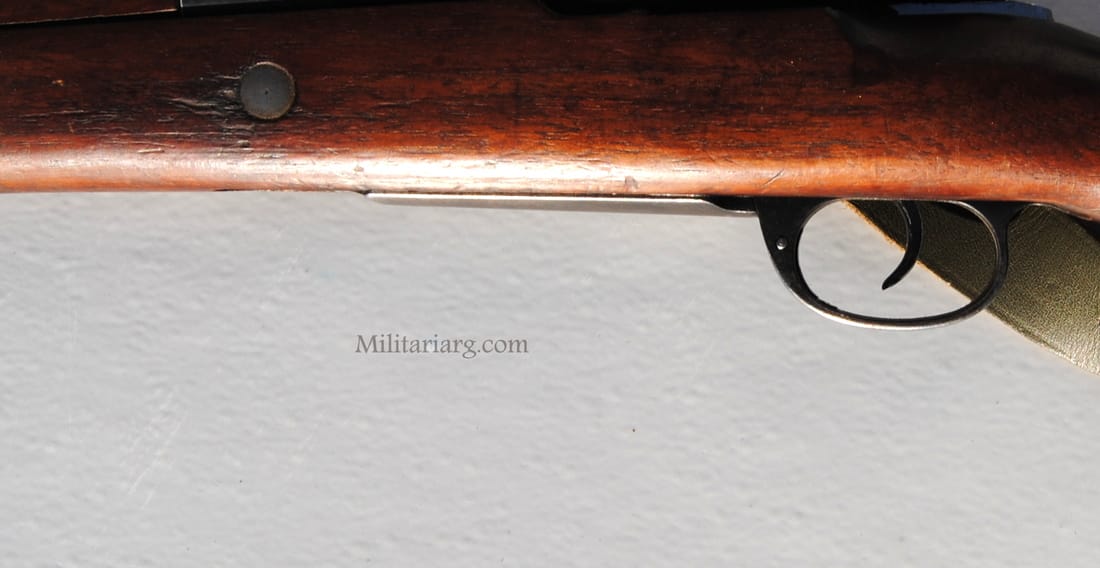
Trigger guard.
Picture
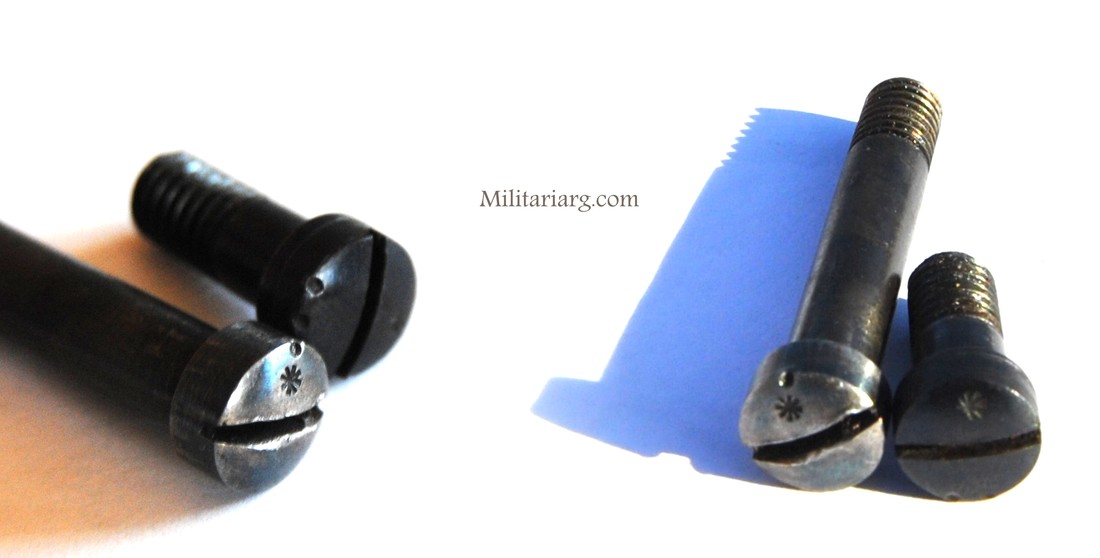
Front and rear, triggerguard screws.

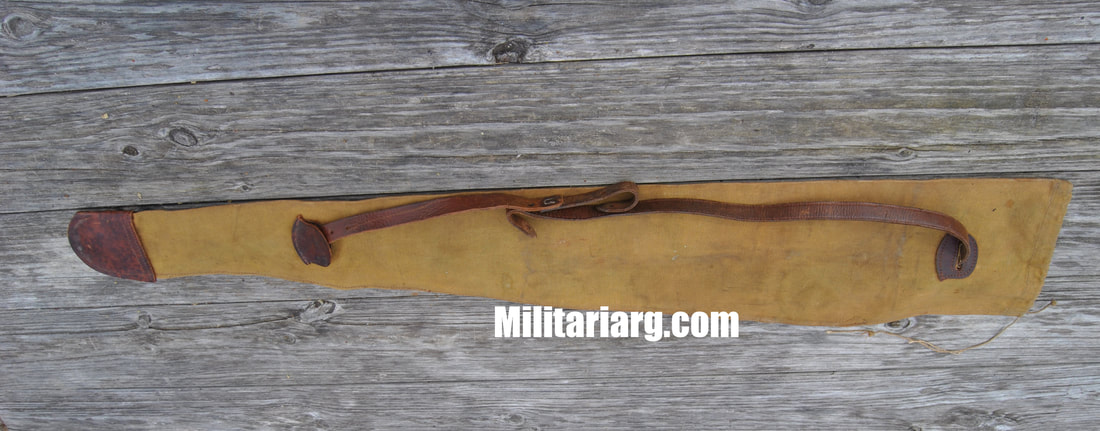
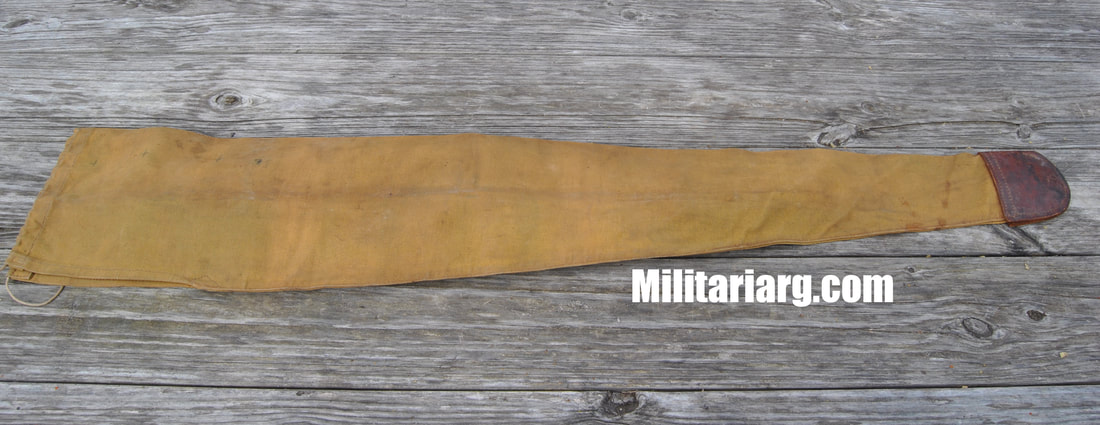
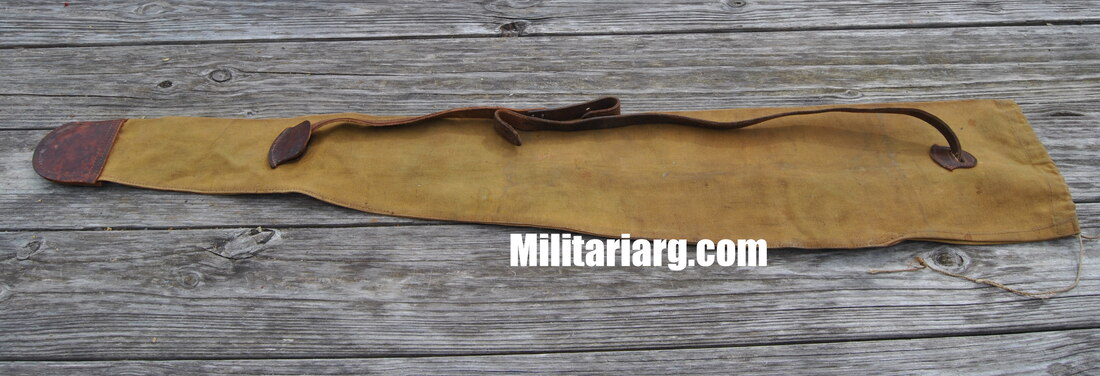
Original Mauser 1909 Cover Funda
Picture
Picture
Picture

Picture
Powered by Create your own unique website with customizable templates.