Militariarg.com
  • Home
  • Army
  • Aviation
  • Navy
  • Uniforms and Badges
  • Arms and Weapons
  • Equipment
  • Vehicles
  • Operational and Organizational Structure, Security Forces, Transportation, Books, Models and More.
  • Argentine Confederation Era. 1829 - 1852.
  • From 1852 to 1910 (French fashion)
  • Bunker 1982: South Atlantic War Militaria
  • International Militaria
  • Argentina WWII Era (Neutral) Reenactment Impression
  • Links ~ Enlaces
Picture
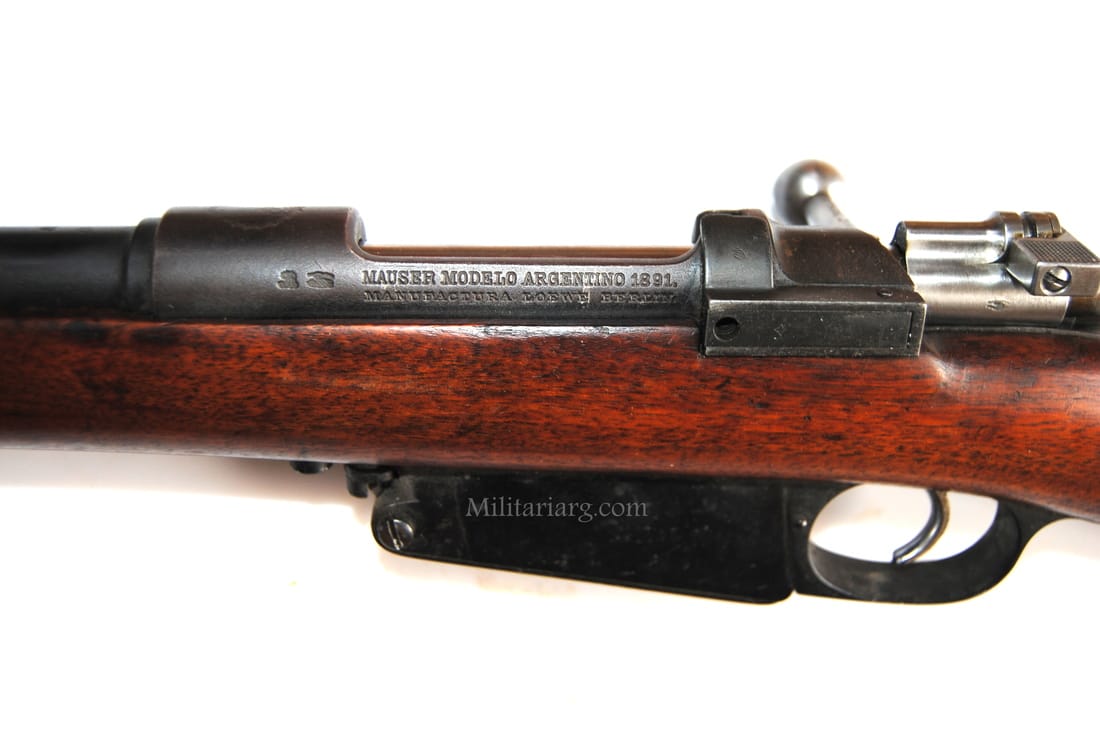
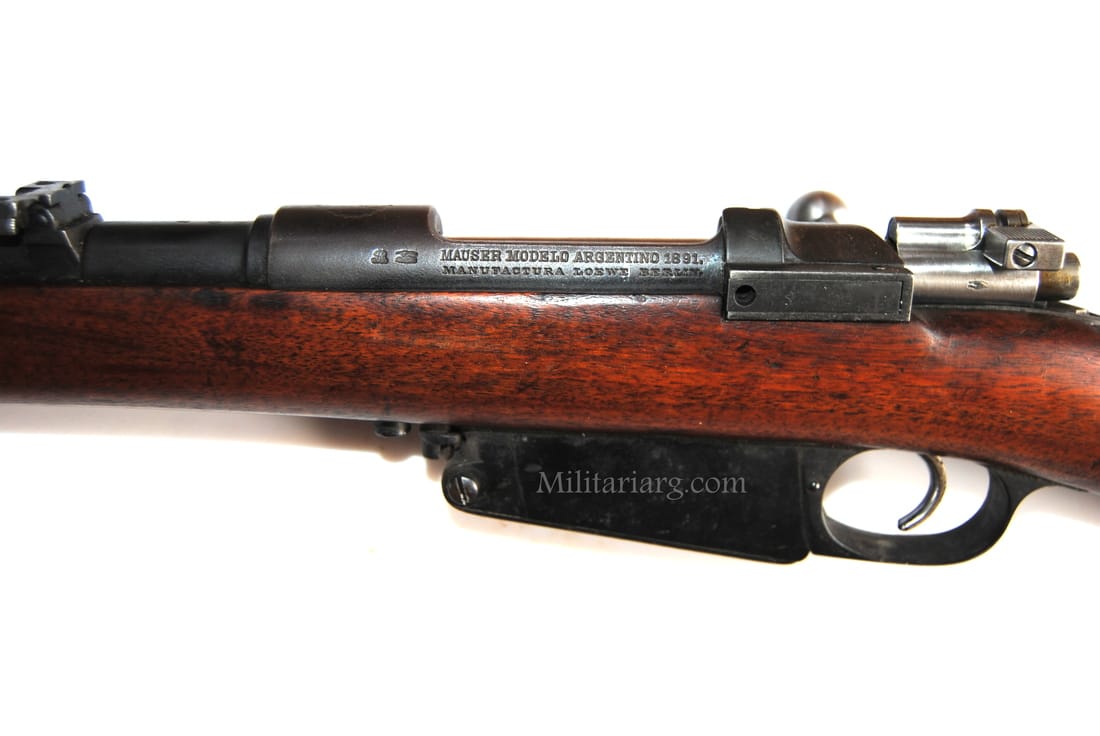
​General Pablo Ricchieri was a key figure in the acquisition and introduction of the Argentine Mauser Model 1891 to Argentina. Then-Major Pablo Ricchieri was transferred to the Argentine Embassy in Berlin as a military attaché in 1887. In 1890, he became the director of the European office for the Argentine Armaments Commission and was instrumental in purchasing a large shipment of the new Mauser rifles (the Model 1891) and cannons for the Argentine military as part of its modernization. The Argentine Mauser was initially made on contract by Ludwig Loewe and Company of Berlin.  It was introduced to Argentina by then-Major Pablo Ricchieri.

 The Model 1891 was a significant leap forward from the single-shot Remington Rolling Block rifles previously in service, being a modern bolt-action repeater chambered for the new 7.65x53mm smokeless powder cartridge. Ricchieri's work in acquiring these arms was a cornerstone of his efforts to modernize the Argentine Army.
Picture
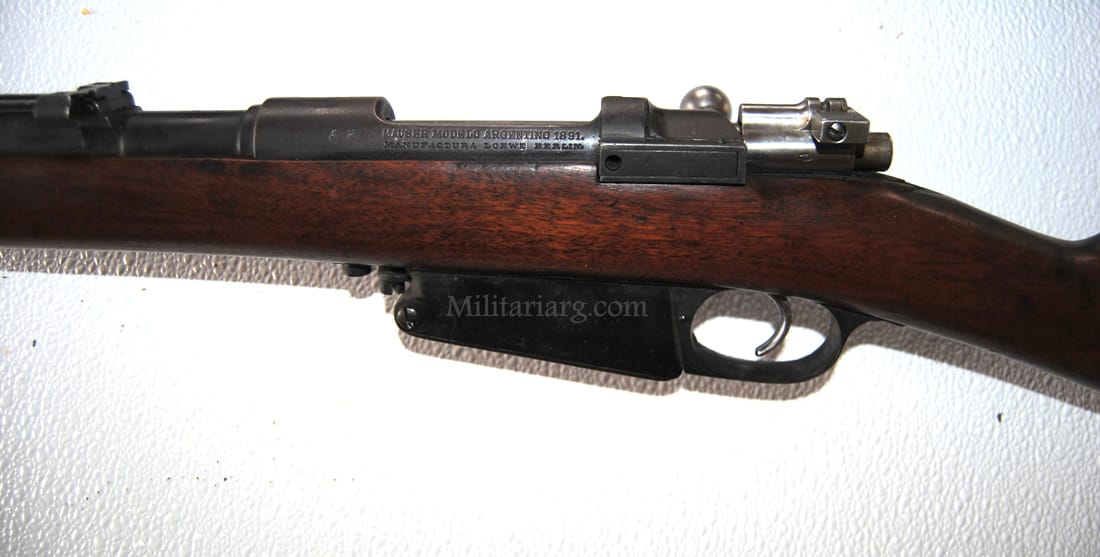
​The Mauser Model 1891 "Modelo Argentino" is widely considered by collectors to be one of the most beautifully finished military rifles ever made. Adopted to modernize Argentina's military, it replaced the single-shot Remington Rolling Block and served in various capacities until the 1960s. 
Picture
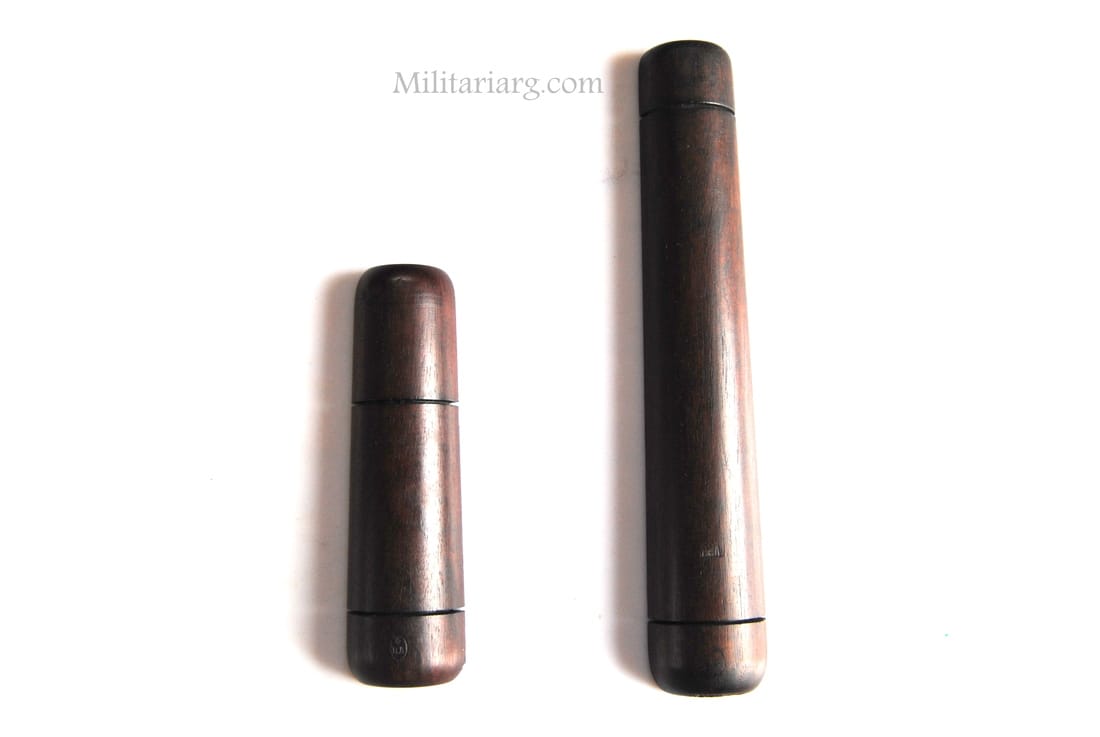
Short (Early) and long handguard.
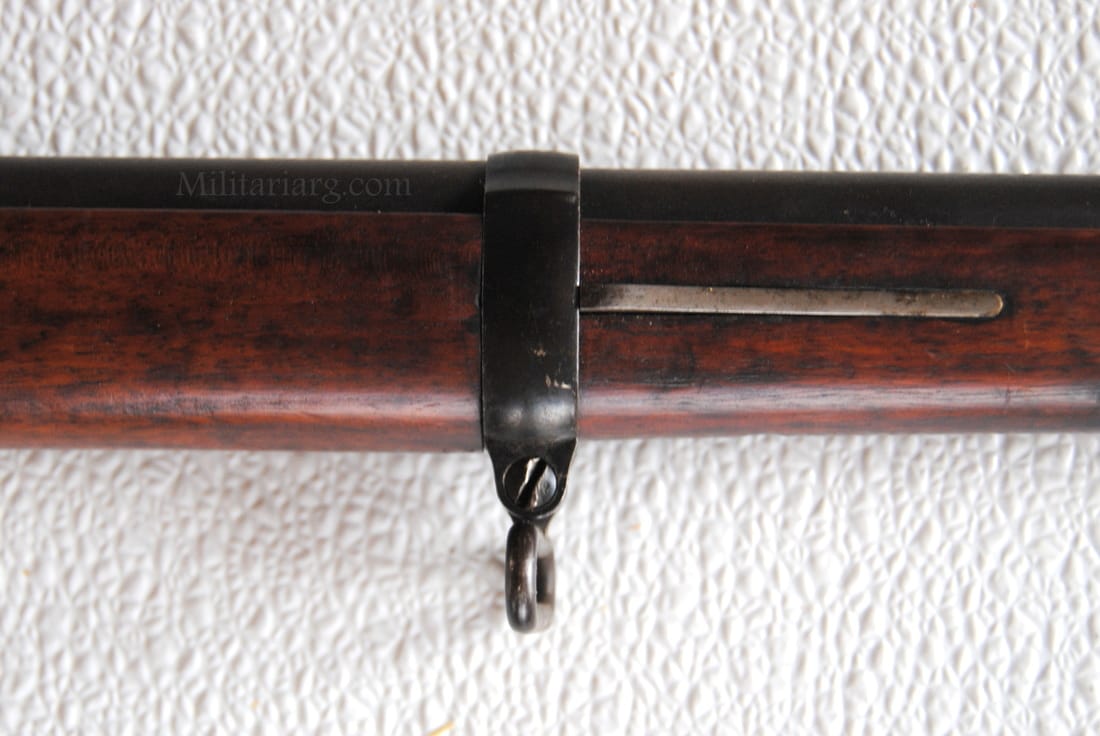
The Model 1891 was an evolution of the earlier Belgian Model 1889. Unlike the Belgian version, the Argentine model did not have a steel barrel sleeve, which made it lighter and sleeker. It introduced short wooden handguards, uniquely fixed to the barrel with wire. ​
Picture
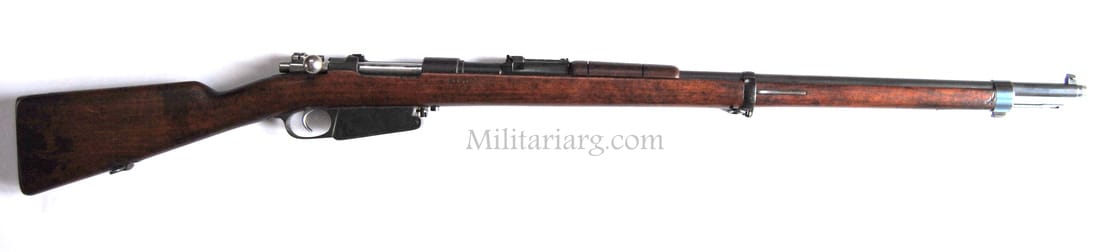
Model 1891 rifles in their original June 1892 first issue configuration. Short Early Type Handguard.
Picture
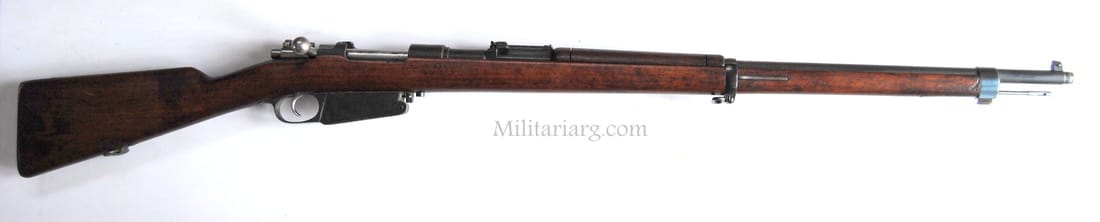
Long late version, adopted after 1895. ​​
Picture
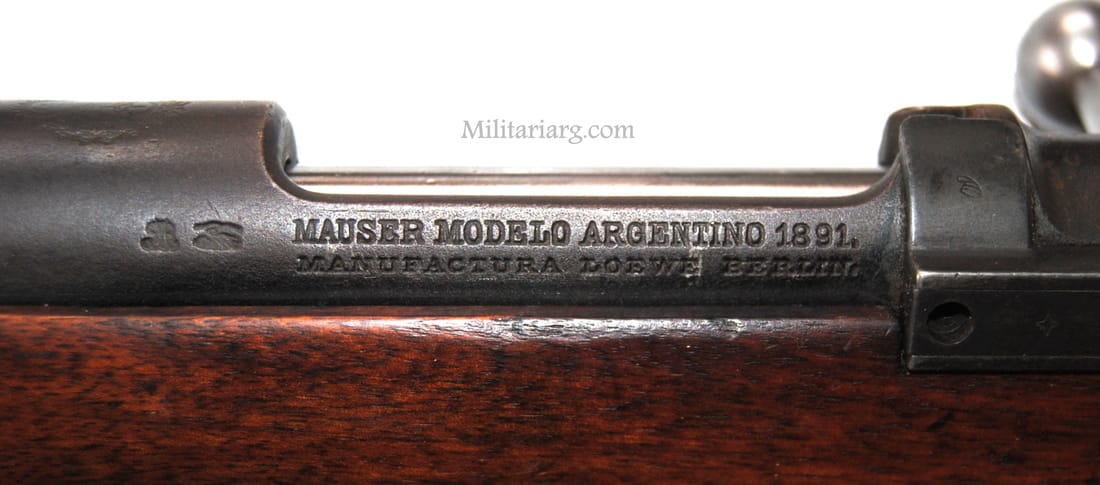
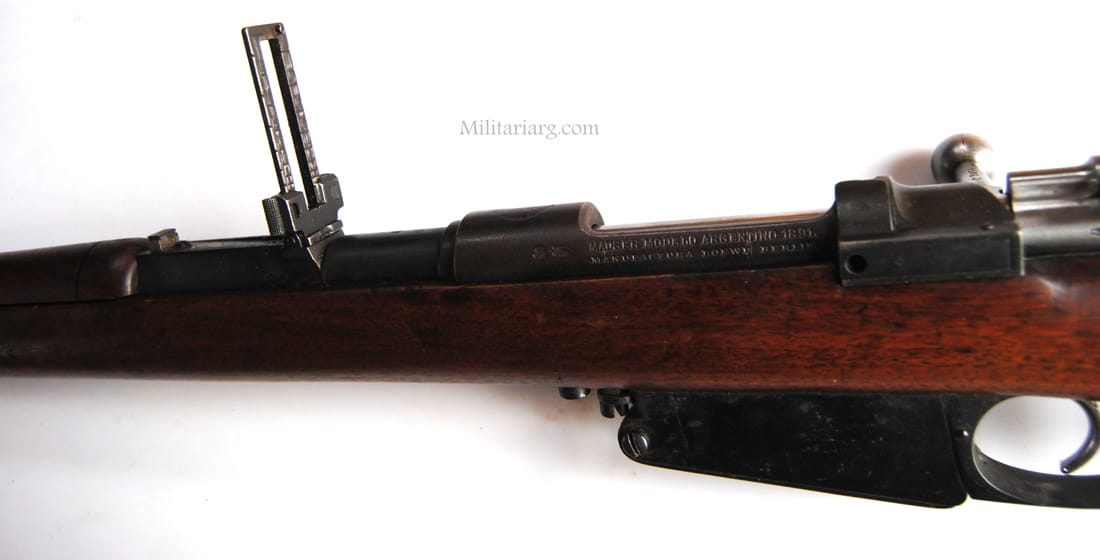
Proof marks on receiver.
Picture
Caliber: Chambered in 7.65x53mm Argentine (also known as 7.65mm Belgian), which offered a balanced trajectory and high accuracy for its time.
Action: A bolt-action mechanism with a single-column, five-round internal magazine fed by stripper clips.
Rifle Dimensions: The standard infantry rifle has a 29.13-inch barrel, an overall length of approximately 48.5 inches, and weighs about 8.5 to 8.8 pounds.
Cavalry Carbine: A shorter variant with a 17.6-inch barrel and a turned-down bolt handle, weighing a little over seven pounds.
Manufacturers: Primarily produced in Berlin by Ludwig Loewe & Company and DWM (Deutsche Waffen und Munitionsfabriken). 
Picture
Picture
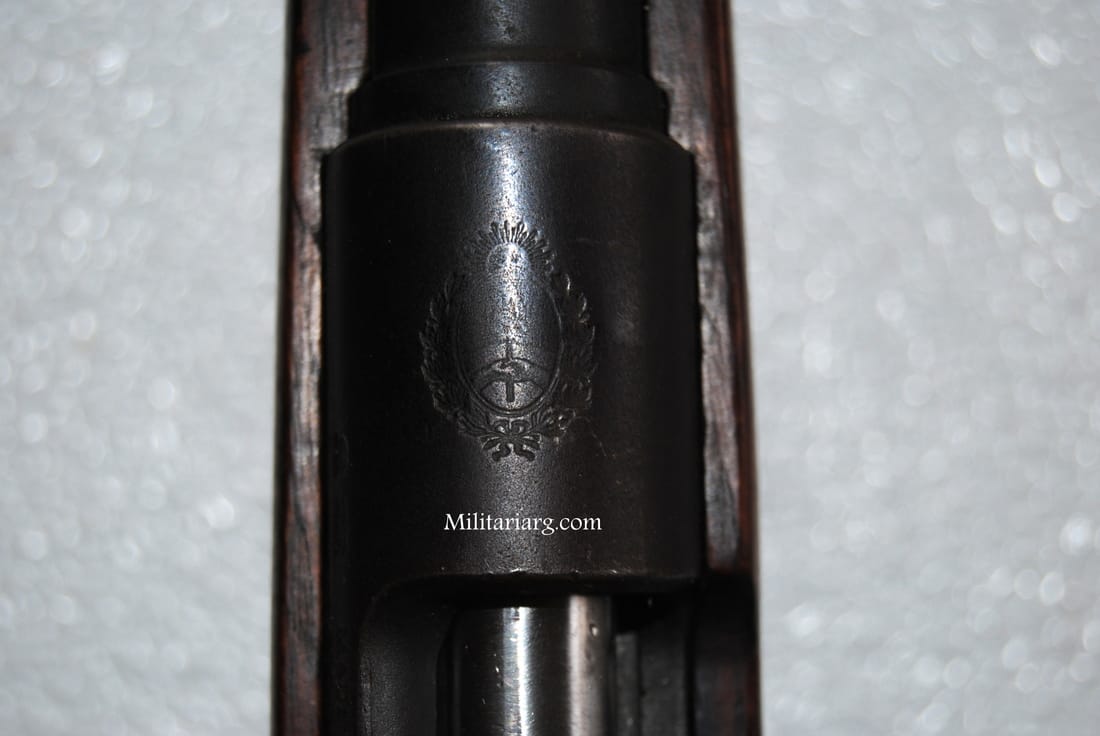
Collectors often find these rifles with the Argentine national crest ground off the receiver. This was legally required by the Argentine government when selling surplus rifles to other nations (such as during the Chaco War) to avoid diplomatic issues by obscuring the origin of the weapons. Rifles with an intact crest are significantly rarer and more valuable. 
Production Numbers
Argentina ordered approximately 220,000 total units, consisting of roughly 180,000-190,000 rifles and 30,000-40,000 carbines
Picture
Bolt sleeve and bolt stop.
Picture
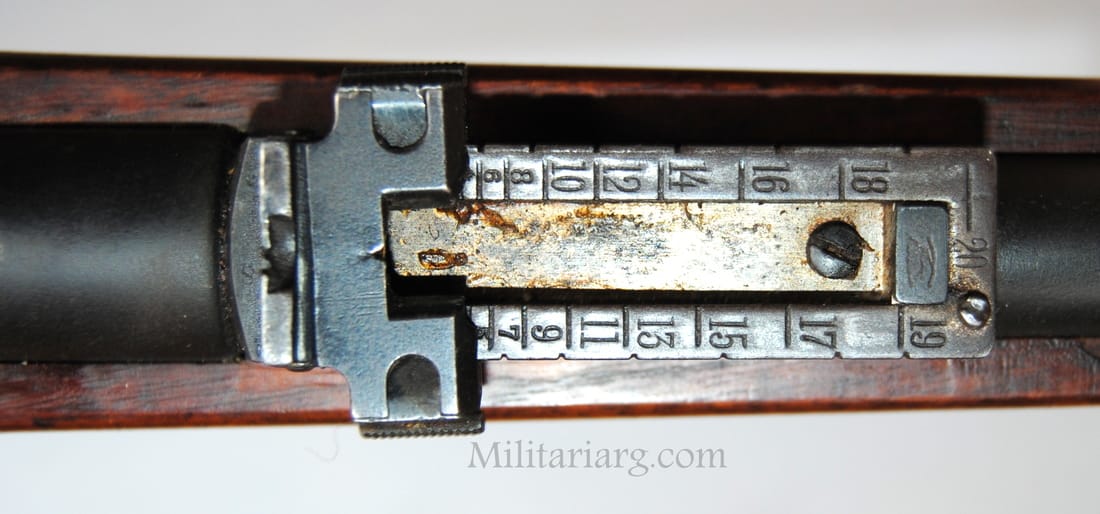
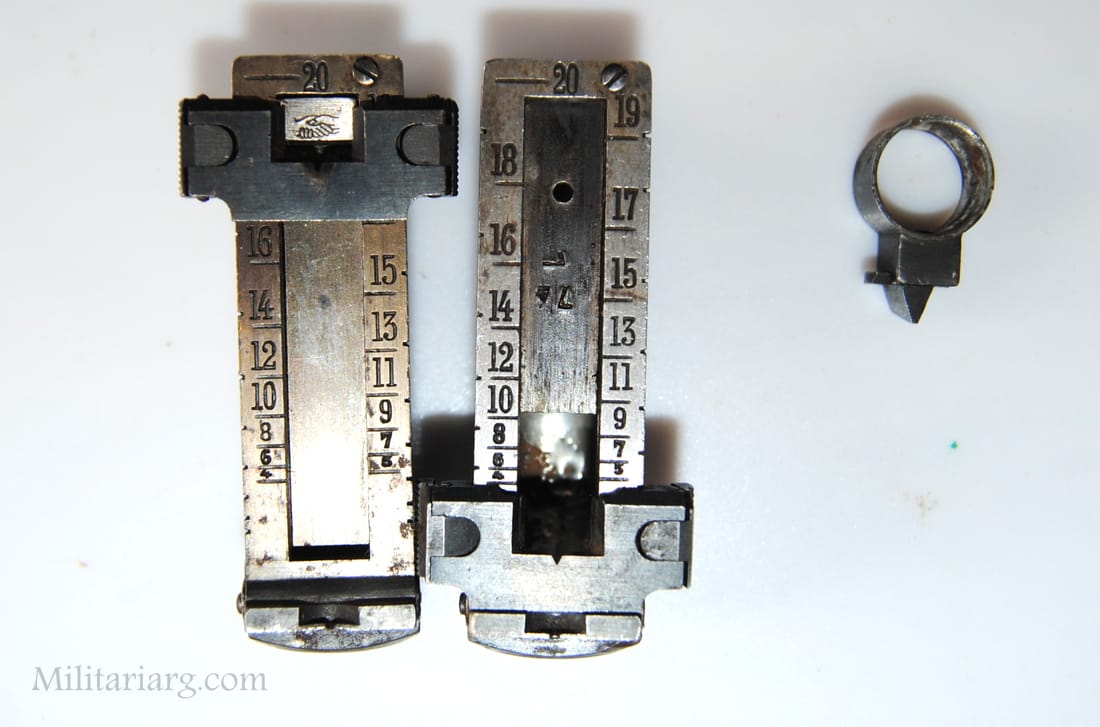
Rear sight.
Picture
Picture
Front and rear sight.
Picture
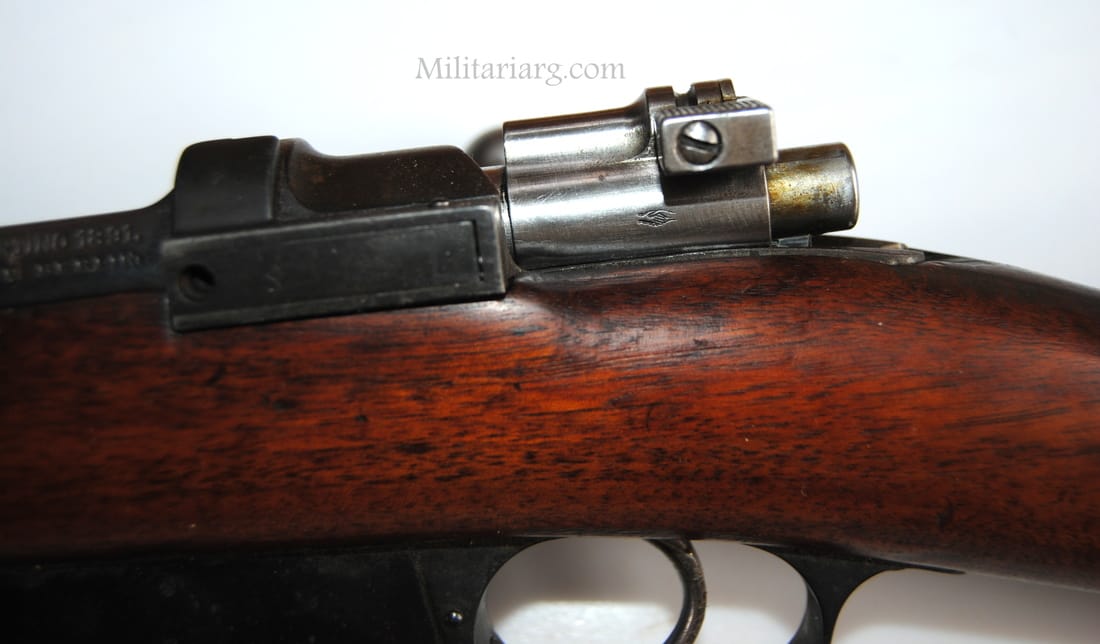
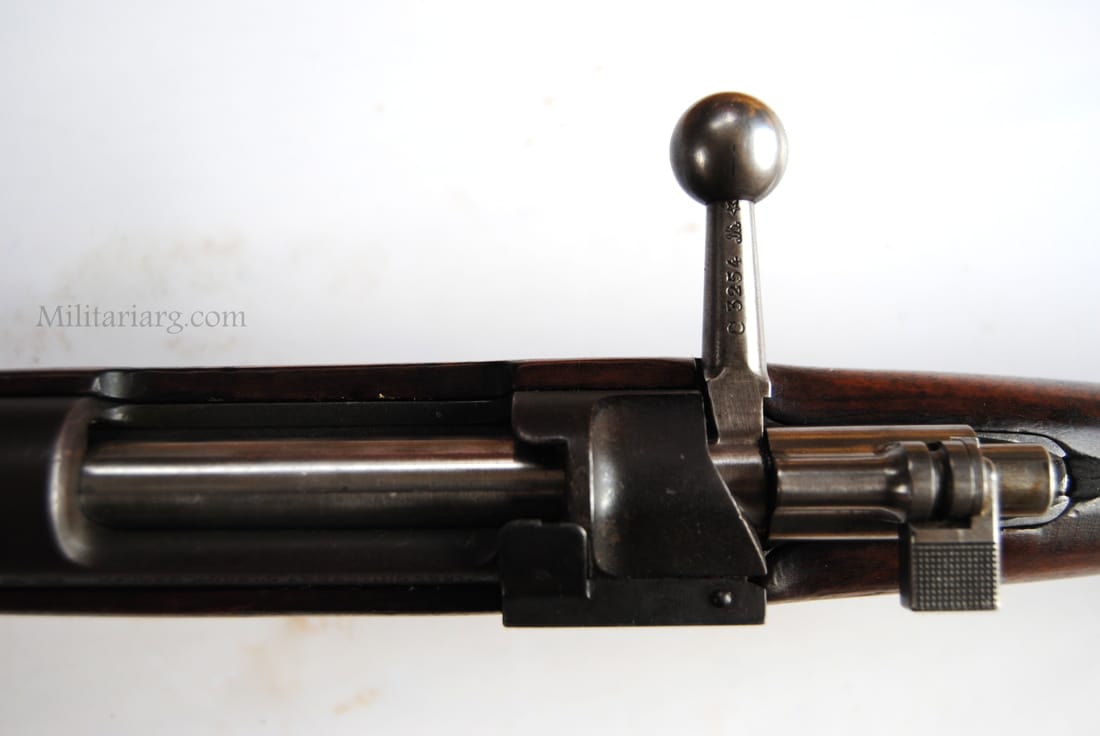
Bolt with safety and extractor. ​This model has a straight bolt handle that must be altered if a scope is mounted and a 2-position safety.  It is designed to be loaded from the top with five-round charger clips but can also be single loaded.
Front and rear guard srew.
Picture
Front plate, nose end cap.
Picture
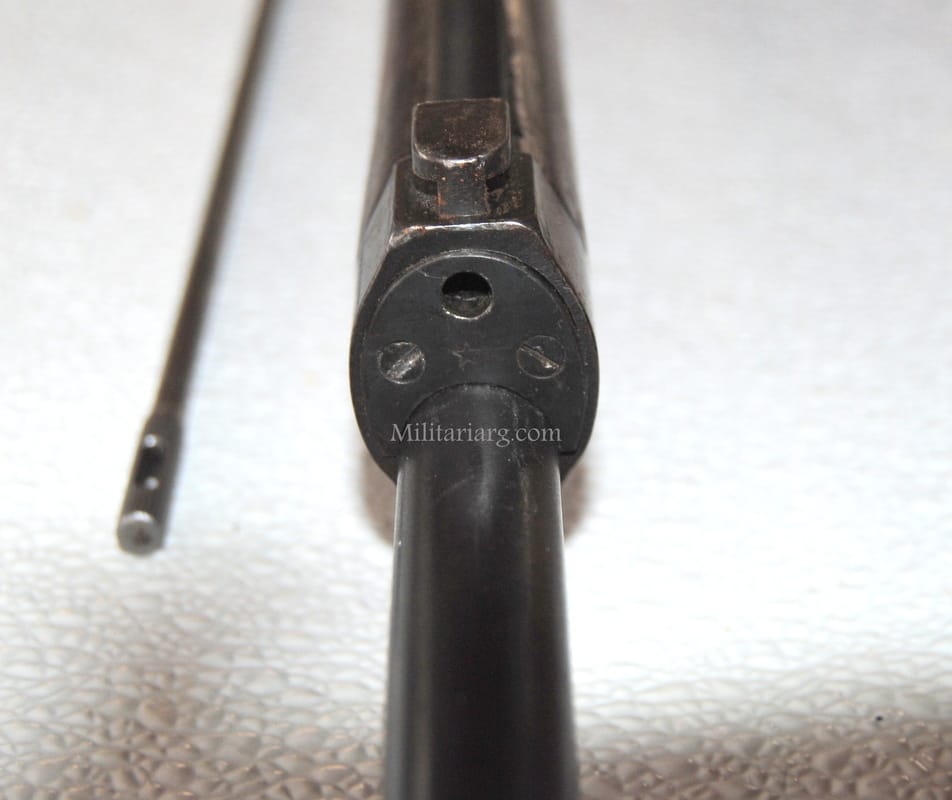
Cleaning rod for 1891 and 1909; Bayonet lug and upper band and spring
Picture
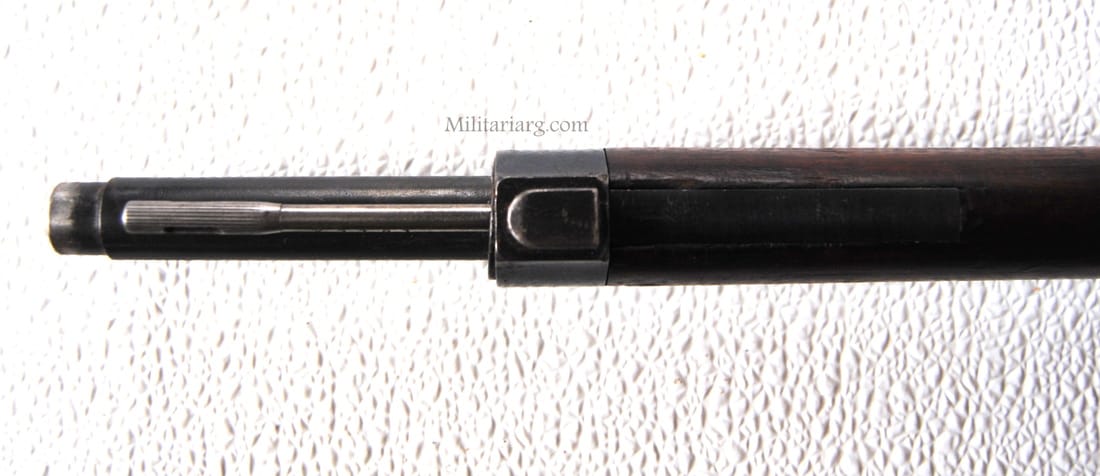
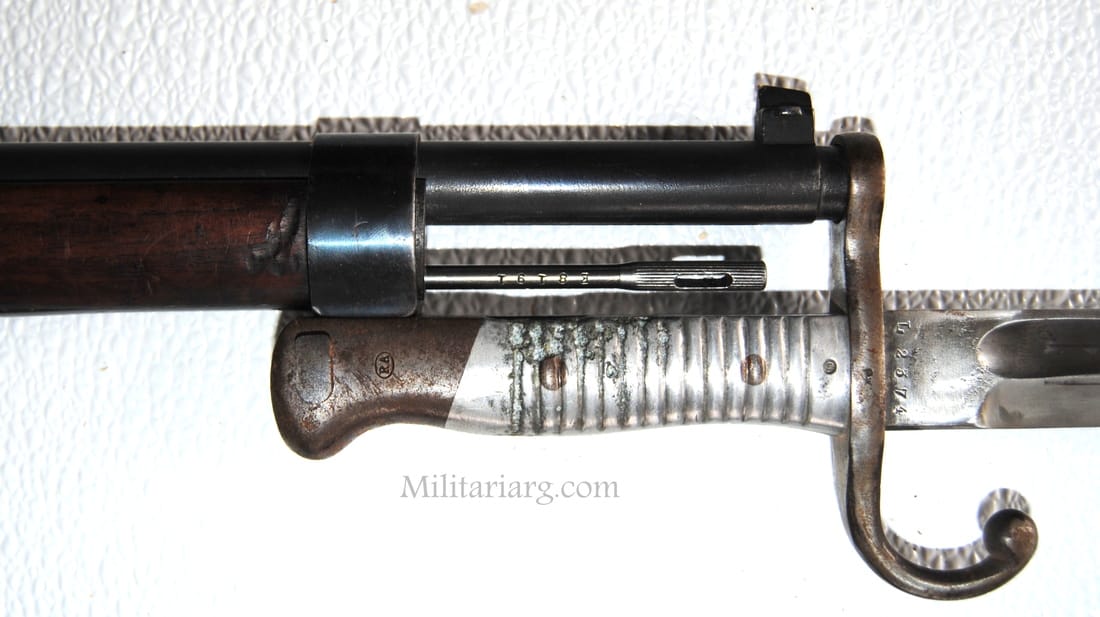
Bayonet mounting system and cleaning rod.

Mauser Rifles Family. "Brothers and Cousins"

Picture
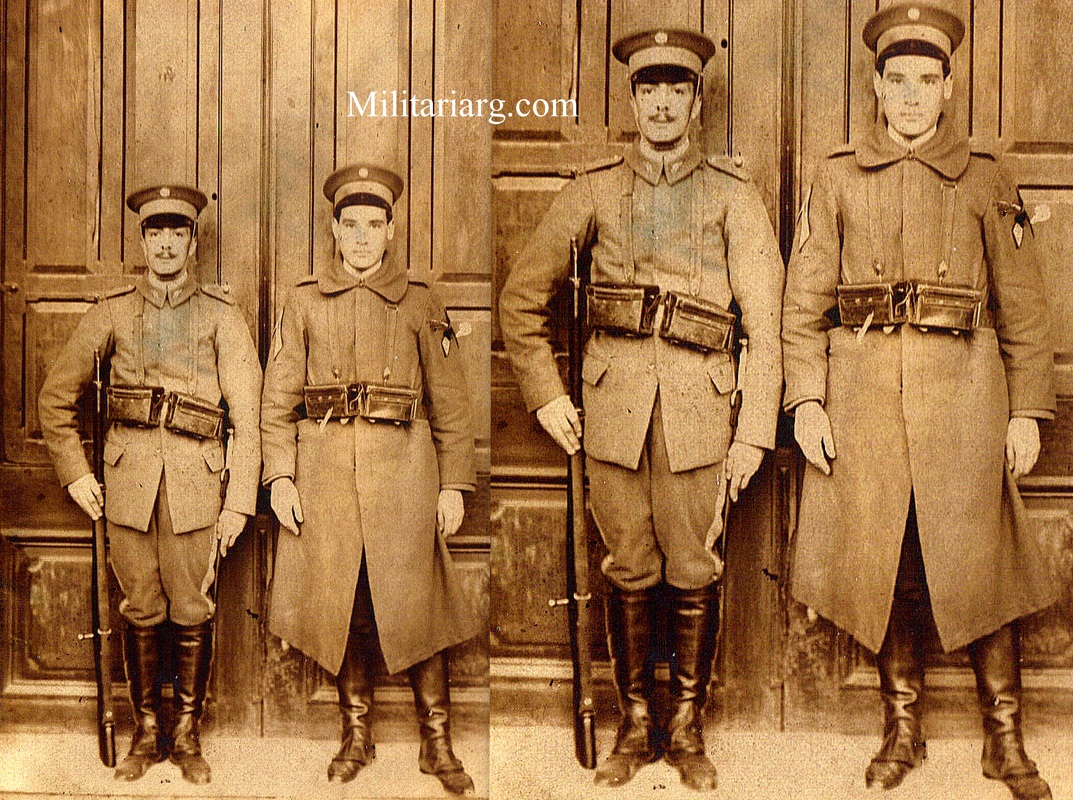
​Model 1891 ammo pouches manufactured in Belgium.
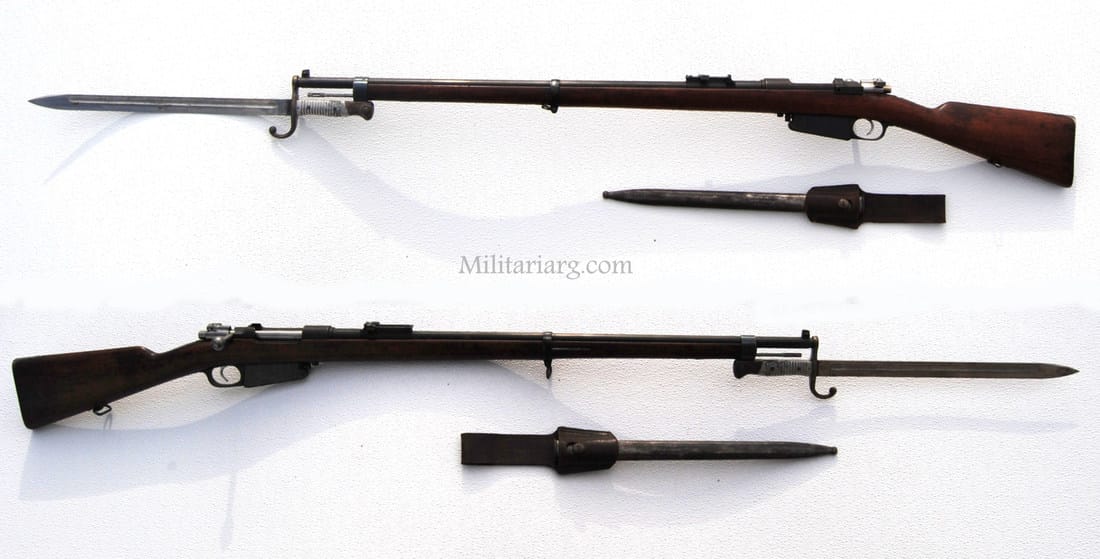
Mauser rifles were incredibly popular, adopted by at least 30 to 50 nations during the late 19th and early 20th centuries. In fact, it's estimated that over 100 million units were manufactured worldwide, making it one of the most prolific firearm designs in history. 

Here are some of the most famous Mauser variants.:

German Gewehr 98 (G98): The "Gold Standard" of the bolt-action rifle, adopted in 1898 and serving as the foundation for almost every subsequent variant.

Argentine Model 1891: One of the earliest major export successes, chambered in the high-performance 7.65x53mm Argentine cartridge.

Yugoslavian M24 & M48: The M24 was based on the Belgian FN design, while the post-WWII M48 is a famous "short" Mauser often found in excellent surplus condition today.

Turkish Mausers (M1890, M1893, M1903): Turkey was a primary buyer, often upgrading older models or rechambering them to the standard 7.92mm (8mm) during the 1930s.

Spanish Model 1893: Famous for its performance in the Spanish-American War, where its superior speed and accuracy famously outclassed the American Krag-Jørgensen.

Swedish Mauser (m/96): Highly regarded by collectors for its exceptional craftsmanship and the accurate 6.5x55mm cartridge.

Czechoslovakian vz. 24: A high-quality short rifle variant produced by CZ (Česká Zbrojovka) that was exported to dozens of countries, including China and Romania.

Chinese "Chiang Kai-shek" (Type 24): A domestic copy of the Mauser Standardmodell, used extensively during the Second Sino-Japanese War.

The Mauser Family Tree and DNA

To think of the Mauser rifle family in terms of "brothers and cousins" is a great way to understand their evolution. Because the Mauser was exported, licensed, and copied globally, its "relatives" range from direct descendants to distant, modified kin. 

The "Sons" (Direct Successors)
These are the models that directly evolved the bolt-action technology in Germany:

The Firstborn (M1871): The "father" of the modern Mauser, a single-shot black powder rifle.
The Middle Children (M1889/90/91): The first to use smokeless powder and stripper clips.
The Spanish Brother (M1893): Introduced the flush five-round box magazine.
The Favorite Son (Gewehr 98): The peak of the design, introduced in 1898 and used in WWI.
The Grandson (Karabiner 98k): The shortened, refined version of the G98 used in WWII. 

The "Cousins" (Foreign Licensed Versions)
These were made by other companies using Mauser's patents, often with their own national twists:

The Belgian Cousin (FN Model 24/30): Built by Fabrique Nationale (FN) in Belgium, these were massive export hits across South America and China.
The Czech Cousin (vz. 24): Produced by CZ (Česká zbrojovka), known for incredible quality and used by everyone from Romania to Japan.
The Swedish Cousin (m/96): Considered the most "refined" relative, it used high-grade "Swedish Steel" and a unique 6.5mm caliber. 

The "Step-Brothers" (Reworked & Cloned)
These rifles have Mauser "DNA" but were born from different circumstances: 

The Yugoslavian Step-Brother (M48): Built after WWII, this was Yugoslavia's own take on the K98k design, often brand new rather than refurbished.
The Turkish "Enfauser": A unique "hybrid" relative where Turkey rechambered British Lee-Enfields to fire 8mm Mauser rounds.
The American Step-Brother (M1903 Springfield): The US "borrowed" so much of the Mauser design for this rifle that the US government actually had to pay royalties to Mauser.
Powered by Create your own unique website with customizable templates.