This space is dedicated to exhibit collections of items that were in the Malvinas or from the era of the Malvinas. As we acquire new original items, we will continue to complete the displays in order to learn more about the Argentine and British armed forces during the Malvinas/Falklands era.
The war in the South Atlantic caused the joint forces of the Republic of Argentina to face off with powerful Task Force of the United Kingdom. Both bands had a rare mix of old staff equipment in the old style. The Argentine Forces seemed seemed to combine a rare mix of equipment remnants from WWI and WWII (leather webbing) and other equipment from the era of German style and American equipment from the Korean and Vietnam Wars. Still some of the details of the British forces had a level that brought them closer to modern time like the Golf War while Argentina had the technology level of the Vietnam War. There was also a difference in the quality of soldier, considering that the British were mostly professionals and the Argentines were mostly young conscripts.
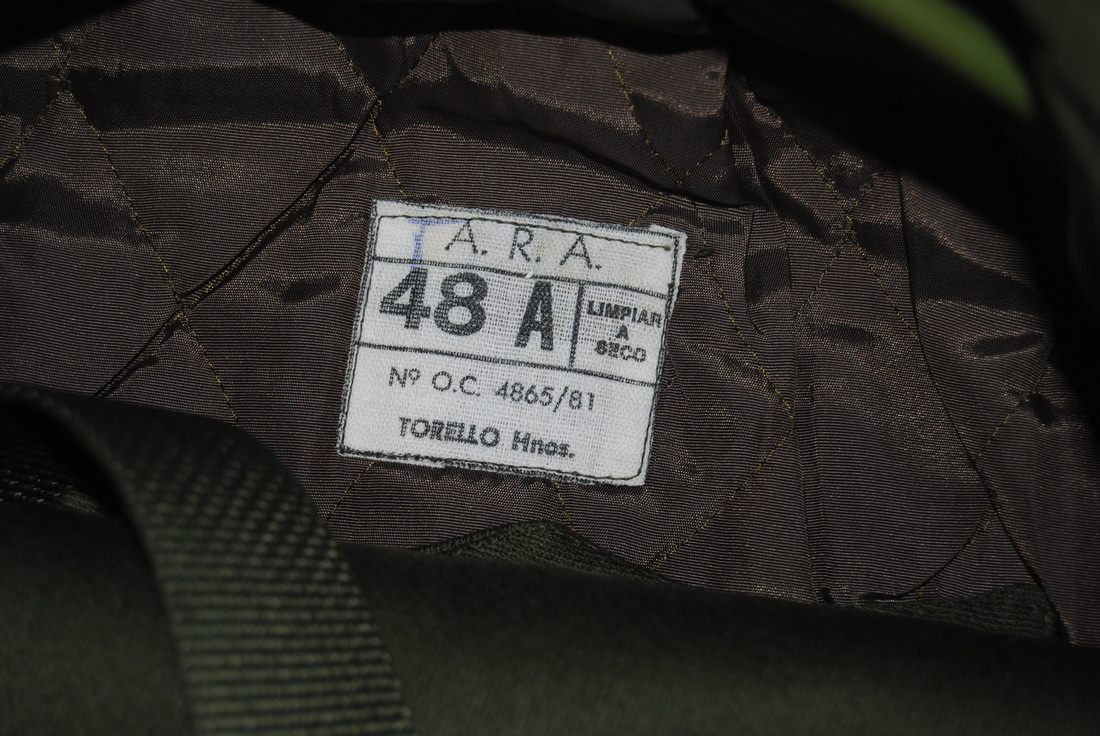
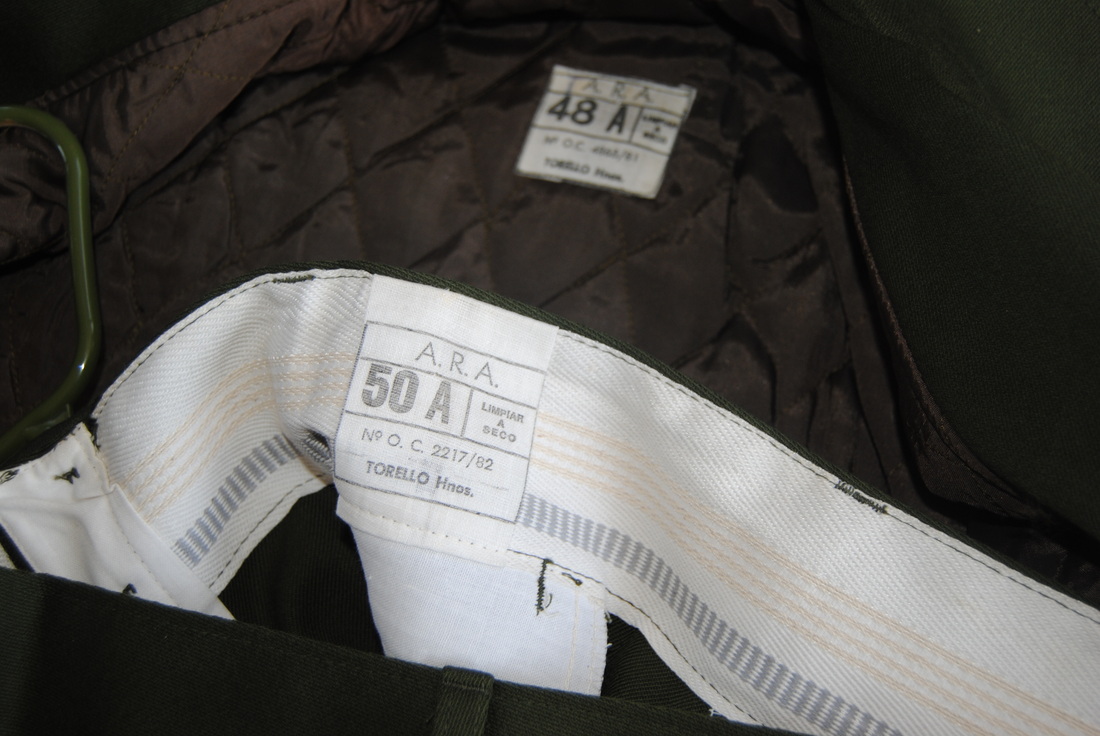
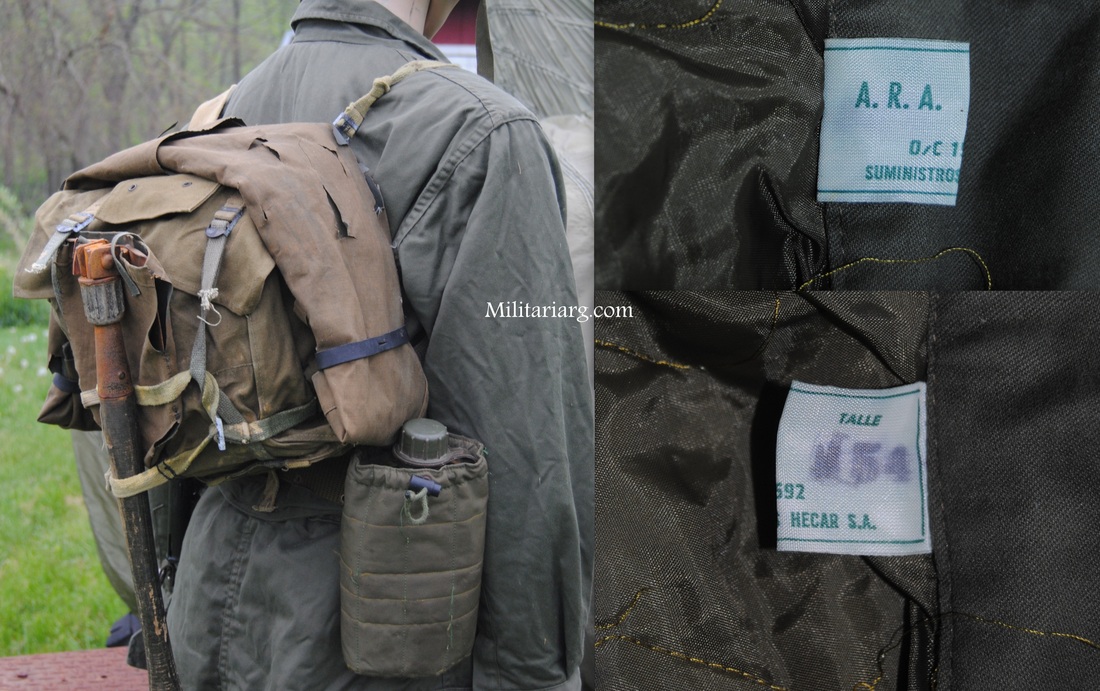
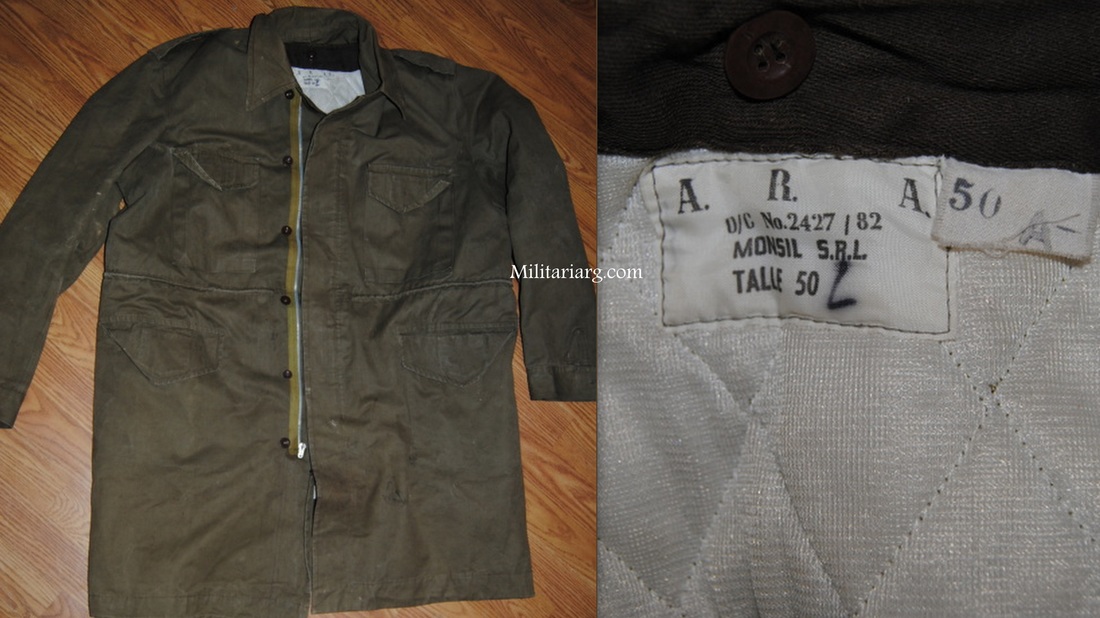
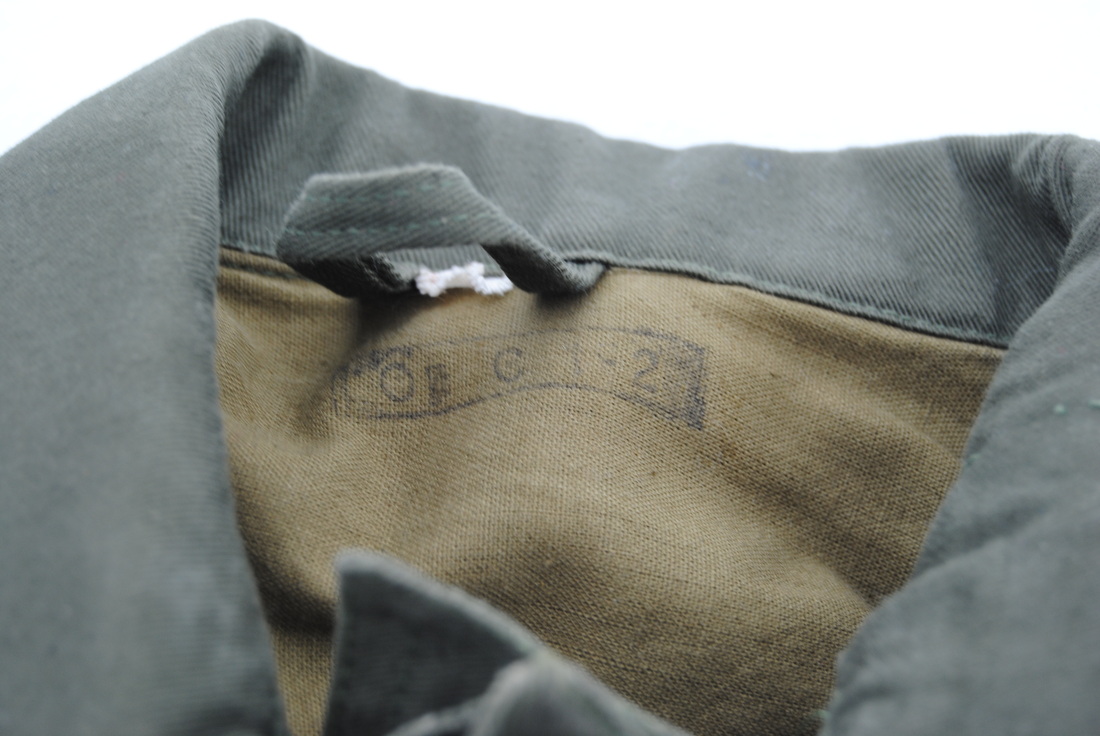
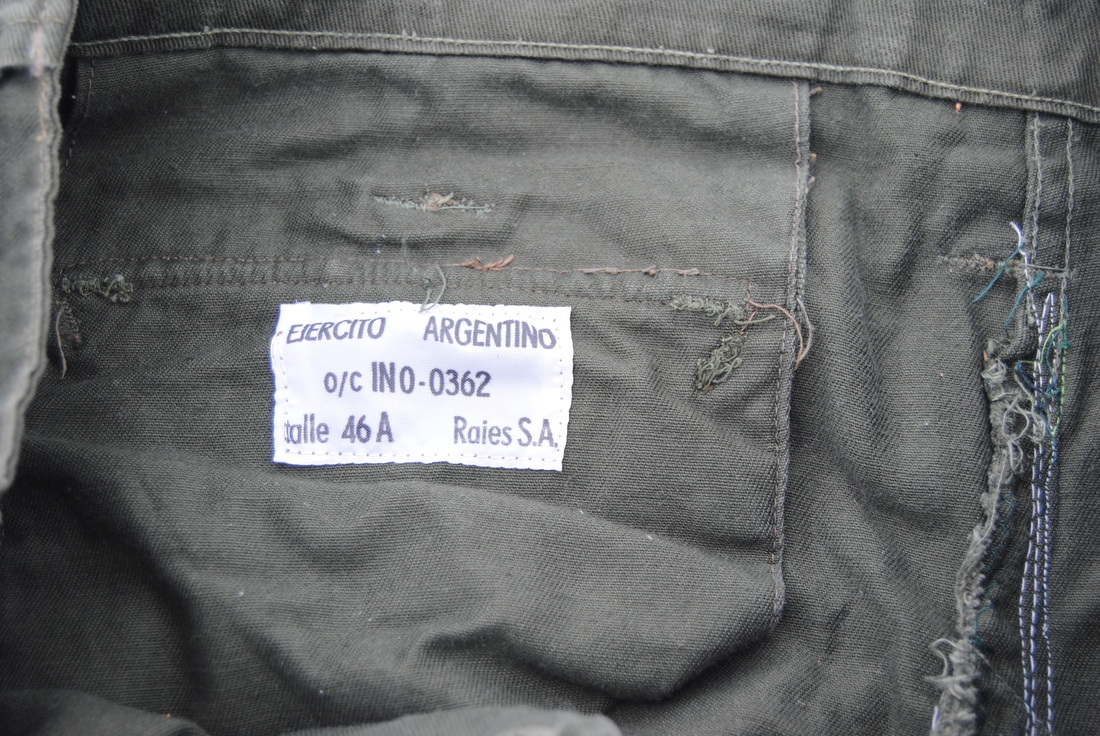
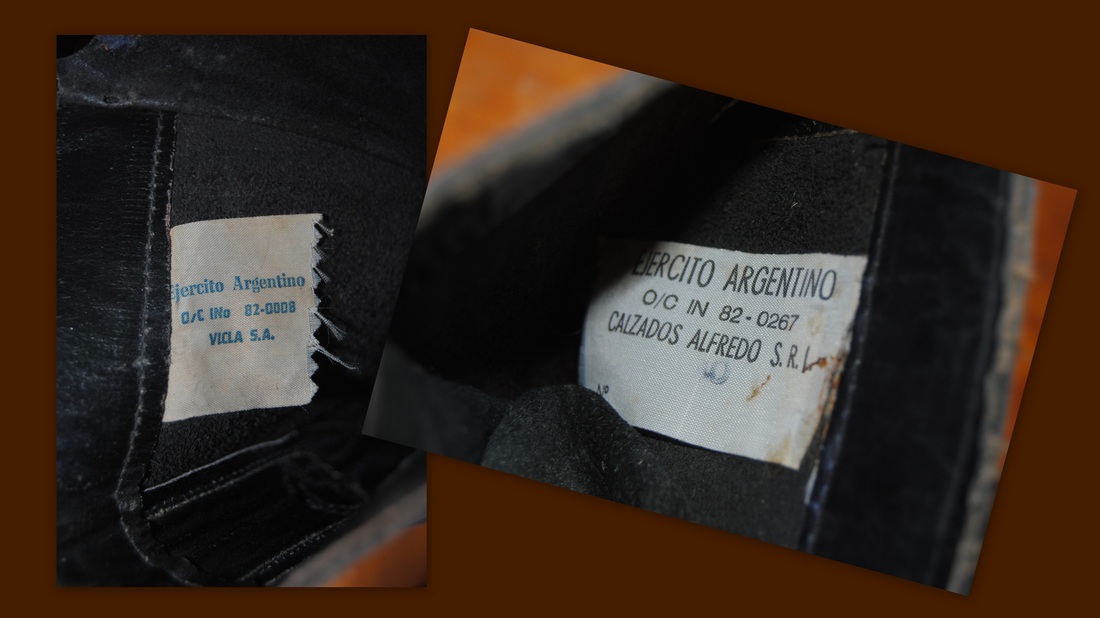
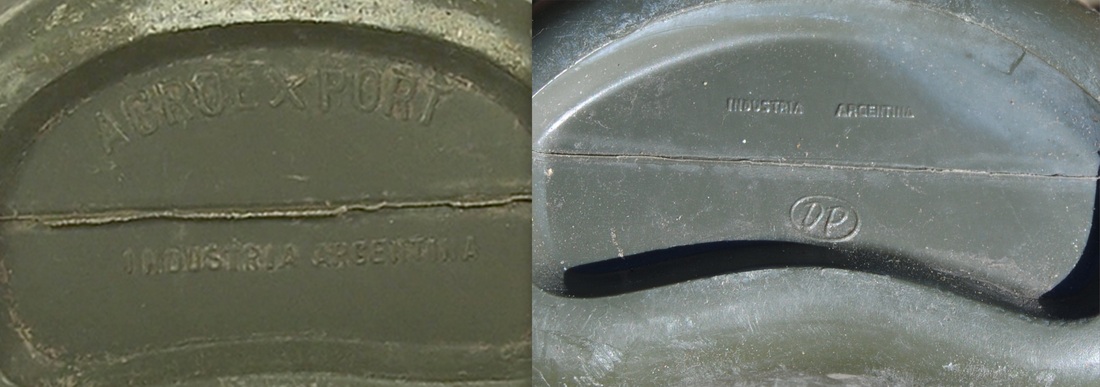
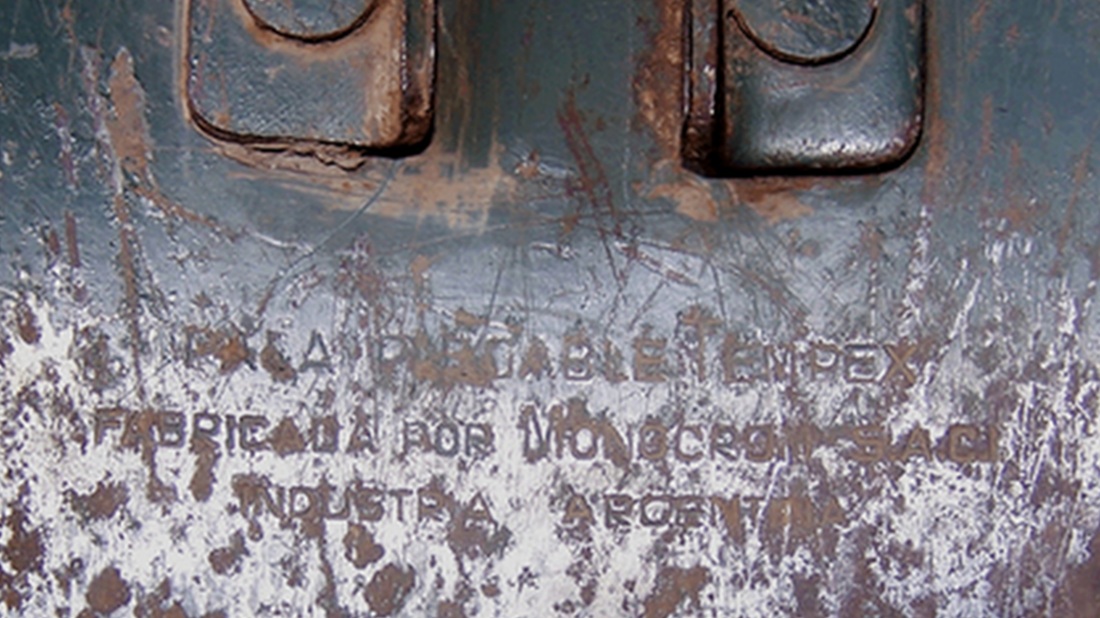
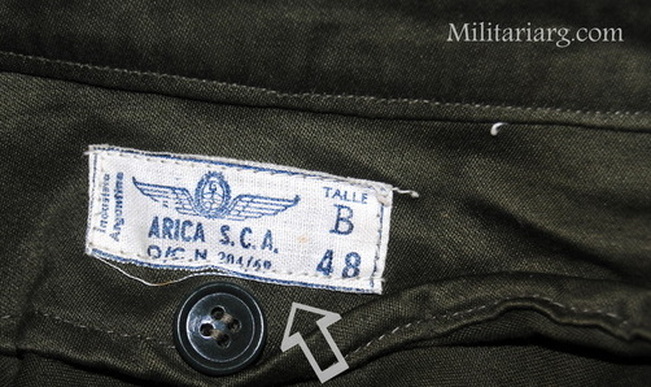
On this page, in addition to Militaria items from the the South Atlantic War, you will see the labels with the brands of Argentine Manufacturing companies that disappeared in the post-war period.
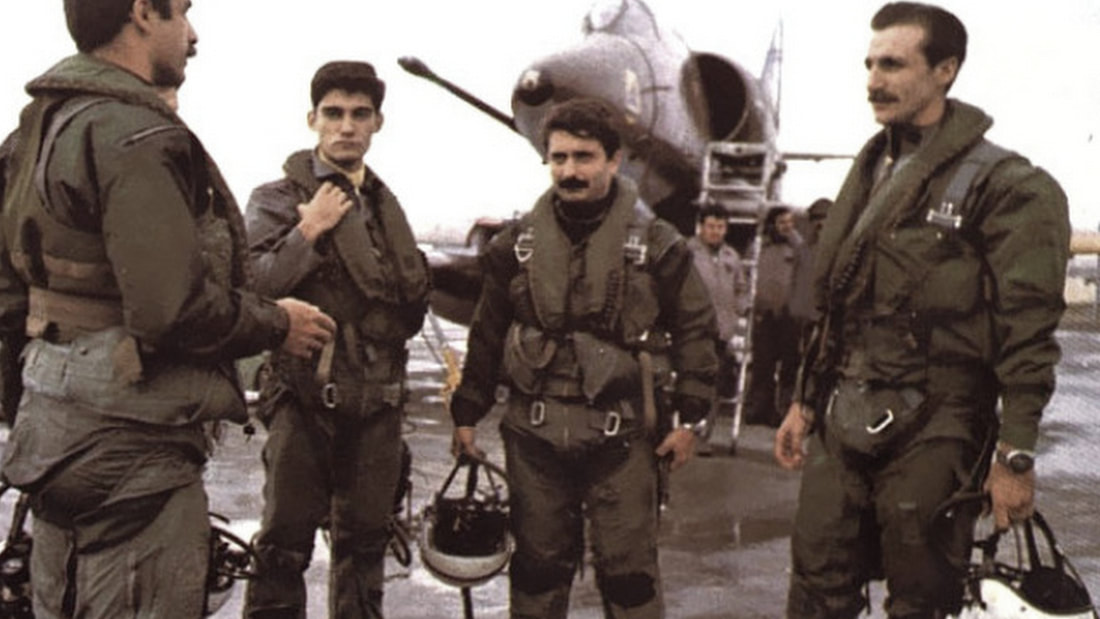
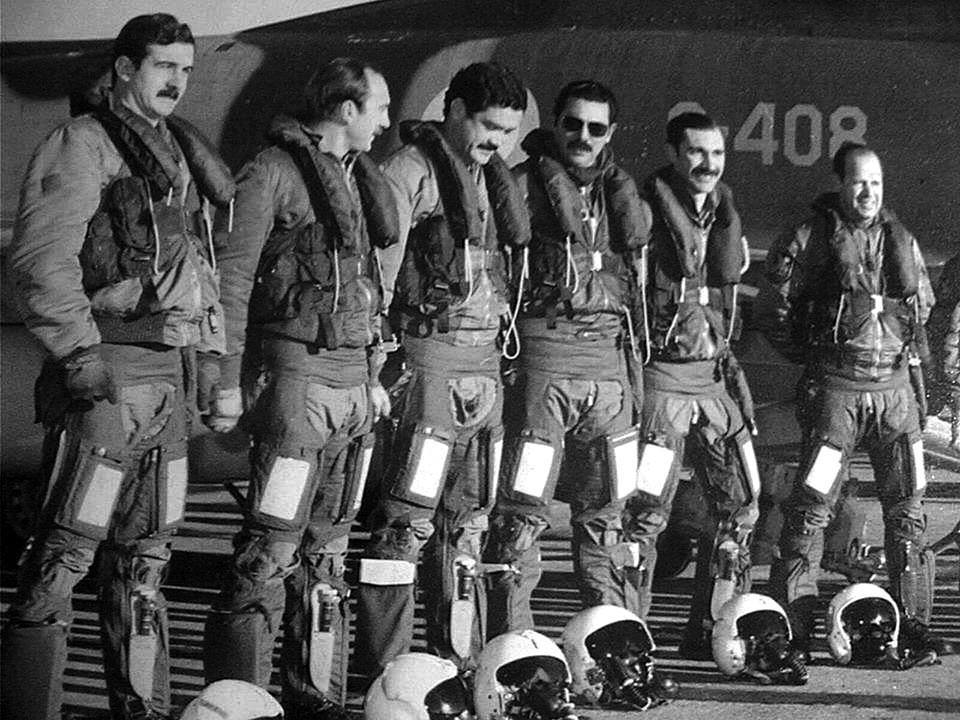
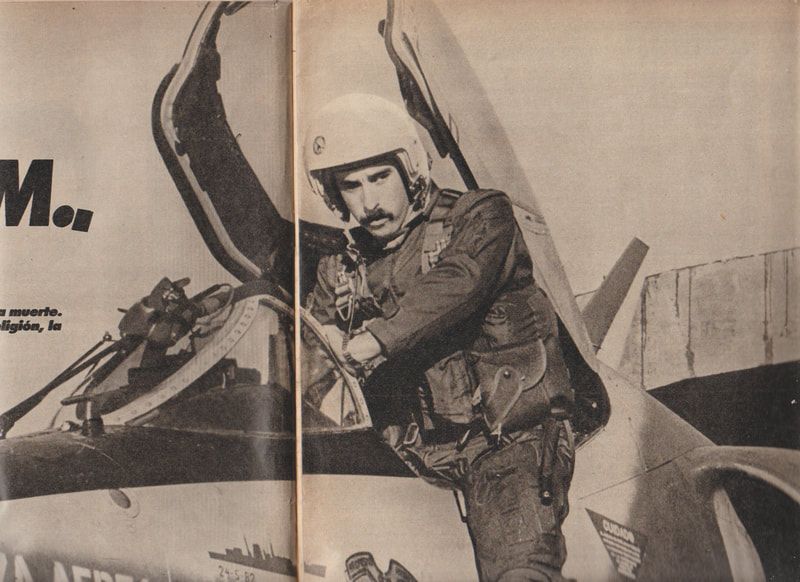
Group IV and V Fighters (Skyhawk A-4C and A-4B). 6th Fighter Group. Dagger (Dessault Mirage 5) IV Brigade.
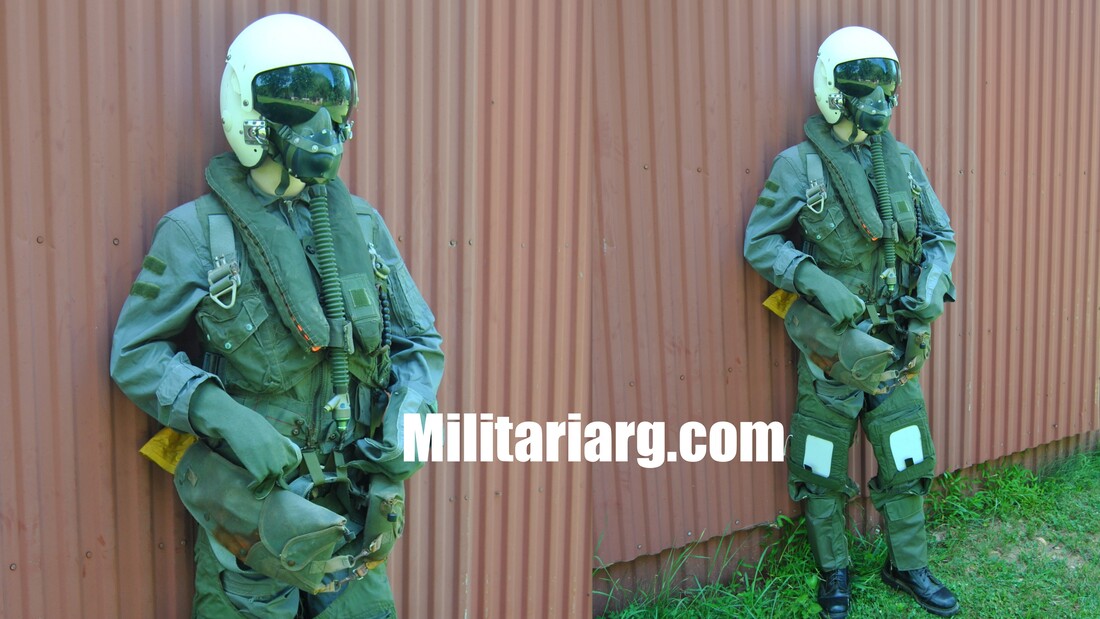
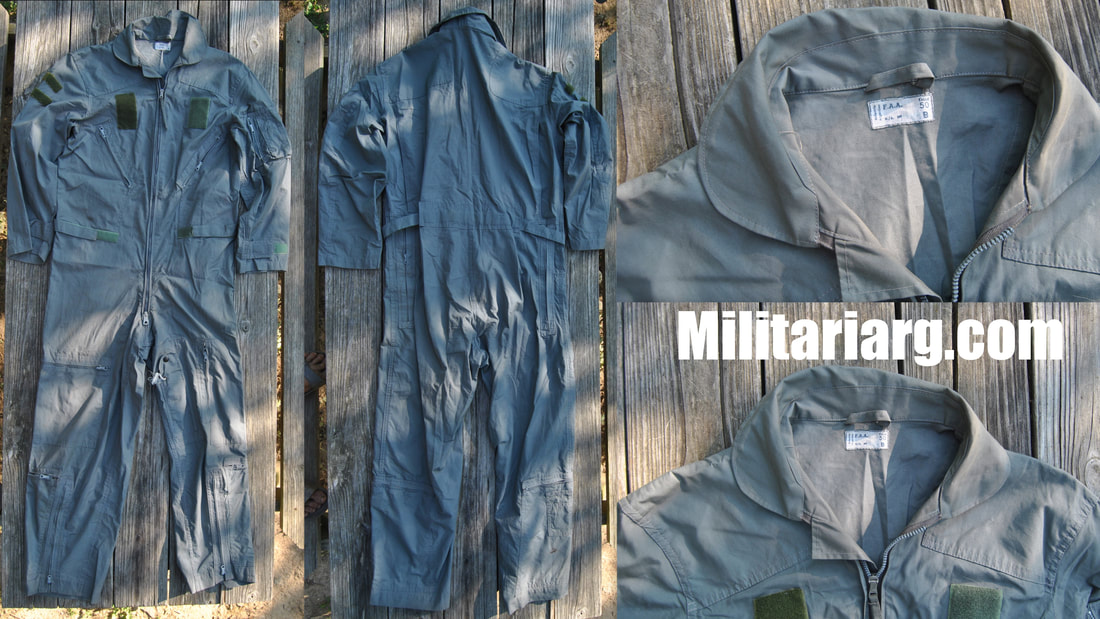
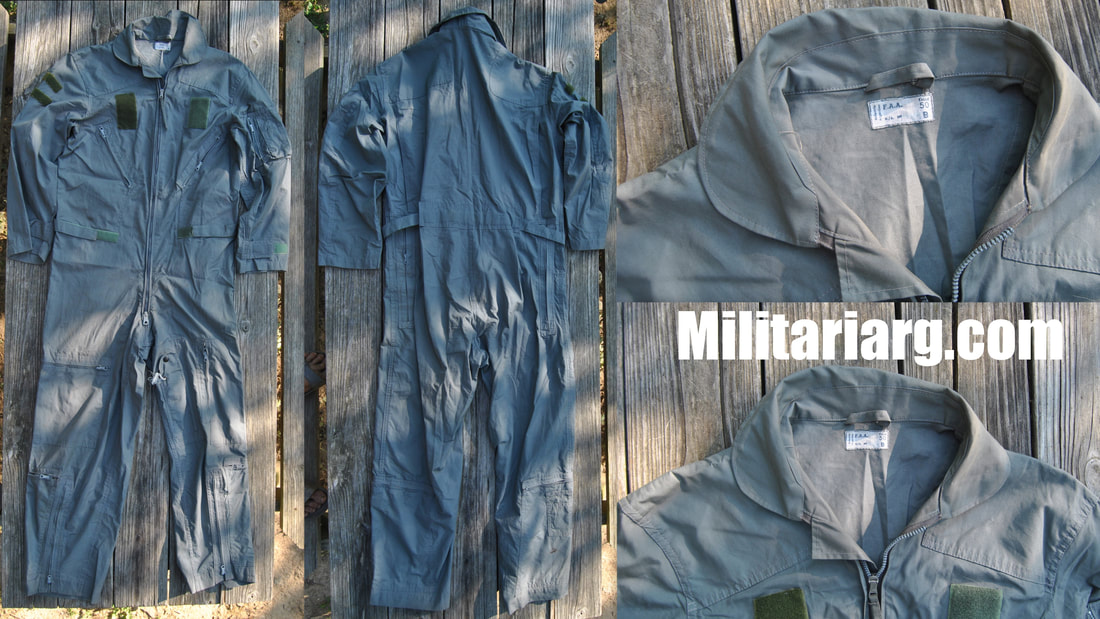
Argentine Air Force flight suit summer, dated 1978 (type K2B). Industria Argentina.
1982 Falklands / Malvinas. 6th Fighter Group. Dagger (Dessault Mirage 5) IV Brigade.
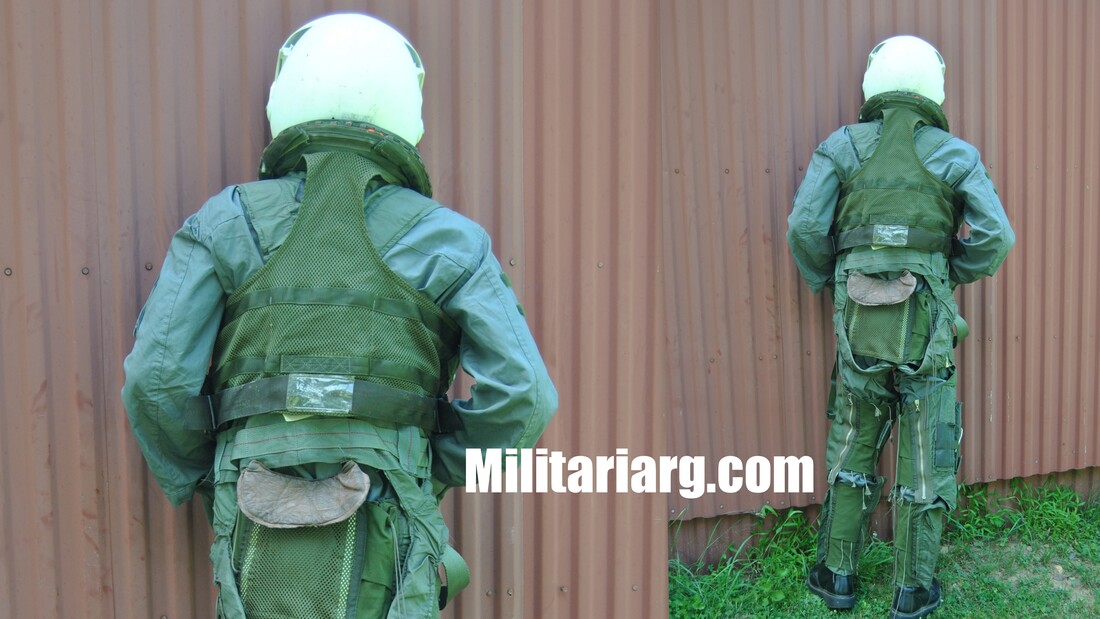
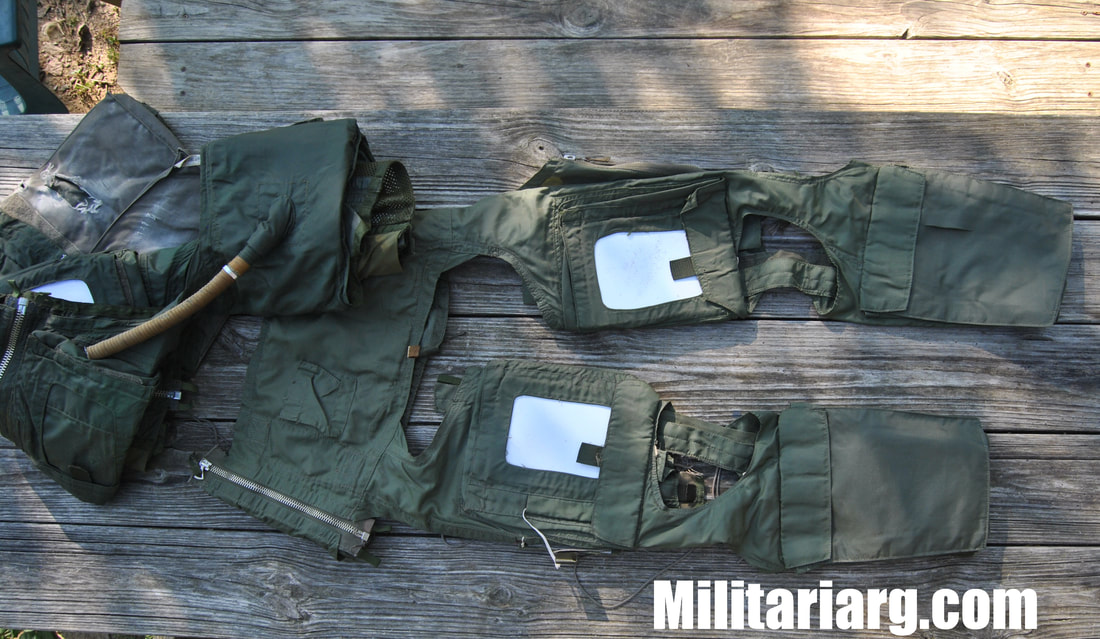
Early 1980s, CSU-13B/P Anti-G trousers. Made by Beaufort (UK).
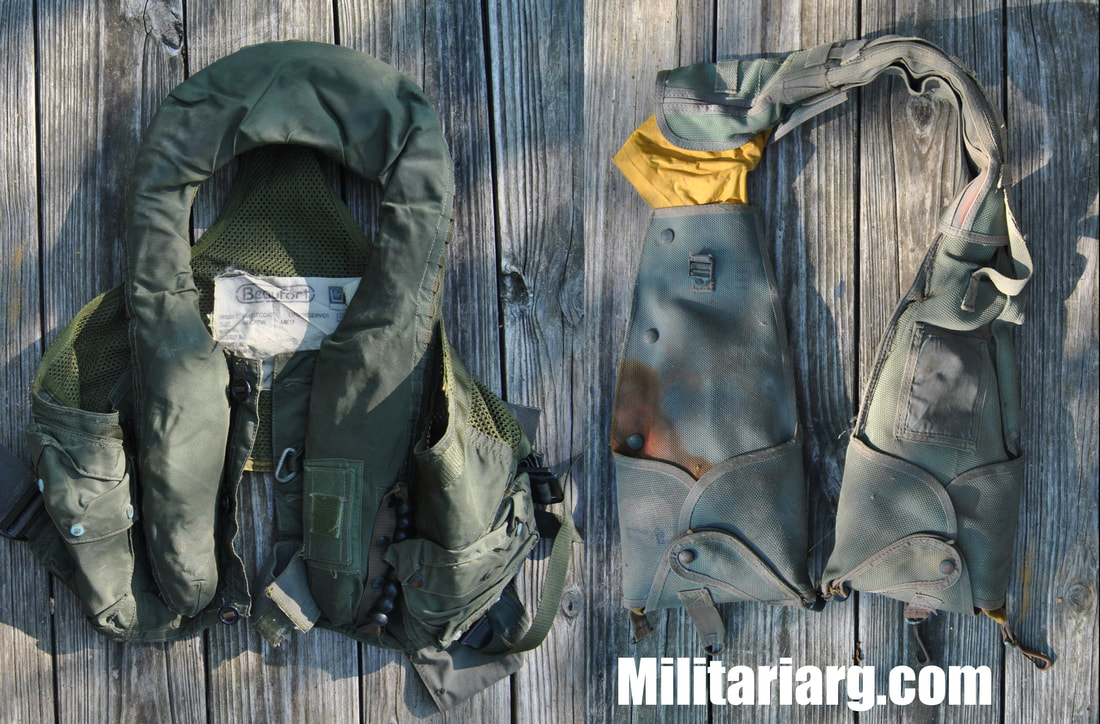
Left: MK. 17 H Life Preserver Made by Beaufort (UK). Right: Vietnam War era MK-3 Life Vest.
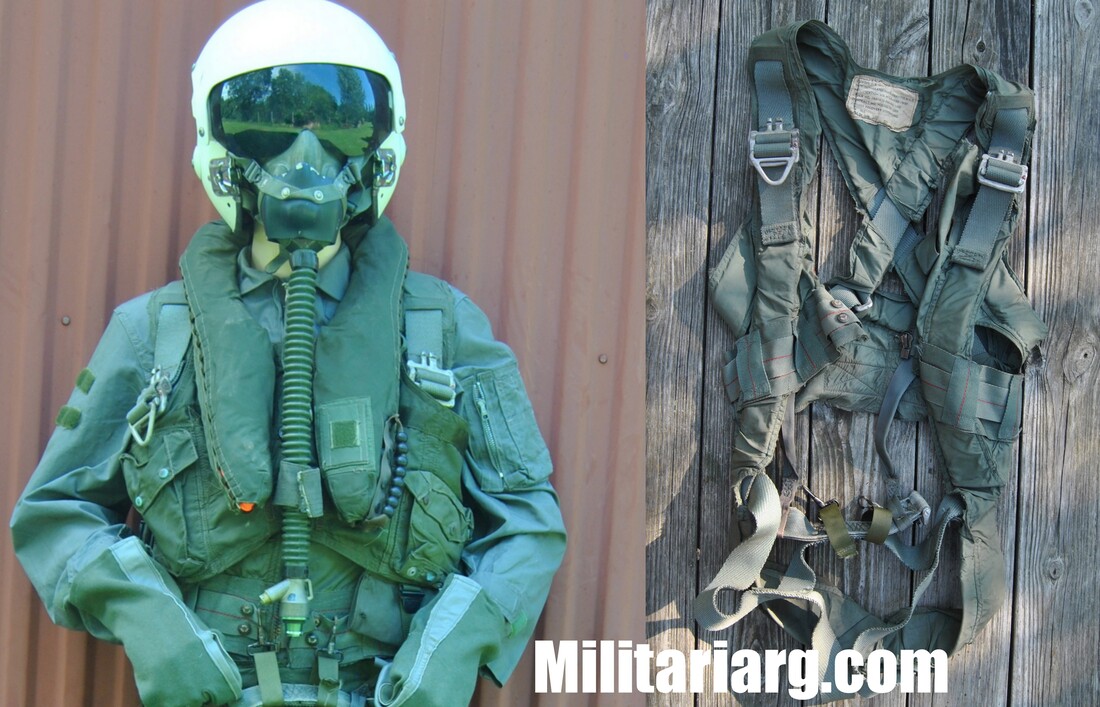
Left: Modified Sierra type APH-6c Flight Helmet and MS-22001 Oxygen Mask. Right: US Navy MA-2 Pilot's Integrated Torso Harness
Argentine Army Half Shelter
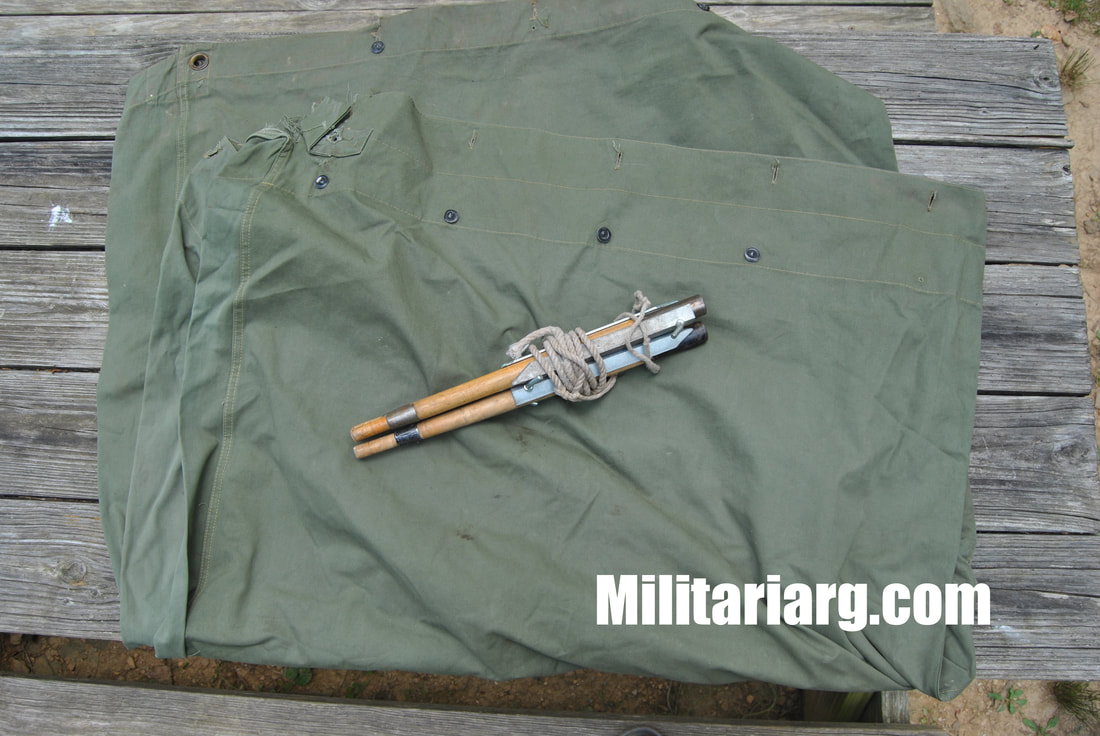
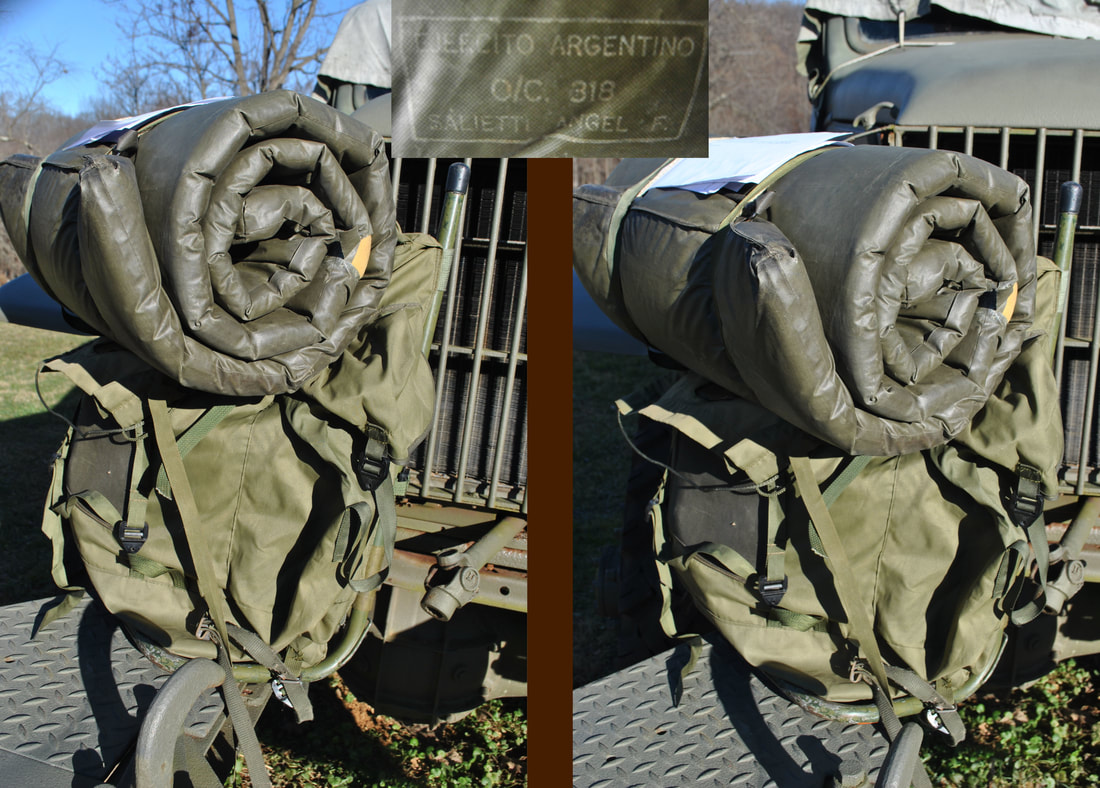
Dated 1981. made by Francisco Salietti Argentine Industry.
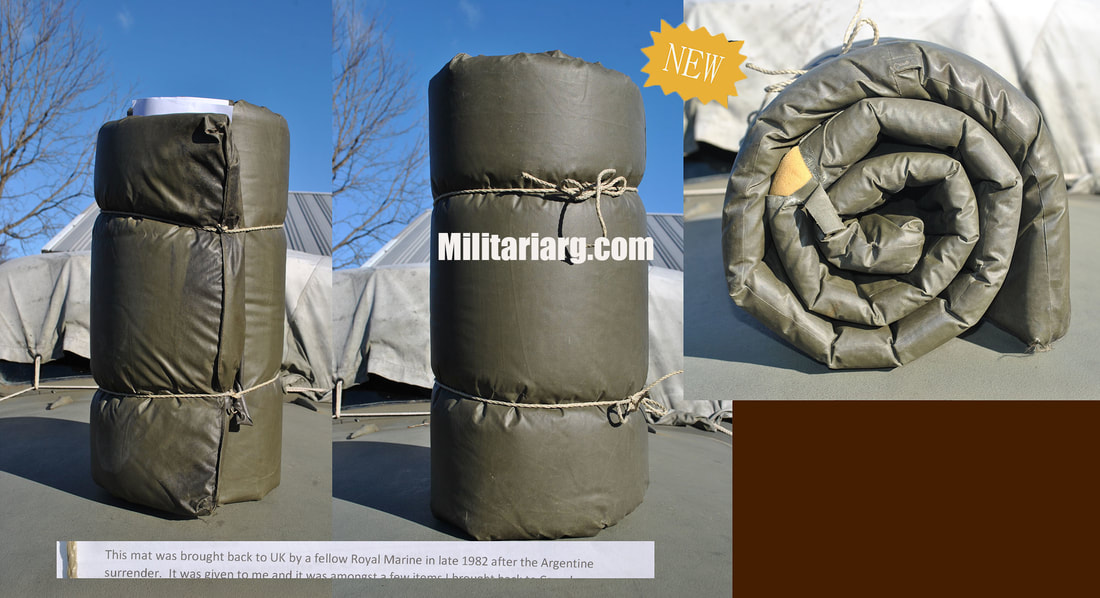
New item. Argentine Army -Comandos 601 602, sleeping mat.
In 1982, the Argentine Infantería de Marina (Marine Corps) played a critical role in both the initial invasion of the Malvinas Islands and the final defense of Port Stanley. Comprised of approximately 6,000 personnel at the time, they were widely considered the most professional and well-equipped branch of the Argentine ground forces.
Operation Rosario: The Initial Invasion
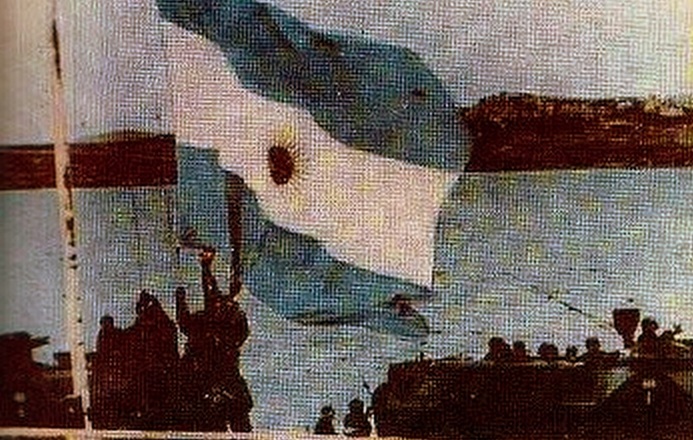
The Marines spearheaded the invasion on April 2, 1982, in an amphibious operation known as Operation Rosario.
Amphibious Commandos Group: Led by Lieutenant Commander Guillermo Sánchez-Sabarots, this elite unit landed via inflatable boats to secure the Moody Brook barracks and Government House.
2nd Marine Infantry Battalion (BIM 2): They landed using LVTP-7 amphibious vehicles to provide the heavy support necessary to force the surrender of the British Governor.
Strict Rules of Engagement: Under orders to avoid British casualties, the Marines executed the takeover with only one Argentine fatality (Captain Pedro Giachino).
Operation Rosario: The Initial Invasion
The Marines spearheaded the invasion on April 2, 1982, in an amphibious operation known as Operation Rosario.
Amphibious Commandos Group: Led by Lieutenant Commander Guillermo Sánchez-Sabarots, this elite unit landed via inflatable boats to secure the Moody Brook barracks and Government House.
2nd Marine Infantry Battalion (BIM 2): They landed using LVTP-7 amphibious vehicles to provide the heavy support necessary to force the surrender of the British Governor.
Strict Rules of Engagement: Under orders to avoid British casualties, the Marines executed the takeover with only one Argentine fatality (Captain Pedro Giachino).
Key Defensive Units & Roles. Following the invasion, a total Marine contingent of 1,590 troops was deployed to the islands.
5th Marine Infantry Battalion (BIM 5): Commanded by Carlos Robacio, this was a reinforced, elite unit specially trained for cold-weather operations in Tierra del Fuego. They were widely regarded as the most effective Argentine unit in the war.
1st Marine Field Artillery Battalion: Provided critical fire support with 105mm OTO Melara pack howitzers.
Amphibious Engineers Company: Assisted in creating the extensive fortifications around Port Stanley.
The Battle of Mount Tumbledown
The Argentine Marines' most notable action occurred on the final night of the war (June 13–14, 1982) during the Battle of Mount Tumbledown.
Fierce Resistance: BIM 5 defended the mountain against the Scots Guards, engaging in brutal, close-quarter hand-to-hand fighting.
The Marines held the position for several hours, causing significant casualties among the British forces before finally being forced to withdraw as the encirclement of Stanley was completed.The professional performance of the Marines at Tumbledown was noted by British commanders, who acknowledged that the battle could have stalled the entire advance had the Marines held on longer.
5th Marine Infantry Battalion (BIM 5): Commanded by Carlos Robacio, this was a reinforced, elite unit specially trained for cold-weather operations in Tierra del Fuego. They were widely regarded as the most effective Argentine unit in the war.
1st Marine Field Artillery Battalion: Provided critical fire support with 105mm OTO Melara pack howitzers.
Amphibious Engineers Company: Assisted in creating the extensive fortifications around Port Stanley.
The Battle of Mount Tumbledown
The Argentine Marines' most notable action occurred on the final night of the war (June 13–14, 1982) during the Battle of Mount Tumbledown.
Fierce Resistance: BIM 5 defended the mountain against the Scots Guards, engaging in brutal, close-quarter hand-to-hand fighting.
The Marines held the position for several hours, causing significant casualties among the British forces before finally being forced to withdraw as the encirclement of Stanley was completed.The professional performance of the Marines at Tumbledown was noted by British commanders, who acknowledged that the battle could have stalled the entire advance had the Marines held on longer.
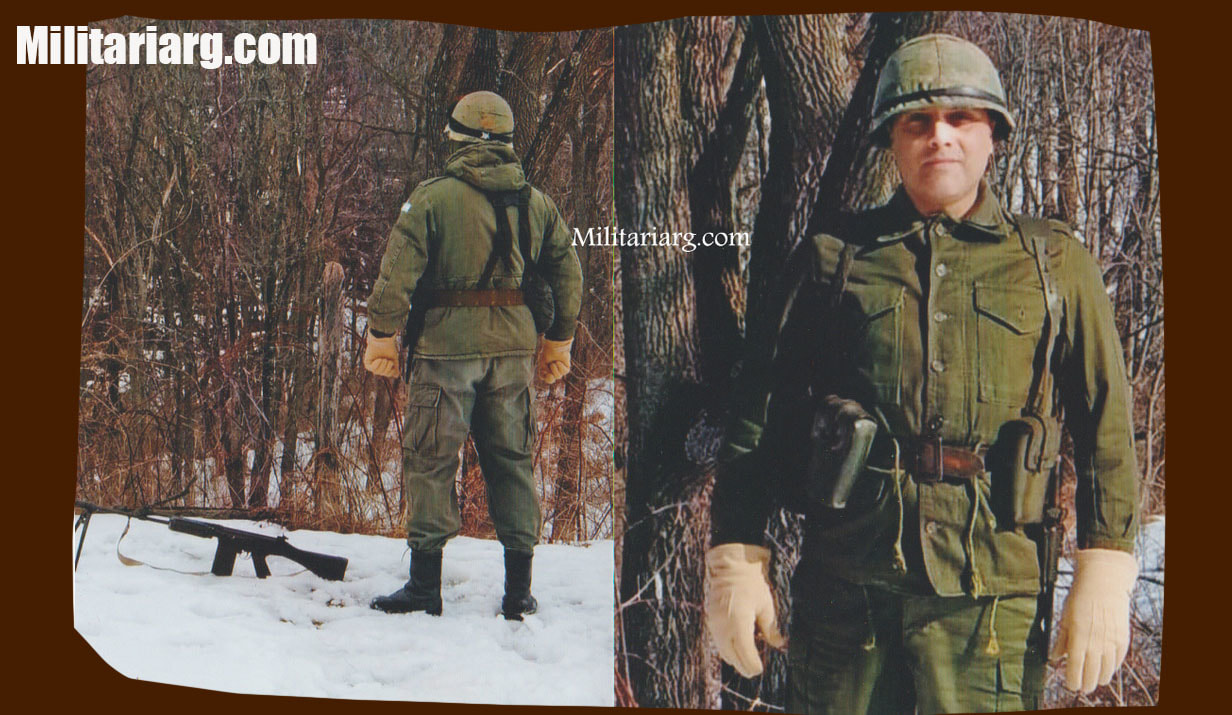
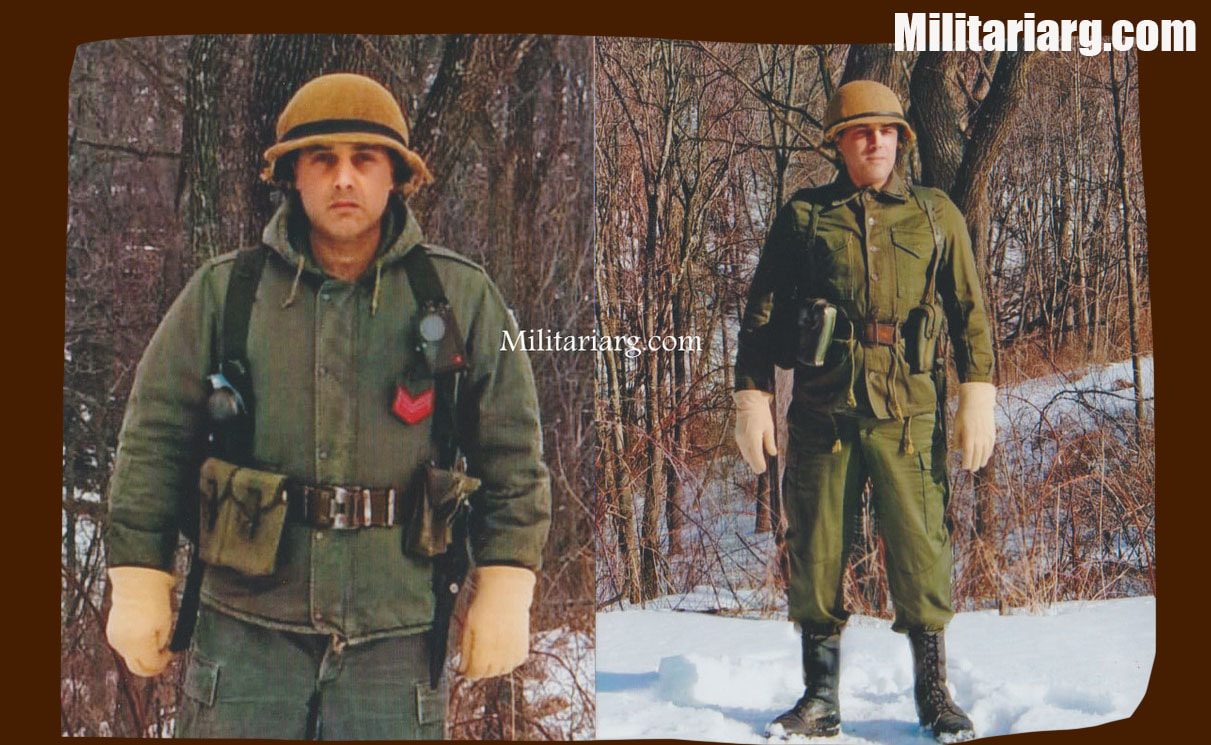
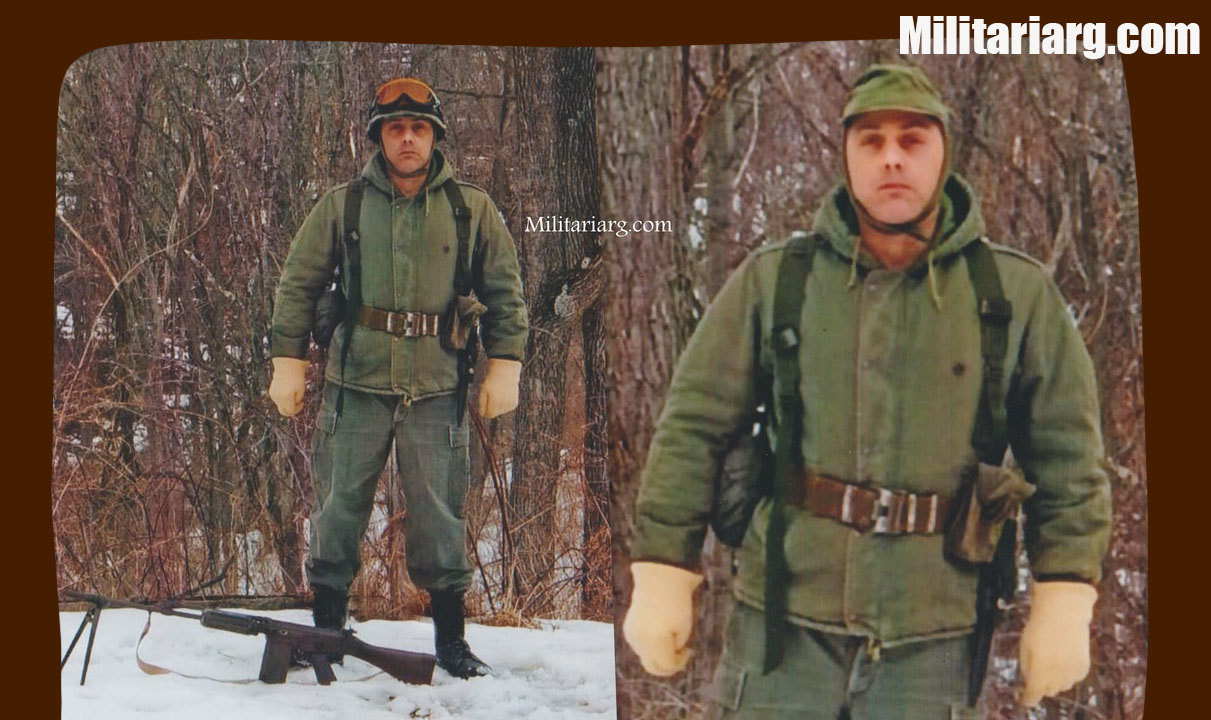
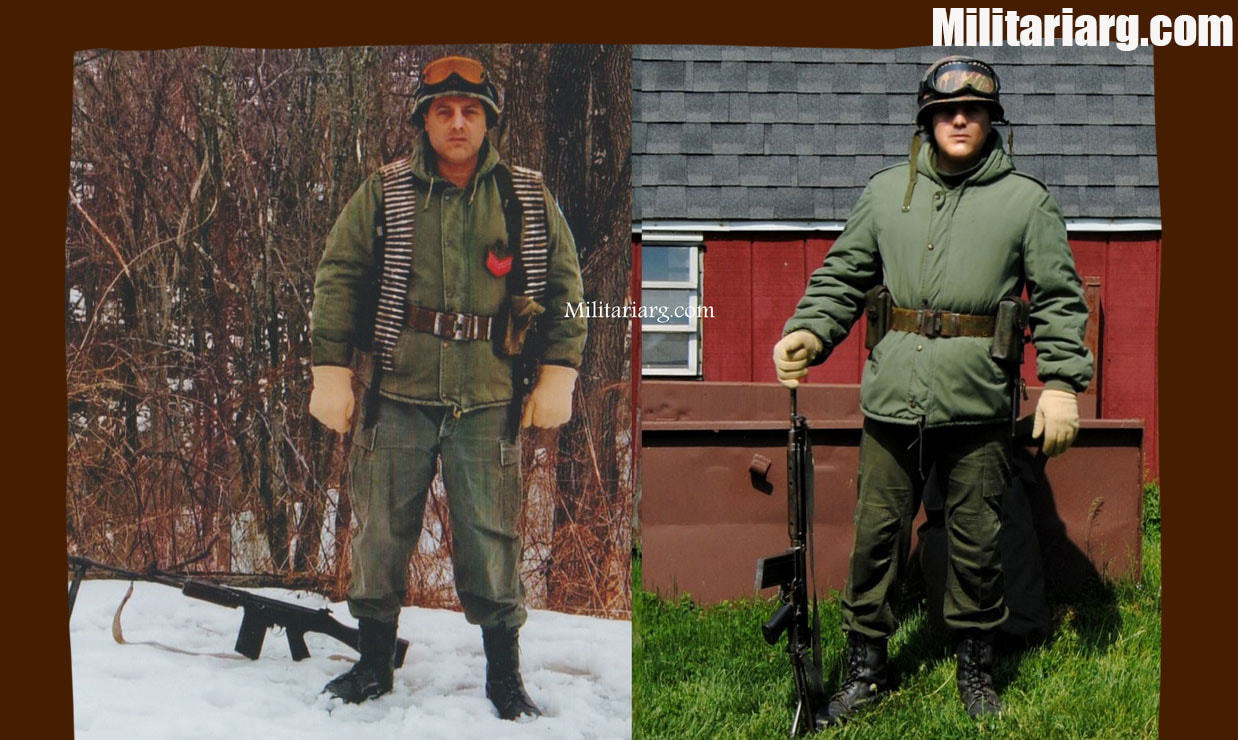
Winter South-zone Marines Infantry Overall.
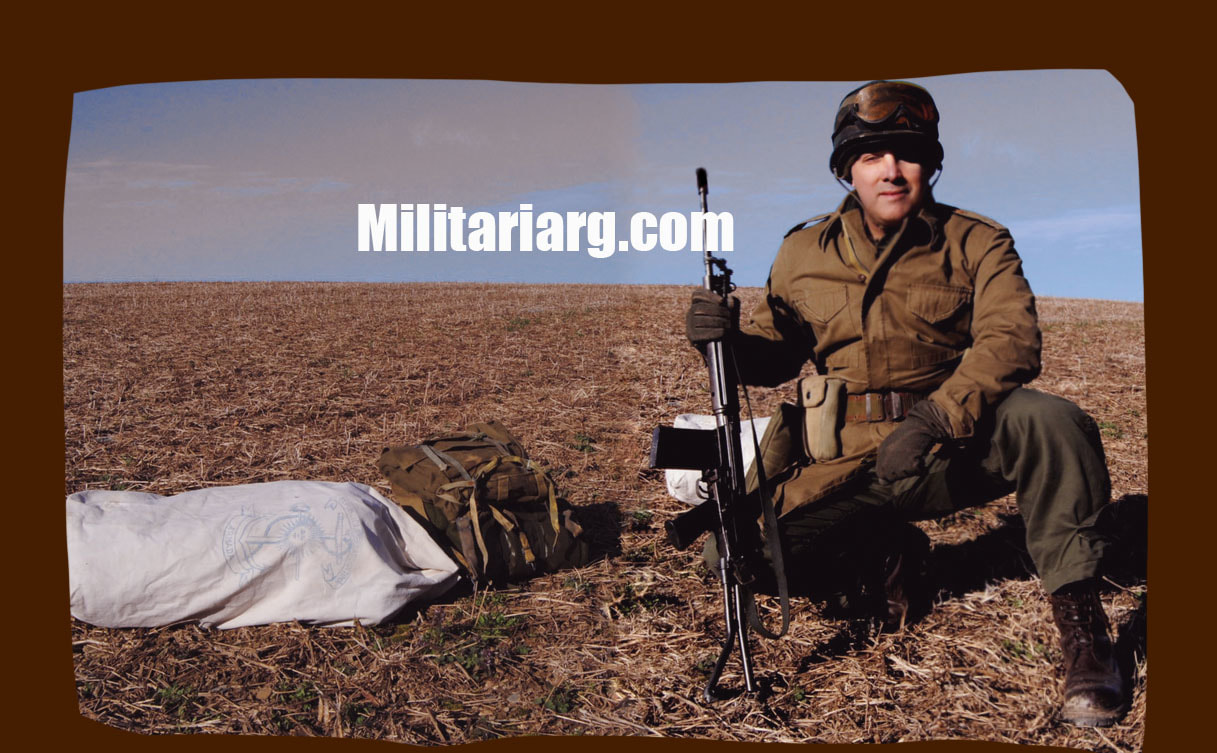
Marines Parka, dated 1982.
1981 Argentine ERDL pattern, Marines Coveroll.
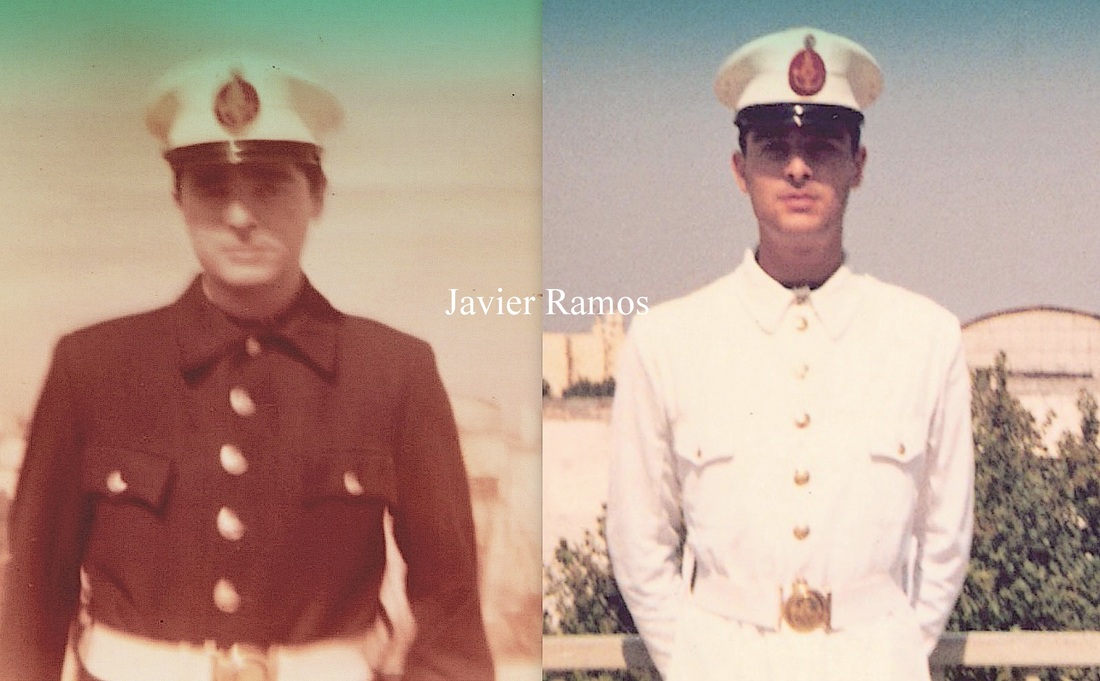
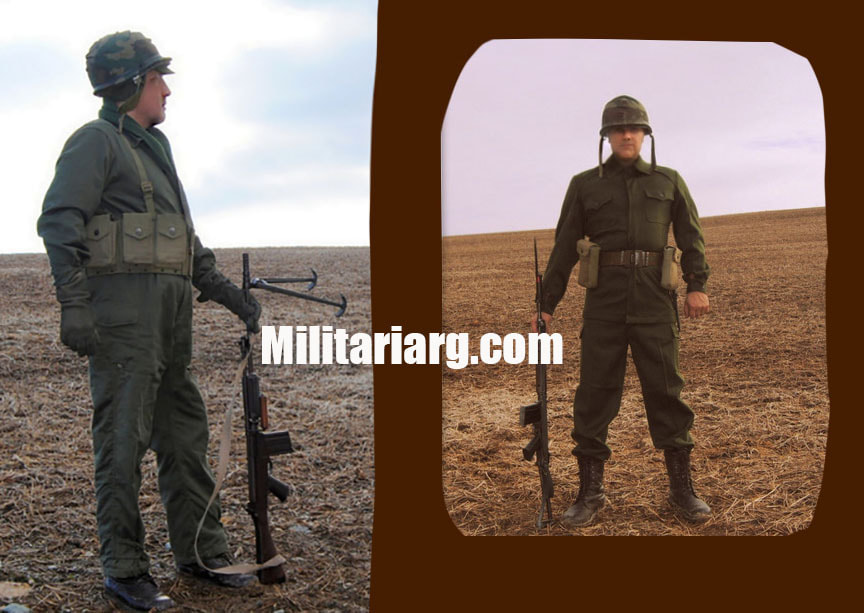
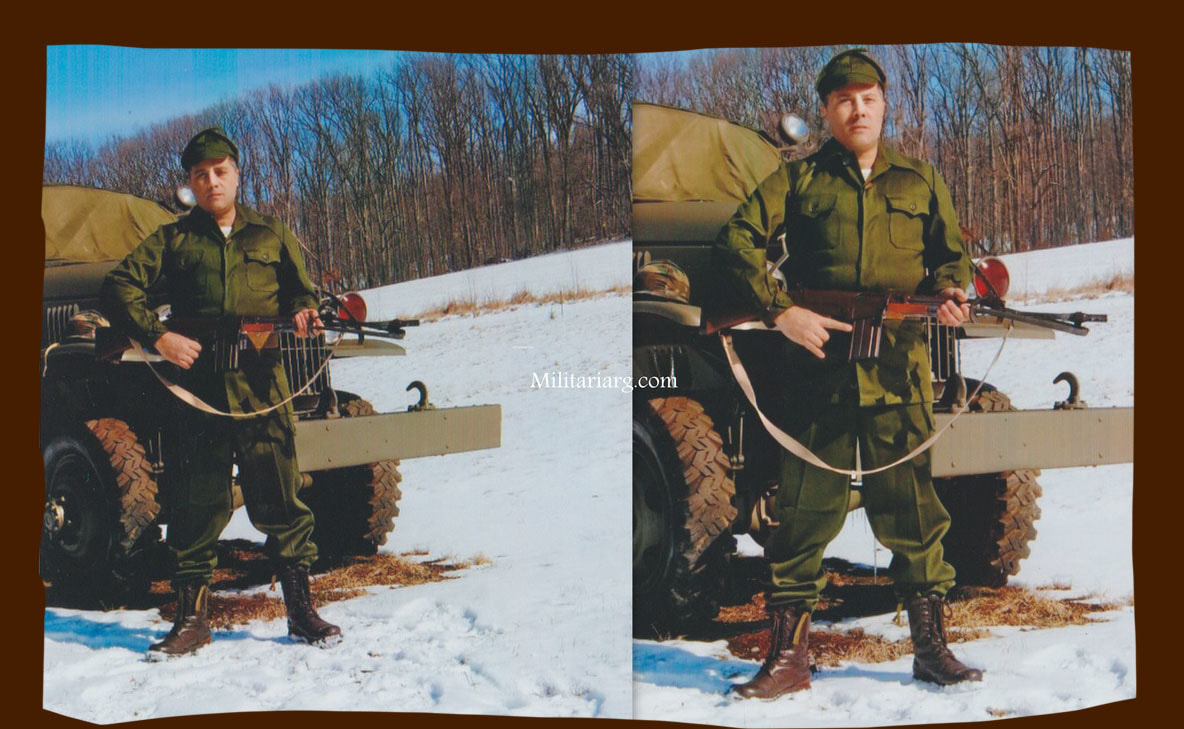
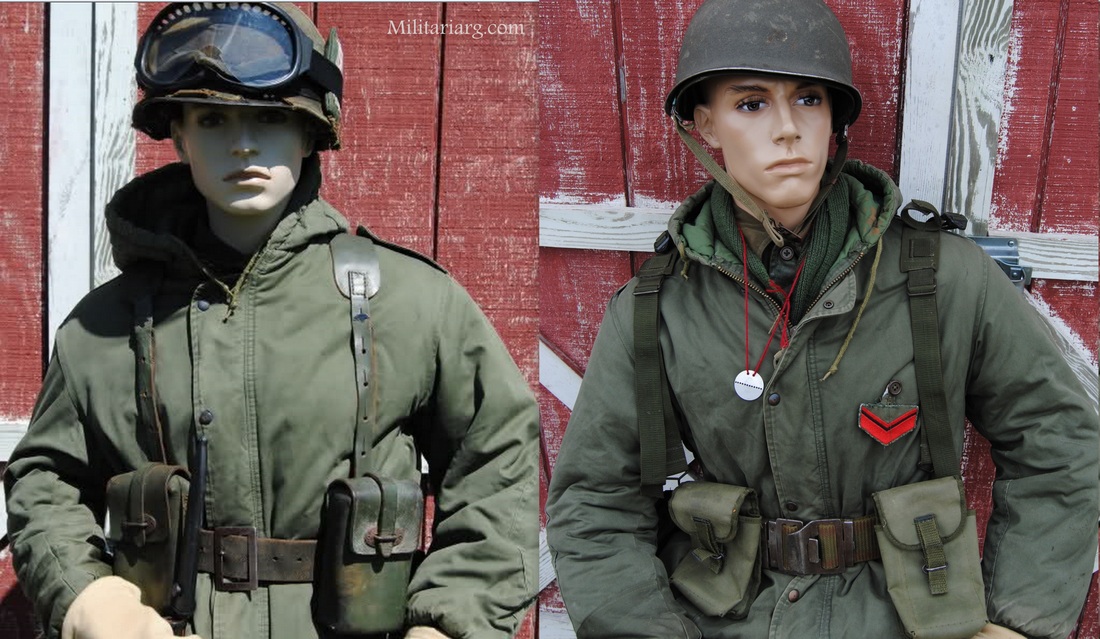
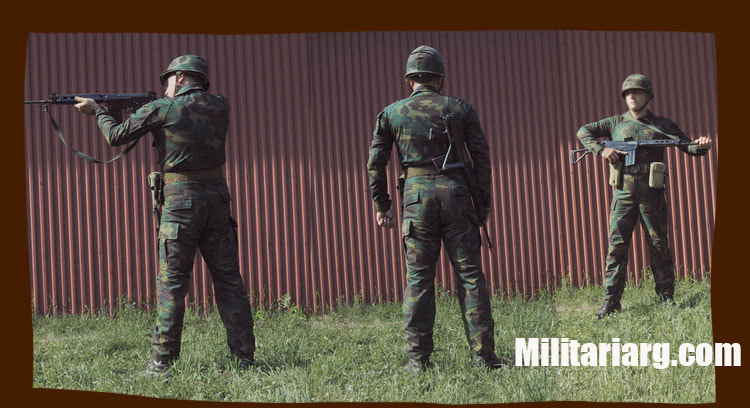
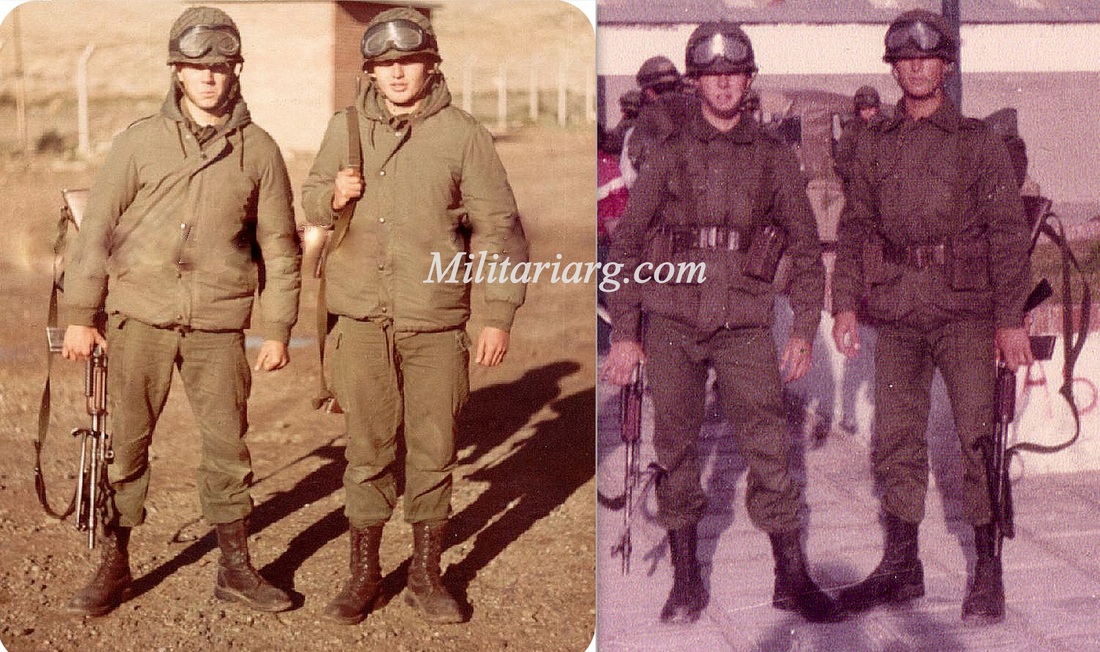
Marines Infantry Ceremonial Parade Uniforms. Winter on left. Summer on right. Photos: Javier Ramos Malvinas War Veteran.
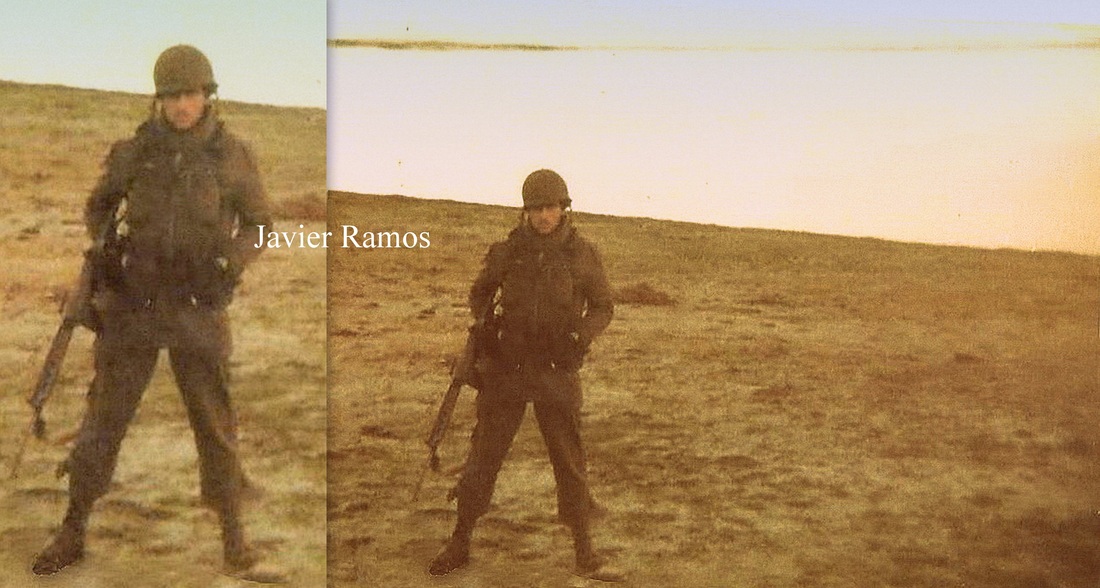
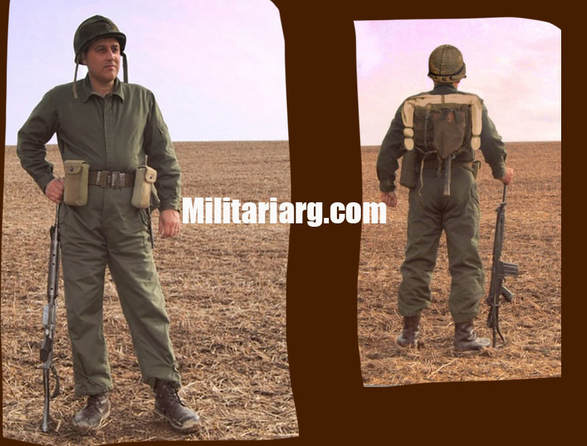
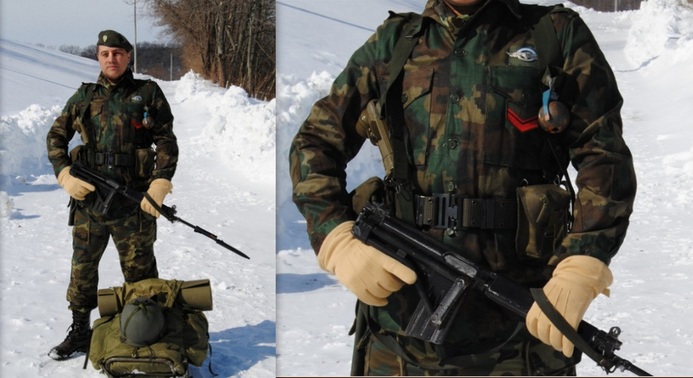
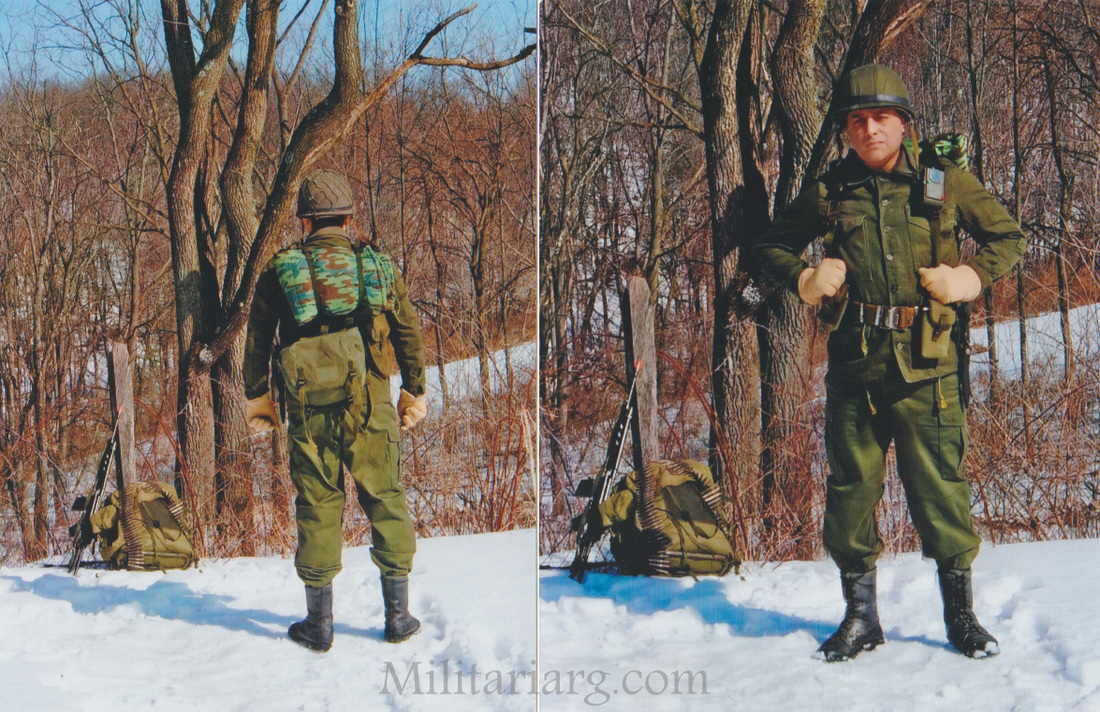
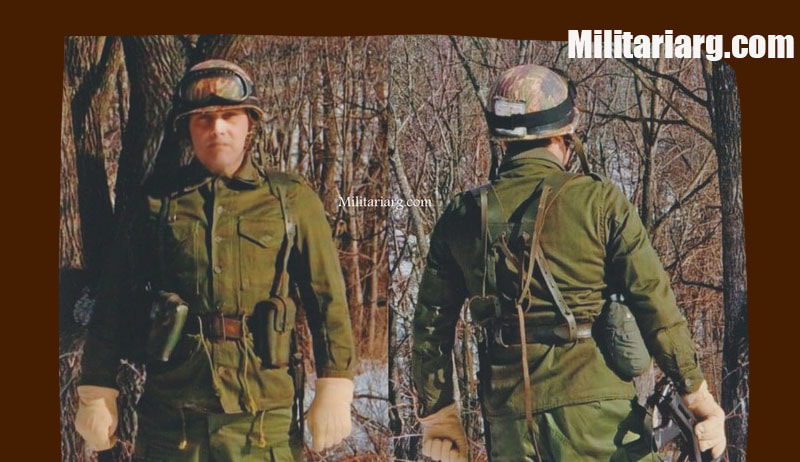
Marines Infantry Combat Uniform. Photo Javier Ramos Malvinas War Veteran. Bat 3, H Co.
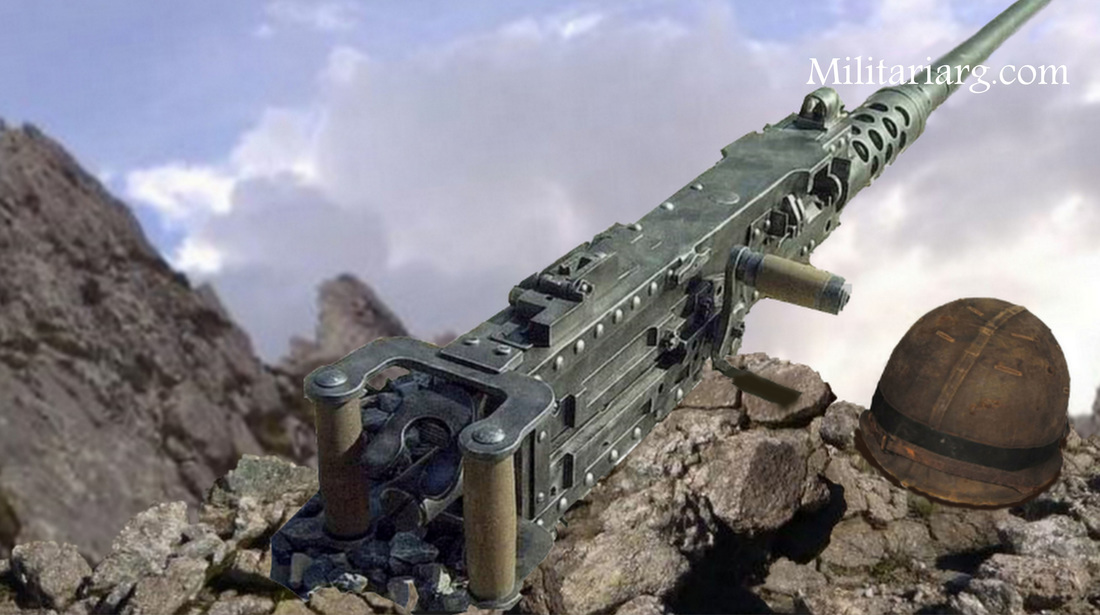
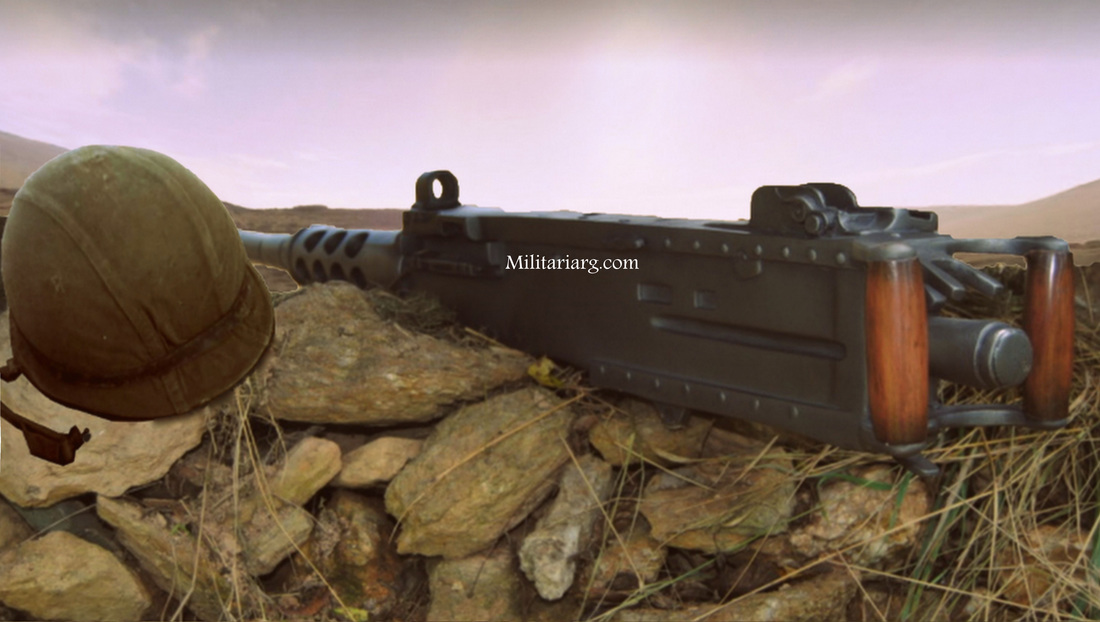
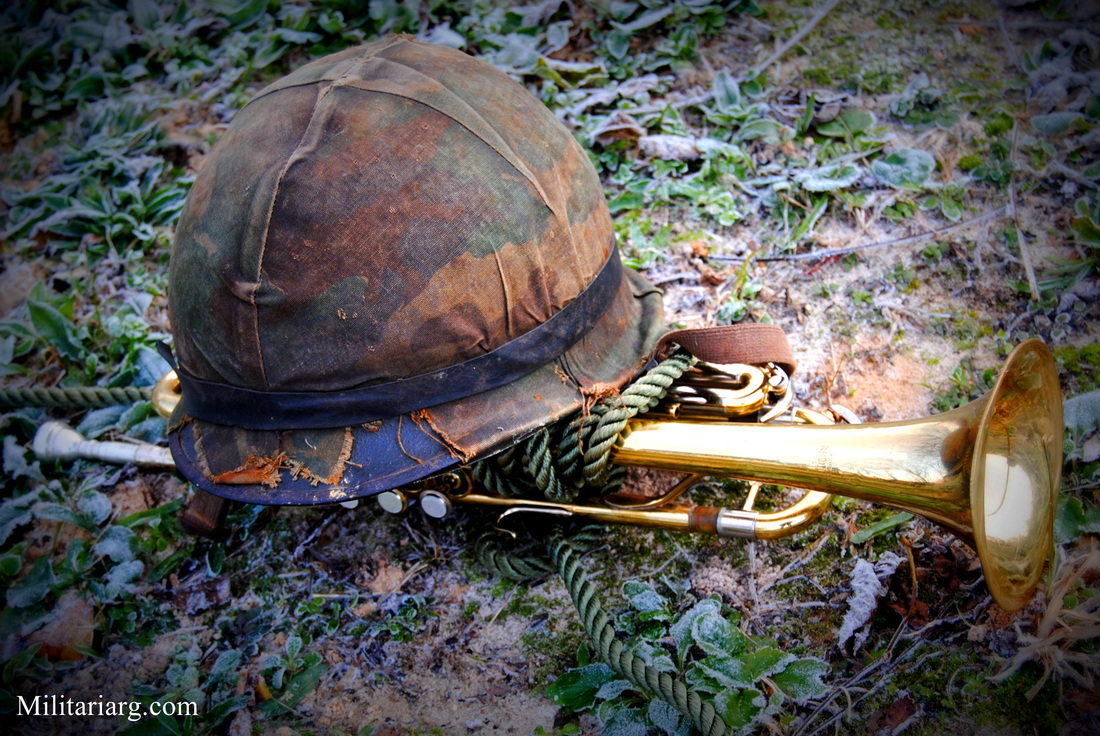
M2 50 cal (12.7x99mm NATO) Browning Replica. The helmet in the photo is an authentic helmet recovered from the islands in the post-war period.
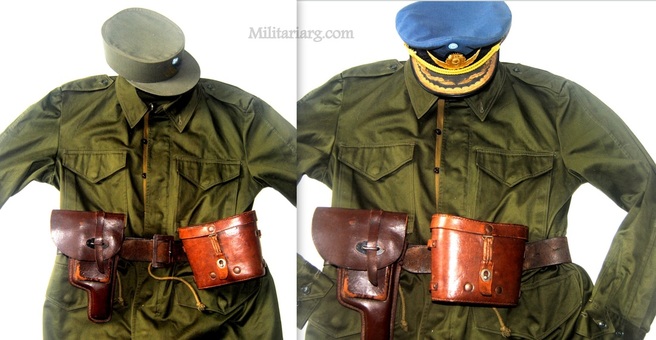
1970s Argentine hard cap, it is a mix of the US M1951 "Ridgeway" field cap and the French Kepi. On the right is a visor cap of a Commador during the Malvinas era. The olive green jacket is from the Air Force.
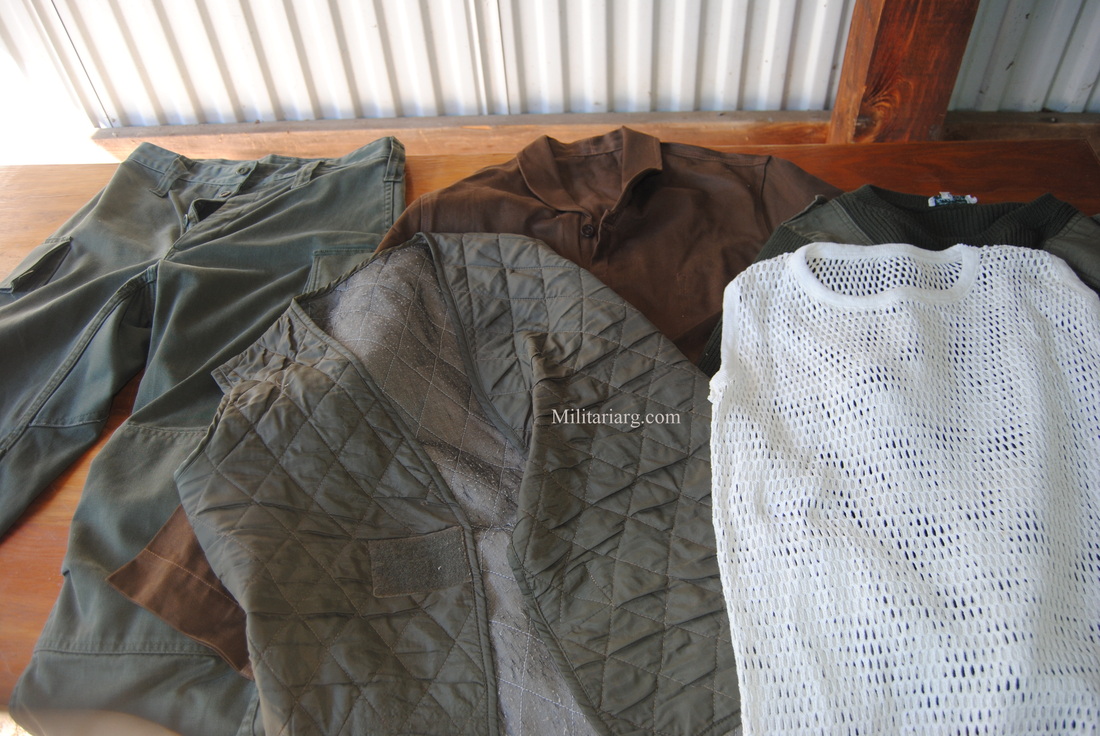
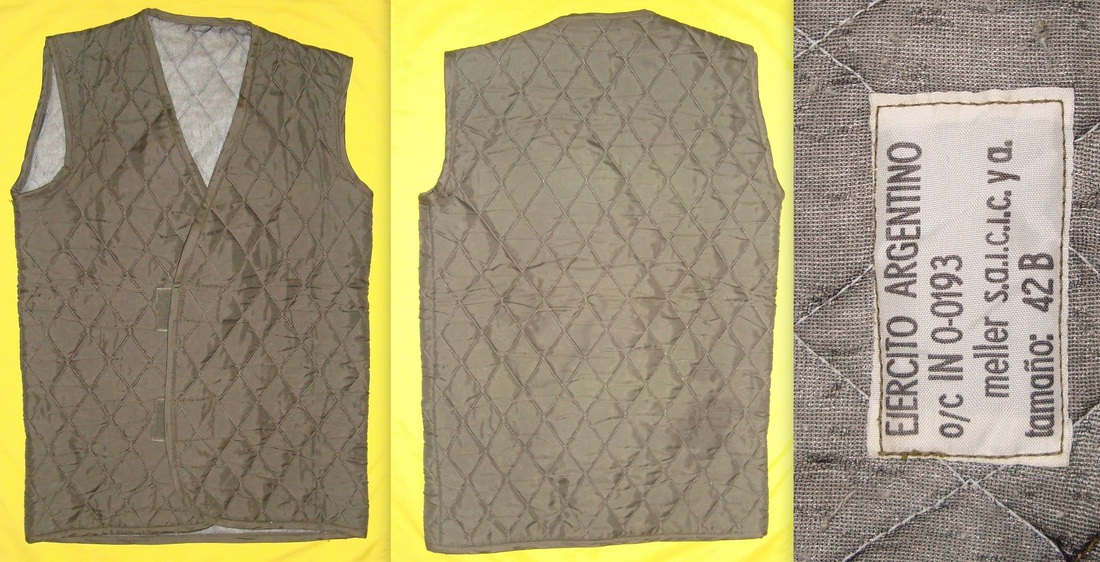
Cotton Pullover "Tricota". It was used over the combat uniform shirt. There was also a quilted textile vest that was used which the soldiers called the "Corderito". It had a Mao-style diamond pattern and fastened with 2 green velcro strips.
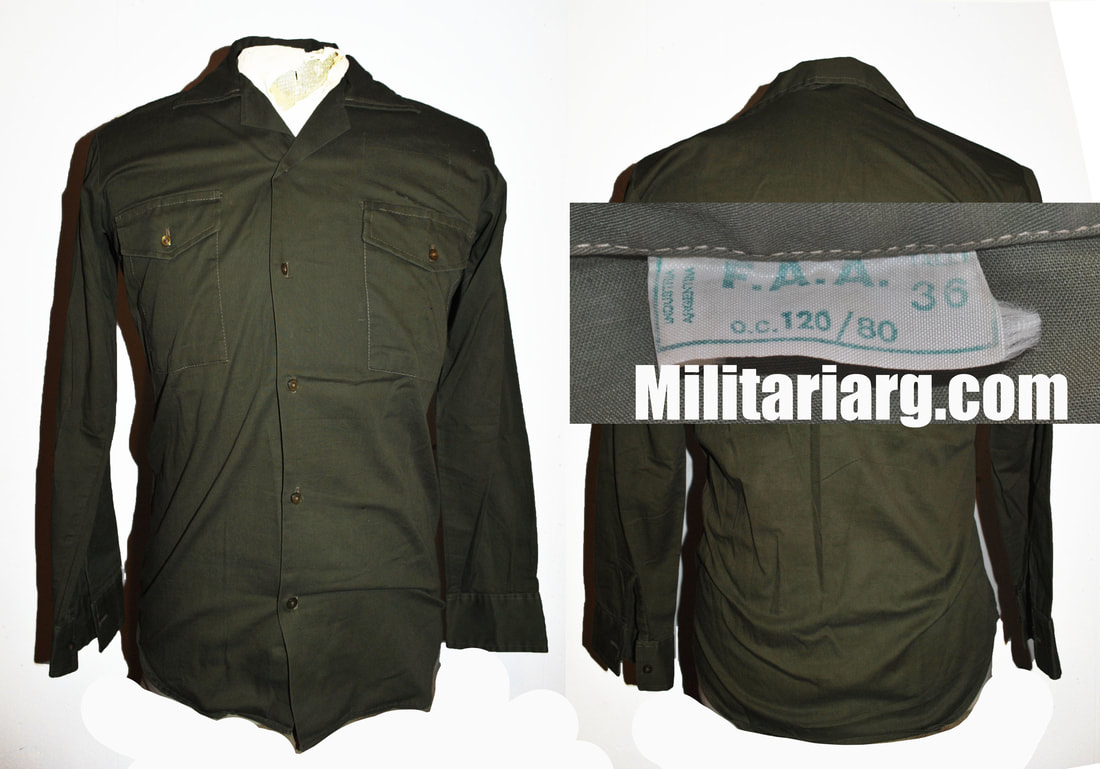
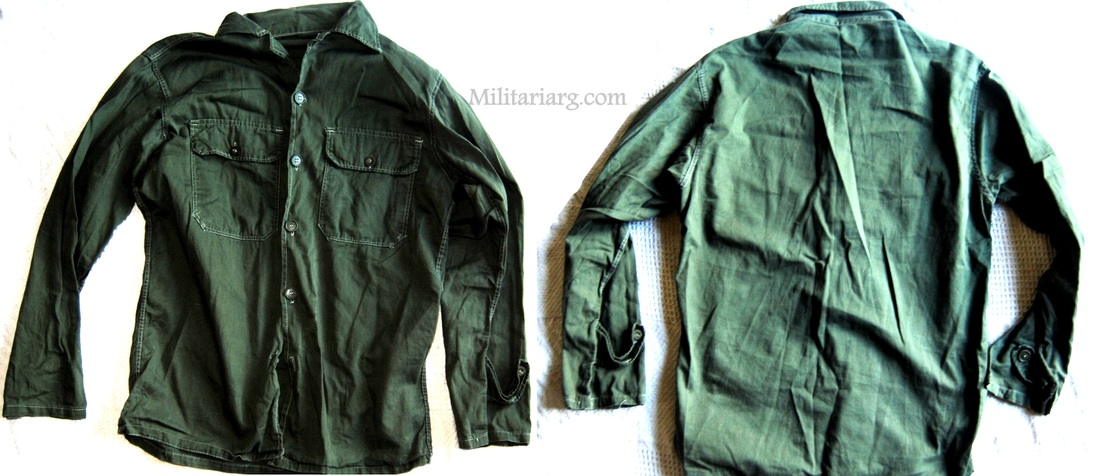
Argentine Air Force Shirt.
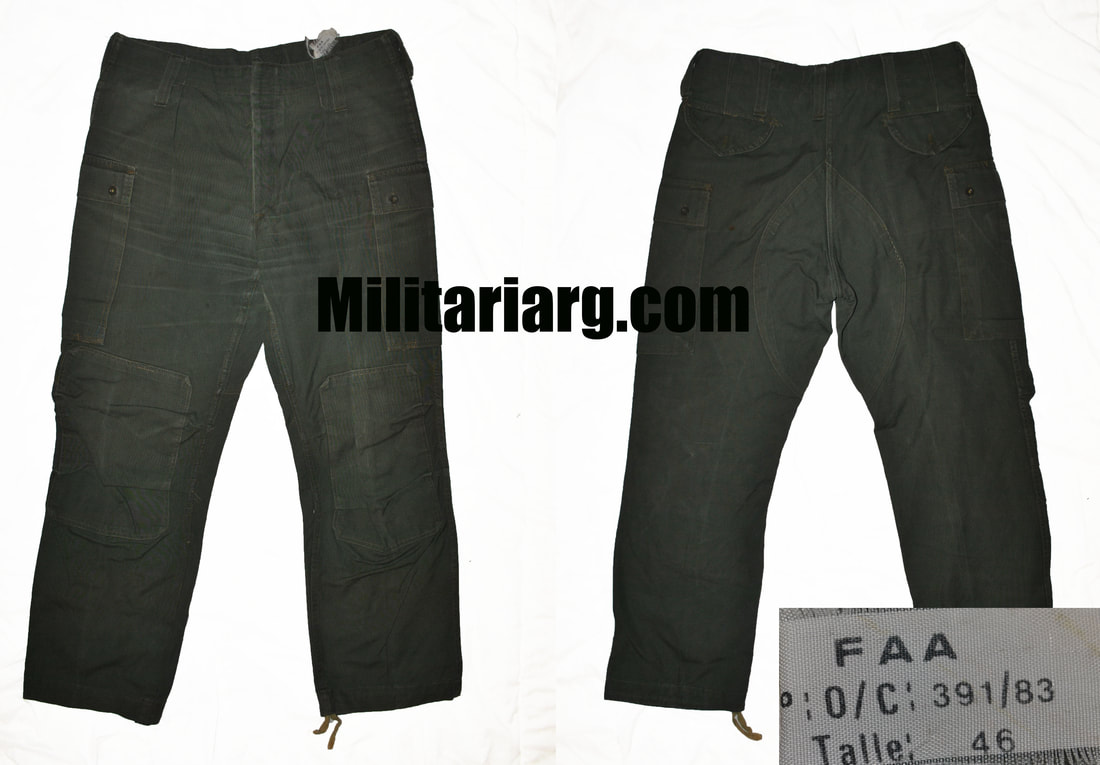
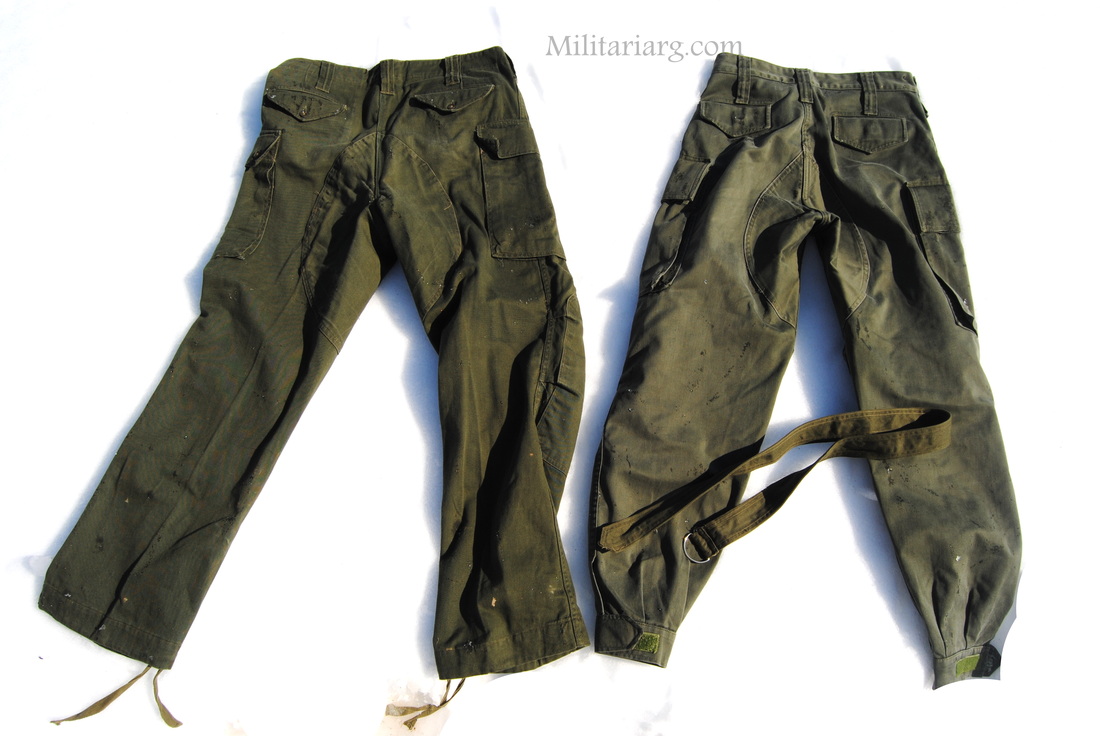
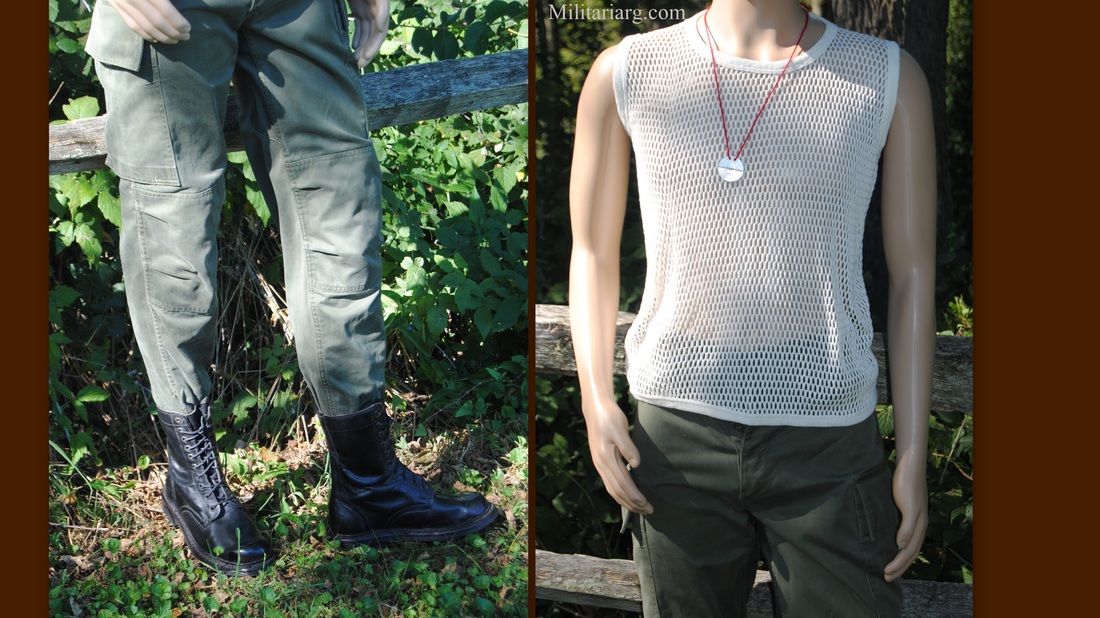
Argentine Air Force Combat/Cargo Pants. Dated 1983 (Post-War).
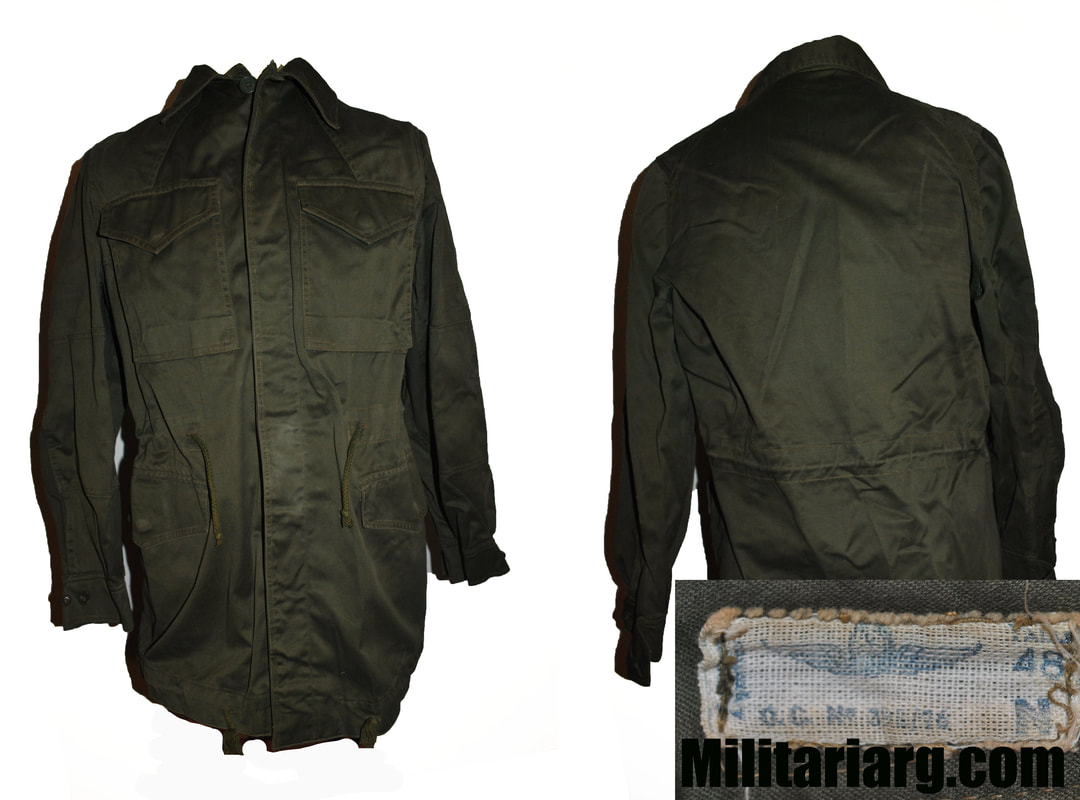
Argentine Air Force Combat Jacket.
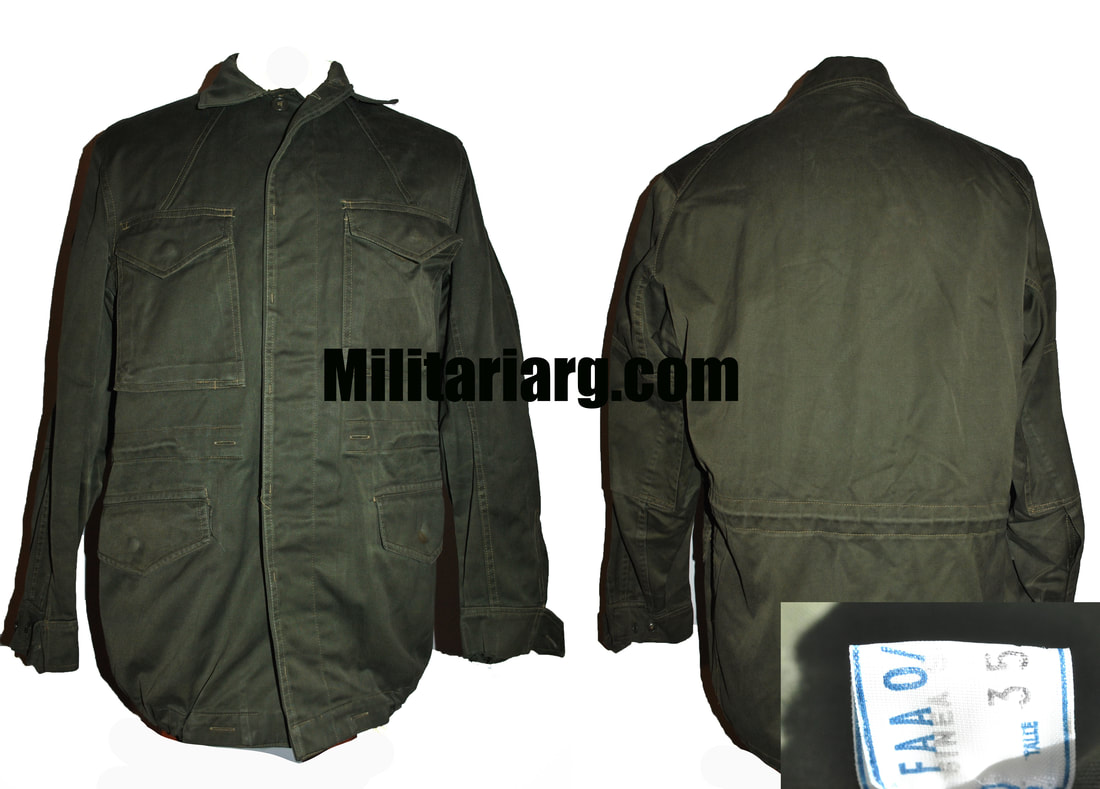
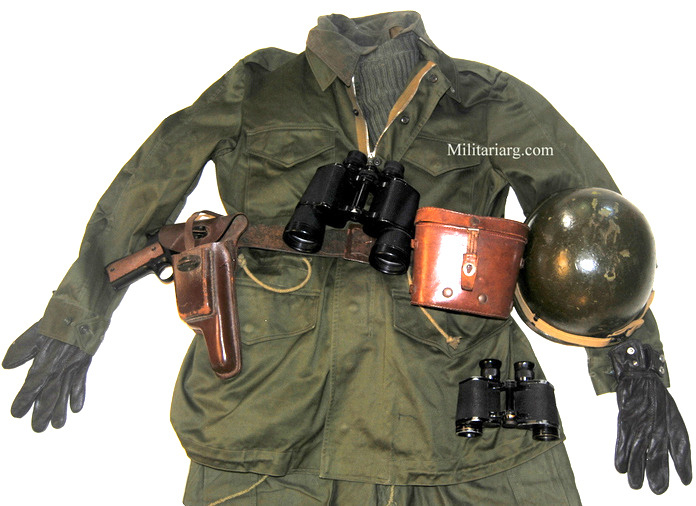
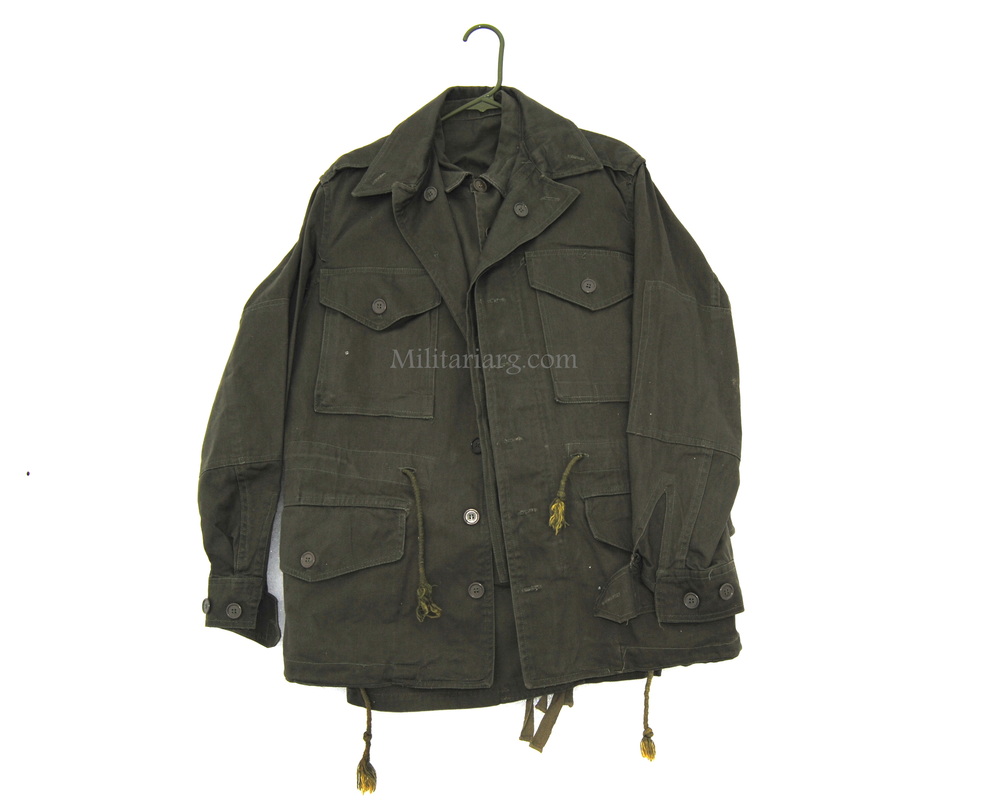
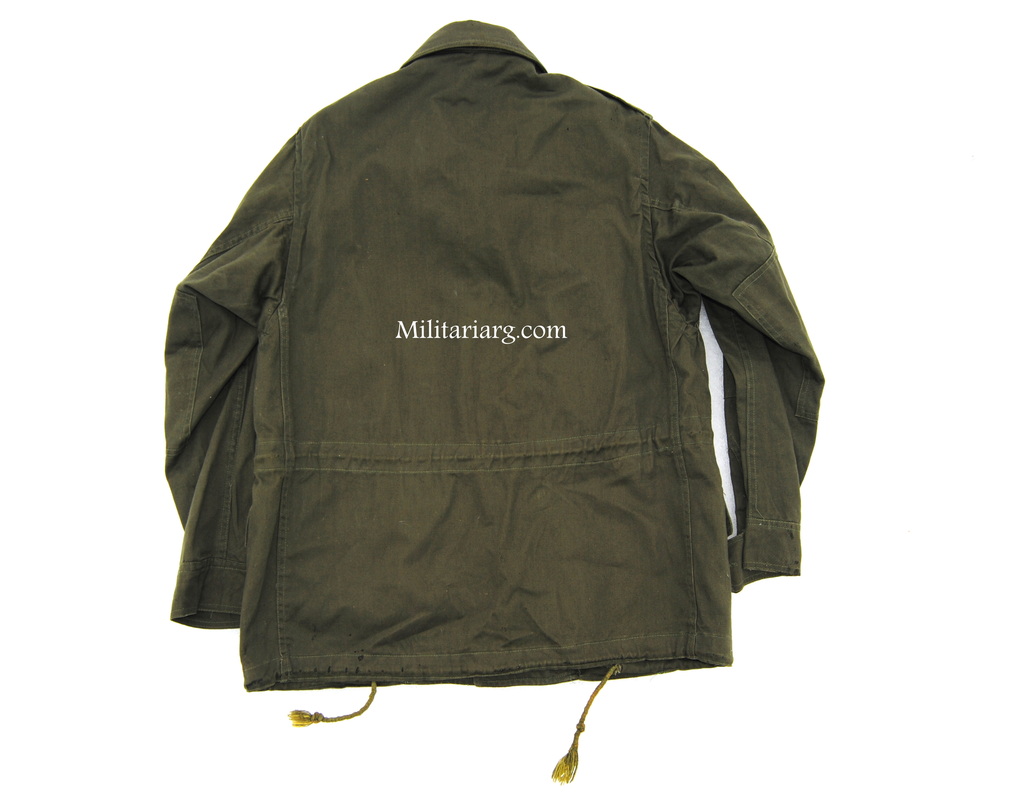
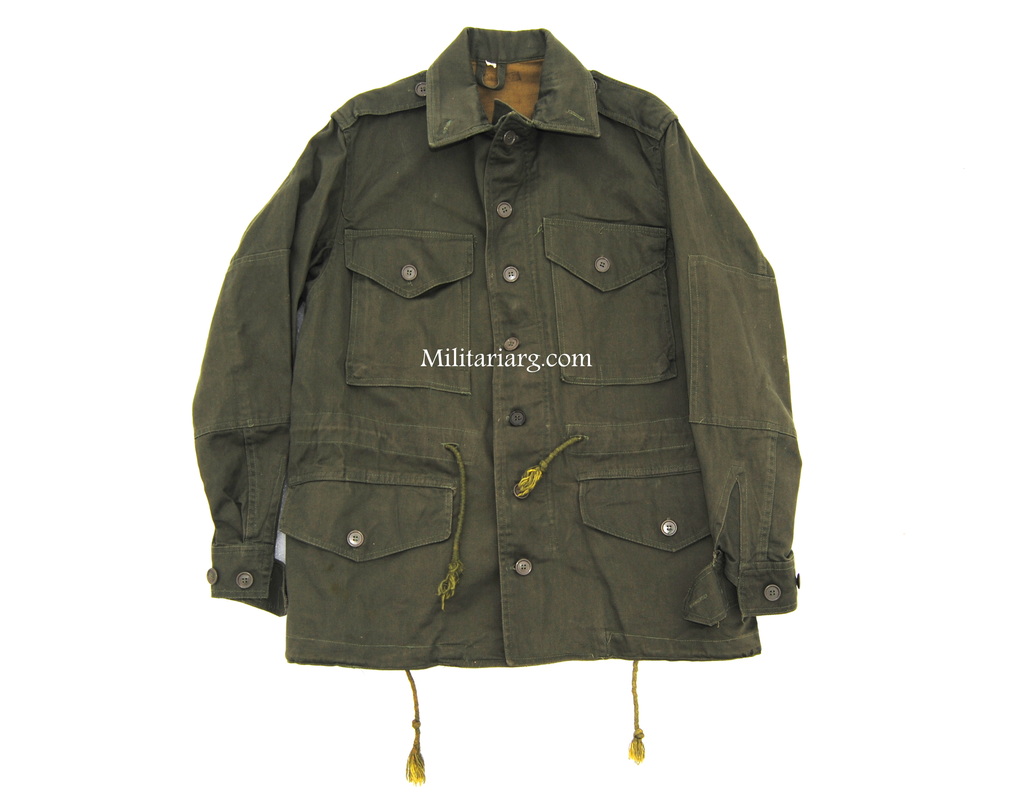
1967/70s Button-up Combat Jacket "Garibaldina".olive green Army combat jacket type US M43/65 style Combat Jacket.
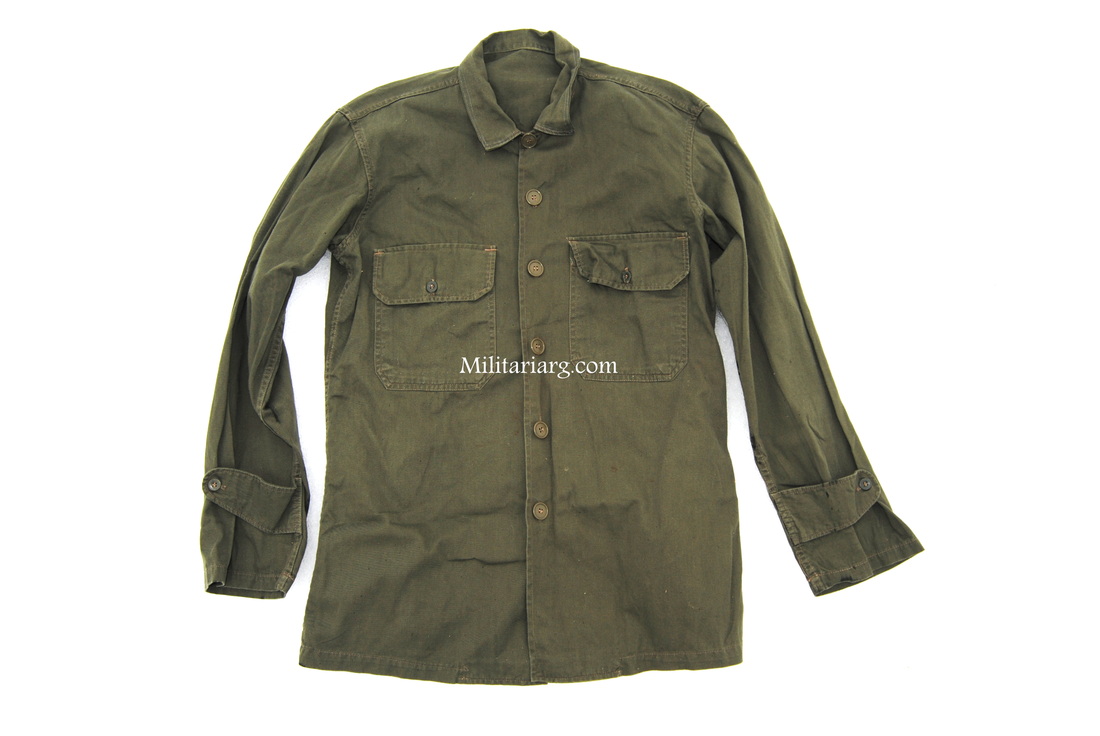
Olive green Army combat shirt.
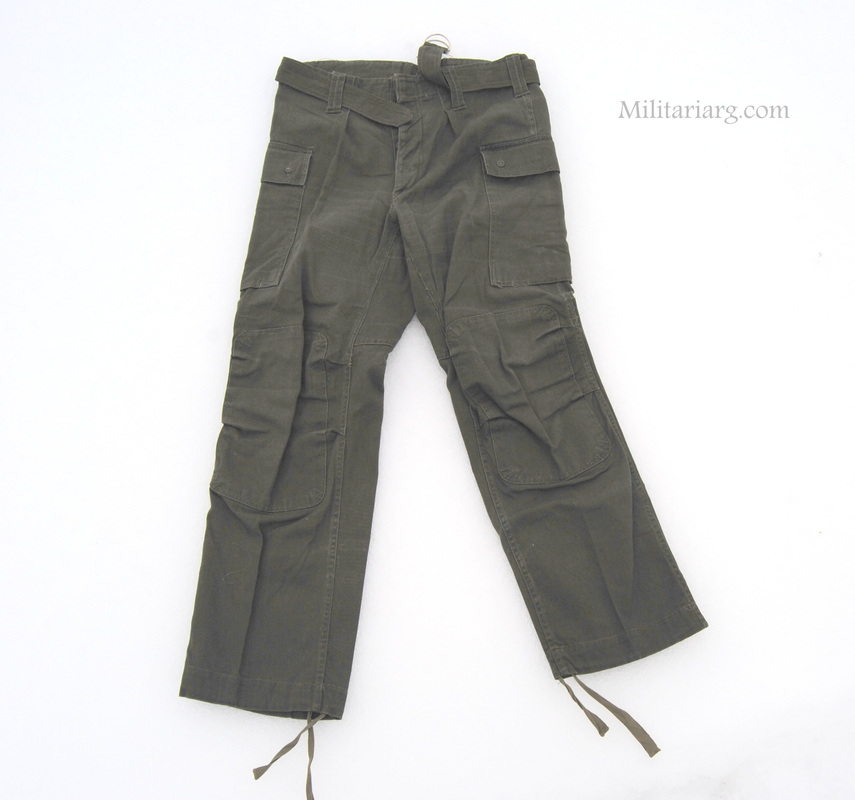
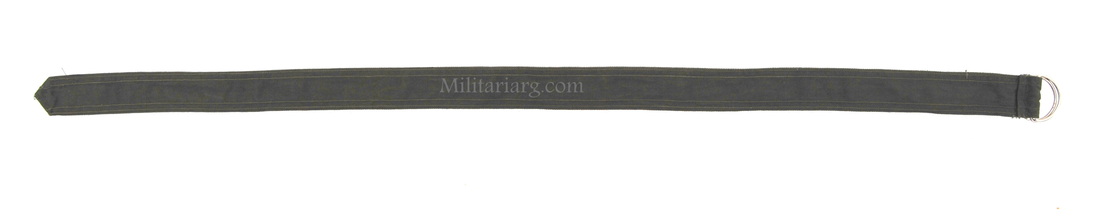
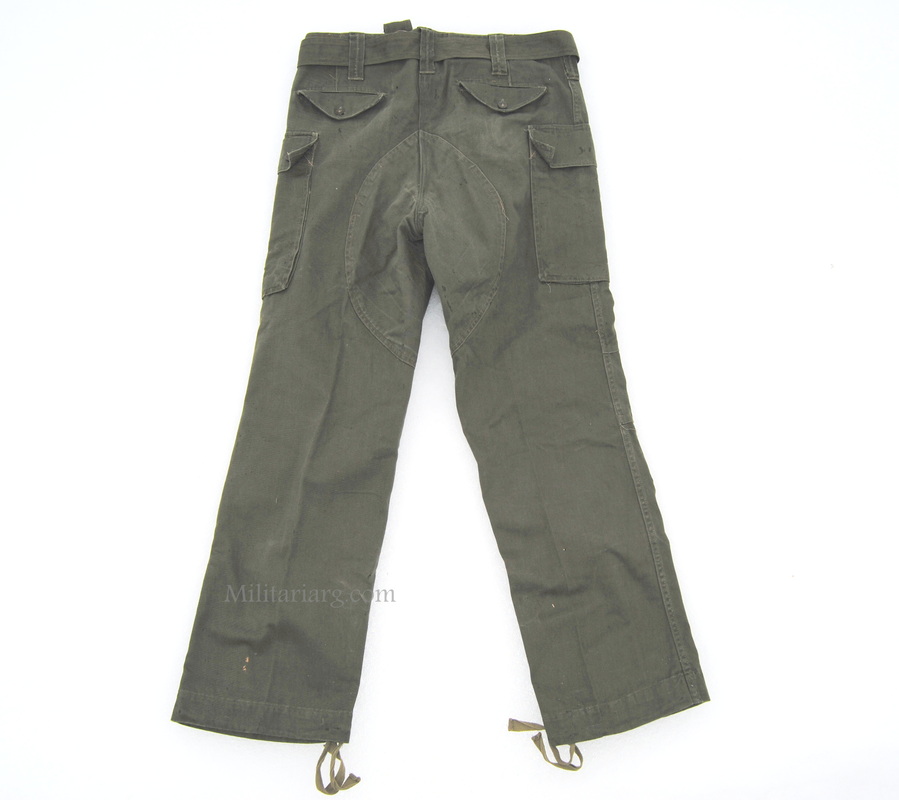
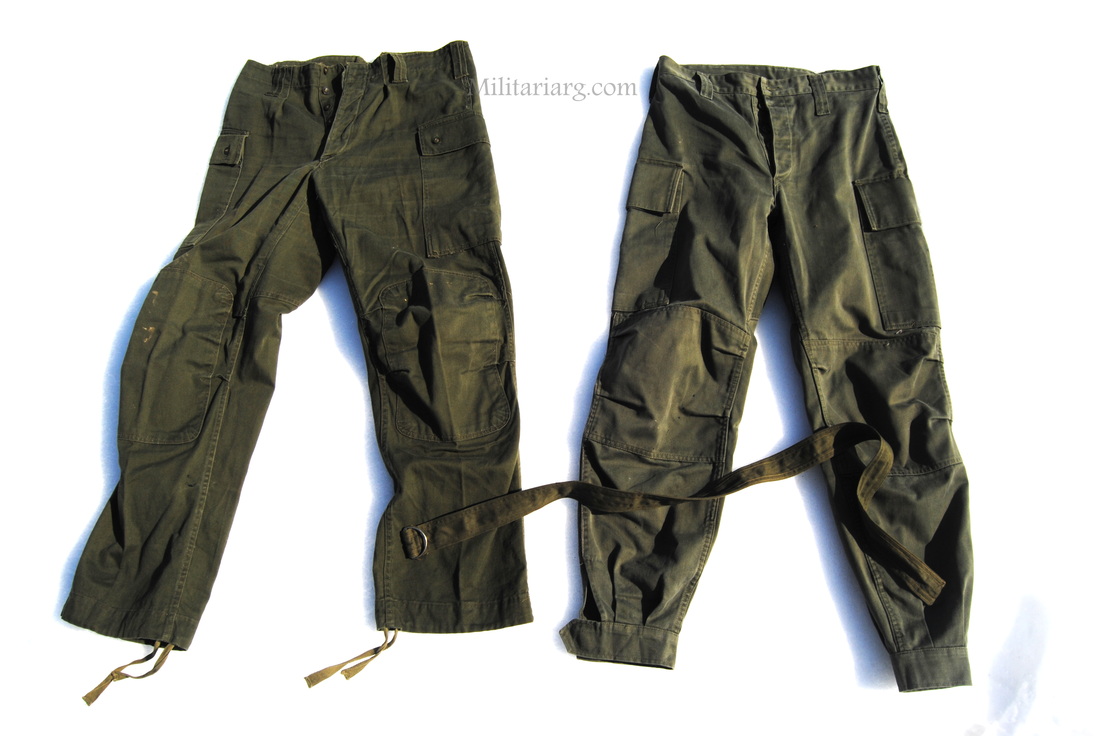
Olive green Army combat trousers and belt.
Argentina Army Combat Shirt (Ex British Trophy), that came back from the islands.
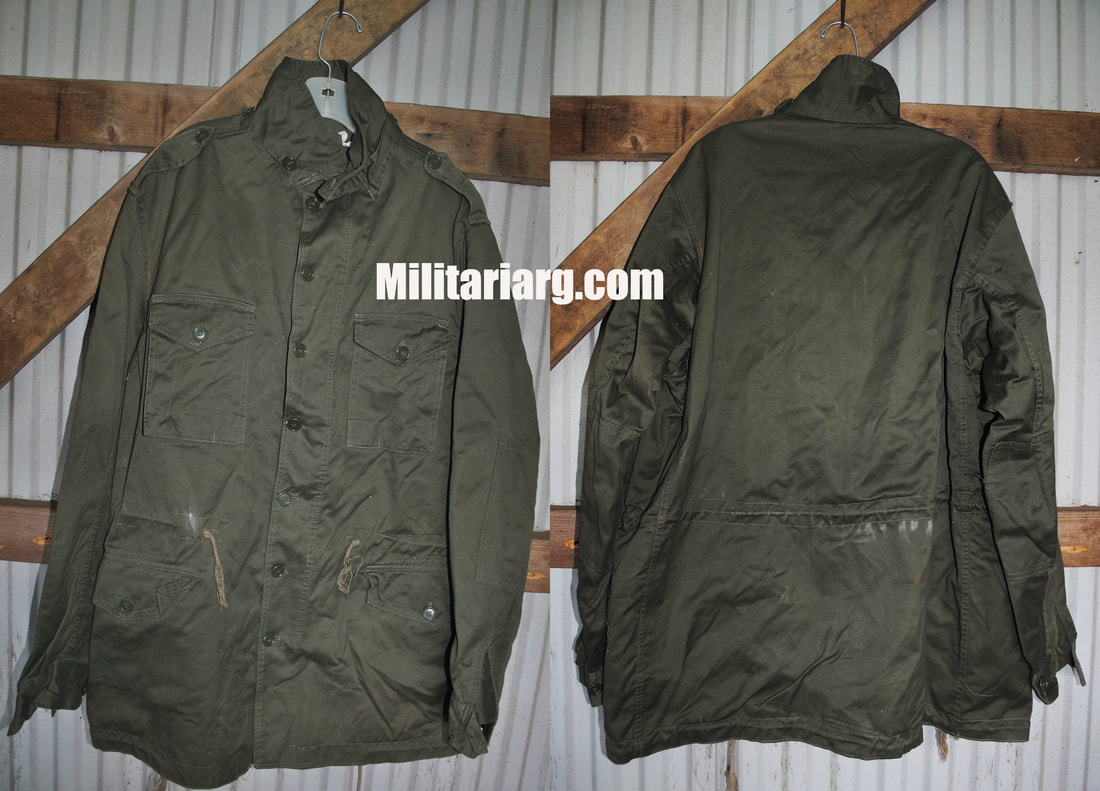
Bring-Back from Australia. This army jacket is an unusual XL or larger size, and was probably made to order.
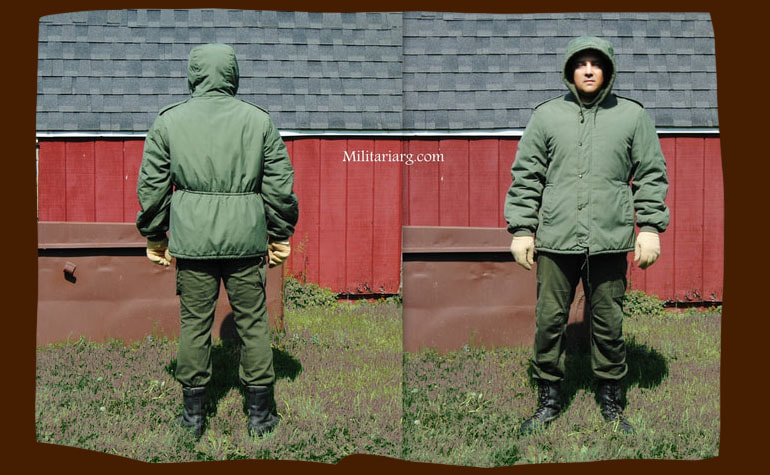
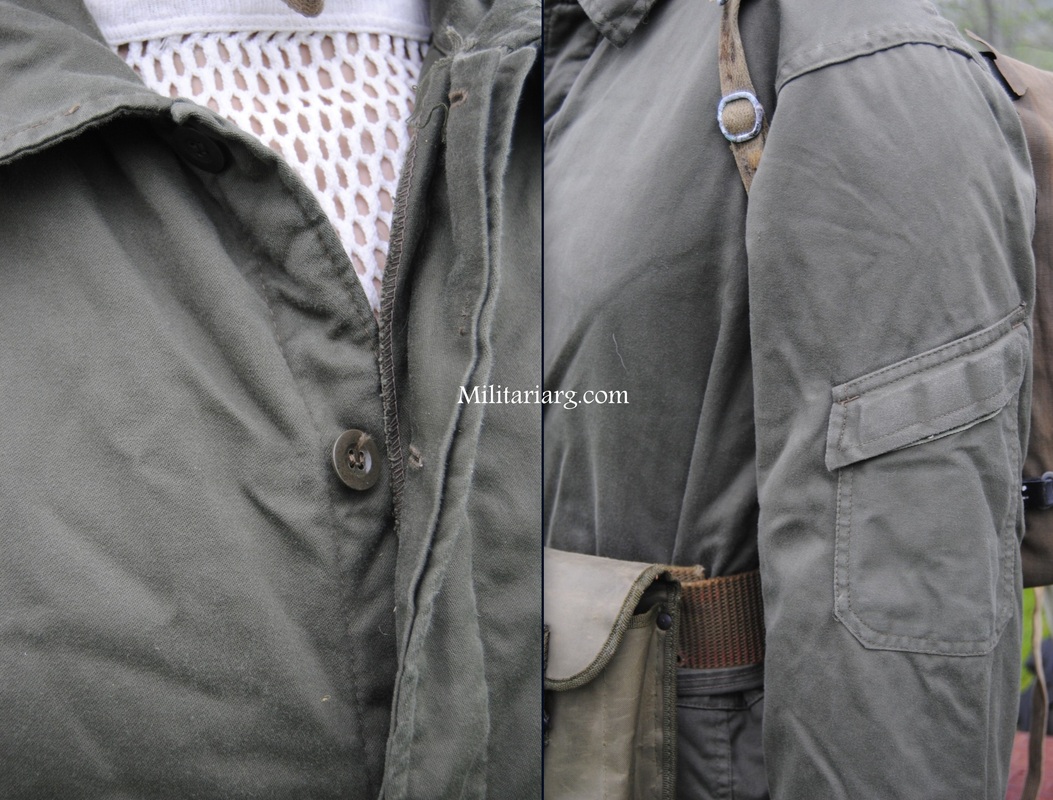
Argentine Army EA, ISREX Dubon Parka.
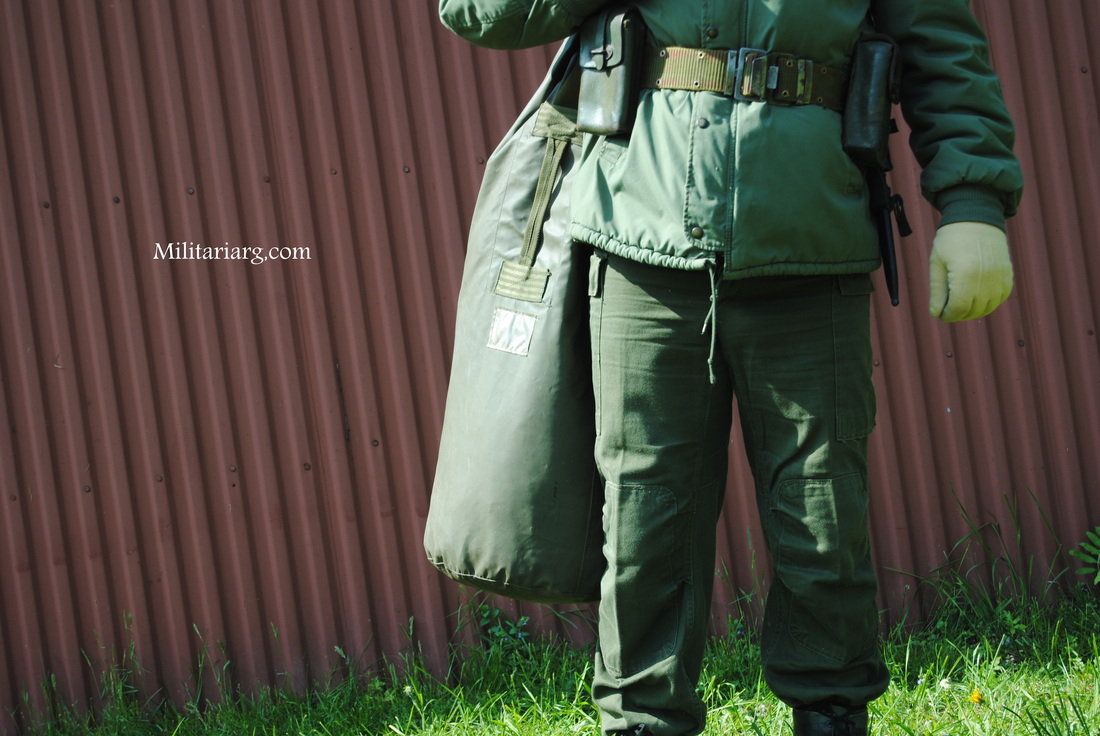
Tempex Duffle Bag.
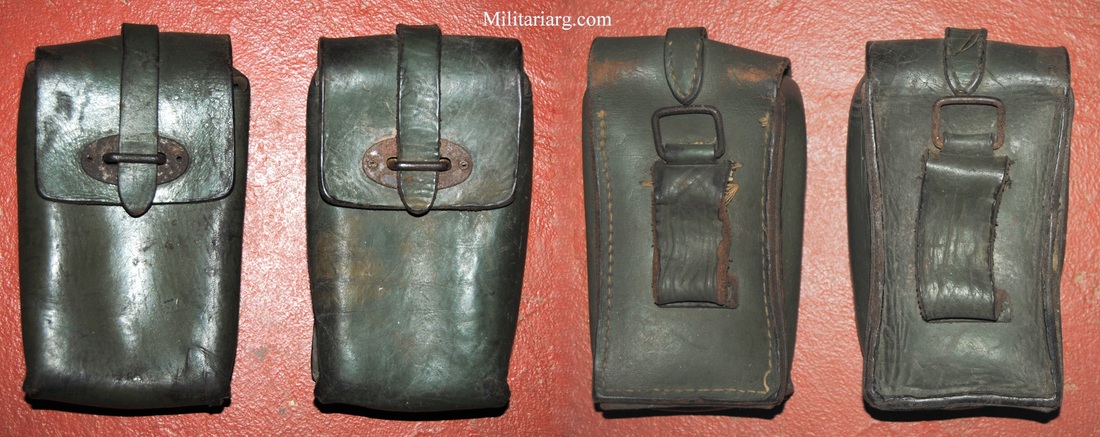
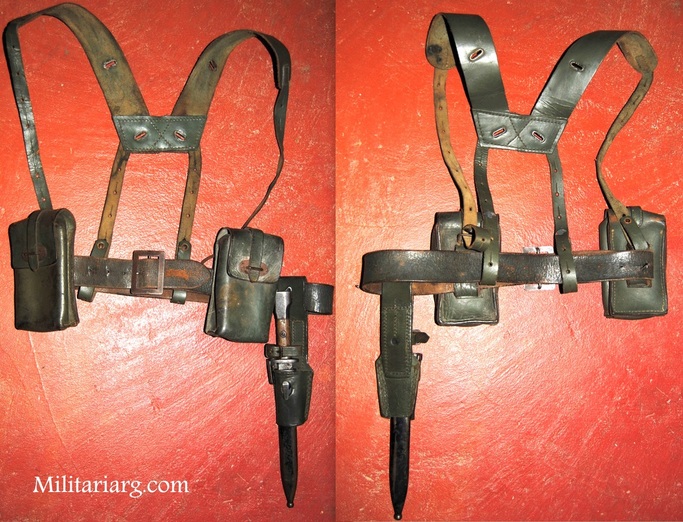
67 pattern Argentine leather webbing, olive-green color..
FM Leather and Tempex Nylon Webbing:
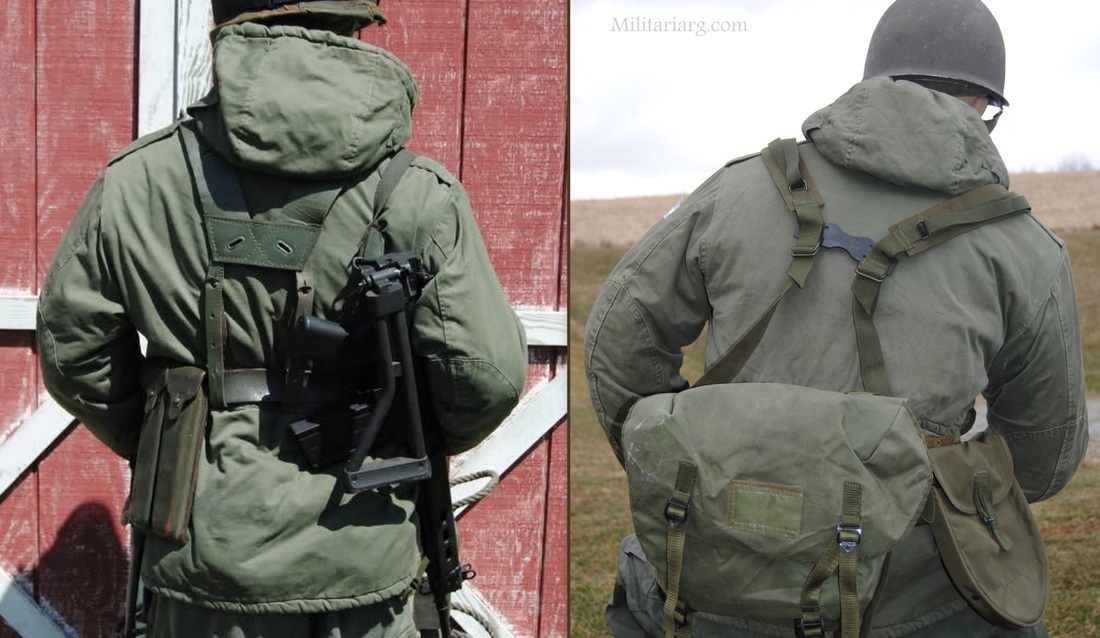
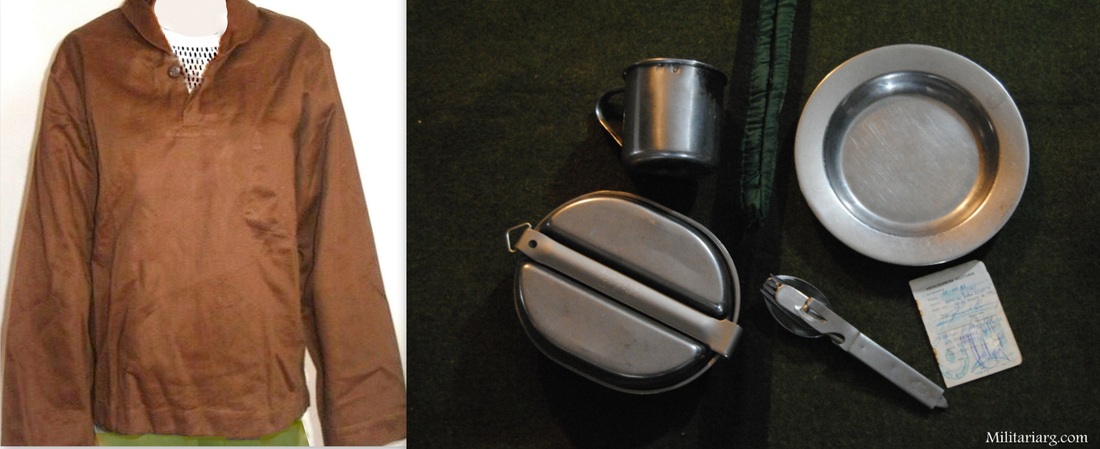
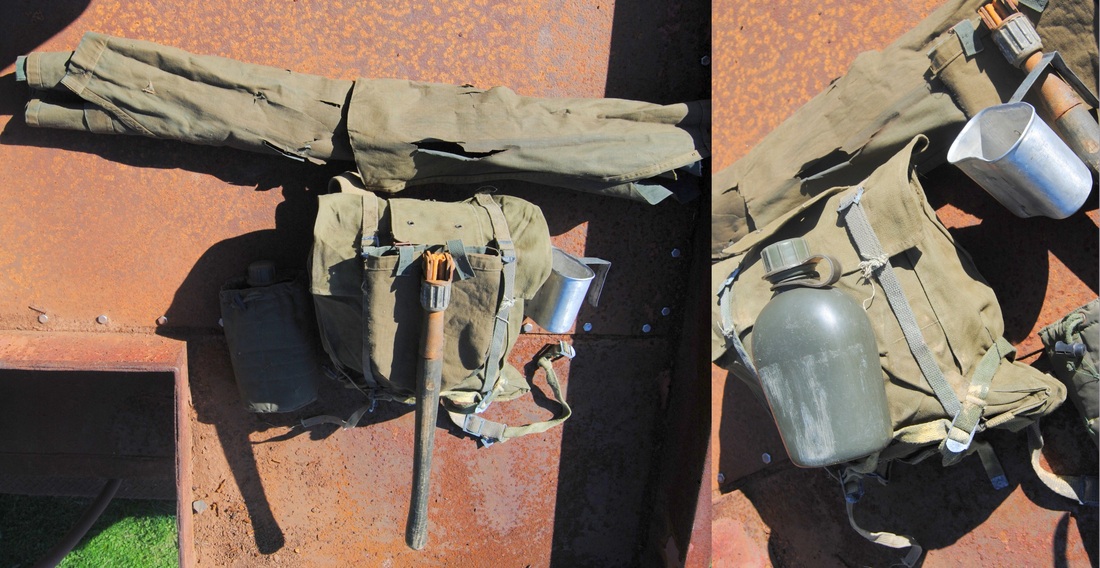
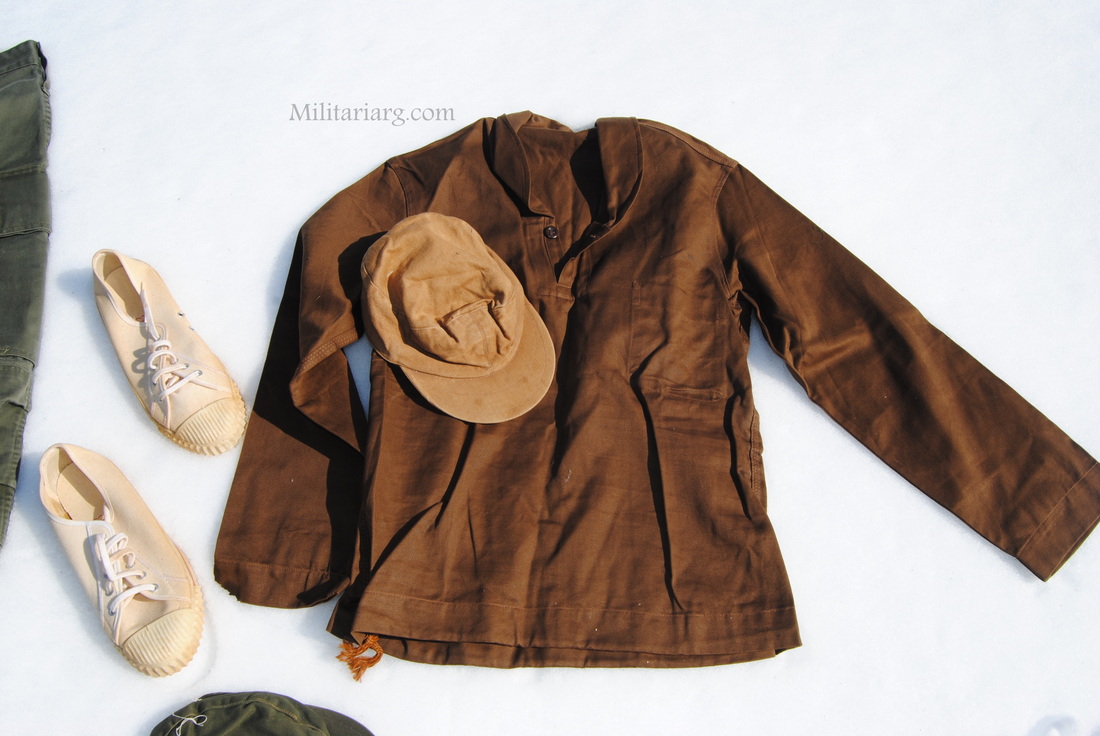
Fatigue Shirt, Mess Kit and Poncho Blanket.
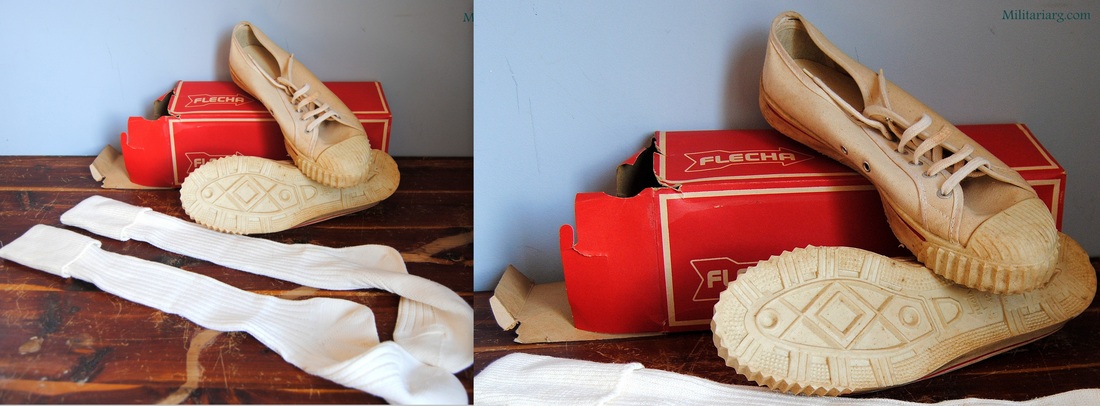
The "Flecha" (arrow) sneakers like the ones in the photo were the complementary footwear of the Argentine Army soldier. Remains of this shoe, especially its soles, were found in the post-war period on the islands. These "Arrows" are original in NOS condition. The Flecha sneakers were manufactured by Alpargatas S.A.I.C.
Alpargatas launched the Flecha brand in 1962 as a line of casual canvas sneakers. The giant behind Flecha, Topper, and Pampero (footwear). By the 1970s, Flecha was a cultural phenomenon, with the factory producing roughly one million pairs per month. The most famous model was the "½ Basket" (Medio Basket), a flexible canvas shoe with a vulcanized rubber sole.
Alpargatas, once an Argentine industrial titan, underwent a series of dramatic corporate shifts over the last two decades, resulting in its transformation from an Argentine manufacturer into a Brazilian-controlled global footwear giant.
The soviet sneakers: Adidas was not standard issue footwear for the Afghanistan Wars, but Soviet special forces (Spetsnaz) were known to unofficially wear "Mockba" (Moskva) sneakers, which were unbranded knockoffs of the Adidas design, during the Soviet-Afghan War (1979-1989).
After Adidas supplied footwear for the 1980 Moscow Olympics, a factory produced unlicensed clones known as "Mockbas".
Alpargatas launched the Flecha brand in 1962 as a line of casual canvas sneakers. The giant behind Flecha, Topper, and Pampero (footwear). By the 1970s, Flecha was a cultural phenomenon, with the factory producing roughly one million pairs per month. The most famous model was the "½ Basket" (Medio Basket), a flexible canvas shoe with a vulcanized rubber sole.
Alpargatas, once an Argentine industrial titan, underwent a series of dramatic corporate shifts over the last two decades, resulting in its transformation from an Argentine manufacturer into a Brazilian-controlled global footwear giant.
The soviet sneakers: Adidas was not standard issue footwear for the Afghanistan Wars, but Soviet special forces (Spetsnaz) were known to unofficially wear "Mockba" (Moskva) sneakers, which were unbranded knockoffs of the Adidas design, during the Soviet-Afghan War (1979-1989).
After Adidas supplied footwear for the 1980 Moscow Olympics, a factory produced unlicensed clones known as "Mockbas".
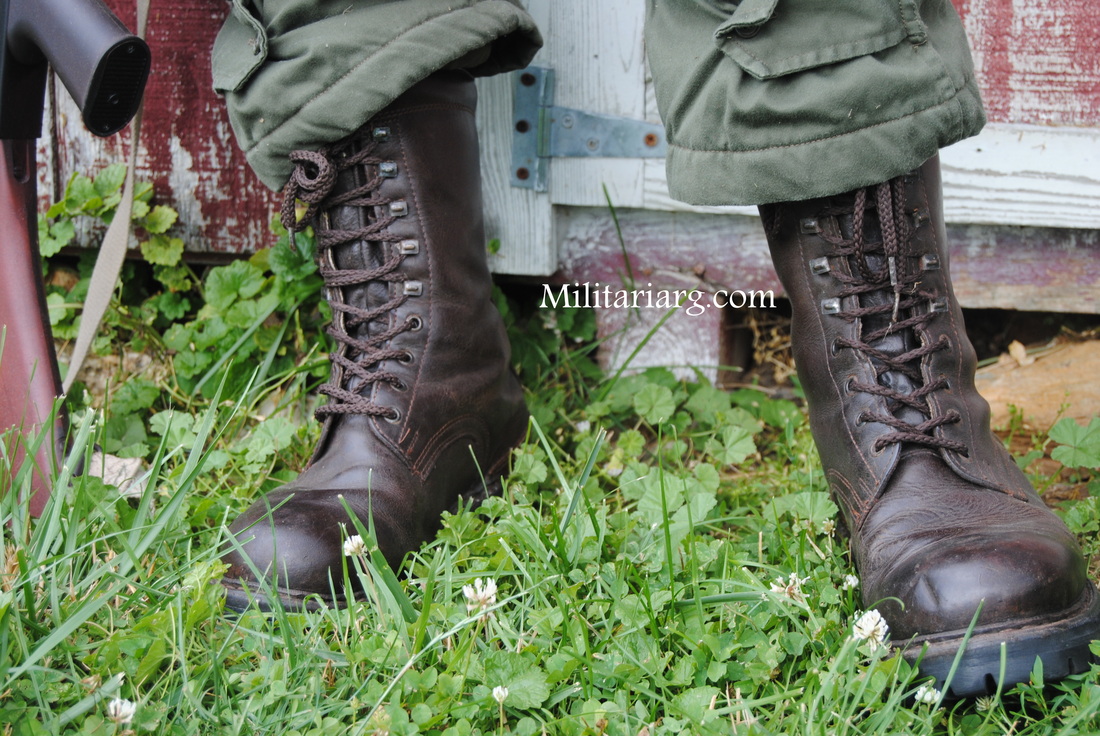
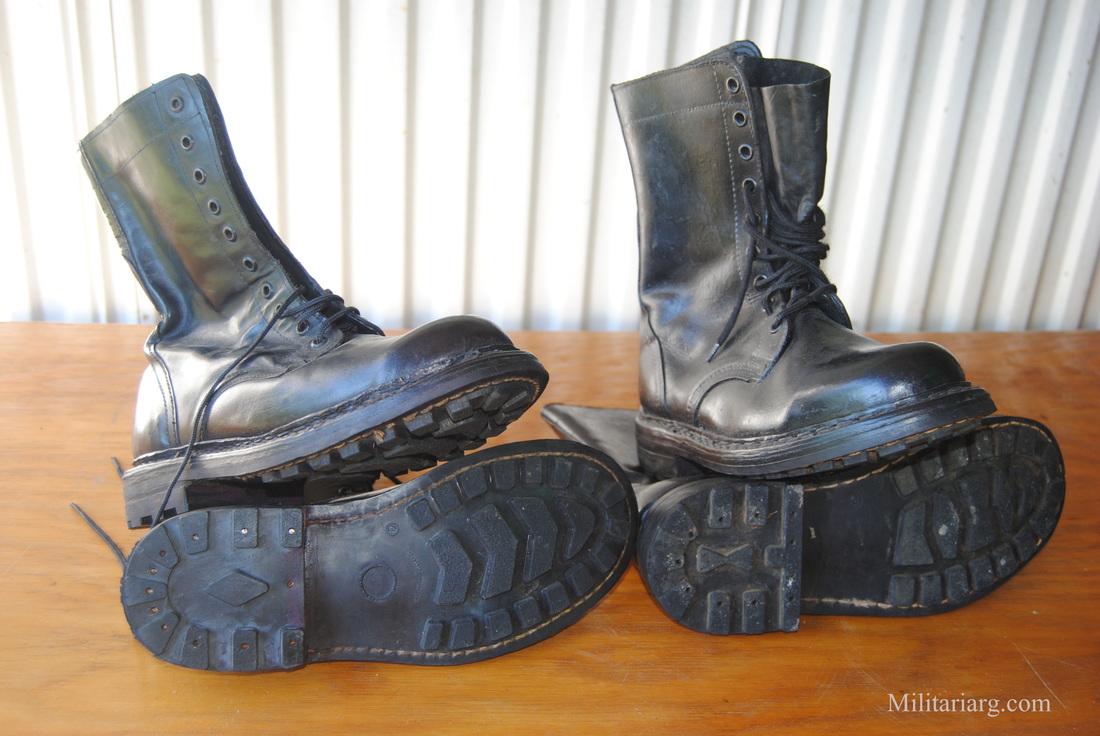
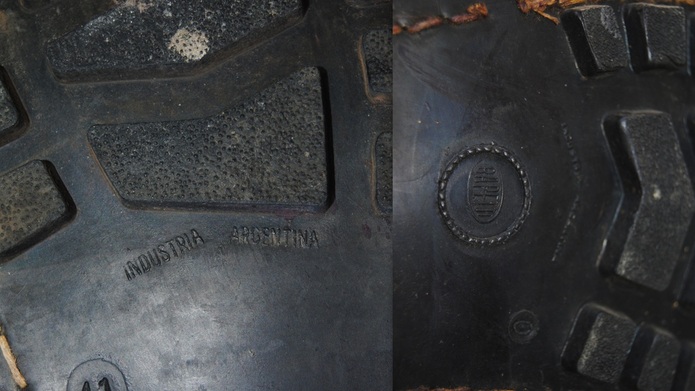
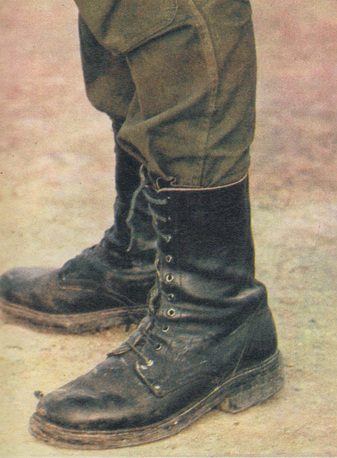
Malvinas War Era, Army standard boots, French-type sole "Bottes de saut françaises Semelle". The sole pattern is similar to the French but not exact.
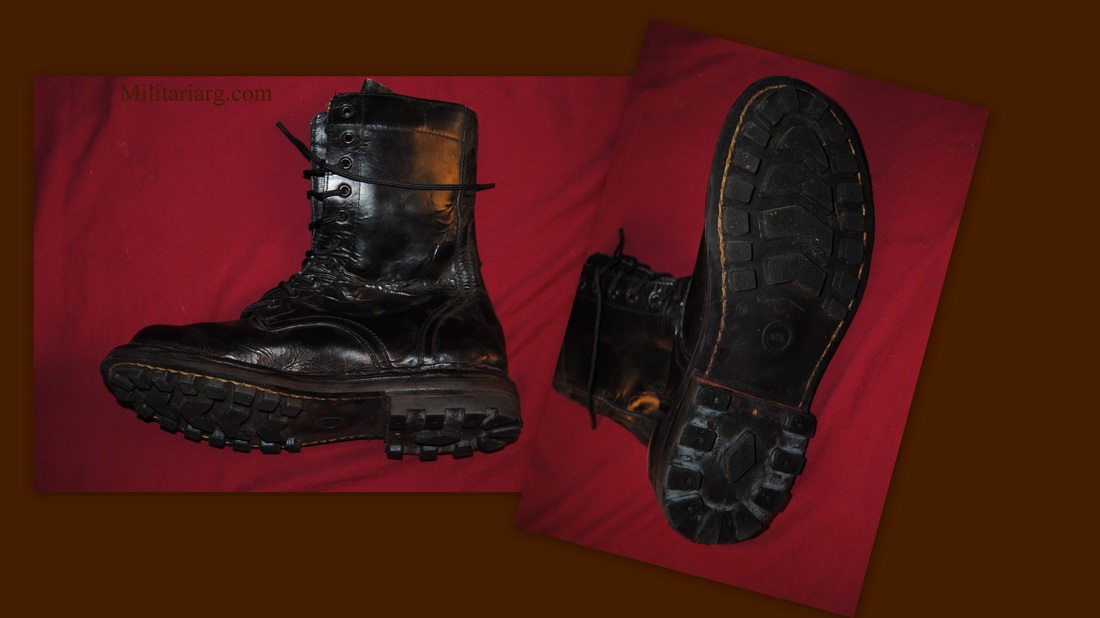
The old-style standard boot, we'll call it Type I. They were used starting in the 1950s by some units, like paratroopers and engineers. There were 2 types of soles, one of wood with metal plates in the heel and the front. This, along with the cleats, made a particular noise during parades. The more modern Borseguies came with a rubber sole, all eyelets and no reinforcements.
Keep in mind that the soldier only had 1 pair of boots. The boots, like the rest of the uniform, were often passed down from previous conscripts. For example, conscripts from the '62 class (which had the largest representation in the Malvinas) took the boots that were used during the entire 1981 year. These boots had also been used by other classes, some going back to the 1970s.
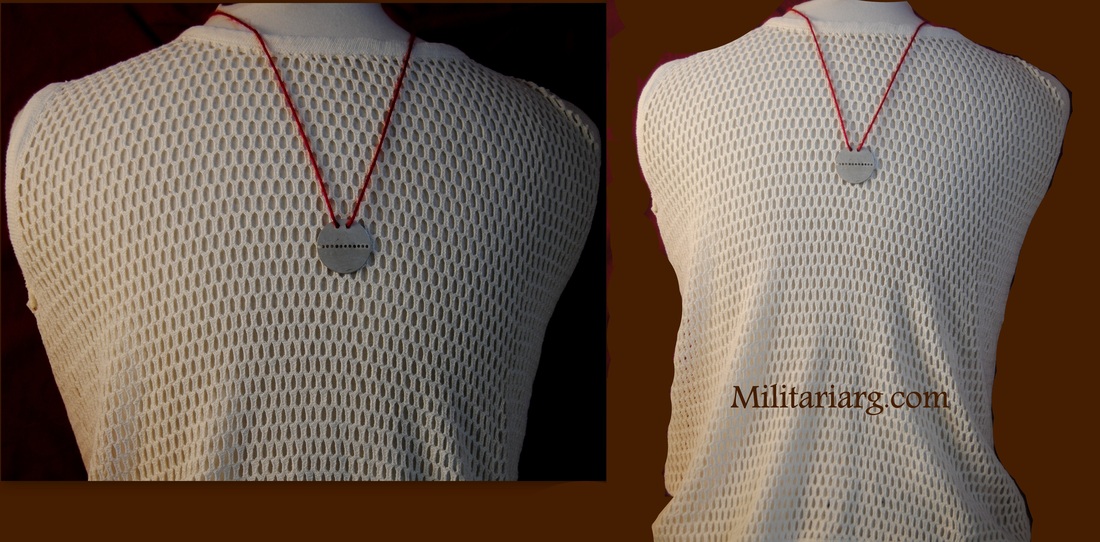
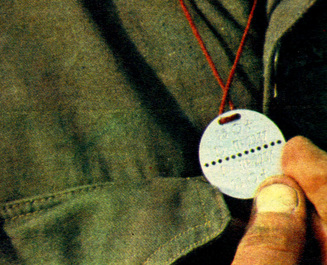
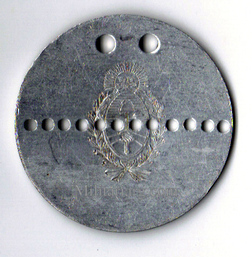
Argentine dogtag "Oblea or Chapa Identificatoria". It bore the soldiers' names, blood type, document number, and class. Like the German style, it could be broken in half so that one remained on the soldier for identification and the other was taken to the group's head to certify the death. The English tags are similar to the Argentine. They were also round but instead of breaking in half, there were 2 identical tags.
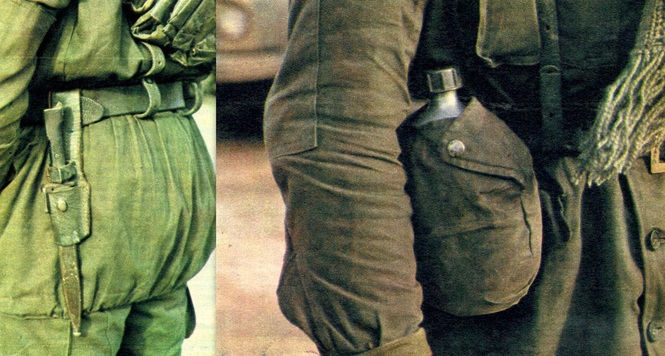
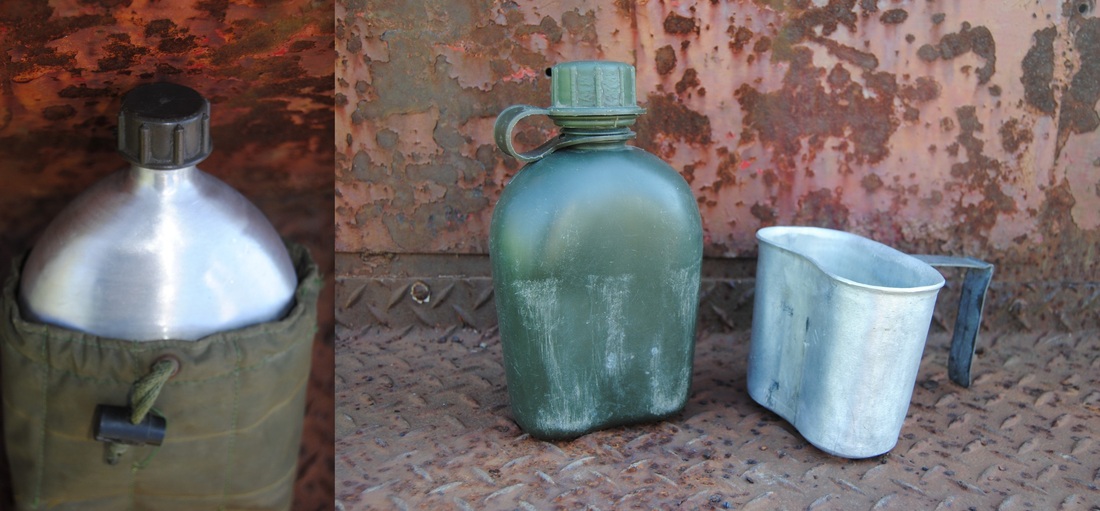
On the left is the bayonet frog from the FAL. You can partially see the belt of the webbing circa M38. On the right is the water canteen, in the WWII German style model. It was made of aluminum with a twist cap. They also used the Argentine made M-1910, which were identical except for cork instead of the twist cap. To add to the diversity and confusion, they also used American lots of Vietnam era plastic canteens with their original covers which could be seen in many photos. You can also partially see the green knit scarf, which may have been a civilian accessory. Many soldiers used civilian "extras".
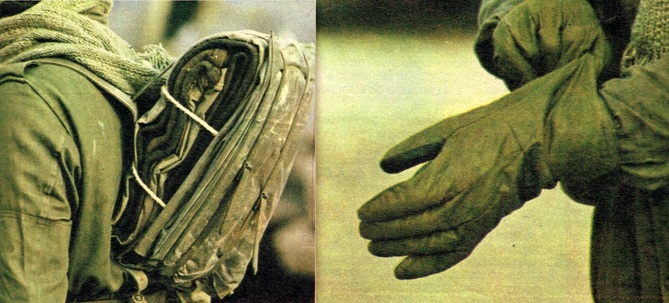
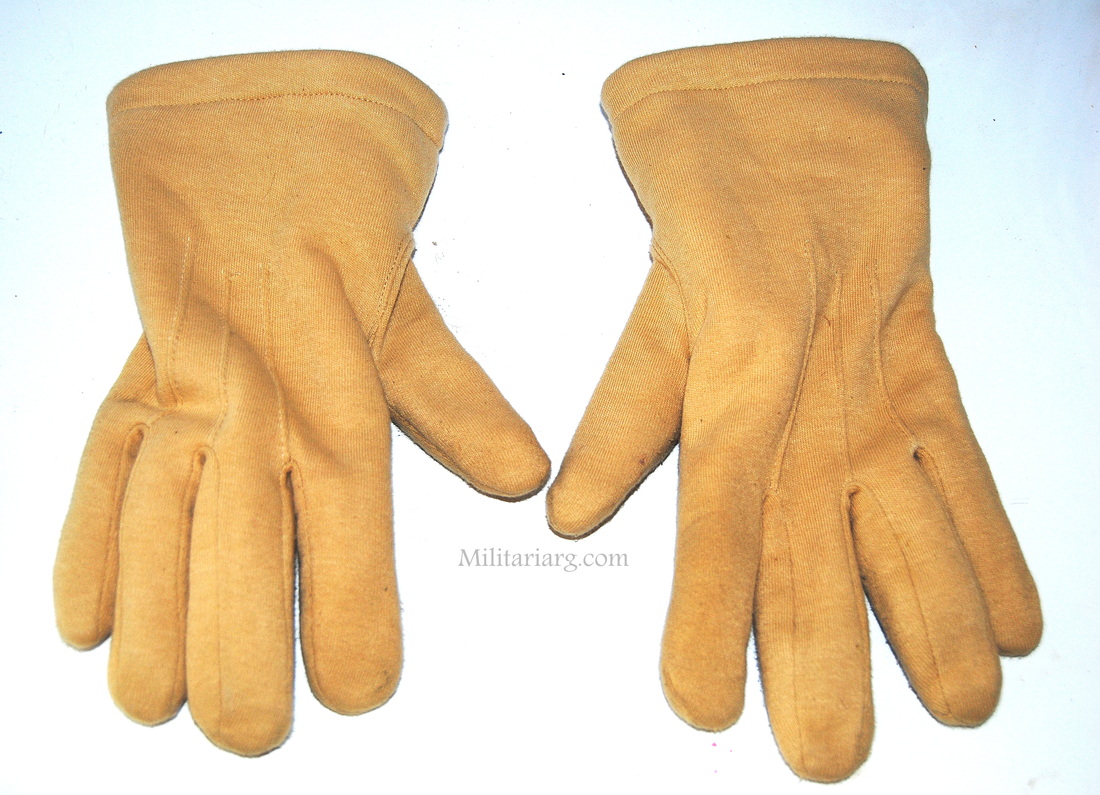
Above left is the backpack which has the poncho blanket wrapped in part of a waterproof tent. Above right is some type of glove.
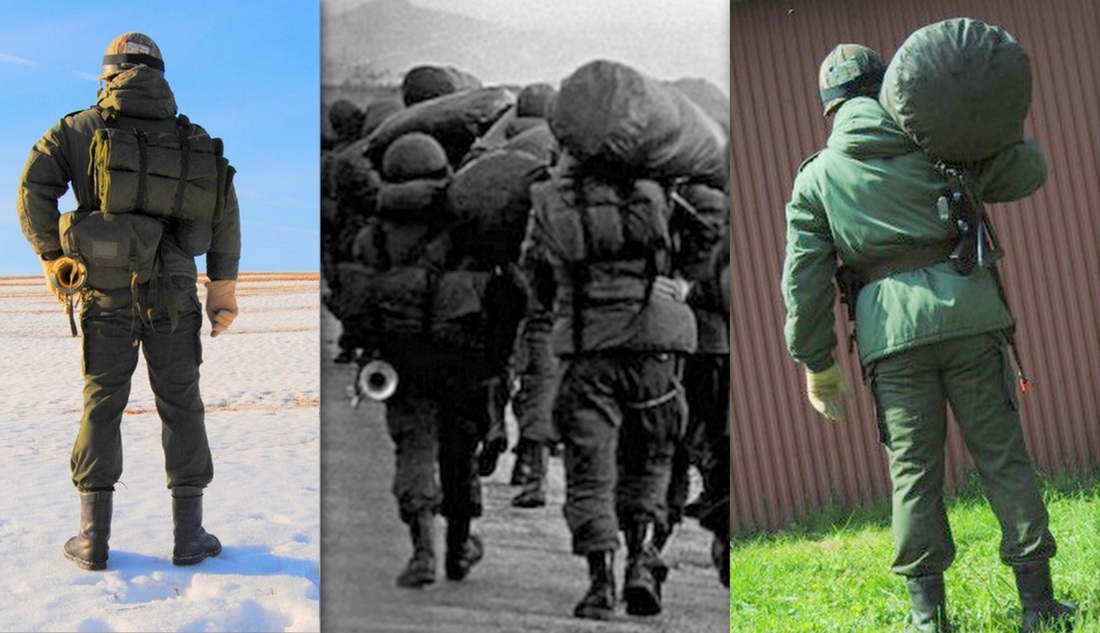
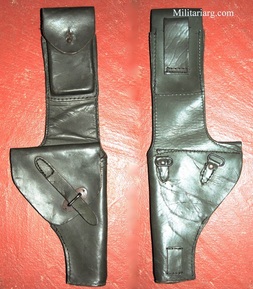
Holster, Ammo Belt Tempex. The Browning pistol is a reenactment replica.
Marines Infantry Equipment.
Navy Infantry Plastic Bottle and cup.
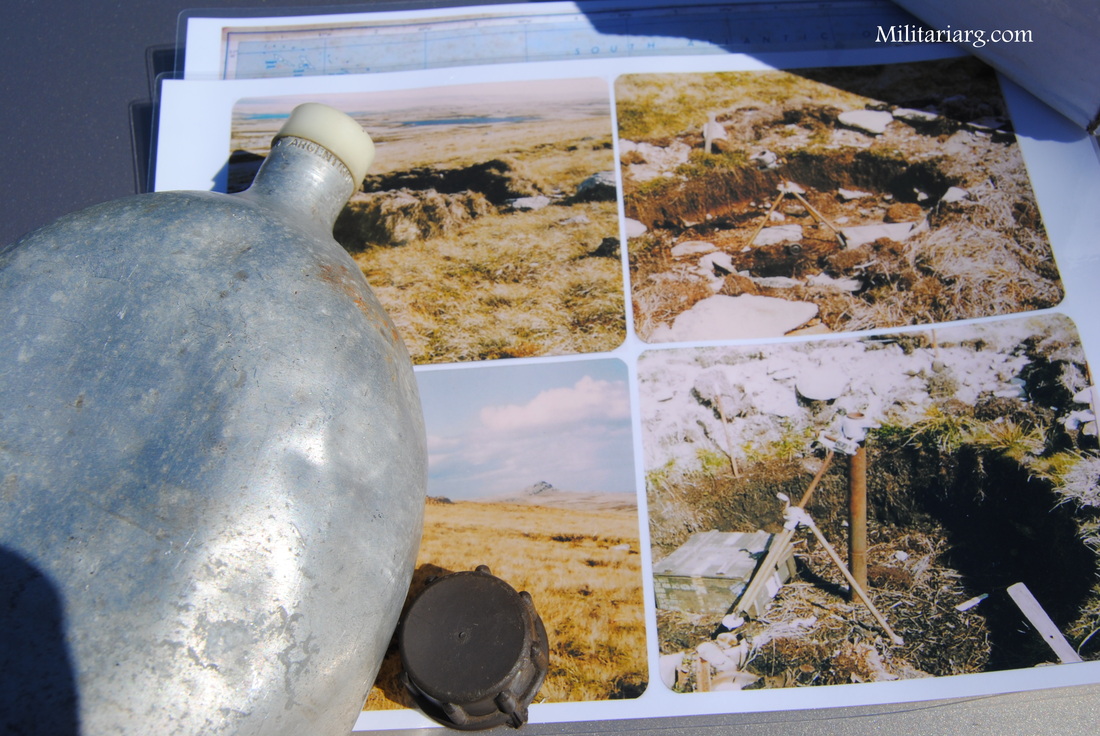
Army water bottle found in mortar position circa 1983, Tumbledown area.
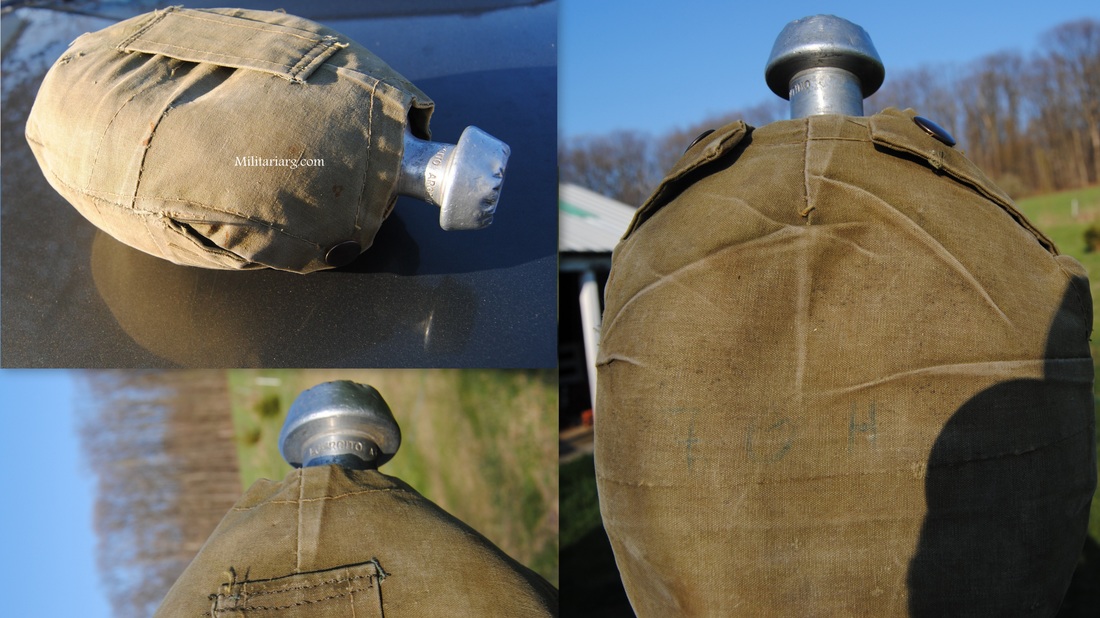
Argentine Army water canteen from Bedfordshire UK.
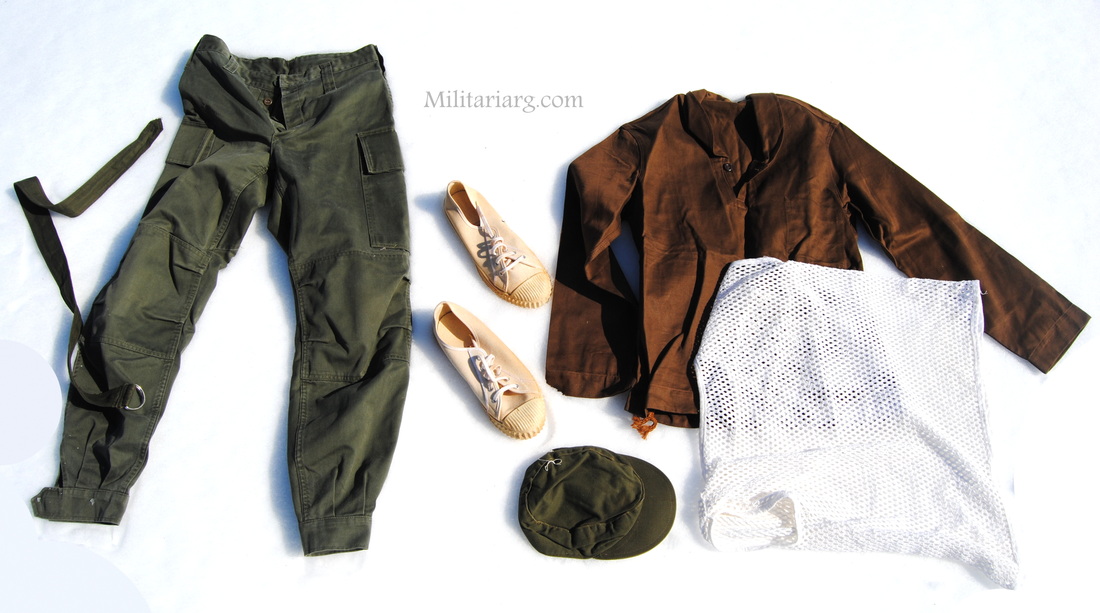
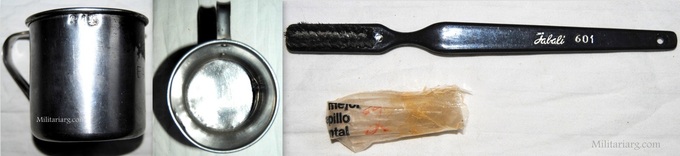
Battlefield relics. Argentine Army Stainless Cup and Toothbrush made by Jabali S.A.
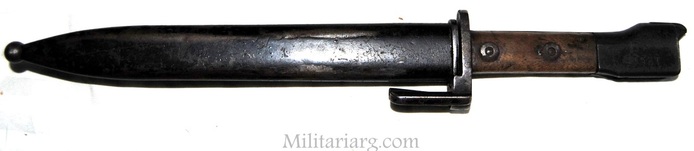
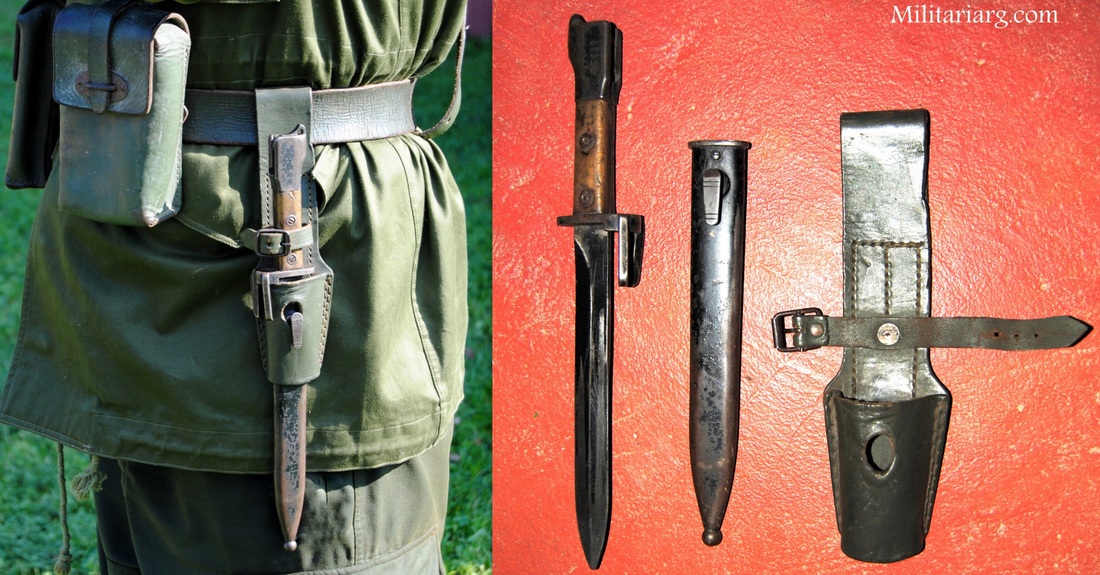
FN FAL bayonet and scabbard.
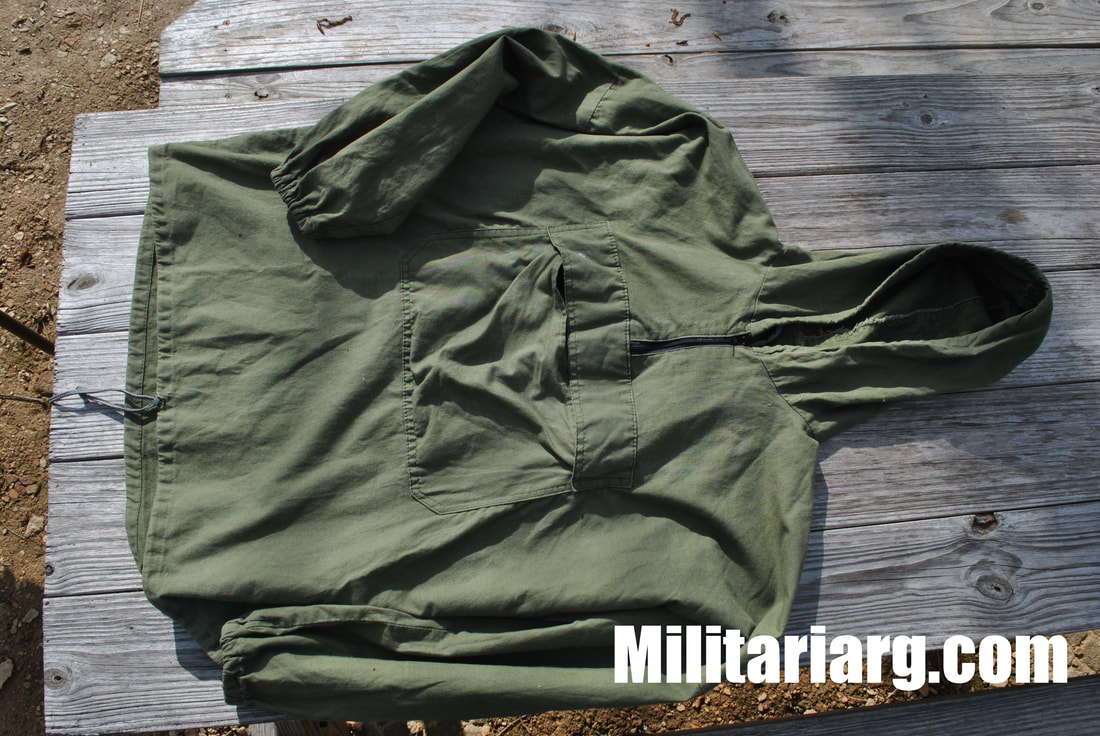
Argentine Army Mountain Troops 1980s Anorak.
FN MAG Replica.
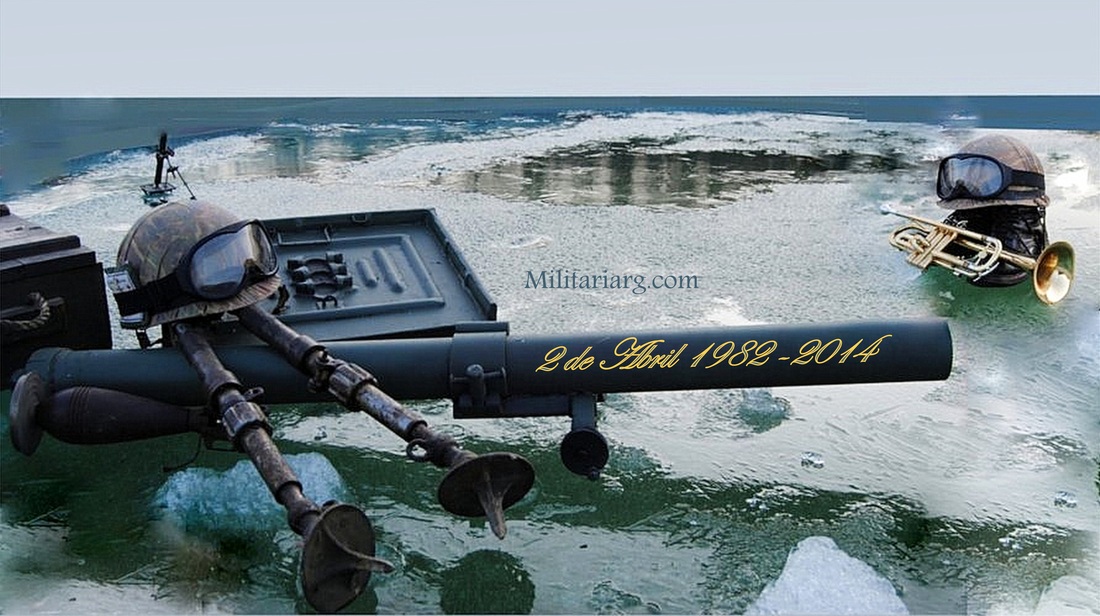
81mm Mortar Replica.
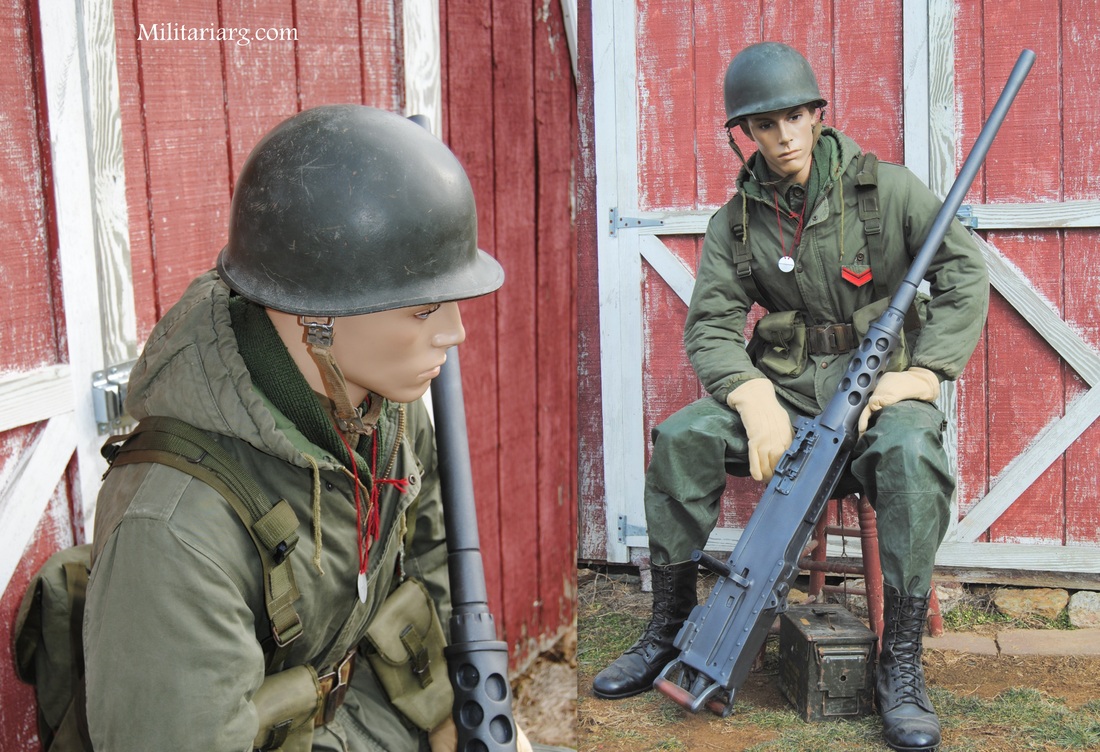
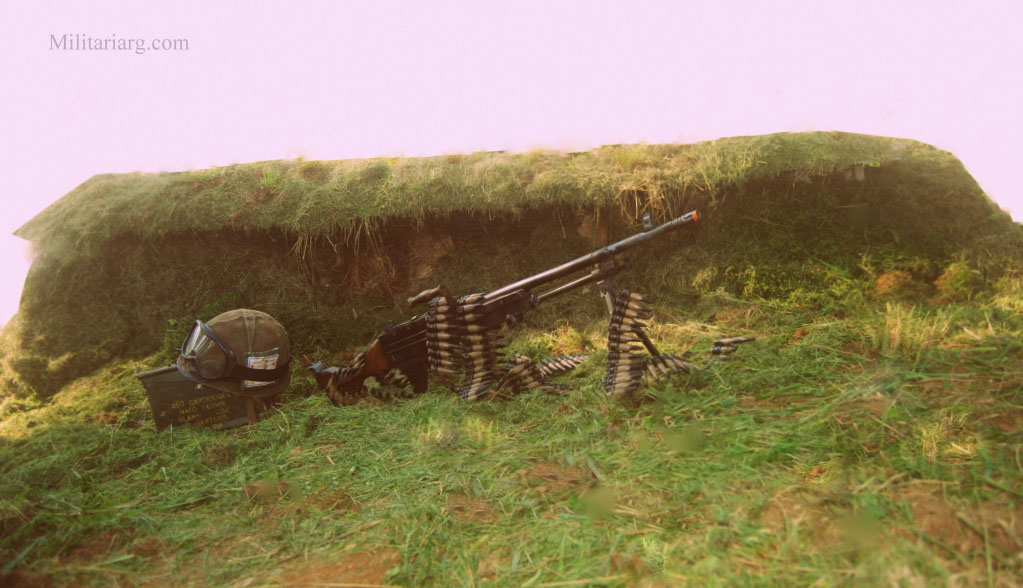
M2 50 cal (12.7x99mm NATO) Browning Replica.
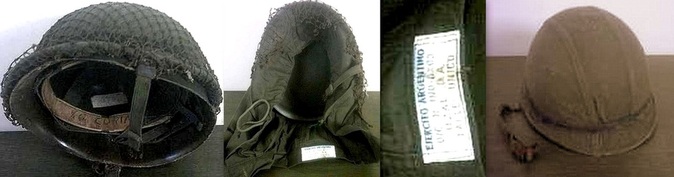
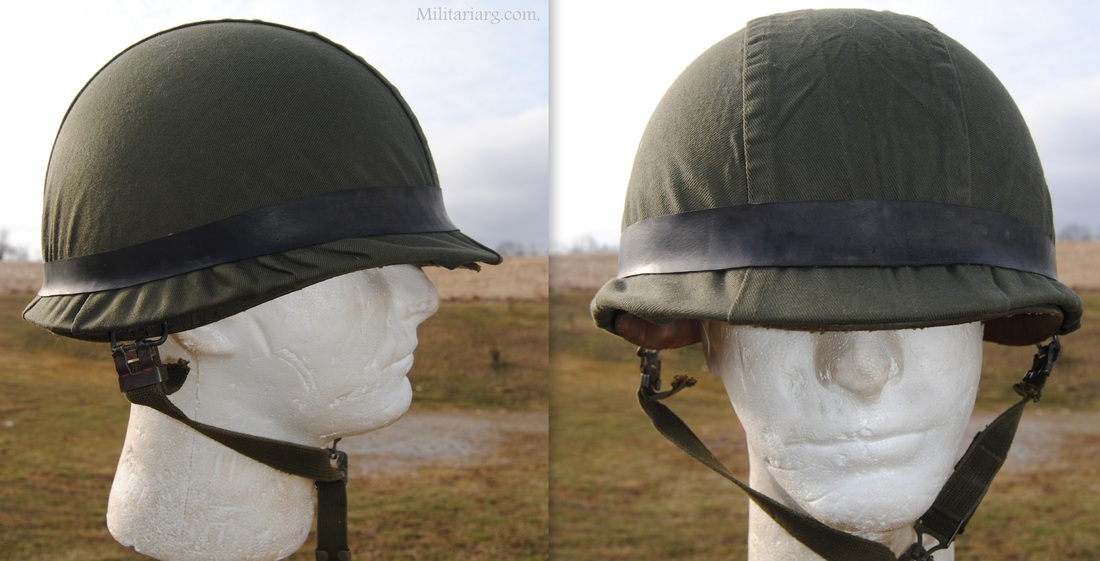
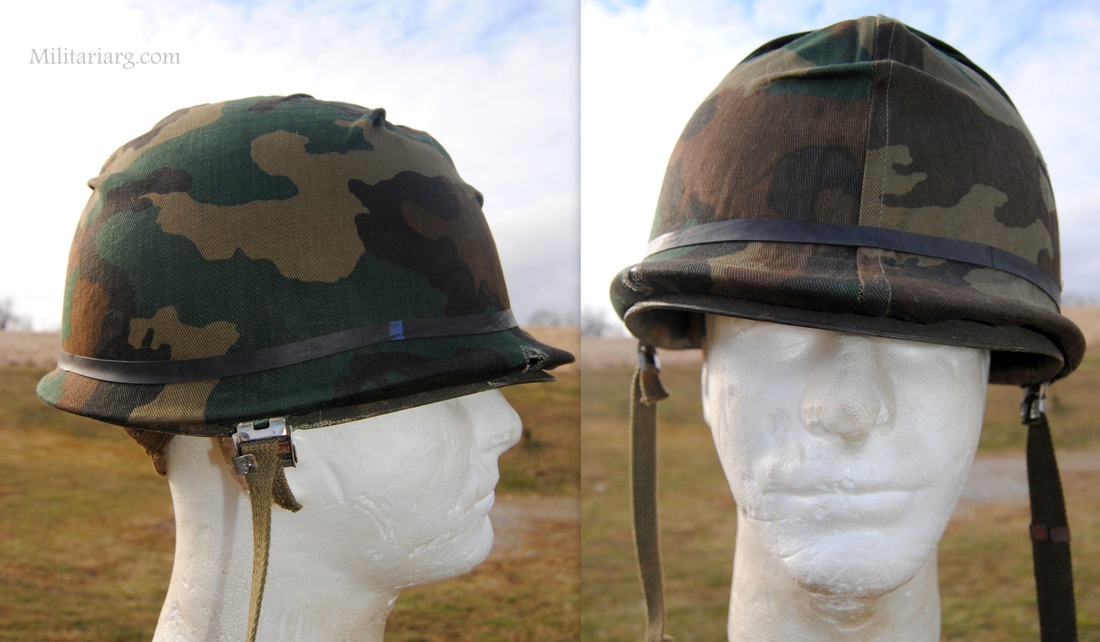
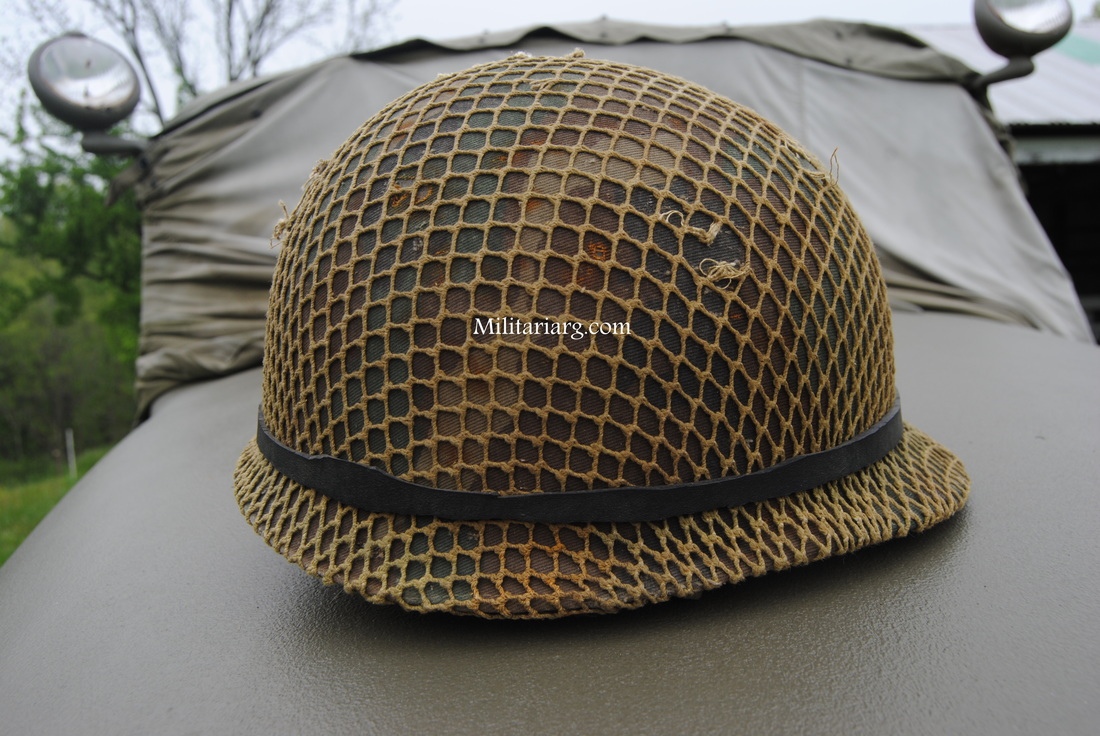
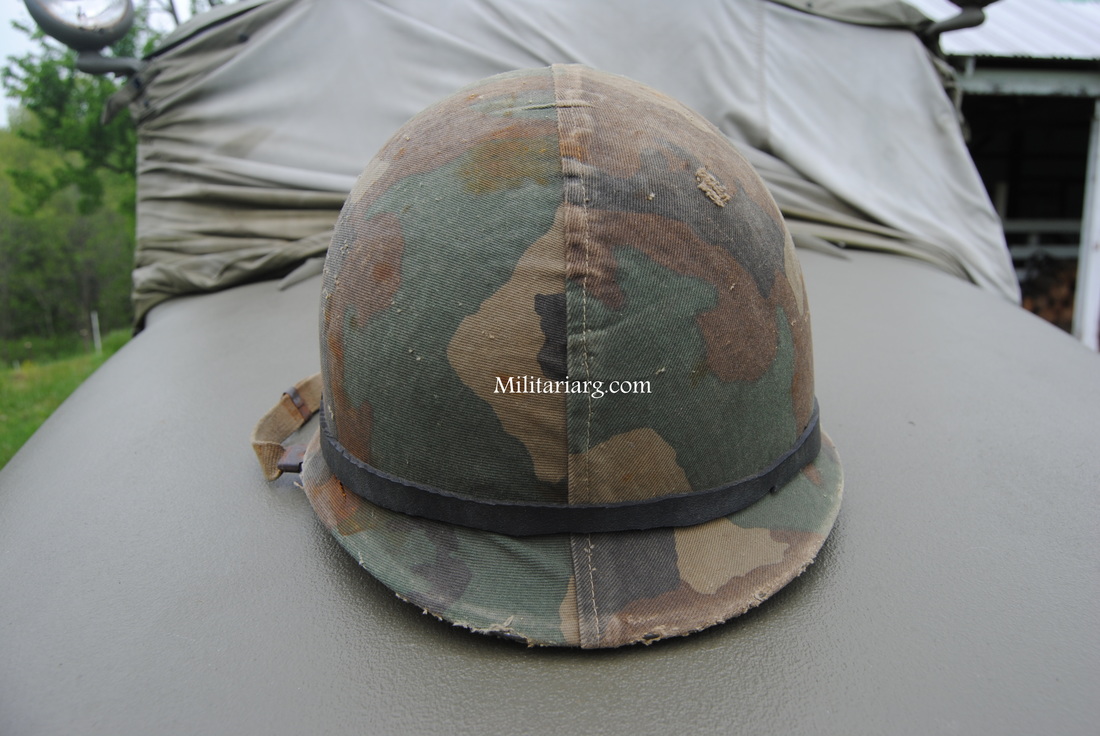
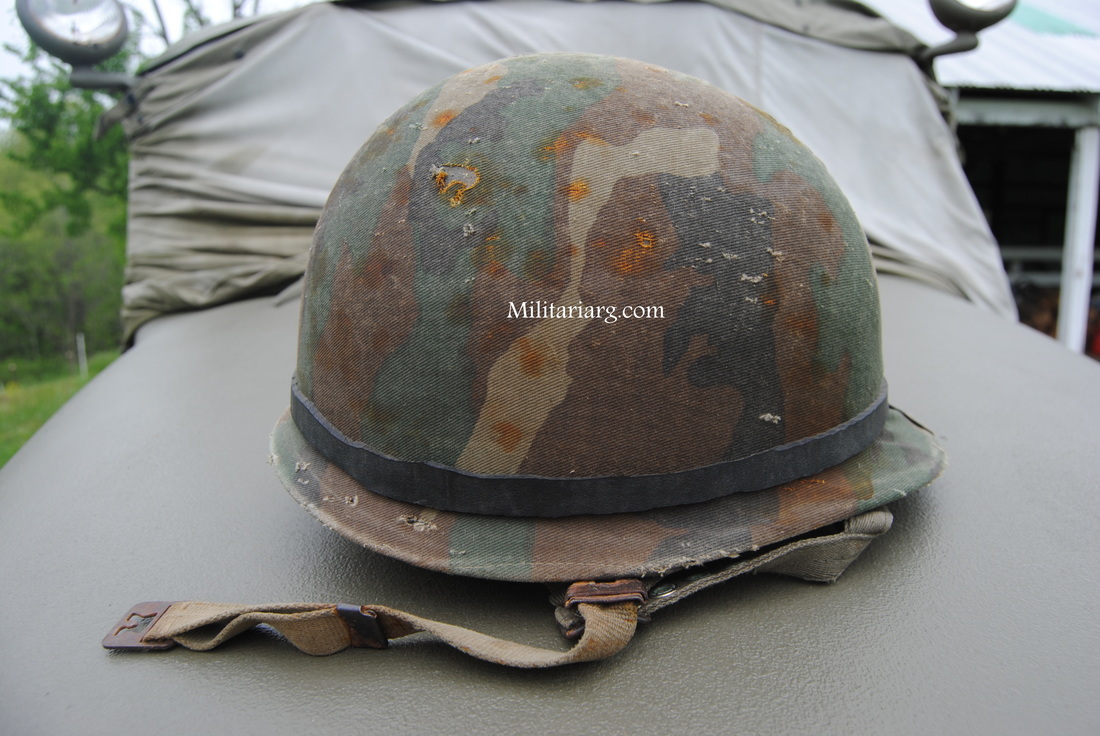
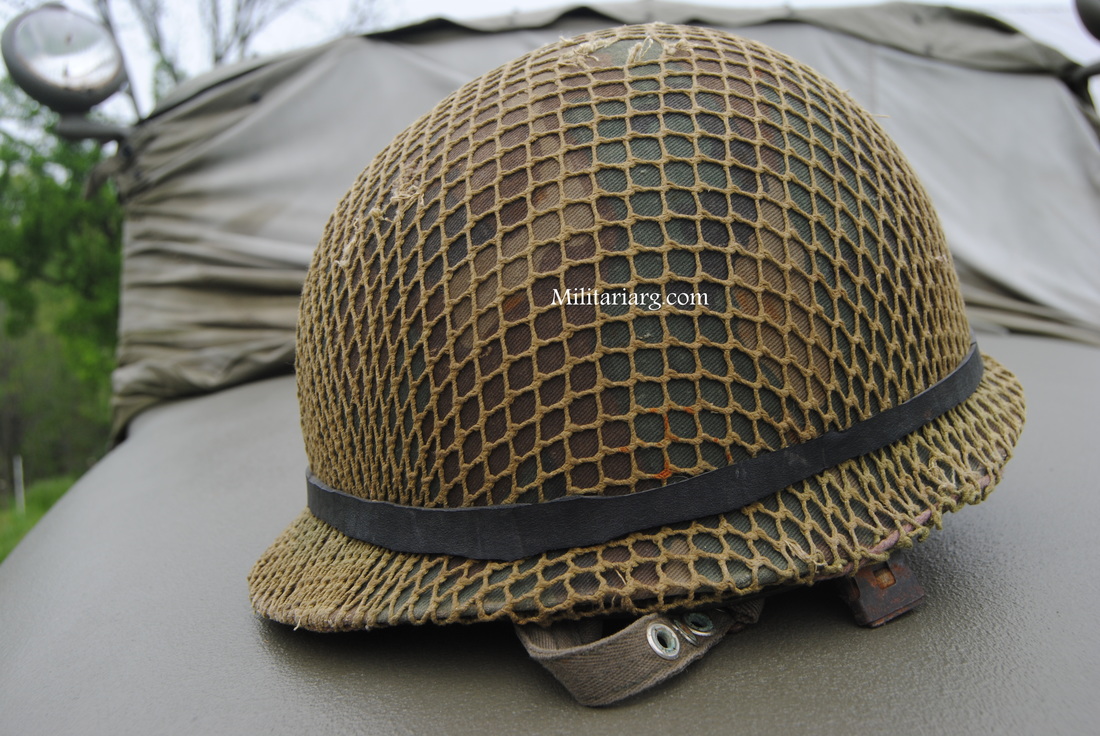
M1 helmet and cover. This cover in particular is a M67 Combat Jacket Hood used as a helmet cover. Also used were military clothing scraps and torn clothes. It also has a net. Although it says Army, it belonged to the Marines.
M67 Hood Helmet Cover.
Marines Infantry, ERDL (Argentine Version), Camo Cover.
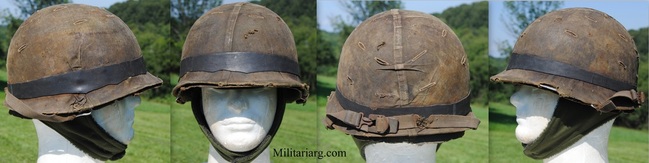
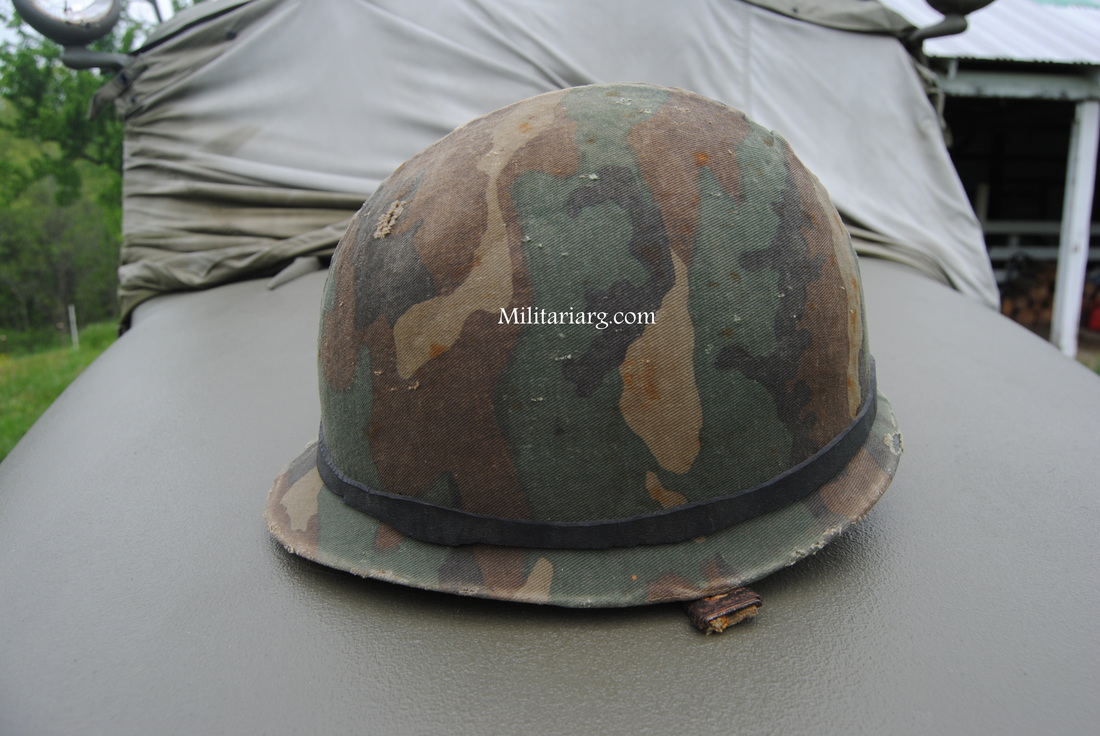
US M1 Marines Infantry with US ERDL Camo Cover. Battlefield Relic.
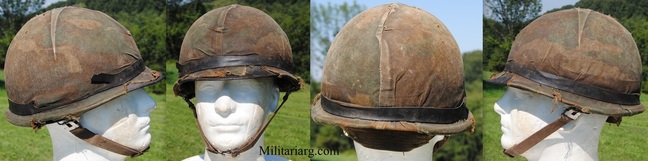
M1 with Army Pattern ERDL Type Camo Cover. Battlefield Relic.
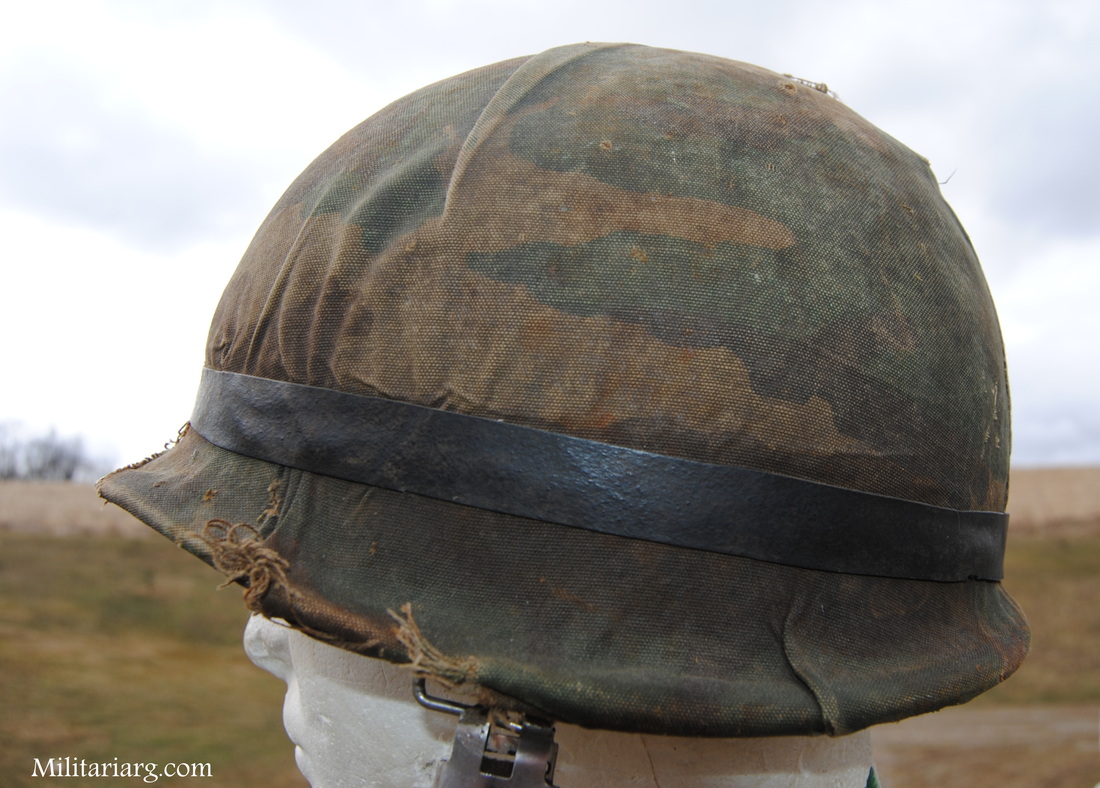
Argentine M2 FM Modelo NATO Paratrooper Helmets; Bring back from Cheshire UK. This comes with documents from a 42 Royal Marine commando, Sargent AH.
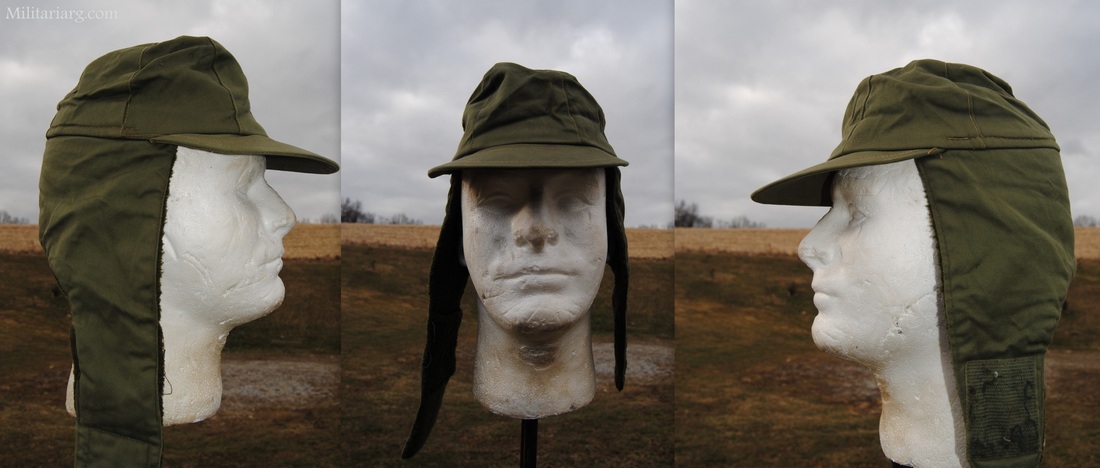
Army Winter Cap.
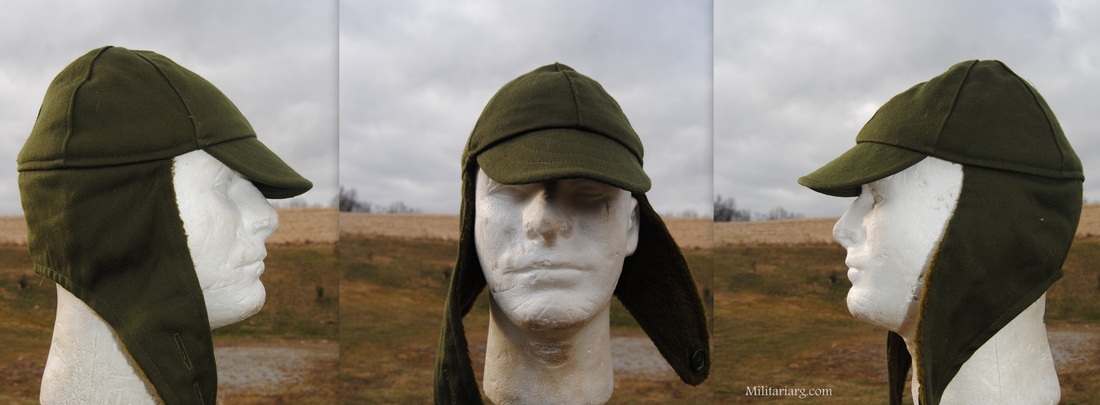
Marines Infantry Winter Cap.
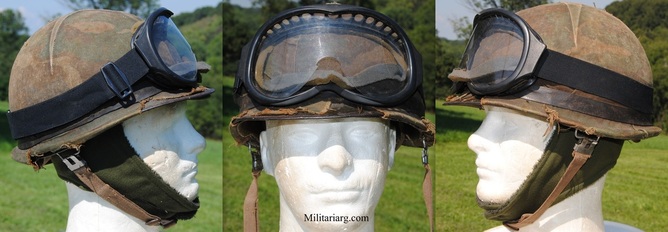
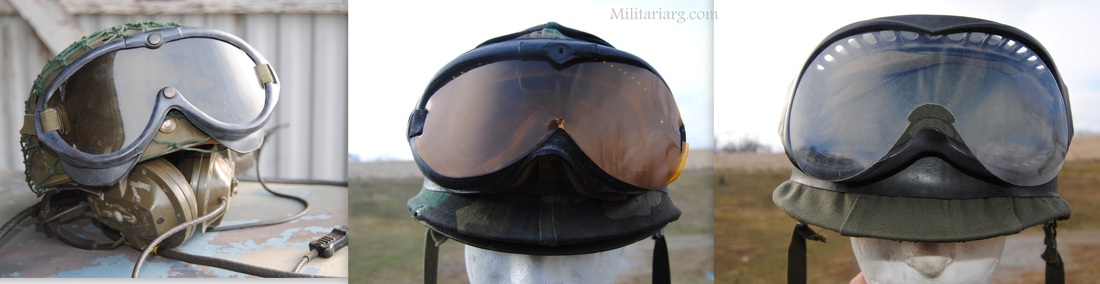
French Sambuee Goggles.
Left: Polaroid Goggles. Center: Fravida. Right: Sambuee.
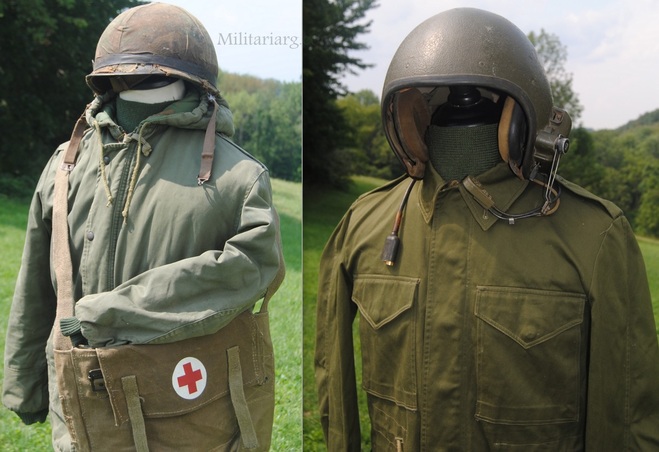
Left: Medical bag. Right: US CVC helmet (Not Malvinas)
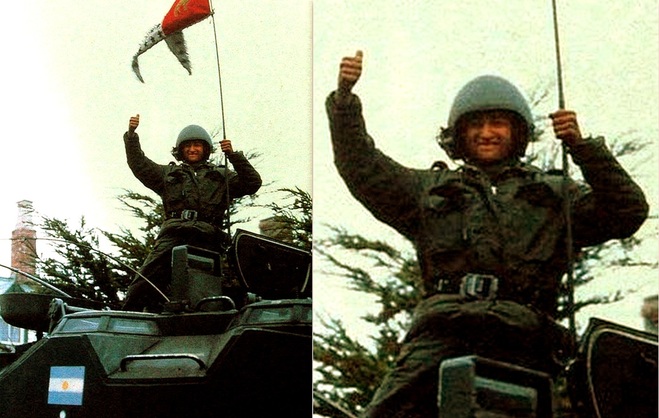
CVC Combat Vehicle Crewman Helmet, used for amphibious assault vehicle AAVP7A1 crews. Note the mike is on the soldier's right. The photo may have been inverted.
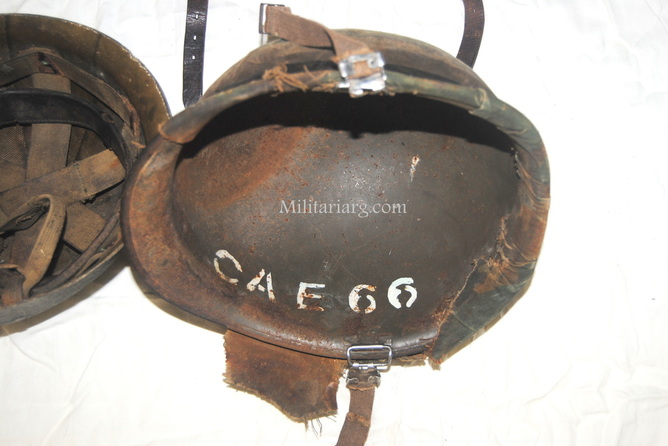
C.A.E 601 Compania de Asalto Aereo, (Air Assault Company). M1 helmet, battlefield relic.
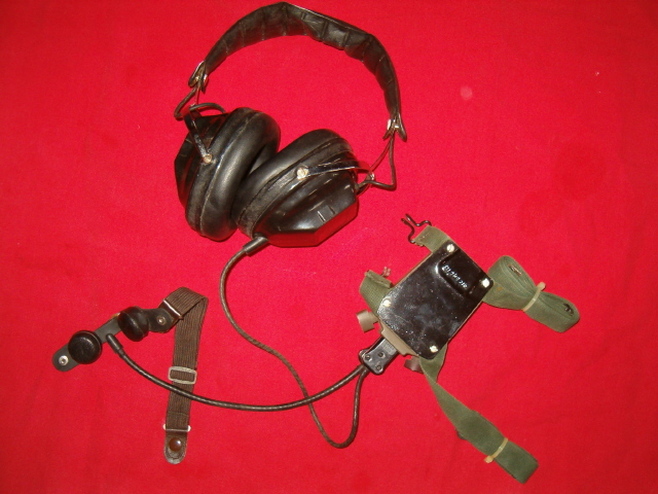
Helicopter Headset and adapter.
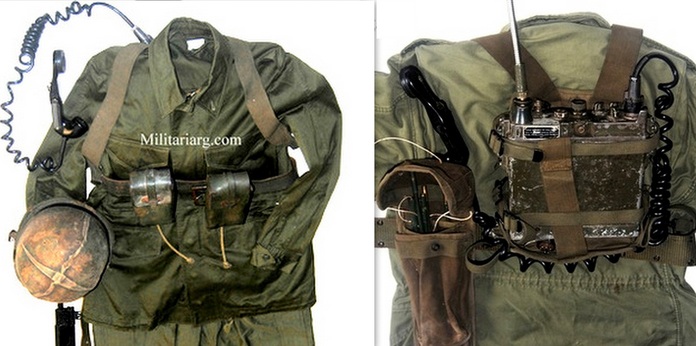
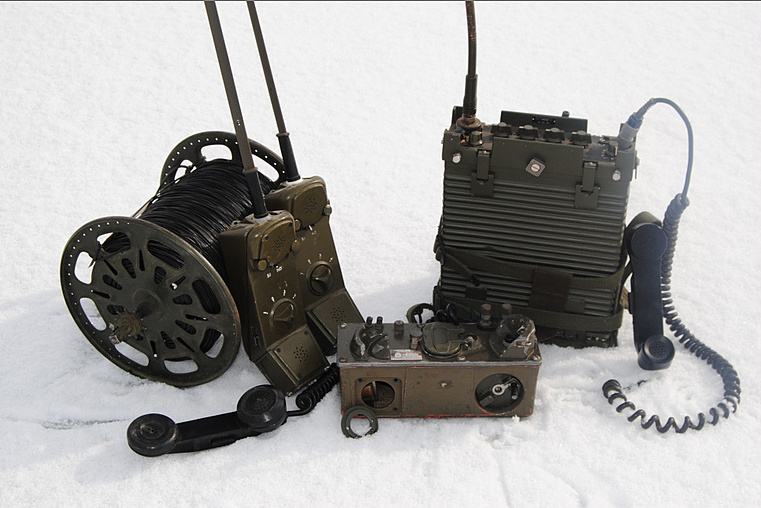
Right: PRC-10 manpack.I'm not sure if this radio went to the Malvinas but it was used by Argentina.
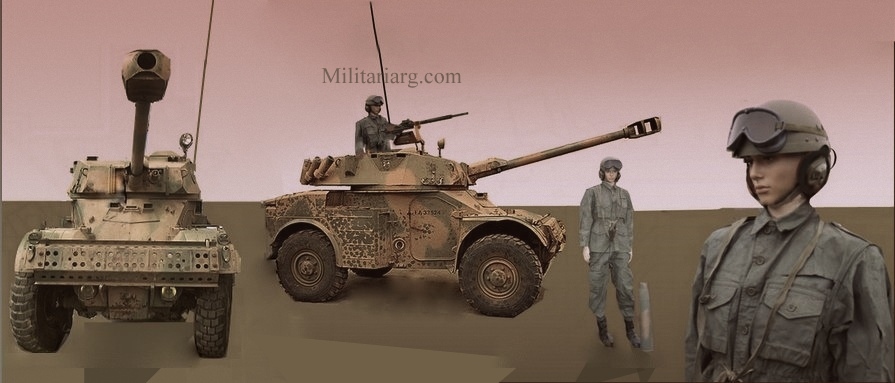
French M65 Radio Helmet.
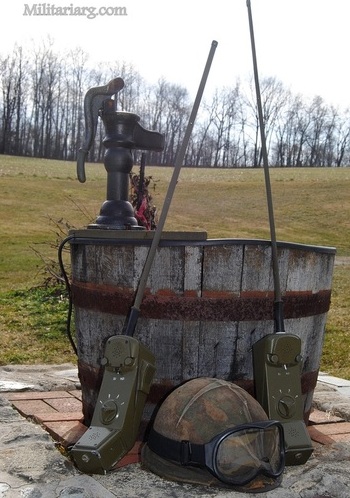
DGFM San Martin PRC-3000.
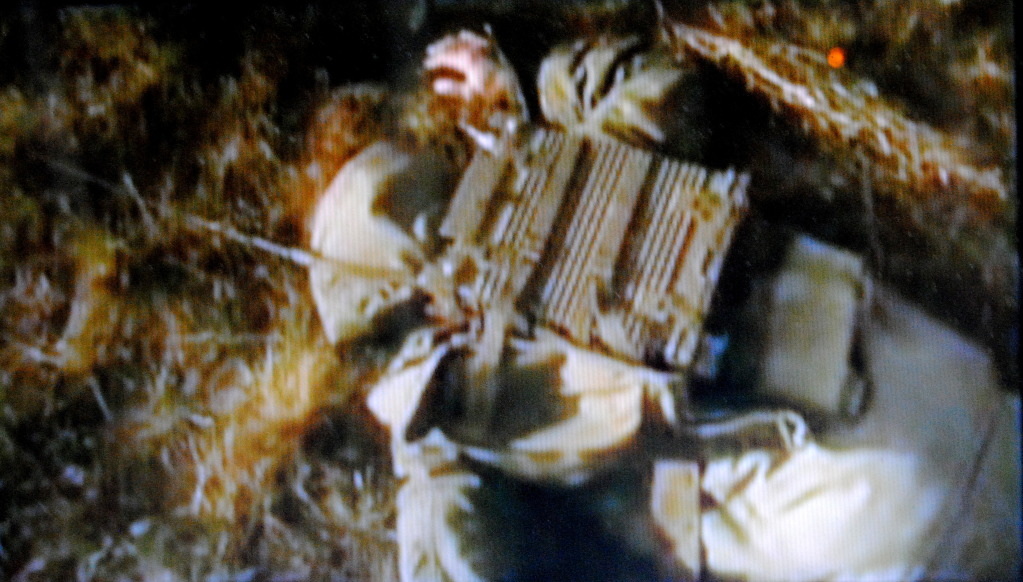
In the photo an RT-3600 manpack. The photo is a still from the movie about the war called "1982 Estuvimos Ahi" from the director Cesar Turturro.
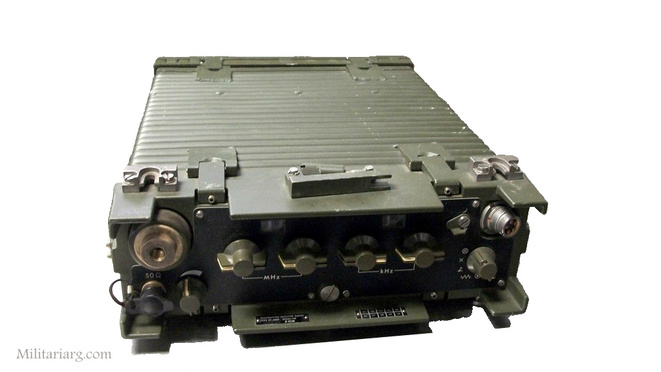
Dutch Philips VHF RT-4600.
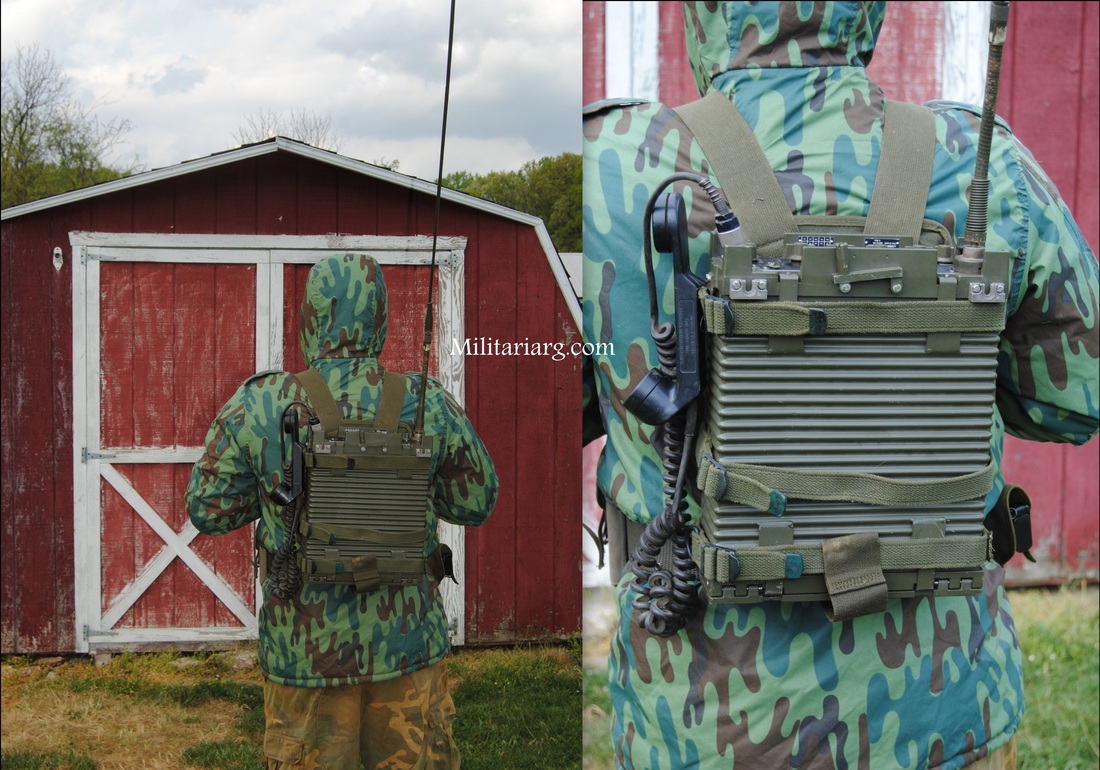
Radio-equipment: Argentina used French Thompson TRC300 (300-4) manpack, AN/GRC-106, RT3600, 4600, DATOTEK, GRC-106, PRC-10 manpack (this was used by the Argentines but I don't know if it went to Malvinas), Philips PRC-3620 manpack, AN/PRC-77 and PRC-25 manpack and vehicle mounting, VRC-3622 vehicle mounting. According to "Argentine Forces in The Falklands", Men-At-Arms series, the radios used were Thompson-CSF HF sets, MEL's VRC 321 and 322 Clansman vehicle and manpacks, and US Harris Corp RF 3000 and 3062. They also used civilian radios.
The British used Marconi Clansman made by Racal MEL and Plesse, PRC-319, PRC-349, PRC-351, PRC-2000 made by Philips and Mel.
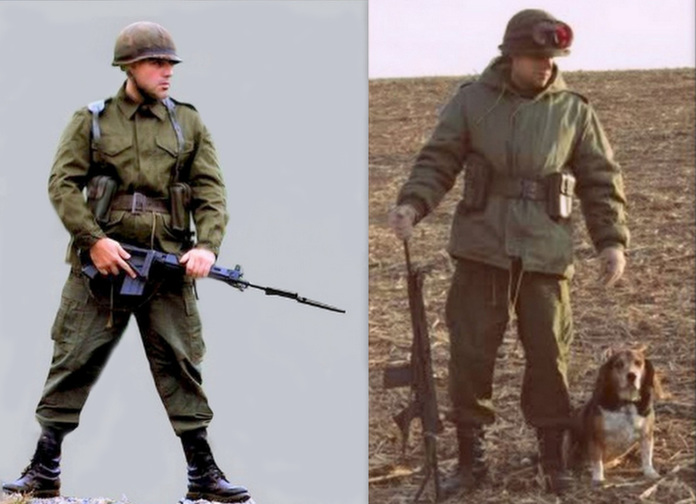
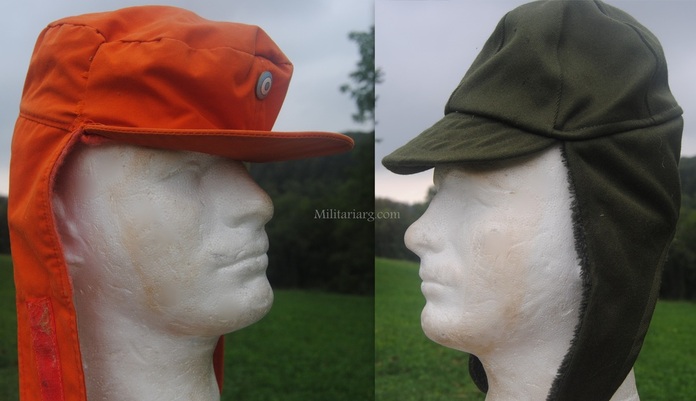
Argentine Navy, A.R.A (Armada Republica Argentina), Antarctic Cap in orange color. On the right an Argentine Army type baseball winter cap.
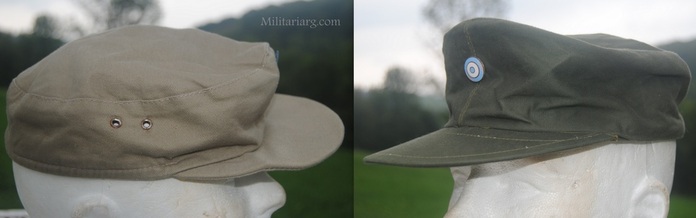
On the left PNA (Prefectura Naval Argentina), Argentine Coast Guard fatigue combat cap 1980s. The prefectura also used the earflap cap for winter. They had tags that said "Prefectura Naval". Right is a standard Air Force olive green fatigue cap (Casquete), with the National cockade light blue and white.
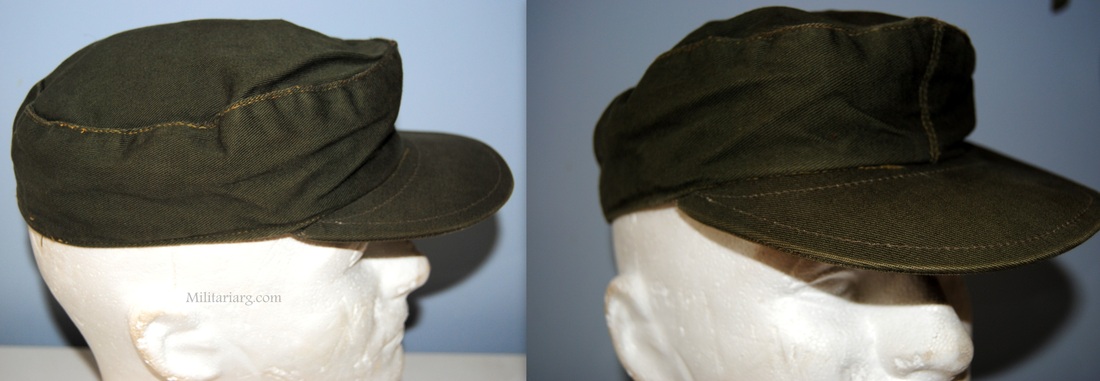
Army Cap Casquete.
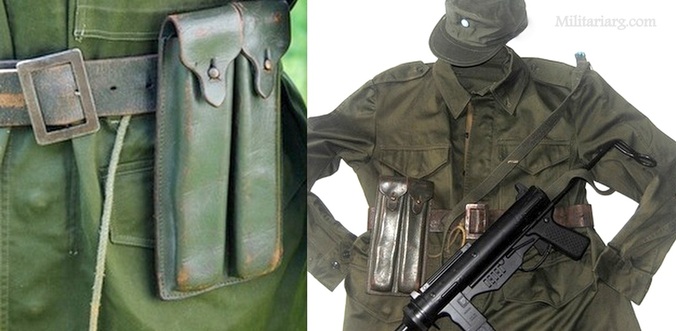
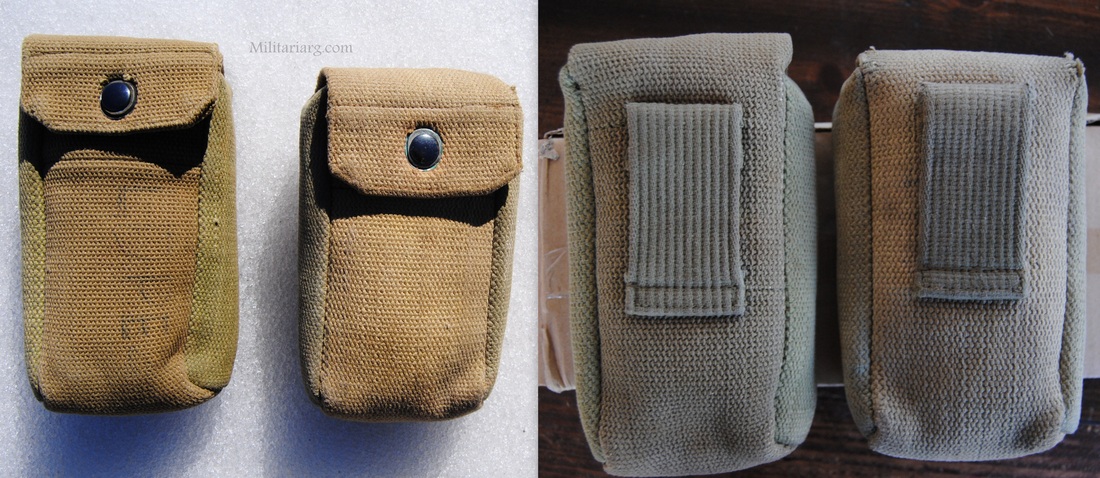
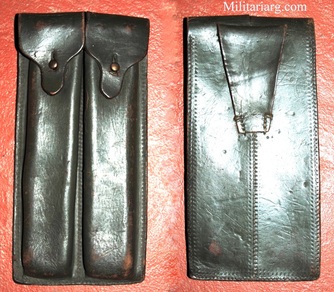
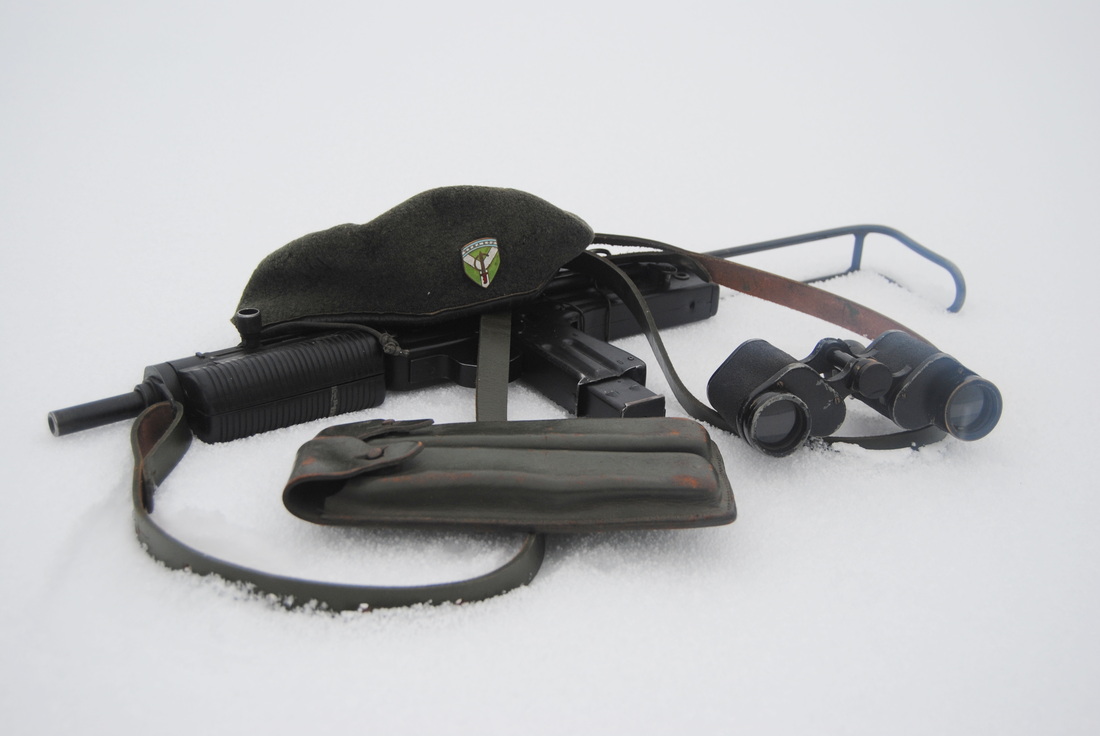
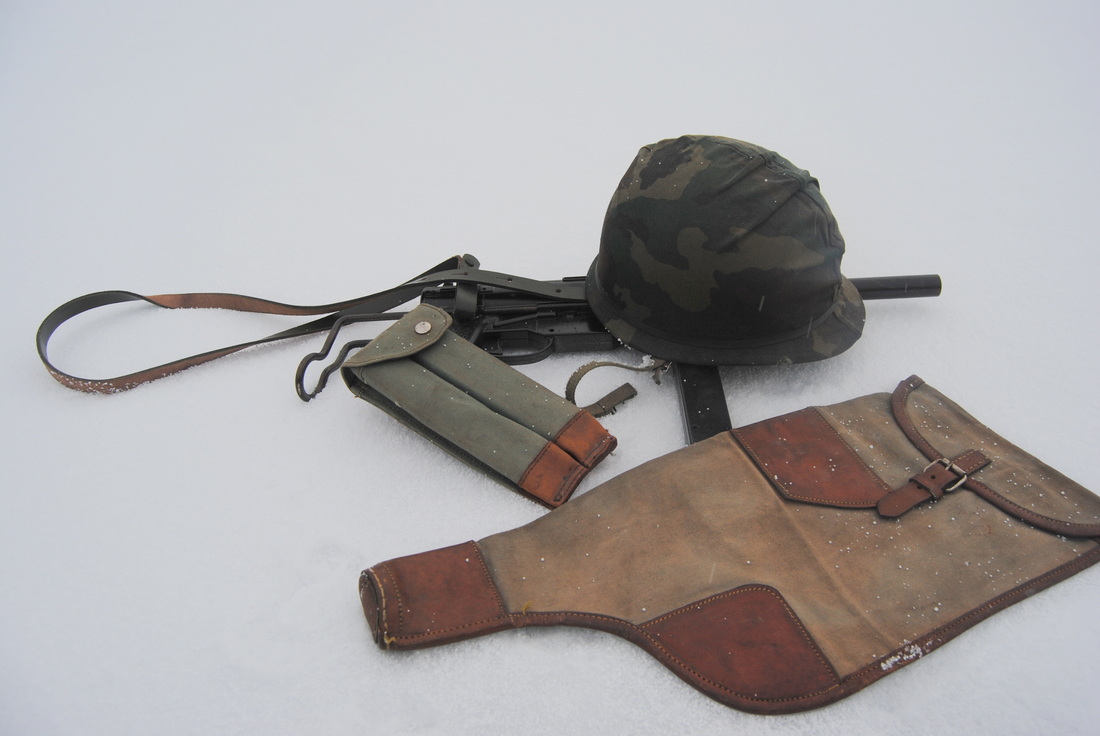
SMG 9mm(PAM). Double ammo-pouch.
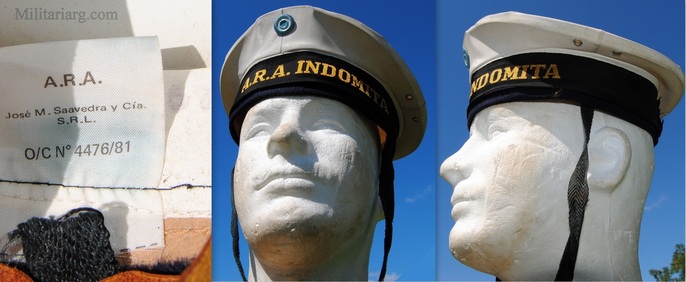
1981. ARA Indomita (P-86) and Intrepida (P-85), fast attack crafts. "Donald Ducks" Sailor hats. These boats were the escorts for the Belgrano Cruiser.
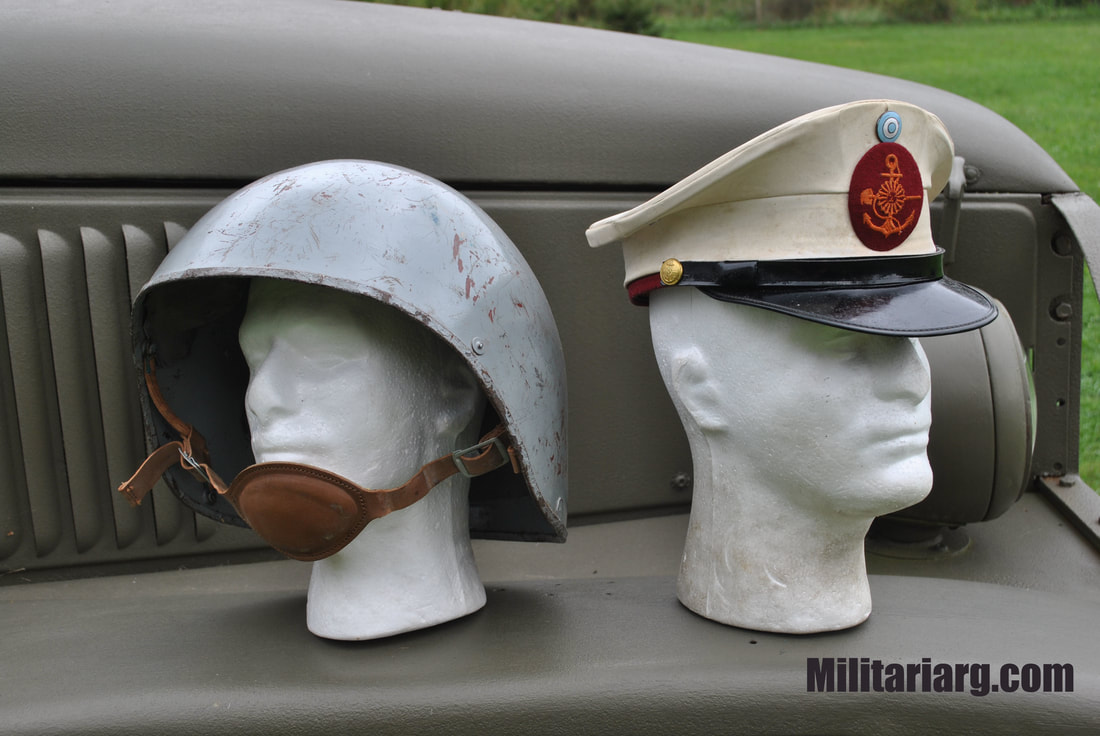
MK2 Argentine Navy Talker Helmet and Argentine Marines Visor Hat.
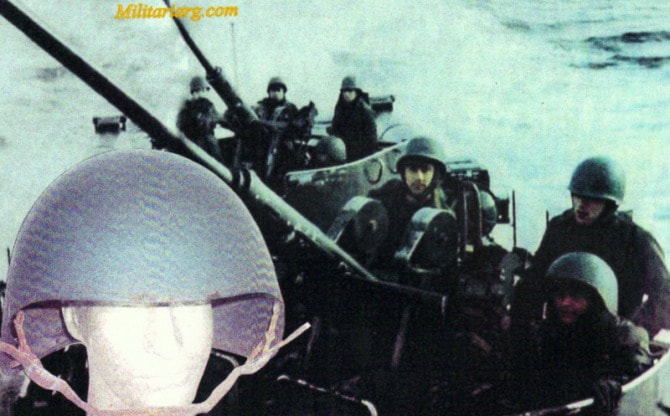
Naval US MK2 Gunner Talker Helmet. 1982 photo from the magazine "Siete Dias" and shows scene from the conflict in the South Atlantic (Malvinas War).
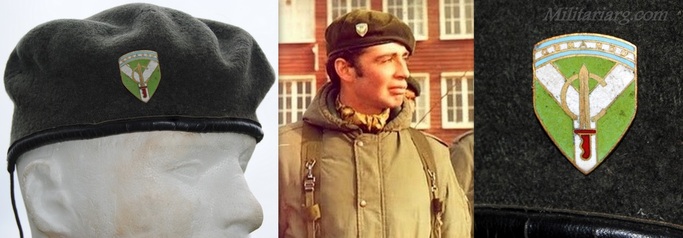
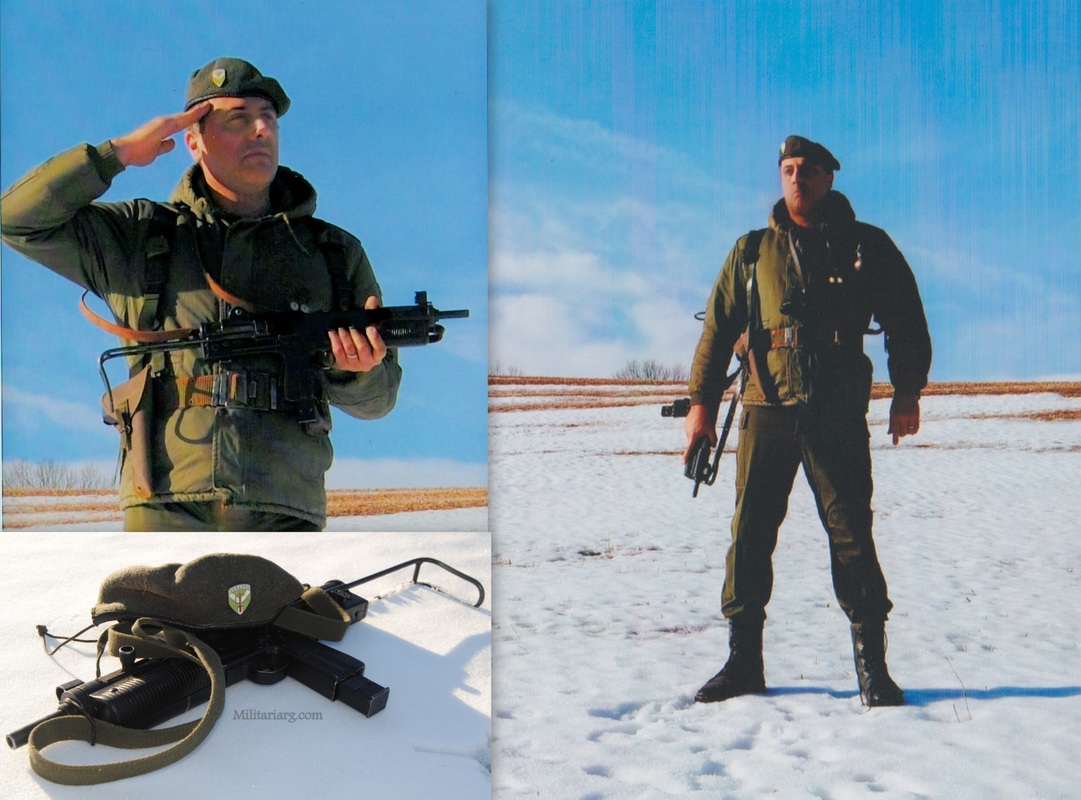
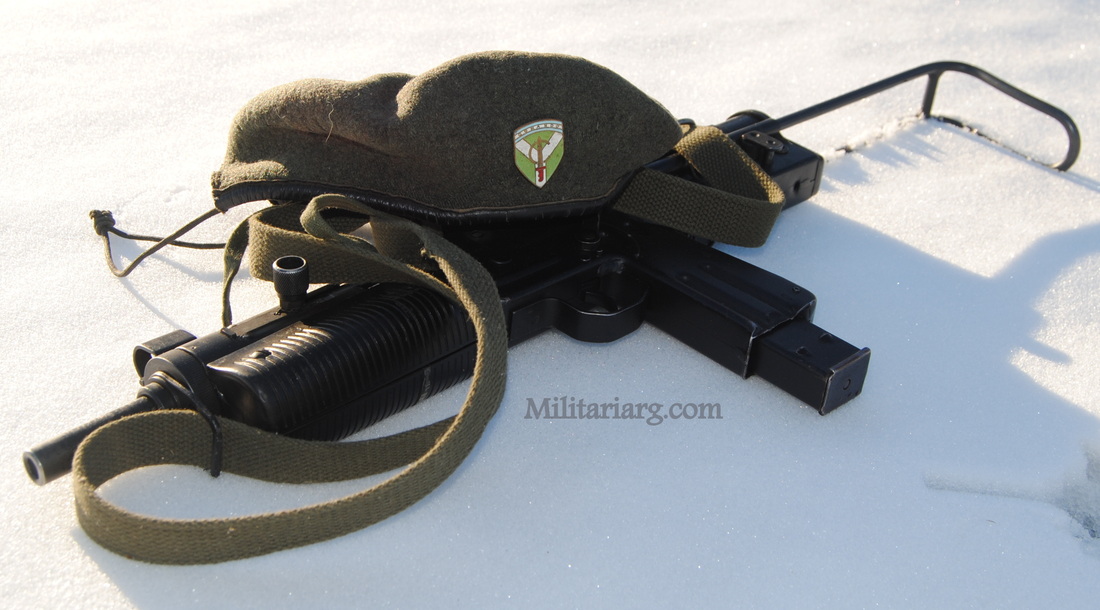
Green Beret, Command 601 and 602 w/ paratrooper type knife and enamel pin shield.. Lieutenant Roberto Néstor Estévez
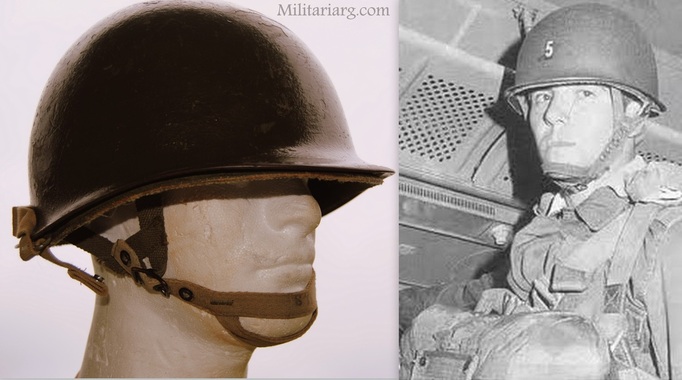
Photo: Infantry Second Lieutenant Oscar Augusto Silva with M1 C Para helmet. and T-5 parachute.
In Malvinas there was a complete parachute unit, the 4th Airborne Artillery Group.
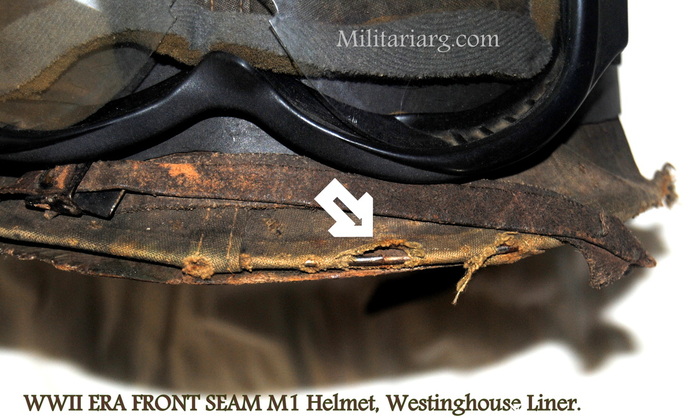
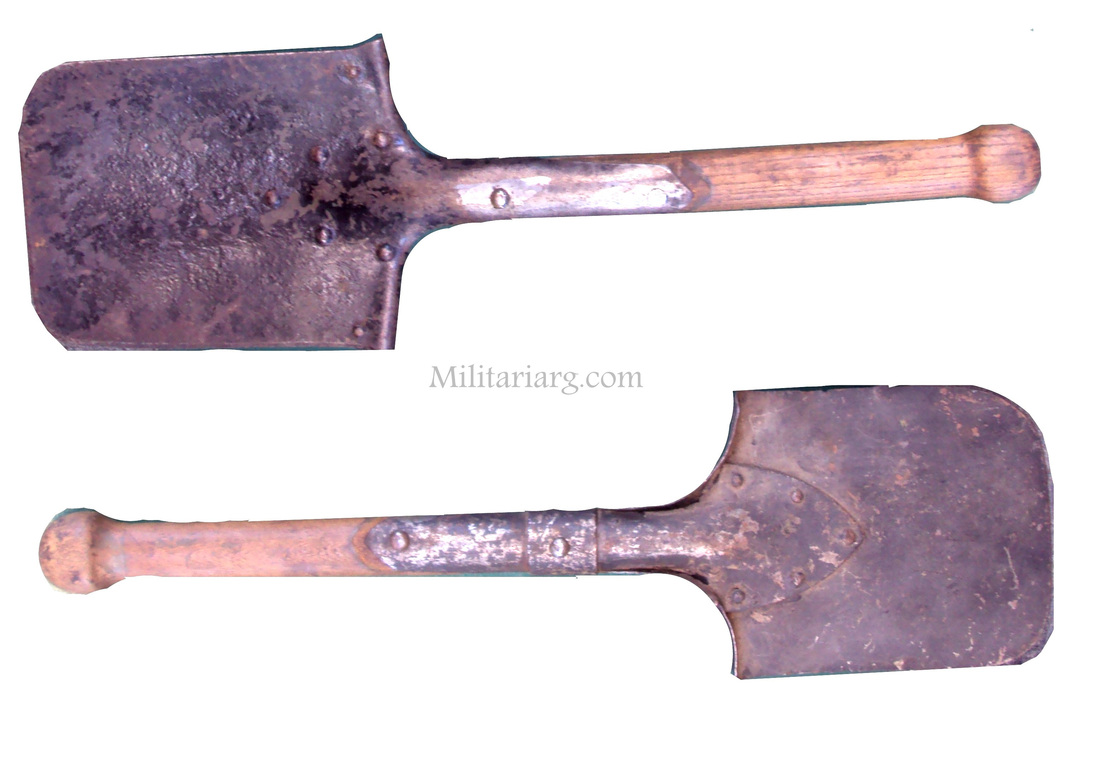
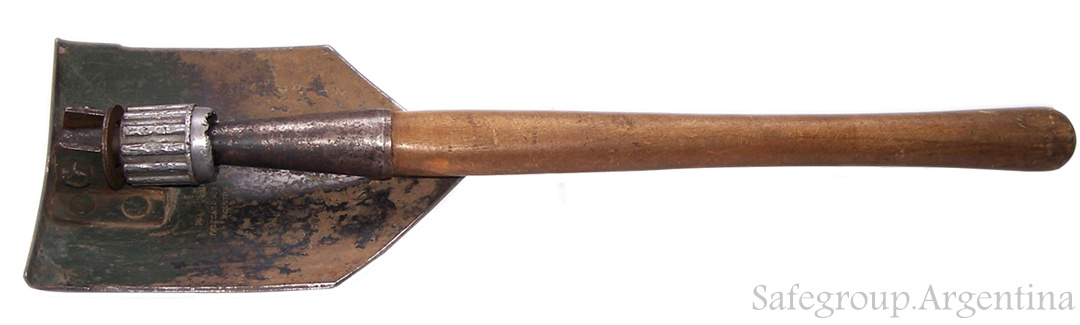
Lineman Shovel.
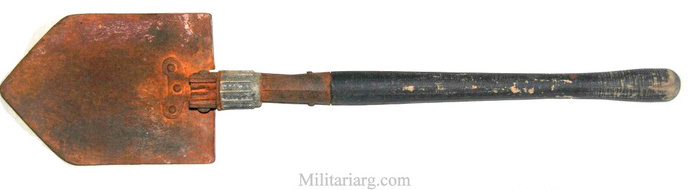
Us Army style folding shovel made by Tempex Argentina.
Recommended read:
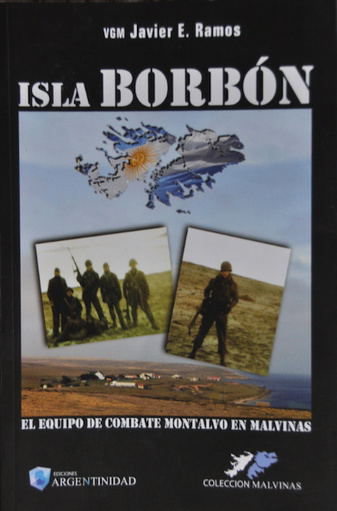
Isla de Borbon by Javier E. Ramos.
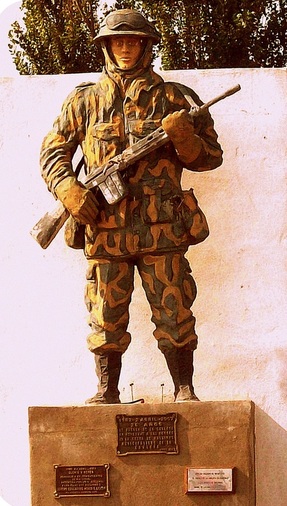
The Argentine Army in the 1982 South Atlantic War was equipped with a variety of primarily Western-sourced infantry weapons, artillery, and some light armored vehicles, but deployed no main battle tanks to the islands.
Infantry Weapons
Argentine ground forces used a mix of domestically produced and imported personal weapons:
Rifles: The primary service rifle was the FN FAL (Fusil Automático Liviano) in both standard and folding-stock variants, license-built in Argentina.
Machine Guns: The FN MAG 7.62 mm general-purpose machine gun (GPMG) was widely used, both in the light role and in a sustained fire role on tripods. The heavy Browning M2HB .50 caliber machine gun was also in use.
Submachine Guns: Various submachine guns were in use, including the FMK-3 9mm and the Halcon ML-63.
Anti-tank: The 90mm M20 "Bazooka" and the 105mm Model 1968 recoilless rifle were used for anti-tank and fire support roles.
MANPADS: The British-made Short Blowpipe man-portable surface-to-air missile system was issued to infantry for air defense.
Artillery
The Argentine Army deployed a substantial amount of artillery to the islands, primarily the light 105mm pack howitzer, which could be moved across the rough terrain, and a small number of heavier guns:
OTO Melara Mod 56 105 mm Pack Howitzer: This light, versatile gun was the most common piece of artillery, with around 18 deployed to locations like Stanley and Goose Green.
CITER 155mm L33 Gun: Only three or four of these heavier field guns were airlifted to the islands late in the conflict. They were strategically placed around Port Stanley and had a longer range than the British 105mm guns but were restricted to firing from the road network.
Tanks and Armored Vehicles
No main battle tanks were deployed by the Argentine Army to the Falklands due to logistical constraints and the islands' boggy, unsuitable terrain. The armored support was limited to:
Panhard AML-90 Armored Cars: Twelve French-made Panhard AML-90 wheeled armored cars were deployed, armed with a 90mm main gun. They were largely restricted to operating on the few paved roads around Port Stanley due to the soft ground elsewhere, which limited their effectiveness in the overall campaign.
LVTP-7: Tracked amphibious personnel carriers were used during the initial invasion (Operation Rosario) but were later shipped back to the Argentine mainland, as they were also deemed unsuitable for sustained operations on the islands' terrain.
Infantry Weapons
Argentine ground forces used a mix of domestically produced and imported personal weapons:
Rifles: The primary service rifle was the FN FAL (Fusil Automático Liviano) in both standard and folding-stock variants, license-built in Argentina.
Machine Guns: The FN MAG 7.62 mm general-purpose machine gun (GPMG) was widely used, both in the light role and in a sustained fire role on tripods. The heavy Browning M2HB .50 caliber machine gun was also in use.
Submachine Guns: Various submachine guns were in use, including the FMK-3 9mm and the Halcon ML-63.
Anti-tank: The 90mm M20 "Bazooka" and the 105mm Model 1968 recoilless rifle were used for anti-tank and fire support roles.
MANPADS: The British-made Short Blowpipe man-portable surface-to-air missile system was issued to infantry for air defense.
Artillery
The Argentine Army deployed a substantial amount of artillery to the islands, primarily the light 105mm pack howitzer, which could be moved across the rough terrain, and a small number of heavier guns:
OTO Melara Mod 56 105 mm Pack Howitzer: This light, versatile gun was the most common piece of artillery, with around 18 deployed to locations like Stanley and Goose Green.
CITER 155mm L33 Gun: Only three or four of these heavier field guns were airlifted to the islands late in the conflict. They were strategically placed around Port Stanley and had a longer range than the British 105mm guns but were restricted to firing from the road network.
Tanks and Armored Vehicles
No main battle tanks were deployed by the Argentine Army to the Falklands due to logistical constraints and the islands' boggy, unsuitable terrain. The armored support was limited to:
Panhard AML-90 Armored Cars: Twelve French-made Panhard AML-90 wheeled armored cars were deployed, armed with a 90mm main gun. They were largely restricted to operating on the few paved roads around Port Stanley due to the soft ground elsewhere, which limited their effectiveness in the overall campaign.
LVTP-7: Tracked amphibious personnel carriers were used during the initial invasion (Operation Rosario) but were later shipped back to the Argentine mainland, as they were also deemed unsuitable for sustained operations on the islands' terrain.
The Argentine military utilized a diverse fleet of aircraft from the Argentine Air Force, the Argentine Naval Aviation, and the Argentine Army Aviation during the 1982 South Atlantic War.
Argentine Air Force (FAA)
The FAA provided the bulk of the land-based strike and fighter aircraft, operating from airfields in southern Argentina.
IAI Dagger: Israeli-built ground attack and fighter aircraft (a variant of the French Mirage 5), heavily used for attack missions against British ships and ground targets.
McDonnell Douglas A-4 Skyhawk (A-4B and A-4C): The backbone of the FAA's strike force, these were crucial in inflicting heavy damage on the Royal Navy, including the sinking of several ships.
Dassault Mirage IIIEA: Primarily used for air defense (CAP) over the mainland, their lack of air-refueling capability and limited time over the islands restricted their combat effectiveness in the conflict area.
FMA IA 58 Pucará: An Argentine-designed and built, twin-turboprop, counter-insurgency and ground-attack aircraft. They were the only combat aircraft permanently based on the islands' rough airfields and were used for close air support and reconnaissance.
English Electric Canberra B.Mk 62: British-built light bombers used for night bombing missions against British positions.
Lockheed C-130 Hercules (C-130H and KC-130H): Vital for airlifting personnel and equipment to the islands, as well as serving as air-to-air refueling tankers that extended the range of the fighter-bombers.
Boeing 707: Used for long-range maritime surveillance and reconnaissance.
Fokker F28 Fellowship/F27 Friendship: Employed for transport and liaison duties.
Argentine Naval Aviation (COAN)
Operating from both the mainland and briefly from the aircraft carrier ARA Veinticinco de Mayo, the Navy's air arm was responsible for some of the most notable attacks of the war.
Dassault-Breguet Super Étendard: The most technologically advanced strike aircraft, armed with the deadly AM.39 Exocet anti-ship missile, which sank HMS Sheffield and the SS Atlantic Conveyor.
McDonnell Douglas A-4Q Skyhawk: Naval attack aircraft which flew from the carrier Veinticinco de Mayo in the initial phase before operating from mainland bases.
Grumman S-2E Tracker: Anti-submarine warfare (ASW) and maritime patrol aircraft.
Aermacchi MB.339A: Light attack and training aircraft, one of which was the first Argentine aircraft to engage British landing forces at San Carlos Water.
Sikorsky S-61D-4 Sea King: Transport and ASW helicopters.
Aérospatiale Alouette III: Light utility and observation helicopters.
Argentine Army Aviation
The Army Aviation mostly used helicopters for transport and utility roles on the islands.
Aérospatiale SA 330 Puma: Medium transport helicopters.
Boeing CH-47C Chinook: Heavy lift transport helicopters.
Bell UH-1H Iroquois: Utility helicopters.
Agusta A109A: Light observation and utility helicopters.
Additionally, a civilian air group called "Escuadrón Fénix" operated various requisitioned business jets and light aircraft (such as Learjets and Cessnas) for reconnaissance, electronic warfare, and liaison flights.
Argentine Air Force (FAA)
The FAA provided the bulk of the land-based strike and fighter aircraft, operating from airfields in southern Argentina.
IAI Dagger: Israeli-built ground attack and fighter aircraft (a variant of the French Mirage 5), heavily used for attack missions against British ships and ground targets.
McDonnell Douglas A-4 Skyhawk (A-4B and A-4C): The backbone of the FAA's strike force, these were crucial in inflicting heavy damage on the Royal Navy, including the sinking of several ships.
Dassault Mirage IIIEA: Primarily used for air defense (CAP) over the mainland, their lack of air-refueling capability and limited time over the islands restricted their combat effectiveness in the conflict area.
FMA IA 58 Pucará: An Argentine-designed and built, twin-turboprop, counter-insurgency and ground-attack aircraft. They were the only combat aircraft permanently based on the islands' rough airfields and were used for close air support and reconnaissance.
English Electric Canberra B.Mk 62: British-built light bombers used for night bombing missions against British positions.
Lockheed C-130 Hercules (C-130H and KC-130H): Vital for airlifting personnel and equipment to the islands, as well as serving as air-to-air refueling tankers that extended the range of the fighter-bombers.
Boeing 707: Used for long-range maritime surveillance and reconnaissance.
Fokker F28 Fellowship/F27 Friendship: Employed for transport and liaison duties.
Argentine Naval Aviation (COAN)
Operating from both the mainland and briefly from the aircraft carrier ARA Veinticinco de Mayo, the Navy's air arm was responsible for some of the most notable attacks of the war.
Dassault-Breguet Super Étendard: The most technologically advanced strike aircraft, armed with the deadly AM.39 Exocet anti-ship missile, which sank HMS Sheffield and the SS Atlantic Conveyor.
McDonnell Douglas A-4Q Skyhawk: Naval attack aircraft which flew from the carrier Veinticinco de Mayo in the initial phase before operating from mainland bases.
Grumman S-2E Tracker: Anti-submarine warfare (ASW) and maritime patrol aircraft.
Aermacchi MB.339A: Light attack and training aircraft, one of which was the first Argentine aircraft to engage British landing forces at San Carlos Water.
Sikorsky S-61D-4 Sea King: Transport and ASW helicopters.
Aérospatiale Alouette III: Light utility and observation helicopters.
Argentine Army Aviation
The Army Aviation mostly used helicopters for transport and utility roles on the islands.
Aérospatiale SA 330 Puma: Medium transport helicopters.
Boeing CH-47C Chinook: Heavy lift transport helicopters.
Bell UH-1H Iroquois: Utility helicopters.
Agusta A109A: Light observation and utility helicopters.
Additionally, a civilian air group called "Escuadrón Fénix" operated various requisitioned business jets and light aircraft (such as Learjets and Cessnas) for reconnaissance, electronic warfare, and liaison flights.
The Argentine Navy deployed a variety of ships during the 1982 South Atlantic War, ranging from a light aircraft carrier and a World War II-era cruiser to submarines, destroyers, corvettes, and numerous auxiliary and transport vessels.
The most prominent were organized into task forces at the beginning of the conflict.
Major Warships
ARA Veinticinco de Mayo: The fleet's aircraft carrier (a British-built Colossus-class vessel), which was the center of an Argentine task force. The threat of British nuclear-powered submarines effectively kept the carrier confined to port after May 3.
ARA General Belgrano: A Brooklyn-class light cruiser (formerly the USS Phoenix), most famous for its sinking by the British submarine HMS Conqueror on May 2, which resulted in 323 deaths and led to the rest of the Argentine surface fleet largely remaining in port for the remainder of the conflict.
Destroyers
The Argentine Navy had a mix of modern and older destroyers, primarily ex-US Navy vessels:
Type 42 Destroyers:
Two modern, British-designed air-warfare destroyers were in service:
ARA Hércules
ARA Santísima Trinidad (fleet flagship for the initial landing operations)
Ex-US Navy Destroyers:
Older Gearing-class and Allen M. Sumner-class destroyers were used as escorts:
ARA Comodoro Py
ARA Comodoro Seguí
ARA Hipólito Bouchard
ARA Piedrabuena
Submarines
Only two of Argentina's submarines were operational during the war:
ARA San Luis: A German-built Type 209 submarine that conducted patrols and reportedly engaged British ships, although defective torpedoes prevented it from achieving any confirmed hits.
ARA Santa Fe: A World War II-era Balao-class submarine that was seriously damaged by British helicopters at South Georgia and subsequently captured and scuttled.
Corvettes and Patrol Vessels
Smaller warships were used for various duties, including coastal patrol and the initial invasion of South Georgia:
ARA Guerrico: A Drummond-class corvette that was damaged by British forces during the South Georgia operation.
ARA Drummond
ARA Granville
ARA Alférez Sobral: A patrol vessel that was damaged by Sea Skua missiles from British helicopters.
Auxiliary and Transport Ships
The navy also utilized various support and logistics ships, some of which were merchant vessels pressed into service:
ARA Cabo San Antonio: An amphibious landing ship (LST) used to land the main invasion force at the Falklands.
ARA Isla de los Estados: A supply ship that was sunk by a British warship.
ARA Almirante Irízar: An icebreaker that also served as a hospital ship.
ARA Bahía Paraíso: An Antarctic survey ship and transport, later used as a hospital ship.
The most prominent were organized into task forces at the beginning of the conflict.
Major Warships
ARA Veinticinco de Mayo: The fleet's aircraft carrier (a British-built Colossus-class vessel), which was the center of an Argentine task force. The threat of British nuclear-powered submarines effectively kept the carrier confined to port after May 3.
ARA General Belgrano: A Brooklyn-class light cruiser (formerly the USS Phoenix), most famous for its sinking by the British submarine HMS Conqueror on May 2, which resulted in 323 deaths and led to the rest of the Argentine surface fleet largely remaining in port for the remainder of the conflict.
Destroyers
The Argentine Navy had a mix of modern and older destroyers, primarily ex-US Navy vessels:
Type 42 Destroyers:
Two modern, British-designed air-warfare destroyers were in service:
ARA Hércules
ARA Santísima Trinidad (fleet flagship for the initial landing operations)
Ex-US Navy Destroyers:
Older Gearing-class and Allen M. Sumner-class destroyers were used as escorts:
ARA Comodoro Py
ARA Comodoro Seguí
ARA Hipólito Bouchard
ARA Piedrabuena
Submarines
Only two of Argentina's submarines were operational during the war:
ARA San Luis: A German-built Type 209 submarine that conducted patrols and reportedly engaged British ships, although defective torpedoes prevented it from achieving any confirmed hits.
ARA Santa Fe: A World War II-era Balao-class submarine that was seriously damaged by British helicopters at South Georgia and subsequently captured and scuttled.
Corvettes and Patrol Vessels
Smaller warships were used for various duties, including coastal patrol and the initial invasion of South Georgia:
ARA Guerrico: A Drummond-class corvette that was damaged by British forces during the South Georgia operation.
ARA Drummond
ARA Granville
ARA Alférez Sobral: A patrol vessel that was damaged by Sea Skua missiles from British helicopters.
Auxiliary and Transport Ships
The navy also utilized various support and logistics ships, some of which were merchant vessels pressed into service:
ARA Cabo San Antonio: An amphibious landing ship (LST) used to land the main invasion force at the Falklands.
ARA Isla de los Estados: A supply ship that was sunk by a British warship.
ARA Almirante Irízar: An icebreaker that also served as a hospital ship.
ARA Bahía Paraíso: An Antarctic survey ship and transport, later used as a hospital ship.