Militariarg.com
  • Home
  • Army
  • Aviation
  • Navy
  • Uniforms and Badges
  • Arms and Weapons
  • Equipment
  • Vehicles
  • Operational and Organizational Structure, Security Forces, Transportation, Books, Models and More.
  • Argentine Confederation Era. 1829 - 1852.
  • From 1852 to 1910 (French fashion)
  • Bunker 1982: South Atlantic War Militaria
  • International Militaria
  • Argentina WWII Era (Neutral) Reenactment Impression
  • Links ~ Enlaces
Picture

Picture
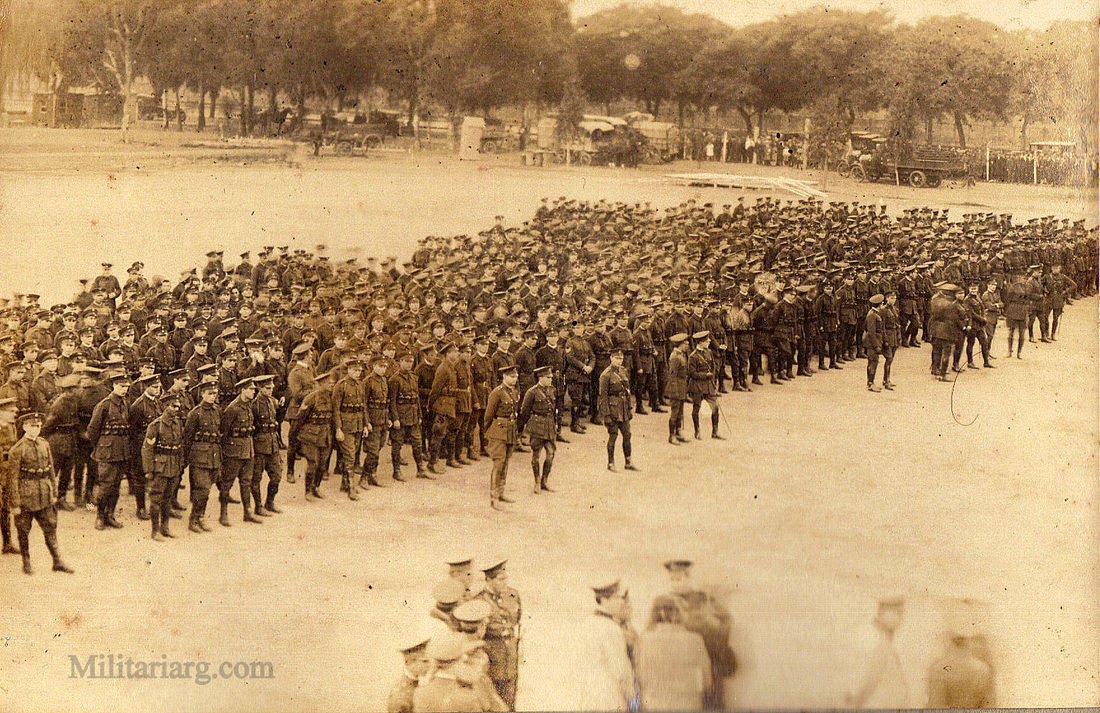
Juan Bautista Vairoleto (Correct surname was Vairoletti), the legendary Argentine "Robin Hood" outlaw, served in the 2nd Cavalry Regiment (Regimiento 2 de Caballería). His military service was a pivotal period that shaped his later life as a fugitive. In 1915, at age 20, he was called for mandatory * military service in Ciudadela, Buenos Aires. He served in the Regimiento 2 de Lanceros (part of the 2nd Cavalry).

 (* The first cohort or "class" called to the mandatory military service established by the
Riccheri Law (Law No. 4031) was the Clase 1881. Although the law was passed in late 1901, the first group of 20-year-old men was officially conscripted in 1902. Vairoleto belonged to the Clase 1894 (incorporated in 1915), then he was part of the 14th group to be called up under the Riccheri Law).

​

Skills Acquired.
During his time in the regiment, he stood out for his exceptional skills in horsemanship and marksmanship. His superiors were surprised by his natural ability with horses and his sharpshooting, skills he had initially picked up as a rural laborer (arriero).

Post-Service
Although he showed potential for a military career, he returned to the town of Castex (Then National Territory of "La Pampa".), after his service. Shortly after, in 1919, he killed a police officer (comisario) named Elías Farach in a dispute over a woman, marking the beginning of his life as a famous rural bandit. 

His time in the 2nd Cavalry Regiment turned a simple country boy into a tactically trained operative.
The military gave him three specific advantages that made him nearly impossible for the provincial police to catch

The 2nd Cavalry (the "Lanceros") were elite riders. Bairoletto mastered the ability to ride for days across the desert-like terrain of La Pampa and Mendoza, knowing how to push a horse to its limit without killing it.
While the rural police of that era were often poorly trained, Bairoletto had undergone formal shooting training with the Army's Mauser rifles. This gave him the confidence to face multiple officers at once, often escaping through pure firepower.
He understood how military patrols operated. He knew their pursuit patterns and how to use the "monte" (shrubland) for cover, much like a scout would in a cavalry reconnaissance unit.

It’s a classic Argentine irony: the state trained him in the Riccheri-era discipline to defend the nation, but he used those skills to humiliate the state’s own police force for over 20 years. He was shot and killed on September 14, 1941 amid a police ambush at his home in General Alvear, Mendoza, where he had settled some years before

Modifications: 1913 - 1929. (President Alvear)
Picture
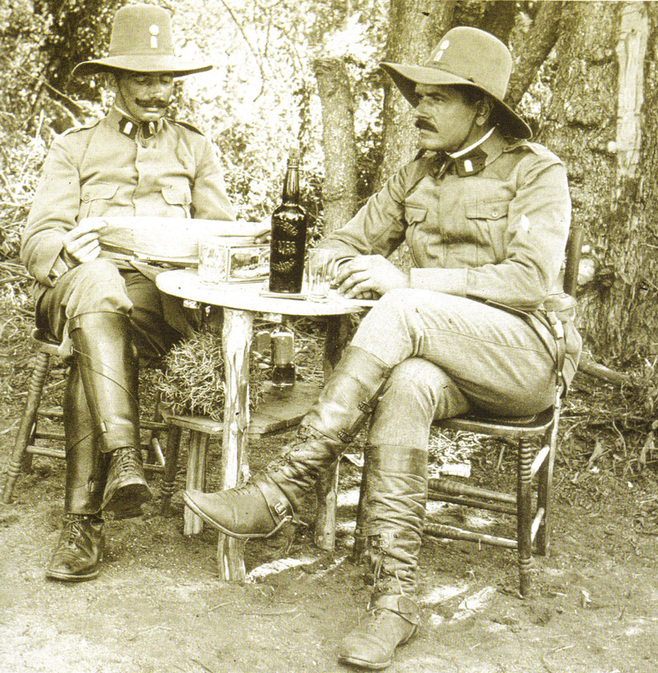
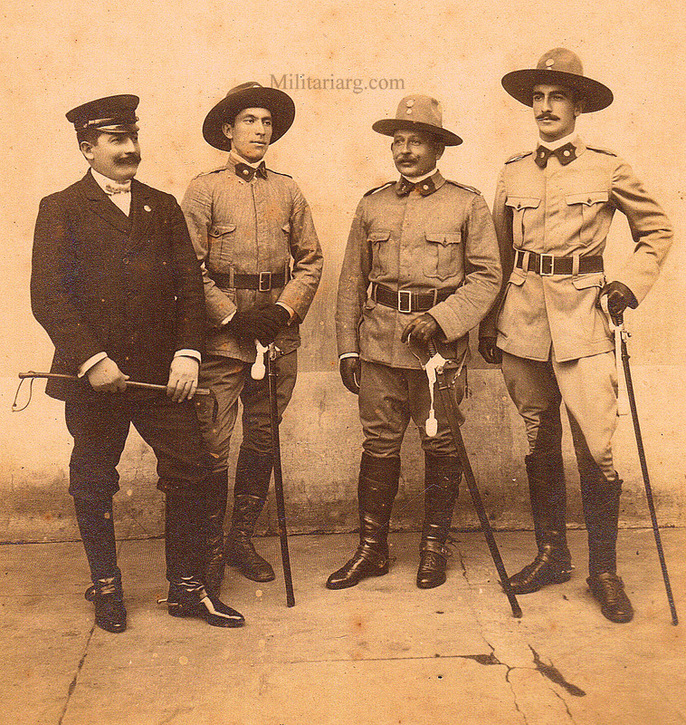
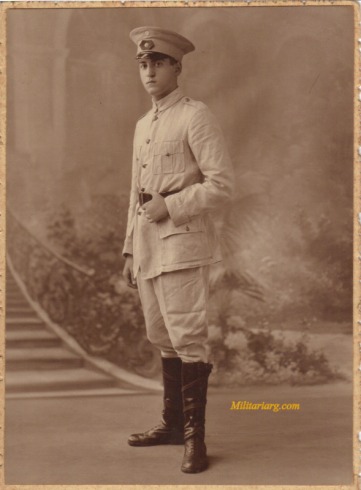
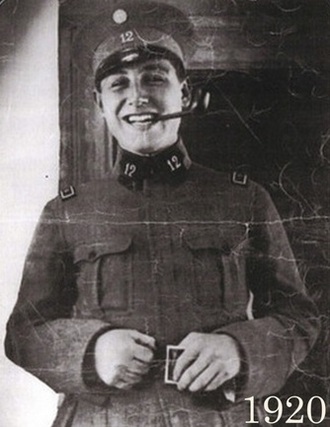
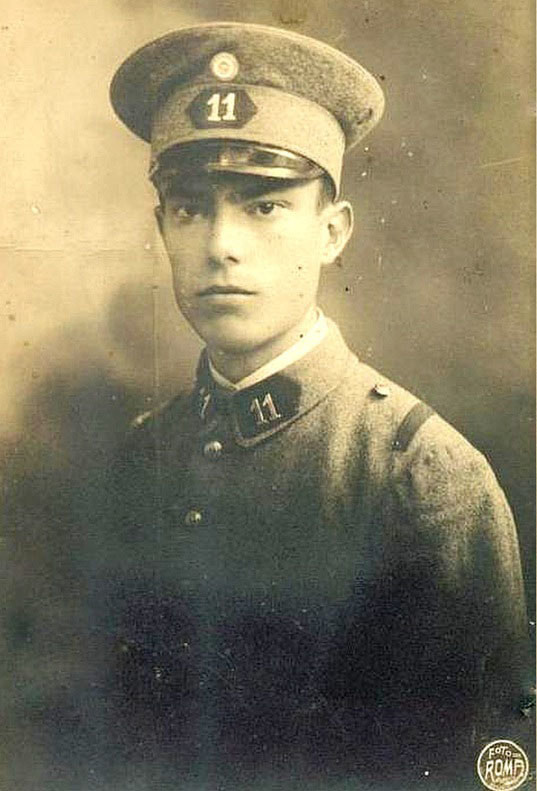
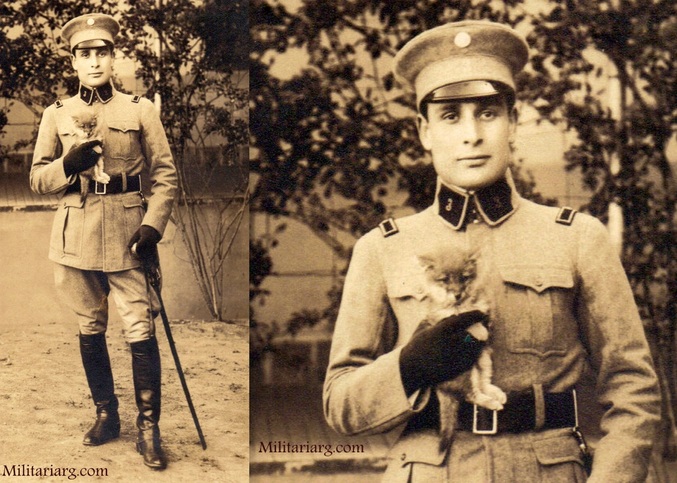
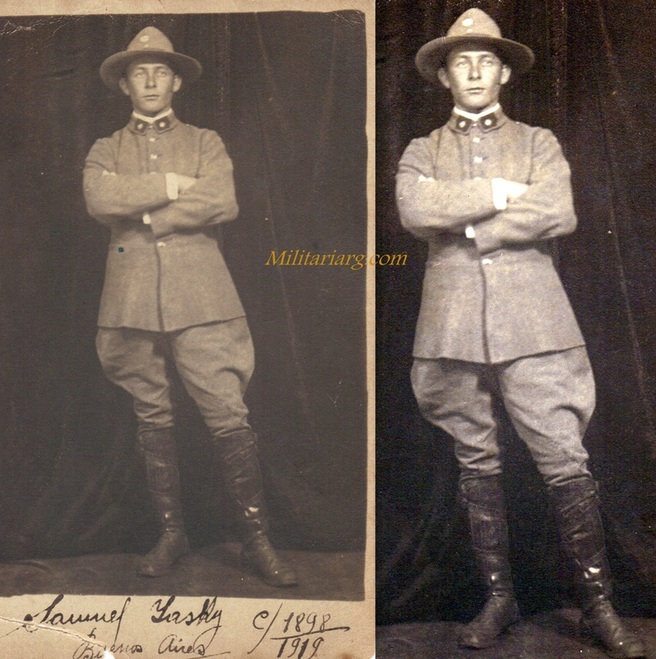
1919. M1910 Campaign Uniform Hat.
Picture
Picture
Picture
Picture
Picture
Picture
Picture
Picture
Picture
Picture
Picture
Picture
Picture
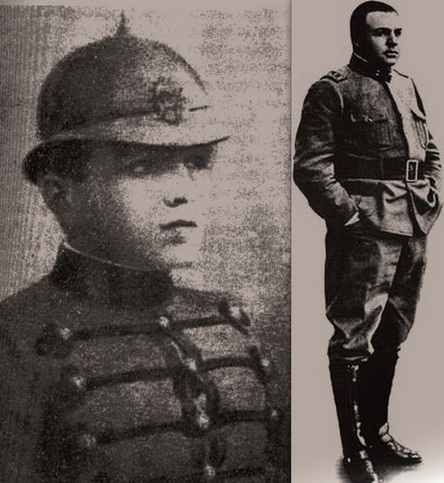
Left: Enrique Mosconi Military College of the Nation Uniform 1891-94. Right: Gral Mosconi, circa 1922.
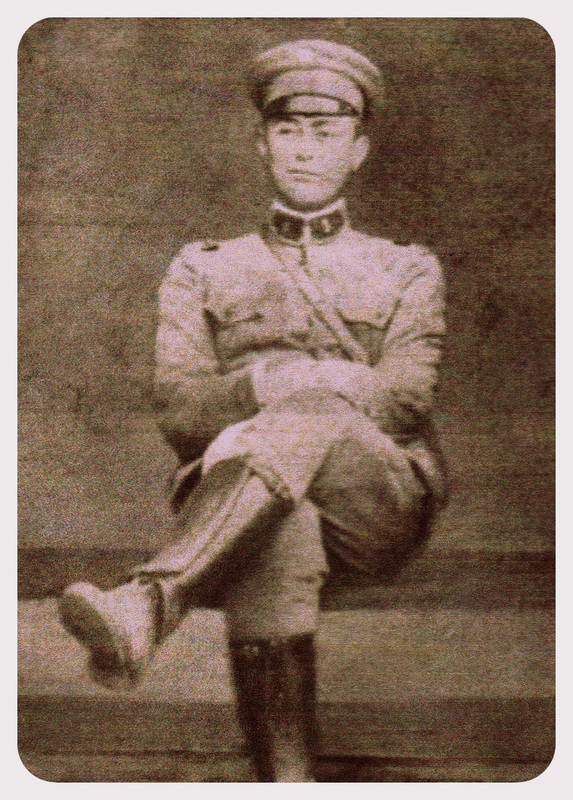
Left: Captain Gregorio Pomar.
Picture
Picture
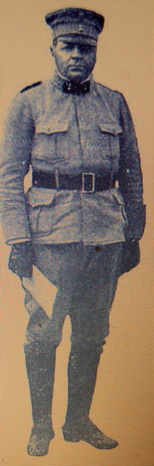
Lieutenant Colonel Mosconi.
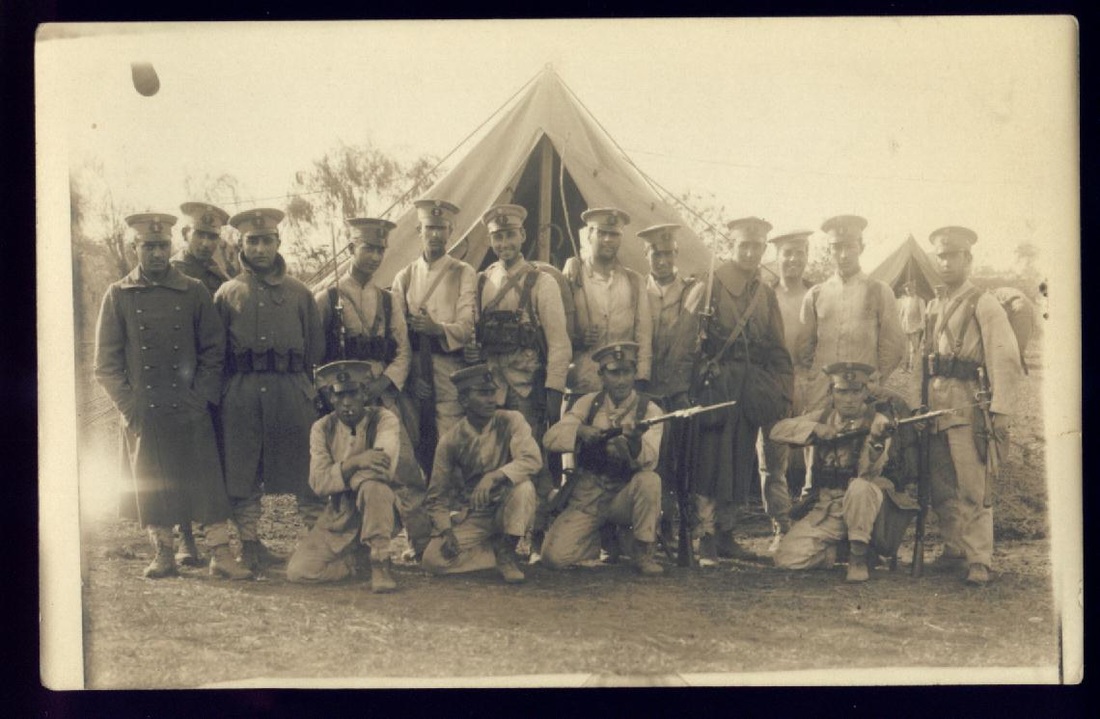
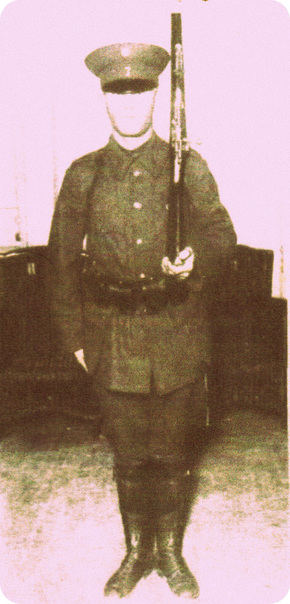
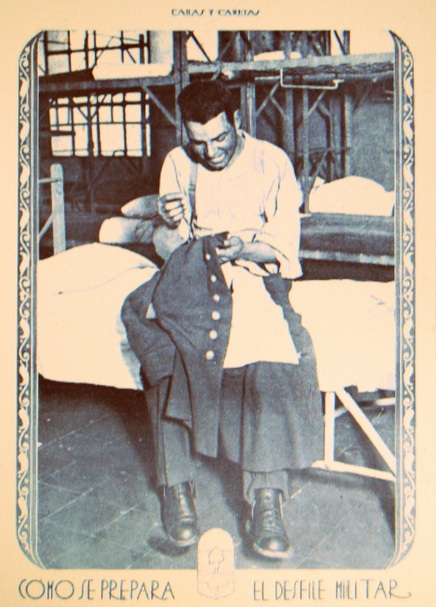
Right: Conscript Soldier preparing for a parade.
Photos: Caras y Caretas.
General Enrique Mosconi was the architect of Argentina's modern energy policy and served as the first Director General of YPF (Yacimientos Petrolíferos Fiscales) from 1922 to 1930. 
The Vision of General Mosconi

Energy Sovereignty: Mosconi believed that for Argentina to be truly independent, it had to control its own fuel. He famously declared, "Oil is the blood of the nation," and worked to break the dominance of foreign "trusts" like Standard Oil and Royal Dutch Shell.

A Global Pioneer: Under his leadership, YPF became the world's first state-owned, vertically integrated oil company. This model—where the state manages everything from exploration to the gas station—was later copied by other Latin American nations to create companies like Petrobras (Brazil) and Pemex (Mexico).

Infrastructure Achievements: He spearheaded the construction of the La Plata Refinery in 1925, which was then the tenth largest in the world, and established a national network of service stations. 

Mosconi was a military engineer by trade who had previously directed the Army's Aeronautics service. His frustration with the difficulty of buying aviation fuel from foreign companies at fair prices fueled his desire for national production.


Industrialization: He didn't just want oil; he wanted an industrialized Argentina. He promoted technical training for locals and the development of railways and ports to support the energy sector. 
General Enrique Mosconi faced intense, multifaceted harassment throughout his tenure at YPF (1922–1930) due to his staunch opposition to foreign oil interests. 

Mosconi fought a continuous battle against the "trusts"--primarily Standard Oil and Royal Dutch Shell. These giants used their vast financial resources to influence the Argentine press and political figures to lobby against YPF’s expansion.
Foreign companies actively worked to frustrate YPF's agreements, such as a 1930 deal with the Soviet Union, by pressuring the government and painting Mosconi's efforts as radical or aligned with international communism.

Many historians argue that the 1930 military coup that overthrew President Hipólito Yrigoyen was partially fueled by foreign oil interests. Mosconi was forced to resign immediately after the coup, and the new de facto regime replaced him with officials more favorable to foreign trusts. 

Despite managing one of the largest oil companies in the world, Mosconi lived a modest life. After being sidelined by the post-1930 "Infamous Decade" regimes, he died in 1940 with only a few pesos to his name.

The stress and political isolation took a physical toll; he suffered a stroke that left him partially paralyzed. During his later years, he traveled to Mexico and Brazil, where he was ironically treated as a hero and advisor for their national oil projects while being ignored by his own government. 

Mosconi’s experience is often cited as a cautionary tale of the personal cost of defending national sovereignty against global monopolies.

Picture
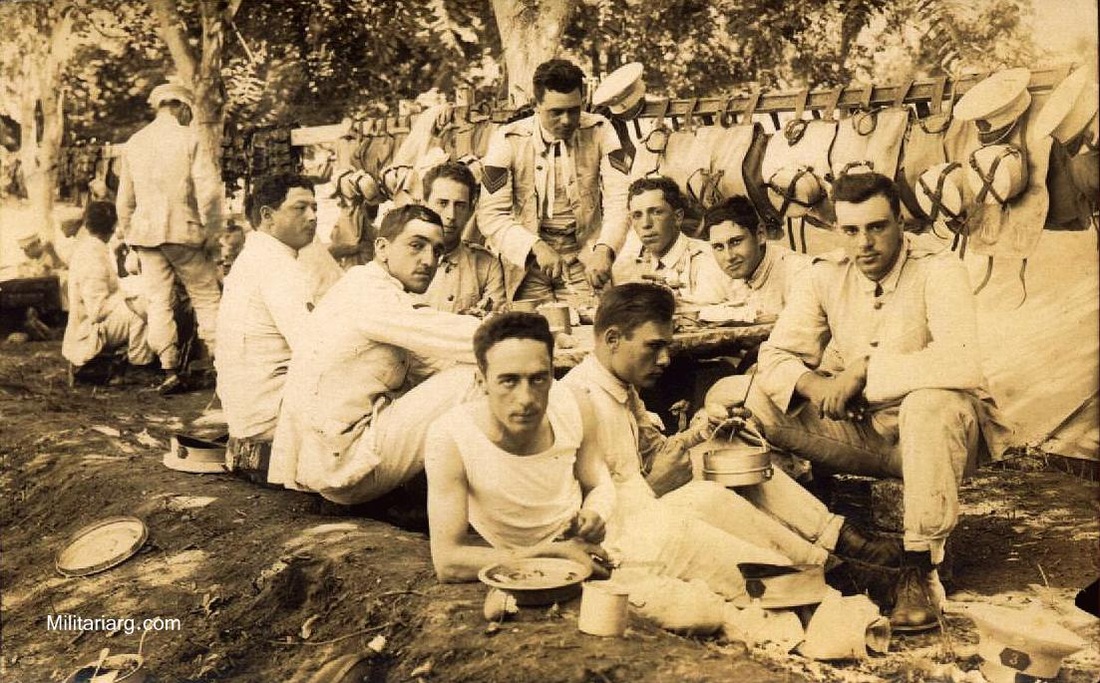
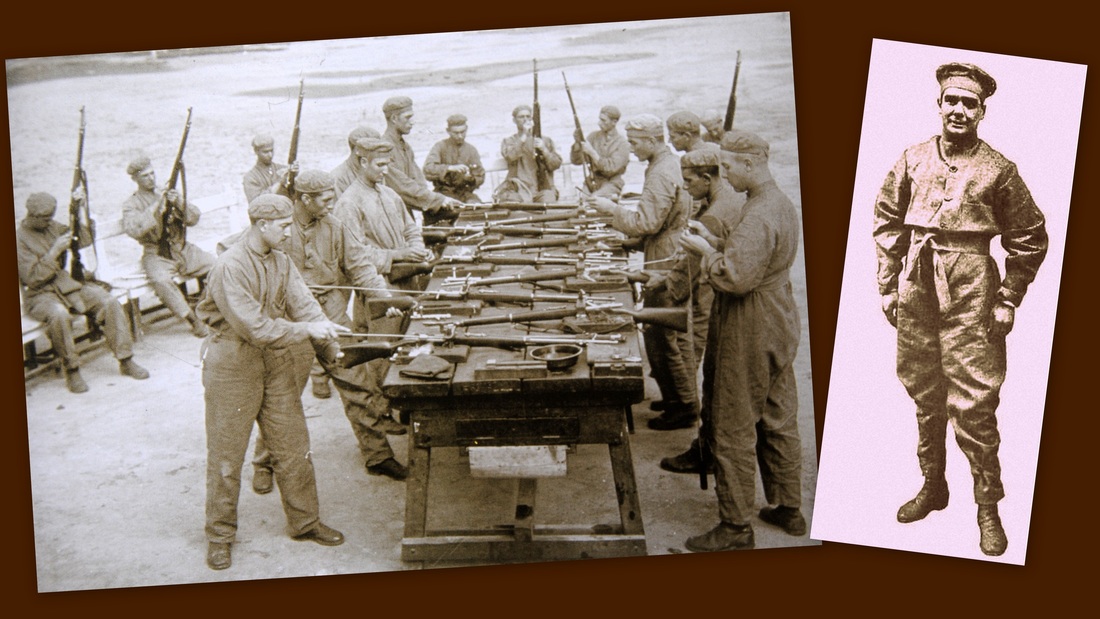
1924: Fatigue Uniform. Caras y Caretas.

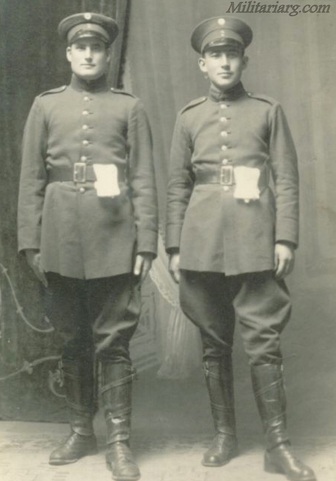
1923 - 1925/31
Picture
Picture
Picture
Picture
Powered by Create your own unique website with customizable templates.